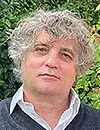
Douglas Muench is Professor in Biological Sciences at the University of Calgary. His research combines molecular biology and environmental biotechnology, focusing on RNA-binding proteins regulating post-transcriptional gene expression in plants, and plant-based remediation technologies for oil sands tailings water. Key projects involve characterizing Puf family RNA-binding proteins in Arabidopsis and developing phytoremediation strategies for degrading recalcitrant organic acids in oil sands wastewater. His lab employs genomics, proteomics, and molecular genetics approaches. Publications cover RNA-protein interactions, plant stress responses to industrial contaminants, and microtubule-associated processes. Recent work investigates cytoskeletal reorganization under environmental stress and engineered solutions for wastewater treatment.
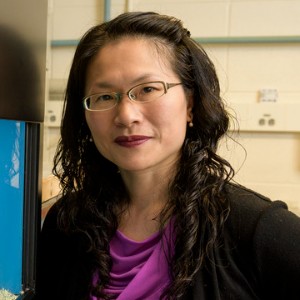
Seena Ajit, PhD, is a Professor in the Department of Pharmacology & Physiology at Drexel University College of Medicine. She leads the Ajit Lab, which focuses on epigenetic mechanisms of pain, particularly involving microRNAs and extracellular vesicles. Her research investigates biomarkers for chronic pain conditions like complex regional pain syndrome (CRPS) and the role of exosomes in intercellular communication. Education: PhD from Rutgers University. Research Interests: Molecular mechanisms of neuropathic and inflammatory pain, epigenetic regulation, miRNA expression, and biomarker discovery. The lab explores exosome-mediated signaling and the role of noncoding RNAs such as XIST in pain pathogenesis, with a focus on sex-based differences. Awards: Mary DeWitt Pettit Fellowship (2017), Faculty Mentoring Award (2016), Rita Allen Foundation Grant (2010–2013). Advising & Grants: Supervises PhD and MS students in pharmacology, physiology, and related disciplines. Collaborates on grants including a CURE Formula Grant with Dr. Mortensen on sex differences in neuropathic pain. Mentored numerous students, many of whom hold academic or industry roles. Labs & Teams: Director of the Ajit Lab, part of the Pharmacology & Physiology Department. Active in the Drexel University College of Medicine’s research community, contributing to drug discovery and translational pain research initiatives.
Dr. Daniel Cifuentes is an Associate Professor in the Department of Biochemistry at Boston University, where he leads the Cifuentes Laboratory. His research focuses on RNA regulation mechanisms in two primary model systems: zebrafish embryogenesis and RNA virus replication (e.g., Ebola and Lassa viruses). He integrates high-throughput genetic, genomic, and proteomic approaches to investigate post-transcriptional regulation in development and viral infection. PhD: University of Barcelona, Spain Postdoctoral Training: Yale University Research Interests Molecular mechanisms of RNA-binding proteins and microRNAs Role of RNA modifications in gene expression Transcriptional and translational control in filoviruses and arenaviruses Publications & Trends : His work spans RNA regulatory networks, with recent emphasis on computational approaches (sChemNET), viral RNA stabilization (Ebola), and chromatin organization in blood cell development (miR-144/Hmgn2 axis). Collaborations : Dr. Cifuentes collaborates with Prof. Mühlberger’s group at Boston University’s National Emerging Disease Laboratory (NEIDL) for RNA virus research. Laboratory Members : Owen Sanborn (PhD Student - RNA-Protein Interactions, microRNA) Annie Wen (PhD Student - Biochemistry, Virology)
Constantin (Nick) Takacs is an Assistant Professor in the Department of Biology at Northeastern University, where he leads the Takacs Lab. His research focuses on understanding the Lyme disease bacterium Borrelia burgdorferi , its tick vectors, and their interactions using genetic, imaging, and biochemical approaches. He joined Northeastern in January 2023 after completing postdoctoral research at Yale University, Stanford University, and HHMI. Dr. Takacs holds a Ph.D. from Rockefeller University (2016), where his work centered on hepatitis C virus, lipoprotein secretion, and liver diseases under the mentorship of Dr. Sanford M. Simon and Dr. Charles M. Rice. During his postdoctoral training with Dr. Christine Jacobs-Wagner, he pioneered genetic methods for Borrelia burgdorferi , including CRISPRi-based gene expression tools and insights into the bacterium's polyploid genome structure. His research interests span microbial pathogenesis, bacterial genetics, and host-pathogen interactions. Key themes include the molecular mechanisms of Borrelia 's segmented genome organization, CRISPR-based genetic tools for spirochete research, and the impact of environmental factors on Lyme disease transmission dynamics. His lab emphasizes collaborative, inclusive mentorship and translational research to address emerging infectious diseases. Notable publications highlight advancements in understanding Borrelia 's peptidoglycan biogenesis, genome stability in culture vs. tick vectors, and CRISPR applications for gene regulation. His work bridges fundamental microbiology with public health concerns, particularly regarding the expansion of Lyme disease due to climate change.
Sang-Ho Kwon, PhD is an Associate Professor in the Department of Cellular Biology and Anatomy at the Medical College of Georgia, Augusta University. His laboratory is located in the R&E Building (CB 2820), where he leads research on molecular mechanisms of kidney injury. Dr. Kwon holds a PhD from Johns Hopkins University School of Medicine and completed postdoctoral training at the University of California San Francisco. Research Focus: Dr. Kwon investigates noncoding RNA-regulated pathways in kidney pathophysiology, with emphasis on: miRNA:mRNA interactions during renal injury Extracellular vesicle (EV)-mediated signaling in disease progression Development of molecular toolboxes for noncoding RNA research Metabolic reprogramming in chronic kidney disease Publication Trends: Recent work (2019-2024) explores miRNA/EV roles in kidney fibrosis, acute injury, and diabetes, with consistent focus on translational applications like biomarker discovery and therapeutic targeting. Studies frequently integrate molecular biology, epigenetics, and innovative imaging techniques. Laboratory: The Kwon Lab researches gene expression dynamics in organ injury, particularly noncoding RNA activities in renal pathophysiology. Current projects examine EV-loaded RNAs, ferroptosis mechanisms, and hypoxia-responsive vesicle signaling.
Tom Hobman is a Professor in the Department of Cell Biology at the Faculty of Medicine & Dentistry, University of Alberta. His research focuses on RNA virus-host interactions and the regulation of RNA interference pathways in diseases such as breast cancer. He leads an active laboratory investigating viruses including SARS-CoV-2, Zika, HIV, and West Nile virus, with a focus on identifying host pathways for broad-spectrum antiviral therapies. Research Interests: RNA virus-host interactions, particularly with SARS-CoV-2, Zika, Dengue, and HIV Host cell pathways exploited by multiple RNA viruses Development of broad-spectrum antivirals targeting host factors Regulation of Argonaute proteins and miRNA pathways in breast cancer Peroxisome biology in viral infection and immune signaling Interferon response modulation by viral proteins The recent publications show a strong trend in virology and host-pathogen interactions, particularly focusing on SARS-CoV-2 mechanisms of immune evasion, Zika virus persistence in fetal and reproductive tissues, and the role of cellular organelles like peroxisomes in antiviral signaling. The work spans molecular virology, cell biology, and therapeutic development, with increasing emphasis on host-directed antiviral strategies. Scientific Awards: Canada Research Chair in RNA Viruses and Host Interactions (2010–2018) Fellow of the Canadian Academy of Health Sciences (2021) Grants and Advising: Dr. Hobman’s research is supported by the Canadian Institutes of Health Research (CIHR), the Natural Sciences and Engineering Research Council (NSERC), and Tonix Pharmaceuticals. He actively mentors graduate students and postdoctoral fellows, including Alberto Felix-Lopez, Mohamed Elaish, and Joaquín López-Orozco, fostering a collaborative environment in virology and molecular cell biology. Laboratory and Team: The Hobman Lab includes postdoctoral fellows, research associates, graduate students, and technicians working on various aspects of viral pathogenesis and RNA biology. Key members include Dr. Mohamed Elaish, Dr. Joaquín López-Orozco, Dr. Zaikun Xu, and technicians Nawell Fayad, Valeria Mancinelli, and Eileen Reklow. The lab employs super-resolution imaging, molecular virology, and functional genomics to study viral mechanisms.
Julia Unternaehrer is an Associate Professor in the Basic Sciences and Biochemistry Division, as well as in Gynecology & Obstetrics at Loma Linda University School of Medicine. She serves as Vice Chair of Basic Sciences and Co-Program Director for Cancer, Developmental, and Regenerative Biology programs. Her research focuses on the interplay between epithelial-mesenchymal transition (EMT) factors, microRNAs, and cancer stem cells in ovarian cancer progression and resistance mechanisms. She holds a PhD from Yale University (2004) and a BS from Loma Linda University (1987). Research Interests : Dr. Unternaehrer investigates how EMT pathways and microRNAs regulate cancer cell behavior, particularly in ovarian and prostate cancers. Her lab uses patient-derived xenograft models to study therapeutic resistance and stemness. Key areas include the Snail/let-7 axis in metastasis, radiation effects on cancer aggressiveness, and health disparities in genetic testing access. Grants & Service : She leads several grants including NIH-funded studies on chemoresistance and proton radiation impacts. She directs the Flow Cytometry and Patient-Derived Xenograft Core Facilities. Her service roles include thesis committee leadership for over a dozen students and committee memberships in academic affairs and institutional biosafety. Labs & Teams : Her research group collaborates on projects involving stem cell reprogramming, tumor microenvironment analysis, and translational oncology. Current initiatives target novel combination therapies for BRCA-associated cancers and disparities in Latinx patient outcomes.
Dr. Ageliki Tsagaratou is an Assistant Professor in the Department of Genetics at the University of North Carolina at Chapel Hill School of Medicine, where she leads the Tsagaratou Lab focused on epigenetic mechanisms in immune cell development. Her research program investigates how TET family proteins regulate DNA demethylation and transcriptional networks during T cell differentiation in the thymus and periphery. Her primary research interests include: Epigenetic regulation of T cell lineage specification DNA demethylation mechanisms mediated by TET proteins (TET1, TET2, TET3) Role of 5-hydroxymethylcytosine in immune cell development Mechanisms linking epigenetic dysregulation to autoimmunity and hematological malignancies Transcriptional control of invariant natural killer T cell development Dr. Tsagaratou's laboratory employs genetically modified mouse models, primary cell culture, multiparameter flow cytometry, molecular biology assays, and next-generation sequencing technologies to elucidate epigenetic regulatory mechanisms. Recent publications demonstrate her team's focus on TET protein functions in T cell receptor repertoire formation, T follicular helper cell biology, and malignant transformation pathways. As a mentor, she emphasizes individualized development plans, daily communication, and collaborative problem-solving. Her lab participates in interdisciplinary seminars at UNC's Comprehensive Lineberger Cancer Center and Carolina Chromatin Consortium. The laboratory is located in the Burnett-Womack Building on UNC's Chapel Hill campus.
Graciela Lorca is a Professor in the Department of Microbiology & Cell Science at the University of Florida. Her research focuses on probiotic mechanisms, particularly Lactobacillus johnsonii N6.2, targeting Type 1 Diabetes treatment and gut immunity. The Lorca Lab conducts Phase II clinical trials for probiotic efficacy in pediatric and adult T1D patients. Key areas include extracellular vesicle biology, immune modulation, and microbiome interactions with diet and disease. Collaborative projects involve citrus greening pathogen research and neonatal microbiome studies. The lab engages in translational research bridging basic science and clinical applications. Primary affiliation: University of Florida, College of Agricultural and Life Sciences (implied) Lab location: UF Cancer and Genetics Research Complex, Gainesville, FL Key collaborations: Clinical Research Center (UF), IFAS Extension Research interests emphasize probiotic-driven immunomodulation in autoimmune diseases, particularly T1D, leveraging interdisciplinary approaches including microbiology, immunology, and genetics. Ongoing projects include EV-mediated anti-viral mechanisms, bile-induced probiotic adaptations, and maternal milk microbiome dynamics. The lab actively publishes in high-impact journals and disseminates findings via social media (TikTok/Instagram) for public engagement. Clinical trials focus on N6.2 probiotic safety and efficacy, with 52-week follow-up studies involving 8-45 year-old T1D patients. The lab also investigates citrus greening disease (Huanglongbing), contributing to agricultural microbiology solutions. Grants and funding support include NIH/UF institutional programs, with projects addressing probiotic formulation, EV production optimization, and translational diabetes research. The lab trains undergraduate, graduate, and postdoctoral researchers in microbiology, immunology, and clinical trial methodologies. Public engagement includes educational content production on lab social media platforms, emphasizing science communication and health literacy.
Professor Javier Caceres is a Principal Investigator at the MRC Human Genetics Unit and holds a Personal Chair in RNA and Gene Expression at the School of Molecular & Clinical Medicine, University of Edinburgh. His research focuses on post-transcriptional gene regulation through RNA processing mechanisms such as alternative splicing, nonsense-mediated decay (NMD), and microRNA (miRNA) biogenesis. His laboratory investigates how RNA-binding proteins (RBPs) coordinate gene expression from splicing to translation, with emphasis on the role of transcription elongation rates in splicing accuracy and the discovery of localized NMD pathways at the endoplasmic reticulum. These mechanisms are linked to human diseases including cancer and genetic disorders. Recent publications highlight his work on RNA helicase DHX34’s dual role in splicing and NMD, SRSF1 transport in cilia function, and genetic variation’s impact on miRNA processing. These studies integrate biochemistry, structural biology, and molecular genetics to dissect RNA regulatory networks. Scientific awards and recognitions include: Election to EMBO (2008) Fellowship at the Royal Society of Edinburgh (2011) Membership in the Latin American Academy of Sciences (2021) Current projects funded by the Medical Research Council (MRC) extend from 2023 to 2028, building on prior work in RNA biology and disease mechanisms.
Roman G. Ginnan, PhD, is a Professor and Director of the MCP Graduate Studies at Albany Medical College , specializing in Molecular and Cellular Physiology . His research focuses on vascular smooth muscle (VSM) cell signaling, particularly in vascular pathologies like restenosis, vein graft intimal hyperplasia, and atherosclerosis. Ginnan investigates how growth factors (e.g., PDGF) and cytokines (e.g., IL-1β) trigger protein kinase phosphorylation and ROS production, with a focus on ERK1/2 and PKCδ mechanisms. Education : PhD and MS from Albany Medical College (2004, 2002), MA from Binghamton University (1993). His recent work explores PKCδ's role in tyrosine phosphorylation, CaMKII isoforms (δ and γ) in VSM migration/proliferation, and ROS-calcium signaling crosstalk. Publications highlight necroptosis (MLKL/CaMKII interactions), hypercapnia-induced muscle atrophy (AMPKα2), and miRNA-30 targeting CaMKIIδ in neointimal hyperplasia. Key collaborations include researchers like H.A. Singer and D. Jourd'heuil. Ginnan’s studies bridge vascular pathology, signal transduction, and molecular mechanisms of inflammation and oxidative stress.
Dr. Frederik Verweij is an Assistant Professor in the Department of Cell Biology, Neurobiology and Biophysics at Utrecht University's Faculty of Science since 2021. His research focuses on the intricate mechanisms of extracellular vesicle (EV) biology, particularly exosomes, using advanced imaging techniques in zebrafish models. Prior to his current position, he served as a Researcher at INSERM U1266, IPNP in Paris (2017-2021) and completed postdoctoral work at the Institut Curie in Paris (2014-2017), where he investigated exosome research under the guidance of Dr. Graça Raposo. Dr. Verweij earned his PhD from the Exosome Research Group led by Dr. D. Michiel Pegtel (2009-2014). Dr. Verweij's research interests span multiple aspects of cell biology, with particular expertise in exosome biogenesis, trafficking, and function. His work integrates cell biology, molecular biology, biochemistry, and advanced imaging techniques to study protein trafficking, virology, and signaling in the endo-exosomal pathway. He has pioneered the use of zebrafish as a model organism for in vivo EV imaging, developing innovative approaches for live imaging, dynamic correlative light and electron microscopy (CLEM), optogenetics, and electron microscopy. His laboratory investigates how extracellular vesicles mediate intercellular communication in physiological and pathological contexts, with implications for cancer, viral infections, and potential therapeutic applications. Analysis of Dr. Verweij's publication record reveals a strong trajectory in extracellular vesicle research, with increasing focus on in vivo imaging techniques and physiological relevance. His work has evolved from basic mechanisms of exosome biogenesis and viral protein sorting to sophisticated in vivo models that capture the dynamic nature of EV communication within living organisms. The zebrafish model has become a cornerstone of his research approach, allowing unprecedented visualization of EV trafficking between organs and during development. Recent publications highlight technical innovations in EV imaging and quantification, demonstrating his leadership in methodological advancements within the EV field. ERC Starting grant - European Research Council 5-year grant (2021) Vidi award - Dutch Research Council (NWO) 5-year grant (2021) KWF Young Investigator Grant (2020) ASEMV 2020 Young Investigator Award INSERM CRCN laureate (tenure) via national competition (2020) Multiple featured abstracts and travel awards from ISEV meetings Dr. Verweij has successfully secured substantial funding as both principal investigator (ERC Starting grant, Vidi award, KWF Young Investigator Grant) and co-PI (INCa PLBIO project, ARC project grants). His research group at Utrecht University combines expertise in cell biology, imaging, and zebrafish models to investigate fundamental questions in EV biology. He actively contributes to the scientific community through extensive peer review activities for high-impact journals and funding agencies, and has taken leadership roles in organizing international workshops, including co-chairing the first international 'EV imaging in vivo workshop' in 2020. Dr. Verweij serves on the scientific board of the French Society for Extracellular Vesicles and has established himself as a rising leader in the extracellular vesicle research community.
Kazuko Nishikura is a Professor at the Gene Expression & Regulation Program within the Ellen and Ronald Caplan Cancer Center at The Wistar Institute, affiliated with the Perelman School of Medicine at the University of Pennsylvania. Her research focuses on RNA editing, microRNA biogenesis, and their roles in gene regulation and human diseases. B.Sc. in Biochemistry from Kanazawa University (1972) Ph.D. in Medical Science from Osaka University (1979) Her work explores how ADAR enzymes mediate adenosine-to-inosine (A→I) RNA editing in both coding and non-coding regions, influencing protein function, retrotransposon control, and RNA interference pathways. Recent studies highlight ADAR1's involvement in cancer genome stability, aging, and disease mechanisms. Key trends in her publications include ADAR enzyme regulation, A→I editing in non-coding RNA, and interactions with RNA interference. She has contributed extensively to understanding RNA editing's global impact on transcriptome diversity and disease. Laboratory members include post-doctoral researchers (Louis Valente, Yukio Kawahara, Hisashi Iizasa), undergraduate students (Boris Zinshteyn), and technicians (Pyapalli U. Rani, Sui Liu). Experimental approaches involve recombinant protein expression, RNA editing assays, and mouse phenotyping.
Dr. Jia L. Song is a Professor and Associate Chair in the Department of Biological Sciences at the University of Delaware. She leads research on microRNA regulation in developmental processes using sea urchin embryos as a model system. Her work integrates proteomics, bioinformatics, and molecular biology to study how miRNAs control gene regulatory networks and signaling pathways during embryogenesis. Education: B.S., Cornell University; Ph.D., University of Washington; Postdoctoral studies at Brown University. Research Focus: Investigates miRNA roles in cell division (mitotic spindle RNA localization), cell differentiation (lineage separation and boundary formation), and skeletogenesis regulation. Current projects explore miRNA interactions with Wnt, Notch, and Nodal pathways, as well as actin cytoskeleton dynamics. Teaching: Courses include Developmental Biology (BISC 415/615) and Developmental & Molecular Lab (BISC 412). Outreach: Collaborates with Delaware Children’s Museum for educational programs and developed microscopy activities with Prof. Gallo-Fox. Lab Resources: Based in Wolf Hall (Office 323, Lab 018). Active in mentoring over 20 graduate and undergraduate researchers since 2012.
Dr. Minna-Liisa Anko is an Adjunct Senior Research Fellow at the Centre for Reproductive Health and Monash Biomedicine Discovery Institute, Monash University. She leads the Functional RNAomics laboratory, investigating RNA processing mechanisms in stem cells, development, and disease. Her work bridges wet and dry lab approaches to understand RNA regulation's role in genetic disorders and cancer. She holds a PhD from Åbo Akademi University (Finland) and completed postdoctoral training at the Max Planck Institute (Germany) and Monash University (Australia). Research interests include RNA-binding proteins, gene expression modulation, and RNA regulation in stem cell differentiation. She has received prestigious fellowships including the Sigrid Juselius and Jane & Aatos Erkko Foundations. Dr. Anko collaborates internationally and chairs RNA-focused initiatives like the meRNA Club. Current projects explore RNA helicases in germline stem cells and mRNP complex dynamics during differentiation. Education: PhD in Biology (Åbo Akademi University, 2005), MSc in Biochemistry (University of Turku, 1999) Affiliations: Hudson Institute, Monash Biomedicine Discovery Institute, RNAoz Special Interest Group Her research contributes to Sustainable Development Goals related to health innovation and disease understanding.