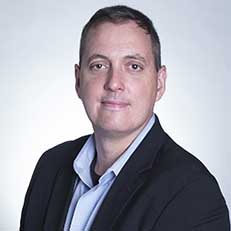
Professor Ryan Powell is a faculty member at the School of Geography and Planning , University of Sheffield. He serves as Director of the White Rose Doctoral Training Partnership (WRDTP) and contributes to the University’s Research Culture Steering Group. Dr. Powell previously worked at the Centre for Regional Economic and Social Research (CRESR) at Sheffield Hallam University for 14 years before joining Sheffield in 2016. His academic journey includes a BA in Economics and Public Policy from Leeds Metropolitan University (2002) and an MA in Human Geography from the University of Leeds (2006), pursued part-time. Key Research Themes : Urban marginality, Roma and Gypsy-Traveller studies, housing inequalities, class-place dynamics, territorial stigmatization, and critical policy analysis. Recent Projects : MIMY (2020-2023, EU Horizon2020) and MIGREC (2020-2023, EU Horizon2020) focusing on migrant youth integration. His publications span interdisciplinary journals like International Journal of Urban and Regional Research and Housing Studies , emphasizing power relations, racialization, and urban governance. He sits on the Editorial Board of Housing Studies and is a Fellow of the Norbert Elias Foundation . PhD Supervision includes Camille Rantz Mc Donald (Gypsies/Travellers planning harms), Charly Morris (Migrant women urban activisms), Francesca Guarino (Palermo racialized borders), and ESRC-funded team member Isla MacRae (Refugee spatial negotiations). He mentors ESRC Postdoctoral Fellow Yu-Tung Wu (Taiwan housing transformations). Dr. Powell collaborates with Leeds GATE (Gypsy and Traveller Exchange) and FURD (Football Unites Racism Divides) in applied research on migrant inclusion and planning harms.
Mouhcine Guettabi is an Associate Professor of Economics & Finance at the University of North Carolina Wilmington, with a joint appointment in the Economics Department. He joined the ISER faculty in July 2012 and teaches courses in Urban and Regional Economics, as well as Health Economics. Education: Ph.D. in Economics from Oklahoma State University (2012), BBA in Finance from the University of Central Oklahoma (2004). His research spans Regional Economic Analysis, Applied Microeconomics, and Econometric Modeling, focusing on the intersection of urban sprawl and health outcomes, consumer bankruptcy linked to obesity, and energy policy impacts. Publications reveal a strong emphasis on Alaska-specific economic challenges and health-related regional disparities. Key trends in his work include leveraging econometric models to analyze sub-national economic behavior, health outcomes influenced by geographic and urban factors, and policy responses to resource-dependent economies. While no formal awards are listed, his contributions to ISER reports and regional policy analysis underscore his academic engagement.
Karen Kramer is an Associate Professor at the University of Illinois, holding appointments in the School of Labor and Employment Relations and the Department of Human Development and Family Studies. She is also affiliated with the Center for the Study of Global Gender Equity and the Center for Social & Behavioral Science. Her research focuses on family dynamics, labor market policies, and socioemotional development, with a particular emphasis on how work and family systems intersect. Kramer’s work addresses topics such as parental leave impacts, employment discrimination, and the role of community and family in shaping career trajectories. Her key research interests include the study of socioemotional skills in children, work-family balance, and systemic barriers faced by immigrants and minorities in labor markets. She has published extensively on topics such as job placement inefficiencies for Asian professionals, the mediating role of family mealtimes in stress reduction, and cross-cultural comparisons of parental time allocation between the U.S. and South Korea. Kramer’s articles reflect a focus on interdisciplinary approaches to understanding complex social issues. Recent work highlights the importance of policy interventions like the Earned Income Tax Credit (EITC) in mitigating financial instability, as well as the long-term effects of parental leave on career trajectories. Her research often bridges micro-level family dynamics with macro-level policy analysis. She holds an ORCID identifier (0000-0001-8545-0761) and is actively engaged with scholarly networks, contributing to journals in sociology, family studies, and labor economics. Her affiliations with interdisciplinary centers reflect her commitment to addressing gender equity and global social challenges through research.
Professor Michael Dinh is an Emergency Physician and Director of the RPA Green Light Institute for emergency care at the University of Sydney's Central Clinical School. He completed his MBBS at the University of Sydney (1997), a Master of Public Health at Harvard University (2011), and doctoral studies at The George Institute for Global Health. His research focuses on trauma systems, emergency department efficiency, artificial intelligence applications, and the impact of aging populations on healthcare demand. He has led major projects including the DESTINY grant ($155k), NSW Motor Accidents Authority-funded trauma education apps ($30k), and the $2 million NSW TORQUE initiative. He was awarded the HISA award for health project effectiveness (2009) and the NSW Health Award (2010). His work includes collaborations with the School of Information Technologies, Transport for NSW, and Hanoi Medical University through the Hoc Mai Foundation. He has published over 180 peer-reviewed papers with 3,000 citations and an H-index of 31, demonstrating expertise in trauma quality improvement, prehospital care protocols, and mental health service evaluation. Director: RPA Green Light Institute Former Clinical Director (2016-2024): NSW Institute of Trauma and Injury Management Member: NSW Trauma Quality Improvement Program His grants and projects emphasize translational research, such as the Code Crimson pathway for hemorrhage patients and the START tool for ED disposition prediction. He also initiated international education programs in Vietnam and Canada, including medical English courses and trauma fellowships.
Margaret M. Weir is a Professor of Sociology and Political Science and holds the Avice M. Saint Chair in Public Policy at the University of California, Berkeley. She specializes in political sociology, welfare state analysis, and urban politics. Her research examines social policy, metropolitan inequalities, and coalition-building in regional governance. Weir has held roles including Director of the Institute of Industrial Relations at UC Berkeley and led the MacArthur Foundation Network on Building Resilient Regions (2005–2013). She has authored/co-authored seminal books such as *Politics and Jobs* (1992) and *The Social Divide* (1998), and her recent work focuses on poverty’s spatial distribution and regional policy resilience. Education: PhD in Political Science (University of Chicago, 1986), MA in Sociology (Brandeis University, 1978), BA in Political Science (Antioch College, 1975). Research interests span welfare state dynamics, urban poverty, and the evolving political strategies to address inequality. Her articles analyze topics like coalition politics, public-private welfare systems, and metropolitan governance. Notable awards include Fellow of the American Academy of Arts and Sciences (2007) and the Matina S. Horner Distinguished Visiting Professorship (2011–12). Weir’s grants and fellowships include MacArthur Foundation funding for regional resilience studies and Robert Wood Johnson Foundation support for health policy research. She has advised on urban policy initiatives and serves on boards such as the Scholars Strategy Network.
Dr. Jane Lewis is a Reader in Podiatric and Circulatory Medicine at the Cardiff School of Sport & Health Sciences, Cardiff Metropolitan University. Her research focuses on improving vascular health outcomes, particularly in diabetic foot care, peripheral arterial disease screening, and atrial fibrillation detection. She has contributed to impactful studies such as the feasibility of combined diabetic foot and retinopathy screening, and the implementation of peripheral arterial disease screening in Mauritius, which saved lives and limbs. Her work bridges clinical practice and public health, emphasizing preventive strategies and interdisciplinary collaboration. Research Interests: Dr. Lewis specializes in podiatric medicine, circulatory health, and vascular diagnostics. Her studies address gaps in early detection of vascular conditions, particularly in underserved populations. She advocates for integrated healthcare approaches, such as combining screenings for multiple conditions to enhance patient outcomes. Her work also explores the role of technology in non-invasive diagnostics and policy-driven interventions to reduce health disparities. Key Contributions: Dr. Lewis has published widely on topics like ankle-brachial index measurement, pressure-relieving interventions for diabetic ulcers, and the impact of podiatrists in atrial fibrillation detection. Her research has informed clinical guidelines and policies, including the development of screening programs in primary care settings. She collaborates with international teams to improve health equity and reduce preventable complications from chronic diseases. Advising & Grants: While no students or grants are explicitly listed, her research has been supported by projects such as the Peripheral Arterial Disease screening initiative in Mauritius, demonstrating her role in securing and leading impactful research projects.
Aaron Deslatte is an Associate Professor at the O'Neill School of Public and Environmental Affairs at Indiana University Bloomington, where he joined as an assistant professor in 2019 and was promoted to Associate Professor in July 2023. He directs the Metropolitan Governance and Management Transitions (MGMT) Laboratory and serves as Faculty Steering Committee member for the IU Environmental Resilience Institute. Deslatte is also a faculty affiliate with the Vincent and Elinor Ostrom Workshop and previously taught at Northern Illinois University. Dr. Deslatte's educational background includes: Ph.D. in Public Administration, Florida State University, 2015 MPA, Florida State University, 2013 M.S. in Political Science, Florida State University, 2009 B.G.S. in General Studies, Missouri Southern State University, 2007 Deslatte's research focuses on the roles that public managers play in enhancing economic, environmental and social sustainability at the local and metropolitan level. His work examines how organizational capabilities, governance structures, and institutional arrangements affect sustainability outcomes in local governments. He has particular expertise in metropolitan governance, climate adaptation, urban water management, and the implementation of sustainable policies in fragmented political landscapes. His research employs institutional analysis, collective action frameworks, and both qualitative and quantitative methods to understand how local governments can advance sustainable economic and community development. His recent publications reveal a strong focus on climate change adaptation, particularly examining how local governments are responding to climate challenges through institutional innovations and collaborative governance approaches. There's a clear progression in his work from studying general sustainability practices to more specific climate adaptation strategies, with increasing attention to equity considerations in sustainability planning. His research spans multiple domains including water management, housing policy, transportation, and comprehensive planning, demonstrating an interdisciplinary approach to urban sustainability challenges. Dr. Deslatte has received numerous prestigious awards recognizing his contributions to the field: National Science Foundation CAREER grant to study Integrated Local Sustainability Strategies ($485,385, 2020-25) National Science Foundation CNH2-L grant recipient to study Transition Dynamics in Integrated Urban Water Systems ($1,499,157, 2019-24) Clarence Stone Young Scholar Award, American Political Science Association (2018) Indiana University Trustees Teaching Award (2021) Theodore Lowi Award for best article published in Policy Studies Journal (2022) Climate Catalyst Director's Award from Indiana University Office of Sustainability (2023) As a researcher and educator, Deslatte has secured significant grant funding for his work on local sustainability, climate adaptation, and urban water management. His NSF-funded projects represent major contributions to understanding how local governments can effectively implement sustainability strategies. He teaches courses on sustainable communities, climate change planning, urban development, and environmental policy, bridging theory and practice for students pursuing careers in public service. His background as a journalist covering politics and government provides a unique perspective on the practical challenges of public administration. Deslatte co-directs the Metropolitan Governance and Management Transitions Laboratory, which focuses on collective-action challenges surrounding community resilience, technological innovation, and sustainability. The lab brings together interdisciplinary researchers to address complex urban governance challenges through innovative methodological approaches and theoretical frameworks. His book "Organizing and Institutionalizing Local Sustainability: A Design Approach" (Cambridge University Press, 2022) represents a significant contribution to the field, offering practical insights for public managers seeking to implement sustainability initiatives.
Dr. Stella M. Čapek is the Elbert L. Fausett Distinguished Professor of Sociology at Hendrix College. She holds a B.A. from Boston University (1975), and M.A. and Ph.D. in Sociology from the University of Texas at Austin (1981; 1985). Her research focuses on environmental sociology, social justice, urban/community dynamics, and medical sociology. She has authored/co-authored books including Community Versus Commodity: Tenants and the American City (1992) and Come Lovely and Soothing Death: The Right To Die Movement in the United States (1999). She teaches courses on environmental justice, social movements, and medical sociology, and has led student travel seminars in Costa Rica and the U.S. Southwest. Education: B.A., Boston University, Soviet and East European Studies (1975, magna cum laude) M.A., University of Texas at Austin, Sociology (1981) Ph.D., University of Texas at Austin, Sociology (1985) Research Interests: Interdisciplinary environmental studies, sustainable community design, grassroots movements, and the intersection of social justice with ecological concerns. Her work examines urban environmental justice, tenant rights, women's health, and the role of creative writing in sociological discourse. Publications Trends: Dr. Čapek's recent work emphasizes environmental justice, urban-nature boundaries, and the sociocultural dimensions of environmental activism. She frequently critiques institutional failures in environmental policy and advocates for community-driven solutions through case studies in Costa Rica and the U.S. Teaching & Outreach: Known for experiential learning, she has co-led student Odyssey Projects on Mayan culture in Guatemala and archaeological studies in France. She mentors students in sociological research, emphasizing ethical engagement with communities and social justice. Labs/Teams: Engaged with the Endometriosis Association on health advocacy, and collaborates with interdisciplinary teams on urban sustainability projects.
Christopher Hawkins is a Professor in the School of Public Administration at the University of Central Florida’s College of Community Innovation and Education. His work focuses on local governance, urban sustainability, and the structural dynamics of political institutions. He explores how cities navigate challenges like climate change, economic development, and disaster resiliency through collaborative frameworks. His research interests include interlocal collaboration for sustainability, administrative capacity in strategic planning, and the impact of policy networks on urban development. He investigates how local governments balance competing priorities—economic growth, environmental stewardship, and social equity—through innovative governance strategies. Hawkins’ recent work examines post-pandemic sustainability efforts, the role of administrative structures in overcoming functional collective action dilemmas, and the efficacy of municipal climate policies. His scholarship bridges theoretical frameworks in public administration with practical applications for policymakers. Notable contributions include studies on green housing equity, rural economic development collaboration, and the integration of disaster resiliency into community development. His research often emphasizes institutional mechanisms that foster sustainability commitments and resource allocation in diverse urban and rural contexts.
Dr. Deborah Apthorp is a researcher at the University of New England's School of Psychology within the Faculty of Humanities, Arts, Social Sciences and Education. She leads innovative Parkinson's disease research focusing on early diagnosis and progression tracking through EEG brain imaging, eye-tracking, visual perception tests, finger-tapping assessments, and postural sway analysis. Her work addresses critical healthcare needs as Parkinson's affects approximately 80,000 Australians with cases projected to increase 30-50% in the next decade. Her research interests span multiple neuroscience domains: Neurological disorders, particularly Parkinson's disease Motor function and control mechanisms EEG and brain imaging techniques Postural stability assessment Machine learning applications in neurological diagnosis Cognitive performance in neurological conditions Dr. Apthorp has pioneered a mobile research lab initiative funded by the Perpetual Foundation's Impact Philanthropy program, bringing cutting-edge neurological research directly to rural and regional communities in NSW and southern Queensland. This addresses healthcare disparities by ensuring people outside major metropolitan areas can participate in research that has traditionally been concentrated in cities. Her scientific contributions include numerous publications on Parkinson's disease diagnostics, with recent work analyzing EEG data, developing machine learning algorithms for disease classification, and establishing objective measurement techniques for disease progression. Her research demonstrates significant interdisciplinary collaboration between neuroscience, computer science, and clinical practice. Dr. Apthorp's work has received recognition through Impact Philanthropy funding from the Perpetual Foundation, supporting her mobile research lab initiative. This funding enables extension of previous Parkinson's research she began at the Australian National University into rural and regional Australia. She maintains strong collaborative relationships with colleagues at the Australian National University's Research School of Computer Science and clinicians at The Canberra Hospital, creating comprehensive research frameworks that bridge multiple disciplines to address complex neurological questions. Her commitment to equitable research access strengthens UNE's role as a regional university contributing meaningfully to community health outcomes.
Ingunn Marie Eriksen is a Research Professor at Oslo Metropolitan University (OsloMet), affiliated with the Centre for Welfare and Labour Research (NOVA) within the Youth Research group. She holds a PhD in Cultural Studies (2013) and specializes in qualitative methodologies, focusing on social inequality, youth experiences, and educational environments. Her work examines gender, ethnicity, bullying, mental health, and school environments through longitudinal studies like the Inequality in Youth project. Key research areas include rural youth futures ( Future of Nordic Youth in Rural Regions ), classed health lifestyles, and psychosocial stress in elite schools. She co-edits the Nordic Journal for Youth Research and leads projects such as LIFECHANCES , investigating how youth differences translate into life inequalities. Her recent publications address self-optimization trends, gendered district effects, and sports as social inclusion markers. Education: PhD in Cultural Studies (2013) Research Groups: Youth Research at NOVA Key Projects: Inequality in Youth, Future of Nordic Rural Youth, LIFECHANCES Grants: PI of qualitative longitudinal programs funded by national research councils Eriksen’s work bridges academic research with policy impact, addressing youth well-being, civic participation, and systemic inequality through mixed-method approaches. Her findings inform educational and public health policies in Norway and the Nordic region.
Hans Westlund is a Professor of Urban and Regional Studies at KTH Royal Institute of Technology. His research focuses on understanding the complex interactions between ecological, economic, and social systems in urban and regional development. He emphasizes the role of social capital, networks, and multidimensional entrepreneurship in fostering sustainable development. Westlund’s work bridges theoretical frameworks with practical policy design, addressing challenges such as urban-rural disparities, counterurbanization, and the impact of remote work on commuting patterns. His contributions include coining the concept of 'multidimensional entrepreneurship' to highlight innovation across sectors. Research Interests: Urban and regional dynamics Social capital and governance Sustainable development Entrepreneurship in rural and urban contexts Policy entrepreneurship and local growth Global urbanization trends Recent articles highlight trends such as: Exploring post-pandemic shifts in work and urban structure Analyzing China’s urbanization and eco-city planning challenges Examining the role of coworking spaces in non-metropolitan areas Comparative studies on counterurbanization across nations No scientific awards are explicitly listed. Advising and grants remain unspecified in the provided text. Westlund’s work on regional science and policy entrepreneurship underscores his commitment to bridging academia and practical governance.
William Jesdale, PhD is an Assistant Professor at UMass Chan Medical School , affiliated with the Department of Population and Quantitative Health Sciences (Division of Epidemiology) and multiple programs under the Morningside Graduate School of Biomedical Sciences . His research spans public health, social sciences, and epidemiology , focusing on health disparities related to: Racial and gender discrimination Structural inequities in healthcare Obesity and mental health intersections Nursing home care quality Eating disorders in marginalized populations His work employs advanced statistical methods in observational studies, with notable contributions to understanding social determinants of health and intersectionality in health outcomes . Recent publications analyze: Sexual orientation/gender identity data gaps in public health surveillance Impact of sensory impairment on cognitive engagement in nursing homes Metropolitan segregation effects on chronic disease management He collaborates extensively with researchers like Kate Lapane and Sarah Austin, with affiliations in clinical investigation and population health programs.
Matthew Davies serves as Executive Dean of the Faculty of Humanities and Social Sciences at Birkbeck, University of London, and holds the title of Professor of Urban History. His academic career includes roles as Pro-Dean at the School of Advanced Study (2012-16) and Director of the Centre for Metropolitan History (pre-2012). He holds a BA (1990) and DPhil (1994) from the University of Oxford, and is a Senior Fellow of the Higher Education Academy (SFHEA, 2018). Research focuses on medieval and early modern urban history, particularly London's economic structures, governance, and digital heritage mapping. Major projects include the Heritage Lottery-funded 'Layers of London' (2016–present), digitizing historical maps with crowd-sourced content, and the 'Records of London's Livery Companies Online' (ROLLCO). His work integrates GIS technologies to analyze urban development, as seen in projects like 'Locating London's Past' (JISC). Notable publications include *London and Middlesex Hearth Tax of 1666* (2014) and edited volumes on guild histories. Awards include Fellowships from the Royal Historical Society and Society of Antiquaries, alongside visiting roles at prestigious institutions like the Folger Library and Ludwig-Maximilians-Universität. Supervision expertise spans late medieval and early modern topics, particularly London's mercantile communities. He has overseen doctoral research such as Xu Yang's thesis on early modern London merchants (2022). Active in academic governance, he chairs the Isobel Thornley Fund Committee and advises the Museum of London's academic programs. Current initiatives emphasize public engagement through digital platforms, with ongoing collaborations involving museums, archives, and community groups to democratize historical access. His research bridges archival scholarship with modern digital methodologies, creating accessible resources for both scholars and the general public.
Niamh Moore Cherry is a Full Professor and College Principal at the College of Social Sciences and Law, University College Dublin (UCD) , with an Honorary Professorship at the Bartlett School of Planning, University College London . She has held leadership roles including Deputy Principal and Vice-Principal for Teaching and Learning, and leads a research group on Cities, Governance, and Sustainability. BA and PhD in Geography from University College Dublin Principal Fellow, Advance HE (formerly UK Higher Education Academy), 2017 Member, National Economic and Social Council (NESC), appointed by the Irish Taoiseach Chair, International Geographical Congress 2024, Dublin Former President, Geographical Society of Ireland Her research focuses on urban governance, metropolitanisation, sustainability, and heritage . She examines the political and spatial dynamics of urban redevelopment, with case studies in Dublin, London, Nanjing, and Warsaw. Her work bridges academic research and policy, contributing to Ireland’s National Planning Framework and the UK2070 Commission. Recent publications explore just transitions, smart city governance, urban precarity, and the role of green spaces in mental health. Her recent articles reveal a strong thematic focus on spatial justice, policy engagement, and community-led urban development . She emphasizes co-creation, lived experience, and the need for governance innovation to address socio-spatial inequalities. Her interdisciplinary approach integrates geography, planning, and public policy. Principal Fellowship, Advance HE Campus Engage Community Engaged Learning Exemplar UCD College of Social Sciences and Law Teaching Excellence Award University Teaching Excellence Award Honorary Professor, Bartlett School of Planning, UCL Aurora Programme Leadership Participant She has led grant-funded projects on sustainable urban mobility, metropolitan governance, and urban greening. She mentors students through peer mentoring programs and has promoted student-staff partnerships in curriculum design. She teaches modules such as Cities in a Global World , International Urban Fieldwork , and Research Design . She leads the Cities, Governance and Sustainability research group and is active in professional networks including the IGU Urban Commission , Royal Geographical Society , and editorial boards of Irish Geography and Journal of Geography in Higher Education .