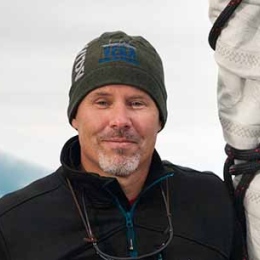
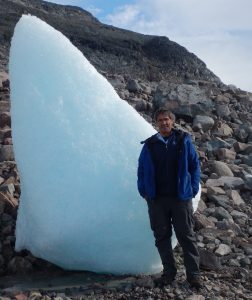
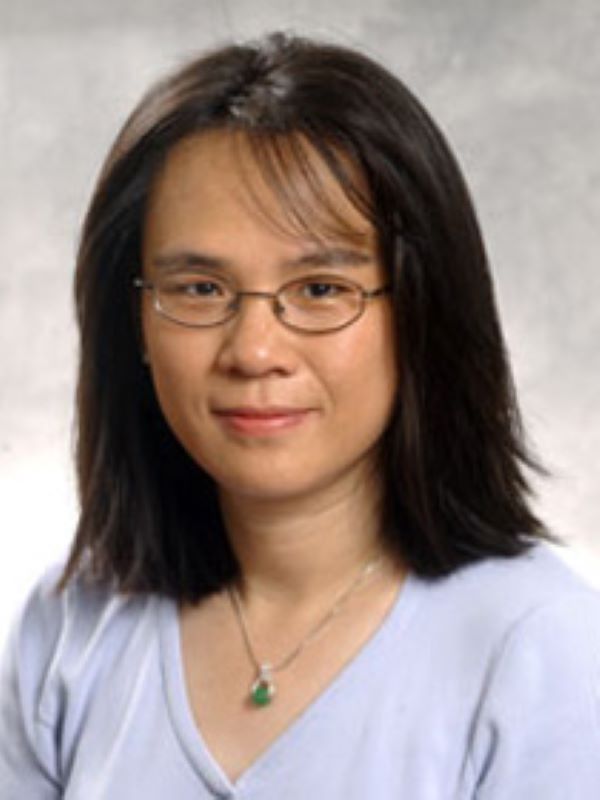
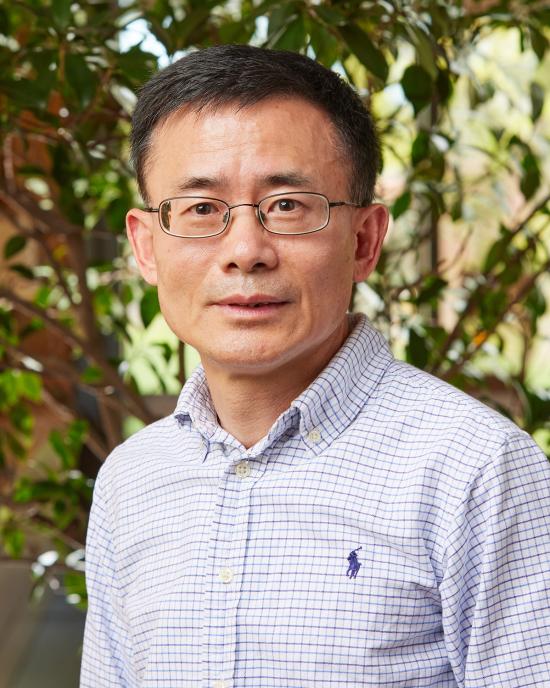
Martin Jakobsson is a Professor of Marine Geology and Geophysics at Stockholm University's Department of Geological Sciences. His career spans international research expeditions and leadership roles, including Dean of Earth Science (2021) and Head of Department (2012-2018). A key member of the Marine Geology group, he studies Arctic and Antarctic glacial history through sediment analysis and seafloor mapping. PhD from Stockholm University (2000) Academy Fellow, Royal Swedish Academy of Sciences (2004-2009) Professor II position at University Centre of Svalbard (2011-) His research focuses on marine geological archives to reconstruct glacial cycles, ice-ocean interactions, and bathymetric mapping. As GEBCO Vice-Chair (2013-2020), he led initiatives for global seabed mapping through the Seabed 2030 project. Recent publications reveal expertise in: Arctic Ocean paleocirculation Methane release from thawing permafrost Ice sheet sensitivity to oceanic warming High-resolution bathymetric analysis Scientific recognition includes: Election to Royal Swedish Academy of Sciences (2012) 1st Vice President, Royal Swedish Academy of Sciences (2016-2019) Membership in Norwegian Scientific Academy for Polar Research (2016) He leads international collaborations on polar research vessels, with over a year of cumulative ship time and multiple Co-Chief Scientist roles on Arctic expeditions.
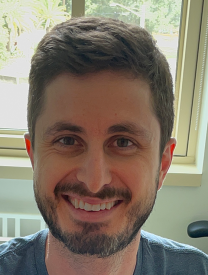
Getachew Agmuas Adnew is a Postdoctoral Researcher in Forest and Landscape Ecology at the Department of Geosciences and Natural Resource Management, Faculty of Science, University of Copenhagen. His research focuses on isotope geochemistry applications to understand climate-relevant processes in extreme environments. Dr. Adnew's research interests center on isotope geochemistry , particularly clumped isotope measurements to investigate methane dynamics beneath the Greenland ice sheet and atmospheric CO 2 composition. His work bridges glaciology, atmospheric science, and climate change research, with significant contributions to understanding subglacial biogeochemical processes. He also participates in interdisciplinary projects like CloudRoots-Amazon22 that examine land-atmosphere interactions across multiple scales. Analysis of his 18 research outputs (15 journal articles and 3 conference abstracts from 2023-2025) reveals a strong thematic focus on methane emissions from subglacial environments and atmospheric isotope signatures . His work frequently employs advanced isotopic techniques to trace biogeochemical processes relevant to climate change. The research demonstrates increasing collaboration across international boundaries, particularly with European and South American institutions. Dr. Adnew actively collaborates with major climate research groups, including those led by T. Röckmann, T. Blunier, and C.J. Jørgensen. His work appears in high-impact journals such as Geochimica et Cosmochimica Acta, Atmospheric Measurement Techniques, and Bulletin of the American Meteorological Society. His research has garnered attention across academic platforms with multiple citations and mentions in scientific networks. His current research involves field work at the Greenland ice sheet margin and analysis of atmospheric samples from various global locations. The ongoing projects suggest continued focus on understanding the connections between subglacial processes and global climate systems through innovative isotopic approaches.
Jennifer C. McIntosh is a Professor and University Distinguished Scholar in the Department of Hydrology and Atmospheric Sciences at the University of Arizona (UA), with a joint appointment in the Department of Geosciences. She is also an Adjunct Professor at the University of Saskatchewan. Her academic roles include teaching advanced hydrogeology courses and advising graduate students. She holds a BA in Geology-Chemistry from Whitman College, MS and PhD in Geology from the University of Michigan, and completed a postdoctoral fellowship at Johns Hopkins University. Her research focuses on the interplay between hydrology, geochemistry, and microbiology in the Earth’s crust, spanning micro-to-macro scales. Key projects include studying subsurface fluid dynamics, microbial methane production, and the impacts of climate and human activities on groundwater systems. She has applied these methods to critical zones, sedimentary basins, and oil/gas reservoirs, with fieldwork in the Colorado Plateau, Paradox Basin, and Western Canada. McIntosh has received numerous awards for research and teaching, including the Blitzer Award for Excellence in Teaching Physics-Related Sciences (2019) and the UA Distinguished Scholar Award (2017). She actively serves on national committees for the US EPA, National Academies, and Nuclear Waste Technical Review Board. Education: BA (Whitman College), MS/PhD (University of Michigan), Postdoc (Johns Hopkins University) Notable Awards: GSA Fellow (2019), CIFAR Earth 4D Program (2019), Morton K. Blaustein Fellowship (2004) Labs/Teams: Jemez River Basin Critical Zone Observatory, Siljan Impact Structure Research Group Future Works: Investigating anthropogenic impacts on deep groundwater systems and astrobiology of subsurface microbes
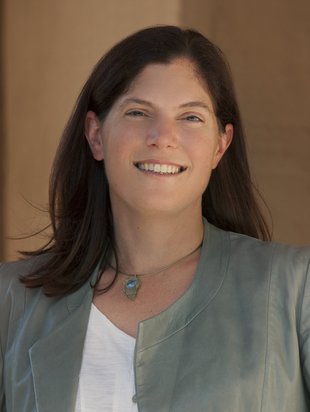
Jon Hawkings is an Assistant Professor in the Department of Earth and Environmental Science at the University of Pennsylvania School of Arts & Sciences. His research focuses on biogeochemical cycles in glacial environments, particularly the role of glacial meltwater in downstream ecosystems and coastal oceans. He investigates processes such as subglacial weathering, nutrient mobilization, and contaminant transport, with fieldwork conducted in the Arctic, Patagonia, Himalayas, and Antarctica. Education: PhD in Biogeochemistry (University of Bristol, 2015); MSci in Physical Geography (University of Bristol, 2009). Research Interests: Aqueous biogeochemistry and elemental cycles Chemical weathering and mineral dissolution Contaminant transport (e.g., mercury, arsenic) Glaciology and ice sheet dynamics Environmental impacts of glacial meltwater He collaborates on projects such as the Salsa-Antarctica subglacial lake drilling initiative. His work integrates field observations, electrochemical sensing, and lab analyses to address pressing questions in cryosphere science. Awards: None explicitly listed, but active in professional societies like the American Geophysical Union. Advising/Grants: No student advisees listed; funding sources include grants for fieldwork and analytical studies in glacial systems. Labs/Teams: Leads field research groups in remote polar and mountainous regions, emphasizing interdisciplinary collaborations between geochemistry, glaciology, and environmental science.
Mark Abbott is a Professor at the University of Pittsburgh, specializing in paleoclimatology and environmental science. He holds a PhD from the University of Minnesota (1997) and conducted postdoctoral research at the University of Massachusetts. His research integrates stratigraphy, geochemistry, and isotopic analysis to study climate change impacts on human societies and environmental systems. Abbott leads projects recovering lake sediment cores to document Holocene climate variability, focusing on annual-resolution records for temperature and drought reconstructions. He has authored over 50 peer-reviewed articles, with recent work emphasizing monsoon dynamics, Arctic mercury deposition, and tropical Andean glacial retreat. His fieldwork spans North America, South America, and Asia, including collaborative projects in Alaska, Peru, and India. Education: PhD in Geology (Minnesota, 1997), MS (Colorado, 1991), BA in Biology (Colorado, 1987) Postdoctoral Training: Climate System Research Center (UMass) Research interests include reconstructing past environmental changes via lacustrine archives, with emphasis on human-environment interactions. His lab analyzes stable isotopes, organic biomarkers, and sedimentology to address critical climate questions. Recent studies highlight climate-vegetation-fire linkages in the Pacific Northwest and Holocene lake-level changes in Canada/Yunnan. Recent articles focus on decadal-to-millennial climate shifts in mountain regions, Arctic permafrost dynamics, and anthropogenic impacts on lake ecosystems. Abbott’s work is supported by grants from NOAA and the NSF, with field sites in the Canadian Rockies, Himalayas, and Alaskan Arctic.
Prof. Jeroen Anton van Bokhoven is a Full Professor at ETH Zurich's Department of Chemistry and Applied Biosciences and Head of the Laboratory for Catalysis and Sustainable Chemistry at Paul Scherrer Institute. His research focuses on establishing structure-performance relationships in heterogeneous catalysts to enable sustainable chemical processes through advanced catalyst design. Education: B.Sc. in Chemistry, Utrecht University (1995) Ph.D. in Inorganic Chemistry and Catalysis (with honours), Utrecht University (2000) Research Focus: Van Bokhoven's group pioneers operando characterization techniques, particularly X-ray absorption spectroscopy and scattering methods, to study catalysts under realistic reaction conditions. Key research thrusts include methane conversion to value-added products (methanol, methyl esters), zeolite catalysis for olefin production, and design of stable catalysts for high-temperature oxidation processes. His work bridges fundamental surface science with industrial applications in sustainable energy and chemical manufacturing. Scientific Recognition: Swiss Chemical Society Werner Prize (2008) Academic Leadership: Van Bokhoven leads a multidisciplinary research group spanning ETH Zurich and Paul Scherrer Institute, supervising doctoral candidates and postdoctoral researchers. His group maintains strategic partnerships with industrial catalyst manufacturers and operates specialized facilities for in situ spectroscopy at the Swiss Light Source synchrotron. Current projects address carbon dioxide utilization, biomass conversion, and fundamental mechanisms of catalyst deactivation. Research Infrastructure: The group leverages state-of-the-art capabilities at the Laboratory for Catalysis and Sustainable Chemistry (PSI), including custom operando cells for XAS, XPS, and electron microscopy under reactive gas environments, enabling atomic-scale observation of catalytic transformations.
David Chester Upham is an Assistant Professor in the Department of Chemical & Biological Engineering within the Faculty of Applied Science at the University of British Columbia (UBC). He leads the Upham Lab, which focuses on developing catalysts and processes for sustainable energy production, greenhouse gas mitigation, and CO 2 -free chemical conversion. Dr. Upham received his education from prestigious institutions: Postdoctoral Scholar, Stanford University (2019) Ph.D., University of California Santa Barbara (2017) B.Eng., McGill University (2010) Dr. Upham's research focuses on heterogeneous catalysis for sustainable energy applications. His work centers on developing catalysts and processes that enable CO 2 -free production of chemicals, power, and materials. He specializes in liquid heterogeneous catalysts , particularly molten metal alloys, for methane conversion, CO 2 utilization, and hydrogen production. His lab employs advanced techniques including operando IR spectroscopy, pulsed and transient analysis of reaction mechanisms, isotopic labeling studies, and in-situ X-ray absorption spectroscopy. A key aspect of his research is understanding how liquid heterogeneous catalysts behave under reaction conditions, with applications in methane pyrolysis, dry reforming, and carbon fiber synthesis. Analysis of Dr. Upham's recent publications reveals a strong focus on CO 2 mitigation and clean energy production . His work spans multiple domains including methane conversion technologies, CO 2 -to-fuels processes, and carbon-negative fuel production. A significant portion of his research investigates molten metal catalysts for methane pyrolysis and dry reforming, with applications in hydrogen production and carbon capture. His publications demonstrate an interdisciplinary approach combining chemical engineering, materials science, and environmental engineering to address climate change challenges through innovative catalytic processes. Dr. Upham actively mentors a diverse group of graduate students and researchers. His lab currently includes multiple PhD and MASc students working on various aspects of catalysis and clean energy: PhD Students: Mark Tabbara, Genpei Cai, Natascha Miederhoff MASc Students: Michael Byun, Sawyer d'Entremont, Rami Jubeili, Wyatt Schnare Postdoctoral researcher: Sonit Balyan Multiple undergraduate and visiting students from institutions worldwide The Upham Lab operates within UBC's Catalysis Labs, utilizing advanced experimental techniques to study reaction mechanisms and develop new catalysts. The lab's research has significant implications for decarbonizing the energy and chemical sectors, with potential applications in hydrogen production, carbon fiber manufacturing, and CO 2 -to-fuels technologies.
Victoria J. Orphan is the James Irvine Professor of Environmental Science and Geobiology at Caltech, where she directs the Center for Environmental Microbial Interactions. Her research investigates microbial processes in anaerobic ecosystems including deep-sea methane seeps, hydrothermal vents, and coastal sediments using interdisciplinary approaches combining molecular biology, stable isotope techniques, and geochemistry. Her laboratory focuses on: Microbial partnerships in methane cycling Ecophysiology of uncultured archaea and bacteria Viral ecology in marine environments Biogeochemical impacts of microbial communities Blue carbon sequestration in seagrass ecosystems Professor Orphan has developed innovative methods including BONCAT-FISH and nanoSIMS for studying microbial activity in environmental samples. Her research group maintains active field programs in Monterey Canyon and hydrothermal vent systems, and develops high-pressure incubation systems for studying deep-sea microbes. She teaches courses on microbial ecology and evolution, and mentors graduate students through the Geobiology and Environmental Science programs.
Jonathan B. Martin is a Professor at the University of Florida's College of Liberal Arts and Sciences. His research focuses on hydrogeochemical processes in diverse environments including carbonate karst aquifers, coastal systems affected by sea-level change, and deglaciated watersheds in Greenland. He leads the Research Coordination Network on Carbonate Critical Zones and holds an NSF grant for Greenland watershed studies. Education: BA in Environmental Science, Wesleyan University (1980) MS in Geology, Duke University (1987) PhD in Earth Sciences, University of California, San Diego (Scripps Institution of Oceanography) (1993) Research Interests: Martin's work examines geochemical fluxes driven by biogeochemical reactions coupled with hydrological flow. This includes: (1) Water-solute-isotope dynamics in carbonate karst aquifers like Florida's Floridan Aquifer and Bahamian/Yucatan systems; (2) Coastal aquifer-estuary exchanges impacting metal mobilization and greenhouse gas fluxes; and (3) Weathering processes in deglaciated landscapes affecting global carbon cycles. His lab develops field methods to quantify submarine groundwater discharge and contaminant transport. Publications: Recent articles demonstrate strong emphasis on climate-aquifer interactions, with recurring themes including Greenland glacial meltwater biogeochemistry, coastal karst aquifer responses to sea-level rise, and carbonate mineral reactions in global carbon cycling. Work frequently integrates field measurements with geochemical modeling. Laboratory: Directs the Hydrogeochemistry Laboratory with capabilities including ion chromatography, cavity ring-down spectroscopy, nutrient autoanalysis, and fluorescence spectrometry for studies of water-rock interactions.
Dr. Michael Philben is an Associate Professor of Chemistry and Geological and Environmental Science at Hope College, where he joined in 2019 after postdoctoral positions at Memorial University (Canada) and Oak Ridge National Laboratory. His research focuses on climate-carbon cycle feedbacks in vulnerable ecosystems, particularly peatlands and Arctic tundra. His educational background includes a Ph.D. in Marine Science from the University of South Carolina (2014) and a B.A. in Earth and Planetary Science from Northwestern University (2010). At Hope College, he teaches Environmental Science courses and contributes to the Day1: Watershed program. Philben's research centers on carbon and nitrogen cycling in ecosystems containing vast organic carbon stocks. He leads an NSF CAREER-funded project investigating Michigan peat bogs as natural laboratories for climate change impacts, using a north-south transect from Portage to Newberry as a 'space-for-time' experiment. His work examines methane emissions, nitrogen availability, and net carbon balance under warming conditions, with particular attention to Sphagnum-dominated peatlands at the southern edge of their climate range. His 15 most recent publications (2020-2024) reveal a strong focus on peatland biogeochemistry, with increasing emphasis on methane dynamics, nitrogen cycling, and the role of specific biochemical compounds like sphagnan. The research combines field measurements across climate gradients with laboratory experiments, often involving Hope College students in all project phases. NSF CAREER Award for peatland climate research Philben actively mentors undergraduate researchers through the Philben Research Group, which investigates how warming impacts carbon cycling in peatlands. His projects involve interdisciplinary work spanning analytical chemistry, geology, and ecology. The group maintains a network of seven Michigan peat bog field sites and collaborates on international research, including Arctic studies in Alaska and Canada. His laboratory focuses on using analytical chemistry tools to predict climate-carbon cycle feedbacks, with particular attention to southern Michigan peatlands as sentinels for larger northern peatland complexes. The research group employs techniques including greenhouse gas flux measurements, radiometric dating of peat cores, and analysis of organic matter composition.
Aaron Puri is an Assistant Professor of Chemistry at the University of Utah, specializing in chemical ecology and natural product discovery. His research focuses on bacterial interactions in methane-oxidizing communities and the biosynthesis of secondary metabolites. Education: B.S. from University of Chicago, Ph.D. from Stanford University School of Medicine Dr. Puri's work bridges microbiology and chemistry, with projects targeting: Chemical Ecology: Decoding interspecies signaling in methane-oxidizing bacteria Natural Products: Discovering therapeutics from underexplored bacterial genomes Biosynthesis: Activating cryptic gene clusters for novel compound production Recent publications highlight advancements in quorum sensing mechanisms (2025), inverse stable isotopic labeling techniques (2024), and methanotroph community dynamics. His research also explores spatially resolved model ecosystems for studying microbial phenotypes (2023-2024). Key methods include GNPS Dashboard for mass spectrometry analysis (2021-2022). Dr. Puri leads the CAREER-funded project on quorum sensing in methanotrophs (2024) and has developed genetic tools for industrial methanotrophs (2015). His lab maintains a strong focus on environmental microbiology and biotechnological applications.
Professor Joy Singarayer is a leading academic in the Department of Meteorology at the University of Reading, specializing in paleoclimatology. She holds the position of Joint Head of Department (Facilities and Finance) and is actively involved in research on climate-human interactions and past environmental changes. Her work bridges climate science, archaeology, and ecology, with a focus on understanding how past climate fluctuations inform future environmental resilience. Her research interests include the impact of climate change on agriculture and water resources, human-land-climate interactions across prehistoric to modern eras, and paleoclimate reconstructions using Quaternary records. Notable projects include CROPP (Peruvian climate resilience), PRIDE (Caspian Sea biodiversity), and Amazonian paleoecology studies. Professor Singarayer has supervised numerous PhD students exploring topics like agent-based modeling of pre-Columbian cultures, Caspian Sea hydrology, and Amazonian drought responses. Her interdisciplinary approach integrates climate modeling, fieldwork, and data analysis to address global environmental challenges. She is affiliated with the University of Reading's Meteorology Department and collaborates internationally on projects like the PotASH initiative studying southern hemisphere paleolakes. Her contributions span academic leadership, policy-relevant research, and fostering inclusive academic environments through her role on the SMPCS WIDE committee.
Kung-Hui Chu is a Professor in the Department of Civil Engineering at Texas A&M University, affiliated with the College of Arts and Sciences and the Water Program. Her research focuses on biotechnological solutions for environmental challenges, including the biodegradation of contaminants like PFAS, chlorinated solvents, and estrogens using microbial systems. She has pioneered studies on polyurethane biodegradation, acidophilic methanotrophs, and engineered biocatalysts for biofuel production. Her work integrates microbial ecology, genomics, and environmental engineering to address water, soil, and energy sustainability. Notable contributions include the development of magnetic activated carbon (MAC) and hydrothermal alkaline treatment (HALT) for PFAS remediation, and the use of stable isotope probing (SIP) to trace contaminant biodegradation pathways. Her articles highlight advancements in bioremediation technologies, microbial community dynamics, and sustainable waste-to-resource systems. Chu collaborates on projects such as the Texas CREWS initiative and the Aggie BLUE Print Laboratories, emphasizing interdisciplinary environmental solutions.
Prof. Dr. Andreas Kappler is a Professor of Geomicrobiology at the University of Tübingen's Applied Geosciences department. He leads the Geomikrobiologie workgroup and holds an honorary professorship at Aarhus University. His research focuses on microbial interactions with iron, sulfur, and carbon cycles in environments ranging from permafrost thaw zones to ancient ocean analogs and extraterrestrial settings like Enceladus. Education: Ph.D. in Environmental Microbiology (2000, University of Konstanz) Diploma in Chemistry (1997, University of Konstanz) Postdoctoral work at Caltech (USA), EAWAG/ETH Zurich (Switzerland), and the Marine Biological Laboratory. Research Interests: His work explores microbial-driven mineral formation (e.g., pyrite, siderite), iron and sulfur biogeochemistry, permafrost thaw impacts on greenhouse gases, and ancient ocean geochemistry. He investigates how microbial processes shape Earth's element cycles and potential biosignatures for astrobiology. Key Contributions: Recent studies include iron-carbon interactions in thawing permafrost, nitrate-reducing Fe-oxidizing microbes, and microbial mineralization pathways under Enceladus-like conditions. His ERC-funded research examines Fe-oxidizing bacterial communities in modern/ancient systems. Awards & Recognition: Terry Beveridge Award (2012) ERC Starting Grant (2012) Fellow of the American Society of Microbiology Member of Akademie der Wissenschaften zu Göttingen Grants & Advising: Recipient of multiple grants including the prestigious ERC Starting Grant. Advises on microbial processes in extreme environments and collaborates internationally on astrobiology and climate change projects. Labs/Teams: Leads the Geomikrobiologie group at University of Tübingen, specializing in biogeochemical process analysis using state-of-the-art microscopy and geochemical techniques.
Xuhui Lee is the Sara Shallenberger Brown Professor of Climate Science at Yale University's School of the Environment. He maintains offices at Kroon Hall (195 Prospect Street) and laboratory facilities at the Class of 1954 Environmental Science Center (21 Sachem Street, Room 300) in New Haven, Connecticut. Professor Lee is an active researcher and educator specializing in the interactions between the terrestrial biosphere, atmosphere, and anthropogenic drivers, with particular expertise in boundary-layer meteorology and climate science. He is currently on leave for the Fall 2025 semester but continues to accept doctoral students. Professor Lee received his B.S.C. and M.S.C. from Nanjing Institute of Meteorology in China, followed by a Ph.D. from the University of British Columbia. His academic journey has positioned him as a leading expert in climate science, particularly in the areas of land-atmosphere interactions and urban climate systems. Professor Lee's research focuses on boundary-layer meteorology, micrometeorological instrumentation, remote sensing, and carbon cycle science. His work examines biophysical effects of land use on the climate system, greenhouse gas fluxes in terrestrial environments (including forests, cropland, and lakes), isotopic tracers in carbon dioxide and water vapor cycling, and urban climate adaptation and mitigation strategies. His lab employs diverse methodologies including field observations (eddy covariance, optical isotope instruments, and greenhouse gas analyzers), mathematical models (land surface models, large-eddy simulation, WRF, and earth system models), and environmental remote sensing (satellites and drones). The Lee Lab investigates phenomena across multiple scales from micro (urban greenspaces) to global (land wet-bulb temperature, historical deforestation). Analysis of Professor Lee's recent publications reveals a strong focus on urban climate systems, greenhouse gas emissions, and land-atmosphere interactions. His 2024-2025 work demonstrates increasing application of advanced remote sensing technologies and machine learning approaches to climate problems, with significant attention to urban heat islands, methane and CO2 emissions monitoring, and the impacts of land use change on climate systems. His research shows a clear trajectory toward more sophisticated integration of observational data with modeling approaches to address critical climate challenges. Sara Shallenberger Brown Professor of Climate Science (named professorship) Professor Lee actively mentors doctoral students and has established the Lee Lab as a hub for climate research at Yale. His lab group conducts field observations, mathematical modeling, and remote sensing analysis to advance understanding of climate systems. The lab's research infrastructure supports investigations from micro-scale urban environments to global climate patterns, with particular emphasis on urban heat mitigation and greenhouse gas monitoring. The Lee Lab at Yale, located in Room 300 of the Class of 1954 Environmental Science Center, serves as the primary research facility for Professor Lee's team. The lab deploys an array of research methodologies including field observations with eddy covariance systems and optical isotope instruments, mathematical modeling using land surface models and earth system models, and environmental remote sensing with satellites and drones. The lab's research spans multiple spatial scales from micro (urban greenspaces) to global (land wet-bulb temperature patterns), addressing critical questions about climate change impacts and mitigation strategies.