Marc Chevretteمشاهده پروفایل
استادیار
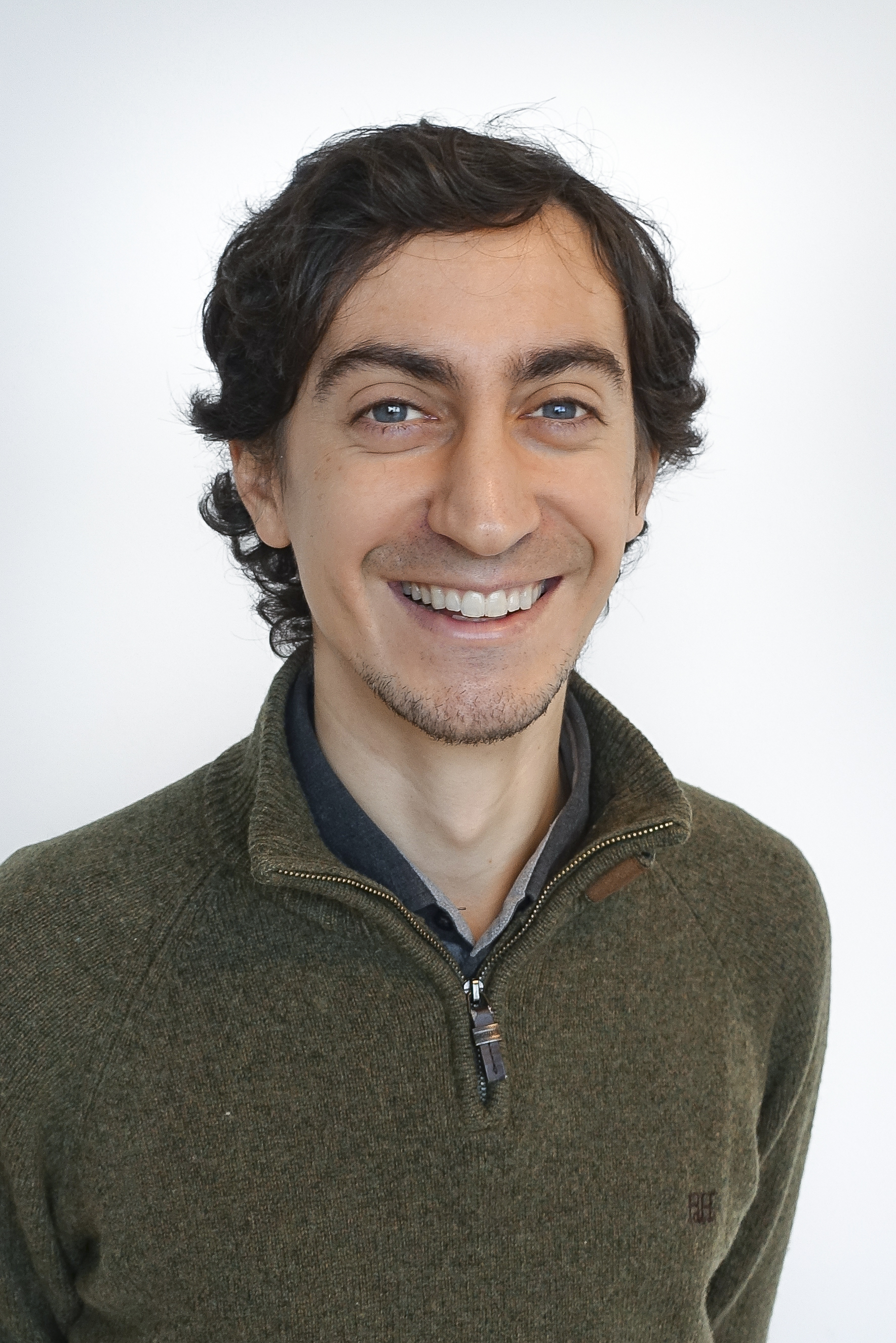
Marc Chevrette is an Assistant Professor at the University of Wisconsin-Madison conducting interdisciplinary research at the nexus of microbial genomics, evolutionary biology, and natural product discovery. His work integrates computational and experimental approaches to decipher secondary metabolism in microbial communities with applications in antibiotic development and microbiome engineering. Dr. Chevrette's educational background includes: PhD in Genetics from the University of Wisconsin-Madison MSc in Genetics from the University of Wisconsin-Madison MSc in Biotechnology (Bioengineering) from Harvard University Extension BSc in Molecular Biology & Bioinformatics from Rensselaer Polytechnic Institute The Chevrette Lab investigates secondary metabolism across evolutionary, ecological, and synthetic systems. Core research areas encompass genome mining of biosynthetic gene clusters (BGCs), evolutionary dynamics of biosynthetic enzymes, microbiome-derived natural products from host-associated systems (amphibian skin, insect exoskeleton, rhizosphere) and soil bacteria, and genetic regulation of metabolite production in synthetic communities using metatranscriptomics and metametabolomics. The lab develops computational tools for BGC prediction and characterization while exploring enzyme specificity and promiscuity. Recent publications (2023-2025) reveal dominant themes in methodological innovation for genome mining (antiSMASH 8.0, GATOR-GC), biosynthetic gene cluster curation (MIBiG 4.0), and machine learning applications for enzyme specificity prediction. Research spans natural product discovery from Actinobacteria and host-associated microbiomes, evolutionary analysis of biosynthetic pathways, and experimental validation of microbial community interactions. Key interdisciplinary connections include computational biology, microbial ecology, and drug discovery. The Chevrette Lab maintains active collaborations with the Tiny Earth initiative for soil bacteria research and participates in interdisciplinary networks focused on natural product discovery. The lab's integrative approach combines computational genomics, evolutionary analysis, and experimental microbiology to explore the ecological and biomedical significance of microbial secondary metabolism.