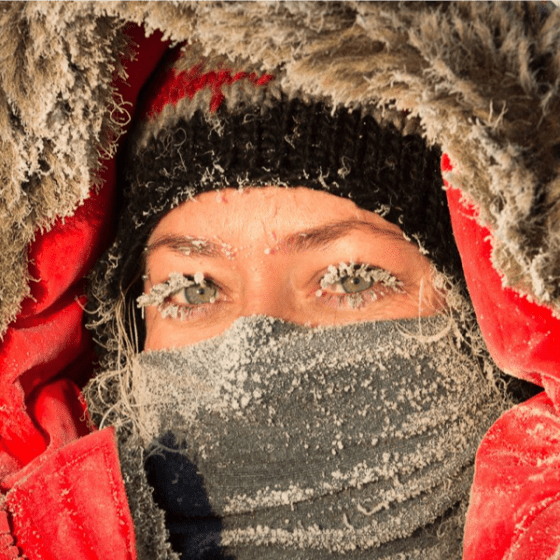
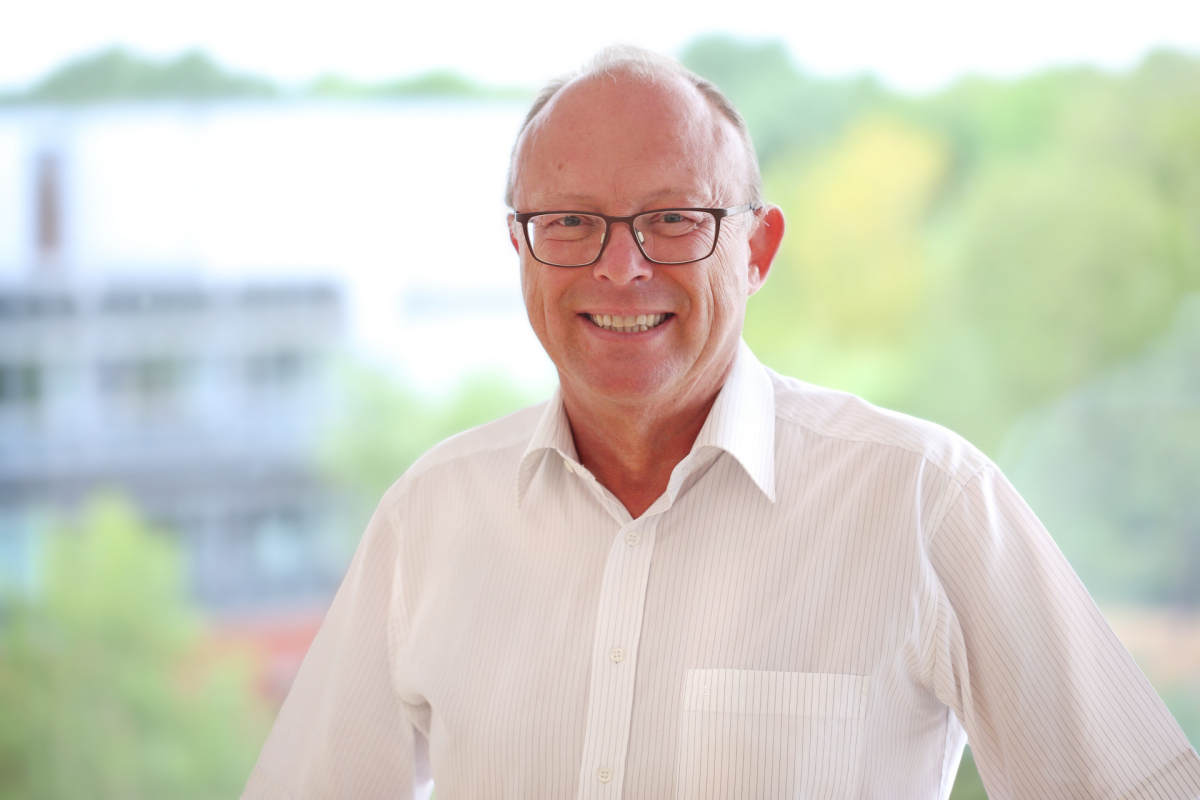
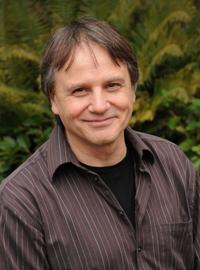
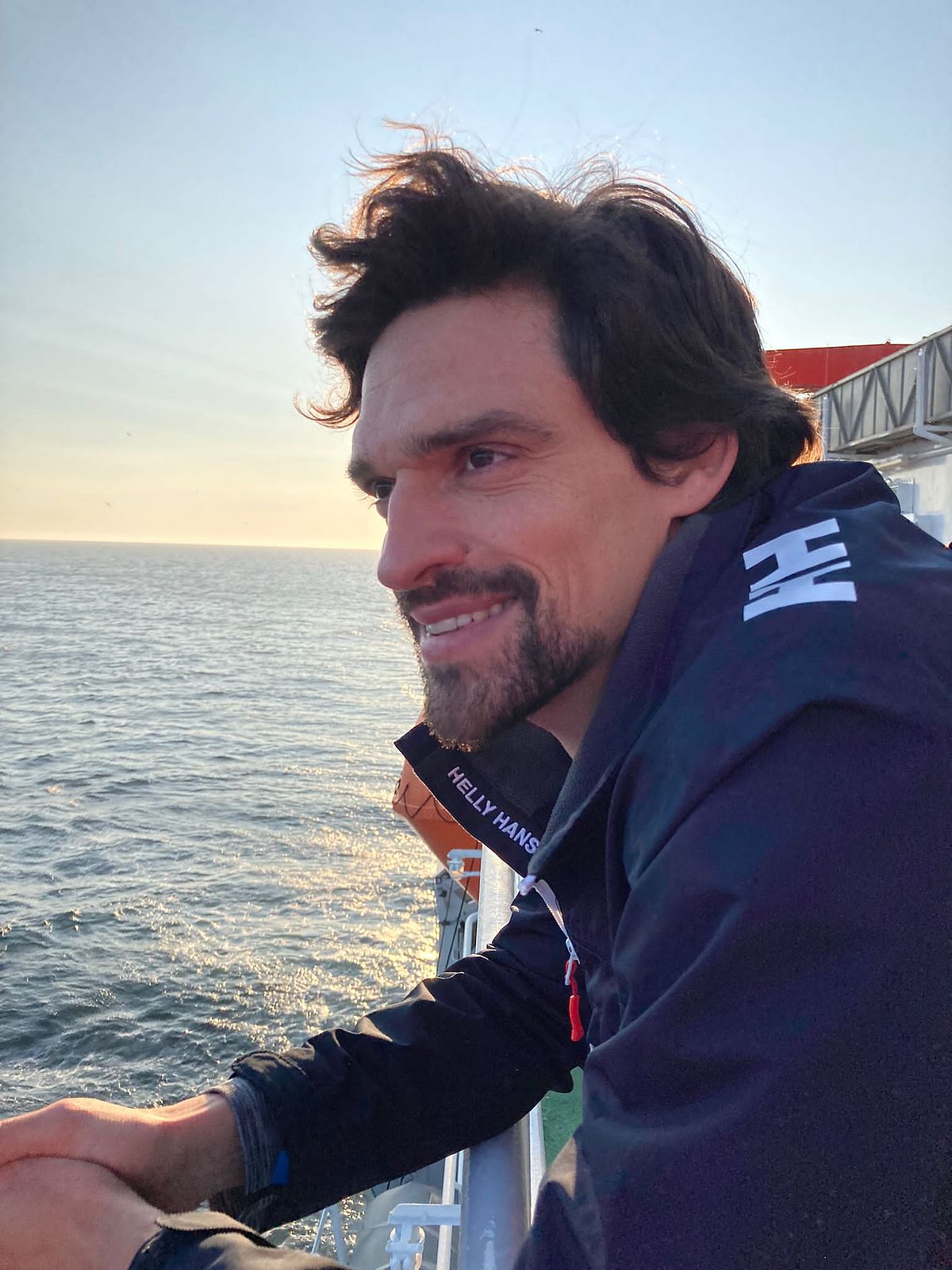
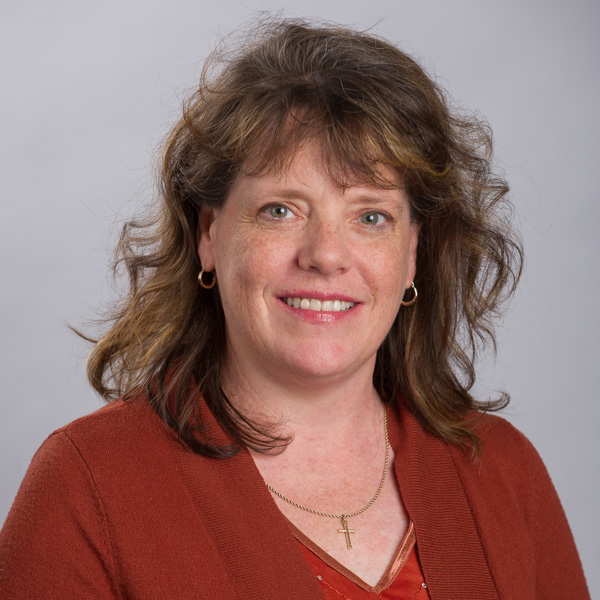
Britney Schmidt is Associate Professor in Earth and Atmospheric Sciences and Astronomy at Cornell University, where she leads the Planetary Habitability and Technology Lab. She develops robotic tools like the Icefin underwater vehicle to study Earth's ice shelves and glaciers, providing insights into climate change and analogs for ocean worlds like Europa. Her research bridges glaciology, planetary science, and astrobiology. Research focuses on ocean world habitability, ice-ocean interactions, and Antarctic climate systems. Fieldwork includes extensive campaigns in Antarctica and the Arctic using robotic explorers. Recent publications explore Europa's habitability, Thwaites Glacier dynamics, microbial communities in hypersaline environments, and planetary analog studies. Technical developments include novel instrumentation for under-ice exploration. Awarded the 2024 Blavatnik National Award for groundbreaking research. Leads multiple international collaborations including NASA's Europa Clipper mission and Thwaites Glacier projects.
Owen R. White is a Professor in the Department of Epidemiology & Public Health at the University of Maryland School of Medicine, serving as Associate Director of the Institute for Genome Sciences and Associate Director of Research Collaboration & Development. He leads a team of 25 scientists and engineers developing genomic annotation pipelines and data analysis tools for state-of-the-art research in microbiome and multi-omic studies. His academic background includes: BS in Biotechnology from the University of Massachusetts (1985) PhD in Molecular Biology from New Mexico State University (1992) Postdoctoral Fellowship in Genome Informatics at the Institute for Genomic Research (TIGR) (1994) Dr. White's research spans bioinformatics, genomics, transcriptomics, and metagenomics with emphasis on data management, metadata standards, ontologies, and cloud systems. His work has been foundational for large-scale initiatives like the Human Microbiome Project (HMP) and Integrative Human Microbiome Project (iHMP), generating over 50,000 datasets totaling 10 terabytes of multi-omic data. Analysis of his recent publications reveals a strong trend toward neuroscience multi-omics (BRAIN Initiative), cloud-based data infrastructure, and ethical data sharing frameworks. His work consistently bridges microbiome research with emerging fields like single-cell analysis and Alzheimer's disease biomarker discovery through integrated data platforms. Notable awards include: Benjamin Franklin Award for Open Access in the Life Sciences (2015) Kumho Science International Award in Plant Molecular Biology and Biotechnology (2001) As Principal Investigator for major NIH-funded centers, he has secured sustained support for the HMP Data Analysis and Coordination Center and iHMP Data Coordination Center. His team's work combines fee-for-service models with collaborative research funding to maintain cutting-edge genomic analysis capabilities. The Institute for Genome Sciences houses his computational team responsible for developing production annotation pipelines, database systems, and visualization tools that serve researchers across the University of Maryland School of Medicine and national consortia.
Mark van Loosdrecht is a Full Professor in Environmental Biotechnology at Delft University of Technology (TU Delft), leading the Mark van Loosdrecht Group within the Faculty of Applied Sciences. His research focuses on microbial ecology and innovative wastewater treatment technologies, including biofilm processes, nitrogen/phosphate conversion, and microbial polymer production. He is renowned for developing the Anammox and Nereda technologies, which revolutionize nutrient removal and sludge management in wastewater systems. **Awards & Recognition**: Van Loosdrecht has received prestigious awards such as the Spinoza Award (2014), Stockholm Water Prize (2018), and Lee Kuan Yew Prize (2012). He is a member of the Royal Netherlands Academy of Arts and Sciences and the Dutch and U.S. National Academies of Sciences. **Research Interests**: His work emphasizes sustainable water treatment, resource recovery, and microbial process engineering. Key topics include anaerobic digestion, aerobic granular sludge, and bioremediation strategies for industrial and municipal wastewater. **Publications & Impact**: Over 1,400 peer-reviewed publications and contributions to textbooks like Environmental Biotechnology: Principles and Applications . His research bridges fundamental science with practical applications, addressing global challenges in water management and environmental sustainability. **Affiliations**: He chairs the Environmental Biotechnology section at TU Delft and collaborates globally on projects like the ESDIT initiative, exploring ethics in disruptive technologies.
Philip Poole is a Professor of Plant Microbiology at the University of Oxford's Department of Plant Sciences and Senior Research Fellow at Somerville College. His research focuses on plant-microbe interactions, nitrogen fixation, and rhizosphere microbiology. He has led major international projects including the BBSRC-NSF Synthetic Symbioses program (2014-2019) and the India-UK Nitrogen Fixation Consortium (2016-2019). With 26 grants as PI from the UK's BBSRC, he has secured over £10.5 million in funding. His work includes pioneering bacterial Lux biosensors for metabolite analysis, transcriptomics under sterile conditions, and metatranscriptomics in soil to study microbiome-plant interactions. Current projects model nitrogen fixation biochemistry in legume nodules and investigate rhizobia lifecycle transitions from rhizosphere colonization to symbiotic bacteroid differentiation. He co-directs the Oxford Centre for Plants for the 21st Century and serves on editorial/advisory boards for Microbiology UK, The Journal of Bacteriology, and Pivot Bio. His contributions include elucidating the ammonia-alanine pathway for nitrogen secretion and demonstrating symbiotic auxotrophy dependencies in bacteroids. Key achievements include developing global mutagenesis strategies (INSeq) and advancing understanding of microbial community structures in the rhizosphere. His research integrates molecular, genetic, and systems biology approaches to address global challenges in sustainable agriculture.
Mads Albertsen is a Professor in the Department of Chemistry and Life Sciences at the Faculty of Engineering and Science, Aalborg University, Denmark. He leads the Albertsen Lab and is a key member of the Center for Microbial Communities. His research focuses on high-throughput DNA sequencing methods to explore uncultivated microbes and populate the tree of life. He is actively involved in major interdisciplinary projects such as NanoEat , Microflora Danica , and DarkScience , funded by the European Research Council, Villum Foundation, and Poul Due Jensen Foundation. His research interests span metagenomics , long-read sequencing , bioinformatics , microbial ecology , and environmental biotechnology . He develops cutting-edge methods to improve throughput in microbial genome recovery and applies them to diverse areas including wastewater treatment, human microbiome studies, and infectious disease diagnostics. His work has significant implications for public health and sustainability. The recent publications highlight a strong trend in long-read sequencing (Oxford Nanopore), metagenome-assembled genomes (MAGs) , and microbial dark matter . His team has published high-impact papers in Nature , Nature Methods , and Nature Communications , with applications in environmental systems and clinical diagnostics, including SARS-CoV-2 and bloodstream infections. His scientific awards include: The Grundfos Prize (2021) The Fritz Kaufmann Prize (2021) The Rising Star Award by IWA & ISME (2016) Research Result of the Year in Denmark (2015) The Spar Nord Fond Research Prize (2015) Mads Albertsen advises numerous PhD students, leads externally funded research projects, and is involved in technology transfer through his co-founding of DNASense ApS (2014–2020). He also serves on scientific advisory boards and contributes to public policy, including as a member of the Danish SARS-CoV-2 variant risk-assessment group. He teaches courses in Data Science, Bioinformatics, Genomics, and Environmental Microbiology at Aalborg University. His lab, the Albertsen Lab , is part of the Center for Microbial Communities , a leading research center focused on microbial systems biology and environmental applications. The lab collaborates extensively with national and international partners in academia, industry, and public health institutions.
Christopher Lawson is an Assistant Professor in the Department of Chemical Engineering and Applied Chemistry at the University of Toronto, affiliated with the Faculty of Applied Science and Engineering. He serves as Principal Investigator of the Microbiome Engineering Lab and is part of BioZone – the Centre for Applied Bioscience and Bioengineering. His research focuses on engineering anaerobic microbiomes for resource recovery from waste streams using systems biology, synthetic biology, and machine learning approaches. B.A.Sc., M.A.Sc. (University of British Columbia) Ph.D. (University of Wisconsin-Madison) Postdoctoral Training (Berkeley Lab) Lawson's work addresses the challenge of controlling complex microbial interactions in engineered systems to enable scalable biotechnologies for renewable energy, chemicals, and materials. His lab develops high-throughput methods integrating automation and computational tools to optimize microbiome assembly and metabolic fluxes. Recent publications highlight advancements in metabolic modeling , isotope tracing , and systems-level analysis of anaerobic microbiomes, with applications in wastewater treatment , anammox granules , and bioenergy production . His research bridges fundamental microbiology with industrial-scale bioprocess engineering. Scientific Awards ISME/IWA BioCluster Rising Star Award (2022) Jacobs Engineering Group/AEESP Outstanding Doctoral Dissertation Award (2020) Wesley Eckenfelder Graduate Research Award (2019) WEF Canham Graduate Studies Scholarship (2018) NSERC Post-Graduate Scholarship – Doctoral (2014) Lawson actively mentors students and postdocs, emphasizing technical rigor, communication skills, and independence. His lab collaborates within BioZone and with industry partners to advance "team science" principles. Current projects focus on creating engineered microbiomes for commercial-scale waste valorization.
Prof. Dr. Rudolf Amann serves as Managing Director at the Max Planck Institute for Marine Microbiology in Bremen, Germany, and leads the Department of Molecular Ecology. His work pioneers molecular methods for studying marine microorganisms, with a focus on fluorescence in situ hybridization (FISH) to identify and quantify microbial cells. Managing Director, Max Planck Institute for Marine Microbiology (since 2018) Department Head, Molecular Ecology Research Center, Bremen, Germany Research Interests: Marine microbial diversity and ecology Carbon cycle dynamics in coastal and deep-sea environments Phytoplankton-bacterioplankton interactions Microbial taxonomy and phylogenetics Single-cell identification techniques (FISH, CARD-FISH) Integration of metagenomics and proteomics Publication Trends: Recent work focuses on microbial interactions in extreme environments (hydrothermal vents, Arctic waters), carbohydrate cycling in oceanic systems, and ecological differentiation of bacterial populations through advanced imaging and omics technologies. Contact: ramann@mpi-bremen.de
Dr. Ryan Ziels is an Associate Professor in the Department of Civil Engineering at the University of British Columbia's Faculty of Applied Science. His research focuses on sustainable biological wastewater treatment and resource recovery through advanced microbial biotechnologies, with affiliations to the BioProducts Institute and Clean Energy Research Centre. Education: PhD and MSE in Civil and Environmental Engineering, University of Washington BS in Environmental Resources Engineering, Humboldt State University Research Focus: Ziels pioneers microbial ecology studies in engineered waste treatment systems, employing multi-omics approaches to optimize anaerobic digestion for biomethane production and biological nutrient removal. His work targets recovery of water, nutrients, and bioenergy while enhancing human and environmental health through microbial community engineering. Publication Trends: Recent publications (2022-2025) reveal intensified focus on metaproteomics for syntrophic metabolism characterization, high-throughput sequencing for microbial community analysis, and wastewater-based epidemiology for pathogen surveillance. His research increasingly integrates ethical frameworks for public health applications while advancing fundamental understanding of microbial processes in anaerobic systems. Academic Engagement: Ziels teaches core courses including Fundamentals of Environmental Engineering (CIVL 204), Environmental Lab Analysis (CIVL 407), and Environmental Biotechnology (CIVL 569). He supervises graduate students in Civil Engineering and Genome Science and Technology programs through UBC's Graduate and Postdoctoral Studies, directing the EMBERr Lab for microbiome engineering research.
Curtis Suttle is a Professor in the Department of Botany at the University of British Columbia's Faculty of Science. He also holds affiliations with Earth and Ocean Sciences, Microbiology and Immunology, and the Institute for Oceans and Fisheries. His research focuses on marine virology and the ecological roles of viruses in aquatic ecosystems, particularly their impact on phytoplankton and microbial communities. Dr. Suttle received his B.Sc. and Ph.D. from UBC, was a Coastal Marine Scholar at SUNY StonyBrook (1987-88), and served as Assistant/Associate Professor at the University of Texas at Austin (1988-96) before returning to UBC. His research program investigates the biology and ecology of viruses that infect microalgae and cyanobacteria. Key areas include discerning viral effects on primary productivity, isolating novel marine viruses, developing molecular identification methods, and studying viral distribution patterns. His work has revealed that viruses can occur in seawater at concentrations exceeding 10 5 ml -1 , with cyanophage concentrations reaching 10 6 infectious units ml -1 in coastal waters. Dr. Suttle's team has developed PCR primers specific for viral DNA polymerase genes, showing these viruses belong to a single family related to herpes viruses. Recent publications show a strong focus on marine viral ecology, with particular attention to oyster microbiomes, viral taxonomy, and the role of viruses in marine ecosystems. His research spans from coastal environments to the deepest ocean trenches, examining viral diversity across environmental gradients and investigating viral impacts on carbon cycling and marine food webs. Dr. Suttle leads an active research group with several post-doctoral associates, research scientists, and graduate students. His team conducts field work at multiple locations including the Naica Mine in Mexico, Pavilion Lake in British Columbia, Saanich Inlet, and the Strait of Georgia. Current projects include collaborations with the Hakai Institute, Line P Research Cruise, and CASES (Canadian Arctic Shelf Exchange Study). His laboratory has made significant contributions to understanding viral roles in marine ecosystems, particularly through expeditions to extreme environments like the Naica crystal caves and deep ocean trenches. Ongoing research explores viral impacts on microbial community structure, carbon cycling, and ecosystem function across diverse marine habitats.
Dr. Benjamin Pontiller is a researcher at GEOMAR Helmholtz Centre for Ocean Research Kiel, Germany, within the Marine Biogeochemistry Research Division and Biological Oceanography Research Unit . His work focuses on microbial carbon cycling in marine environments, particularly the role of bacterioplankton in transforming dissolved organic carbon (DOC). Current projects: INDICOM, ICEBERG, HOMER, BIOCAT Recent expeditions: RV SONNE (Indian Ocean 2024), RV POLARSTERN (Arctic 2024), RV METEOR (Atlantic 2022) His research integrates omics technologies with chemical and rate measurements to understand microbial functional potential in: Coastal upwelling systems Deep Arctic Ocean (HAUSGARTEN) Baltic Sea phage dynamics Trace metal impacts on microbial communities Education: PhD in Ecology (Marine Microbial Ecology) - Linnaeus University 2021 MSc in Ecology (Marine Biology) - University of Vienna 2015 BSc in Biology - University of Vienna 2013
Karel Keesman is an Associate Professor at Wageningen University & Research, specializing in mathematical and statistical methods applied to environmental engineering and biotechnology. He leads research in aquaponics, wastewater treatment, and sustainable energy systems, focusing on optimizing resource use and environmental impact. His work integrates advanced modelling techniques with real-world applications, such as bioreactor stability, nutrient cycling in aquaculture, and renewable energy storage. His research interests span aquaponics system design, desulfurization processes, and sensor-based monitoring in water networks. He actively contributes to interdisciplinary projects, including the development of off-river pumped hydro energy storage and nutrient recovery from biofloc systems. Keesman supervises multiple PhD candidates exploring topics like aquaponics sustainability, anaerobic digestion, and energy mixes in Indonesia. He has authored over 300 publications and datasets, emphasizing open-access research. His work bridges theoretical models with practical solutions for environmental challenges.
Dr. John Heidelberg is a Professor of Biological Sciences and Environmental Studies at the University of Southern California (USC). His research focuses on microbial genomics, particularly studying the metabolic potential of marine bacteria through advanced DNA sequencing techniques. He holds administrative roles, including former Section Head of Marine and Environmental Biology at USC (2015–2017) and Associate Director of the Wrigley Institute for Environmental Studies (2016–2019). His education includes a Ph.D. in Marine-Estuarine-Environmental Sciences from the University of Maryland (1997) and a B.A. in Biology from Maryville College (1987). Research Interests: Dr. Heidelberg’s work centers on understanding uncultured marine bacteria using metagenomics and metatranscriptomics approaches. He investigates microbial community dynamics in marine environments, including deep-sea sediments, ferromanganese nodules, and coastal ecosystems. His studies explore energy acquisition mechanisms, microbial diversity, and genomic adaptations in extreme environments. Publications: His research has been published in high-impact journals like *Scientific Data*, *PeerJ*, and *Proceedings of the National Academy of Sciences*. Key contributions include metagenome-assembled genome reconstructions and insights into iron-oxidizing bacteria. Service & Leadership: He has contributed to genomic studies of bioremediation organisms like Dehalococcoides and has led initiatives at USC’s Wrigley Institute.
Dr. Maureen Dolan is an Associate Professor of Molecular Biology and Director of the Biotechnology Program at Arkansas State University's Beck College of Sciences & Mathematics, Department of Molecular Biosciences. She holds a PhD in Biochemistry and Molecular Biology from the University of Florida. Research Focus: Dr. Dolan develops plant-based bioproduction systems for therapeutic proteins targeting immune health in aquaculture. Her work includes optimizing RNA extraction protocols, engineering glycopeptide tags for protein stability, and creating molecular diagnostics for agricultural and food industries. Publication Trends: Recent articles focus on rhizosphere metatranscriptomics, hydroxyproline-O-glycosylation techniques, and plant-based cytokine production for aquatic and poultry health. Her work spans plant molecular biology, biotechnology, and cross-species therapeutic applications. Contact: Office located at Arkansas Biosciences Institute, Room 311 and Lab Science East, Room 202. Email: mdolan@AState.edu.
Associate Professor Marco Coolen is an academic at Curtin University, serving as Deputy Director of the WA Organic and Isotope Geochemistry Centre. He holds a joint affiliation with the Faculty of Science and Engineering and the School of Earth and Planetary Sciences. His research focuses on molecular palaeoecology and geomicrobiology, particularly using ancient DNA (sedaDNA) to study past ecosystem-climate interactions and microbial responses to environmental changes. Coolen has led projects funded by institutions like the US National Science Foundation (NSF), investigating topics such as monsoon-driven OMZ expansions in the Indian Ocean and microbial activities in subsurface hydrocarbon reservoirs. Education and Professional Background: Coolen completed his PhD in Oldenburg and held postdoctoral roles at the Royal Netherlands Institute for Sea Research (NIOZ) and the University of Groningen. He later served as an Associate Scientist at the Woods Hole Oceanographic Institution (WHOI) before joining Curtin in 2015. His expertise spans microbial ecology, lipid biomarkers, and bioinformatics analysis of metagenomic datasets. Research Interests: Coolen’s work integrates cutting-edge molecular tools (e.g., metatranscriptomics) with traditional geochemical proxies to reconstruct ancient ecosystems. Key areas include microbial life in impact craters (e.g., Chicxulub), permafrost thaw dynamics, and the role of organic matter in the carbon cycle. His recent studies explore microbial communities in extreme environments like hydrothermal systems and granitoid rocks. Awards and Grants: He has received the WHOI Ocean Life Institute Fellowship (2008–2011) and the NWO-ALW VENI Award (2004). His collaborations include high-impact groups such as Prof. Kliti Grice’s team at Curtin and international projects like IODP-ICDP drilling of the Chicxulub crater. Lab and Teams: Coolen leads the WA Organic and Isotope Geochemistry Centre, focusing on interdisciplinary research in geobiology and organic geochemistry. He co-advises PhD students and supervises postdoctoral researchers in projects involving ancient DNA analysis and microbial genomics.
Dr. Margaret Alexander is an Assistant Professor in the Department of Medical Microbiology and Immunology at the University of Wisconsin-Madison, where she leads a research laboratory focused on the interactions between diet, the gut microbiota, and the immune system in autoimmune diseases. She began her independent career at UW-Madison in January 2024 after completing postdoctoral training at UCSF. Her educational background includes: B.S. in Biology from Carleton College Ph.D. from the University of Utah under Dr. Ryan O'Connell, studying immune cell communication Postdoctoral work at UCSF with Dr. Peter Turnbaugh on microbiota-immune interactions in autoimmunity Dr. Alexander's research centers on decoding mechanistic interactions between diet, microbiota, and immune responses using mouse models, gnotobiotics, anaerobic microbiology, and sequencing . Her lab investigates how dietary components shape microbial metabolism and immune function, with particular focus on Th17 cell regulation, microbial enzyme activity, and metabolite-mediated host responses in conditions like inflammatory bowel disease and rheumatoid arthritis. This work bridges fundamental microbiology with translational applications for autoimmune disease treatment. Analysis of her recent publications reveals three dominant trends: (1) Identification of specific microbial metabolites (e.g., lactate, polyphenol derivatives) that modulate immune pathways; (2) Development of precision tools for microbiome manipulation including phage-delivered CRISPR; and (3) Investigation of dietary interventions (ketogenic diets, prebiotics) as therapeutic strategies. Her work consistently connects microbial metabolic capabilities to host immune outcomes in autoimmunity. Her scientific contributions have been recognized through prestigious awards: T32 fellowship F32 fellowship K99/R00 career development award Dr. Alexander mentors a diverse research team using a philosophy emphasizing collaboration, creativity, and clear communication . She currently advises two Ph.D. students (Wenxuan Dong and Gillian Hughes) and supervises postdoctoral scholars, with structured mentoring through weekly 1:1 meetings and annual planning sessions. Her lab has secured significant grant funding including NIH K99/R00 support for her diet-microbiome-immune axis research. The Alexander Lab operates within the Microbial Sciences Building at UW-Madison as a dynamic interdisciplinary team comprising postdoctoral scholars, graduate students, a research specialist, and undergraduate researchers. They employ integrated approaches spanning microbial ecology, immunology, and systems biology to unravel complex host-microbe-diet interactions, with ongoing projects focused on microbial enzyme characterization, therapeutic dietary strategies, and microbiome-based biomarkers for autoimmune disease progression.