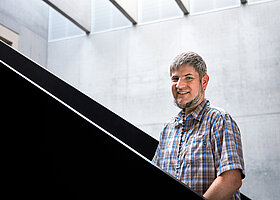
Prof. Dr. Rudolf Amann serves as Managing Director at the Max Planck Institute for Marine Microbiology in Bremen, Germany, and leads the Department of Molecular Ecology. His work pioneers molecular methods for studying marine microorganisms, with a focus on fluorescence in situ hybridization (FISH) to identify and quantify microbial cells. Managing Director, Max Planck Institute for Marine Microbiology (since 2018) Department Head, Molecular Ecology Research Center, Bremen, Germany Research Interests: Marine microbial diversity and ecology Carbon cycle dynamics in coastal and deep-sea environments Phytoplankton-bacterioplankton interactions Microbial taxonomy and phylogenetics Single-cell identification techniques (FISH, CARD-FISH) Integration of metagenomics and proteomics Publication Trends: Recent work focuses on microbial interactions in extreme environments (hydrothermal vents, Arctic waters), carbohydrate cycling in oceanic systems, and ecological differentiation of bacterial populations through advanced imaging and omics technologies. Contact: ramann@mpi-bremen.de
Dr. Benjamin Pontiller is a researcher at GEOMAR Helmholtz Centre for Ocean Research Kiel, Germany, within the Marine Biogeochemistry Research Division and Biological Oceanography Research Unit . His work focuses on microbial carbon cycling in marine environments, particularly the role of bacterioplankton in transforming dissolved organic carbon (DOC). Current projects: INDICOM, ICEBERG, HOMER, BIOCAT Recent expeditions: RV SONNE (Indian Ocean 2024), RV POLARSTERN (Arctic 2024), RV METEOR (Atlantic 2022) His research integrates omics technologies with chemical and rate measurements to understand microbial functional potential in: Coastal upwelling systems Deep Arctic Ocean (HAUSGARTEN) Baltic Sea phage dynamics Trace metal impacts on microbial communities Education: PhD in Ecology (Marine Microbial Ecology) - Linnaeus University 2021 MSc in Ecology (Marine Biology) - University of Vienna 2015 BSc in Biology - University of Vienna 2013
Prof. Dr. Rolf Daniel is Full Professor of Genomic and Applied Microbiology at the University of Göttingen, heading both the Department of Genomic and Applied Microbiology and the Göttingen Genomics Laboratory since 2012. He serves as Speaker of the North German Center of Microbial Genomics (NZMG) and previously directed the Institute of Microbiology and Genetics (2012-2016). His research pioneers cultivation-independent metagenomics and metatranscriptomics of environmental microbial communities from soil, sediments, ice, and biofilms. The lab employs dual function-based/sequence-based approaches to discover novel enzymes (proteases, cellulases, lipases) and genes, while conducting whole-genome sequencing of archaea/bacteria with industrial or pathogenic relevance. They also develop specialized bioinformatic tools for genomic data analysis and visualization. Recent publications reveal strong interdisciplinary trends: environmental microbiome responses to land-use changes (2018), viral genome evolution studies, and novel enzyme characterization from metagenomic libraries, spanning environmental science, medical microbiology, and industrial biotechnology. Scientific recognition includes: Norddeutscher Wissenschaftspreis (Northern German Science Award, 2013) No explicit details on student advising or grant funding were documented in source materials. Prof. Daniel directs the Göttingen Genomics Laboratory and the North German Center of Microbial Genomics (NZMG), driving collaborative research in microbial genomics across regional institutions through the GGNB graduate programs in Microbiology, Molecular Biology, and Genome Science.
Prof. Dr. Daniela Beisser is a Professor at the Department of Engineering and Natural Sciences (FB 8) of the Westphalian University of Applied Sciences in Recklinghausen, Germany. Her research focuses on bioinformatics and biostatistical methods for high-throughput 'omics data, applied to biomedicine and freshwater ecology. She previously held academic roles at the University of Duisburg-Essen (2017–2023) and University Hospital Essen. 2004–2008: B.Sc. in Molecular Biology with Bioinformatics focus, FH Gelsenkirchen 2006–2008: M.Sc. in Molecular Biology with Bioinformatics focus, FH Gelsenkirchen 2008–2011: Ph.D. in Bioinformatics, University of Würzburg Her research integrates computational approaches with experimental data to study molecular responses to environmental stressors in freshwater organisms, genome analyses in human and protists, and proteomic studies in plants. She also investigates eco-evolutionary theories in microorganisms and links biodiversity to ecosystem functions. Recent publications highlight her work on amplicon sequencing (Natrix2 pipeline), metatranscriptomic analysis of microbial communities, and machine learning frameworks for environmental data. She contributes to software tools like TaxMapper and BioNet for reproducible workflows. Best Poster Award, German Conference on Bioinformatics (2013) Travel scholarships: DAAD, DAAD PROMOS, German Symposium on Systems Biology E-fellows.net scholarship (2006–2008) She has supervised numerous PhD, Master’s, and Bachelor’s students on topics such as protist community dynamics , fungal degradation processes , and stressor recovery mechanisms . Her lab collaborates on the CRC 1439 'RESIST' project and develops tools for environmental DNA analysis.
Mattia De Vivo is a current Postdoctoral Researcher at the University of Trier (Faculty VI, Biogeography department) since September 2023, supervised by Prof. Dr. Henrik Krehenwinkel. He holds a Ph.D. in Biodiversity from the Taiwan International Graduate Program on Biodiversity (TIGP-BIODIV), jointly organized by National Taiwan Normal University and Academia Sinica, Taipei, Taiwan (2019–2023), with a dissertation on Chordodes formosanus (Nematomorpha). Education: Ph.D., Master’s (Sapienza University of Rome), Bachelor’s (University of Naples Federico II) Research Focus: Zoology, speciation, species delimitation, population genetics, phylogenomics, parasitology, and biogeography Key Projects: Environmental DNA (eDNA) applications, conservation genetics of stag beetles, niche modeling of invasive species Scientific Awards: AS-TIGP Research Performance Fellowship (2022) TIGP PhD Scholarship (2019–2022) Publications: 15 most recent include works on horsehair worms, coral reef zooplankton, stag beetles, and environmental DNA applications, covering disciplines like genetics, ecology, and parasitology.
Melanie Schirmer is a Professor at the Technical University of Munich (TUM) within the TUM School of Life Sciences , specifically the Translational Microbiome Data Integration focus group. She earned her PhD in 2014 at the University of Glasgow and completed postdoctoral work at the Broad Institute of MIT and Harvard. Appointed : Rudolf Mößbauer Tenure Track Professor (2023) Grants : ERC Starting Grant (2022), Emmy Noether Award (2020) Her research spans host-microbial interactions , microbiome , and multi-omics data to understand diseases like inflammatory bowel disease and cirrhosis . She utilizes computational biology to link microbial genes to metabolites and immune responses. Her recent publications focus on diurnal microbiome patterns , sex-specific microbial modulation , and ulcerative colitis mechanisms . Trends include microbiome-disease associations , metabolomic profiling , and multi-omics integration . Scientific Awards : Highly Cited Researcher (2021-2023) ERC Starting Grant (2022) Life Sciences Bridge Award (2022) Emmy Noether Award (2020) Career Development Award (2018)
Dr. Katrina M. Waters is a Distinguished Chief Scientist & Laboratory Fellow at the Pacific Northwest National Laboratory (PNNL) with joint faculty appointments at Oregon State University and the University of Washington. With over 25 years of experience, she leads groundbreaking research at the intersection of environmental exposures, infectious diseases, and human health through systems biology, bioinformatics, and computational toxicology approaches. Her work has established her as a national and international leader with more than 150 publications and significant contributions to major research programs including the DOE's National Virtual Biotechnology Laboratory program on COVID-19 transmission, the NIEHS Superfund Research Program, and the NIAID Centers for Predictive Modeling of Infectious Diseases. PhD in Biochemistry, University of Wisconsin (1996) AB in Chemistry, Ripon College (1992) National Research Service Award Postdoctoral Fellowship with Thomas C. Spelsberg, Mayo Graduate School of Medicine (1997-1999) Postdoctoral Fellowship with Kevin Gaido, Chemical Industry Institute of Toxicology Centers for Health Research (1999-2001) Dr. Waters' research focuses on pathway-based biomarker discovery for environmental exposure to toxicants, high-throughput screening approaches for hazard assessment, predictive modeling of viral infections including influenza, SARS, Ebola, and West Nile virus, and the development of computational tools for integration of genomics, proteomics, and metabolomics data. Her work in machine learning, biomarker discovery, and public health has had broad translational impact by influencing toxicological risk assessments and advancing public health protection. She has pioneered approaches for multi-omics data integration and modeling to elucidate complex disease processes and identify therapeutic strategies and interventions. Analysis of Dr. Waters' recent publications reveals a strong focus on environmental health and infectious disease research, with particular emphasis on polycyclic aromatic hydrocarbons (PAHs), PFAS toxicity, viral pathogenesis, and multi-omics data integration. Her work combines community-based exposure assessment with advanced computational approaches, demonstrating a consistent trajectory of innovation in linking environmental exposures to biological outcomes. The research spans from fundamental molecular mechanisms to population-level health impacts, with increasing emphasis on data science approaches for integrating complex biological datasets. Pacific Northwest Association of Toxicologists (PANWAT) Achievement Award (2024) Election as Fellow of AAAS (2023) Election to the Washington State Academy of Sciences (2021) Secretary of Energy Appreciation Award for NVBL COVID-19 response (2021) Laboratory Fellow, PNNL (2018) Secretary of Energy Appreciation Award for Ebola Task Force (2017) As a recognized global leader, Dr. Waters has served on multiple National Academy of Sciences committees and advisory boards, including the U.S. EPA's Board of Scientific Counselors. She is a Fellow of the American Association for the Advancement of Science and has held editorial positions for prominent journals including Scientific Data and Toxicology and Applied Pharmacology. Her leadership extends to major research initiatives including the DOE's National Virtual Biotechnology Laboratory program on airborne transmission of COVID-19 and the NIEHS Superfund Research Program. She has mentored numerous researchers and students through her joint faculty appointments at Oregon State University and the University of Washington. Dr. Waters leads research teams focused on systems biology, computational toxicology, and environmental health sciences at PNNL. Her work involves multidisciplinary collaborations across national laboratories, universities, and government agencies to address complex environmental health challenges. She directs efforts in multi-omics data integration, predictive modeling of disease processes, and development of computational tools for environmental exposure assessment and risk characterization.
Dr. Klaus Valentin is a researcher at the Alfred Wegener Institute Helmholtz Centre for Polar and Marine Research in Bremerhaven, Germany, working in the Section of Polar Biological Oceanography. His research focuses on polar marine ecosystems using molecular approaches to understand biodiversity and ecological processes in extreme environments. Dr. Valentin specializes in sea ice communities, particularly examining eukaryotic organisms and their transcriptional activities in Arctic and Antarctic environments. He has led multiple significant research projects funded through Infrastructure Priority Programmes, with research spanning from molecular biodiversity analysis to genomic signatures of evolutionary processes in key marine organisms like Fragilariopsis kerguelensis. His scientific contributions include investigations into the functional biodiversity of polar sea ice communities, macroalgal forest responses to global change, and nutrient effects on coccolithophore growth and calcification.
Dr. Jan Muschiol is a Researcher at the GEOMAR Helmholtz Centre for Ocean Research Kiel within the Marine Ecology Department, where he has held a tenured Staff Scientist position since August 2023. His academic journey includes significant roles at the Technical University of Denmark as a Postdoctoral Researcher (2016-2019) and Researcher (2020), preceded by doctoral studies in Biochemistry at the University of Greifswald. Since 2022, he has managed genetic engineering laboratories and currently serves as GEOMAR's Biological Safety Delegate. Research Focus: Dr. Muschiol specializes in marine enzymology and biochemical processes, with core interests spanning enzyme discovery, protein engineering, and carbohydrate-active enzymes (CAZymes). His work integrates metagenomic and metatranscriptomic approaches to study marine microbial communities, focusing on organic matter degradation pathways and enzyme applications in biotechnology. Key research themes include transglycosylation mechanisms, fucoidanase engineering, and sustainable biomass conversion. Publication Analysis: His recent articles (2018-2024) demonstrate a strong emphasis on enzyme characterization and engineering, particularly glycoside hydrolases for oligosaccharide synthesis. Recurring themes include protein engineering strategies for enhanced transglycosylation, structural analysis of marine-derived enzymes, and chemo-enzymatic approaches for human milk oligosaccharide production. His collaborative work frequently addresses enzymatic solutions for biomass deconstruction and green chemistry applications. Professional Roles: As Biological Safety Officer since 2023, he oversees genetic engineering compliance at GEOMAR. His laboratory leadership includes managing OEB Research Unit facilities and coordinating safety protocols for marine biotechnology research.
Prof. Dr. A. Murat Eren is a Group Leader at the Max Planck Institute for Marine Microbiology in Bremen, Germany. He leads the HIFMB-MPG Bridging Group for Marine Omics, a collaborative initiative between the Max Planck Institute and the Helmholtz Institute for Functional Marine Biodiversity (HIFMB) at the University of Oldenburg. His research focuses on understanding marine microbial communities using omics approaches to study their roles in global biogeochemical cycles and ecological interactions. His work integrates genomic, metagenomic, and metatranscriptomic techniques to explore how microbial communities adapt to environmental changes and contribute to ecosystem functions. The group’s studies target diverse marine habitats, including deep-sea ecosystems, coastal sediments, and hydrothermal vents. Contact: meren@mpi-bremen.de | Office: Room 3224 | Institute: Celsiusstr. 1, 28359 Bremen, Germany
Stefanie Böhnke-Brandt is a Researcher at the GEOMAR Helmholtz Centre for Ocean Research Kiel , specializing in Geomicrobiology within the Marine Geosystems research unit. Her work bridges Marine Biogeochemistry and Functional Metagenomics , focusing on uncultivated microbial systems and climate change solutions. Research Interests : Carbon-fixing enzymes (RubisCO, CODHs) Microbial community dynamics in hypoxic zones and hydrothermal systems AI-driven enzyme discovery for CO2 removal Biogeochemical cycles in marine sediments Key Projects : AI MareExplore (2025-2027): AI for marine enzyme discovery RETAKE II : CO2 removal via alkalinity enhancement DOME : Microbial influence on seafloor sulfide deposits ECO² invert : Electroenzymatic CO2 reduction Scientific Engagements : Commission member, Helmholtz Academy (2024) Chair, Gordon Research Seminar (2022-2024) Reviewer, FEMS Microbiology Letters and Frontiers in Microbiology ISME and VAAM member Teaching & Mentorship : Lecturer, GEOMAR MSc Biological Oceanography and Geosciences modules Supervision of Master’s and PhD students since 2010 Initiated GEOMAR Espresso Talk Series (2022-2023)
Dr. Andreas Schlüter is a Researcher at the University of Bielefeld , affiliated with the DILS Faculty and Institute for Bioinformatics Infrastructure (BIBI) . He is also associated with the Center for Biotechnology (CeBiTec) and Genome Research of Industrial Microorganisms . Research Focus : Metagenomics, bioinformatics, industrial microbiology, and biogas production. Key Techniques : Multi-omics analysis (metagenomics, metatranscriptomics, metaproteomics), genome assembly, and microbial community profiling. Applications : Biogas plant optimization, lignocellulose degradation, and sustainable agriculture via microbial consortia. Recent Publications (2025–2020) span metagenomics tool development, biogas microbiome diversity, and fungal/plasmid genetics. His work emphasizes machine learning integration , multi-omics workflows , and environmental sustainability .
Eric Mirenga is a current Research Associate in the Department of Soil Science , Faculty of Spatial and Environmental Sciences at the University of Trier . He has previously served as an Adjunct Lecturer at Jomo Kenyatta University of Agriculture and Technology (2017–2021) and as a Research Assistant for the DANIDA-GECKO Project at the Kenya Industrial Research and Development Institute (2018). His work focuses on the environmental fate of contaminants and microbial biodegradation. Education : Master of Science in Molecular Biology from Masinde Muliro University of Science and Technology (thesis: Biodegradation Kinetics of Chlorpyrifos and Diuron Degrading Bacterial Isolates from the Nzoia River Drainage Basin, Kenya), supported by TWAS and NRF Kenya grants. Research Interests include metabolomics techniques, partitioning and degradation kinetics of pharmaceutical contaminants, surface chemistry, and their toxicological impacts on soil ecosystems. His work integrates metagenomics and metatranscriptomics to assess microbial responses to contaminants. Selected Publications : His 2018 article explores bacterial degradation of pesticides, aligning with his expertise in soil contaminant dynamics. Scientific Awards : Recipient of TWAS and NRF Kenya funding for his MSc research.
Harald Gruber-Vodicka is Heisenberg-Professor at Christian-Albrechts-Universität zu Kiel and heads the Gruber-Vodicka Lab – Marine Symbioses at the Max Planck Institute for Marine Microbiology in Bremen. His group combines organismal biology, molecular ecology, evolutionary biology and bioinformatics to unravel how marine animals establish and maintain intracellular symbioses with bacteria. Education & Career: Heisenberg-Professorship (DFG) – CAU Kiel, Germany. Research Group Leader – Department of Symbiosis, Max Planck Institute for Marine Microbiology, Bremen. Research Interests: His research focuses on three major model systems: Paracatenula flatworms: the oldest extant animal–bacteria symbiosis with chemosynthetic Ca. Riegeria symbionts that possess drastically reduced genomes and serve as primary energy-storage organelles. Placozoans ( Trichoplax ): simplest animals harbouring two distinct intracellular bacteria, including a newly discovered bacterial phylum found in animals after five decades. Kentrophoros ciliates: associations with gammaproteobacterial “Kentron” symbionts that function as chemolithoheterotrophs rather than autotrophs. Across these systems, he dissects host–symbiont fidelity, reductive genome evolution, metabolic integration and the development of bioinformatics tools for metagenomic analyses. Scientific Awards: German Research Foundation (DFG) Heisenberg-Professorship. Labs & Teams: Gruber-Vodicka leads the Marine Symbioses group with ~10–15 members including post-docs, PhD students and technicians. The lab is fully equipped for molecular biology, fluorescence microscopy, high-throughput sequencing and houses live cultures of Paracatenula and Trichoplax . Software & Resources: He has developed widely-used open-source tools: phyloFlash – rapid SSU rRNA profiling and targeted assembly from Illumina datasets. gbtools – interactive visualization of metagenome bins in R.
Katharina Saß is a Research Fellow at the Institute of General Microbiology, Kiel University, within the Kiel Marine Science (KMS) priority research area. Her work focuses on uncovering the metabolic secrets of deep-sea hydrothermal vent microbiomes to identify novel enzymes for industrial applications, particularly in degrading complex materials like chitin and plastic polymers. Education: PhD (2021) from the University of Hamburg, Germany Postdoctoral research (2021-2023) at the University of Bergen, Norway Research Focus: Dr. Saß employs in-situ enrichment techniques with natural/synthetic substrates and combines metagenomic/metatranscriptomic analyses to understand microbial degradation mechanisms. Her project is part of the KiTE (Kiel Life Science Early Career Researchers) program, which supports early-career scientists. Scientific Contributions: DFG Walter Benjamin fellowship for Arctic deep-sea research DFG return fellowship for postdoctoral work in Norway Current Role: She works under Prof. Ruth Schmitz-Streit at Kiel University, aiming to bridge microbial ecology with biotechnological innovation through her KiTE project.