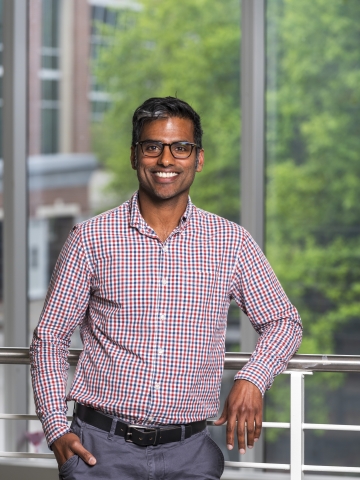
Amit R. Reddi is a Professor at the Department of Chemistry, Georgia Institute of Technology. His research focuses on metalloproteins, particularly the mechanisms of heme trafficking and redox signaling in relation to cancer, neurodegenerative disorders, and infectious diseases. He has received numerous awards for both research and teaching excellence. Education : B.A. from Carleton College (2003) Ph.D. from Columbia University (2008) NIH Postdoctoral Fellowship at Johns Hopkins University (2013) Research Interests : The Reddi laboratory investigates cellular mechanisms of metalloprotein activation and inter-biomolecular communication in metabolic and signaling pathways critical to human health. Key projects explore heme trafficking pathways and the role of Cu/Zn Superoxide Dismutase (SOD1) in redox signaling, with implications for cancer, neurodegenerative diseases, and microbial pathogenesis. Scientific Awards : Vasser Woolley Faculty Fellowship (2021) Student Recognition of Excellence in Teaching Class of 1934 Award (2021) CTL/BP Junior Faculty Excellence in Teaching Award (2019) Bergmann Memorial Award (2018) Blanchard Professorship (2016) NSF CAREER Award (2015) NIH NRSA Post-doctoral Fellowship (2008-2011) Grants & Fellowships : NSF CAREER Award (2015) Sigma Xi Grants-In-Aid-of-Research (2003) NIH Cancer Research Training Award Fellowship (1999-2001)
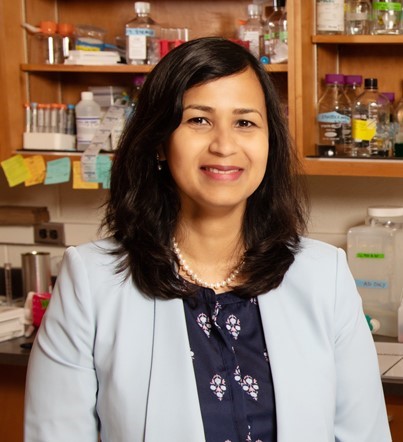
Aditi Das is a Full Professor in the School of Chemistry and Biochemistry at the Georgia Institute of Technology, College of Sciences. She leads the Das Laboratory, which focuses on the biochemistry and chemical biology of lipids, particularly studying cytochrome P450 enzymes and their role in lipid metabolism, endocannabinoid systems, and inflammatory pathways. Her educational background includes: B.Sc. in Chemistry from St. Stephen's College M.Sc. in Chemistry from Indian Institute of Technology, Kanpur (I.I.T) Ph.D. in Chemistry from Princeton University Postdoctoral research at Northwestern University (NSF-NSEC fellow) and Beckman Institute for Advanced Science and Technology, University of Illinois UC Professor Das's research interests center around understanding the physiological role of lipids in sustaining homeostasis and their implications in disease states such as neurodegenerative disorders, cancer, and cardiovascular diseases. Her laboratory specializes in: Enzymology of cytochrome P450s, particularly CYP2J2 epoxygenase Metabolism of ω-3 and ω-6 fatty acids and their derivatives Minor cannabinoid metabolism by cytochrome P450 enzymes Discovery of novel anti-inflammatory lipid metabolites and endocannabinoids Mechanistic studies of membrane proteins using nanodisc technology Her work bridges biochemistry, chemical biology, and pharmacology to uncover novel therapeutic targets related to lipid signaling pathways. Analysis of Professor Das's recent publications (2023-2025) reveals a strong focus on cannabinoid metabolism by cytochrome P450 enzymes, with particular emphasis on how these metabolic processes generate bioactive compounds that interact with the endocannabinoid system. Her research increasingly explores the therapeutic potential of omega-3 derived endocannabinoid epoxides in inflammatory and neurodegenerative conditions. The use of nanodisc technology for studying membrane proteins in near-native environments remains a consistent methodological thread throughout her work, enabling detailed mechanistic insights into enzyme function. Professor Das has received numerous prestigious awards recognizing her research excellence and teaching: 2024 NIH Outstanding Researcher Award (MIRA R35) for established investigators 2024 Vasser Woolley Faculty Fellowship 2023 Plenary Lecture at the International Society of the Study of Xenobiotics (ISSX) 2021 E.L.R. Stokstad Award 2019-2021 List of Teachers Ranked as Excellent 2019 Eicosanoid Research Foundation Young Investigator Award 2019 Zoetis Research Excellence Award 2019 Mary Swartz Rose Young Investigator Award 2015 National Scientist Development Award from the American Heart Association 2022 El Sohly Award from the American Chemical Society Professor Das actively mentors a diverse group of students and postdoctoral researchers, with several former lab members now holding faculty positions or working at prestigious institutions. Her laboratory has secured significant funding from NIH, NSF, and other sources to support research on lipid metabolism, cannabinoid pharmacology, and membrane protein biochemistry. Notable grants include an NIH R35 Outstanding Investigator Award (MIRA), an NIH R21 grant from NIDA, and multiple collaborative grants with other research groups. The Das Laboratory operates within the Petit Institute of Bioengineering and Biosciences (IBB) at Georgia Tech, utilizing state-of-the-art facilities for biochemical and biophysical studies. The lab specializes in nanodisc technology to study membrane proteins in near-native environments, with particular expertise in cytochrome P450 enzymes and their interactions with lipid substrates. Recent work has expanded into collaborative projects involving lipidomics, structural biology, and translational applications of lipid signaling research.
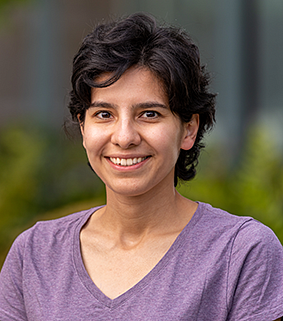
Katherine J. Franz is a Professor of Chemistry at Duke University, affiliated with the Trinity College of Arts & Sciences and the Duke Cancer Institute. She holds a Ph.D. from MIT (2000) and a B.A. from Wellesley College (1995). Her research focuses on bioinorganic chemistry, particularly metal ion coordination in biological systems, with applications in antimicrobial therapies, cancer metallomics, and neurodegenerative diseases. Key projects include developing prochelators targeting fungal and bacterial pathogens, studying copper's role in antifungal drug efficacy, and designing light-activated metal complexes for controlled drug release. Dr. Franz has received numerous awards including the Camille Dreyfus Teacher-Scholar Award (2009), Sloan Research Fellowship (2008), and the NSF CAREER Award (2005). She leads a lab with 6 current students/mentees and has secured grants from NIH, NSF, and the US-Israel Binational Science Foundation. Her lab's work spans from fundamental metalloprotein studies to translational drug development, emphasizing interdisciplinary approaches in chemistry and biology. Education: Ph.D. in Chemistry, MIT, 2000 B.A. in Chemistry, Wellesley College, 1995 Research Interests: Metal homeostasis in pathogens, copper's role in antifungal resistance, prodrug design for targeted therapy, and mechanistic studies of metalloproteins. Grants: Tri-Institutional Molecular Mycology Training Program (NIH, 2024–2029) Duke PREP Biomedical Sciences Program (NIGMS, 2022–2027) Copper-Mucin Interaction Study (BSF, 2022–2026) Her lab's publications (n=15+ since 2020) highlight breakthroughs in prodrug selectivity, copper-induced protein toxicity, and histatin antifungal mechanisms. The Franz Lab actively collaborates with clinicians and computational scientists to advance therapeutic strategies addressing unmet medical needs in infectious diseases and cancer.
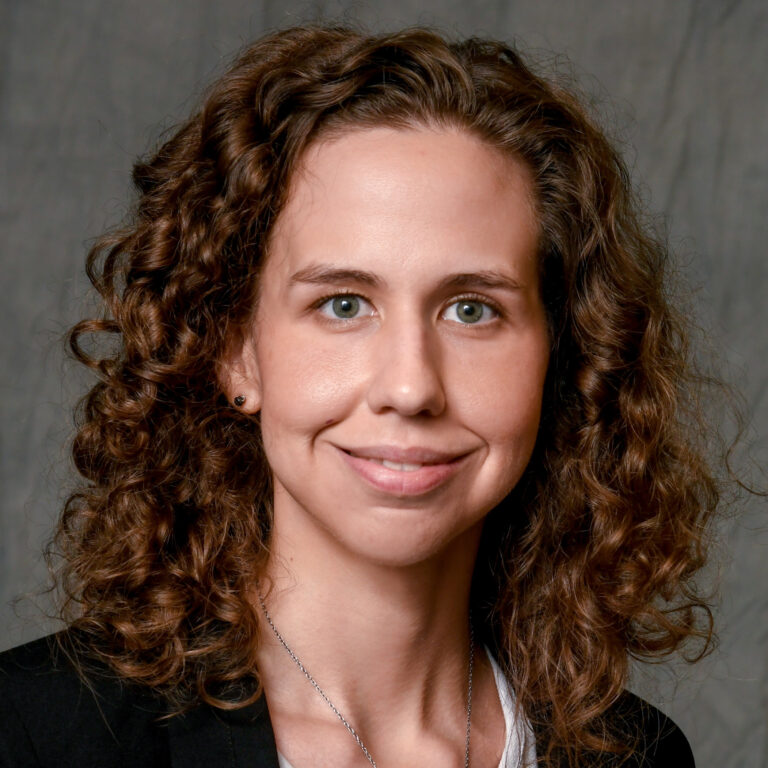
Michael Krisinger is an Associate Professor of Teaching in the Department of Biochemistry & Molecular Biology at the University of British Columbia . He began his teaching career in 2010, transitioning to full-time in 2013. He lectures Biochemistry 202 (Introductory Medical Biochemistry) and Biochemistry 303 (Molecular Biochemistry) while serving as a tutor in the Faculty of Medicine's Case Based Learning program. Krisinger co-developed the department's two-course summer program for international students and mentors postdoctoral fellows in teaching. He also manages the department's CANVAS digital learning platform. Krisinger's research focuses on the molecular mechanisms of coagulation and complement system regulation , particularly their evolutionary relationship and functional interplay. His work has explored thrombin's role in complement activation, polyphosphate-mediated complement suppression, and nanoparticle surface interactions with proteolytic cascades. He previously co-supervised graduate students at UBC's Centre for Blood Research before prioritizing education. Publications highlight his expertise in protease-substrate dynamics , lipoprotein-phospholipid interactions , and hemostasis-immunity crosstalk . He remains engaged in public science through community environmental initiatives and local outreach activities.
Parisa Hosseinzadeh is an Assistant Professor in the Department of Bioengineering at the University of Oregon. Her research focuses on computational protein design and structure-guided rational protein/peptide engineering, with applications in enzyme design, biosensors, and biomedical solutions. She holds a B.Sc. from the University of Tehran, a Ph.D. from the University of Illinois (advisor: Yi Lu), and a postdoc at the University of Washington in David Baker's lab. Her lab emphasizes interdisciplinary approaches at the intersection of computer science, chemistry, and biology, prioritizing diversity and inclusion in STEM. Key projects include designing cyclic peptides as enzyme inhibitors, developing methods for tuning redox potentials in metalloproteins, and creating tools to combat biomedical challenges. Lab members include postdocs, graduate students (e.g., Noora Azadvari, Andrew Powers), and undergraduates. Notable achievements include NSF grants, the Baxter Foundation Award, and the Hans Horse Meyer Award. The lab also emphasizes mentorship, collaborative culture, and outreach initiatives.
Michael J. Ragusa is an Associate Professor of Chemistry at the Department of Chemistry, College of Arts and Sciences, Dartmouth College , specializing in molecular mechanisms of selective autophagy . His research integrates structural biology , biochemical reconstitution , and cell biology to understand how cells degrade toxic components like damaged organelles. Education: B.S. in Chemistry from Siena College, Ph.D. in Biochemistry from Brown University His work focuses on autophagy , particularly the role of Atg proteins in membrane tethering and cargo selection. His lab has published extensively on mitophagy , ALFY , and Atg11 , linking defects in these pathways to cancer , neurodegeneration , and infectious diseases . Recent studies highlight mechanisms of vesicle clustering and dimerization-dependent membrane interactions . Dr. Ragusa teaches courses such as CHEM 5: General Chemistry , CHEM 42: Biological Chemistry II , and CHEM 95.05: Protein Crystallography . His lab employs techniques like X-ray crystallography , NMR spectroscopy , and membrane reconstitution to dissect protein-lipid interactions.
Canan ATILGAN is a Professor at the Faculty of Engineering and Natural Sciences, Sabanci University, Istanbul, Turkey. She has held leadership roles including Dean (2018-2020), Director of the Graduate School (2018-2020), and President of the Science Academy (2021-present). Her research focuses on computational tools for protein conformational transitions, allosteric communication, and antibiotic resistance mechanisms. Ph.D. (1996) and B.S. (1991) in Chemical Engineering from Boğaziçi University A pioneer in perturbation-response scanning and network-based protein modeling, her work bridges biophysics, structural biology, and molecular evolution. She has supervised 15 PhD and 17 MS students, emphasizing accessible computational biophysics education through workshops and seminars. Her recent publications highlight allosteric mechanisms in biosensors, β-lactam resistance via TolC dynamics, and evolutionary fitness landscapes. Awards include EMBO and Academia Europaea membership, L’Oréal Turkey Young Women Scientist Fellowship, and TÜBA-GEBİP Distinguished Young Scientist Award. President, Science Academy (2021) EMBO Elected Member (2023) TÜBA-GEBİP Distinguished Young Scientist (2004) She leads the MIDST Lab, contributes to Turkish science communication via sarkac.org, and organizes 'Dialogues in the MIDST' workshops for graduate students. Her work integrates theoretical models with experimental validation in iron transport proteins and resistance mechanisms.
Dr. Barbara L. Hempstead is a Professor of Neuroscience and Medicine at Weill Cornell Medical College, where she has held positions since 2001 and 2002 respectively. Her research focuses on neurotrophin signaling mechanisms, particularly the roles of BDNF and its receptors in neuroinflammation, synaptic plasticity, and neurodegenerative diseases. She has made significant contributions to understanding proBDNF/proNGF signaling pathways in neuronal apoptosis and vascular biology. Education: M.D., Ph.D., Washington University School of Medicine (1982) B.A., Tufts University (1976) Dr. Hempstead's work bridges molecular neuroscience and cardiovascular biology, with a particular interest in receptor stoichiometry (p75NTR, TrkB), neurotrophin-induced synaptic remodeling, and therapeutic applications of neurotrophin modulators in Huntington's disease and post-seizure neuronal injury. Her lab investigates how genetic variants like BDNF Val66Met influence anxiety-related behaviors, social memory, and neurodegenerative disease progression through altered neurotrophin trafficking and signaling. Her recent publications highlight neuroinflammatory mechanisms (2023), immune-neurotrophin interactions (2022), and molecular pathways involving BDNF prodomain structure (2020) and SorCS2-mediated receptor trafficking (2017-2020). While no scientific awards are explicitly mentioned in the scraped text, her funded research (National Institute on Aging, NIMH) demonstrates sustained recognition of her work in neurotrophin biology. Dr. Hempstead's lab develops in vitro and in vivo models to study neurotrophin-receptor dynamics, including 3D culture systems for angiogenesis research and transgenic mouse models for Huntington's disease. Her interdisciplinary approach combines molecular neurobiology with vascular physiology to uncover novel therapeutic targets for neurological and cardiovascular conditions.
Audrey Fikes is an Assistant Teaching Professor in the Department of Chemistry at North Carolina State University (NC State), affiliated with the Integrative Sciences Initiative (ISI). She focuses on inorganic and bioinorganic chemistry, particularly iron homeostasis mechanisms and metalloprotein interactions. Her research also explores osmium-based clusters, coordination polymers, and chemical probe development for cellular studies. Her affiliations include the College of Sciences and the ISI, with an office in Dabney Hall 840. While no awards or grants are explicitly listed, her work emphasizes interdisciplinary approaches to chemical tool design and materials synthesis. She is part of NC State's Department of Chemistry faculty, contributing to undergraduate and graduate education in chemistry. Research interests span synthetic inorganic chemistry, redox-active systems, and applications in biochemistry. Her publications highlight advancements in ligand behavior analysis, cluster reactivity, and microwave-assisted synthesis techniques.
Professor Ray Dixon Ray Dixon is a Research Professor and Project Leader at the Department of Molecular Microbiology, John Innes Centre, and co-Director of the CAS-JIC Centre for Excellence in Plant and Microbial Sciences in Beijing/Shanghai. He has been an Honorary Professor at the University of East Anglia's School of Biological Sciences since 1998. His career spans over four decades in bacterial nitrogen fixation research. Education: B.Sc. (Microbiology, University of Reading, 1969), D.Phil. (Microbial Genetics, University of Sussex, 1973). Research Focus: Regulation of biological nitrogen fixation by environmental signals (oxygen/nitrogen/metal availability). His lab pioneers synthetic biology approaches to engineer nitrogen fixation into plants, aiming to enhance sustainable agriculture. Achievements: Elected Fellow of the Royal Society (1999), EMBO Member (1987), recipient of the Adam Kondorosi Award (2019) and Fleming Award (1983). Over 30 years of leadership in international scientific committees and funding panels. Key Contributions: Pioneered understanding of nif gene regulation, discovered novel nitrogenase systems, and developed polyprotein strategies for synthetic biology applications. Collaborates globally through initiatives like CEPAMS and UBNFC.
Partha Basu is Professor and Chair of Chemistry and Chemical Biology at Indiana University Indianapolis School of Science. His bioinorganic chemistry research examines molybdenum-containing enzymes involved in nitrogen, arsenic and sulfur metabolism. He directs an interdisciplinary research group studying metal function in biological systems through biochemical and spectroscopic approaches. Research domains include: Structure-function relationships in metalloenzymes Catalytic mechanisms of molybdenum cofactor enzymes Metabolic pathways of environmental toxins Spectroscopic characterization of metal sites He has filed five patents and published over 100 peer-reviewed articles that have received approximately 5,700 citations. As founding director of the Center for Metals in Biological Systems (2005-2016), he established collaborative research infrastructure supporting metalloprotein studies.
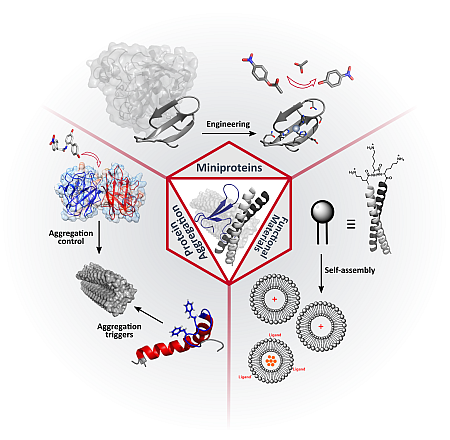
Jun.-Prof. Dr. Franziska Thomas is a Junior Professor at the Institute of Organic Chemistry, Heidelberg University, leading an active research group at the interface of organic chemistry, biochemistry, and biophysics. Her work centers on understanding protein folding mechanisms and their implications for biological function. Dr. Thomas established her independent research group at Georg-August-Universität Göttingen in June 2015 before moving to Heidelberg University in February 2020. She was offered her current tenure track position at Heidelberg on April 26, 2019. Her research program has two primary focuses: (1) designing peptide scaffolds with catalytic activity using de novo designed components that can be chemically synthesized and modified, and (2) studying protein aggregation mechanisms relevant to neurodegenerative diseases such as amyotrophic lateral sclerosis. She employs small, well-characterized self-assembling peptides to create novel materials and understand disease pathways. Analysis of her publication record reveals consistent advancement in peptide and protein engineering, with recent work emphasizing WW domains, β-sheet miniproteins, and innovative solid-phase synthesis techniques. Her research bridges fundamental protein science with applications in materials engineering and disease mechanism understanding. Her work has received significant funding including: The excellence cluster 3DMM2O for the project 'Design of Structured Adhesion Miniproteins for Tissue Engineering' The Deutsche Forschungsgemeinschaft for the research grant 'The WW-domain scaffold as a model system for the de novo design of miniaturized phosphate receptors, phosphatases and sulfatases' Dr. Thomas actively mentors a large research team including 11 PhD students and 2 Master's students, with numerous past students who have successfully completed their theses. She teaches courses including 'Chemische Biologie' and 'OC-Z6 Synthese und Retrosynthese' and participates in seminar series such as IMSEAM and 3DMM2O. The Thomas Lab maintains strong collaborative connections with multiple research groups including the Kivala, Kemerink, Blasco, Klein, Comba, and Gräter groups, reflecting an interdisciplinary approach to peptide and protein science.
Prof. Friedrich Götz is a Senior Professor and Head of the Department of Microbial Genetics at the University of Tübingen, Germany. He has held this position since 2015, following his tenure as a full professor from 1987 to 2015. He is also a Visiting Professor at the Shiraz University of Medical Sciences (SUMS, 2020–present) and a member of the Cluster of Excellence - CMFI (2018–present). His academic journey includes a Ph.D. in Microbiology from Ludwig Maximilians University (LMU) Munich (1974–1978) and Habilitation at TU Munich (1985). His research focuses on microbial genetics, particularly the physiology of staphylococci, lipoprotein roles in immune responses, and bacterial-host interactions. Recent studies highlight microbiota-derived neurotransmitters influencing host cells and the development of novel antimicrobial compounds. His work has led to groundbreaking insights into skin microbiota's role in wound healing and neurochemical signaling. Prof. Götz has been awarded the DECHEMA Award (1989), DGHM Award (1991), and DGHM Lecturer Award (2009). He has served as President and Vice President of the VAAM (2003–2009), and has held leadership roles in major initiatives, including the DFG Graduate College 685 (2010–2011) and the Transregio SFB (2006–2013). He actively contributes to scientific publishing as an editor for journals like Molecular Microbiology and Medical Microbiology and Immunology, and advises international research institutions. His research spans over 380 peer-reviewed publications, with an h-index of 99, and has mentored over 120 PhD students and postdocs, many of whom have become professors. His lab, part of the Interfaculty Institute for Microbiology and Infection Medicine (IMIT), collaborates globally on microbial genetics and infection biology.
Joseph Cotruvo is a Professor of Chemistry at the Department of Chemistry, Pennsylvania State University. His research focuses on understanding metal selectivity in biological systems, particularly lanthanides and transition metals, with applications in biotechnology, environmental science, and disease mechanisms. He leads the Cotruvo Lab, which develops biochemical and chemical biology tools to study metal ion acquisition, trafficking, and utilization in bacteria and human pathogens. Education: Ph.D., Chemistry, Massachusetts Institute of Technology (2012); A.B., Chemistry, Princeton University (2006). Research interests include lanthanide-dependent enzymology, protein engineering for rare earth element separations, and transition metal roles in neurodegenerative diseases. The lab designs fluorescent sensors, genetically encodable tools, and protein-based systems for metal detection and recovery. Recent work emphasizes actinide/lanthanide speciation, biohydrometallurgy, and biomolecular mechanisms of metal ion transport. Notable achievements include the discovery of lanmodulin—a highly selective lanthanide-binding protein—and its application in rare earth element recovery. His lab pioneered protein-based approaches for high-purity rare earth separations and developed manganese(II) fluorescent sensors. Research also explores iron-responsive riboswitches and copper-regulated lipid metabolism. Awards: Faculty Scholar Medal (2025), Blavatnik Finalist (2024), Eli Lilly Award (2024), Sloan Fellowship (2021), DOE Early Career Award (2020). Grants: NSF CAREER Award, Charles E. Kaufman Foundation, Jane Coffin Childs Memorial Fund. Labs/Teams: Cotruvo Lab (Penn State); collaborations with National Synchrotron Light Source, Lawrence Livermore National Laboratory. Future work targets scalable rare earth recovery systems, actinide-biomolecule interactions, and transition metal roles in infectious diseases.
Professor Tobin J. Marks is the Vladimir N. Ipatieff Professor of Catalytic Chemistry, Professor of Materials Science and Engineering, Professor of Applied Physics, and Professor of Chemical and Biological Engineering at Northwestern University. He also serves as a Distinguished Adjunct Professor at Texas A&M Qatar University and is a Senior Fellow of the Hong Kong Institute for Advanced Study at City University of Hong Kong. Dr. Marks is a member of the US National Academy of Engineering, the US National Academy of Sciences, and a Fellow of the Royal Society of Chemistry, UK. Dr. Marks received his BSc in Chemistry from the University of Maryland in 1966 and his PhD in Inorganic Chemistry from MIT in 1970. His academic career at Northwestern began as an Assistant Professor of Chemistry in 1970, progressing to Associate Professor in 1974, Professor of Chemistry in 1978, Charles E. & Emma H. Morrison Professor of Chemistry from 1986-1999, Vladimir N. Ipatieff Professor of Catalytic Chemistry since 1999, Professor of Materials Science and Engineering since 1987, Professor of Applied Physics since 2009, and Professor of Chemical and Biological Engineering since 2017. Professor Marks' research spans numerous areas of chemistry and materials science. His work focuses on transition metal and f element organometallic chemistry, catalysis, vibrational spectroscopy, synthetic facsimiles of metalloprotein active sites, carcinostatic metal complexes, solid state chemistry and low-dimensional molecular metals, nonlinear optical materials, polymer chemistry, tetrahydroborate coordination chemistry, macrocycle coordination chemistry, molecular electro-optics, metal-organic chemical vapor deposition, polymerization catalysis, printed flexible electronics, solar energy, and transparent conductors. His research group consists of nearly 40 researchers working across four laboratories. Analysis of Professor Marks' recent publications reveals a strong focus on advanced materials for electronic and energy applications. His work spans organic electronics, flexible and stretchable devices, catalysis for sustainable chemistry, and novel materials characterization techniques. Key trends include the development of organic electrochemical transistors, high-efficiency organic solar cells, advanced catalysts for polymer recycling, and quantum materials for next-generation electronics. Professor Marks has received numerous prestigious awards throughout his career, including: US National Medal of Science American Chemical Society Joseph Priestley Medal Camille and Henry Dreyfus Prize in the Chemical Sciences Principe de Asturias Prize for Technical and Scientific Research US National Academy of Sciences Award in the Chemical Sciences Materials Research Society Von Hippel Award Harvey Prize in Science and Technology Karl Ziegler Prize from the German Chemical Society Professor Marks has mentored numerous students and postdoctoral researchers throughout his career, with his group currently consisting of nearly 40 researchers. He has received substantial research funding from multiple agencies including NSF, DOE, and DoD. His entrepreneurial spirit has led to the founding or co-founding of 15 startups, with technologies generating an estimated USD 100 billion in sales. Professor Marks leads several research teams focused on catalysis and organic electronic materials. His work has significant implications for sustainable chemistry, renewable energy, and next-generation electronic devices. He continues to be highly active in research, with numerous publications in 2025 demonstrating his ongoing scientific leadership.