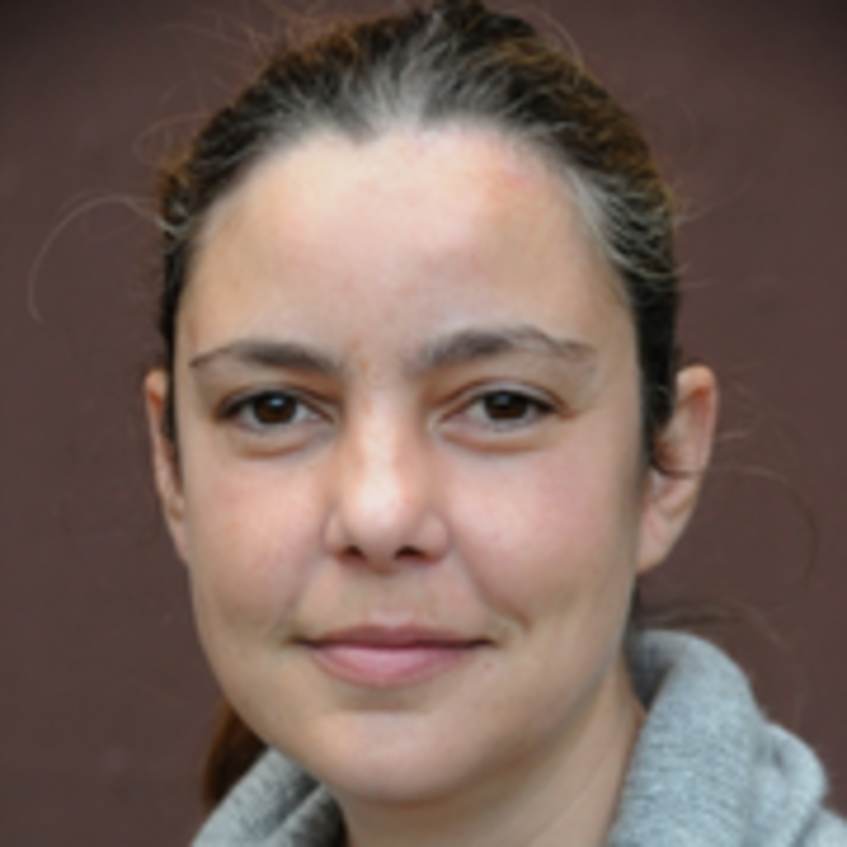
Assoc. Prof. Filipa L. Sousa leads the Genome Evolution and Ecology Group at the University of Vienna’s Faculty of Life Sciences, Department of Functional and Evolutionary Ecology. Her research bridges microbial evolution, bioenergetics, and geobiological processes. Key projects include: Pan-Metabolic Profiling of Archaea (WWTF, 2016–2025), developing genomic tools for metabolic classification. Evolution of Physiology: The Link between Earth and Life (ERC Starting Grant, 2019–2025), exploring energy metabolism evolution in archaea. Her work focuses on archaeal physiology , sulfur metabolism , and metagenomic data analysis , with recent publications in Philosophical Transactions of the Royal Society B and Nature Microbiology . Notable awards include the Vienna Research Groups for Young Investigators (VRG) – Gender Mainstreaming (2017) . She supervises PhD students like Jessica Gomes da Silva and collaborates with institutions such as the Institute of Molecular Evolution at HHU Düsseldorf . Media outlets like BBC Earth and Nature have highlighted her contributions to understanding extremophilic archaea and early life evolution.
Andy Nguyen is an Assistant Professor at the University of Illinois at Chicago , where he leads research at the intersection of chemistry , materials science , and bioinspired design . His work focuses on developing peptides and sequence-defined oligomers to create evolvable catalysts , porous frameworks , and supramolecular structures that mimic natural biomolecular complexity and functionality. University: University of Illinois at Chicago Department: Chemistry Academic Rank: Assistant Professor Research Interests Nguyen’s research emphasizes biomimetic materials and multimetallic clusters for catalysis, particularly in water oxidation and energy conversion . His group explores supramolecular cooperativity in stimuli-responsive systems, self-assembly of π-conjugated peptides , and excision of metalloenzyme active sites into crystalline frameworks for mechanistic studies. Key themes include: Designing porous peptide frameworks for catalysis and separation Engineering sequence-defined peptoids to evolve synthetic catalysts Replicating metalloprotein active sites via peptide crystallization Scientific Awards NSF CAREER Award (2025) for designing protein-like materials from π-conjugated peptides Publications Overview Nguyen’s 2025 work includes stabilization strategies for metalloproteins and π-conjugated peptide assemblies . Recent 2024 studies explore metal-triggered β-hairpin restructuring , proteomimetic pore engineering , and hydrogen-bonded frameworks . 2022–2023 publications highlight secondary sphere evolution in metallocatalysts and noncovalent thiol frameworks . Earlier work (2019–2017) focused on Co4O4 cubane catalysts , multimetallic clusters , and nitrene transfer catalysis . Education PhD (2016), University of California, Berkeley BS (2010), University of California, Irvine Postdoctoral Research , Lawrence Berkeley National Laboratory
Lars Schäfer , Professor at the Faculty of Chemistry and Biochemistry at Ruhr University Bochum , leads the Molecular Simulation Group. His research focuses on the interplay between structure, dynamics, and function of biological macromolecules using computational methods like molecular dynamics (MD) and QM/MM simulations. Key research areas: solvation science, membrane protein dynamics, ABC transporters, and hydration thermodynamics. His group contributes to the Cluster of Excellence RESOLV and utilizes the ZEMOS facility for solvent-driven process simulations. Recent work includes collaborations on oxygen-stable hydrogenases, nanodisc modeling, and force field development (e.g., Martini 3). The group's scientific approach spans from fundamental quantum mechanical studies (e.g., atomic radii calculations) to applied research in pharmaceuticals (e.g., therapeutic protein stabilization). Their simulations provide atomic-level insights into phenomena like liquid-liquid phase separation and ATP-driven membrane transport. Labs & Collaborations : Hosted at the Center for Theoretical Chemistry (ZEMOS). Active in interdisciplinary networks: Integrated Graduate School Solvation Science, RUB Research School, and international partnerships.
Ivana Drienovska is an Assistant Professor in the Department of Chemistry and Pharmaceutical Sciences at the Faculty of Science, Vrije Universiteit Amsterdam . She also holds an affiliation with AIMMS (likely a research institute or program). Her research focuses on biocatalysis, protein engineering, and artificial enzyme design , with a particular emphasis on non-canonical amino acids, genetic code expansion, and functional group diversity in enzymes. She explores applications in sustainable chemistry, enzyme stabilization, and novel catalytic mechanisms. Recent work includes designing protein scaffolds for iminium biocatalysis, stabilizing protein complexes via covalent bicyclization, and incorporating functional secondary amines via genetic code expansion. Her studies often involve structural biology approaches (e.g., crystallography) and synthetic biology techniques. Affiliations : Faculty of Science (VU Amsterdam), AIMMS Courses Taught : Biocatalysis for a Sustainable Future, Bioorganic Chemistry, Concepts in Chemical Biology Key Research Themes : Engineering enzymes for novel functionalities (e.g., unnatural amino acids) Development of artificial metalloenzymes for asymmetric catalysis Structural and biochemical analysis of cold-adapted and extremophilic enzymes Lab/Team : Her group works at the interface of chemical biology, enzymology, and synthetic biology, focusing on creating next-generation biocatalysts for industrial and environmental applications.
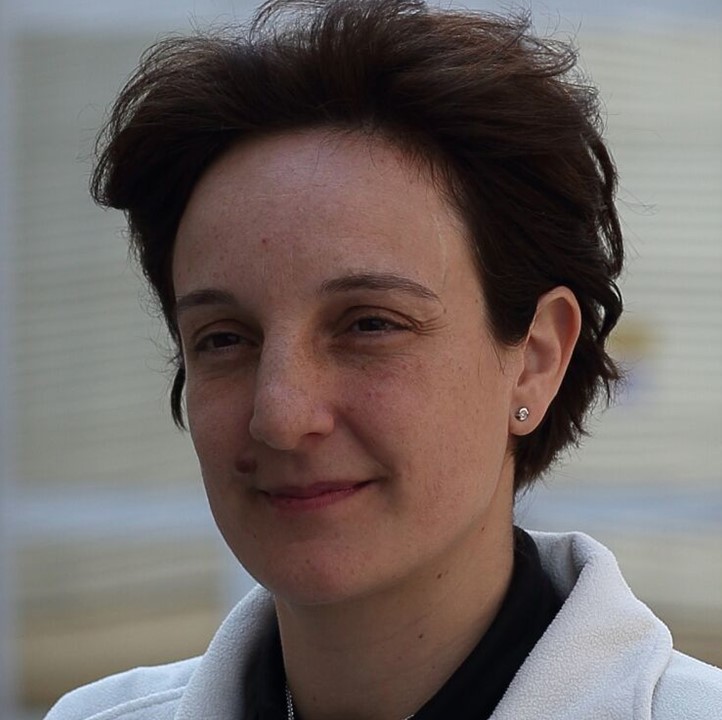
Claudia Andreini is an Associate Professor at the University of Florence, affiliated with the Magnetic Resonance Center and the Department of Chemistry. Her research focuses on computational biology, particularly metalloproteins and bioinformatics. She pioneered the use of bioinformatics to study metalloproteins and developed the MetalPDB database. She collaborates internationally and has presented at major conferences. Education: PhD in Chemistry (2006), University of Florence; Laurea in Chemistry (2002, cum laude), University of Florence. Research interests include metalloprotein structure-function relationships, metal-coordination databases, and predictive computational tools. Her work integrates structural bioinformatics, machine learning, and database mining to analyze metal sites in proteins. Recent publications highlight advancements in zinc-binding site prediction, metal-induced structural variability, and applications of deep learning in metalloprotein analysis. She has contributed to drug design studies involving ruthenium complexes and antibacterial agents. No scientific awards or grants are explicitly listed in the provided texts. She leads the MetalPDB project and collaborates on structural biology initiatives.
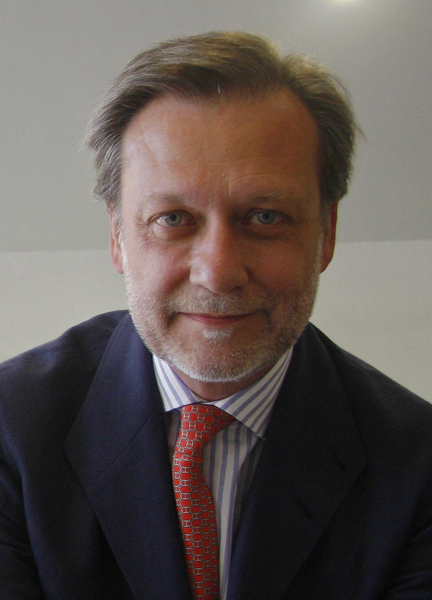
Miguel A. De la Rosa is a Full Professor of Biochemistry and Molecular Biology at the University of Seville since 1995. His academic career spans leadership roles including Director of cicCartuja Scientific Research Center (2009-18) and Secretary General of FEBS (2023-). He also served as Visiting Professor at the University of Arizona (1990-94). Education : M.Sc. (1st class honours, 1977) and Ph.D. (cum laude, 1981) in Biochemistry from the University of Seville. Research interests focus on structure-activity relationships of biological macromolecules, particularly protein-protein and protein-nucleic acid interactions. His work employs interdisciplinary approaches from molecular biology to computational chemistry, with major achievements in metalloprotein evolution, electron transfer mechanisms in photosynthesis/respiration, and cytochrome c's role in DNA damage and programmed cell death. Publication trends emphasize cytochrome c modifications (phosphorylation, acetylation), electron transfer dynamics, structural analysis of redox proteins, and mitochondrial dysfunction. His studies bridge structural biology, biophysics, and molecular mechanisms of cell death. 2025 FAMA Prize for scientific career 2019 Honorary Member of SEBBM 2019 Elected Member of Academia Europaea FEBS National Lecture Award (2010) He has supervised more than 20 PhD students and 20 postdocs, co-founded spin-off ManSciTech S.L. , and directed large-scale interdisciplinary projects at CSIC-University of Seville institutes.
Ethan Hill is an Assistant Professor in the Department of Chemistry and Biochemistry at Auburn University. His research focuses on synthetic inorganic chemistry, particularly the use of long-range interactions to control transition metal complex reactivity. These interactions include metal-ligand cooperativity, electron delocalization, and external electric fields to develop sustainable catalysts for energy and chemical synthesis. Education: Ph.D. in Inorganic Chemistry, University of California - Irvine (2016) B.S. in Chemistry (ACS Certified), Colorado State University (2011) Research interests emphasize ligand design, spectroscopic characterization (NMR, UV-vis, IR, EPR), and catalytic transformations. The Hill Group aims to innovate methods for bond formation/breaking and train scientists skilled in both academic and industrial environments. Members engage in outreach, mentoring, and conference participation. Lab activities include developing electric field applications in catalysis, studying metal-ligand cooperativity with phosphorus-based ligands, and exploring functional group storage via multi-component reactions. The group prioritizes green oxidation and cross-coupling strategies for sustainable chemistry.
Dr. Bernardino Virdis is a Senior Research Fellow at the Australian Centre for Water and Environmental Biotechnology (ACWEB), The University of Queensland, within the Faculty of Engineering, Architecture and Information Technology. His work integrates environmental microbiology, microbial ecology, chemical engineering, material science, spectroscopy, electrochemistry, and microbial catalysis to develop sustainable biotechnologies for waste stream treatment and reuse. Dr. Virdis completed his PhD in Chemical Engineering at The University of Queensland in 2010. His research interests span Environmental Biotechnology , Industrial Biotechnology , Circular Carbon Economy , Hydrogen Economy , and Microbial Catalysis , focusing on bioelectrochemical systems for energy and chemical production. His publications in top-tier journals like ISME Journal , Energy and Environmental Science , and Environmental Science & Technology highlight advancements in microbial fuel cells, electro-fermentation, and methane oxidation. Recent work explores extracellular electron transfer mechanisms, graphene oxide applications, and rusticyanin characterization. Dr. Virdis has received funding from the Australian Research Council (ARC) and University of Queensland (UQ) grants, including ARC Linkage Projects (2022–2025) and Discovery Projects (2016–2019). He supervises PhD students in projects related to microbial conversion of methanol, carbon dioxide utilization, and bioelectrochemical nutrient recovery.
Kristina Djinovic Carugo is a Full Professor of Structural Biology at the University of Vienna , affiliated with the Department of Structural and Computational Biology at Max F. Perutz Laboratories. Her career spans leadership roles including Head of Department (since 2009), Director of the Laura Bassi Center for Optimized Structural Studies (2010-2016), and Head of Structural Biology and Crystallography Unit at Sincrotrone Trieste (1999-2004). Education : PhD in Chemistry (1992, University of Ljubljana); Master's (1989, University of Ljubljana); Diploma in Chemistry (1986, University of Ljubljana) Her research focuses on structure-function analysis of metallo-enzymes involved in cellular protection, structural biology of actin-based cytoskeleton with emphasis on muscle Z-disk assembly, and X-ray induced radiation damage in protein crystals. Key techniques include X-ray crystallography, cryo-EM, and integrative structural approaches. Recent work explores liquid-liquid phase separation in sarcomeric Z-disc formation, Filamin C regulation by HSPB7 , and automated structural analysis tools like chalcogen bond detection in AlphaFold models. She has contributed to understanding protein interactions in hemidesmosomes, sarcomere mechanics, and redox-sensitive structural dynamics. Scientific Recognition : EMBO long-term postdoctoral fellowship (1995) Laura Bassi Center of Expertise (2010) EMBO member (2016) Her institutional roles include appointment committee memberships for tenure-track and professorship positions at Austrian universities and leadership in the Protein Technology Facilities user committee. Publications span high-impact journals including Science Advances, Cell, and PNAS, with over 145 peer-reviewed papers and an H-index of 44.
Stefano Bruno is an Associate Professor at the Department of Pharmacy, University of Parma with a focus on Biochemistry . He holds a PhD in Biochemical Sciences from the University of Turin (2002) and has been teaching since 2004, including courses like Applied Biochemistry and Clinical Biochemical Analysis across multiple degree programs. Education : 1997: MS in Pharmaceutical Chemistry, University of Parma 2002: PhD in Biochemical Sciences, University of Turin His research spans heme proteins , enzyme characterization , and pharmaceutical applications . Key areas include: Structural and functional analysis of hemoproteins (e.g., neuroglobin, cytoglobin) Development of blood substitutes via hemoglobin modifications Investigation of serine racemase and phosphoserine phosphatase in neurological contexts Protein immobilization in silica gels for functional studies His publications (70+ peer-reviewed, H-index 20) emphasize Antarctic bacterial proteins , enzymatic inhibition , and radiopharmaceutical quality control . He has supervised 8 PhD students and contributed to international conferences like the International Symposium on Blood Substitutes . Recent work includes fluorescent biosensors, NO sensing proteins, and covalent enzyme inhibitors for cancer therapy . Awards : No specific scientific awards listed. Teaching & Leadership : Active in PhD programs ( Biochemistry , Pharmaceutical Sciences ), international schools like the ULLA Summer School , and conference organization (e.g., New Challenges in Protein Science ).
Dr. Rebeca Gomez Castillo serves as Group Leader of the Time Resolved Spectroscopy research group within the Inorganic Spectroscopy department at the Max Planck Institute for Chemical Energy Conversion (MPI CEC) since 2024. Her work bridges ultrafast optical and X-ray spectroscopic methodologies to investigate dynamic processes in catalytic and energy conversion systems, with emphasis on plasmonic nanomaterials and metalloenzyme mechanisms. Her academic foundation includes: B.Sc in Chemistry from Complutense University of Madrid, Spain (2015) M.Sc from Ruhr University Bochum / MPI CEC, Germany (2016) Phil(Hons) in Chemistry from Ruhr University Bochum / MPI CEC, Germany (2017-2021) Gomez Castillo's research integrates time-resolved spectroscopy with computational modeling to unravel electronic and structural dynamics in inorganic systems. Key investigations span plasmon-induced hot carrier generation in gold nanoparticles, reaction mechanisms in iron-catalyzed amino functionalization, and electronic structure analysis of metalloenzyme intermediates like nitrogenase and methane monooxygenase. Her experimental approach leverages synchrotron radiation and free-electron laser facilities for sub-picosecond resolution. Recent publications reveal a cohesive trajectory toward elucidating energy conversion pathways through advanced spectroscopic interrogation of transient states. Her 2023-2025 work demonstrates particular innovation in correlating ultrafast photodynamics with catalytic function across nanomaterial and biological platforms, establishing foundational insights for renewable energy applications. Her scholarly recognition includes: NCCR MUST and Cluster of Excellence Fellowship (2021-2023) International Max Planck Research School Fellowship (2016-2021) UCr scholarship for young scientists, Krakow (2017) UCM ERASMUS internship fellowship (2015) Imperial College London-UROP fellowship (2013) She currently mentors PhD candidate Utkarsh Prakash while collaborating with visiting researchers like Christopher Kim. Her group maintains active partnerships with Swiss FEL and Paul Scherrer Institute for beamtime access, driving methodological advances in time-resolved X-ray techniques. Current projects focus on real-time observation of charge transfer processes in electrocatalytic systems and plasmonic energy conversion mechanisms.
Archana Dubey is a Senior Lecturer at the University of Central Florida (UCF), affiliated with the College of Sciences. She joined UCF in 2001 and holds a PhD in Physics from Bhavnagar University, India (1998). Her postdoctoral research at Rensselaer Polytechnic Institute (RPI) and UCF focused on theoretical and computational studies in physics and materials science. She was promoted to Associate Professor with tenure in 2014 as part of UCF's annual promotions and tenure cycle. Her research interests include electronic structure calculations, nuclear quadrupole interactions, hyperfine interactions, and biomolecular systems such as hemoglobin and rhizoferrin. She employs first-principles methods like Hartree-Fock and density functional theory to investigate material properties at the atomic level. Dr. Dubey's publications span 1998–2013, covering topics such as coordination chemistry of metalloproteins, nuclear magnetic resonance phenomena in biomolecules, and magnetic thin films. Her work has been published in journals like BioMetals , Hyperfine Interactions , and Journal of Applied Physics . She currently supervises graduate and undergraduate students in research projects related to theoretical physics and materials science. Her lab focuses on interdisciplinary studies at the intersection of physics, chemistry, and biology.
Eranthie Weerapana is a Professor of Chemistry at Boston College, affiliated with the Morrissey College of Arts and Sciences and the Chemistry Department. She holds a B.S. from Yale University and a Ph.D. from the Massachusetts Institute of Technology. Her research focuses on chemical probes and mass spectrometry-based proteomics to investigate cysteine-mediated protein activities in cancer and age-related degenerative diseases. Key areas include understanding redox signaling, oxidative stress regulation, and developing therapeutic targets through multidisciplinary approaches combining synthetic chemistry, cell biology, and proteomics. Awards: Smith Family Award for Excellence in Biomedical Research (2011), Damon Runyon-Rachleff Innovation Award (2012) Key Research Themes: Cysteine reactivity profiling, proteome-wide analysis, drug discovery, and redox biology Her recent work highlights the role of redox-sensitive cysteines in cellular processes, including cancer progression and mitochondrial dysfunction. She has published extensively on topics such as chemoproteomic strategies, enzyme inhibition, and protein bioconjugation techniques. Collaborative efforts span pharmaceutical target identification, metabolic pathway analysis, and translational biomedical research.
Robert Kranz is a Professor of Biology at Washington University in St. Louis, affiliated with the Department of Biology within the College of Arts & Sciences . His research focuses on the molecular mechanisms of cytochrome c biogenesis, spanning over three decades. University: Washington University in St. Louis School: College of Arts & Sciences Department: Department of Biology Research Interests: Dr. Kranz investigates heme synthesis, modification, and transport , with particular emphasis on cytochrome biogenesis and bioenergetics . His work explores how heme cofactors are covalently attached to apocytochromes (CXXCH motif), comparing systems I, II, and III across prokaryotes, plants, and mitochondria. Recent studies focus on the ATP-dependent CcmABCD transporter and its role in heme trafficking. Publication Trends: Over the past 15 years, Dr. Kranz’s research has consistently advanced understanding of heme trafficking mechanisms, cofactor insertion into cytochromes, and the structural basis for heme transporters. His work spans Biochemistry , Molecular Biology , and Bioenergetics , with applications in antibiotic discovery and human disease (e.g., MLS syndrome). Labs & Collaborations: The Kranz lab collaborates with institutions like Nanjing University and Yale, using Escherichia coli as a model to engineer and purify cytochrome c biogenesis systems. Their recent Nature Communications study reports cryo-EM structures of CcmABCD in multiple states.
Wei-Chen Chang is an Associate Professor and the LORD Corporation Distinguished Scholar in the Department of Chemistry at NC State University. His research focuses on understanding enzymatic transformations in natural product biosynthesis, particularly those involving non-heme iron enzymes. He employs interdisciplinary methodologies including molecular biology, biochemical assays, and organic synthesis to explore reaction mechanisms and apply findings to drug discovery and chemo-enzymatic synthesis strategies. Education: Ph.D. Chemistry, University of Texas at Austin (2011) B.S. Chemistry, National Taiwan University (2003) Postdoctoral Research Fellow in Chemistry at Penn State University (2015) Research Interests: Chang’s lab investigates enzyme-catalyzed C-C and C-N bond formations, substrate selectivity in oxyfunctionalization reactions, and the mechanistic roles of iron-and 2-oxoglutarate-dependent oxygenases. Key projects include decoding the chemical logic behind unusual enzymatic reactions like isonitrile formation, cyclopropanation, and epoxidation, with a focus on their application in synthesizing therapeutically relevant molecules. Recent work highlights the discovery of novel enzymes and their roles in creating bioactive compounds such as antibiotics and anticancer agents. Recent Trends in Publications: His articles emphasize mechanistic studies of iron-dependent enzymes, particularly their ability to perform stereodivergent reactions and form non-canonical bonds. Key themes include substrate positioning effects, ferryl intermediate chemistry, and enzyme reprogramming for synthetic purposes. Contributions span diverse systems like Mycobacteria/Streptomyces biosynthesis, polyketide assembly, and lignan production, underscoring a focus on bridging enzymology with synthetic biology. Scientific Awards: 2020 ACS Academic Young Investigator Thomas Lord/LORD Corporation Distinguished Scholar Advising & Grants: Advises graduate students (e.g., Madison Davidson, Tzu-Yu Chen, Lide Cha) and postdoctoral researchers. Grants and funding support his lab’s exploration of enzyme mechanisms and applications in drug discovery. Labs & Teams: Chang leads the Chang Lab , a multidisciplinary group advancing enzymatic catalysis research. Collaborations span synthetic organic chemistry, biochemistry, and computational modeling to engineer novel enzymatic pathways and develop sustainable synthetic methods.