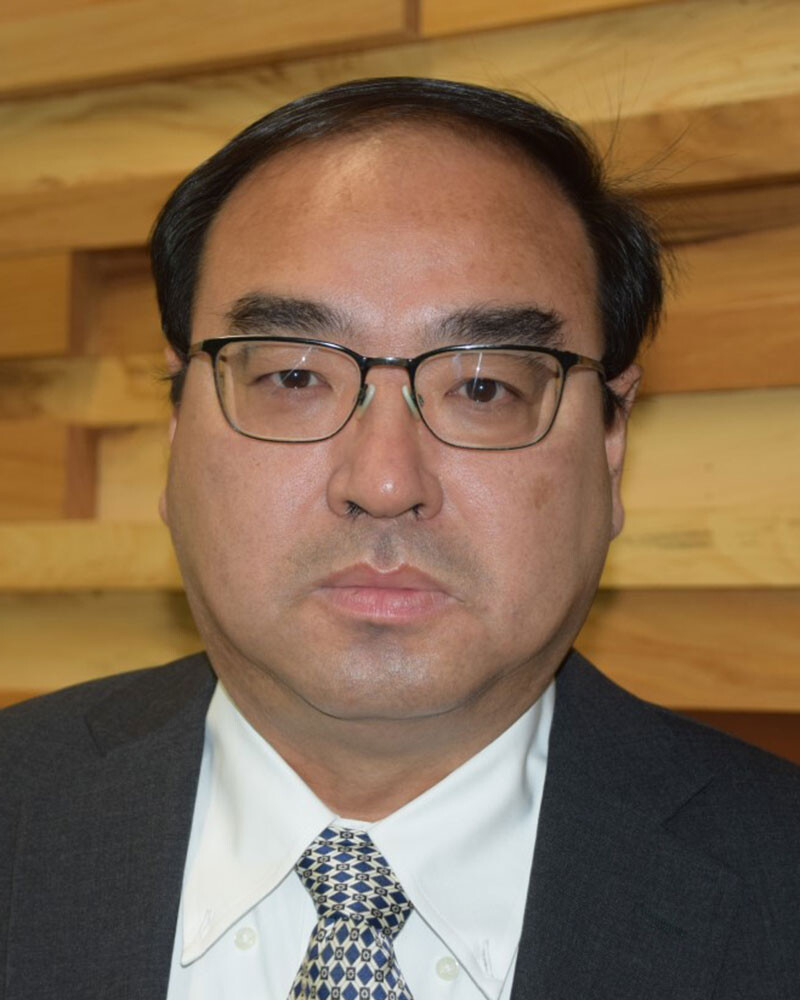
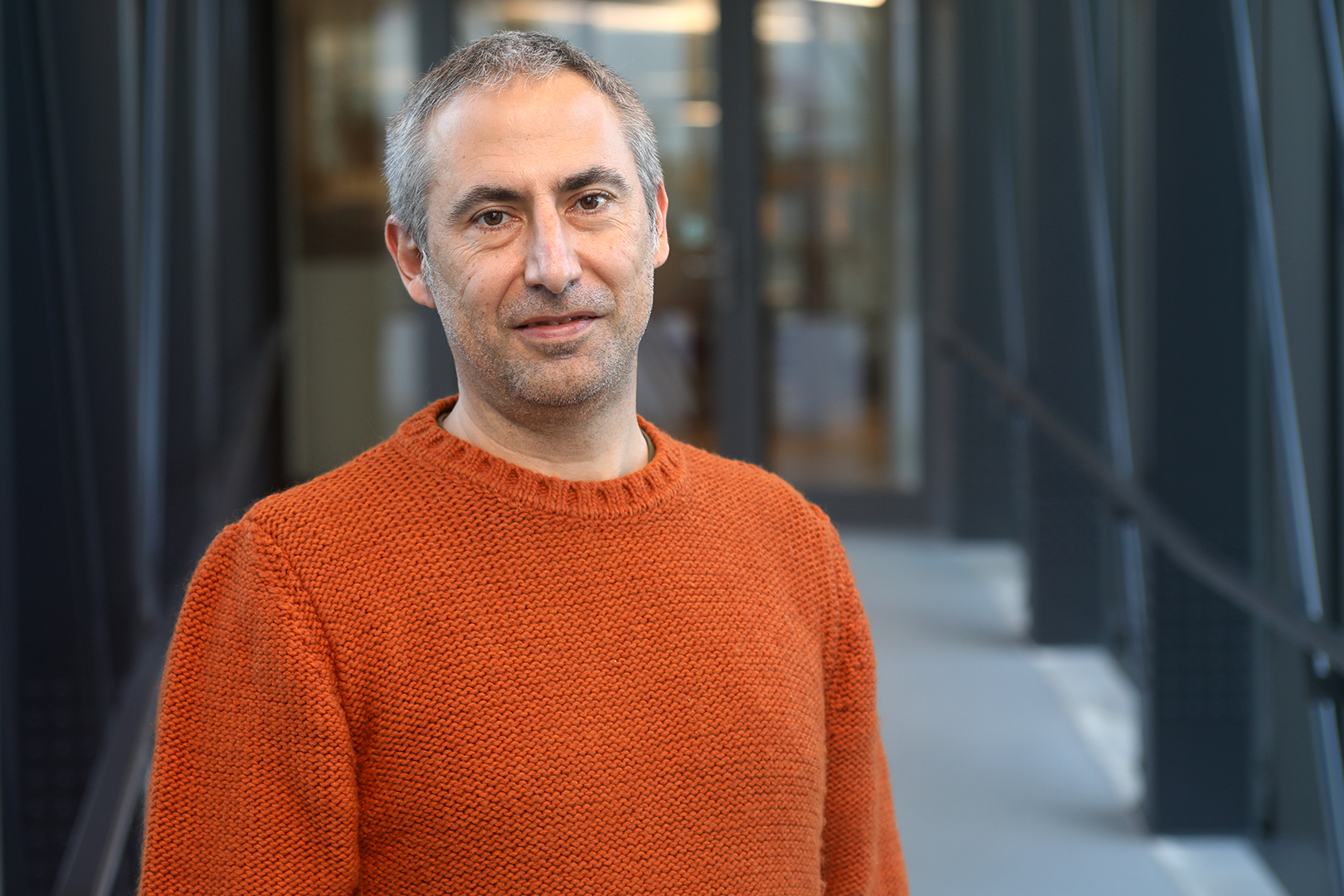
David Labaree is an Associate Research Scientist in the Department of Radiology & Biomedical Imaging at Yale University School of Medicine . He is affiliated with the Bioimaging Sciences PET Core and frequently collaborates with researchers such as Richard Carson, Nabeel Nabulsi, and Jean-Dominique Gallezot. Education: PhD, University of Maryland/College Park (1991) BA, Connecticut College (1982) Research Interests: Dr. Labaree's work focuses on PET imaging , radioligand development , and molecular imaging techniques for studying neurological and psychiatric disorders. His research spans bioorganic chemistry , pharmacology , and neuroimaging , with applications in drug development and central nervous system studies . Publications and Collaboration: He has contributed to 30+ peer-reviewed studies, particularly in neuroreceptor imaging and radiopharmaceutical innovation . His recent work explores SV2A tracers , PET kinetic modeling , and immuno-oncology imaging . Contact: Email: david.labaree@yale.edu
Paul F. Rottmann is an Assistant Professor in the Chemical and Materials Engineering department at the University of Kentucky 's Stanley and Karen Pigman College of Engineering. He specializes in advanced materials characterization to connect macroscopic properties with nanoscale mechanisms in metals and thin films. Ph.D. , Materials Science & Engineering, Johns Hopkins University (2017) M.S. , Materials Science & Engineering, Johns Hopkins University (2012) B.S. , Materials Science & Engineering, University of Kentucky (2010) His research focuses on additive manufacturing (e.g., Inconel 718, aluminum alloys) and high-temperature thin film alloys , emphasizing processing-microstructure-property relationships. Techniques include custom small-scale mechanical testing , in situ SEM with FemtoTools platforms, and UK Electron Microscopy Center equipment. Recent trends in his publications highlight additive manufacturing (geometric effects on properties, applied magnetic fields), thin film characterization (refractory alloys, oxidation behavior), and fundamental deformation mechanisms (twins in magnesium, dislocation pathways, porous carbon fibers). The Rottmann Research Group trains students in fabrication-to-characterization approaches. Current members include graduate students Alewi Damilola David, Md. Imran Noor, R. Nicholaus (Nic) Quammen, Ben R. Sampson, and T. Connor Varney, who completed their Ph.D.s in 2024.
Hongquan Zhang serves as an Associate Professor in the Department of Laboratory Medicine & Pathology at the Faculty of Medicine & Dentistry, University of Alberta. His research program develops cutting-edge bioanalytical tools for ultrasensitive and point-of-care detection of biological targets, with a particular focus on infectious disease diagnostics. Education: Ph.D., University of Alberta (2009) M.Sc., Northwest University, Xi'an, China (1999) B.Sc., Northwest University, Xi'an, China (1997) Dr. Zhang's research explores binding-induced DNA assembly to create innovative diagnostic platforms. His laboratory specializes in developing fluorescent nanosensors for real-time detection in cellular environments, constructing target-triggered DNA nanomachines, and engineering novel affinity ligands through manipulation of functional nucleic acids. His work has made significant contributions to CRISPR-based diagnostics, particularly for SARS-CoV-2 detection, where his team has developed multiple point-of-care testing approaches that integrate nucleic acid amplification with CRISPR technology. Analysis of Dr. Zhang's recent publications reveals a strong research trajectory focused on integrating DNA nanotechnology with CRISPR systems to create streamlined diagnostic platforms. His work consistently addresses the challenge of moving complex molecular diagnostics from laboratory settings to point-of-care applications, with particular emphasis on sample preparation, signal amplification, and visual readout systems that eliminate the need for sophisticated equipment. The interdisciplinary nature of his research bridges chemistry, molecular biology, nanotechnology, and clinical medicine. Teaching: LABMP 551: Laboratory Research Methods LABMP 552: NSERC CREATE Course
Prof. Bettina Valeska Lotsch serves as Director of the Nanochemistry Department at the Max Planck Institute for Solid State Research in Stuttgart and holds honorary professorships at both the University of Stuttgart and Ludwig-Maximilians-Universität München (LMU). She leads a research group focused on the rational synthesis of multifunctional materials with engineered properties, combining solid-state chemistry, molecular chemistry, and nanochemistry approaches. Her research interests span nanochemistry, solid-state chemistry, materials science, energy storage, catalysis, photocatalysis, and the development of two-dimensional materials, porous frameworks, and photonic nanostructures. She investigates structure-property-activity relationships in functional materials with applications in sensing, catalysis, and photo- and electrochemical energy conversion and storage. Her group employs diffraction, spectroscopic, and microscopic techniques to explore these materials. Prof. Lotsch's publication record demonstrates significant contributions to materials chemistry, with over 330 papers, 27,577 citations, and an h-index of 83 (as of February 2025). Her recent work focuses on integrated solar batteries, covalent organic frameworks, metal-organic frameworks, and novel materials for energy applications. The research shows strong emphasis on materials for renewable energy technologies, particularly in the areas of photocatalysis, energy storage, and photoelectrochemical systems. Gottfried Wilhelm Leibniz-Preis (2025) Highly Cited Researcher, Web of Science (2023-2024) Materials Lectureship Award, University of Warwick (2023) ERC Starting Grant (2014) EU-40 Materials Prize, European Materials Research Society (2017) Elected Member of the Heidelberger Akademie der Wissenschaften (2021) Prof. Lotsch leads the SOLBAT initiative funded by the Max Planck Foundation, which focuses on pioneering work in solar batteries and optoionics. She serves on multiple advisory boards including Quantum BW, SFB 1452 CLINT, and the Scientific Advisory Board of ICMol at the University of Valencia. Her department provides extensive research infrastructure including advanced characterization techniques for materials analysis.
Dr. Walid Hetaba is a Group Leader in the Scientific Infrastructure department at the Max Planck Institute for Chemical Energy Conversion (MPI CEC), specializing in Electron Microscopy and X-ray Photoelectron Spectroscopy (XPS). He leads a research group focused on advanced materials characterization, particularly for catalytic systems. His academic background includes a Diplom in Technical Physics (Dipl.-Ing.) and a Dr.techn. from TU Wien (2011–2015). Prior to his current role, he held postdoctoral positions at TU Wien, Universität Bielefeld, and the Fritz Haber Institute of the Max Planck Society (2016–2020). Dr. Hetaba's research emphasizes the structural and electronic characterization of materials at micro- and nanoscales, linking material properties to catalytic function. His group develops methodologies for TEM/XPS analysis, including ChemiTEM—a TEM optimized for chemistry and materials science. Key research areas include catalyst design, nanomaterial synthesis, and surface science, with applications in energy storage and conversion. His group operates state-of-the-art equipment such as the Thermo Scientific Talos F200X TEM, Phenom Pharos SEM, and NAP-XPS systems. They collaborate extensively with other research groups to advance catalysis and materials science. Current projects include the UniSysCat cluster on bimetallic nanocatalysts and FAIRmat data standardization initiatives. Dr. Hetaba has published extensively in journals like Advanced Energy Materials , ACS Catalysis , and Chemistry-Methods , focusing on topics such as magnetic catalysts, nanomaterial functionalization, and surface reactivity. His work bridges fundamental material science with applied catalysis, driving innovations in energy technologies.
Dr. Alexander Yakimov is a Lecturer at the Department of Chemistry and Applied Biosciences, ETH Zürich, affiliated with the Laboratory of Inorganic Chemistry (LAC). He specializes in advanced spectroscopic techniques to study catalyst surfaces and reactive sites. His research focuses on Solid-State NMR Spectroscopy Transition Metal Surface Sites Zeolite and Titano-Silicate Catalysts Acid-Base Reactivity Descriptors CO2 Conversion and Hydrocarbon Processing using methods like X-Ray Absorption and high-field NMR. Recent work explores Ziegler-Natta catalysts, single-atom systems, and propane dehydrogenation mechanisms. He teaches the Practical Course General Chemistry (529-0011-04L/06L) and contributes to CO2 capture technologies. Contact: yakimov@inorg.chem.ethz.ch | ORCID: 0000-0002-8624-1002
Giacomo Parigi is an Associate Professor of Chemistry at the University of Florence, affiliated with the Magnetic Resonance Center and the Department of Chemistry. His work focuses on paramagnetic effects in NMR, MRI contrast agents, and protein dynamics. He holds a Physics degree (1992) and a Chemistry PhD from the University of Florence, with postdoctoral and research roles at CERM since 1999. Research Interests: Parigi’s research explores paramagnetic effects in biological molecules, including protein structure determination, MRI contrast agent design, and relaxometry. He co-authored seminal books on NMR of paramagnetic molecules and pioneered methods for studying protein dynamics via field-cycling NMR. His lab integrates computational biology, bioinformatics, and experimental NMR to address biomedical challenges. Publications & Trends: Recent work emphasizes machine learning-enhanced NMR analysis, novel MRI probes (e.g., Mn-based nanogels), and structural studies of metalloproteins. His articles highlight innovations in paramagnetic NMR restraints, dynamic aggregation imaging, and low-field MRI applications. Awards & Grants: No explicit awards mentioned, but his extensive publications reflect significant contributions to NMR methodology. Active in securing grants for structural biology and biomedical imaging projects. Labs & Teams: Leads the Magnetic Resonance Center’s NMR group, collaborating on interdisciplinary projects involving biomaterials, drug design, and protein engineering. His team develops cutting-edge tools for in-cell NMR and metabolomics analysis.
Yingbin Hu is an Assistant Professor in the Industrial and Systems Engineering Department at Mississippi State University (MSU), part of the Bagley College of Engineering. Prior to joining MSU in 2024, he held an Assistant Professor position at Miami University. His educational background includes a Ph.D. in Industrial Engineering from Texas Tech University (2019), an M.S. in Manufacturing Engineering from the University of Texas-Rio Grande Valley (2015), and a B.S. in Mechanical Engineering from Shandong University (2013). Dr. Hu’s research focuses on additive manufacturing, materials processing, and advanced machining, with specializations in composite materials, laser-assisted manufacturing, and ultrasonic vibration techniques. His work has yielded over 70 peer-reviewed publications in journals like Composites Part B: Engineering and Additive Manufacturing , along with patents and conference contributions. He received the Miami University Junior Faculty Scholar Award and serves as an associate editor for Materials and guest editor for multiple journals. His research interests include: (1) additive manufacturing of composites, ceramics, and biomaterials; (2) ultrasonic vibration-assisted laser additive manufacturing; (3) laser alloying of metallic materials; and (4) rotary ultrasonic machining of hard materials. His contributions bridge fundamental material science with advanced manufacturing processes. Lab Affiliation: The AIM Laboratory (Additive Manufacturing & Innovation) Professional Memberships: SME, ASME, IISE Dr. Hu’s work emphasizes sustainable and high-performance material systems, with applications in biomedical engineering, aerospace, and advanced manufacturing. His recent articles explore 4D printing, functional graded ceramics, and acoustic field-assisted additive manufacturing techniques.
Professor Deyu Li is a faculty member in the Department of Mechanical Engineering at Vanderbilt University's School of Engineering. His research focuses on advancing energy and biomedical technologies through the study of micro/nano-scale thermal and fluid phenomena, nanofabrication techniques, and computational simulations using molecular dynamics and Monte Carlo methods. He leads the Micro/Nanofluidics Lab (MNTFL), which develops novel devices for energy conversion and medical applications. Education background includes: Ph.D., Mechanical Engineering, University of California M.E., Thermal Science, Tsinghua University B.E., Engineering Thermophysics, University of Science & Technology of China His research interests span several key areas, with a strong emphasis on nanoscale thermal and fluid transport, nanomaterials engineering, and the development of advanced microfluidic platforms. He explores these topics through experimental and computational approaches, including molecular dynamics simulations and nanofabrication. Specific areas of focus include: Micro/Nano energy systems and their applications in sustainable technologies Optimization of thermoelectric materials via phonon engineering Design of lab-on-a-chip devices for biomedical research Electrochemical flow capacitors and their performance in energy storage Characterization of nanowire and nanotube thermal properties Development of biocompatible microfluidic platforms Recent publications (2021–2025) highlight innovations in nanoscale thermal and fluid transport, including breakthroughs in phonon-mediated heat conduction, advanced thermoelectric materials, and biomedical applications of microfluidics. His work addresses challenges in energy efficiency, material interface optimization, and scalable fabrication of nanodevices. No scientific awards are explicitly mentioned in the provided text. Professor Li's advising and grants narrative remains unspecified, as no formal advisees or grants are listed. His research activities are centered on the Micro/Nanoscale Thermal-Fluids Lab (MNTFL), which bridges fundamental physics with practical applications in renewable energy and healthcare.
James Durrant serves as Professor of Photochemistry at Imperial College London since 2005 and holds a part-time Sêr Cymru Solar Professorship at Swansea University since 2013. His research focuses on photochemical processes in solar energy conversion devices, utilizing transient spectroscopy to analyze electron transfer dynamics in next-generation photovoltaic and photocatalytic systems. His academic foundation includes a B.A. in Natural Sciences (Physics) from the University of Cambridge (1984-1987) and a PhD in Biochemistry from Imperial College London (1987-1991) under Lord Porter and James Barber. Prior appointments include BBSRC Advanced Research Fellow (1994-1999) and progressive academic roles in Imperial's Chemistry Department (1999-2005). Durrant's research centers on solar energy conversion mechanisms, with current emphasis on polymer/fullerene and perovskite solar cells alongside water-splitting photocatalysts. His experimental approach combines transient laser spectroscopies with device engineering to establish design principles for efficient solar materials. Key focus areas include charge carrier dynamics, interface engineering, and stability optimization for practical solar technologies. Recent publications reveal consistent advancement in understanding charge transfer processes across diverse materials systems, with growing emphasis on stability challenges and interfacial phenomena in both photovoltaic and solar fuel generation applications. The work bridges fundamental photochemistry with device-level performance optimization. His distinguished recognition includes: Meldola Medal of the RSC (1995) Imperial College Research Excellence Award (2006) Environment Prize of the RSC (2009) ERC Advanced Grant (2012-2017) Tilden Prize of the RSC (2012) Elected Fellow of the Royal Society (2017) Hughes Medal of the Royal Society (2018) Durrant directs a substantial research enterprise comprising 6 postdoctoral researchers, 8 PhD students, and 2 technicians at Imperial College, supported by EPSRC, ERC, CEC, and Solvay SA grants. He concurrently leads the Centre for Plastic Electronics (since 2015) and the Welsh government-funded Sêr Solar programme at Swansea's SPECIFIC IKC, accelerating printed photovoltaic technology demonstration through industry-academic collaboration.
Tresa Pollock is the ALCOA Professor of High Tech Materials in the Materials Department at the University of California, Santa Barbara (UCSB), part of the College of Engineering. Her research focuses on structural materials, high-temperature processing, ultrafast laser interactions, alloy design, and 3D characterization techniques. She holds a Ph.D. from MIT and a B.S. from Purdue University. Research Interests: Her work addresses extreme environment materials performance, thermal barrier coatings, cobalt-base superalloys, hypersonic flight materials, femtosecond laser tomography, and computational materials engineering. Recent projects include developing refractory alloys and advanced characterization methods like the TriBeam system. Awards: She is a Fellow of TMS (The Minerals, Metals & Materials Society) and received the 2023 Acta Materialia Gold Medal. Grants & Collaborations: Supported by agencies like ONR, NSF, AFOSR, and industry partners including GE, Boeing, and Rolls-Royce. Her lab includes advanced facilities at UCSB’s Microscopy and Microanalysis Facility. Labs & Teams: Leads a research group with senior scientists like Chris Torbet. Labs are located in Engineering II and Elings Hall, focusing on 3D tomography, laser-material interactions, and high-temperature alloy development.
Dr. Guanna Li is an Assistant Professor in the Biobased Chemistry and Technology group at Wageningen University & Research. Her research focuses on catalyst design and reaction mechanism studies in heterogeneous catalysis, leveraging advanced computational methodologies such as DFT, ab initio molecular dynamics (AIMD), and machine learning. She investigates dynamic catalyst behavior under reaction conditions and aims to establish structure-activity relationships for rational catalyst design. Key areas include biomass conversion, CO2 hydrogenation, and plastic upcycling. Dr. Li holds a dual PhD from Eindhoven University of Technology (TU/e) and Dalian Institute of Chemical Physics, with postdoctoral experience at TU/e and Delft University of Technology, supported by a VENI Talent Programme grant (NWO, 2016). She collaborates closely with experimental groups to bridge theory and practice in catalytic processes. Education: PhD in Heterogeneous Catalysis (TU/e), PhD in Raman Optical Activity (DICP), postdoctoral research at TU/e and Delft University of Technology. Research Interests: Multiscale modeling of catalytic reactions, transition metal carbide catalysts, CO2 hydrogenation to methanol, plastic upcycling via mechano-catalysis, and surface reaction dynamics. Her methodologies include DFT, AIMD, and machine learning for mechanistic insights. Projects: Transition metal carbide catalyst design, CO2 hydrogenation collaborations with DICP, and plastic upcycling initiatives. These projects emphasize synergy between computational and experimental approaches. Awards: VENI Talent Programme Grant (2016). Grants/Advising: Supervises MSc/PhD students and postdocs on catalysis and computational chemistry projects. Open to collaborations and applications for research positions. Labs/Teams: Leads a research team in Wageningen’s Biobased Chemistry and Technology group, emphasizing computational catalysis and sustainable chemical processes.
Dr. Lars Lauterbach is a University Professor at RWTH Aachen University , leading the Department of Synthetic Microbiology . His research focuses on molecular genetics, biochemistry, and gas-converting biocatalysts, particularly hydrogen-dependent enzymatic processes. Institution: RWTH Aachen University Role: Institute Head Contact: lars.lauterbach@rwth-aachen.de His work spans hydrogen metabolism , metalloenzymes , and electrobiochemistry , with recent publications emphasizing CO2 conversion, hydrogenase engineering, and enzymatic cofactor regeneration. Key research areas include: Hydrogen-driven biocatalytic cascades Oxygen-tolerant hydrogenases Carbon dioxide valorization Multi-step enzymatic synthesis Hydrogen storage and utilization Redox chemistry in metalloproteins The 2023-2025 article list reflects trends in CO2-based biotechnology , biocatalytic hydrogenation , and synthetic microbial systems , with applications in pharmaceuticals, fine chemicals, and sustainable energy.
Ngoc T. Bui is an Assistant Professor in the Department of Sustainable Chemical, Biological and Materials Engineering at the University of Oklahoma. He holds a Ph.D. in Chemical Engineering from the University of Connecticut (2014), an M.S. in Textile Engineering from Chonnam National University (2007), and a B.S. in Chemical Engineering with a minor in Organic Chemistry from HoChiMinh City University of Technology (Vietnam). His research focuses on the water-energy-environment nexus, developing advanced functional materials and membranes for sustainable separations, environmental remediation, and renewable energy applications. Dr. Bui's work integrates physics, chemistry, and engineering to study nanomaterials' physicochemical properties and their transport behaviors. His lab designs membranes and adsorbents from nanoscale building blocks, focusing on energy-efficient wastewater treatment from oil and gas industries and converting pollutants into valuable commodities. Key projects include bioinspired supramolecular complexes for heavy metal removal, carbon nanotube-based breathable protective fabrics, and adsorptive membranes for precision ion separation. His research outputs span over 30 peer-reviewed articles, patents on nanoporous membranes and adsorptive technologies, and contributions to textbooks like Desalination: Water from Water and Desalination 2nd Edition . Collaborations with Lawrence Berkeley and Livermore National Laboratories highlight his expertise in applied nanotechnology and sustainable engineering. Dr. Bui's lab emphasizes translational research through systems-level assessments, aiming to transform water, energy, and environmental landscapes. Current efforts include granulation technologies for nutrient recovery and fluidized-bed systems for industrial wastewater treatment.
Dr. Olaf Rüdiger is a Group Leader at the Max Planck Institute for Chemical Energy Conversion (MPI CEC), leading the Spectroelectrochemistry group within the Department of Inorganic Spectroscopy. His research focuses on understanding and designing bio-inspired catalysts for hydrogen production/oxidation and energy conversion systems, particularly using hydrogenases and earth-abundant metal complexes. He earned his B.Sc. from the University of Valencia (2003), M.Sc. from Universidad Autónoma de Madrid (2006), and Ph.D. from Universidad Autónoma de Madrid and CSIC (2009). His work combines electrochemistry with advanced spectroscopic techniques to study catalyst dynamics under operational conditions. Key research areas include: Development of redox hydrogels to protect oxygen-sensitive hydrogenases Electrochemical and spectroscopic analysis of OER catalysts (e.g., cobalt oxides) Immobilization strategies for bio-inspired and enzymatic catalysts on electrodes His group has pioneered methods to stabilize hydrogenases in harsh environments using redox polymers, enabling their application in fuel cells. Recent studies emphasize operando characterization of catalysts during turnover, revealing insights into active site structures and reaction mechanisms. Laboratory collaborations include partnerships with Ruhr University Bochum (W. Schuhmann, N. Plumeré) and the Savitsky/Cox groups for in situ EPR/XAS studies. Current projects explore single-atom catalysts for water oxidation and light-responsive spin-state switches in iron complexes.