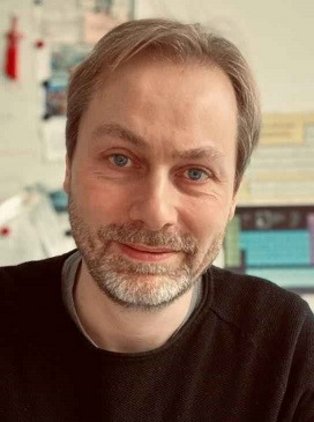
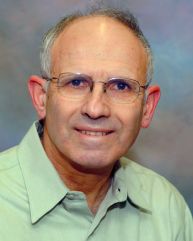
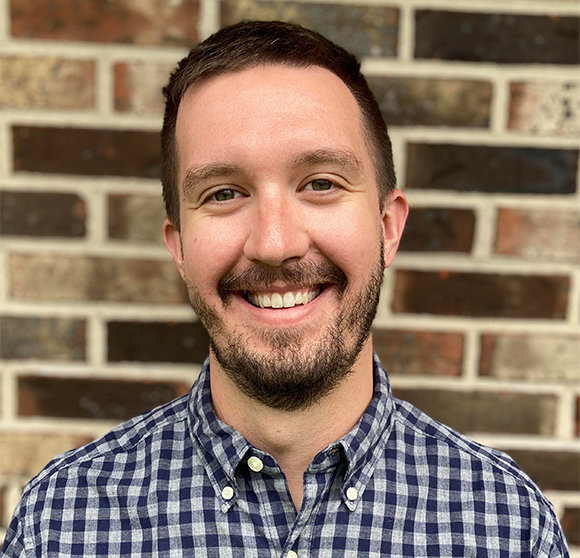
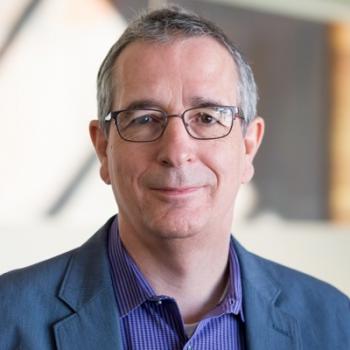
Dr. Hans-Joachim Grafe is a group leader at the Institute for Solid State Research within the Leibniz Institute for Solid State- and Materials Research (IFW Dresden) in Germany. His research focuses on Nuclear Magnetic Resonance (NMR) studies of quantum materials, particularly investigating high temperature superconductors and quantum magnets. Dr. Grafe completed his diploma thesis at TU Braunschweig on NMR measurements of Sr 14 Cu 24 O 41 under the guidance of Hans-Henning Klauß. He then pursued his PhD at IFW Dresden and TU Dresden, working with Bernd Büchner and Nicholas Curro at Los Alamos National Laboratory on NMR studies of rare earth co-doped lanthanum cuprates. His research interests span Nuclear Magnetic Resonance spectroscopy, high temperature superconductivity, quantum magnetism, and the development of novel NMR instrumentation. Dr. Grafe has made significant contributions to understanding the electronic and magnetic properties of unconventional superconductors using NMR techniques. Recently, he has been involved in developing self-assembled rolled-up microcoils for NMR on nanoliter-sized samples, expanding the capabilities of NMR spectroscopy for studying minute quantities of materials. Analysis of Dr. Grafe's recent publications (2021-2025) reveals a strong focus on applying NMR techniques to investigate quantum magnetic systems, high-temperature superconductors, and novel instrumentation development. His work spans condensed matter physics, materials science, and NMR methodology, with particular emphasis on frustrated magnets, iron-based superconductors, and innovative approaches to enhance NMR sensitivity for nanoscale applications. Dr. Grafe has presented his research at numerous international conferences and seminars, including the Mitteldeutsches Resonanztreffen, Analytica, and various university seminars across Europe. His invited talks often focus on NMR applications in quantum materials and recent advances in NMR instrumentation.
Li Yiju is an Assistant Professor and doctoral supervisor in the Department of Mechanical and Energy Engineering at the Southern University of Science and Technology (SUSTech) . He earned his Ph.D. in Materials Science and Engineering from Harbin Engineering University in 2018 and was a joint Ph.D. student at the University of Maryland, College Park from 2015 to 2017. He conducted postdoctoral research at Peking University (2018-2021) and Hong Kong University of Science and Technology (2021-2022). Education: Ph.D. in Materials Science and Engineering, Harbin Engineering University (2013-2018) Joint Ph.D. student, University of Maryland, College Park (2015-2017) B.S. in Applied Chemistry (Energy Electrochemistry), Harbin Engineering University (2009-2013) Research Interests: Dr. Li's research lies at the intersection of energy storage , materials science , and micro/nano-manufacturing . His work focuses on high-energy-density lithium metal batteries , solid-state batteries , and advanced electrolyte design . He also pioneers interfacial photothermal steam conversion and leverages cutting-edge techniques like 3D printing , electrospinning , and Joule heat pulse for energy applications. Scientific Impact: With over 100 publications in journals like Nature Energy , Joule , Advanced Materials , and PNAS , his work has garnered 17,000+ citations and an H-index of 60 . His research has been highlighted by Nature and international media like ScienceDaily and VOA News . Awards & Recognition: Clarivate Global Highly Cited Researcher (2020-2022) Stanford University’s Top 2% Scientists (2022) National Postdoctoral Program for Innovative Talent (2018) Peking University Boya Postdoctoral Fellowship (2018) Editorial & Leadership Roles: He serves as an editorial board member for journals like Journal of Energy Chemistry and The Innovation and as a reviewer for Nature Communications , Advanced Materials , and others. Grants & Projects: National Natural Science Foundation of China China Postdoctoral Innovative Talent Support Program Beijing Natural Science Foundation Analog Devices Project
Prof. Vladimir Krasnov is a leading researcher in Experimental Condensed Matter Physics at Stockholm University , focusing on mesoscopic superconductivity, Josephson junctions, and nanoscale quantum phenomena. He heads the Experimental Condensed Matter Physics Group since 2005. Department: Department of Physics Lab: EKMF Lab (SU-KTH collaboration) Key Methodologies: Pulsed laser deposition, FIB nanofabrication, cryogenic measurements (0.25-300 K), THz spectroscopy Research Themes: His work bridges fundamental superconductivity studies (high-Tc cuprates, iron-pnictides) with applied quantum electronics. Notable contributions include Developing vortex-based cryogenic memory Controllable spin-triplet supercurrents in magnetic junctions THz emission from intrinsic Josephson stacks Quantum phase transitions via electrical doping Magnetic field effects on mesoscopic systems Scientific Trends: Analysis of 15 recent publications reveals strong emphasis on Josephson vortex dynamics, superconducting/ferromagnetic hybrid systems, THz applications, and non-equilibrium phenomena in quantum circuits. Facilities: Utilizes Nano-Fab clean-room for sample engineering and Low-T lab for high-field (17T), cryogenic experiments.
Tijana Velickovic is a Lecturer at the Institute of Biology and Ecology within the Faculty of Science and Mathematics at the University of Kragujevac, Serbia. She graduated in 2015 and has established herself as a researcher specializing in freshwater ecosystems, with a particular focus on hydrobiology, water protection, phylogeography, and population biology. Her research interests center on freshwater ecology, particularly the study of fish populations in Serbian water bodies. She investigates the health status of reservoirs, population dynamics of brown trout and other freshwater species, and the impact of potentially toxic elements on aquatic ecosystems. Her work combines field studies with laboratory analysis to assess biodiversity, conservation status, and sustainability of freshwater resources in Serbia and the Balkan region. Dr. Velickovic's recent publications demonstrate a strong focus on the sustainability assessment of fish populations, particularly brown trout, using advanced models like the modified ESHIPPO framework. Her research spans from molecular-level phylogeographic studies to ecosystem-level assessments of water quality and biodiversity. She frequently examines the presence of potentially toxic elements in freshwater fish and their implications for both ecosystem health and human consumption. Her work contributes significantly to understanding the complex relationships between freshwater organisms, their habitats, and anthropogenic impacts in Serbian aquatic ecosystems. She collaborates with researchers across various disciplines to address conservation challenges and develop sustainable management strategies for freshwater resources in the Balkans.
Dr. Xiong Yi is an Assistant Professor at the School of System Design and Intelligent Manufacturing (SDIM) at Southern University of Science and Technology (SUSTech) in Shenzhen, China. He leads the Computational Design and Fabrication (CoDeFab) research group, focusing on the integration of computational design methods with advanced manufacturing technologies, particularly in the field of additive manufacturing. Dr. Xiong has established himself as a leading researcher in computational design for additive manufacturing, with a strong international research background spanning Europe and Asia. Dr. Xiong's educational journey includes: Doctor of Science (DSc) in Engineering Design and Production from Aalto University, Finland (2012-2016) Master of Science (MSc) in Machine Automation from Tampere University of Technology, Finland (2010-2012) Bachelor of Engineering (BEng) in Mechanical Engineering from Hubei University of Technology, China (2006-2010) Dr. Xiong's research primarily focuses on computational design and fabrication methodologies, with particular emphasis on design for additive manufacturing (DfAM), intelligent manufacturing systems, and smart materials. His work bridges the gap between theoretical design principles and practical manufacturing constraints, developing novel approaches for the production of complex engineered products. He has pioneered research in continuous fiber-reinforced composite additive manufacturing, developing innovative process planning and optimization techniques that enable the production of high-performance structural components. His research in electrothermally controlled origami and 4D printing of smart materials represents cutting-edge work at the intersection of materials science, mechanical engineering, and computational design. Dr. Xiong's recent publications reveal a strong focus on continuous fiber-reinforced composites, with significant contributions to 4D printing, metamaterials, and intelligent process planning. His work integrates computational design with manufacturing constraints, creating novel approaches for topology optimization, toolpath planning, and structural design that consider both performance requirements and manufacturability limitations. The research demonstrates increasing sophistication in materials science applications, particularly in programmable materials and multi-functional structures. Dr. Xiong has received multiple prestigious awards for his research contributions, including: Best Presentation Award at the 24th Chinese Conference on Mechanisms and Machine Science (IFToMM CCMMS2024) Best Presentation Award at the International Conference on Frontiers of Additive Manufacturing Research (RAAM 2024) Best Paper Award at the International Conference on Design for 3D Printing (ICD3DP 2023) PhD Scholarship from Aalto University (2016) Research Travel Grant from the International Association for Vehicle System Dynamics (IAVSD) (2013) National Scholarship from the Ministry of Education (2008) As a dedicated educator and mentor, Dr. Xiong serves as a PhD supervisor at SUSTech and has successfully guided students who have gone on to pursue advanced studies and careers at prestigious institutions including Hong Kong Polytechnic University, Beihang University, DJI Innovations, and Singapore's A*STAR research institute. His research is supported by multiple competitive grants, including key projects from the National Key R&D Program of China, the National Natural Science Foundation of China, and provincial and municipal funding agencies. Dr. Xiong also serves on the editorial board of the Journal of Engineering Design and as a guest editor for Composites Communications, contributing to the advancement of his field through scholarly service. Dr. Xiong leads the CoDeFab research group, which maintains a strong collaborative culture focused on 'design leading manufacturing, manufacturing driving design, and digital-intelligent integration.' The group has developed several advanced manufacturing platforms, including multi-axis continuous fiber-reinforced composite additive manufacturing systems, smart composite additive manufacturing platforms, and multifunctional soft matter open manufacturing platforms. With a focus on practical applications and innovation, the CoDeFab group actively collaborates with industry partners and has established a joint laboratory to bridge academic research with industrial implementation.
Aleksandra Radenovic is a Full Professor at École Polytechnique Fédérale de Lausanne (EPFL) holding multiple positions across the institution. She is a Full Professor at the Laboratory of Nanoscale Biology (LBEN) within the School of Engineering (STI), a Full Professor in Teaching at the School of Life Sciences (SV), and a Full Professor in Teaching at the School of Engineering (STI). Additionally, she serves as Co-Director of both the IBI-STI and IBI-SV administrative units, and is a Member of both the STI School direction and SV School direction. Dr. Radenovic received her PhD from the University of Lausanne in 2003, where she worked with Prof. Dietler in the Laboratory of Physics of Living Matter. Prior to that, she studied physics at the University of Zagreb from 1994-1999, and completed her baccalaureate at a Classical gymnasium in 1994. She conducted postdoctoral research at the University of California, Berkeley from 2004-2007 in the group of Prof. Liphardt. Her research focuses on single molecule biophysics, with particular emphasis on developing techniques and methodologies based on optical imaging, biosensing, and single molecule manipulation. Her laboratory works on three major research directions: (i) developing and using nanopores as platforms for molecular sensing and manipulation, particularly solid-state nanopores in glass nanocapillaries and 2D-material membranes; (ii) studying biomolecular function, especially protein and nucleic acid interactions, using force-based manipulation techniques like optical tweezers and Anti-Brownian Electrokinetic traps; and (iii) developing super-resolution optical microscopy based on single molecule localizations for quantitative cellular imaging. Her work bridges physics, engineering, and biology to create innovative tools for understanding molecular processes at the nanoscale. Analysis of her recent publications reveals a strong focus on nanofluidics, 2D materials (particularly MoS 2 and hBN), nanopore sensing, super-resolution microscopy, and the development of novel instrumentation for biophysical applications. Her research demonstrates increasing interdisciplinary collaboration, integrating materials science, nanotechnology, and biological applications to address fundamental questions in molecular biophysics. Dr. Radenovic has received numerous prestigious awards and grants, including: 2021: ERC Advanced Grant 2021: Optica Fellow 2016: CCMX Materials challenge award 2015: SNSF-ERC Consolidator Grant 2010: ERC Starting Grant 2003: SNSF Fellowship She has successfully advised numerous PhD students whose research spans single molecule biophysics, nanofluidics, and optical techniques. Her laboratory, the Laboratory of Nanoscale Biology (LBEN), is well-equipped for advanced biophysical research, with capabilities in nanopore fabrication, optical trapping, super-resolution microscopy, and 2D materials characterization. Dr. Radenovic has secured significant research funding through competitive grants, including multiple ERC grants, which have supported her innovative research program at the intersection of physics, engineering, and biology.
Professor Yonathan Shapir is a full Professor in the Department of Physics at the University of Michigan, with a joint appointment in Chemical Engineering. Since his arrival in 1985, he has advanced from Assistant Professor to full Professor, pursuing theoretical condensed-matter physics and statistical mechanics. Education: B.Sc. in Physics, Tel-Aviv University (1971) Ph.D. in Physics, Tel-Aviv University (1981) Research Interests: Professor Shapir’s work centers on understanding complex disordered systems through statistical mechanics. His investigations encompass critical phenomena in spin-glasses and random-field systems, classical and quantum transport in dirty metals leading to the metal-insulator transition, polymer statistics, fractal properties of percolation clusters, and kinetic models of surface growth and aggregation. These themes are unified by a deep interest in scaling laws, universality, and the emergent geometry of random media. Publication Trends: Between 2001 and 2010, his articles reveal a concentrated effort on diffusion in dynamically disordered environments, scaling behavior of growing surfaces, and the morphology of organic thin films such as pentacene. Earlier work (1996–2000) explored critical dynamics of dendrimers, surface growth on disordered substrates, and transitions in crystalline roughness. The breadth spans from fundamental statistical-physics questions to applications in materials science and organic electronics. Scientific Awards: Fulbright Award (1981) Bourse Joliot-Curie (1982) Visiting Compton Fellowship at the Technion (1989–1990) Advising & Grants: No explicit lists of students or current funding are provided in the material; however, his extensive publication record with numerous co-authors suggests active mentoring and collaboration. Future directions likely continue along the interface of statistical mechanics and nanoscale materials. Labs & Teams: While no specific laboratory names are given, Professor Shapir’s joint appointment implies active participation in both the Physics Department and the Chemical Engineering program, fostering interdisciplinary teams working on materials growth, transport phenomena, and computational statistical physics.
Dan Sun is a Senior Lecturer (Associate Professor) at the School of Mechanical and Aerospace Engineering, Queen's University Belfast, with expertise in plasma synthesis of functional nanocomposites and biomedical applications. Her research spans healthcare and aerospace sectors, focusing on nanocomposites for bone repair, aircraft materials manufacturing, and plasma-assisted synthesis. PhD in Mechanical Engineering (Tribology) from University of Southampton Postdoctoral work at NIBEC, University of Ulster Research interests include Nanocomposites , Biomaterials , Plasma Processing , and Aerospace Composites Manufacturing . She has contributed to 139 research outputs, 7 datasets, and 107 activities, including projects like European-Chinese aero-structure drilling collaboration and atmospheric pressure plasma synthesis of bio-nanocomposites. Recent publications focus on PEEK-based implants , heterojunctions for hydrogen evolution , and 3D-printed graded lattice structures . Scientific awards include multiple Best Paper Awards (2023, 2025) and travel grants from IET and IMechE. She teaches modules on mechanics of materials, research methods, and materials selection. MEE1004: Mechanics of Materials MEE7031: Research Methods & Data Analytics (Coordinator) MTS7022: Materials Selection and Characterisation
Liu Leo Liu is an Associate Professor and tenure-track faculty member in the Department of Chemistry at Southern University of Science and Technology (SUSTech), Shenzhen, China, leading research on multi-active ambiphilic main group centers. He serves on editorial boards for Chem (2020-2023), European Journal of Inorganic Chemistry (since 2022), Chinese Chemical Letters (since 2022), Inorganic Chemistry Frontiers (since 2024), and Acta Chimica Sinica (since 2024). His educational background includes: B.Sc. in Chemistry, Xiamen University (2007-2011) Ph.D. in Organic Chemistry, Xiamen University (2011-2016) with joint study at UC San Diego (2013-2015) Post-doctoral Fellow, University of Toronto (2016-2019) under Prof. Douglas W. Stephan Post-doctoral Scholar, Lawrence Berkeley National Laboratory & UC Berkeley (2019-2020) under Profs. F. Dean Toste, Kenneth N. Raymond, and Robert G. Bergman Dr. Liu's research pioneers the synthesis of novel ambiphilic compounds across d- and p-block elements, integrating synthetic chemistry, computational modeling, and spectroscopy. His group develops multi-active centers that challenge textbook knowledge while enabling practical applications in catalysis and materials science. Key focus areas include low-valent carbon species, isolable carbenes, and main group element chemistry with inverted electronic configurations. His publication record demonstrates consistent innovation in ambiphilic main group chemistry, with recent breakthroughs in crystalline stannyne, σ0π2 carbenes, and carbyne anions featured in Science, Nature Chemistry, and JACS. These works reveal fundamental principles of bonding and reactivity while expanding synthetic possibilities for unconventional molecular architectures. Significant scientific recognition includes: Chinese Chemical Society Young Chemist Award (2022) Huang Yao-Zeng Metal Organic Chemistry Young Award (2023-2024) Distinguished Lectureship Award from Chemical Society of Japan (2024) Chinese Chemical Society-RSC Young Chemist Award (2024) World's Top 2% Scientists (2024) As a doctoral supervisor, Dr. Liu mentors graduate researchers and received SUSTech's Outstanding Graduate Supervisor Award (2025). His research is supported by National Natural Science Foundation grants including Original Exploration Program, Excellent Youth Fund (Overseas), General Program, and Youth Fund C Project. The LLL group maintains active collaborations with international institutions and contributes to major chemistry conferences through invited lectures on ambiphilic main group chemistry. The LLL group operates as a dynamic interdisciplinary team within SUSTech's chemistry department, combining experimental synthesis with computational analysis to explore frontier areas of main group element chemistry. Their work bridges fundamental discovery and potential applications in catalysis, materials science, and chemical synthesis.
Anita L. Zimmerman is a tenured Professor of Molecular Microbiology and Immunology at Brown University’s Warren Alpert Medical School. Since 1987 she has progressed from Assistant to Associate to full Professor, served as Director of the MD/PhD Program (2005–2007), Vice Chair of the Department (2008–2021), and currently directs the Graduate Program in Molecular Pharmacology & Physiology. She also holds the position of Director of Student Welfare in the Therapeutic Sciences Graduate Program. Education PhD, Physiology & Biophysics, University of Miami Miller School of Medicine, 1982 AB, Zoology, University of California, Berkeley, 1978 Research Interests Dr. Zimmerman’s scientific career has centered on the molecular and cellular neurobiology of ion channels . Using patch-clamp electrophysiology, molecular biology, and heterologous expression systems, she has elucidated the mechanisms of cyclic-nucleotide-gated (CNG) channels, TRP channels, and their roles in visual phototransduction , UV-light signaling in melanocytes , and synaptic transmission . Her work has clarified how retinoids modulate CNG channel activity and how mutations in these channels lead to retinal disease. Although she no longer maintains an active wet-lab, she continues to provide critical consultation to ongoing projects at Brown and remains a key mentor in NIH-funded training programs. Scientific Awards & Honors Dean’s Excellence in Teaching Award (multiple years) Graduate School Faculty Award for Advising and Mentoring (2011) Brown Advance Scientific Leadership Award (2009) Salomon Faculty Research Award (1998) Rhode Island Foundation Research Grant (1998) Editorial Board Member, Journal of General Physiology (2006–2017) Council Member, Biophysical Society & Society of General Physiologists Training Grants & Mentorship Dr. Zimmerman co-directs the NIH T32 training grant “Interdisciplinary Training in Pharmacological Sciences” (GM139793, 2021-2026) and previously co-directed its predecessor T32 GM077995. She has mentored numerous MD/PhD and PhD students through the MPP Graduate Program and served as Associate Director and Director of the Brown MD/PhD Program (2000–2007). Laboratory & Team While her independent laboratory is now closed, she collaborates closely with colleagues such as Professor Elena Oancea on NIH-funded projects involving UV phototransduction and ion-channel signaling. She remains an integral part of Brown’s multidisciplinary neuroscience and pharmacology community.
Professor Kallol Mondal is a distinguished faculty member in the Department of Materials Science and Engineering at the Indian Institute of Technology Kanpur. With a PhD from IIT Kharagpur, he has established himself as an expert in corrosion science, metallic glasses, and advanced steel development. His research focuses on fundamental aspects of material behavior under various environmental conditions, with practical applications in railway infrastructure, high-performance alloys, and nanotechnology. PhD from IIT Kharagpur (2005) Postdoctoral research at NIMS, Japan (2005-2007) Associate Professor at IIT Kanpur (2012-present) Visiting Associate Professor at University of British Columbia, Canada (2013) Professor Mondal's research spans multiple domains of materials science, with particular emphasis on corrosion/oxidation mechanisms, phase transformations, and development of novel metallic alloys. His work combines theoretical thermodynamics with practical applications, resulting in breakthroughs in corrosion-resistant steels, metallic glasses, and nanoporous materials. His laboratory focuses on non-equilibrium processing techniques that enable the creation of materials with exceptional mechanical properties. Analysis of his recent publications reveals a strong focus on corrosion mechanisms in various steel alloys, particularly for railway applications. His work also prominently features research on metallic glasses, nanoporous materials, and advanced ceramic composites. The interdisciplinary nature of his research bridges fundamental materials science with practical engineering applications. P K Kelkar Young Faculty Research Fellowship (2012) Best paper award in CORCON 2010 Best poster award at ADNAN 2013 Recognized among top 20% reviewers for Metallurgical and Materials Transactions A Professor Mondal has successfully mentored numerous PhD and M.Tech students, with research projects spanning corrosion science, metallic glasses, steel development, and nanoporous materials. His Non-equilibrium Processing & Corrosion Laboratory at IIT Kanpur serves as a hub for innovative research in materials degradation and prevention. His collaborations extend internationally, including significant work with researchers at the University of British Columbia.
Bernardo Tellini is a Full Professor of Electrical and Electronic Measurements at the Department of Energy, Systems, Land, and Construction Engineering (DESTEC) at the University of Pisa, where he also serves as Vice-Rector for Doctoral Research. He has held this institutional role since 2020, overseeing doctoral program planning, accreditation, and admission procedures. Previously, he chaired the doctoral program in Energy, Electrical, and Thermal Engineering from 2012 to 2016 and served on the Leonardo da Vinci Doctoral School in Engineering from 2008 to 2016. Education: PhD in Electrical Engineering, University of Pisa (1999) Degree in Electrical Engineering, University of Pisa (1993) Postdoctoral research at Karlsruhe Research Center for Technology and Environment Industry experience at ABB Tellini's research focuses on electrical and magnetic measurement methodologies for high-power pulsed applications, characterization of electrical and magnetic properties of materials, aging processes in battery cells, and electromagnetic emissions from power circuits. His work spans from fundamental measurement theory to practical industrial applications, particularly in railway technologies where he represents the University on the Steering Committee of the District for Railway Technologies, High-Speed, and Network Safety in Tuscany. He has served as president of the European Pulsed Power Laboratories agreement and chaired major IEEE conferences including I2MTC 2015 and MELECON 2020. His recent publications reveal a strong emphasis on RFID-based localization systems , nanoparticle-enhanced optical sensors , and advanced battery characterization techniques . The research trajectory shows increasing integration of measurement science with emerging technologies like plasmonic sensing, microwire-based transducers, and smart systems for industrial monitoring. His team has developed innovative approaches for battery health monitoring under vibration stress, temperature sensing using magnetic materials, and precise localization methods using phase-based RFID systems. Professional Service: President of Italian Section of IEEE (2019-2021) Scientific director of Pisa research unit in Association of Electrical and Electronic Measurements (GMEE) Member of Certification Committee of Italcertifer SpA (since 2019) Representative on District for Railway Technologies Steering Committee (since 2013) Tellini has authored approximately 200 publications in international journals and conference proceedings. His leadership extends to academic governance through roles on the DESTEC Department Human Resources Committee and various university committees overseeing scientific qualifications and doctoral programs. His research bridges theoretical measurement principles with practical engineering solutions for energy systems, transportation infrastructure, and industrial monitoring applications.
Michael Drummond is an Assistant Professor in the Chemistry Department at Saint Mary's College, where he has been employed since 2022 after previously serving as an assistant professor at Azusa Pacific University (2020-2022) and as a postdoctoral researcher/lecturer at the University of Illinois Chicago. His research program focuses on developing organometallic and coordination complexes for renewable energy storage and biomimetic catalysis. Dr. Drummond's educational background includes: PhD in Chemistry from the University of Illinois Urbana-Champaign BS in Chemistry from Azusa Pacific University His research sits at the intersection of inorganic chemistry and materials science , with the Drummond Lab specializing in synthesizing complexes for electron shuttling in battery materials and biomimetic catalysts. Students gain hands-on expertise in air-free synthesis, molecular characterization, and electrochemistry while contributing to sustainable energy solutions. Publication analysis reveals dual expertise: recent educational research (2023-2024) innovates chemistry grading systems, while his inorganic chemistry work consistently explores non-heme iron complexes, emphasizing secondary coordination sphere effects in catalytic mechanisms and redox behavior across 15+ years of publications. No scientific awards were documented in the source material. Dr. Drummond actively mentors undergraduate researchers in laboratory settings. Though specific grants aren't cited, his renewable energy materials research implies external funding support, and he teaches core courses including Principles of Chemistry I & II, Bio-inorganic Chemistry, and Advanced Inorganic Chemistry. The Drummond Lab maintains strong emphasis on lab safety culture while advancing sustainable energy materials through molecular design, with additional scholarly contributions in chemistry education pedagogy.
David M. Ceperley is a Founder Professor in Physics and Research Professor at the University of Illinois at Urbana-Champaign, where he has been a faculty member since 1987. He maintains his office in the Engineering Sciences Building and is affiliated with the Department of Physics within the College of Engineering. His distinguished career has established him as a leading authority in computational quantum physics. Professor Ceperley received his BS in physics from the University of Michigan in 1971 and his Ph.D. in theoretical physics from Cornell University in 1976. Following postdoctoral appointments at the University of Paris and Rutgers University, he worked as a staff scientist at both Lawrence Berkeley and Lawrence Livermore National Laboratories before joining the UIUC faculty. From 1987 until 2012, he also served as a staff scientist at the National Center for Supercomputing Applications. Ceperley's research focuses on developing and applying quantum Monte Carlo methods to study quantum many-body systems. His most significant contribution is his calculation of the energy of the electron gas, which provides fundamental input for electronic structure calculations. He pioneered path integral Monte Carlo methods for quantum systems at finite temperature, particularly for superfluid helium and hydrogen under extreme conditions. His current research encompasses electron fluids, metalization of hydrogen at high pressure, temperature-dependent simulations of solids and liquids, and cold atom systems. Analysis of Ceperley's publication record reveals a consistent trajectory from foundational method development to increasingly complex applications in condensed matter physics. His recent work demonstrates a strong emphasis on high-pressure physics, particularly the behavior of hydrogen and related systems under extreme conditions. The integration of quantum Monte Carlo with other computational approaches represents a significant evolution in his research methodology. B. J. Alder CECAM Prize (2016) Member International Academy of Quantum Molecular Sciences (2013) Blue Waters Professor (2014) Center for Advanced Studies Professor (2009) Founder Professor of Engineering (2006) National Academy of Sciences (2005) Fellow, American Academy of Arts & Sciences (1999) Rahman Prize in Computational Physics (1998) Feenberg Medal (1994) Professor Ceperley has mentored numerous graduate students and postdoctoral researchers throughout his career, contributing significantly to the training of computational physicists. His research has been consistently supported by major funding agencies including the National Science Foundation and Department of Energy. He has taught courses including MSE 485 (Atomic Scale Simulations) and PHYS 460 (Condensed Matter Physics), demonstrating his commitment to education alongside research. His work has positioned him as a leader in computational quantum physics, developing methods that can find exact properties of many-body systems and apply them to diverse materials. His research group continues to advance computational techniques for studying materials under extreme conditions, with particular emphasis on high-pressure hydrogen physics and quantum phase transitions.
Stephan Rosenkranz is a Research Fellow and Group Leader at the Materials Science Division of Argonne National Laboratory, where he has been a key figure in advancing neutron and synchrotron x-ray scattering techniques since 2002. He holds a Ph.D. in Physics from ETH Zurich (1997) and a Diploma in Experimental Physics (1992) from the same institution. Educational Background Ph.D. in Physics, ETH Zurich (1997) Diploma (with distinction) in Experimental Physics, ETH Zurich (1992) His research focuses on probing short-range spin, charge, and lattice correlations in strongly correlated electron systems using neutron and x-ray scattering methods. He has led the development of the CORELLI instrument at Oak Ridge National Laboratory's Spallation Neutron Source and pioneered novel approaches to model correlated disorder from diffraction data. Recent publication trends highlight his expertise in charge density waves, spin density waves, and geometrically frustrated magnets. His work integrates experimental scattering with machine learning for big data analysis, particularly in quantum materials like nickelates, iron pnictides, and superconductors. Scientific Awards ETH Pólya Prize (1992) ETH Zurich Medal (1997) University of Chicago Distinguished Performance Award (2006) Fellow of the American Physical Society (2013) Fellow of the Neutron Scattering Society of America (2018) As Co-Director of the National School on Neutron and X-ray Scattering (2018–2024) and former President of the Neutron Scattering Society of America (2013–2016), Rosenkranz plays a pivotal role in training and governance in scattering sciences. He has contributed to beamline reviews, grant panels, and international workshops on competing interactions in transition metal compounds. His leadership extends to the development of advanced x-ray and neutron instrumentation and fostering collaborations between Argonne, Northern Illinois University, and the University of Illinois Chicago through graduate faculty appointments.