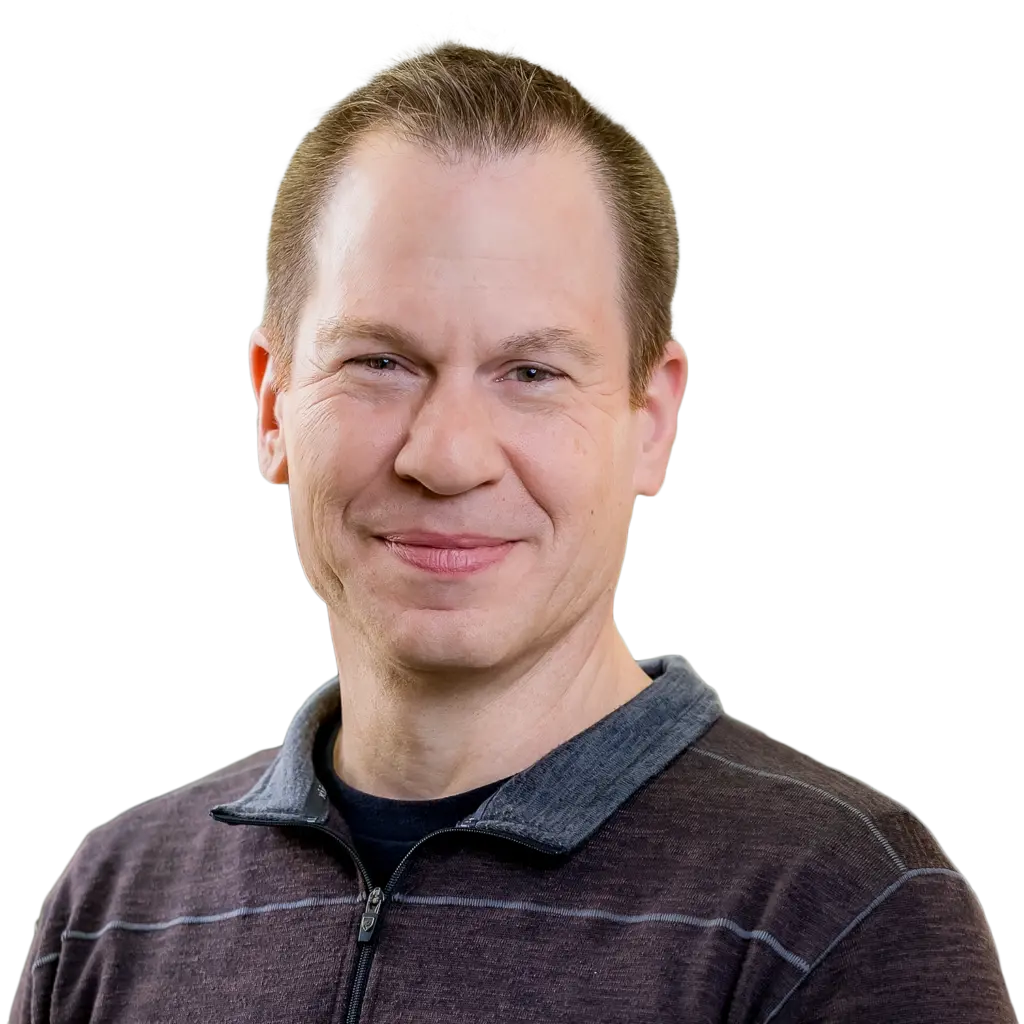
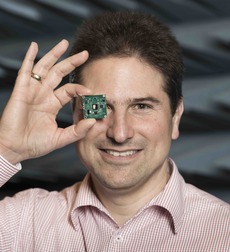
Dr. Tommaso Marcato is a Lecturer at the Department of Chemistry and Applied Biosciences, ETH Zürich. He earned his MSc in Chemical and Bioengineering from ETH Zürich after completing his BSc in Chemical Engineering at Politecnico di Milano, Italy. His research focuses on perovskite light-emitting diodes (PeLEDs), emission anisotropy, and light-outcoupling efficiency, with a particular emphasis on transition dipole moment orientation and nanocrystal self-assembly. His publications span topics such as Stabilization of CsPbI₃ nanoplatelets via metal iodide doping Molecular orientation engineering in OLEDs Ultraflexible self-powered optoelectronics Electroluminescent metasurfaces using perovskite nanocrystals His work aims to overcome photon trapping in devices by manipulating emitter orientation and exploring quantum confinement effects. Dr. Marcato's recent articles (2019–2025) demonstrate expertise in Hybrid perovskite systems Quantum dot applications Photonic device architecture Surface passivation techniques . He is part of the Shih group at ETH Zurich and has received funding from ETH-33 18-2 for his research on graphene-templated molecular alignment in LEDs.
Prof. Dr. Ahmet Tutar is a faculty member in the Department of Chemistry at Sakarya University . His academic activities include teaching courses such as Organic Chemistry I/II , Organic Synthesis Design , and Stereochemistry , alongside supervising numerous master's theses in organic synthesis and humic substance applications. Research Interests: Focus on bromination reactions , BODIPY dye synthesis , humic/fulvic acid characterization , computational chemistry , and pharmaceutical applications of organic compounds. Key Article Trends: Recent publications emphasize photobromination methods , metal-organic frameworks , and biological activity of brominated derivatives , with keywords spanning organic synthesis , biochemistry , and environmental chemistry . Thesis Supervision: Guided 35+ master's theses (2007-2013) on topics like synthesis of brominated indan derivatives , humic acid extraction , and photobromination of terpenes .
Adriana Schulz is an Assistant Professor in the Department of Computer Science & Engineering at the University of Washington's College of Engineering. She leads a research group focused on computational design, computer-aided design (CAD), and digital fabrication. Her work bridges computer science with practical applications in manufacturing, robotics, and sustainable design. Dr. Schulz received her Ph.D. in Computer Science from MIT in 2018 under the supervision of Professor Wojciech Matusik. Prior to her doctoral studies, she earned a Master's degree in Mathematics from IMPA (Instituto Nacional de Matemática Pura e Aplicada) in Rio de Janeiro, where she worked with Professor Luiz Velho, and a Bachelor's degree in Electronics Engineering from UFRJ (Federal University of Rio de Janeiro). Her research interests center around computational tools that enhance design and manufacturing processes. She develops novel algorithms for CAD systems, computational fabrication techniques, and sustainable design approaches. Her work spans multiple domains including robotics, textiles, electronics, and architecture, with a strong emphasis on creating practical tools that designers and engineers can use in real-world applications. She explores how machine learning, particularly neurosymbolic approaches, can improve design workflows and enable new capabilities in computational design systems. Analysis of her recent publications reveals a strong trend toward more intelligent and user-centered design tools. Her research increasingly integrates machine learning with traditional CAD systems to create more intuitive interfaces, supports sustainable design practices with computational tools, and develops novel fabrication techniques that push the boundaries of what's possible with digital manufacturing. She has made significant contributions to zero-waste fashion design, immersion cooling for high-performance computing, and CAD program understanding through novel representation learning techniques. Innovators Under 35 - MIT Technology Review Bolsa Aluno Nota 10 from FAPERJ Engineer 20000 award Dr. Schulz actively mentors several PhD students and postdoctoral researchers, including Haisen Zhao, Ben Jones, Yuxuan Mei, and others, often in collaboration with colleagues across different departments. Her research has attracted significant media attention, with coverage in major outlets including MIT News, BBC, IEEE Spectrum, Wired, and TechCrunch. Her work on Interactive Robogami was noted as the most read article in the International Journal of Robotics Research in its publication year. She leads a vibrant research group at the University of Washington that focuses on computational design systems, with particular emphasis on creating tools that bridge the gap between digital design and physical fabrication. Her team develops novel algorithms for CAD systems, computational fabrication techniques, and sustainable design approaches that have practical applications across multiple industries.
Hugo de Lasa is a Full Professor at the Department of Chemical and Biochemical Engineering, Faculty of Engineering, University of Western Ontario. He holds a Bachelor in Chemical Engineering (1968) from Universidad Nacional del Sur, Argentina, and a Doctoral degree (1971) from Université de Nancy, France. Research Focus: Catalysis, Photocatalysis, Chemical Reactor Engineering, Fluidization, Biomass Gasification Awards: Research Excellence Prize (1998), Fellow of the Chemical Institute of Canada (2000), Medal of Research and Development (2000), Doctor Honoris Causa (2004, 2018) His work spans chemical reactor design , photocatalytic hydrogen production , and fluidized bed technologies . Recent publications highlight machine learning applications in chemical equilibrium modeling and CO2 capture using microalgae. He founded the Chemical Reactor Engineering Centre (CREC) and Recat Technologies Inc. , a university spin-off commercializing reactor innovations. Awards include the Vanguard Award (2019) and Commemorative Issue in Catalysts Journal (2020). His research has generated 389 peer-reviewed publications , 14 patents , and over 10,000 citations .
Anthony Rollett is a Professor in the Department of Materials Science and Engineering at Carnegie Mellon University , where he has been a faculty member since 1995. He serves as the Principal Investigator and Co-Director of the NASA-supported Institute for Model-Based Qualification & Certification of Additive Manufacturing (IMQCAM) and co-director of the Next Manufacturing Center . Prior to CMU, he held leadership roles at Los Alamos National Laboratory (1991-1995). Education: Ph.D., Materials Engineering, Drexel University (1987) MA, Metallurgy and Materials Science, Cambridge University (1977) Research Interests: Rollett’s work focuses on microstructural evolution and microstructure-property relationships in 3D using experiments and simulations. His expertise spans additive manufacturing , metal 3D printing , materials for energy systems , grain growth , recrystallization , and stereology , with techniques like high-energy diffraction microscopy (HEDM) and dynamic x-ray radiography (DXR) . Scientific Contributions: He has over 320 peer-reviewed publications and an h-index >80 . His recent articles highlight machine learning for laser processing , fatigue analysis of additively manufactured alloys, and design optimization for heat exchangers in supercritical CO2 and solar thermal applications . Scientific Awards: Fellow of ASM International (1996) Fellow of the Institute of Physics (UK) (2004) Fellow of The Minerals, Metals & Materials Society (TMS) (2011) Cyril Stanley Smith Award (TMS, 2014) Member of Honor, French Metallurgical Society (2015) US Steel Professor (2017) Francqui International Professor (2020-2021) International FAME Award (2023) Leadership & Impact: Rollett co-led the development of a NASA Space Technology Research Institute for additive manufacturing and established a new master’s program in additive manufacturing (2018). His research group is funded by industry , federal agencies , and Pennsylvania state grants . He also serves on the Basic Energy Science Advisory Committee and Defense Programs Advisory Committee for the Department of Energy.
Joël Brugger is a Professor of Synchrotron Geosciences at Monash University, where he is affiliated with the School of Earth, Atmosphere and Environment. He earned his PhD from the University of Basel in 1996 and has held academic and research positions at the University of Adelaide and South Australian Museum before joining Monash in 2014. His research leverages advanced synchrotron techniques to investigate geochemical processes in natural and anthropogenic systems. His research interests include: Synchrotron-based geochemistry Formation of rare earth element deposits Biogeochemical cycling of critical and toxic elements (e.g., tellurium) Environmental behavior of radioactive particles (e.g., plutonium at Maralinga) Mineral-microbe-fluid interactions Sustainable mineral extraction technologies His recent publications highlight the use of high-energy X-rays to study ore formation, nanoparticle dynamics, and environmental contamination. These works demonstrate a strong trend toward interdisciplinary, experiment-driven geochemistry with implications for renewable energy and environmental safety. His research is frequently published in high-impact science communication platforms and peer-reviewed journals. Scientific awards and recognitions include: No specific awards listed in the source material. He actively engages in research supervision, consulting, and media outreach. His work is supported by the Australian Research Council and industry partners in the mining sector. He leads a multidisciplinary team and collaborates internationally, particularly in synchrotron science facilities in Europe. He has contributed to studies involving nanoscale imaging, environmental risk assessment, and clean technology development. He is involved in research teams and labs such as: Minerals, Microbes and Solutions research group (formerly at University of Adelaide) Monash Centre for Electron Microscopy Collaborations with Diamond Light Source (UK) and European Synchrotron Radiation Facility (France)
Lars Eriksson is a researcher at the Department of Chemistry, Stockholm University, affiliated with the Faculty of Science. He is part of Gunnar Svensson's group, which focuses on solid-state inorganic chemistry, including the synthesis of energy-related compounds and their crystal structure analysis. Research interests span inorganic chemistry, solid-state chemistry, crystallography, energy applications, organic synthesis, catalysis, and chemical education. His work bridges experimental and computational approaches, with recent publications exploring molecular design for energy storage, asymmetric synthesis, triplet-to-singlet energy transfer, and pedagogical strategies in chemistry education. Trends in his research highlight applications in materials science, environmental chemistry, and educational methodologies. While no formal scientific awards are mentioned in the provided texts, his contributions include collaborative studies on catalysis, molecular structure, and student learning processes. He has no listed grants or students, but his publications emphasize tutor-student interactions and practical epistemology analysis. The research group he belongs to investigates fundamental properties of synthesized compounds, often with energy-related applications, and maintains strong ties to the broader chemistry community through peer-reviewed publications and educational studies.
Zoran Cenev holds a Tenure Track Assistant Professor position within the Mechatronics and Dynamics section of the Department of Mechanical and Production Engineering at the School of Engineering, Aarhus University. His primary institutional affiliation is with AU Engineering, and contact details include email zoran.cenev@mpe.au.dk and telephone +45 20 64 75 44, with office location Aarhus N, 5128-140. Research interests focus on interdisciplinary applications of magnetic and robotic systems: Robotic micromanipulation via electromagnetic needles Ferrofluid-based biofabrication for skeletal muscle engineering Laser-induced photothermal droplet control Theoretical modeling of particle dynamics at fluid interfaces Surface engineering for underwater metallic stability Nanostructure formation through ion bombardment His recent publications (2023-2025) reveal a dominant trend in adapting ferrofluids for biomedical automation, particularly 3D bioprinting of magnetically responsive tissues and droplet manipulation on engineered surfaces. This work bridges mechanical engineering with regenerative medicine, emphasizing practical implementations of theoretical models for microscale precision. Scientific awards are not documented in the provided information. As a faculty member, Dr. Cenev likely mentors graduate students and pursues research grants, though specific advisees or funding details are absent. Departmental laboratories and workshops support his experimental work in mechatronics, with emphasis on magnetic manipulation systems and surface characterization.
Mehdi Abdollahi is an Associate Professor at Chalmers University of Technology's Department of Food and Nutrition Science. His research focuses on alternative proteins, food biotechnology, and plant-based hybrid foods, with emphasis on sustainable utilization of food side streams, legumes, cereals, and microalgae as future protein sources. Develops pH-shift technology and ultrasound-assisted methods for protein extraction Specializes in hybrid food engineering via fermentation and biorefinery Works on 3D food printing and high-moisture extrusion for food analogs Researches collagen and biobased food packaging materials His work includes >100 peer-reviewed publications, 4 book chapters, and 3 patents. Current projects involve collaborations with Arla Foods, Lantmännen, and Nordic Seafarm, addressing sustainable seafood systems and plant-protein hybridization. 2024 Bertebos Prize recipient 2025: Recognized among Sweden's Top 101 Sustainability Figures Mentors 7 PhD students and 3 postdocs while collaborating with European institutions like Kristianstad University and Ankara University. His group explores biorefinery strategies, hybrid food functionality, and innovative packaging solutions.
Dane Morgan is a Professor in the Department of Materials Science & Engineering at the University of Wisconsin-Madison, College of Engineering. His research focuses on computational materials science for materials design, including ab initio electronic structure modeling, multiscale methods, and machine learning applications in materials discovery. His work spans nuclear materials, battery and fuel cell electrodes, and electronic materials. Education : PhD, 1998, University of California, Berkeley MS, 1994, University of California, Berkeley BA, 1992, Swarthmore College Research Interests : Computational materials science, ab initio methods for electronic structure and thermokinetics, machine learning for materials discovery, electrochemical systems modeling, and applications in nuclear materials, batteries, and electronic materials. His work integrates advanced computational techniques with experimental validation. Scientific Awards : 2024 APL Materials, Editors Pick 2023 Microscopy and Microanalysis Best Paper Award (Instrumentation and Software category) 2023 IEEE Transactions on Plasma Science Best Paper Award 2023 Kellet Mid-Career Award 2015 TMS Materials Genome Initiative Ambassador 2006 3M Technical Nontenured Faculty Grant
Richard Simon is an Associate Professor in the Department of Civil, Geological and Mining Engineering at Polytechnique Montréal. He holds leadership roles as Publications Director of his department and Administrative Director of the Institute for Research in Mining and Environment (IRME) UQAT-Polytechnique. His educational background includes a B.Eng. and M.Sc.A. from Polytechnique Montréal and a Ph.D. from McGill University. Dr. Simon teaches courses including Introduction to Mine Operations, Underground Mining, and Rock Mechanics I. His research focuses on rock mechanics, numerical modeling, mining engineering, and geotechnical applications in mining environments. His extensive publication record demonstrates consistent focus on numerical modeling of rock behavior, mine stability analysis, and backfill mechanics. Recent work emphasizes computational geomechanics applications in mining operations, including stress analysis in backfilled stopes, slope stability in open pits, and optimization of mining layouts. Environmental aspects of mining, particularly contaminant transport in fractured rock, also feature prominently. Dr. Simon has supervised 6 doctoral and 8 master's students working on topics ranging from numerical seismic assessment in mines to rock fracture mechanics. He secured significant research funding including $900,000 (2017) for a metals circular economy project and led three new IRME research initiatives (2015). He directs research activities at IRME UQAT-Polytechnique and collaborates extensively within the mining geomechanics research community. His expertise is regularly featured in media outlets including La Presse+ and Les Affaires.
Mohammad Peydayesh is a Lecturer and Senior Researcher at the Department of Health Sciences and Technology , ETH Zürich. He works in the Food and Soft Material Laboratory , focusing on sustainable materials derived from food waste and agri-food byproducts. PhD in Chemical Engineering (2018, Iran University of Science and Technology) Postdoctoral Fellow at ETH Zürich under Prof. Dr. Mezzenga Senior Assistant at ETH Zürich since 2021 His research spans soft matter , self-assembly phenomena , and amyloid fibril applications in: Environmental engineering (water purification, heavy metal removal) CO2 conversion and storage Smart packaging and bioplastics development Biorefinery concepts and circular economy Nanomaterials for waste valorization Recent publications highlight trends in amyloid-based hybrid materials for: Metal recovery from e-waste and contaminated water CO2 capture and conversion Bioplastic production from agricultural waste Antiviral and detoxification applications Water desalination and purification Photonic and catalytic materials He contributes to the Laboratory of Food & Soft Materials , advancing sustainable solutions through interdisciplinary material science.
Susanna Thon is an Associate Professor in the Department of Electrical and Computer Engineering at Johns Hopkins University (JHU), affiliated with the Whiting School of Engineering. She serves as Associate Director of the Ralph O’Connor Sustainable Energy Institute (ROSEI) and a member of the Data Science and AI Institute. Her research focuses on nanomaterials engineering for optoelectronic devices, emphasizing solar energy conversion and sensing. Notable areas include plasmonic-photocatalytic systems using aluminum nanoparticles and nanostructured materials like colloidal quantum dots for next-generation devices. Thon holds a BSc from MIT (2005) and MSc/PhD in Physics from UC Santa Barbara (2008/2010). She joined JHU in 2013 after postdoctoral work at the University of Toronto. Her work is funded by agencies such as the NSF, U.S. Army, and Maryland Energy Innovation Institute. She has published over 50 peer-reviewed papers and received JHU’s Catalyst and Discovery awards. Key research projects include developing plasmonic systems to enhance light absorption in titanium dioxide and creating scalable fabrication techniques for optoelectronic materials. Thon’s team also advances quantum dot solar cells and novel characterization methods for energy materials. She actively participates in professional societies, including the Optical Society of America and IEEE. Her grants and collaborations aim to train the next generation in sustainable energy research, with recent initiatives funded through NSF and Space@Hopkins seed grants. Thon’s lab integrates nanophotonics, materials science, and machine learning to address global energy challenges.
Prof. Dr.-Ing. Ahmad Osman is a Professor at the Saarland University of Applied Sciences (htw saar), specializing in Test Technologies and Test Methods within the Faculty of Engineering. He also holds an Adjunct Professor position at Laval University in Quebec, Canada, in the Department of Electrical Engineering and Computer Science. His research focuses on Artificial Intelligence applications in Signal and Image Processing for Non-destructive Testing (NDT) , with extensive work on Deep Learning , 3D Ultrasound Tomography , and Sensor Data Fusion in industrial contexts. Engineering Artificial Intelligence Signal Processing Image Processing Non-destructive Testing Quality Control Augmented Reality Osman leads the AutomaTiQ research group and serves as Head of the Algorithms/Signal and Data Processing Department at Fraunhofer IZFP . His recent publications (2017–2022) emphasize Deep Learning for defect detection in CFRP , Terahertz Imaging for artwork diagnostics, and Acoustic Sensors for agricultural quality control. He has organized international conferences on Structural Health Monitoring and contributed to Springer books on NDT technologies. His projects include ComforTex-AI (2024) and development of 3D positioners for ultrasound measurements. Collaborations span institutions in Germany, Canada, Italy, and Brazil, with advisory roles in the German Society for NDT and technical committees for conferences in Montreal and Egypt.
Prof. Dr.-Ing. Thomas Zwick is a full professor and director of the Institute of High Frequency Engineering and Electronics (IHE) at the Karlsruhe Institute of Technology (KIT). He holds a Dipl.-Ing. (M.S.E.E.) and Dr.-Ing. (Ph.D.E.E.) from the University of Karlsruhe. His career includes roles at IBM Research (2001–2004), Siemens AG (2004–2007 managing automotive radar teams), and KIT since 2007. He leads research in high-frequency technologies, antennas, radar systems, and wireless communications. Research interests include radio wave propagation, antenna design, automotive radar architectures, and millimeter-wave systems. He has authored/co-authored over 400 papers, 20 patents, and received IEEE Fellow status (2018), honorary doctorate from Budapest University (2022), and membership in the Heidelberg Academy and acatech. His work emphasizes integrating sensing and communication systems, 3D-printed RF components, and high-frequency measurement techniques. Teaching focuses on high-frequency engineering, electronic circuits, and radar systems. He oversees the IHE’s laboratories, including the Microwave Engineering Lab and Student Innovation Lab. Recent work explores sub-THz communication, RIS-aided ISAC systems, and beamforming for reduced EMF exposure in urban scenarios.