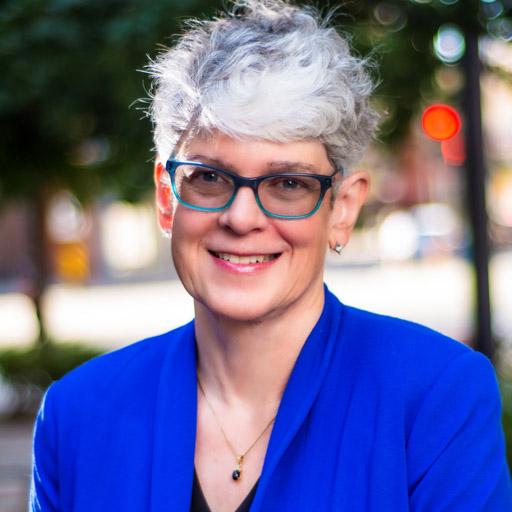
Sophie Dove is an Honorary Associate Professor at the School of Biological Sciences , University of Queensland, and an Affiliate Associate Professor at the Global Change Institute . Her research focuses on coral reef photobiology, climate change impacts, and symbiotic relationships in marine ecosystems. PhD in Biological Sciences, University of Sydney MA in Philosophy, University of Southern California MA (Hons) in Mathematics and Philosophy, University of Edinburgh Her work examines coral-dinoflagellate symbiosis , particularly how host and symbiont interactions maintain reef productivity under climate stress. Key questions include the role of symbiont parasitism, coral heterotrophy, and reef accretion-erosion balance under ocean acidification and warming. She collaborates with institutions like the Great Barrier Reef Marine Park Authority and CSIRO Publishing. Recent publications span coral bleaching mechanisms , ocean acidification effects , and biochemical adaptations in symbiotic organisms. Her studies integrate molecular biology, biogeochemistry, and ecophysiology to predict reef futures under climate stress. She has contributed to scientific consensus reports on the Great Barrier Reef and developed methodologies for analyzing coral and sponge physiology. Her interdisciplinary approach bridges marine ecology, protein biochemistry, and climate science.
Daria Camilla Boffito is a Full Professor in the Department of Chemical Engineering at Polytechnique Montréal , holding the Tier-2 Canada Research Chair in Intensified Mechano-chemical Processes for Sustainable Biomass Conversion. Her research spans process intensification , catalysis , sonochemistry , photocatalysis , and metal extraction , with a focus on sustainability. Education: B.Sc. and Ph.D. in Industrial Chemistry from the University of Milan, M.Sc. in Industrial Chemistry and Management Current Research: Developing ultrasound-assisted extraction , CO2 conversion , and floating photocatalysts for wastewater treatment Collaborations: Works with Canadian and international companies on sustainable chemical processes Scientific Awards include the Canada Research Chair Tier-2 (2016-2021), NSERC Banting Postdoctoral Fellowship (2013-2016), and FRQNT PBEEE Postdoctoral Fellowship (2013-2016). Advising has seen 5 Ph.D. and 9 Master's students graduate. She leads the Engineering Process Intensification and Catalysis (EPIC) Laboratory and is a member of the Institut de génie biomédical .
Anne-Sophie Chauvin is a Senior Lecturer and Researcher at École Polytechnique Fédérale de Lausanne (EPFL), School of Basic Sciences, within the Institute of Chemical Sciences and Engineering and the Supramolecular Chemistry Laboratory. She actively engages in supramolecular and inorganic chemistry, focusing on f-element (lanthanides and actinides) coordination polymers and luminescent bioprobes for biological and technological applications, including invisible inks and dye-sensitized solar cells. PhD in Bioinorganic Chemistry from University Paris V-René Descartes (thesis on Nitrile Hydratase mimetics) Postdoctoral work at University of Geneva on chiral alcohol configuration analysis Habilitation à Diriger des Recherches (HDR) from University René Descartes (2006) Her research spans Lanthanide and Actinide Chemistry , Luminescence , Coordination Polymers , Metallacages , and Photovoltaic Materials . Recent publications emphasize catalytic spiro stereocenter formation, actinide coordination polymers, and photoredox-enabled biomolecule functionalization. She has supervised PhD students including Andrei Andreichenko , Julien Andrès , Steve Comby , and Aurélien Willauer . Recognitions include Fellowship of the Royal Society of Chemistry (FRSC) and membership in the Swiss Chemical Society (SCS). Current roles include teaching General and Analytical Chemistry to first-year Pharmacy and Biology students at the University of Lausanne (UNIL), overseeing practical sessions, and serving on the EPFL School of Basic Sciences Faculty Council.
Dr. Yasir Noori is a Lecturer in the School of Electronics and Computer Science at the University of Southampton. His research focuses on 2D materials, electrochemical deposition, quantum information, and integrated photonics. He leads a team of PhD researchers and has contributed to a £1.5m EPSRC project as a Co-Investigator. Education: PhD in Integrated Photonics and Quantum Communications (2017, Lancaster University), BEng (Hons) in Electronic Engineering and Physics (2013, University of Dundee). Awards include the Dean’s Award for early career researchers and IOP Philip-Buckle Science Communication Award. Research Interests: Specializes in 2D material heterostructures, semiconductor fabrication, and quantum technologies. Active in EPSRC Peer Review College and serves as Academic Conduct Officer for his school. Publications: Over 15 peer-reviewed articles in high-impact journals like Nature Reviews Chemistry and ACS Applied Materials. Focused on electrodeposition techniques, nanofabrication, and optoelectronic device development. Awards: Multiple conference awards, including Best Poster recognitions at 2D TMDC and Optical Waveguide Theory conferences. Also holds the Three-Minutes Thesis Award from Lancaster University. Teaching: Instructs courses like Semiconductor Devices, Materials and Sensors (ELEC2230) and supervises MSc/BEng projects. Committed to fostering student research through collaborative projects. Labs & Teams: Directs a group including Shaokai Song, Hongwei Zhang, and Ismaeil Alnaab. Current opportunities available for PhD candidates interested in 2D materials and nanofabrication.
Ken Oakes is an Associate Professor in the Biology Department at Cape Breton University (CBU) and holds the Industrial Research Chair in Environmental Remediation. He specializes in environmental toxicology, nanotechnology, and aquatic ecosystems. With a Ph.D. from the University of Guelph and postdoctoral training at the University of Waterloo, his research focuses on reactive oxygen species, water treatment, and pollution mitigation. He has over 60 peer-reviewed publications and supervised numerous graduate/undergraduate theses. Key research areas include photocatalytic water treatment using TiO₂ composites, surface-enhanced Raman spectroscopy (SERS) for contaminant detection, and transdermal drug delivery via polymeric microneedles. His work addresses industrial effluent impacts on marine ecosystems and sustainable antifouling technologies. Recent studies investigate nanomaterials for environmental remediation and biomedical applications. Dr. Oakes has contributed to projects assessing pulp mill effluent effects on coastal ecosystems, copper-based Fenton chemistry for biofilm removal, and uranium extraction from water. His lab develops innovative solutions for environmental challenges, combining engineering, chemistry, and biology disciplines. Funding sources include industrial partnerships and academic grants focused on clean technologies.
Dr. Yuanzhi Tang is the Georgia Power Professor at the Georgia Institute of Technology with joint appointments in the School of Earth and Atmospheric Sciences and School of Civil and Environmental Engineering. He directs the Center for Critical Mineral Solutions, co-founded the Georgia Partnership for Essential Minerals, and serves as Associate Co-Director of Interdisciplinary Research at the Brook Byers Institute for Sustainable Systems. He is also Co-Editor-in-Chief of Chemical Geology and Associate Editor of Geochimica et Cosmochimica Acta . His research investigates molecular-scale interfacial processes in natural and engineered systems, focusing on: Contaminant fate/transport at microbe-mineral-water interfaces Biogeochemical cycling of metals and nutrients Resource recovery from waste streams Synchrotron applications in environmental science Recent publications emphasize rare earth element recovery, waste valorization, and sustainable energy materials, employing advanced spectroscopic techniques to understand reaction mechanisms. Professor Tang leads an active research group with multiple postdoctoral researchers, graduate students, and undergraduates. His externally funded projects include: NSF: Rare earth elements in sedimentary systems DOE: Critical metal recovery from waste streams NASA: Manganese oxide formation mechanisms DoD: Rare earth separation technologies
Prof. Om Parkash Dhankher is a distinguished Professor at the University of Massachusetts Amherst in the Stockbridge School of Agriculture. His research integrates plant biotechnology, phytoremediation, and climate-resilient crop development, focusing on detoxification of heavy metals, stress tolerance, and metabolic engineering for biofuels. He leads the Dhankher Lab , which pioneered transgenic plants for arsenic phytoremediation and manipulation of glutathione pathways. Education: Ph.D. in Plant Molecular Biology, Durham University (1998) M.Phil. in Biochemistry and Genetics, Kurukshetra University (1998) M.Sc. in Botany, Kurukshetra University (1987) B.Sc. in Medical, Maharishi Dayanand University (1985) Research interests include molecular mechanisms of abiotic stress tolerance, glutathione homeostasis for oxidative stress, arsenic-free crop engineering, and nanotechnology applications in agriculture. His work on sulfur nanoparticles has demonstrated reduced toxicity in rice and Brassica napus, while his Crambe abyssinica and Camelina sativa projects focus on biofuel yield enhancement. He pioneered the first transgenic plant combining arsC and γECS for arsenic remediation. Scientific leadership is reflected through editorial roles in Plant Cell Reports , Frontiers in Plant Sciences , and Environmental Pollution (among others). His accolades include fellowships from CSSA, ASA, ISEB, and ISPP, alongside US patents for metal-resistant plants and oil content engineering. Notably, his research on plant-based nickel extraction featured in the Wall Street Journal (2025) and was highlighted in Nature Biotechnology (2002), earning over $10M in research funding. Publications span 117 peer-reviewed articles and 4 books, including breakthroughs on arsenic detoxification , nanoparticle-plant interactions , and stress-associated proteins . His work has been featured in Science , Nature , PNAS , and ACS Nano , with recent 2025 articles on Camelina nickel tolerance and nanomaterial gene delivery . Collaborations span institutions in India, China, Italy, and Egypt through international outreach programs.
Stephen A. Boyd is a University Distinguished Professor in the Department of Plant, Soil and Microbial Sciences within Michigan State University's College of Agriculture and Natural Resources. His research spans environmental chemistry and microbiology with a focus on soil systems. His educational background includes a B.S. in Chemistry from Central Michigan University (1975), and M.S. and Ph.D. in Soil Chemistry from Purdue University (1978, 1980). Dr. Boyd's research investigates organic contaminant movement in soil, microbial/catalytic degradation mechanisms, and remediation technologies for contaminated soils/sediments. His work features innovative approaches including chemically modified clays for contaminant sorption and degradation, mechanistic studies of toxicant interactions with natural/modified clays, and development of in-situ soil modification technologies. He extensively examines biodegradation of xenobiotics (particularly PCB reductive dechlorination) and bioavailability of soil-bound contaminants to degrading bacteria. His 15 most recent publications reveal strong trends in clay-based contaminant immobilization, pharmaceutical/water pollutant interactions, dioxin chemistry, and nanomaterial applications for environmental remediation, with dominant fields being environmental chemistry, soil science, and contaminant toxicology. University Distinguished Professor (MSU, 2005) Jackson Award in Soil Science (SSSA, 2004) Highly Cited Researcher (Institute for Scientific Information, 2002) Distinguished Faculty Award (MSU, 2001) Soil Science Research Award (SSSA, 1999) Dr. Boyd has secured significant research funding including a recent $750K USDA grant (2022) for PFAS mitigation research. His laboratory focuses on clay chemistry applications for environmental remediation, with notable breakthroughs in soil cleansing technologies and biochar applications. Current work emphasizes advanced contaminant degradation pathways and practical field applications of his soil modification technologies.
Houman BOROUCHAKI is a Professor at the University of Technology of Troyes (UTT), France, with over 20 years of academic leadership. He has served as Head of the Automatic Mesh Generation and Advanced Methods (GAMMA3) project team since 2008 and previously led the Laboratory of Mechanical Systems and Concurrent Engineering (LASMIS) (2005-2007). His work bridges academic research and industrial applications through collaborations with INRIA , French Petroleum Institute (IFPEN) , Dassault Aviation , and others. Research Interests: A pioneer in adaptive meshing , he focuses on finite element methods , geometric modeling , and numerical simulations . His innovations underpin mesh generation algorithms , 3D triangulation software , and industrial applications in metal forming, composite simulation, and subterranean modeling. Scientific Trends: His recent work emphasizes metric-based meshing , high-order geometric validity , and parallel processing for mesh generation , with applications in petroleum reservoirs, aviation surfaces, and nanomaterials. His Google Scholar profile reflects 25+ years of contributions to meshing and simulation. Teaching: With 22 years of experience, he teaches courses on meshing , numerical analysis , geometric modeling , and computer graphics at UTT, covering undergraduate to PhD levels. Labs & Teams: He leads the interdisciplinary GAMMA3 team and has contributed to LASMIS (mechanical engineering), L2n (CNRS-UMR 7076) (nanomaterials), and LIST3N (computer science).
Catherine Mulligan is a Distinguished Research Professor in the Department of Building, Civil, and Environmental Engineering at Concordia University, where she also serves as Director of the Concordia Institute for Water, Energy and Sustainable Systems. She was previously the Concordia Research Chair in Geoenvironmental Sustainability (Tier I) until 2021, having held this prestigious research chair since 2002 (initially as Tier II). Dr. Mulligan earned her B.Eng. and M.Eng. degrees in chemical engineering from McGill University, followed by a Ph.D. specializing in geoenvironmental engineering, also from McGill University. After 16 years working at McGill University and in industry (including positions at the Biotechnology Research Institute of the National Research Council and SNC Research Corp.), she joined Concordia University in 1999 as an Assistant Professor, was promoted to Associate Professor in 2002, and to full Professor in 2008. Her research spans multiple critical areas of environmental engineering with a focus on contamination remediation. She specializes in surfactant-enhanced washing and flushing of contaminated soils and sediments, treatment of metal-contaminated media, bioremediation techniques, and various wastewater treatment methods. Her work includes biosurfactant applications, in-situ sediment remediation, anaerobic treatment processes, membrane technologies for water treatment, and energy generation through pressure-reduced osmosis. She has developed sustainability indicators and focuses on practical applications of environmental engineering solutions. Analysis of her recent publications (2023-2025) reveals a continued leadership in environmental engineering with particular emphasis on nanotechnology applications for oil spill cleanup in sensitive coastal regions, advanced membrane technologies for water treatment and energy generation, microbially induced calcite precipitation for mining waste remediation, sustainable resource recovery approaches from waste batteries, and innovative techniques for eutrophic lake restoration. Her research demonstrates a consistent focus on practical, sustainable solutions to environmental contamination problems across diverse settings. Dr. Mulligan's scientific contributions have been recognized with numerous prestigious awards including Fellowship in the Royal Society of Canada, Canadian Academy of Engineering, Engineering Institute of Canada, and the Canadian Society for Civil Engineering. She has received the RSC Miroslaw Romanowski Medal, the Geoenvironmental Award, the A.G. Stermac Award of the CGS, and the John B. Sterling Medal of the EIC. Her Concordia-specific honors include the Provost Circle of Distinction, Concordia Sustainability Champion, and the Petro Canada Young Innovator Award (awarded twice). With over 40 years of research experience across government, industrial, and academic environments, Dr. Mulligan has supervised to completion more than 75 graduate students in Civil Engineering (MASc and PhD programs). Her research has attracted significant funding, including a $1,643,700 NSERC CREATE grant for the Institute in Water, Energy and Sustainability, which represents the first Concordia project to receive funding through this program. She has authored more than 140 refereed papers, holds three patents, and has made substantial editorial contributions as Section Editor for the Journal of Environmental Engineering, Chief Editor for Waste (MDPI), and serves on multiple other editorial boards. As Director of the Concordia Institute for Water, Energy and Sustainable Systems, Dr. Mulligan leads an interdisciplinary team focused on training students in sustainable development practices and advancing research into innovative solutions for water, energy, and resource conservation challenges. The institute represents a significant hub for environmental research and education at Concordia University.
Professor Andrew Abbott specializes in green chemistry and sustainable material processing at the University of Leicester. His research develops novel solvent systems for metal recovery and battery recycling, holding 11 patents for ionic liquid applications. As partner in the Faraday Institution's ReLiB project, he pioneered battery delamination techniques scaled for UK manufacturing plants. Current work focuses on extraterrestrial mining solvents and critical metal recovery.
Associate Professor Aydin Abar is a faculty member at the Institute of Archaeology, University of Innsbruck, where he has held the position of Associate Professor of Mining Archaeology and Resource Research since 2023. He concurrently serves as Spokesperson for the FZ HiMAT research center and sits on the Advisory Board of the Forum for Critical Archaeology. His academic credentials include: Doctorate from Ruhr University Bochum (2018) with thesis: "Beyond the Ecstasy of Copper. Crafting Dwellers in Early Bronze Age Oman" MA from Free University of Berlin (2008) with thesis: "Pottery Assemblage of Chale Ghar Mine 1, Veshnaveh, Iran" Studies in West Asian Archaeology, Prehistoric Archaeology, Iranian Studies, and Assyriology at Ruprecht-Karls University of Heidelberg, Free University of Berlin, and Humboldt University of Berlin (2001/02-2008) Abar's research integrates critical theoretical frameworks with empirical analysis of resource extraction practices across Bronze Age societies. His work spans Mining Archaeology, Archaeology of Alpine Regions, Critical Archaeology, History of Archaeological Ideas, and Archaeology of Work, with concentrated focus on Metal Ages in the Alps, Iranian Highlands, and Southeast Arabian Peninsula. Current projects include "Miners of the Lagorai Mountains" investigating Bronze Age mining in Trentino, Italy, and "Crossing alpine foodways and miningways" examining intersections between subsistence systems and mineral extraction routes. Analysis of his 2023-2025 publications reveals methodological innovation in traceology and material culture studies, particularly regarding Bronze Age mining technologies in the Southern Alps. His work consistently bridges microscopic artifact analysis with broader socio-economic interpretations, demonstrating how surface traces on tools and comparative grindstone studies illuminate labor organization and technological choices in ancient mining communities. Abar actively supervises master's and doctoral theses in mining archaeology and resource research for students focusing on Europe and West Asia. His research leadership extends through significant projects including the international Cherabad Saltmummy & Saltmine Project (2010-2013) and ongoing FZ HiMAT initiatives examining water management in Bronze Age Alpine mining. As Spokesperson of FZ HiMAT, he directs interdisciplinary research on historical mining archaeology and technology in the Alps, while his role with the Forum for Critical Archaeology advances decolonizing approaches in archaeological theory and practice. His recent workshop leadership at the 13th International Congress on the Archaeology of the Ancient Near East (2023) demonstrates commitment to critical discourse in the field.
Koenraad Muylaert is a Full Professor at the Faculty of Science, KU Leuven, and head of the Biology department at KU Leuven Kulak. His research focuses on microalgae ecology and phytoplankton physiology , with applications in eutrophication studies , wastewater treatment , and biofuel production . Based in Kortrijk, Belgium, he works with international teams in Ecuador, Qatar, and Belgium. Current projects on mountain lake eutrophication and urban aquatic systems Specializes in nano-material flocculation and omega-3 fatty acid production from microalgae Research Trends from his recent articles show emphasis on: Microalgae harvesting innovations (cellulose nanocrystals, PDMAEMA polymers) Comparative processing techniques (DAF vs sedimentation, drying methods) Biotechnological applications in flavor chemistry and microbiome interactions Laboratory operates at KU Leuven's Kortrijk campus, with strong collaborations in environmental engineering and food science . His work bridges fundamental ecological research with industrial biotechnology for sustainable solutions.
Jonathan Cullen is Professor of Sustainable Engineering at the University of Cambridge and President of Fitzwilliam College, specializing in resource efficiency and decarbonization through top-down analysis of industrial material and energy systems. His work bridges academic research with industry applications across energy-intensive sectors. Education: Bachelor's in Chemical and Process Engineering, University of Canterbury, New Zealand MPhil in Engineering for Sustainable Development, University of Cambridge PhD in Engineering Fundamentals of Energy Efficiency, University of Cambridge His research develops metrics for quantifying energy and material consequences of production systems, focusing on circular economy implementation, minimum energy requirements, and zero-carbon transition pathways. Key applications target cement, steel, plastics, and petrochemicals where he pioneers methods like exergetic analysis and material flow accounting to expose carbon lock-ins and circularity opportunities. Recent publications reveal three dominant trends: (1) Frameworks for theoretical minimum energy requirements across industrial processes, (2) Geopolitical analysis of critical mineral flows and ownership structures, and (3) Circular economy metrics for plastics and construction materials. These consistently employ system-scale modeling validated through industry partnerships. Research Funding: Lead: C-THRU ($4M, VKRF) - carbon clarity in petrochemical supply chains Co-I: UK FIRES (£5.2M, EPSRC) - industrial decarbonization program Co-I: CirPlas (£1.25M, UKRI) - plastic waste elimination 7+ projects (EPSRC, Innovate UK, Horizon 2020) Academic Leadership: Teaching: Energy Systems and Policy (MPhil in Energy Technologies) Undergraduate supervision in Materials/Mathematics Graduate Tutor at Fitzwilliam College IPCC AR6 Lead Author (Industry Chapter) He directs the Resource Efficiency Collective, which develops open-source tools like Mat-dp for material demand projections and Starter Data Kits for energy planning. Current work focuses on scaling circular business models for construction retrofitting and quantifying geopolitical risks in critical mineral supply chains.
Miguel Ângelo Cerqueira is a Research Fellow at the International Iberian Nanotechnology Laboratory (INL) in Braga, Portugal. He holds a PhD in Biological Engineering from the University of Minho (2010) and served as an Assistant Professor there from 2011 to 2016. His research focuses on biopolymers, edible films, nanotechnology, and sustainable food packaging. Cerqueira has led numerous projects funded by agencies like FCT and Horizon 2020, addressing topics such as antimicrobial coatings, functional food delivery systems, and circular economy materials. Education: PhD in Biological Engineering, University of Minho (2006–2010) Bachelor's Degree in Biological Engineering, University of Minho (2000–2005) Research interests span biodegradable packaging materials, nanostructured systems for food applications, and valorization of agro-industrial byproducts. His work combines material science with food technology to develop eco-friendly solutions, such as edible coatings, oleogels, and active packaging. Recent trends in his publications focus on antimicrobial nanocomposites, recyclable food packaging, and functional foods enriched with bioactives like resveratrol and β-carotene. Awards: Best PhD Thesis Award (2011), University of Minho Young Scientist Award (2014), IUFoST World Congress Advising and Grants: Currently supervising 3 MSc and 2 PhD students. Has co-supervised 10 students and led over 30 funded projects. His work includes collaborations with industry partners like 2BNanoFood and Improveat, focusing on innovations like bioplastic packaging and functionalized food systems. Labs/Teams: Active in multidisciplinary teams such as the European Network for Gastrointestinal Health Research (ENGIHR) and COST Actions on food packaging and nanofiber composites. His lab develops nanosensors for food quality assessment and smart packaging materials with self-degradability.