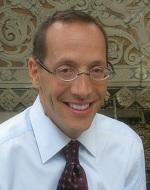
Mitchell P. Rosenمشاهده پروفایل
استادیار
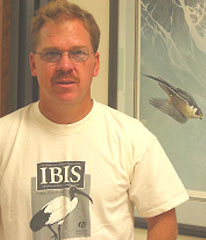
Mitchell P. Rosen, MD, HCLD is an Assistant Professor at the University of California San Francisco (UCSF) School of Medicine, Department of Reproductive Endocrinology & Infertility. He serves as Director of the Fertility Preservation Center at UCSF, focusing on helping patients maintain their reproductive options, particularly those facing cancer treatments. Dr. Rosen's educational background includes: 1998: M.D. from Saint Louis University 2002: Residency in Obstetrics and Gynecology from University of Texas Medical Branch, Galveston, TX 2005: Fellowship in Reproductive Endocrinology from University of California San Francisco, San Francisco, CA Dr. Rosen's primary research interests center around folliculogenesis, controlled ovarian stimulation, and fertility preservation for cancer patients. His work explores the relationship between ovarian reserve markers like antral follicle count and fertility outcomes, ethnic variations in reproductive physiology, and the impact of cancer treatments on reproductive capacity. He has made significant contributions to understanding how factors such as hormone levels, fertilization rates, and genetic variants influence assisted reproductive technology outcomes. His publication record demonstrates a consistent focus on reproductive endocrinology and infertility, with particular attention to ovarian function assessment, fertility preservation strategies, and ethnic differences in reproductive parameters. His research spans clinical investigations of ovarian stimulation protocols, analysis of factors affecting IVF success, and studies examining the intersection of oncology and reproductive medicine. Dr. Rosen has received several professional recognitions including: Honor Roll for Patient Care (1998, 2002) Ortho-McNeil Best Resident Teacher Award (2002) Best Resident Award (2002) Teaching Resident Award, UCSF School of Medicine (2006-08) As Director of the Fertility Preservation Center, Dr. Rosen leads efforts to improve access to fertility preservation services for cancer patients and has contributed to changing perspectives in this field. His work bridges clinical practice with research to enhance patient care and outcomes in reproductive medicine.