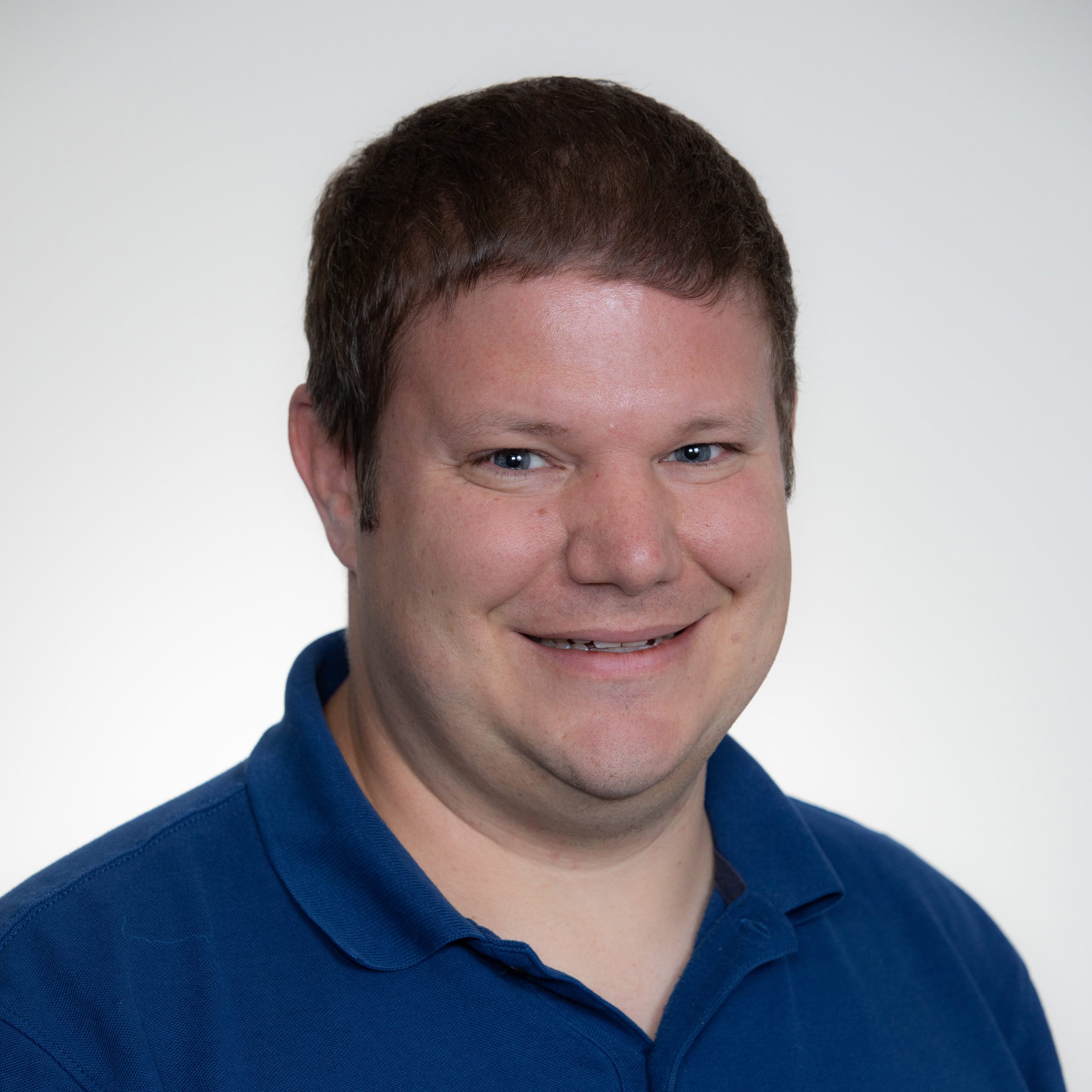
Jonathan Klassen is an Associate Professor in the Department of Molecular and Cell Biology / Microbiology at the University of Connecticut . His research focuses on microbial community ecology, particularly using the fungus-growing ant symbiosis as a model system to study the evolution of microbial interaction networks. He couples genomics and chemical biology to understand molecular mechanisms in symbiosis and explore drug discovery opportunities. PhD : Microbiology and Biotechnology, University of Alberta Postdoctoral Study : Bacteriology, University of Wisconsin-Madison His work spans microbial ecology, symbiosis, secondary metabolite discovery, and comparative genomics. Recent publications highlight studies on microbial exclusion dynamics in ant symbiosis, ITS2 metabarcode biases, and chemical defense mechanisms in insect-associated microbes. Scientific Awards : “Highly Accessed” article in BMC Genomics (2012) Contact : Email: jonathan.klassen@uconn.edu Phone: 860-486-6890 Lab: @klassenlab
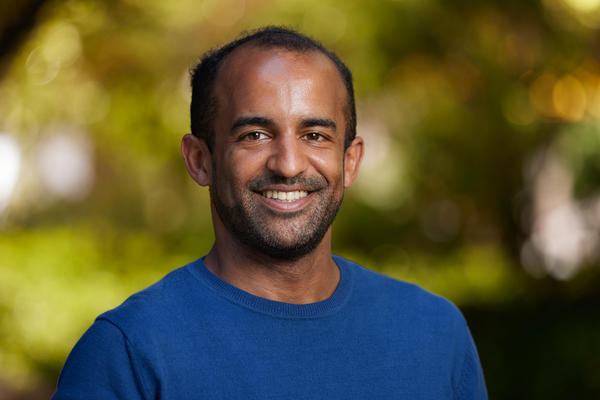
Dr. Ricardo Rocha is an Associate Professor in Conservation Science and Tutorial Fellow at Jesus College, University of Oxford. He leads research addressing conservation challenges under global change, focusing on biodiversity restoration post-habitat loss, human-modified landscapes, and evidence-based decision-making. His work integrates ecological theory with large-scale field studies in tropical and island ecosystems. Key research interests include taxonomic/functional responses to habitat fragmentation, secondary forest regeneration, and managing agricultural landscapes for biodiversity. He investigates invasive species impacts (e.g., cats, geckos) and ecosystem service provision, using methods like DNA metabarcoding and passive acoustic monitoring. Dr. Rocha contributes to global conservation initiatives such as BioTIME 2.0 (biodiversity time series database) and the SOPWA project (sustainable oil palm in West Africa). His expertise spans tropical ecosystems, island biogeography, and interdisciplinary approaches to conservation. He collaborates widely, publishing on bat ecology, invasive species dynamics, and conservation policy. Recent work emphasizes island systems (Madeira, São Tomé) and human-wildlife interactions in agricultural settings.
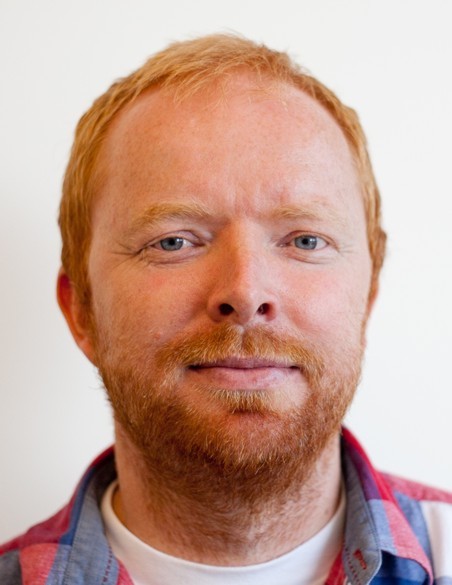
Håvard Kauserud is a Professor at the Department of Genetics and Evolutionary Biology, University of Oslo. His research spans molecular ecology, evolutionary biology, and fungal genetics with a focus on mycorrhizal and endophytic fungi, climate change impacts, and habitat fragmentation effects. Section of Genetics and Evolutionary Biology Teaches advanced courses in fungal evolution and bioinformatics Research projects include: Molecular ecology of mycorrhizal fungi Speciation mechanisms in forest fungi Climate change effects on mushroom phenology Comparative genomics of Serpulaceae Endophytic fungi in boreal mosses Recent work explores fungal community dynamics across boreal forests, indoor mycobiomes, and genome expansion patterns in Mycena . Collaborative studies investigate arthropod dispersal of fungal spores, climate adaptation signatures, and trait-based fungal ecology databases.
Christian Griebler is a Professor at the Faculty of Life Sciences in the Functional and Evolutionary Ecology department at the University of Vienna. His research focuses on microbial communities, groundwater ecosystems, and the impacts of climate change and urbanization on subterranean environments. He leads projects such as Management for Groundwater Sustainability in Urban Areas and Subterranean Ecosystems - Vertical Dimensions of Conservation , addressing challenges like groundwater quality, biodiversity preservation, and adaptation to climate change. Key research interests include microbial dynamics, ecosystem services provided by groundwater, and the vulnerability of subterranean species. His work contributes to UN Sustainable Development Goals, particularly those addressing climate action, clean water, and biodiversity conservation. Recent publications highlight trends in groundwater warming, microbial community responses to environmental stressors, and the ecological significance of subterranean habitats. His findings underscore the need for policy frameworks to protect groundwater ecosystems, including guidelines for urban development and sustainable land use. Notable activities include public lectures on groundwater biodiversity and media engagements explaining his research. Collaborations span international teams studying groundwater biodiversity, viral ecology, and climate change impacts.
Johanna Turnbull is a Lecturer in Biological Sciences at the University of Wollongong, affiliated with the School of Earth, Atmospheric and Life Sciences (SEALS). Her research focuses on plant ecophysiology, particularly stress biology, photosynthesis, and climate change impacts on Antarctic mosses. She employs advanced techniques like ELISAs, spectrophotometric assays, and remote sensing to monitor plant health and stress markers. Turnbull has been involved in long-term Antarctic moss monitoring since 2000, contributing to projects like the State of the Environment Indicator 72. Her teaching philosophy emphasizes student-centered approaches, including blended learning, formative feedback, and active learning strategies in large cohorts. She has developed courses using case studies, flipped lectures, and peer assessment. Turnbull has secured funding for interdisciplinary projects, such as ECO-ANTARCTICA (Antarctic observing systems) and Drones@UOW (UAV-based ecological monitoring). She collaborates widely, appearing in media (e.g., The Conversation) and publishing influential work on Antarctic vegetation dynamics and climate change impacts. Turnbull’s research spans 20+ peer-reviewed articles, with notable contributions to understanding moss desiccation tolerance, Antarctic ecosystem resilience, and the application of remote sensing in polar environments. Her work bridges plant physiology, ecology, and technology, addressing critical questions about life in extreme environments and climate-driven ecological shifts.
Olaf Schmidt is a Professor at the School of Agriculture and Food Science, University College Dublin (UCD). His academic career includes roles such as Senior Lecturer/Associate Professor (2008–2017) and extends back to a Post-doctoral Research Assistant position (1999–2001). He holds a Ph.D. from UCD (2000), an M.Sc. in Soil Science from the University of Aberdeen (1993), and a Diplom-Agraringenieur from Martin-Luther-University Halle-Wittenberg (1992). Research Focus: Schmidt specializes in soil ecology, earthworm biology, stable isotope analysis, and sustainable agriculture. His work addresses topics like soil restoration, invasive species impacts, food authentication, and ecosystem rehabilitation. He leads projects such as Edaphobase 2.0 and the Gunnera tinctoria invasion studies. His research integrates molecular techniques, isotopic tracing, and large-scale data synthesis. Awards & Recognition: Fellow of the Royal Entomological Society (2023) Honorary Member of the Association of Applied Biologists (2022) Fellow of the Institute of Soil Science (2023) Teaching & Outreach: Coordinates modules on soil science, environmental microbiology, and the circular bioeconomy. Engages in public lectures on topics like earthworm contributions to soil health. Collaborates internationally, including a visiting professorship at the University of Agriculture in Kraków (2022). Grants & Impact: Contributed to the SmartGrass project, enhancing sustainable agricultural practices through multispecies swards. His work on peat alternatives and mine tailings rehabilitation has practical implications for environmental management and policy. Labs & Collaborations: Active in the Global Soil Biodiversity Initiative and Soil BON network. Edaphobase 2.0 exemplifies his data-driven approach to soil biodiversity research.
Jill A. Olin is an Assistant Professor in the Department of Biological Sciences at Michigan Technological University, affiliated with the College of Sciences and Arts. She holds a PhD in Environmental Science from the University of Windsor, an MS in Marine Biology from Hofstra University, and a BS in Marine & Freshwater Biology from the University of New Hampshire. Her research focuses on community ecology, trophic interactions, and marine ecosystems, with an emphasis on conservation through biomarker and modeling approaches. Key interests include ecosystem stability, anthropogenic impacts, and food web dynamics. She teaches Ecology and Evolution, Marine Ecology, and Ecogeochemical Tracer Techniques. Her work integrates stable isotope analysis, DNA metabarcoding, and ecological modeling to address questions about species distribution, trophic niche partitioning, and resilience to environmental stressors. Notable projects include studies on Lake Superior fish ecotypes, Gulf of Mexico oil spill impacts, and salt marsh restoration. Dr. Olin collaborates with NOAA on restoration research and has published extensively on trophic ecology, resource partitioning, and ecosystem responses to human activities. While no formal grants or awards are listed, her contributions highlight interdisciplinary approaches to ecological challenges.
Katie Marshall is an Assistant Professor in the Department of Zoology at the University of British Columbia’s Faculty of Science. Her research focuses on the physiological and ecological mechanisms underlying species’ survival in cold environments, particularly in intertidal invertebrates and forest pest insects. She explores how low-temperature adaptation affects population growth and geographic range limits, aiming to predict climate change impacts on species distributions. Dr. Marshall is affiliated with the Biodiversity Research Centre and the Comparative Physiology Group, emphasizing interdisciplinary collaboration in ecology and evolutionary biology. Her work integrates biological and environmental disciplines, combining molecular studies with ecological observations. For instance, she investigates ice-binding proteins in marine invertebrates and metabolic adaptations in insects and mussels exposed to freezing conditions. She also utilizes advanced technologies like machine learning and DNA metabarcoding for species classification and ecosystem monitoring. Dr. Marshall’s research addresses key questions about why species have specific geographic ranges and how they might respond to environmental changes. Recent studies highlight themes such as the evolutionary origins of cold tolerance, the effects of temperature fluctuations on insect survival, and the interplay between climate variables and organismal physiology. She emphasizes understanding functional traits and eco-evolutionary dynamics to improve predictive models for species range shifts and ecosystem management. Though no specific scientific awards or grants are listed in the provided texts, her contributions to biodiversity and physiological ecology are evident through her active research and lab leadership. The Marshall Lab collaborates broadly within the Zoology Department and across UBC’s Biodiversity Research Centre to advance knowledge in these critical areas.
Antonio Miguel Piecho de Almeida Santos is a Coordinator Researcher (Investigador Coordenador) at the Portuguese Institute for the Ocean and the Atmosphere (IPMA) and a member of the Oceanography and Climate Changes Group (OC2) at the Center of Marine Sciences (CCMAR) of the University of Algarve. With over 35 years of research experience, he serves as the Portuguese National Focal Point for the IOC-UNESCO Argo Programme, IPMA's representative in EuroGOOS, EuroGOOS Argo Task Team co-chair, and President of the Portuguese Oceanography Society. His research focuses on physical-biological interactions in the ocean through an end-to-end approach to understanding climate change impacts. His expertise spans fisheries oceanography, fish ecology, and applications of satellite remote sensing to marine fisheries. His recent work emphasizes innovative ocean observing systems, particularly through fishing vessel networks and autonomous technologies. His publication record includes more than 100 papers with 2996 citations and an h-index of 28 (Scopus). Recent research trends show a strong emphasis on DNA-based monitoring approaches, autonomous observation systems, and collaborative global ocean observing networks that bridge the gap between fisheries operations and scientific data collection. Certificate of Outstanding Contribution in Reviewing (2018) Most Cited Progress in Oceanography Articles (2007-2011) (2012) Second most cited Deep-Sea Research I paper in the last 5 years (2005-2009) (2010) Continental Shelf Research Most Cited Paper 2003-2007 Award (2008) Public praise from IPMA (2024) Dr. Santos has supervised numerous PhD and Master's students and currently mentors several doctoral candidates. He has been involved in over 40 national and international research projects (10 as coordinator or PI), including major European Commission initiatives such as Next Generation of Fishing and Aquaculture Services (2021-2024) and Euro-Argo Research Infrastructure Sustainability and Enhancement (2019-2022). His leadership extends to coordinating the Agenda do Mar (Sea Agenda) for the Portuguese Government and serving on scientific councils for state laboratories. He leads the Oceanography and Climate Changes research group at CCMAR, which focuses on developing integrated approaches to monitor and understand marine ecosystem dynamics under changing environmental conditions, with particular emphasis on the Iberian upwelling system and small pelagic fish populations.
Josefine Friederike Weiß is a researcher at the Alfred Wegener Institute (AWI) , affiliated with the Polar Terrestrial Environmental Systems department in Potsdam, Germany. Her work focuses on marine sedimentary ancient DNA to investigate carbon dynamics between terrestrial and marine ecosystems. She explores how ancient genetic material preserved in sediments reveals historical climate and ecological interactions. Her research integrates advanced molecular techniques such as metabarcoding and sedimentary DNA analysis to trace land-plant carbon sources, phytoplankton blooms, and biogeochemical processes in polar regions. Key projects include studying Phaeocystis blooms' role in carbon sequestration and Arctic sub-mesoscale filament dynamics. Publications highlight interdisciplinary approaches combining high-resolution oceanographic measurements with paleoenvironmental reconstructions. While no explicit awards are listed, her contributions bridge genetics, geology, and climate science in polar environments. Josefine collaborates on long-term observational systems like the LTER Observatory HAUSGARTEN and participates in Arctic and Antarctic expeditions. Her work supports understanding climate change impacts on marine and terrestrial carbon cycles.
Peter Mcintyre serves as an Associate Professor in the Department of Ecology and Evolutionary Biology at Cornell University's College of Arts and Sciences. He holds the Dwight Webster Sesquicentennial Faculty Fellowship and is affiliated with the Institute for African Development as a Core Faculty member and the Southeast Asia Program as a Faculty Associate. His educational background includes a B.A. in Biology from Harvard University (1998) and a Ph.D. in Ecology & Evolutionary Biology from Cornell University (2006). Mcintyre is an aquatic conservation ecologist whose research focuses on developing management approaches that balance human interests with protecting biodiversity. His work spans multiple continents, with field studies conducted in New York, the Great Lakes, East Africa, Southeast Asia, and Hawaii. His academic interests encompass Biogeochemistry and Ecosystem Science, Community Ecology and Population Biology, Evolutionary Patterns and Processes, Organismal Biology, and Sustainability, Environment and Conservation. Key research themes include fisheries, food webs, climate change, ecological stoichiometry, global biodiversity, conservation planning, river networks, and life history and migration. His recent publications reveal a consistent focus on freshwater ecosystem conservation, with particular attention to global patterns of biodiversity, climate change impacts on aquatic systems, fisheries management, and conservation planning. His work increasingly integrates molecular techniques like eDNA with traditional ecological methods, while maintaining a strong emphasis on practical conservation applications across diverse global contexts from the Amazon to Hawaiian streams. Dwight Webster Sesquicentennial Faculty Fellow Mcintyre leads the McIntyre Lab, which addresses ecology and conservation in rivers and lakes worldwide, with special focus on the organism-ecosystem interface. His lab studies how animals affect ecosystem productivity and nutrient dynamics, with particular emphasis on freshwater fisheries in the Adirondack Mountains and developing nations. His students and postdocs have received significant recognition including NSERC graduate research fellowships and Doctoral Dissertation Improvement Grants. The lab's work spans multiple major research projects including the Adirondack Fisheries Research Program, Lake Tanganyika Ecosystem Project, Great Lakes connectivity initiatives, and conservation of Native Stream Gobies in the Hawaiian Archipelago. The McIntyre Lab maintains active research sites across the globe, from the Adirondacks to Lake Tanganyika in East Africa, with particular strength in studying the connections between organismal biology and ecosystem processes in freshwater environments. Their work consistently bridges fundamental ecological questions with practical conservation applications, making significant contributions to both scientific understanding and on-the-ground management of freshwater resources.
Kelly Meiklejohn is an Assistant Professor in the Department of Population Health and Pathobiology at North Carolina State University, joining in January 2018 as part of the Chancellor’s Faculty Excellence Program cluster in Forensic Sciences. Her research integrates molecular biology, taxonomy, and forensic DNA analysis to advance wildlife forensics and forensic casework protocols. Education: B. of Biotechnology Advanced (Hons Class 1) and Ph.D. from the University of Wollongong (Australia) Postdoctoral Training: University of Florida (2013), FBI Laboratory (2017) Meiklejohn’s work focuses on applying massively parallel sequencing (MPS) to forensic scenarios, improving mitochondrial DNA recovery from challenging samples, and developing molecular protocols for non-human biological material. Her recent publications highlight expertise in DNA metabarcoding, non-destructive sampling methods, and forensic geology. Affiliations: Member of Australian and New Zealand Forensic Science Society, American Academy of Forensic Sciences, Society for Wildlife Forensic Science She teaches undergraduate and graduate courses, mentors forensic science students, and leads the Meiklejohn Lab, which specializes in wildlife forensics and environmental DNA analysis.
Jojy John is a Post Doctoral Fellow at Clemson University's Department of Biological Sciences within the College of Science. He holds a Ph.D. in Microbial Ecology from SIST, Chennai, India, and has expertise in OMICs technologies and environmental microbiology. Education: Ph.D., Microbial Ecology, SIST, India (2021) M.Sc., Microbiology, MG University, India (2014) B.Sc., Microbiology, MG University, India (2012) Jojy's research focuses on microbial ecology, particularly how microbes interact with ecosystems through OMICs methods. Current work explores functional redundancy in microbiomes using multi-OMICS and mathematical modeling, with applications in marine environments, bioremediation, and extremophile adaptation. His recent publications highlight trends in microbial ecology across diverse areas: deep-sea biodiversity analysis (2025), microplastics in ocean sediments (2025), and halophilic bacterial applications in biotechnology (2020). Studies span environmental stress responses in aquatic organisms (2020, 2017), bioremediation of synthetic dyes (2020), and nitrogen pollution management (2020). Research Group: Collaborates with the Campbell Lab at Clemson University.
Brian Fisher is a Curator of Entomology and Patterson Scholar at the California Academy of Sciences. His work focuses on ant biodiversity in Africa and Madagascar, integrating taxonomy, evolution, and conservation. Fisher leads initiatives like Insects and People of the Southwest Indian Ocean (IPSIO) , which promotes edible insect farming to address malnutrition and protect habitats. His research emphasizes leveraging ants as ecological indicators and developing tools for biodiversity monitoring. Education: Earned a biology degree from the University of Iowa, with early fieldwork in Panama and Costa Rica. Transitioned to entomology during studies at the Smithsonian Tropical Research Institute. Research Interests: Ant diversity and evolution, Madagascar’s ecosystems, and applying insect farming to solve food insecurity. Projects include the Breakfast Before Conservation initiative, which scales cricket farming to reduce lemur hunting and deforestation. Collaborations: Partnerships with Madagascar Biodiversity Center, Entomo Farms, and international scientists. Spearheads genomic and metabarcoding projects to track insect biodiversity across 50 Malagasy sites. Labs/Teams: Fisher Lab at the California Academy of Sciences and Madagascar-based research networks. Develops open-access resources like AntWeb and AntCat for global ant documentation.
Dr. Diana Varela is a Professor and Associate Dean for Academic Advising at the University of Victoria, jointly affiliated with the School of Earth and Ocean Sciences and the Department of Biology. Her research program investigates marine primary productivity and nutrient cycling, with a focus on phytoplankton physiology and ecological responses to environmental changes in diverse oceanic regions. She holds a BSc from Universidad Nacional del Sur (Argentina), an MA from Boston University, and a PhD from the University of British Columbia. Dr. Varela's research examines phytoplankton utilization of nitrogen, silicon, and carbon in the context of climate change, particularly in polar ecosystems. Her work combines laboratory experiments with oceanographic fieldwork to understand biogeochemical cycles and diatom responses to stressors like ocean acidification and warming. Her publications reveal consistent themes in climate impacts on marine productivity, with recent work focusing on Arctic and Antarctic phytoplankton dynamics, silicon isotopic fractionation, and innovative methodologies for studying microbial communities. The research demonstrates interdisciplinary approaches spanning biogeochemistry, ecophysiology, and molecular ecology. Dr. Varela leads the Varela Lab, which provides research opportunities for graduate students and collaborators. Her team conducts field campaigns in challenging environments including Antarctic research stations.