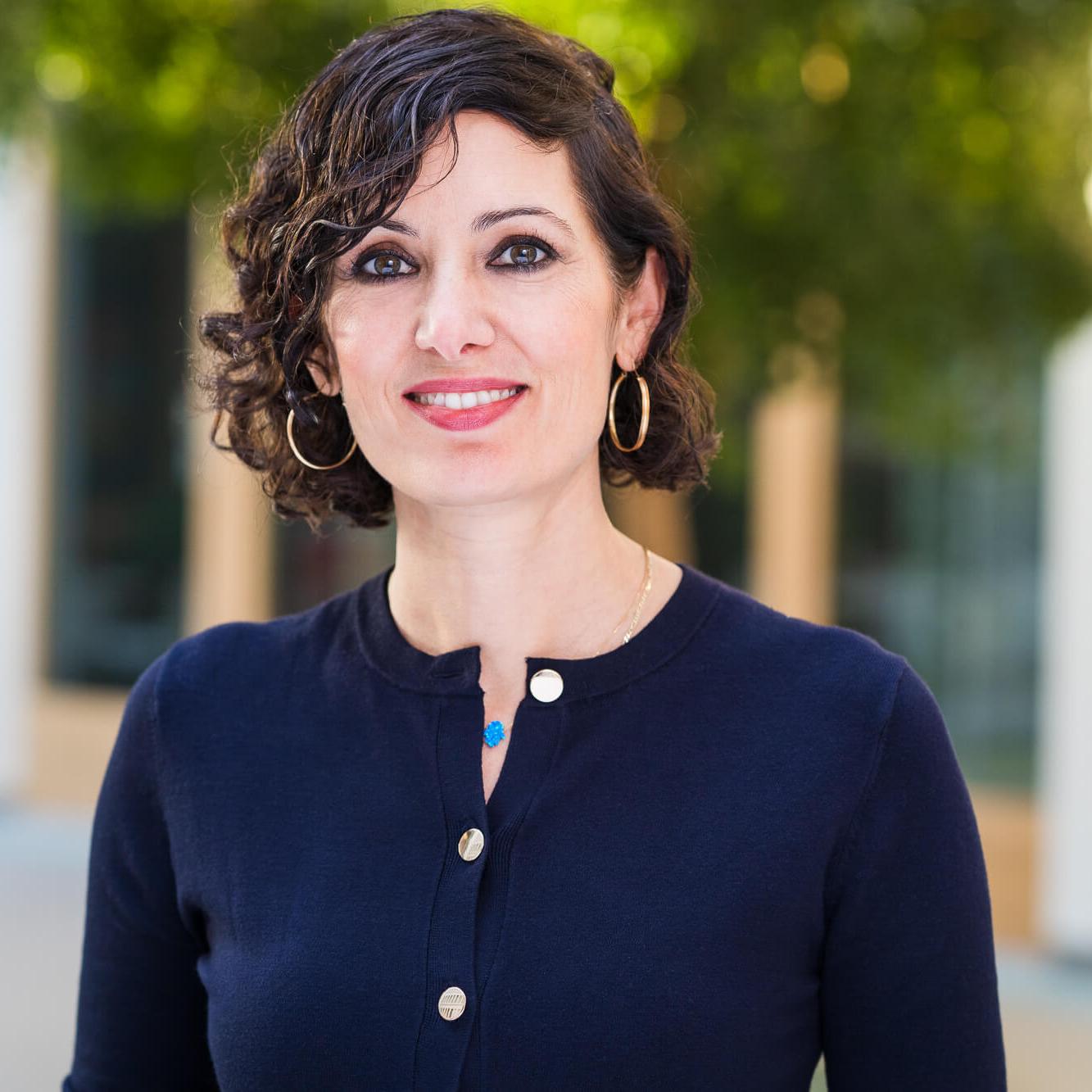
Pepa Kostadinova Atanasova is a Tenure Track Assistant Professor in the Natural Language Processing Section of the Department of Computer Science , University of Copenhagen. She co-leads the CopeNLU group with Isabelle Augenstein and has special teaching duties for industry practitioners. Research Interests: Interpretability of Language Models Explainability Methods Factuality in Language Models Parametric Knowledge Analysis Human-AI Alignment Trustworthy AI Scientific Awards: Marie Skłodowska-Curie Fellowship ELLIS Best PhD Thesis Award Informatics Europe Best PhD Thesis Award Collaborations: Active in interdisciplinary research, including partnerships with Meta and Google, and a postdoctoral project combining language model explanations with trading behavior analysis.
Frede Blaabjerg is a Professor at Aalborg University (AAU Energy) , affiliated with the Faculty of Engineering and Science . Since 1998, he has pioneered power electronics research in applications such as wind turbines , photovoltaic (PV) systems , reliability engineering , and Power-2-X technologies. Education : PhD in Electrical Engineering (1995, Aalborg University) Honorary Degrees : Honoris Causa at University Politehnica Timisoara (2017) and Tallinn Technical University (2018) His research focuses on power electronics control , system optimization , and reliability for renewable energy and electric mobility . Recent work includes grid-forming converters , virtual synchronous generators , and smart EV charging systems. Key publication trends span 15+ years , with over 3,733 peer-reviewed articles and 900+ journal papers in power electronics , renewables , and energy storage . Notable book series: Control of Power Electronic Converters and Systems (4 volumes, Elsevier). Scientific Awards : 46 IEEE Prize Paper Awards 2020 IEEE Edison Medal 2019 Global Energy Prize 2014 IEEE William E. Newell Power Electronics Award Leadership Roles : Editor-in-Chief, IEEE Transactions on Power Electronics (2006–2012) Chairman, Danish Council for Research and Innovation Policy (2020–) President, IEEE Power Electronics Society (2019–2020)
Claudia Acciai is a Guest Researcher at SODAS (Sociology Department) at the University of Copenhagen, where she works on the research project "Quantifying institutional and country-related Matthew effects in science." She holds a PhD in Political Science and Sociology from the Scuola Normale Superiore, with a dissertation focused on policy design in the Research and Innovation sector. Her academic journey includes research visits at Alliance Manchester Business School, Science Po Paris, and Copenhagen Business School. Her research interests lie at the intersection of comparative public policy, innovation studies, and science of science. She combines computational and experimental methods with qualitative content analysis techniques to examine policy design, institutional effects in science, and research evaluation. Her work frequently addresses how policy instruments function in complex governance environments and investigates gender-related differences in academic publishing. Analyzing her recent publications reveals a strong focus on the science of science, with particular attention to bibliometrics, policy instrument effectiveness, and gender dynamics in academic careers. Her work spans multiple disciplines including political science, sociology of science, and innovation studies, often employing mixed-methods approaches that combine quantitative analysis with qualitative insights. Acciai is an active member of the Knowledge, Organization and Politics research group at the Department of Sociology. Her collaborations span multiple countries and institutions, reflecting the international nature of her research on comparative policy and science studies. She has conducted significant work for research projects funded by the Italian Ministry of Education, including analyses of policy analysis capacity in Italian policymaking and governance changes in higher education systems.
Maria Timofeeva is an Associate Professor in the Epidemiology, Biostatistics and Biodemography (EBB) department at the University of Southern Denmark (SDU), with additional affiliation at the Danish Institute for Advanced Study (DIAS). She holds an Honorary Fellow position at the University of Edinburgh since December 2019. Her research focuses on cancer prevention and prediction, particularly studying the effects of environmental and genetic factors on cancer risk and progression. Dr. Timofeeva earned her Dr.sc.hum in Epidemiology from Heidelberg University (2005-2009), with a dissertation on genetic polymorphisms as risk factors for early onset lung cancer. Prior to her current position, she worked as a Statistical Geneticist at the University of Edinburgh (2013-2019) and as a Postdoctoral Fellow at the International Agency for Research on Cancer (2009-2013). Her research interests center around understanding the genetics of cancer risk through multi-omic analysis. She leads several significant projects, including the Interdisciplinary Project on Adherence to Colorectal Cancer Screening, meta-analysis of factors associated with false-positive and false-negative FOBT results (registered in PROSPERO ID: CRD42022315767), and the COlorectal Cancer screening Among RElatives (CoCARE) twin-family study in Denmark. Her methodological expertise spans observational epidemiological studies (case-control, population-based cohort studies, twin studies), meta-analysis, umbrella reviews, and multi-omics data analysis. Analysis of her recent publications reveals a strong focus on colorectal cancer genetics, with particular emphasis on genome-wide association studies, Mendelian randomization approaches, and trans-ancestry analyses. Her work frequently leverages large datasets including the UK Biobank and international consortia, with applications in cancer risk prediction and understanding gene-environment interactions. Dr. Timofeeva has an extensive publication record with 73 publications listed in her profile. Her research has been cited across multiple platforms, with mentions in news outlets, social media, and academic readership platforms like Mendeley. She is actively involved in academic service, serving as a peer reviewer for journals including BMC Cancer and Scientific Reports, and participating in conferences such as the 26th Nordic Congress of Gerontology. She also serves on evaluation committees, including with the World Cancer Research Fund International (April-May 2024). Her teaching activities include courses on evidence-based drug utilization and biostatistics, as well as supervision of research projects on gene expression in twins. Dr. Timofeeva has engaged with the public through media contributions, including an interview titled 'Jeg vil forstå, hvorfor vi får kræft' (November 15, 2021), where she discussed understanding why we get cancer.
Jørgen Arendt Jensen is a Professor of Biomedical Signal Processing at the Technical University of Denmark (DTU), with dual affiliations in the Department of Health Technology and the Department of Electrical Engineering (DTU Elektro). He leads the Center for Fast Ultrasound Imaging (CFU), a collaborative initiative involving DTU, BK Medical, Rigshospitalet, and DTU Nanotech. His research focuses on advanced medical ultrasound technologies, including synthetic aperture imaging, vector flow imaging, and ultrasound simulation, aiming to improve clinical image acquisition efficiency and accuracy. He teaches medical imaging courses and co-initiated the joint biomedical engineering program between DTU and the University of Copenhagen. Jensen’s work contributes to UN Sustainable Development Goals related to health and innovation. His research interests span algorithm development for fast ultrasound imaging, blood velocity characterization, and simulation of ultrasound systems. He supervises multiple PhD students and collaborates on projects involving transducer design, real-time imaging systems, and microvascular pathology analysis. Recent publications emphasize advancements in super-resolution ultrasound imaging, transducer optimization, and pressure gradient estimation. His lab, CFU, develops cutting-edge imaging solutions for clinical applications. Jensen’s contributions include patents on ultrasound imaging techniques and collaborative ventures to enhance diagnostic capabilities through interdisciplinary engineering.
Prof. Dr. Naika Foroutan is a leading scholar at Humboldt University of Berlin, where she holds the Professorship of Integration Research and Social Policy. She serves as Director of the German Centre for Integration and Migration Research (DeZIM) and Head of Department at the Berlin Institute for Empirical Integration and Migration Research (BIM). Her work bridges empirical migration studies, social policy, and radicalization analysis. Research Interests: Transformation of immigration societies into post-migrant societies, Islam and minority policies, radicalization, racism, Islamism, intergroup relations, and democratic pluralism. Her publications and projects explore intergenerational integration, anti-Muslim sentiment, hybrid identities, and radicalization prevention through bridging narratives. She has received prestigious awards, including the Berlin Integration Prize (2011), Fritz Behrens Science Prize (2012), Höffmann Science Prize (2016), and an honorary doctorate from Lund University (2025). Contact her directly via anfragen@dezim-institut.de for academic or institutional inquiries.
Francisco Camara Pereira is a Professor and Head of Section at the Department of Technology, Management and Economics at the Technical University of Denmark (DTU). His research focuses on Intelligent Transportation Systems, Machine Learning, and Data-Driven Decision-Making in transportation contexts. He actively contributes to advancing transportation science through interdisciplinary approaches combining simulation, optimization, and AI techniques. His work addresses challenges in public transport analysis, charging infrastructure planning, and multimodal demand prediction. Recent projects include developing graph-based optimization methods for electric vehicle networks and causal discovery frameworks for transportation systems. He supervises multiple PhD students in areas like federated learning for cyclist safety, causal graph neural networks, and socially aware AI models. Key contributions include publications on smart card data analysis for travel surveys, stochastic infrastructure expansion models, and transfer learning for bike-share systems. His research aligns with UN Sustainable Development Goals related to sustainable cities and innovation. Dr. Pereira collaborates internationally on transportation policy and infrastructure projects. His lab focuses on translating theoretical advancements into practical solutions for urban mobility challenges.
Abayomi Baiyere serves as an Associate Professor in the Department of Digitalization at Copenhagen Business School (CBS), where he conducts cutting-edge research at the intersection of digital technologies and organizational transformation. His work significantly contributes to UN Sustainable Development Goals through digitally-enabled societal impact initiatives and has yielded 69 research outputs including high-impact publications in premier journals like Information Systems Journal and Information Systems Research . His research program focuses on: Digital transformation frameworks (notably the MIND framework for capability assessment) Platform design and governance mechanisms Smart service systems development Workplace transformation through digital subtraction logic Digital strategy implementation challenges Analysis of his 15 most recent publications (2024-2025) reveals a strong theoretical grounding in institutional and practice-based perspectives, with increasing emphasis on ethical dimensions of digital transformation, AI implementation constraints, and methodological innovations in computational research. His work consistently bridges conceptual rigor with practical applicability for organizational leaders. Dr. Baiyere actively shapes academic discourse through editorial roles including co-editing The Routledge Companion to Management Information Systems (2025) and organizing key events like the African IS Paper Development Workshop (2020). His public engagement includes 6 media contributions discussing digital workplace transformation and strategic implementation challenges, demonstrating commitment to translating research into practical insights for broader audiences. Within CBS, he has supervised 8 academic works while contributing to the department's international recognition in digitalization research. His activities reflect deep engagement with both theoretical advancement in information systems and practical solutions for organizational digital maturity.
Serge Belongie is a Professor at the Department of Computer Science (DIKU) at the University of Copenhagen, where he holds dual affiliations with the Pioneer AI research section and the Image Analysis, Computational Modelling, and Geometry section. His academic position places him at the forefront of interdisciplinary research connecting computer vision with language models, geospatial analysis, and cultural understanding. Professor Belongie's research program encompasses several critical domains in modern artificial intelligence: Advanced computer vision and image analysis techniques Vision-language model integration and multimodal systems 3D point cloud processing and semantic segmentation Geospatial representation learning for environmental applications Fine-grained object recognition and detection Cultural context understanding in AI systems His recent publication record reveals a sophisticated trajectory toward developing precise control mechanisms for vision-language models, with applications spanning forensic analysis, cultural heritage preservation, and social media understanding. The research demonstrates increasing sophistication in handling cultural context and enabling fine-grained manipulation of visual content through natural language interfaces. Professor Belongie maintains an active research group producing significant scholarly output, with over 280 research publications documented in his academic profile. His work is supported by research funding that enables cutting-edge exploration in multimodal AI systems with practical societal impact. He plays a key role in the Pioneer AI center at the University of Copenhagen, which focuses on advancing artificial intelligence through interdisciplinary collaboration and innovative research approaches that bridge theoretical computer science with real-world applications.
Kim Bjerge serves as Associate Professor and Group Leader in Aarhus University's Department of Electrical and Computer Engineering, specializing in computer vision and machine learning applications for ecological monitoring. His research bridges engineering and environmental science to develop innovative solutions for insect biodiversity assessment and sustainable agriculture. His core research interests include computer vision, deep learning, and edge computing systems for real-world ecological monitoring. Dr. Bjerge develops time-lapse camera pipelines and deep learning models specifically for insect population tracking in natural environments, with emphasis on agricultural applications like black soldier fly farming and biodiversity conservation. His work integrates signal processing techniques with biological data to create field-deployable monitoring systems. Recent publications reveal a strong trend toward practical implementations of computer vision in entomology, particularly focusing on edge processing for camera traps, automated trait prediction in insect farming, and biodiversity monitoring systems. Key research areas include nocturnal insect monitoring, floral environment analysis, and developing specialized datasets like AMI for insect identification in wild settings. He leads multiple significant research projects funded through competitive grants: MAMBO: Modern Approaches to Monitoring Biodiversity (2022-2026) FLYgene: Sustainable Insect Production for Livestock Feed (2022-2026) Automatisk monitering af nataktive insekter: Automatic nocturnal insect monitoring (2024-2029) Pilotprojekt for automatisk registrering af invasive plantearter: Invasive species monitoring (2020-2021) As head of the Signal Processing and Machine Learning research group, Dr. Bjerge directs interdisciplinary teams developing computer vision solutions for biological monitoring systems. His laboratory focuses on creating robust field-deployable technologies including scanner-based arthropod imaging systems, time-lapse camera networks for floral environments, and edge AI processors for real-time insect monitoring in agricultural settings.
Zorana Jovanovic Andersen is an Associate Professor at the University of Copenhagen, Department of Public Health, Section of Environmental Health, specializing in Environmental and Occupational Epidemiology. Her research focuses on health impacts of air pollution , noise exposure , and lifestyle factors across large cohorts including the Danish Nurse Cohort and Diet, Health, and Cancer cohort. Primary research areas: Environmental Epidemiology, Breast Cancer Risk, Air Pollution, Noise Studies, Physical Activity Interactions Key projects: Hyperion (road traffic noise), ELAPSE (low-level air pollution), TAPAS (climate-transportation health risks) Research Themes She investigates long-term exposure to air pollution and noise in relation to breast cancer , diabetes , cardiovascular disease , and brain cancer , while exploring how factors like physical activity modify these risks. Recent work includes dementia and COVID-19 mortality analyses. Scientific Contributions Her 15 most recent publications address: 1) Air pollution disparities in Europe 2) Dementia-air pollution links 3) Stroke-noise interactions 4) Airport ultrafine particle exposure 5) Asthma-COPD overlap 6) Breast cancer-mammographic density relationships. Major Grants Danish Working Environment Research Fund (1.79M DKK, 2017) Danish Heart Association (433K DKK, 2016) Danish Council for Independent Research (1.93M DKK, 2015) Teaching & Leadership Course Leader for Data Processing in Health Care and Public Health Informatics at UCPH since 2011. Organized Danish Health Registries seminars and served on scientific committees for environmental conferences.
Beate Conrady is an Associate Professor in Infectious Disease Epidemiology and Animal Health Economics at the Department of Veterinary and Animal Sciences, Faculty of Health and Medical Sciences, University of Copenhagen, where she joined in April 2021. She has been affiliated with the Centre for Sustainable Health (CSH) since May 2020. Previously, she led the working group on Epidemiology and Animal Health Economics at the University of Veterinary Medicine in Vienna for eight years. Her research focuses on the development and application of mathematical and economic models to assess prevention and intervention strategies for infectious diseases in veterinary and public health contexts. Key areas include zoonoses, cattle disease control, biosecurity, and One Health. She has extensive experience in international consultancy, including with EFSA, the Austrian Government, and European scientific networks. Beate's recent publications (2020–2024) demonstrate a strong emphasis on disease transmission modeling, surveillance systems, and economic evaluation of health interventions. Her work spans Salmonella, foot-and-mouth disease, Cryptosporidium, and vector-borne diseases, often employing advanced modeling techniques and large-scale data analysis. She has received more than 11 scientific awards for her contributions to infectious disease epidemiology and animal health economics. Consultant for European Food Safety Authority (EFSA) Member of international scientific committees (Med-Vet-Net, DISCONTOOLS) Principal investigator and consortium leader with over 7.5 million EUR in research funding, including more than 1 million EUR in third-party funds She is actively involved in editorial and peer-review activities for leading journals and contributes to policy development in animal health and zoonotic disease control.
Svend Brinkmann is a Professor of General Psychology and Qualitative Methods at Aalborg University's Faculty of Humanities and Social Sciences , where he has worked since 2009. His research and teaching focus on fundamental problems in psychology , philosophy of psychology , qualitative research methodology , and cultural analysis . Department of Communication and Psychology Center for Cultural Psychology Situated Psychology research group Academic Qualifications PhD in Psychology (2006) MSc in Psychology (2002) BA in Philosophy (1999) Research Themes include psychiatric diagnoses' societal implications , qualitative interviewing , and happiness studies , with methodological expertise in discourse analysis and cultural psychology . Scientific Awards : Søren Gyldendal-prisen (2020) Årets humanist (2018) Karin Michaëlis Pris (2017) Hadsten Højskoles Elevpris (2016) Gyldendals formidlingspris (2015) PhD Supervision includes 15 students since 2007, with active supervision in 2025 for Jonas Norgaard Mortensen and Sebastian Tobias-Renstrøm . His work spans trauma care , stress research , and diagnostic cultures .
Søren Andkjær is an Associate Professor in the Department of Sports Science and Clinical Biomechanics at the University of Southern Denmark, Faculty of Health Sciences. He is affiliated with the Research Unit of Active Living, where he conducts interdisciplinary research at the intersection of outdoor recreation, health, and cultural practices. His work emphasizes participatory approaches and real-world impact through community engagement and public dissemination. Research Interests: His primary research areas include friluftsliv as a cultural phenomenon, outdoor education, the health-promoting potential of outdoor environments, and safety in outdoor activities. He explores how nature-based experiences contribute to personal development, mental health, and social cohesion, particularly among children and adolescents. The recent articles reflect a strong trend in environmental health, outdoor education, and digital engagement with nature . His work combines qualitative methodologies such as thematic analysis and netnography with systematic reviews and participatory design, focusing on Danish and international contexts including New Zealand. Key themes include children’s active living in coastal areas, friluftsliv therapy for mental health, and the cultural significance of online outdoor communities. Scientific Engagement: Active contributor to conferences and public discourse on outdoor life and health. Regularly featured in Danish media discussing nature, health, and community. Editorial board member for research journals and peer reviewer. Søren Andkjær is actively involved in teaching and supervision, particularly in courses related to active outdoor life and event design in outdoor spaces. He has led and participated in research projects evaluating programs that promote children’s engagement with nature. His collaborative network spans academia, public organizations, and community initiatives, reflecting a commitment to translating research into practice. He has not received any explicitly mentioned scientific awards in the provided text. Labs and Research Units: He is a key member of the Research Unit of Active Living, which investigates how physical activity in natural and urban outdoor environments can promote health and wellbeing across the lifespan.
Jørgen Møller is a Professor at the Department of Political Science, Aarhus University, specializing in international relations, state formation, democracy and democratization, history and politics, and qualitative methodology. His research examines long-term historical processes in Europe, including the development of the international system and the interplay between religious institutions and state-building. Education: PhD in Political Science (2007, European University Institute), MSc (2003, Aarhus University), BSc (2001, Aarhus University). Research Projects: Conflict and Democratization (2015–2020), DEDERE: Democratic Deepening and Regression (2013–2016), and The Catholic Origins of the Rise of Europe (2019). Publications: Focus on state formation, historical political economy, and methodological rigor, with peer-reviewed articles in journals like American Journal of Political Science and Journal of Historical Political Economy .