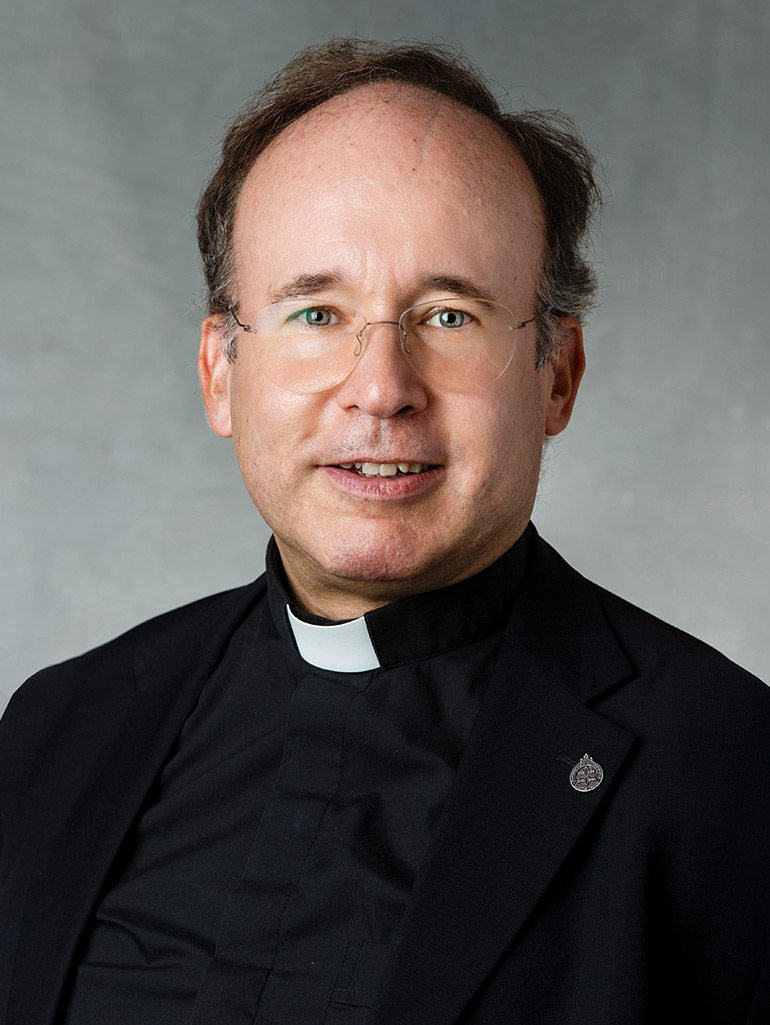
Mohammad Fazlhashemi is a Professor of Islamic Theology and Philosophy at Uppsala University's Department of Theology (Systematic Theology). His work bridges Islamic intellectual traditions with contemporary issues like democracy, environmental ethics, and interreligious dialogue. Current affiliations: Uppsala University, Faculty of Theology Key research areas: Islamic political philosophy, ecotheology, gender in Islam, and theological responses to modernity Email: mohammad.fazlhashemi@teol.uu.se Recent publications highlight trends in Islamic ecoethics (e.g., Islamic Ecotheology , 2025), critical analysis of classical texts (e.g., Critical-constructive interpretation of Islamic documents , 2024), and political theology (e.g., Justifying political decisions through theological arguments , 2016). His scholarship often engages comparative frameworks, as seen in works like Occidentalism (2005) and Shiʿite Salafism? (2022). Mohammad Fazlhashemi's impact spans both academic and public discourse, with contributions to debates on Islam and modernity in outlets like Expressen and Svenska Dagbladet . His co-authored book Visdomens hus: Muslimska idévärldar 600 - 2000 (2017) demonstrates his interest in Islamic intellectual history across eras.
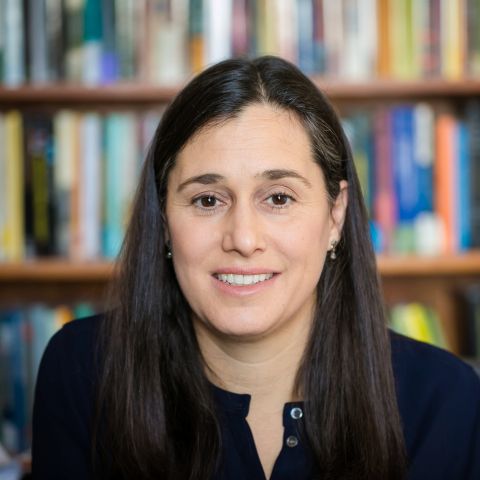
Mahmoud Abdallah is a Researcher at the Center for Islamic Theology , University of Tübingen, where he has worked since 2020. His career includes roles as Senior Scientist at the University of Innsbruck (2019–2020), Project Leader at ZITh (2016–2019), and Post-Doc researcher (2013–2018). He also held guest lectures at Marmara University (2017) and served as an Arabic Editor (2012–2013). Education : PhD in Comparative Linguistics (2012, Heinrich Heine University Düsseldorf), Master’s summa cum laude (2002, University of Minia), State Examination (1998, Al-Azhar University). Research Interests focus on Islamic Theology , Pastoral Care , Interreligious Dialogue , and Religious Institutions in Pluralistic Societies . He explores hermeneutics in Islamic counseling, Ḥisba in public order, and Umma dynamics in multicultural contexts. Recent Publications (2014–2022) analyze Qur’anic ambiguity , interfaith education , religious responses to crises (e.g., pandemic pastoral care), and Islamic social ethics . Key themes include Abrahamic unity , contextual theology , and religious hermeneutics . Scientific Awards : Master’s degree with summa cum laude distinction (University of Minia, 2002). Advising & Projects : Co-editor of Grundlagen muslimischer Seelsorge (2020) and Theologie des Zusammenlebens series (2017–2022). Led the 2016 project Scientific Education and Social Responsibility (Baden-Württemberg Ministry). Currently working on books about Prophetic Hermeneutics (2023) and Religious Transformations in Crisis (2022). Committee Memberships : Member of the German Islam Conference (since 2018), Scientific Advisory Boards at Zukunftsforum Islam e.V. (since 2017), and the DAVO (German Working Group on the Middle East, since 2009).
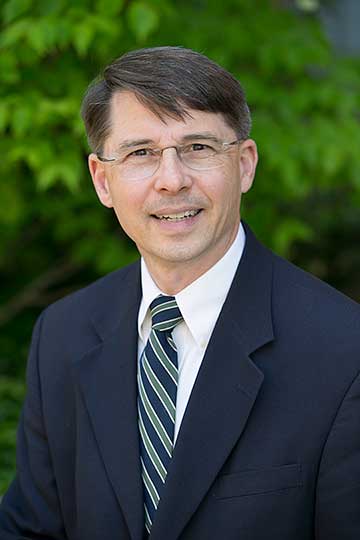
Martin Schlag is Professor at the University of St. Thomas holding the Alan W. Moss Endowed Chair for Catholic Social Thought and serving as Co-director of the Terrence J. Murphy Institute for Catholic Thought, Law, and Business within the Opus College of Business's Department of Ethics and Business Law. His educational background includes: JD from University of Vienna Licentiate in Theology (Lic. Theol.) from Pontifical University of the Holy Cross, Rome Doctorate in Sacred Theology (STD) from Pontifical University of the Holy Cross, Rome Schlag's research centers on Catholic social thought's application to political and economic systems, examining historical Christian perspectives on markets, trade, money, private property, and social justice. He advocates for principled business leadership that promotes the common good and integrates the poor into market economies through Christian humanism. His work emphasizes truth, goodness, and beauty as foundational to business as a noble vocation. Analysis of his 2022-2025 publications reveals dominant trends in subsidiarity theory, gift economies in business, digital ethics, and pandemic policy through theological frameworks. His scholarship consistently connects Catholic social teaching to contemporary challenges including e-commerce morality, technological unemployment, diversity initiatives, and integral ecology of work. As Co-director of the Terrence J. Murphy Institute, Schlag leads interdisciplinary initiatives bridging Catholic thought with business practice, organizing global conferences that inform his research and publications. No information is available regarding student advising or research grants.
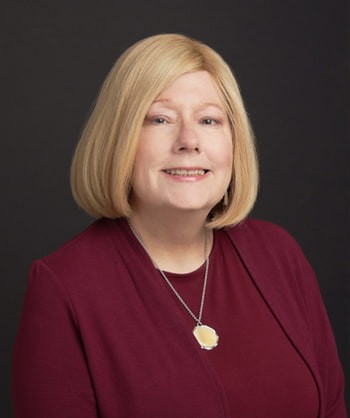
Jelena Kravarusic, MD, PhD serves as Assistant Professor in the Department of Medicine at Northwestern University's Feinberg School of Medicine, specializing within the Division of Endocrinology, Metabolism and Molecular Medicine. She maintains active clinical practice at Northwestern Memorial Hospital with board certification in Endocrinology, Diabetes & Metabolism. Her educational foundation includes: MD from University of Novi Sad (1997) PhD from University of Illinois, Chicago (2004) Internal Medicine Residency and Chief Medical Residency at Mercy Hospital, Chicago (2008) Endocrinology Fellowship at Northwestern University, McGaw Medical Center (2010) Dr. Kravarusic's research pioneers diabetes technology integration into clinical practice, with emphasis on automated insulin delivery systems and continuous glucose monitoring . Her work bridges engineering innovations with patient-centered care models, particularly investigating real-world implementation challenges for type 1 and type 2 diabetes management. Current projects focus on optimizing human-technology interaction through user-centered design principles. Publication analysis reveals a clear trajectory toward technology-driven diabetes therapeutics , with recent high-impact clinical trials (including NEJM 2025 publication) demonstrating significant contributions to evidence-based guidelines. Her collaborative approach spans multi-center studies addressing critical gaps in automated insulin delivery efficacy and discontinuation protocols. Teaching excellence defines her academic contributions: 2024 Teaching Pin from Augusta Webster Office of Medical Education 2021 Division Faculty Teaching Award from Department of Medicine 2021 Teaching Pin from Augusta Webster Office of Medical Education As clinician-educator, she actively mentors medical trainees while maintaining robust industry partnerships with AbbVie, Bayer, MannKind, and Tandem Technologies related to diabetes technology innovation. Her clinical practice at 645 N Michigan Avenue integrates research findings into patient care. Professional engagement includes active membership in the Endocrine Society (2023-present) and leadership within Northwestern's diabetes research consortium focused on next-generation therapeutic delivery systems.
Enrique Sanz Giménez-Rico, SJ is a Professor at the Faculty of Theology of Comillas Pontifical University , where he has taught for over two decades. His academic journey includes a Licentiate in Trilingual Biblical Philology (Pontifical University of Salamanca, 1990) Licentiate in Sacred Scripture (Pontifical Biblical Institute, 1997) Doctorate in Theology (Comillas Pontifical University, 2000) . Specializing in Old Testament theology and spirituality , his research focuses on the Theology of the Pentateuch , Theology of the Psalter , and Greek Philology . His recent publications explore themes like prophetic literature , divine mercy , and biblical foundations for environmental ethics , reflecting a synthesis of Hebrew Bible studies and contemporary theological challenges . Scientific contributions include Sexenio Campo 11 accreditation in Philosophy, Philology, and Linguistics (2011-2018) ACAP certification as Professor Doctor of Private University (2007) . Professional roles encompass Rector of Comillas Pontifical University (2021-2024) Dean of Theology and Canon Law Faculties (2015-2021) Director of the Department of Sacred Scripture and Church History (2011-2015) .
Anya Bernstein is a Professor of Anthropology at Harvard University, affiliated with the Committee on the Study of Religion and the Department of Anthropology. Her research focuses on speculative futures, science/technology interfaces, religion, and death/immortality studies. She holds a BS in Linguistics (Georgetown), MA in Visual Anthropology (University of Manchester), and PhD in Anthropology (NYU). Currently on leave during AY 2025-26, she leads the Human Futures project funded by the Research Council of Norway. Key research themes include transhumanist immortality movements in Russia, Buryat Buddhist revitalization, and Pleistocene Park's ecological engineering. Her books Religious Bodies Politic (2013) and The Future of Immortality (2019) received major academic awards. Notable projects include ethnographic films like In Pursuit of the Siberian Shaman and ongoing work on Arctic ecosystem restoration. Grants include National Science Foundation, Fulbright, and Mellon Fellowships. Her work bridges anthropology of religion, sci-tech studies, and environmental humanities, with 30+ peer-reviewed articles in top journals like American Ethnologist and Cultural Anthropology .
Victoria A. Beard is Professor of City and Regional Planning at Cornell University's College of Architecture, Art, and Planning, where she serves as Director of the Cornell Mui Ho Center for Cities. She is also a Core Faculty member of the Southeast Asia Program and was named a Global Public Voices Fellow (2021-22) for her work on urban poverty and water/sanitation inequality in developing countries. Education: Ph.D. in Community and Regional Planning, University of British Columbia (1999) M.A. in Urban Planning, University of California–Los Angeles (1995) B.A. in Urban Studies and Planning, University of California–San Diego (1992) Beard's research examines how communities in the Global South navigate formal planning systems to address urban poverty through collective action and transnational networks. Her work emphasizes water/sanitation infrastructure as critical sites of inequality, investigating how intermittency and affordability barriers perpetuate urban exclusion. She conducts comparative fieldwork in Southeast Asia (Indonesia, Thailand, Cambodia) and transnational contexts (Oaxaca/Southern California), analyzing how community-based planning can drive city-wide transformation despite institutional constraints. Her recent publications reveal a strategic shift toward infrastructure justice, with increasing focus on municipal service delivery systems and climate resilience. Beard consistently connects micro-level community practices to macro-level policy frameworks, highlighting pathways for inclusive urban development that center marginalized populations' lived experiences. Scientific Awards: Global Public Voices Fellow (2021-22) International Faculty Fellow, Global Cornell (2017) Fulbright Scholar to Indonesia (1993-94) Beard has secured major research funding including CORCL (University of California–Irvine) and Pacific Rim Research Program grants for transnational community planning projects. With 20+ years of practitioner experience, she has designed poverty-alleviation programs for the World Bank, Asian Development Bank, and RAND, specializing in community-based development, monitoring/evaluation systems, and national policy implementation. Her grant portfolio bridges academic research and on-the-ground impact through partnerships with NGOs like Mercy Corps. As Director of the Cornell Mui Ho Center for Cities, Beard leads initiatives focused on climate-resilient urban futures, including symposia on New York City resilience and Kenya's informal housing. She collaborates extensively with Cornell's Southeast Asia Program and Atkinson Center for Sustainable Future, building interdisciplinary teams that integrate planning, public health, and environmental science perspectives.
Claudia Romanelli serves as Associate Professor of Italian and Italian Program Director within the Department of Modern Languages & Classics at the University of Alabama, where she also functions as Italian Undergraduate Advisor. Her office resides in BB Comer Hall 217 with contact details cromanelli@ua.edu and (205) 348-5059. Dr. Romanelli holds a PhD from the University of Wisconsin-Madison. Her research centers on Italian cinema within global contexts , screenplay authorship , collaborative creative processes , postcolonial narratives , and intermedia experimentation . As a generalist in Italian literature specializing in modern and contemporary periods, she currently develops a book manuscript analyzing Pier Paolo Pasolini and Federico Fellini's cinematic relationship. Her work bridges film studies, literary criticism, and cultural theory with particular attention to marginalized perspectives. Analysis of her 2009-2024 publications reveals sustained engagement with Pasolini's screenwriting contributions to Fellini's films, adaptations of literary works to cinema, and examinations of otherness in Italian cultural production. Key thematic threads include authorship models in collaborative filmmaking, postcolonial representations, and transnational co-production dynamics within European cinema. No scientific awards were documented in the source material. As Italian Undergraduate Advisor, Dr. Romanelli guides student academic trajectories. While departmental highlights mention French PhD students Olabayo Awodirepo, Mablka Lambon, and Diweng Mercy Dafong, her specific graduate advisees remain unspecified. No research grants or funded projects were referenced. No dedicated research laboratories or collaborative teams were identified in the provided information.
Frank Thielman is Professor of Divinity and holds the Presbyterian Chair of Divinity at Beeson Divinity School, Samford University, where he has taught New Testament and Greek since 1989. He specializes in New Testament studies with a particular focus on Pauline theology and the cultural context of early Christianity. Dr. Thielman's educational background includes a PhD from Duke University, BA and MA degrees from the University of Cambridge, and a BA from Wheaton College. He also completed additional studies at Gordon-Conwell Theological Seminary. His research interests center on Paul and his letters, biblical theology, and the material and cultural setting of first century Christianity. Thielman's scholarly work provides deep insights into New Testament theology, particularly the Pauline corpus, with emphasis on how early Christian thought developed within its historical and cultural context. His approach combines careful exegesis with theological synthesis, examining how the New Testament writings form a coherent theological whole while addressing specific historical situations. Thielman's recent publications demonstrate consistent expertise in Pauline studies, with particular attention to Romans and the theology of grace. His scholarship bridges historical-critical analysis with constructive theological reflection, making significant contributions to understanding Paul's relationship with the Jewish law and the broader theological implications of New Testament writings. Dr. Thielman is an active member of several scholarly organizations including the Studiorum Novi Testamenti Societas (Society for New Testament Studies), Society of Biblical Literature, Institute for Biblical Research, Evangelical Theological Society, and Catholic Biblical Association. As an ordained Presbyterian (PCA) minister, Dr. Thielman brings practical ministry experience to his academic work. His teaching and writing reflect a commitment to connecting rigorous scholarship with pastoral application. He has authored numerous books and articles that serve both academic and church communities, including his well-received commentaries and his recent 2025 publication Paul, Apostle of Grace , which has been praised as a definitive biography of Paul for a new generation.
Brandon Peterson is an Assistant Professor at the University of Utah in the Department of World Languages & Cultures, with an adjunct appointment in Philosophy. He earned his Ph.D. in Systematic Theology from the University of Notre Dame in 2015. Education: BA in Theology and Mathematics (2007), MTS in Systematic Theology (2009), PhD in Systematic Theology (2015) from Notre Dame His research focuses on Christian doctrinal traditions, particularly Christology and soteriology in dialogue with philosophy. He explores the works of Karl Rahner, Thomas Aquinas, and the Second Vatican Council's impact on Jewish-Christian relations. Notable research themes include: Historical and systematic theology Patristic influences on modern theology Ecclesiology and Church reform Atonement theories across Christian thinkers Teaching areas include World Religions, Christology, Catholicism, and Jewish-Christian relations.
J. Ross Wagner is an Associate Professor of New Testament at Duke University's Divinity School since 2013. He holds a Ph.D. from Duke University (1999) and previously taught at Princeton Theological Seminary for 15 years. His research focuses on Pauline epistles, Septuagint studies, and theological exegesis, emphasizing how scriptural interpretation shaped early Jewish-Christian communities. Key works include Reading the Sealed Book (2013) and Heralds of the Good News (2002). Professor Wagner's teaching spans courses like New Testament Interpretation , Old Testament in the New , and Philippians/Philemon . He has co-investigated the Wabash Center grant Fostering a Culture of Teaching (2017–2022). His work bridges biblical scholarship with missional and contextual interpretation, as seen in studies applying Romans to post-hurricane Honduras. His scholarship intersects with Karl Barth Center collaborations and includes engagements with religious education initiatives. Current research continues exploring Paul's use of scripture, intertextuality, and the theological implications of Septuagint translation practices.
M. Cathleen Kaveny is the Darald and Juliet Libby Professor of Theology at Boston College, specializing in the intersection of law, ethics, and religious morality. She holds a J.D. and Ph.D. from Yale University, alongside multiple degrees from Princeton and Yale. Her research focuses on law’s role in pluralistic societies, health care ethics, rhetoric’s ethical implications, and the balance between mercy and justice. Education: A.B., Princeton University M.A., Yale University M.Phil., Yale University J.D., Yale University Ph.D., Yale University Research Interests: Professor Kaveny explores how law interacts with religious and moral frameworks, particularly in bioethics, medical ethics, and complicity with wrongdoing. She emphasizes the ethical dimensions of legal rhetoric and the societal implications of mercy in judicial systems. Publications: Her work includes award-winning books like *Law’s Virtues* (2012) and *Prophecy without Contempt* (2016), alongside articles addressing topics from Vatican II to family law cases like *Watts v. Watts*. Her scholarship bridges theological, legal, and ethical perspectives. Awards: First Place Award in “Faithful Citizenship” from the Catholic Press Association (2012) Teaching and Engagement: She teaches contract law and interdisciplinary seminars on topics like “Law and Religion” and “Complicity.” Her columns in *Commonweal* further highlight her public engagement with ethical and legal issues.
Dr. Mathew A. Kuttolamadom is a Professor and Associate Department Head for Research & Graduate Studies in the Department of Engineering Technology and Industrial Distribution (ETID) at Texas A&M University. His academic roles also include affiliations with Materials Science & Engineering and Multidisciplinary Engineering. He holds a Ph.D. in Materials Science & Engineering from Clemson University (2012), M.S. in Mechanical Engineering from the University of Detroit Mercy (2005), and B.Tech. in Mechanical Engineering from the University of Kerala (2002). Research Focus: Bioinspired functionally-graded materials, additive/subtractive manufacturing, tribology, pharmaceutical manufacturing, and engineering education. Grants & Awards: Over $14M as PI/Co-PI in grants, including a $480K NSF-ATE grant for smart manufacturing workforce education. Teaching: Taught courses like MMET-463 (Mechanical Design), MMET-275 (Mechanics for Technologists), and advised over 3500 students across levels. His lab (MGBTL) develops bioinspired solutions for wear-resistant surfaces and advanced manufacturing processes. Notable collaborations include work with industry partners like NSL Aerospace and ORNL-MDF. Dr. Kuttolamadom has mentored numerous graduate and undergraduate students in interdisciplinary research, with alumni in leading roles at Tesla, Intel, and academia.
Dr. Clara Cheng serves as the Interim Associate Dean of Faculty Professional Development, Director of the Undergraduate Psychology Program, and Professor of Psychology at Carlow University. Her roles include overseeing faculty development, directing the Psychology program, and teaching statistics and social psychology in flipped and online formats. She advises the Carlow chapter of Psi Chi, which she co-founded in 2013, and is a certified therapy team member with her mini labradoodle, Mochi. Dr. Cheng holds an Hon BSc in Psychology (2000) from the University of Toronto and MA (2002) and PhD (2006) in Social Psychology from The Ohio State University. She also earned certificates in American Sign Language and Online Teaching with a focus on accessibility. Her research focuses on social cognition, stereotyping, implicit bias, and culturally informed teaching methods. She contributed to the APA’s college teaching guide and frequently addresses racism and implicit bias in campus workshops. Her awards include the Sisters of Mercy Award for Advising (2020), Center for Digital Learning Fellowship (2017), and multiple teaching honors from Ohio State. Dr. Cheng’s scholarship spans over two decades, with notable contributions to implicit bias measurement, Buddhist coping mechanisms, and cross-cultural identity formation. She actively serves as Vice President for Resources for the Society for the Teaching of Psychology, promoting pedagogical innovation and inclusivity. Her advising and grants include fostering student honor societies and accessibility initiatives. Her 'therapy team' with Mochi underscores her commitment to mental health. Collaborative work with international researchers highlights her global impact in social and cultural psychology.
David B. Lourie is an Assistant Professor of Law at the University of Detroit Mercy School of Law and previously served as a Visiting Professor at Southern Illinois University School of Law. His expertise spans Securities Regulation, Corporate Compliance, Private Equity, ESG, Contracts, and Commercial Law. He holds a J.D. from the University of Southern California Gould School of Law and a B.A. in History (cum laude, Departmental Honors) from Northwestern University. His research and teaching focus on critical intersections of law and financial regulation, particularly the role of Chief Compliance Officers (CCOs) and SEC rulemaking. He has contributed to scholarly discussions on global regulatory approaches to organizational culture and compliance policy design. His recent work critiques the SEC’s liability frameworks for CCOs, emphasizing systemic failures and potential reforms. He also explores transactional drafting skills and pedagogical strategies in legal education. Professor Lourie has presented widely on compliance and regulatory topics, including panels at Fordham University School of Law, the Law & Society Conference, and the Securities Industry and Financial Markets Association (SIFMA). His professional experience includes serving as a federal judicial law clerk, a Chief Compliance Officer for a private equity firm, and advising investment advisers on SEC examinations and risk assessments.