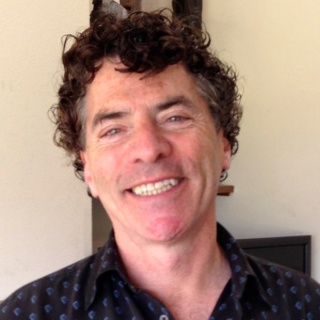
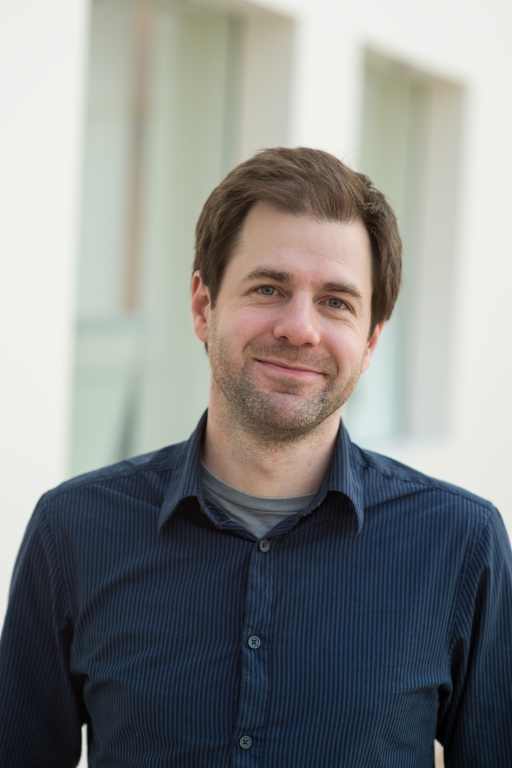
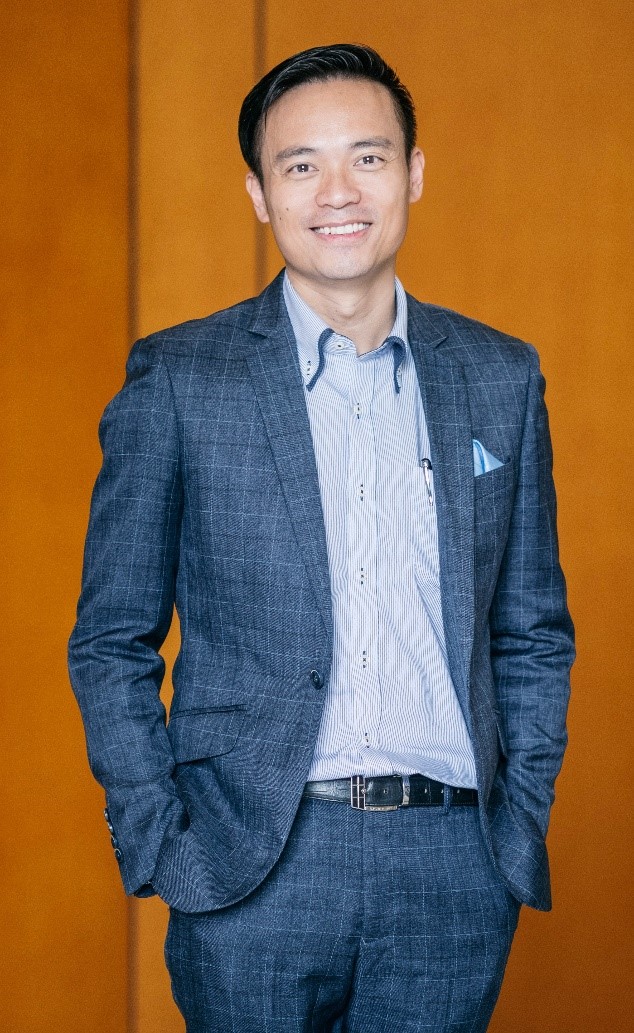
Lu Yin is an Assistant Professor in the School of Computer Science and Electronic Engineering at the University of Surrey. He holds affiliations as a long-term visiting researcher at Eindhoven University of Technology (TU/e) and collaborator with the Visual Informatics Group (VITA) at the University of Texas at Austin. Previously, he served as a Postdoctoral Fellow at TU/e and worked as a research scientist intern at Google's New York City office. His work bridges academic and industrial research, focusing on AI Efficiency, AI for Science, and Large Language Models. His research emphasizes optimizing neural networks through sparsity techniques, including pruning strategies for LLMs and vision models. Notable contributions include the OWL method for LLM pruning and Lottery Pools for improving sparse network performance. Yin actively collaborates with institutions like TU/e, Google Research, and Intel Research, and has organized conferences such as CAPBS 2025 and CAI 2025 Workshops. Yin has secured significant grants, including a 10,000,000 NWO-funded grant for NVIDIA A100 GPU resources. He has delivered invited talks at prestigious institutions like Carnegie Mellon University and City University of Hong Kong. His work has been recognized with the Best Paper Award from LoG 2022.
Vaughn W. M. Watson is an Associate Professor of Secondary English Education at Michigan State University’s College of Education, Department of Teacher Education. His research focuses on Black African immigrant youth’s literacy practices, civic engagement, and transnational identities. He holds an Ed.D. from Teachers College, Columbia University. Education: Ed.D., Curriculum & Teaching, Teachers College, Columbia University Former Roles: NYC public high school English teacher (12 years), pop music writer for The Providence Journal, NPR jazz reviewer Watson’s work emphasizes creative literacies and participatory methodologies, particularly in urban and diasporic contexts. His 2024 book Educating African Immigrant Youth co-edited with Michelle Knight-Manuel and Patriann Smith explores K-12 schooling and civic participation. His research appears in top-tier journals such as American Educational Research Journal and Teachers College Record . His articles analyze youth agency through digital media, embodied literacies, and anti-racist pedagogies. Recent work includes studies on Nigerian girls’ visual arts navigation of linguistic marginalization and Congolese immigrant parents’ perspectives on education. Awards: AERA Narrative Research Award, NAE/Spencer Postdoc Fellowship, STAR Mentorship Service: Co-editor of English Teaching: Practice & Critique , member of NCTE Research Foundation Watson’s advising and grants focus on amplifying marginalized voices in education. He runs a research team examining African immigrant youth’s digital storytelling and civic activism.
Jonathan Schooler is Distinguished Professor in the Department of Psychological and Brain Sciences at UC Santa Barbara, where he directs the META Lab and Center for Mindfulness and Human Potential. His research integrates empirical psychology with philosophical inquiry, examining: Meta-awareness and its role in regulating thought Creative benefits of mind-wandering Belief in free will and its behavioral consequences Anomalous cognition phenomena Meditation-induced cognitive changes Schooler leads multiple large-scale projects including research on digital attention training for adolescents and the neuroscience of creativity. His work has been supported by Templeton Foundation, National Institute of Mental Health, and Bower Foundation.
Jeff Huang is an Associate Professor in the Department of Computer Science & Engineering at Texas A&M University, affiliated with the College of Engineering. His research focuses on software engineering, programming languages, concurrency, and runtime verification, with notable contributions to static analysis, race detection, and vulnerability mitigation in concurrent systems. Education: Postdoc, Computer Science, University of Illinois at Urbana-Champaign (2013-2014) Ph.D., Computer Science, Hong Kong University of Science and Technology (2012) B.E., Electrical Engineering, National University of Defense Technology, China (2008) Research Interests: Huang's work bridges theoretical foundations and practical applications in concurrency debugging, static analysis tools, and cybersecurity for smart contracts. He emphasizes scalable solutions for pointer analysis, race detection, and vulnerability detection in distributed systems and blockchain technologies. Recent Trends in Publications: His recent work explores AI-driven program execution (e.g., SGLang), blockchain security (e.g., Smart Contract analysis), and dynamic/static analysis techniques for memory safety. These studies underscore advancements in automated tools for securing concurrent and distributed systems. Awards: 2023 ACM SIGSOFT Distinguished Paper Award 2019 DARPA Young Faculty Award 2016 NSF CAREER Award 2013 ACM SIGSOFT Outstanding Doctoral Dissertation Award Advising & Grants: Huang has advised PhD students including Bozhen Liu and Peiming Liu, who have contributed to OpenMP race detection and pointer analysis tools. His grants include NSF awards for pointer analysis as a service and DARPA funding for young faculty research. Labs & Teams: He leads the O2 Lab, focused on concurrency verification and cybersecurity, collaborating with industry partners like Coderrect Inc. and DOE on scalable static analysis frameworks.
Dan S. Wallach is a Professor of Computer Science and Electrical and Computer Engineering at Rice University, and a Program Manager at DARPA's Information Innovation Office since June 2023. He holds a PhD (1999) and MA (1995) from Princeton University, and a BS (1993) from UC Berkeley. His research focuses on cybersecurity, electronic voting systems, and mobile security. He directed the NSF-funded ACCURATE Center (2005-2011), led the STAR-Vote project, and advised U.S. election security policies including testifying before state and federal committees. He also served on the Air Force Science Advisory Board (2011-2015), USENIX Board (2011-2013), and IEEE Technical Guidelines Committee (2019-2023). Recent work includes developing ElectionGuard cryptographic tools for verifiable elections and analyzing cyber warfare in Ukraine. His 15+ years of teaching include courses like Introduction to Program Design and Election Systems Technologies. Publications span secure voting protocols, smartphone security, and election auditing. Collaborations include Microsoft and VotingWorks on cryptographic voting systems like ElectionGuard and Arlo-CVR-Encryption.
Kyle S. Smith is an Associate Professor at Dartmouth College specializing in neural mechanisms of reward, motivation, and habit formation. His research examines how brain circuits generate goal-directed actions and how these processes malfunction in addiction, Parkinson's disease, and OCD. Education includes a BA from Indiana University, MS/PhD from University of Michigan, and postdoctoral training at MIT. Research employs electrophysiology, optogenetics, and chemogenetics to map neural dynamics during behavior. Current investigations focus on: 1) Neural representations of pleasure/motivation, 2) Motivation-action interactions, 3) Compulsive behavior origins, and 4) Interventions for reward-seeking disorders. Recent publications investigate sex differences in motivational learning, acetylcholine modulation in nucleus accumbens, and striatal control of exploratory behavior.
Prof. Kelvin Kam-fai TSOI is an Associate Professor at the JC School of Public Health and Primary Care, Faculty of Medicine, The Chinese University of Hong Kong (CUHK). He holds courtesy appointments at the Stanley Ho Big Data Decision Analytics Research Centre and The Jockey Club Institute of Ageing. A Visiting Associate Professor at Nanyang Technological University’s Lee Kong Chian School of Medicine and Visiting Professor at Shenzhen Institutes of Advanced Technology, he specializes in Digital Health and Epidemiology. Education: BSc in Statistics and PhD in Public Health from CUHK. Postdoctoral training in Gastroenterology and Hepatology at CUHK’s Department of Medicine and Therapeutics. Served as Director of the CUHK JC Bowel Cancer Education Centre and worked in the Hospital Authority on chronic disease management projects. Research interests focus on digital innovations for chronic disease management, including AI in hypertension, cognitive screening technologies, and wearable health devices. His work combines traditional epidemiology with big data analytics, emphasizing interdisciplinary collaboration between medicine and engineering. Key projects include developing a mobile blood pressure management platform via DeepHealth Limited, a social enterprise he founded in 2019. Current research explores seasonal effects on blood pressure variability and AI applications in healthcare. He co-founded the International Society for Digital Health and organizes global symposiums on digital health innovation. Grants & Awards: Supported by CUHK’s Sustainable Knowledge Transfer Fund (SKPF). Awards include IBM Honorarium Award (2020) and President’s Prize for Best Paper Presentation (2017).
Simon McCallum is an Associate Professor at NTNU’s Faculty of Information Technology and Electrical Engineering. Born in New Zealand, he transitioned from commercial game development in Norway to academia in 2009. His research focuses on Serious Games, particularly in healthcare contexts, gamification, and virtual reality applications. He holds a PhD from the University of Otago (2007), where he studied Computer Science, Mathematics, Psychology, and Philosophy. McCallum has contributed to over 30 publications, including works on cognitive health gaming, software engineering education, and AR applications. He teaches courses such as IMT4307 (Serious Games Research) and IMT3603 (Game Programming). His key projects include the Smartkuber AR game for cognitive screening and the Traction Trebuchet historical engineering study. McCallum has collaborated with institutions like the University of Otago and has engaged in outreach through conferences and media appearances, promoting game technology in healthcare and education.
Eve M. Troutt Powell is the Christopher H. Browne Distinguished Professor of History at the University of Pennsylvania, with a dual appointment in the Department of Africana Studies. She specializes in modern Middle Eastern history, focusing on slavery in the Nile Valley, Ottoman Empire, and African diasporic communities. Her research integrates literature, film, and visual culture to explore historical narratives. Trained at Harvard University (B.A., M.A., Ph.D.), she previously taught at the University of Georgia for ten years. She has held prestigious fellowships, including a MacArthur Foundation Fellowship (2003), and is affiliated with institutions like the Institute for Advanced Study and the Radcliffe Institute. Her major publications include A Different Shade of Colonialism (2003), The African Diaspora in the Mediterranean Lands of Islam (2002), and Tell This in My Memory (2012). Current research examines the visual culture of slavery through paintings and photography in the late 19th/early 20th centuries. Troutt Powell teaches courses on Middle Eastern history, Egyptian nationalism, and the intersection of film and politics. Her work bridges transregional approaches to slavery and colonialism, with an emphasis on underrepresented voices in historical documentation.
Henning Bang is a Professor (50% part-time) at the Department of Psychology, University of Oslo , specializing in work, cultural, and social psychology. He concurrently serves as Managing Director of Henning Bang AS (50%) and has held leadership roles in consulting firms since 1989. His academic career includes teaching at UiO, NHH, and BI in areas like group psychology, organizational culture, and leadership. Education: PhD in Psychology (2010, University of Oslo) Master's in Psychology (1986, University of Oslo) Master of Science in Economics (1982, Norwegian School of Economics) Research Interests: Focuses on group processes, team effectiveness, leadership dynamics, organizational culture development, and conflict resolution. His work emphasizes practical applications in military, police, and corporate settings, often leveraging character strengths and psychological safety frameworks. Recent projects include predicting cadet performance, leadership team development, and organizational flexibility. Publications: Over 30 peer-reviewed articles and book chapters since 2008, with a focus on character strengths measurement, leadership effectiveness, and organizational behavior. Recent themes include psychological safety in teams and cultural flexibility in workplaces. Awards: 2010: Bjørn Christiansen Memorial Prize (Norwegian Psychological Association) 2004: Teaching Excellence Award (UiO Department of Psychology) Consulting & Teams: Leads Henning Bang AS, advising organizations on leadership development and culture change. Collaborates with military and police institutions on character strengths-based training programs.
Dr. Dipanwita Thakur serves as Assistant Professor at the Department of Computer Engineering, Modeling, Electronics and Systems (DIMES) at the University of Calabria, Italy since July 2023. She is an active member of the European Cooperation in Science & Technology (COST Action CA22104) focusing on cybersecurity and serves in the IEEE Future Networks Working Group for Artificial Intelligence/Machine Learning. Previously, she held a 15-year Assistant Professor position at Banasthali University, Rajasthan, and has industry experience at TechMahindra and C-DAC. Education: Ph.D. in Smart Healthcare from West Bengal University of Technology, Kolkata M.Tech. in Software Engineering from Banasthali Vidyapith MCA from NIELIT, Government of India B.Sc. from University of Calcutta Her research pioneers Green Artificial Intelligence with emphasis on energy-efficient federated learning and smart healthcare applications. She develops privacy-preserving human activity recognition systems using multimodal data fusion, focusing on performance evaluation and environmental sustainability. Her work bridges theoretical machine learning with practical healthcare solutions, optimizing AI systems for reduced carbon footprint while maintaining clinical efficacy through hardware-algorithm co-design and quantization techniques. Recent publications reveal a strong trajectory toward sustainable AI, with increasing focus on energy-aware federated learning frameworks, multimodal medical segmentation, and non-IID data handling. Her work consistently addresses the critical balance between model accuracy, convergence speed, and energy consumption across edge devices, with growing emphasis on quantization techniques and hardware-algorithm co-design for real-world deployment. Scientific Awards: Elevated to IEEE Senior Member (2024) Dr. B.C. Roy Memorial Scholarship for outstanding 10th Board results (1992) Student Science Seminar Award by West Bengal Government (1990) Dr. Thakur actively mentors students as evidenced by her congratulations to advisee Farwa for paper acceptances. She serves as Associate Editor for Information Fusion (Elsevier) and IEEE Sensors Journal, and holds editorial roles at Scientific Reports. Her research is advanced through COST Action CA22104 and IEEE working groups, though specific grant details aren't listed in the source material. She has organized key workshops including Green-Aware AI 2024 and Green Federated Learning at IJCNN 2025. She leads research within the MONAI community on data quality and federated learning, and contributes to IEEE IoT and Future Networks initiatives. Her work with the COST Action CA22104 Behavioral Next Generation in Wireless Networks connects cybersecurity with sustainable AI development, while her Missouri S&T visiting scholar position focuses on energy optimization for federated learning systems.
Christopher Witulski is an Associate Teaching Professor of Ethnomusicology at Bowling Green State University's College of Musical Arts, where he has served since 2016. He holds a PhD in Ethnomusicology from the University of Florida (2014). His research focuses on Moroccan ritual music, North African musical practices, and the intersection of music with religion, globalization, and cultural identity. Witulski is the author of two major works: The Gnawa Lions: Opportunity and Authenticity in Moroccan Ritual Music (2018) and Focus: Music and Religion of Morocco (2019). His articles explore how musicians navigate listener expectations, global markets, and ritual aesthetics in contemporary North Africa. Witulski is an active performer on violin, 'ud, and banjo, with professional experience in orchestras and festivals across Morocco, Florida, Georgia, and Michigan. His performance interests include Arabic music, American old-time music, and building banjos. Additional research interests incorporate computational music analysis, ethical dimensions of religious music, and interdisciplinary music studies. His scholarly articles (2014–2023) consistently analyze Moroccan musical scenes, Sufi rituals, and global music dynamics. No scientific awards are explicitly listed, though his publications indicate prestigious contributions to ethnomusicology. He previously taught at Florida State University before joining BGSU. No lab affiliations or grant details are provided in the text.
Kevin T Beier is an Associate Professor in the Department of Physiology & Biophysics at the School of Medicine, University of California, Irvine. He holds a joint appointment in Biomedical Engineering within the Henry Samueli School of Engineering and serves as Associate Director of the Interdepartmental Neuroscience Program, reflecting his interdisciplinary contributions to neuroscience and biomedical research. His research focuses on understanding the neural substrates of drug addiction, identifying sources of individual variability in addiction, and investigating molecular and circuit-level mechanisms underlying mood disorders such as anxiety and anhedonia. He also maps circuit pathology in neurodegenerative conditions including Parkinson’s and Alzheimer’s diseases, while simultaneously developing innovative technologies to advance the study of complex biological systems. The Beier Lab has been recognized with significant funding, including the prestigious NIH Director’s New Innovator Award (DP2), highlighting the innovative nature of his scientific inquiry. His trainees have consistently earned top honors, including the Chancellor’s Award for Excellence in Undergraduate Research, the Howard Schneiderman Prize, and fellowships from NSF and NIDA, demonstrating his excellence in mentorship and research training. NIH Director's New Innovator Award (DP2) Chancellor’s Award for Excellence in Undergraduate Research (mentored) Howard Schneiderman Prize (mentored) Best Poster Presentation at UROP Symposium (mentored) Top Abstract Award at Conte Center Symposium (mentored) Best Graduate Student Award at UCI School of Medicine (mentored) NIDA ICAN T32 Training Program (mentored) Pharmaceutical Sciences Excellence in Research Award (mentored) CNLM Jared M. Roberts Memorial Graduate Student Award (mentored) DTEI Fellowship (mentored) NSF GRFP (mentored) Dr. Beier actively mentors a large group of undergraduate and graduate students, fostering a dynamic research environment. His lab has received competitive federal and institutional grants, supporting a robust training program in neuroscience and translational research. The lab emphasizes both fundamental discovery and technological innovation to address critical challenges in brain health. The Beier Laboratory at UCI is a thriving interdisciplinary research team focused on cutting-edge neuroscience, combining molecular, circuit, and behavioral approaches to understand brain function in health and disease. The lab actively participates in institutional research symposia and collaborates across departments, particularly between the School of Medicine and the School of Engineering.
Andrés S Martin is the Riva Ariella Ritvo Professor at the Child Study Center and Professor of Psychiatry at Yale School of Medicine. He serves as Medical Director of the Children's Psychiatric Inpatient Service at Yale-New Haven Children's Hospital, Director of the Standardized Patient Program at the Teaching and Learning Center, and Director of Medical Studies at the Child Study Center. He is also a faculty affiliate at the Center for Medical Education. Education: PhD in Medical Education, University of Groningen (2022) MPH in Chronic Disease Epidemiology, Yale School of Public Health (2002) Fellowship in Child and Adolescent Psychiatry, Harvard Medical School / Massachusetts General & McLean Hospitals (1995) Residency in Psychiatry, Harvard Medical School / Massachusetts Mental Health Center (1993) Residency in Internal Medicine, University of Miami / Jackson Memorial Hospital (1991) MD, Anahuac University (1990) Dr. Martin’s research centers on child and adolescent mental health, with a strong emphasis on reducing stigma—particularly surrounding transgender youth and survivors of childhood maltreatment—through innovative digital interventions such as animated videos and social media campaigns. He explores climate change anxiety in adolescents and the reintegration of youth into school after psychiatric hospitalization. His work integrates clinical practice with educational innovation, especially in standardized patient training and medical education curriculum development. His recent publications span themes of stigma reduction, digital mental health, and psychosocial interventions, appearing in journals such as JAACAP , SSM - Mental Health , and Child and Adolescent Psychiatry and Mental Health . These works reflect a consistent focus on accessible, scalable, and evidence-based mental health promotion strategies. Professional Roles and Leadership: Editor-in-Chief, Journal of the American Academy of Child and Adolescent Psychiatry (2008–2017) Co-Editor, IACAPAP e-Textbook of Child and Adolescent Mental Health Director, Standardized Patient Program, Teaching and Learning Center Director of Medical Studies, Child Study Center Dr. Martin is actively engaged in mentorship and medical education, contributing to national and global child mental health resources. He has no listed scientific awards in the provided text, but his leadership in editorial and training roles underscores his academic influence. He collaborates extensively with colleagues such as Laelia Benoit, Dorothy Stubbe, and James Leckman, reflecting a strong interdisciplinary research network.
Simone Sibilio is an Associate Professor in the Department of Asian and North African Studies at Ca' Foscari University of Venice, where he teaches Arabic Language and Literature. He also holds teaching responsibilities at IULM University in Milan-Rome, delivering courses in Arabic language and translation. His academic engagement spans editorial leadership, research coordination, and international collaboration, particularly in the fields of modern and contemporary Arabic literature, Palestinian poetry, and translation studies. Education: PhD in Comparative Literature, University of Naples "L'Orientale", 2011 Advanced Training Course in Literary Translation from Arabic, SETL, 2005–2006 Advanced Training Course in History and Civilization of Islam, Istituto Italiano per gli Studi Filosofici, 2005–2006 Research Interests: Simone Sibilio's scholarship centers on contemporary Arabic literature, with a strong emphasis on Palestinian poetry, geopoetics, and the literary representation of memory and trauma. He explores themes such as exile, identity, resistance, and intercultural dialogue, particularly through the lens of postcolonial and translation studies. His work often bridges literary analysis with political and historical contexts, especially concerning the Nakba, the Arab Spring, and refugee narratives. He also investigates the role of media and digital platforms in shaping Arab cultural discourse. Publication Trends: His recent publications reveal a deepening engagement with Palestinian poetic voices, especially in times of crisis. He frequently publishes critical introductions, translations, and essays on poets like Mahmoud Darwish, Ghassan Zaqtan, and Najwan Darwish. His scholarly output combines monographic work, editorial projects, and interdisciplinary conference contributions, often focusing on memory, landscape, and poetic resistance in the Arab world. Scientific Engagement: Member of the Editorial Board, Quaderni di Studi Arabi Member of the Editorial Board, series The Great Books of Arabic Literature , Ca' Foscari Editions Member of the Editorial Board, series Translating Wor(l)ds , Ca' Foscari Editions Member of the Scientific Committee, Maydan journal Member of the Scientific Board, EURAMAL (European Association for Modern Arabic Literature) Peer reviewer for journals including Middle Eastern Literature Reviews , Oriente Moderno , and Neohelicon Advising and Grants: While no formal PhD or Master’s students are listed, Sibilio has supervised research projects and participated in evaluation committees for academic positions and research grants. He has been awarded Erasmus ICM grants for academic collaboration in Palestine, reflecting his international engagement and commitment to scholarly exchange in the region. Labs and Research Groups: He is an active member of the Centro Studi sul Medio Oriente Contemporaneo (CEM) at Ca' Foscari and part of the Laboratorio Didattica dell'Arabo in Ricerca (DAR), contributing to national and international research networks focused on Arabic studies and pedagogy.