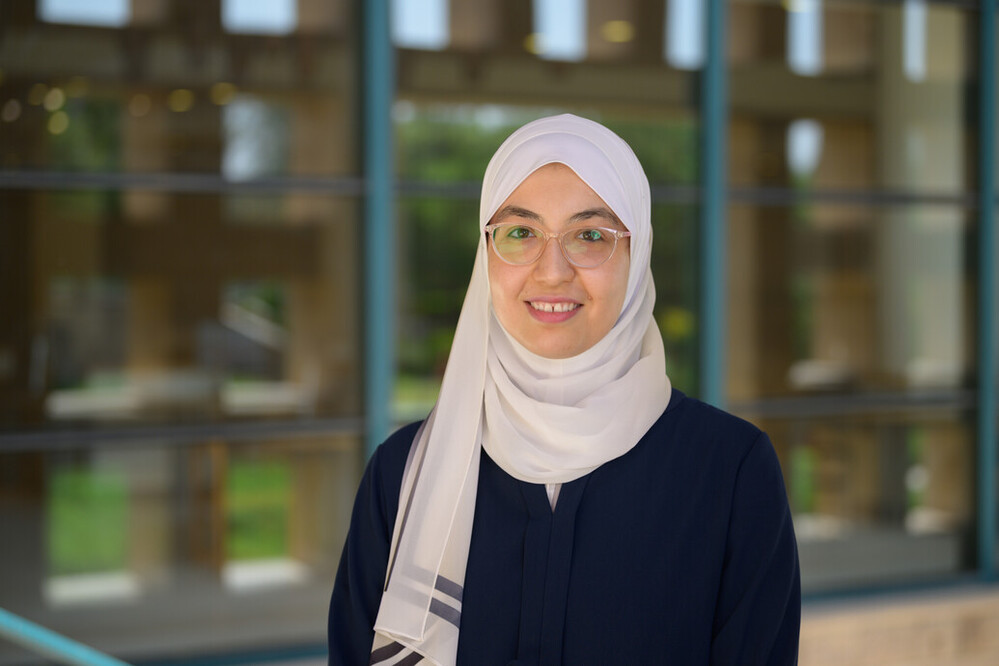
Norman Mooradianمشاهده پروفایل
استادیار
Norman Mooradian is an Assistant Professor at the School of Information, San José State University, where he teaches courses in information retrieval, digital ethics, and records management. His academic and professional background bridges philosophy and information science, with a focus on ethical dimensions of information systems. Ph.D. and M.A. in Philosophy, The Ohio State University B.A. in Philosophy, Pitzer College His research interests are centered on information ethics, digital privacy, knowledge management, and the philosophical foundations of information science . He integrates concepts from applied ethics, epistemology, and ontology into the design and governance of information systems, particularly in enterprise content management (ECM) and records management. The most recent publications reflect a strong trend in AI ethics, accountability in digital records, and privacy-by-design frameworks . His work appears in handbooks and journals such as The Handbook of Archival Practice , Information Management Magazine , and Ethics and Information Technology , demonstrating sustained scholarly engagement with the ethical challenges of modern information systems. Norman Mooradian has been active in professional communities including ARMA and AIIM, contributing to standards development and presenting on trusted systems. He has also served in industry roles, notably as ECM Education Manager at Konica Minolta, blending academic insight with practical implementation. He advises on curriculum development and professional practice in information ethics and has led seminars on ethics in AI, records management, and archival practice. Though no formal grants are mentioned, his work bridges academic research and corporate information governance, suggesting applied research impact. Norman Mooradian is involved in shaping professional discourse through publications, standards committees, and teaching. His lab or team affiliations are not explicitly stated, but his collaborative publications and professional service indicate active participation in interdisciplinary and professional networks.