Engin Kirda is a Professor at Northeastern University, holding appointments in both the Khoury College of Computer Sciences and the Department of Electrical and Computer Engineering within the College of Engineering. He directs the Information Assurance Program and was awarded the inaugural Sy and Laurie Sternberg Interdisciplinary Chaired Professorship. His research focuses on malware analysis, web security, reverse engineering, and intrusion detection, with notable contributions to tools like Anubis, FIRE, and Pixy. Education: PhD in Computer Science from the Technical University of Vienna (2002). Prior to Northeastern, he held positions at Eurecom and the Technical University of Vienna. Research Interests: Malware Analysis & Detection Web Application Security Embedded Systems Security Privacy-Preserving Technologies Automated Vulnerability Discovery (e.g., fuzzing, differential testing) Recent Work Trends: Recent articles (2023–2025) emphasize web application firewall bypasses, embedded system hardening, and privacy-enhancing technologies. Collaborative projects like FLANKER (NSF-funded) address lateral movement detection in enterprise networks. Awards: Consistently ranked in Stanford's Top 2% Cited Scientists since 2021, reflecting impactful contributions to cybersecurity research. Grants & Labs: Principal Investigator on NSF/DARPA grants totaling $2.5M+, including projects on firmware analysis (FIRMALICE), Android marketplace security (DARKDROID), and graph-based lateral movement detection. Leads the International Secure Systems Lab (ISS Lab).
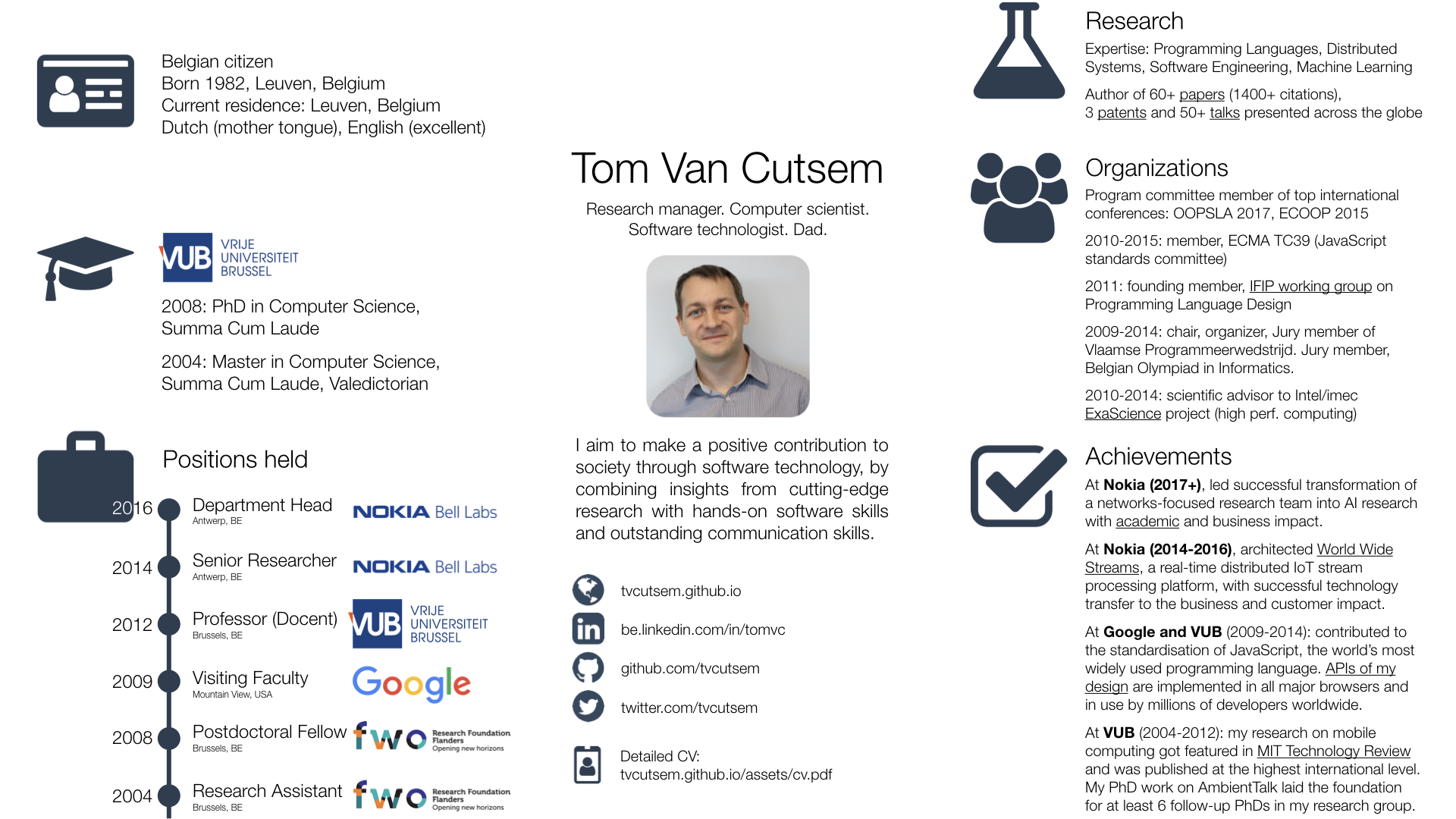
Tom Van Cutsem is an Associate Professor of computer science at KU Leuven in Belgium, where he is affiliated with the Distributed and Secure Software (DistriNet) research group within the Faculty of Engineering Science and Department of Computer Science. He also maintains an affiliation with Nokia Bell Labs, where he previously served as a Research Department Head with research interests in decentralized systems, IoT, stream processing and machine learning for software engineering. His academic career includes a previous position as Assistant Professor at Vrije Universiteit Brussel from 2010 to 2014. Dr. Van Cutsem holds a PhD in Computer Science from Vrije Universiteit Brussel. His educational background has provided the foundation for his expertise in distributed systems, programming languages, and software security. His primary research interests span Distributed Systems , Software Security , Blockchain , and Programming Language Design . With the DistriNet research group, he pursues work on decentralized systems, IoT, stream processing, and machine learning for software engineering. His research focuses on making distributed systems more secure, reliable, and accessible, with particular attention to blockchain technology and Web3 infrastructure. He is a founding member of IFIP WG 2.16 on Programming Language Design. His recent publications demonstrate a strong focus on blockchain security and infrastructure, with numerous papers on Web3, smart contracts, and decentralized systems from 2023-2025. His work addresses critical challenges in blockchain validation, smart contract security, and Web3 infrastructure, reflecting his commitment to making decentralized systems more secure and accessible to low-resource participants. Several of his current projects focus on secure middleware for smart contracts and scalable infrastructure for self-sovereign applications. Dr. Van Cutsem supervises PhD students including Weihong Wang, with whom he has co-authored multiple recent publications. He is currently leading several research projects including SODISA (Scalable Software Development and Infrastructure for Self-sovereign Applications), Secure Sandboxing for WebAssembly-based Smart Contracts, and Programming languages for privacy-preserving and verifiable computing, with funding extending through 2028-2029. He leads research within the Distributed and Secure Software (DistriNet) group at KU Leuven, which focuses on creating secure and dependable distributed systems. His team works on cutting-edge challenges in blockchain infrastructure, smart contract security, and decentralized application development, with connections to both academic and industrial partners including Nokia Bell Labs.
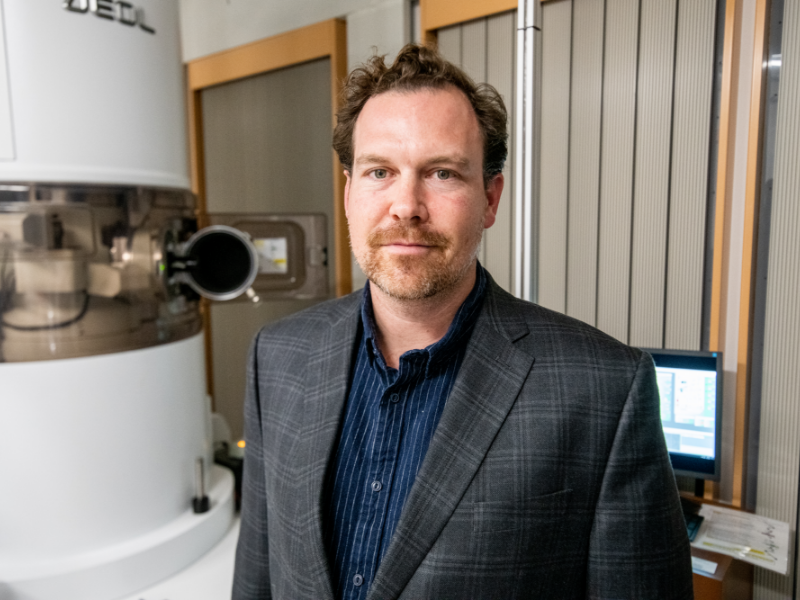
**Jamie H. Warner** is the **Temple Foundation Endowed Professor No. 1** in the **Walker Department of Mechanical Engineering** at **The University of Texas at Austin**, part of the **Cockrell School of Engineering**. He leads the **TMI Electron Microscopy Facility** and the **Warner Group**, focusing on **nanostructured materials** for electronic, opto-electronic, and energy applications. His research employs advanced techniques like aberration-corrected TEM and in-situ nanofabrication. Previously at the **University of Oxford** (2006–2020), he held roles including **Professor of Materials** and led research groups. He has advised **30 PhD students**, earned an **ERC Consolidator Grant (2018)**, and is a **Fellow of the Royal Society of Chemistry (2019)**. Research interests include **2D materials (graphene, MoS₂, WS₂)**, **defect dynamics**, **opto-electronic devices**, and **catalysis**. His work bridges materials synthesis, characterization (via TEM/SEM/AFM), and device applications in energy and optoelectronics. Key achievements include over **300 peer-reviewed publications** in journals like *Science*, *Nature Materials*, and *ACS Nano*, and editorial roles for *Materials Today* journals. His recent work emphasizes **large-area transparent opto-electronics** and **single-atom catalysts**.
Summary Sammy Perone is an Associate Professor in the Department of Human Development at Washington State University (WSU), affiliated with the College of Agricultural, Human, and Natural Resource Sciences (CAHNRS). He holds a Ph.D. in Psychology from the University of Iowa (2010) and a B.A. in Psychology from Purdue University (2003). His research focuses on developmental neuroscience, particularly the neural basis of emotion regulation, executive function, and EEG methodology. He has explored how brain dynamics (e.g., frontal EEG asymmetry, cortical rhythms) relate to self-regulatory processes across infancy to adulthood. Key professional milestones include a NICHD Postdoctoral Fellowship at the University of Minnesota (2014–2016) and a postdoctoral position at the University of Iowa (2011–2014). His work bridges developmental psychology and neuroscience, with studies on boredom, executive function, and contextual influences on neural activity. His recent publications emphasize the role of boredom in developmental contexts and the application of dynamic systems theory to cognitive development. Perone’s research emphasizes empirical and theoretical integration, using EEG to link brain activity to behavioral outcomes. He collaborates on projects involving parent-child interactions, infant cognitive development, and the impact of environmental conditions on emotion regulation. Current interests include refining EEG methodologies to capture developmental trajectories and exploring neurocognitive underpinnings of self-regulatory behaviors.
Sean Sam is a lecturer at Cornell University's Department of Literatures in English, specializing in creative writing. A member of the Navajo Nation, his work intertwines Indigenous narratives with contemporary themes. He teaches courses like 'FWS: Short Stories' and 'Creative Writing,' and has contributed to journals such as The Georgia Review , Joyleand , and Poetry Northwest . Sam is the recipient of the George Harmon Coxe Fiction Prize and Terrain.org’s 12th Annual Fiction Contest, with works exploring cultural identity, environmental humanities, and existential themes. His publications span fiction, poetry, and essays, reflecting his commitment to diverse storytelling forms. Education : BA in Literatures in English from Virginia Commonwealth University. Affiliations : Fiction editor at 128 Lit ; taught at the Emerging Diné Writers’ Institute (Navajo Technical University). Research & Writing : Sam's fiction and poetry often focus on Indigenous perspectives, historical memory, and the intersection of culture with modernity. His forthcoming novel further explores these themes. Recent works include Phantasmagoria (forthcoming in Georgia Review ) and The Frontier (winner of Terrain.org's 2024 contest). Awards : Includes the George Harmon Coxe Fiction Prize, Terrain.org’s 12th Annual Fiction Contest, and finalist for the James Welch Prize. Teaching : Courses emphasize creative writing techniques, short story craft, and narrative innovation. Sam also mentors emerging Diné writers through outreach programs.
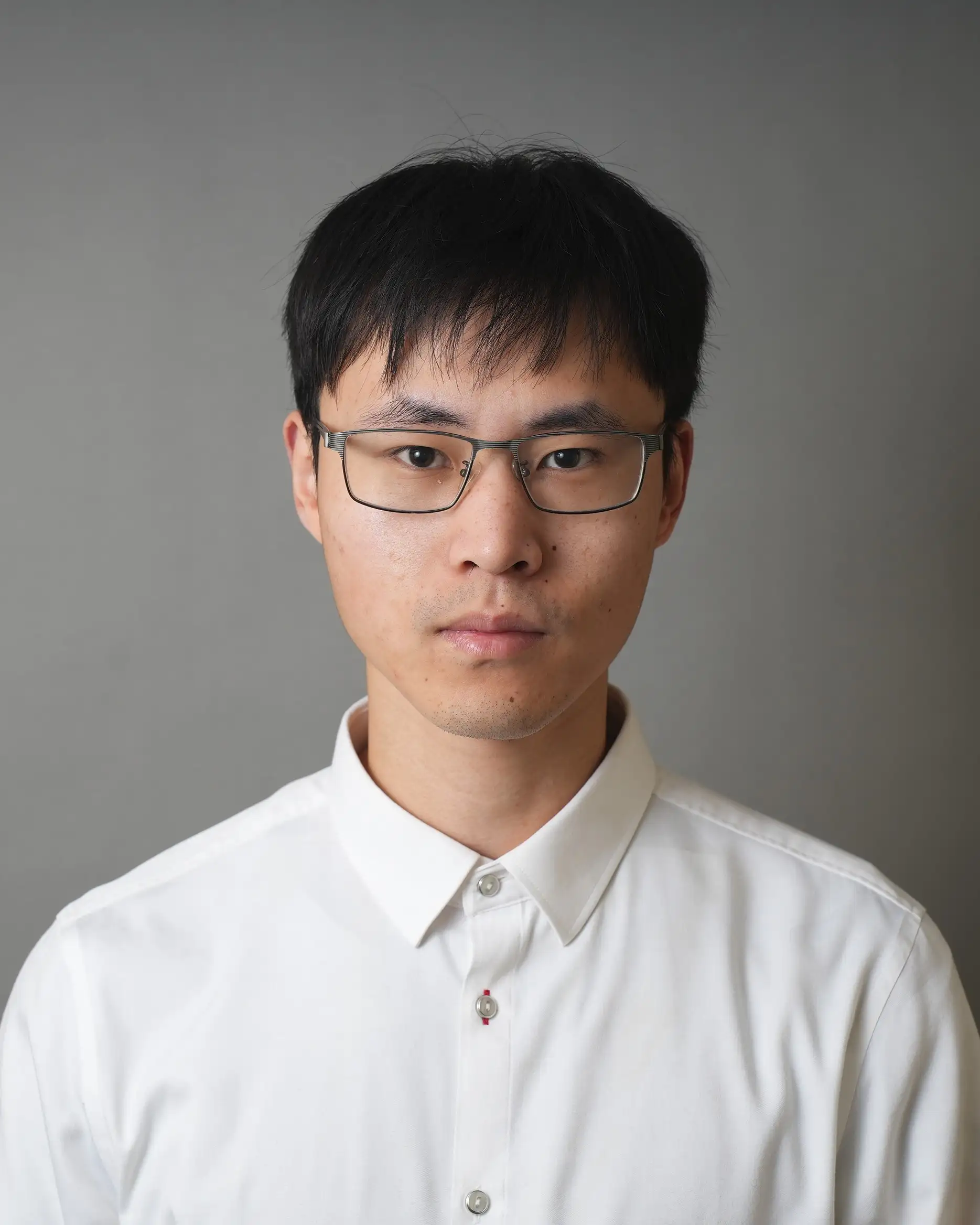
Cheng Tan is an Assistant Professor at the Khoury College of Computer Sciences, Northeastern University, and a member of the Systems Research Group. His research focuses on computer systems, with an emphasis on verifying outsourced services, including ML systems, concurrent systems, and execution on untrusted servers. Ph.D. in Computer Science from Courant Institute, NYU (2020), advised by Michael Walfish. M.S. and B.E. from Fudan University and Nanjing University, respectively. Cheng Tan's research explores verification mechanisms for systems relying on machine learning and untrusted environments. Key areas include ML system robustness , consistency models , and secure execution . His work addresses challenges in trusted computing, such as adversarial attacks, encrypted databases, and decentralized services. His recent publications span conferences like SOSP, ASPLOS, NeurIPS, and EuroSys. Common themes include neural network verification , secure systems , and concurrency control . These studies often leverage formal methods to ensure correctness in complex environments. Scientific Awards : MSR Asia StarTrack Scholar (2024), ASPLOS Distinguished Artifact Award (2023), NSF CAREER Award (2023), NYU Janet Fabri Prize (2021), SOSP Best Paper Award (2017). Cheng Tan advises PhD students Jian Zhang, Brent Zhao, Shuyi Lin, and Zikai Wang. He has taught courses such as LLM systems (CS7670), Operating Systems Implementation (CS6640), and Computer Systems (CS3650, CS5600). He also serves on program committees for conferences like OSDI, MLSys, and ATC.
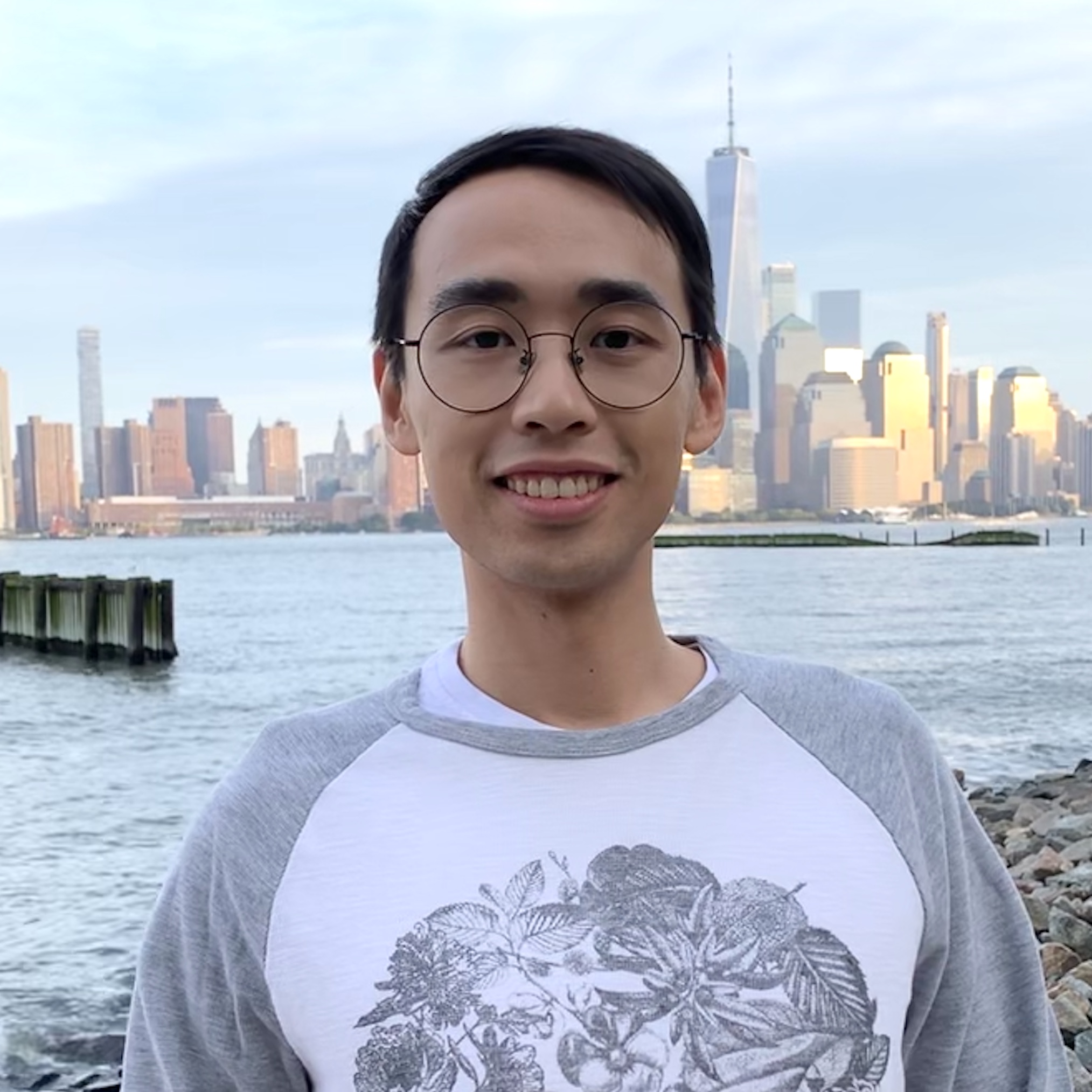
Zirui Neil Zhao is an Assistant Professor in the Department of Electrical and Computer Engineering at the University of Texas at Austin, specializing in computer architecture, security, and cloud computing. Previously, he was a postdoctoral researcher at NVIDIA Research after completing his PhD at the University of Illinois Urbana-Champaign. His academic journey includes: PhD in Computer Science, University of Illinois Urbana-Champaign (2024), advised by Prof. Josep Torrellas BS in Applied Physics, University of Science and Technology of China (2018), School of the Gifted Young (Yan Jici Talent Program) Dr. Zhao's research centers on side-channel attacks and defenses across cloud-computing stacks, with breakthroughs including end-to-end attacks in Google Cloud (ASPLOS 2024) and low-noise side channels in Intel CPUs (USENIX Security 2022). His defense strategies span information theory, cache systems, OS design, program analysis, and data-oblivious programming, aiming to build attack-resistant public clouds. His work bridges theoretical rigor with real-world cloud environments. His 15 recent publications (2018-2025) reveal a dominant focus on hardware-software security interfaces, evolving from symbolic execution tools to cutting-edge cloud-side-channel research. Key trends include practical attack demonstrations in production clouds, defense frameworks for speculative execution, and cross-layer mitigation strategies from hardware to programming models, consistently targeting real-world deployability. His accolades include: W. J. Poppelbaum Memorial Award for architectural creativity (UIUC, 2023) IEEE Micro Top Picks 2025 and 2024 Honorable Mention Top Picks in Hardware and Embedded Security 2024 Actively recruiting graduate students for hardware/system security research, Dr. Zhao teaches ECE 382N: Security at the Hardware-Software Interface (Fall 2025). His service includes program committees for CCS 2025, HPCA 2024, and Top Picks in Hardware Security 2024. While specific grants aren't detailed, his prolific output in top venues (ASPLOS, ISCA, MICRO, USENIX Security) indicates robust research support. His lab focuses on practical cloud security challenges within UT Austin's ECE ecosystem.
Jose Rafael Magdalena Benedicto is an Associate Professor in the Department of Electronic Engineering at the School of Engineering, University of Valencia, Spain. He is a core member of the Intelligent Data Analysis Laboratory (IDAL), where he leads research in machine learning, biomedical signal processing, and data science applications in health and industry. Doctorate: Universitat de València (2000) His research interests span machine learning , intelligent data analysis , biomedical engineering , neurocognitive disorders in metabolic and psychiatric diseases , algebraic geometry , and quantum machine learning . His work bridges theoretical advances in symbolic computation and applied AI with real-world problems in medicine and industrial systems. Recent publications show a strong trend in applying machine learning to anomaly detection in enterprise systems, asymptotic analysis of algebraic curves and surfaces, and identifying inflammatory and metabolic biomarkers for cognitive impairment in diabetes and psychiatric disorders. He also explores multimodal video analysis for public safety and quantum reinforcement learning. While no scientific awards are listed in the provided text, his extensive publication record and leadership in research projects indicate significant scholarly contributions. He has supervised doctoral students, including Dr. Juan Francisco Guerrero Martínez and Dr. Javier Calpe Maravilla. His research is supported by ongoing projects in intelligent data analysis, though specific grants are not detailed. He contributes to educational innovation, having developed tools like BiomedChallenge to enhance data science learning. He is actively involved in the Intelligent Data Analysis Laboratory (IDAL) , which focuses on developing and applying advanced data analysis techniques to real-life applications in biomedicine, education, and industry.
Daniel Ribas is an Assistant Professor at the School of Arts, Catholic University of Portugal (UCP), where he coordinates the Master in Cinema program and serves as Director of the Research Center for Science and Technology of the Arts (CITAR) since 2022. He holds a PhD in Cultural Studies (2014) from Universities of Aveiro and Minho and a Bachelor in Sound and Image from UCP (2002). His expertise spans contemporary cinema, Portuguese cinema, film curatorship, and cultural studies. He has held adjunct roles at Polytechnic Institutes of Porto (2016–2017) and Bragança (2009–2018). As a curator, he collaborates with festivals like Curtas Vila do Conde and Batalha Centro de Cinema, and was part of the Artistic Direction of Porto/Post/Doc (2016–2018). He regularly contributes to PÚBLICO and serves on juries for the Instituto de Cinema e Audiovisual and the European Commission. Research focuses on Portuguese cinema’s evolution, film festivals, and cultural representation. Recent projects include the INSERT educational strategy for film literacy and curating residency programs (2018–2023). His work intersects with UN SDG 4 (Education) through accessible film education initiatives. Key contributions include editing *Um novo olhar sobre o cinema português do século XXI* (2020) and authoring *Uma dramaturgia da violência: os filmes de João Canijo* (2019). He leads over 60 academic activities annually, including conferences and editorial work, and has been cited in 22 media contributions.
Chris Du Plessis is an Assistant Professor of Marketing at the Lee Kong Chian School of Business, Singapore Management University (SMU), where he has been a full-time faculty member since 2017. His academic journey includes a PhD in Marketing from the Rotterdam School of Management (2017), an MSc in Management from INSEAD (2013), and dual bachelor’s degrees in Marketing and Physiology/Biomedical Science from the University of Queensland (2009/2008). His research focuses on Social Influence, Power Dynamics, Consumer Decision-Making, and Brand Strategy , with notable contributions to understanding how power hierarchies affect interpersonal trust, social closeness, and word-of-mouth behaviors. He has been recognized for his teaching excellence with multiple awards, including the Dean’s Teaching Honour List (2018–2022) and being named among the Best 50 Undergraduate Professors (2022). Prof. Du Plessis has secured significant grant funding, including a Singapore MOE Academic Research Fund Tier 2 Grant (2023–2026) as Co-Principal Investigator, and has published in top journals like Journal of Consumer Research and Organizational Behavior and Human Decision Processes . His work explores intersections between consumer behavior, social psychology, and organizational dynamics. Key research themes include: Power asymmetries and their psychological impacts Brand association learning processes Ethical implications of incentivized reviews Cross-cultural moral judgments He actively participates in academic replication initiatives to advance methodological rigor, reflecting his commitment to scientific integrity. His research often bridges theoretical frameworks with practical marketing strategies in domains like luxury goods and digital consumer behavior.
Ruimin Sun is an Assistant Professor in the School of Computing and Information Science at Florida International University (FIU), where she joined in 2022. She previously served as a Postdoctoral Researcher at the Secure Systems Lab (seclab) at Northeastern University and earned her Ph.D. from the Florida Institute for Cybersecurity (FICS) at the University of Florida in 2019 under Dr. Daniela Oliveira. Her research focuses on securing AI applications, embedded systems, industrial control systems, and improving software reliability. She leads projects funded by the National Science Foundation (NSF) and the Department of Homeland Security (DHS), including the ADMIRE Center and the Secure Machine Learning Inference in IoT-driven Analytical Scientific Infrastructure project. NSF CICI: Secure Machine Learning Inference in IoT-driven Analytical Scientific Infrastructure DHS: ADvanced education and research for Machine learning-driven critical Infrastructure REsilience (ADMIRE) Center NSF CITES: Trustworthy Lifecycle Modeling of CPS using Formal Methods Her recent publications in top venues such as IEEE S&P, USENIX Security, and NDSS highlight trends in securing on-device machine learning, fuzz testing for embedded systems, and defending industrial control systems using adaptive AI and formal methods. Her work bridges theoretical rigor with practical deployment in critical infrastructure and mobile platforms. She has received scientific recognition including the GREPSEC II Travel Award and Best Poster Awards at the Warren B. Nelms Annual IoT Conference. She also serves on the program committees of premier security conferences including USENIX Security, CCS, and EuroS&P, and has co-chaired the RICSS workshop. Ruimin Sun actively advises students across all levels, from K-12 to Ph.D., fostering a diverse and talented research group. Her lab emphasizes hands-on cybersecurity education and innovation in secure AI and embedded systems.
Michele Bacci is a Full Professor of Medieval Art History at the University of Fribourg , Switzerland. He has held academic positions at the Scuola Normale Superiore (Pisa), the University of Siena, and visiting roles at institutions including the Hebrew University of Jerusalem and the Kunsthistorisches Institut-Max-Planck-Gesellschaft. His research focuses on the materiality of the sacred , cultural interactions in the Mediterranean and Subcaucasian regions, and the dynamics of religious imagery. Affiliations : Faculty of Letters and Human Sciences, University of Fribourg Research Areas : Medieval art, Byzantine studies, sacred spaces, Mediterranean cultural exchange His recent publications explore the symbolism of holy sites , the use of Italianate ornaments in Eastern Mediterranean art, and the role of images in premodern societies. Bacci is an honorary member of the Society for Christian Archaeology of Athens and received the Hanno and Ilse Hahn Prize in 2017. He co-edits the journal Iconographica and contributes to the restoration of the Basilica of the Nativity in Bethlehem.
Dr. Alex Bevan is a Senior Lecturer at the School of Communication and Arts within the Faculty of Humanities, Arts and Social Sciences at the University of Queensland. Originally from the United States, Dr. Bevan has been lecturing at UQ since 2017. They also hold affiliate positions at both the Centre for Digital Cultures & Societies and the Research Centre in Creative Arts and Human Flourishing. Dr. Bevan teaches Multimedia and Digital Project courses in the Bachelor of Communications program, with a focus on embedding critical perspectives on media into creative and collaborative design and production processes. Their academic journey includes a Bachelor of Arts from Yale University, a Master's degree from Northwestern University, and a PhD from Northwestern University. Research Interests Dr. Bevan's research spans multiple interconnected areas at the intersection of media, gender, and technology. Their work critically examines how media representations shape societal understandings of safety, gender, and violence. Key research areas include: Television studies with a focus on nostalgia, production design, and gender representation Surveillance culture and its manifestations in architecture, media, and everyday life Gender studies with particular attention to women's bodies, safety technologies, and media narratives Digital media studies focusing on affective labor, safety apps, and online connection during crises Creative production processes across media industries and historical periods Dr. Bevan's influential book "The Aesthetics of TV Nostalgia" (Bloomsbury, 2019) examines the people designing sets and costumes for nostalgic US television programs. Their research demonstrates how media representations of violence against women create problematic binaries between domestic and stranger violence, which hinder public attention, intervention, and policy development. They argue that media narratives repeatedly construct ideas about what spaces are safe, how women's movements should be trackable with technology, and who is at fault or responsible. Scientific Contributions Dr. Bevan's work has been published in leading journals including Convergence , Celebrity Studies , Feminist Media Studies , Body and Society , and Surveillance & Society . Recent publications focus on safety app discourse, affective labor, anti-rape technologies, and the representation of gender-based violence in media. Their research shows a clear trajectory from historical media analysis toward contemporary digital safety technologies and their societal implications. Supervision and Collaboration While currently not available for new supervision, Dr. Bevan has served as an Associate Advisor for PhD and Master's students. Current supervision includes research on augmented reality and Le Corbusier's design media. A recent PhD completion (2024) examined "Diffusion of New Media and Public Service Broadcasting" in Bangladesh. Dr. Bevan welcomes collaborations with industry, non-profit organizations, and government bodies that prioritize safety in their work, particularly those addressing gender-based violence and media representation.
Peter T. Rakich is the Donna L. Dubinsky Professor of Applied Physics at Yale University with an additional appointment in the Department of Physics. He serves as Faculty Director of the Yale Cleanroom and leads the RakichLab, which focuses on experimental nonlinear optics, quantum optomechanics, and integrated photonics for next-generation quantum technologies. Dr. Rakich's research spans four interconnected areas: Cavity Optomechanics, where his group develops acoustic resonators for quantum information storage; Integrated Photonics, focusing on engineerable photon-phonon interactions for quantum applications; Quantum Acoustics, investigating ultra-coherent mechanical oscillators; and Ultra-low Noise Oscillators, creating compact systems with laboratory-scale performance. His work combines theoretical modeling, materials spectroscopy, and nanofabrication to push technological boundaries. His publications reveal a strong trajectory in quantum optomechanics and integrated photonics, with recent breakthroughs in non-magnetic optical isolators, silicon Brillouin lasers, and quantum acoustics. The 2025 publications particularly emphasize practical quantum technologies with applications in sensing, communications, and computing, showing increasing focus on device integration and real-world implementation of quantum principles. Scientific Awards: Roberts Innovation Fund (2025) for developing technologies for sensing and communication based on ultra-low-noise oscillators As an advisor, Dr. Rakich mentors five graduate students working across quantum acoustics, integrated photonics, and low-noise oscillator technologies. His lab has secured significant funding for quantum information science, with research directions including portable atomic clocks, quantum memories based on long-lived phonons, and integrated systems for quantum transduction between microwave and optical domains. The RakichLab maintains state-of-the-art nanofabrication and optical characterization facilities, collaborating extensively with other Yale research groups and international partners. Current work focuses on engineering photonic platforms that enable strong light-matter interactions in compact formats for quantum optics, atomic sensing, and laser stabilization applications.
Jeff Johnston is a Lecturer at the University of California, Irvine's School of Education. He specializes in ethics, physical education, and coaching sports, with a focus on integrating moral frameworks into educational contexts and developing practical coaching methodologies. M.S. in Sports Administration from University of Illinois M.A. in Social and Religious Ethics from USC His research interests center on ethical decision-making in education , K-12 moral development , and coaching practices across age groups . While his Google Scholar publications appear to focus on neuroscience and biomedical research—spanning topics like Alzheimer's disease, sickle cell pain mechanisms, and single-cell transcriptomics—these may represent interdisciplinary collaborations or unrelated entries, as no direct connection is established in his formal bio. Recent publications include studies on neuromodulatory effects of social isolation, neuroimmune activity in chronic disease, and computational methods for analyzing neuronal calcium signals. These articles suggest a secondary focus on neurobiology and computational health research , though this is not explicitly mentioned in his faculty profile. As faculty advisor for the Education Theme House, Johnston contributes to student mentorship and community engagement. His contact details include the email jmjohnst@uci.edu and office phone (949) 824-6442.