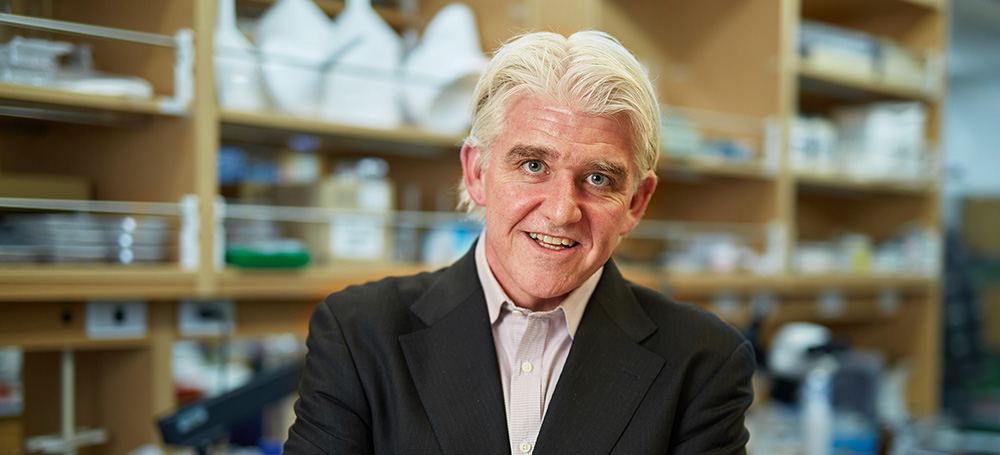
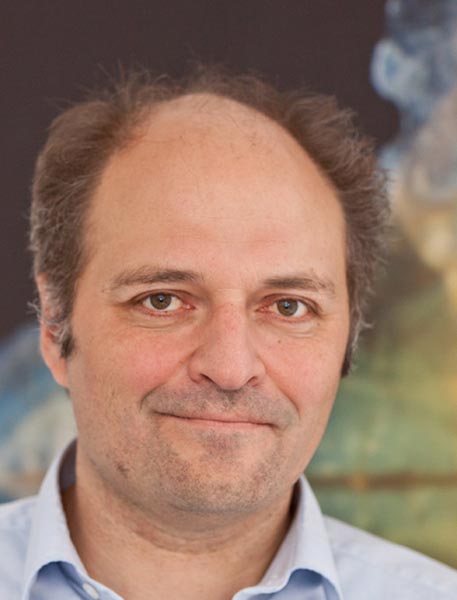
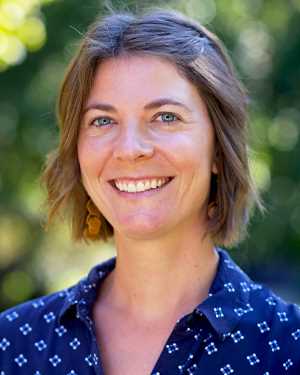
Andreea Micula is a Research Fellow at the University of Southern Denmark, affiliated with the National Institute of Public Health. Her work focuses on audiology and cognitive neuroscience, particularly the interplay between hearing status, cognition, mental health, and social participation. Current research on hearing aid impacts on cognitive function Expertise in speech recognition and working memory studies Active in developing fatigue assessment protocols for hearing aid users She collaborates with international researchers (including T. Flensborg-Madsen, D. Wendt, and I. Johnsrude) on projects like ALFi (Assessment of Listening Effort and Fatigue in Everyday Life). Her methodological approach emphasizes innovative statistical solutions and physiological measurements like pupillometry. Micula's scholarly output includes publications in Journal of Speech, Language, and Hearing Research , Ear and Hearing , and BMJ Open . Her work explores the intersection of hearing science, cognitive psychology, and public health. Contact: micu@sdu.dk | ORCID: 0000-0002-9155-0715
Thomas McHugh is a Team Director at the RIKEN Center for Brain Science in Wako, Japan, where he leads the Laboratory for Circuit and Behavioral Physiology. His research focuses on understanding the neural circuits that encode, consolidate, and recall memories, with particular emphasis on the hippocampus as a model system. Dr. McHugh received his B.A. in Molecular and Cell Biology from UC Berkeley and completed his Ph.D. in Biology at MIT, where he studied under Matt Wilson and Susumu Tonegawa. Dr. McHugh's research employs a multidisciplinary approach combining in vivo hippocampal electrophysiology, cutting-edge conditional genetics, and advanced imaging techniques to study memory circuits with high precision. His laboratory has made significant contributions to understanding the role of specific hippocampal subregions like CA2 in memory processing, demonstrating how these circuits dynamically route spatial information and consolidate memories. The lab's work has revealed how the hippocampal engram maps experience rather than just place, how CA2 plays a critical role in memory consolidation, and how hypothalamic inputs modulate hippocampal novelty processing. Analysis of Dr. McHugh's recent publications (2023-2024) shows continued innovation in neural circuit manipulation, signal processing in noisy brain environments, and the relationship between dentate neurogenesis and cognitive flexibility. His work spans from fundamental memory mechanisms to potential applications for understanding memory disorders. 32nd Kihara Memorial Foundation Academic Award (2024) Minister of Education, Culture, Sports, Science and Technology's Commendation (2025) Nakaakira Tsukahara Memorial Award, Brain Science Foundation (2019) NARSAD Young Investigator Award (2010) MIT School of Science Dean's Educational Advising Award (2005) MIT School of Science Infinite Mile Award (2002) Dr. McHugh advises a substantial research team including multiple PhD candidates, postdoctoral researchers, and technical staff. His laboratory at RIKEN provides training in advanced neuroscience techniques including electrophysiology, optogenetics, and behavioral analysis. The lab maintains active collaborations both within RIKEN and internationally, contributing to a vibrant research environment focused on cutting-edge memory research. The Laboratory for Circuit and Behavioral Physiology operates within RIKEN's Center for Brain Science, utilizing state-of-the-art facilities for in vivo recording, genetic manipulation, and behavioral analysis. The lab's research program bridges molecular, cellular, and systems neuroscience to address fundamental questions about how memories are formed and retrieved in the mammalian brain.
Dr. Kathleen Arnold is an Assistant Professor in the Department of Psychology at Radford University, where she has been a faculty member since 2017. Previously, she served as a Postdoctoral Research Associate at Duke University. She holds a Ph.D. and M.A. in Cognitive Psychology from Washington University in St. Louis and a B.S. from Furman University. Her research examines cognitive processes in learning and memory, with emphasis on educational applications. Key interests include retrieval-based learning strategies, writing-to-learn methodologies, and cognitive interventions to enhance academic performance. Recent work investigates lifespan memory comparisons and optimal testing formats for knowledge retention. Dr. Arnold teaches both undergraduate and graduate courses, covering foundational topics in cognitive psychology, data analysis, and affective behavior. Her pedagogical approach integrates research insights into classroom practices.
Dr. Borysław Paulewicz is an Assistant Professor in the Department of Experimental Psychology at Jagiellonian University's Faculty of Philosophy. Previously taught cognitive psychology and psychometrics at SWPS University for a decade. His work bridges cognitive psychology, mathematical methodology, and meta-theoretical foundations of psychology, with a focus on metacognition and causal inference. Current affiliations: Jagiellonian University, Faculty of Philosophy, Department of Experimental Psychology Past affiliations: SWPS University of Social Sciences and Humanities Research Interests: Specializing in causal/Bayesian inference applications, development of hierarchical generalized linear models, and formal definitions of measurement invariance. His projects explore metacognition, consciousness, and placebo mechanisms through National Science Centre grants (MAESTRO, HARMONIA, SONATA BIS/SONATA programs). Academic Contributions: Created R libraries for psychometric models, formulated causal-theoretical measurement frameworks, and authored a GitHub-hosted book on mathematics for psychologists. Published extensively in metacognition, signal detection theory, and causal modeling. Projects: Key investigator in studies on pain unlearning, metacognitive mechanisms, and cognitive control. Collaborated with Agata Blaut on emotional disorder biases, Michał Wierzchoń on consciousness, and Marta Siedlecka on metacognition.
Professor Frederique ROBIN is a cognitive psychology specialist at the University of Nantes' Faculty of Psychology, where she serves as Co-Head of the Master's program in Psychology of Cognitive and Clinical Disturbances (2P2C). As a full member of the Psychology Laboratory of Pays de la Loire (LPPL EA 4638), she leads research at the intersection of experimental cognitive science and clinical applications. Her research portfolio focuses on mental imagery mechanisms , false memory phenomena (particularly using DRM paradigms), source monitoring processes , and hypnosis-related cognitive effects . Notably, she investigates these processes in clinical populations including Alzheimer's patients, schizophrenia sufferers, and individuals with Korsakoff syndrome. Her work demonstrates how emotional content and cognitive-affective dysfunctions alter fundamental memory processes. Professor ROBIN's publication trajectory shows consistent high-impact output, with recent work advancing theoretical debates between classical cognitive and embodied cognition frameworks in memory research. Her 2022-2023 publications span experimental studies in Memory and Current Psychology to clinical investigations in Cognitive Neuropsychiatry, demonstrating methodological versatility across laboratory and clinical settings. Her professional development reflects deep clinical integration: Habilitation to Direct Research (2017) on 'Image, Language and False Memories' University Diploma in Neuropsychological Rehabilitation (Sorbonne University, 2021) Certified clinical hypnotherapist (CFHTB, 2016) Specialized training in eidetic imagery techniques (2014) As Co-Head of the 2P2C Master's program, Professor ROBIN bridges cognitive theory with clinical practice, supervising graduate research while maintaining an active laboratory investigating memory distortions and their therapeutic implications. Her work on hypnosis-memory interactions continues to inform both experimental paradigms and clinical interventions.
Bertram Opitz serves as Professor of General Psychology at Medical School Brandenburg Theodor Fontane since September 1, 2022. He is based at the Neuruppin Campus (Am Alten Gymnasium 1-3, 16816 Neuruppin) where he leads research and teaching activities in the General Psychology department. Professor Opitz's research focuses on the neurocognitive foundations of learning and memory, feedback processing, and second language acquisition . His work bridges cognitive psychology with neuroscience, examining how the brain processes information during learning and adapts behavior based on feedback. He has published extensively on topics including error-related cognitive control mechanisms, neural binding in memory processes, and sequence prediction in both typical and developmental disorder contexts. His recent publications (2010-2021) demonstrate a consistent focus on cognitive neuroscience approaches to understanding learning mechanisms. Key themes across his work include the interplay between rule-based and similarity-based learning systems, hippocampal contributions to memory function, and the neural mechanisms underlying behavioral adaptation following errors. Professor Opitz teaches General Psychology, Biological Psychology, and Cognitive Neuroscience courses, reflecting his expertise at the intersection of psychological theory and neuroscientific principles. His educational philosophy appears aligned with his research interests, emphasizing the brain's capacity for self-examination as reflected in his quote: 'The human brain is the only thing that wants to explain itself.' Students and collaborators can contact Professor Opitz via email at bertram.opitz@mhb-fontane.de or by phone at +49 3391 39-14600 for research opportunities and academic inquiries.
Shuo Chen is a Research Assistant Professor in the Department of Psychiatry at New York University School of Medicine. His laboratory is affiliated with both the Emotional Brain Institute and the Nathan Kline Institute for Psychiatric Research (NKI), with physical location at NKI in Orangeburg, NY. Dr. Chen leads a research team focused on understanding the neural mechanisms of memory and developing innovative technologies for neuroscience research. Dr. Chen's research spans several interconnected areas including systems and cognitive neuroscience, memory processes, Alzheimer's disease, and technical development of novel neuroscience tools. His laboratory employs an integrative approach combining electrophysiology, imaging, behavior, genetic manipulations, omics, and computational modeling to investigate how memory is encoded, retained, and retrieved within neural networks and molecules in the brain. His publication record demonstrates expertise across multiple disciplines, with recent work focusing on neural circuit mechanisms of memory, Alzheimer's disease pathology, and the development of near-infrared optogenetic technologies. His research has been published in high-impact journals including Nature, Science, and Nature Neuroscience. Systems & Cognitive Neuroscience Memory Encoding and Consolidation Alzheimer's Disease Mechanisms Optogenetics and Neural Engineering Brain-Machine Interfaces Dr. Chen actively mentors a diverse team of researchers at various levels, including undergraduate students, Master's students, and visiting scholars. His laboratory is currently recruiting at all levels, reflecting an active and growing research program focused on unraveling fundamental mysteries of brain function and developing novel approaches to treat brain disorders.
Michael Brecht is a Professor at Humboldt University of Berlin, Faculty of Life Sciences, Department of Biology. His research focuses on neural mechanisms underlying somatosensory processing, memory consolidation, kinship behavior, and social play. He leads a research group investigating brain circuits related to these functions, with particular emphasis on the lateral septum, periaqueductal gray, and somatosensory cortex. Professor Brecht's research interests include: Neural circuits for somatosensory processing and body map representation Mechanisms of memory consolidation from synapses to systems Neural basis of kinship behavior and social recognition Neurobiology of social play and vocal communication Spatial coding and navigation systems in the brain His recent publications reveal a consistent focus on understanding how specific brain regions encode social and sensory information. Brecht's work frequently employs advanced techniques including electrophysiology, calcium imaging, optogenetics, and large-scale neural recording to investigate circuit mechanisms. A notable trend in his research is the investigation of sex differences in neural processing, particularly in genital somatosensory representation, and the identification of specialized neural architectures for social behaviors like kinship recognition. Scientific contributions include: Discovery of nepotopy (topographical representation of kin/nonkin) in the lateral septum Demonstration of sex differences in genital cortex representation Identification of glycine-dependent mechanisms in social play behavior Mapping of vocalization-related activity in brainstem nuclei Elucidation of perirhinal input mechanisms for neocortical learning Professor Brecht actively mentors students and collaborates with researchers across multiple institutions. His laboratory investigates both fundamental neural mechanisms and their implications for understanding social behavior. Current work appears focused on understanding the molecular and circuit-level basis of kinship memory and the neural substrates of social play behavior across development.
Daniel Schneider serves as Group Leader for Information Processing at the Leibniz Research Centre for Working Environment and Human Factors (IfADo) at TU Dortmund University. Since 2020, he has led the "Information Processing" research group, building upon his previous role as Head of the junior research group "Working Memory" from 2015-2020. His research focuses on understanding cognitive processes related to attention, memory, and information processing in work environments, with particular emphasis on how these processes translate to real-world workplace performance. Dr. Schneider completed his academic training at Ruhr-University Bochum, earning his Bachelor of Science in Psychology in 2008 and Master of Science in Cognitive Neuroscience in 2010. Prior to his current position, he worked as a research associate at the Institute of Psychology at TU Dortmund University from 2009-2011, followed by positions within the Perception Cybernetics project group (2011-2015) and as Head of the "Working Memory" junior research group (2015-2020) at IfADo. His research program centers on the electrophysiological correlates of selective attention and the neural mechanisms underlying visuospatial working memory. Dr. Schneider employs advanced neuroscientific methods including EEG, event-related potentials, Independent Component Analysis (ICA), and time-frequency analyses to investigate how humans process information, particularly in work contexts. A significant portion of his work explores how interruptions affect task performance and how working memory facilitates the link between perception and anticipated action. His research has important implications for workplace design and understanding age-related changes in cognitive control. Analysis of Dr. Schneider's publication record reveals a consistent focus on cognitive neuroscience applied to real-world work scenarios, with increasing attention to multisensory integration and neuroergonomic applications. His work spans working memory mechanisms, attentional control processes, task interruption effects, and age-related cognitive changes. The methodological approach consistently employs EEG to examine neural correlates of cognitive processes, with recent publications demonstrating expanded applications to workplace assessment and design. Dr. Schneider maintains strong collaborative relationships with researchers including Edmund Wascher (Head of Department), Stefan Getzmann, Miriam Sabo, and other colleagues at IfADo. His research has been published in high-impact journals such as NeuroImage, Scientific Reports, European Journal of Neuroscience, and Psychophysiology, reflecting the significance and quality of his contributions to the field of cognitive neuroscience and neuroergonomics.
Amanda Sensenig serves as Associate Professor of Psychology at Goshen College, where her cognitive psychology expertise centers on memory processes and their application to student learning. She integrates research on how people think, learn, and make decisions into innovative teaching practices that enhance educational outcomes. Her academic credentials include: B.A. from Goshen College (2003) M.S. from Colorado State University Ft Collins (2008) Ph.D. from Colorado State University Ft Collins (2010) Certificate in Effective College Instruction (2019) Mobile Leafs iPad Apps for Teaching certification (2017) Dr. Sensenig's research bridges cognitive theory and classroom practice, with primary focus on memory retention mechanisms and learning optimization. Her work examines how testing effects influence recall, how connectionist models explain learning processes, and how study habits impact academic performance. This research directly informs her teaching methodology through evidence-based strategies for assignment design and student engagement. Analysis of her publications (2011-2019) reveals consistent emphasis on translating cognitive psychology principles into educational applications. Key patterns include investigating retrieval practice effects across different memory domains, developing practical study techniques for students, and designing assignments that foster deep learning. Her work demonstrates strong continuity between theoretical research and classroom implementation. Professional recognition includes: Faculty Renewal Grant for Psychology Reading Room redesign Faculty Renewal Grant for Learning and the Brain Institute attendance Colorado State University Graduate Student Teaching Award Cognitive Psychology Excellence in Teaching Award Dr. Sensenig collaborates extensively on educational development projects, particularly through Faculty Renewal Grants focused on creating inclusive learning environments and implementing growth mindset frameworks. While specific student advising details aren't documented, her scholarly work consistently prioritizes student-centered teaching approaches and evidence-based learning strategies. Though no dedicated research laboratory is mentioned, her collaborative projects with colleagues like Julie Reese demonstrate active engagement in cognitive psychology and educational research communities through presentations at teaching initiatives and publications in cognitive science journals.
Magnus Kjær Broløs is a Research Assistant at the Department of Nutrition, Exercise and Sports , University of Copenhagen, affiliated with the Movement and Neuroscience research group. His contact details include phone number +4535333182 and email mkb@nexs.ku.dk, with a primary office location at Nørre Allé 51, 2200 København N. Research Focus: Broløs investigates clinical exercise interventions for neurological conditions, with emphasis on: Optimizing physical function in multiple sclerosis patients through aerobic/resistance training Quantifying muscle strength and aerobic capacity impacts on mobility Motor skill learning mechanisms influenced by exercise and sleep neurophysiology His publications demonstrate consistent themes in neurorehabilitation and human movement science. Research Output Trends: Recent works (2024-2025) concentrate on randomized trials and observational studies targeting MS rehabilitation outcomes and motor skill consolidation. All publications emphasize quantitative clinical methodologies with direct therapeutic applications. No scientific awards or supervised students are documented in available materials. Broløs collaborates extensively within the Movement and Neuroscience group on externally referenced studies.