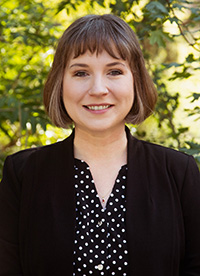
Anna Leiler is a Lecturer in the Department of Psychology and Social Work at Mid Sweden University in Östersund. Her research focuses on refugee mental health, trauma psychology, and cross-cultural psychiatry, particularly examining suicidal ideation, cognitive load during traumatic memory reconsolidation, and psychoeducational interventions. Current Projects : AMIR-Intervention, CoRe (Cognitive load during Reconsolidation), RooT (Refugee mental health over Time), Feeling in your own words Finished Projects : Refugee Health Screener, Teaching Recovery Techniques (TRT) Her recent publications explore prolonged grief in refugee populations, pandemic-related mental health trends, validation of screening tools, and the feasibility of trauma interventions. She also presented work on linguistic insecurity in clinical settings and Sámi cultural idioms of distress. Anna is actively involved in developing scalable mental health solutions for displaced populations, integrating epidemiological data with clinical practice.
Laura R. Ment, MD, is a Professor of Pediatrics (Neurology) and Associate Dean for Admissions and Financial Aid at Yale School of Medicine . She specializes in neonatal brain injuries and neurological conditions in infants, including intraventricular hemorrhage , periventricular white matter injury , and epilepsy . Her research focuses on the adaptive mechanisms of the developing brain , utilizing advanced MRI techniques and molecular technologies to identify biomarkers for brain maturation. Education : MD, Tufts University School of Medicine (1973) Pediatrics & Pediatric Neurology Training, Massachusetts General Hospital (1974–1979) Research Interests : Dr. Ment leads studies on neonatal brain injury , neurodevelopmental sequelae of preterm birth , and genetic mechanisms in developmental disorders . She pioneered multicenter trials on prevention of preterm brain injury and neural connectivity in preterm infants . Scientific Awards : Leah Lowenstein Award (2009) Norman Siegal Award (2023) Leadership & Grants : As a former member of the NIH/NINDS Council and Chair of its Clinical Trial Subcommittee, she has driven national research priorities. She currently oversees the START Program at Yale and serves as a sub-investigator for the Genomic Basis of Neurodevelopmental and Brain Outcomes in Congenital Heart Disease trial (HIC ID 2000020449).
Dr. Breanna Krueger is an Associate Professor in the Division of Communication Disorders at the University of Wyoming , where she has been since earning her PhD in 2017. Her academic background includes two MA degrees in Speech-Language-Hearing Sciences and Linguistics from the University of Kansas, and a BA in Communication Sciences and Disorders from the University of Wyoming. Research Focus: Dr. Krueger specializes in improving treatment outcomes for children with speech sound disorders through: Investigating age-related treatment efficacy Developing clinical teaching methods for speech-language pathologists Enhancing understanding of children's speech perception mechanisms Exploring social impact of speech disorders Ultrasound visual biofeedback applications for speech therapy Publication Trends: Her research portfolio shows increasing focus on: Transgender voice communication software (2024) Home practice facilitation techniques (2024) Pediatric cancer speech services (2023) Preterm birth language impacts (2023) Advanced phonological assessment methods (2022) Scientific Recognition: Dr. Krueger has received significant funding including: NIH Grant (P20GM103432) for age-related treatment research ASHA Foundation research grant College of Health Sciences internal funding Laboratory & Outreach: She directs the PhUnderLab , actively engages with professional organizations including the American Speech-Language-Hearing Association (ASHA), and maintains a Twitter presence @phunderlab for research dissemination.
Dr. Eleonore Beurel is an Associate Professor in the Department of Psychiatry and Behavioral Sciences at the University of Miami Miller School of Medicine, with a joint appointment in Biochemistry and Molecular Biology. She earned her Ph.D. from the University of Pierre and Marie Curie in Paris (2005) and completed postdoctoral training at the University of Alabama at Birmingham before joining the University of Miami in 2011. Education Ph.D. in Biology (2005) M.S. in Physiology (2001) B.S. in Physiology (2000) Her research focuses on the intersection of neuroinflammation, immune system regulation, and mood disorders. Key projects include investigating how Th17 cells mediate stress-induced depression, the role of GSK3 in inflammatory signaling, and the gut microbiome's influence on depressive behavior. She has pioneered therapeutic approaches targeting GSK3 and TLR4 pathways. Recent publications highlight her work on stress-immune interactions (2020-2024), with a particular emphasis on Th17 cell dynamics, microbiota signaling, and blood-brain barrier integrity in depression. Her lab employs multidisciplinary methods spanning molecular biology, immunology, and behavioral neuroscience. Scientific Awards NARSAD Young Investigator Award (2008) NIH K99/R00 Pathway to Independence Award (2010) Society of Biological Psychiatry Chairman's Choice Award (2014) ADAA Career Development Leadership Program Expedition Inspiration Fund for Breast Cancer Research Dr. Beurel actively trains students in scientific rigor, experimental design, and grantsmanship. Her lab explores novel interventions like (+)-naloxone and IL-10 to modulate neuroinflammatory pathways.
Prof. Dr. Alexander Schütz is a faculty member at the Faculty of Psychology, Philipps-Universität Marburg , leading the Sensorimotor Learning research group. His work explores the interplay between eye movements and visual perception , focusing on trans-saccadic integration, dynamic signal integration, and perceptual stability. Academic Affiliation: Department of General and Biological Psychology Key Collaborators: Karl Gegenfurtner, David Souto, Miriam Spering Research Interests Integration of bottom-up salience and top-down value signals in eye movement control Trans-saccadic information calibration and perceptual adaptation Individual differences in multistable perception and motor learning His 2024-2025 publications reveal trends in: Visual processing in rod vision and occlusion Optical flow models for eye movement prediction Neural mechanisms of cost-benefit trade-offs in visual search Perceptual biases in autism-psychosis spectra Visuotactile integration during spatial judgments Grants ERC Starting Grant PERFORM (2015-2020): Calibration of peripheral and foveal vision ERC Consolidator Grant SENCES (2021-2025): Processing of inferred vs. sensory visual information Laboratory Equipment : EyeLink 1000+ eye trackers, ViewPixx stereoscope, ProPixx projector, and Vizard VR platform for behavioral studies.
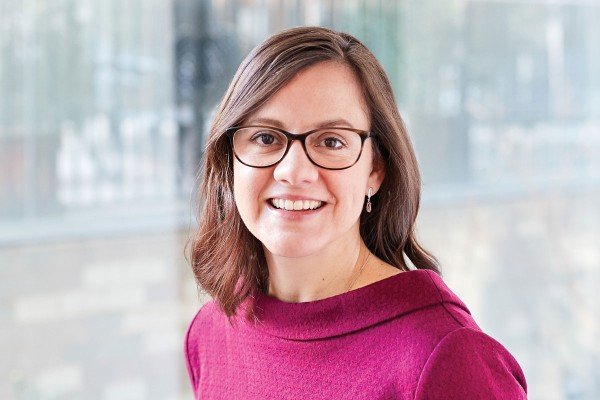
Dr. Patricia Gasalla Canto is a Lecturer at Cardiff University's School of Psychology. Her research program focuses on behavioral neuroscience and associative learning, employing animal models to investigate psychiatric disorders, reward processing mechanisms, and addiction pathways. She examines how neural responses to rewards and drug-related cues contribute to psychiatric conditions. Her research interests include: Behavioral neuroscience of reward processing and anhedonia Neural mechanisms of associative learning and extinction Animal models of psychiatric disorders CACNA1C gene effects on stress responses Flavor aversion conditioning and hedonic valuation Cross-modal sensory learning (odor-taste associations) Her publication record demonstrates consistent focus on learning mechanisms and neural correlates of behavior, with recent work examining genetic risk factors (CACNA1C), appetitive extinction, and stress interactions. Research employs diverse methodologies including neural activation mapping, genetic manipulation, and behavioral paradigms. Teaching responsibilities include: Introductory statistics for second-year students Tutorials in cognition and clinical psychology MSc seminar supervision Final-year lectures on behavioral intervention
Professor Andy Smith is a faculty member at Cardiff University's School of Psychology, specializing in Occupational and Health Psychology. His research focuses on well-being, examining non-auditory effects of noise, stress, fatigue, health behaviors (nutrition/caffeine), and psychosocial factors in minor illnesses like colds/influenza. His work spans multiple domains including cognitive performance under stress, mental health correlates of neurodevelopmental traits in students, and interventions (e.g., music in workplaces). Research integrates laboratory experiments, cross-sectional surveys, and systematic reviews. Recent publications (2025) show strong emphasis on: Well-being determinants in educational settings ADHD/autism interactions with mental health Occupational stressors and cognitive outcomes Behavioral interventions for performance enhancement Honors include professional fellowships: Fellow of the British Psychological Society (FBPsP), Chartered Psychologist (CPsychol), and Fellow of the Royal Society of Medicine (FRSM).
Adele Goldberg is the Moses Taylor Pyne Professor of Psychology and Associate Chair at Princeton University. She leads the Psychology of Language Lab, where she conducts research on the usage-based constructionist approach to language, emphasizing emergent generalizations based on construction functions, input statistics, and domain-general cognitive processes. Dr. Goldberg's research spans construction grammar, language acquisition, metaphor processing, autism and language, neurolinguistics, and computational linguistics. Her groundbreaking work demonstrates that humans learn language through general cognitive processes rather than language-specific knowledge. She has shown that knowledge of language consists of form-function correspondences (constructions) and that conventional metaphors are more emotionally engaging than literal paraphrases, as evidenced by increased amygdala activation in fMRI studies. Her research on autism has revealed challenges faced by autistic individuals in language learning, particularly regarding flexible extension of word meanings and processing complex word meanings. She has extensively studied statistical preemption in language learning - how speakers learn to constrain generalizations based on the frequency of competing alternatives. Her work with Boyd demonstrated that younger children are less likely to generalize abstract constructions compared to older learners when exposed to the same input. Moses Taylor Pyne Professor of Psychology, Princeton University Associate Chair, Department of Psychology Director, Psychology of Language Lab Dr. Goldberg has mentored numerous students including Abby Fergus and collaborates extensively with researchers like Sammy Floyd, Arielle Belluck, and Karina Tachihara. Her recent work explores parallels between usage-based constructionist approaches and large language models, examining how both human and artificial systems learn from statistical patterns in language input.
Jonathan Bohlen serves as a Research Group Leader at the Gene Center, Ludwig Maximilian University of Munich (LMU), within the Department of Biochemistry. His laboratory focuses on mRNA translation mechanisms in human immunity, bridging molecular biology with clinical immunology to understand fundamental cellular processes. His educational background includes: Doctorate (2017-2020) at the German Cancer Research Center (DKFZ), Heidelberg M.Sc. in Molecular Biology (2015-2017) at Karls-Ruprecht University, Heidelberg B.Sc. in Biotechnology (2011-2015) at Hochschule Mannheim, Mannheim Dr. Bohlen's research centers on translational regulation in immune cells, with three primary focus areas: Translational Regulation in T Cells, Monogenic Ribosomopathies and Immunodeficiency, and tRNA Metabolism, Biogenesis, and Autoinflammatory Disease. His work explores how mRNA translation mechanisms affect leukocyte function and how disruptions in these processes lead to immunological disorders. By utilizing primary human leukocytes as a model system, his laboratory addresses the critical gap in understanding translational control in human physiology, which has been historically limited by the scarcity of live primary samples. Analysis of his recent publications reveals a consistent focus on the intersection of mRNA translation mechanisms and human immunity, particularly regarding IFN-γ responses to mycobacterial infections. His work demonstrates how specific translation factors (MCTS1, PRRC2) regulate critical immune proteins like JAK2, providing mechanistic insights into how translational defects lead to immunodeficiency. The publications span high-impact journals including Cell, Journal of Clinical Investigation, and Nucleic Acids Research, reflecting the significance of his contributions to understanding inborn errors of immunity through the lens of translational regulation. His scientific achievements have been recognized with prestigious awards: Marie Skłodowska-Curie Actions (MSCA) Postdoc Fellowship (2022) EMBO Postdoc Fellowship (2021) DFG Walter Benjamin Postdoc Stipendium (2021) RNA Society/Scaringe Graduate Student Award (2020) Dr. Bohlen actively mentors students and seeks motivated Master's students for internships and thesis projects focusing on molecular biology of mRNA translation. His laboratory aims to achieve three significant outcomes: enhanced understanding of ribosome and mRNA biology in leukocytes, insights into leukocyte involvement in genetic diseases of mRNA translation, and identification of pathomechanisms underlying severe genetic diseases. The research has direct clinical relevance to understanding and potentially treating immunological disorders with translational defects. The Bohlen Lab operates within the Gene Center Munich, a central scientific institution at LMU that fosters interdisciplinary research in genome biology, immunology, virology, and oncology. The lab's work exemplifies the institution's mission of advancing science beyond traditional disciplinary boundaries.
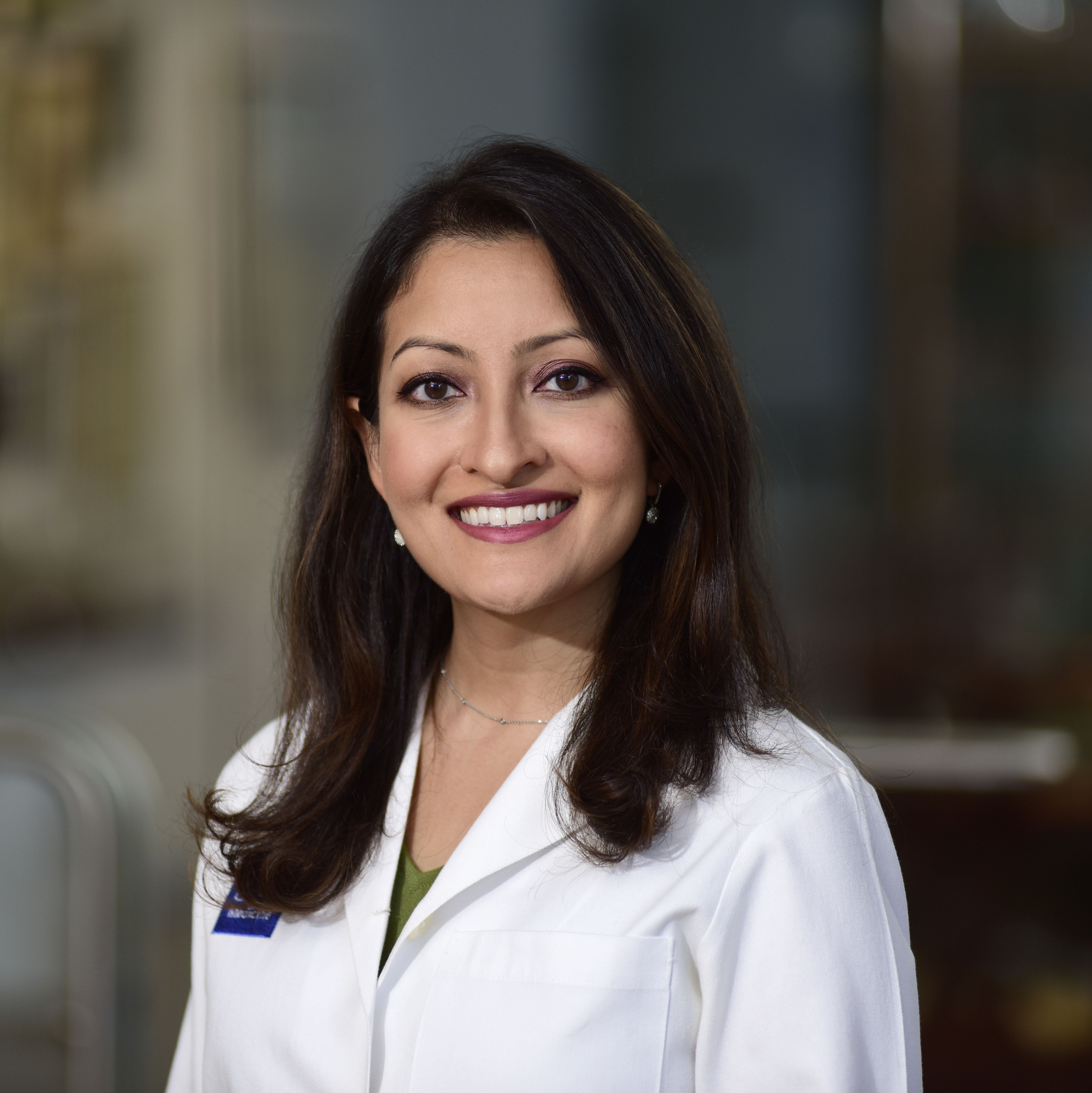
Deepika Satish, M.D., is an Assistant Professor in the Department of Medicine - Gastroenterology at Baylor College of Medicine, based at Ben Taub Hospital (1504 Taub Loop, Houston, TX). She holds dual board certifications in Gastroenterology and Internal Medicine from the American Board of Internal Medicine. Education & Training: BS in Biochemistry and Cell Biology, Rice University (2012) MD, University of Texas Southwestern Medical Center (2016) Internal Medicine Internship and Residency, UT Southwestern (2017-2019) Gastroenterology/Hepatology Fellowship, Memorial Sloan Kettering Cancer Center (2022) Advanced Endoscopy Fellowship, Mount Sinai Hospital/Icahn School of Medicine (2023) Research Focus: Dr. Satish specializes in therapeutic endoscopy and oncology-related gastrointestinal disorders. Her work explores immune checkpoint inhibitor complications, endoscopic management of malignancies, pancreatic diseases, and quality improvement in cancer screening techniques including EUS, ERCP, and advanced resection procedures. Honors & Awards: ASGE Video Plenary Presenter (Digestive Disease Week 2023) Presidential Poster Award (ACG 2020) Outstanding Poster Presenter (ACG 2018) Research Scholarship at Parkland Memorial Hospital (2017) Rice Engineering Alumni Scholarship (2008) Professional Affiliations: Active member of the American Society for Gastrointestinal Endoscopy, American College of Gastroenterology, and American Gastroenterological Association.
Professor Simon Ringer is the Pro-Vice-Chancellor (Research Infrastructure) at The University of Sydney and a Professor of Materials Science and Engineering in the School of Aerospace, Mechanical & Mechatronic Engineering. He is also an academic member of the Australian Centre for Microscopy & Microanalysis and a member of The Net Zero Institute. With an international career spanning Sweden, Japan, the USA, and Australia, Professor Ringer has established himself as a leading researcher in atomic-scale materials design. His research focuses on how atomic clusters create materials with remarkable properties for applications in semiconductors, photovoltaics, catalysis, and lightweight metal alloys. Professor Ringer's work particularly addresses 'property conflicts' in materials engineering, such as balancing strength and ductility or superconductivity and magnetism. His research group has achieved significant breakthroughs in atomic-level characterization, advanced steels development, computer memory technologies, and nanoelectronics, with publications in high-impact journals including Nature Materials, Physical Review Letters, and Advanced Materials. Professor Ringer leads the University's Core Research Facilities program, overseeing strategic planning and implementation of high-end research infrastructure initiatives. His leadership extends to national research infrastructure strategy engagement, positioning the University of Sydney as a leader in Australia's research facilities landscape. Current research projects in his group focus on atomic-scale materials design, functionalized photovoltaic surfaces, additive manufacturing, and new frontiers in microscopy techniques. Professor Ringer has published over 100 papers, authored two significant books ( Atomic-Scale Analytical Tomography in 2022 and Atom Probe Microscopy in 2012), and holds patents in steel and nanomaterial design. His research has practical implications for reducing CO2 emissions through lightweighting technologies and advancing computer memory capacity. He currently supervises several research students including Kirk CHEN, Jeffrey LU, and Samia RAZZAQ, and actively recruits for Honours, Master's, PhD, and postdoctoral positions. Former team members have gone on to work at prestigious institutions worldwide including Texas A&M University, University of Oxford, Max Planck Institute, and various multinational corporations. Professor Ringer's research team utilizes advanced tools including atom probe microscopy, transmission electron microscopy, density functional theory, and computational modeling techniques to gain insights into materials behavior at the atomic scale. His qualifications include BAppSc from Uni SA, PhD from UNSW, and numerous professional designations including CMatP, FIEAust CPEng APEC Engineer IntPE(Aus), FRSN, and FTSE.
Walt Scott is a Professor at the Psychology Department of Washington State University , where he also serves as the Director of the Psychology Clinic . He earned his Ph.D. from the University of Illinois at Chicago in 1996 and has since focused on integrating social cognitive theory into personality assessment and clinical case conceptualization . Education: Ph.D., University of Illinois at Chicago (1996) Research interests center on applying personality science to assess individual differences in temperament, self-schemata, goals, and moral standards , particularly in relation to depression and trauma-related disorders . His lab has pioneered the Person In Context Assessment (PICA) method, which examines dynamic "if-then" personality signatures. Recent studies show PICA reduces mood and anxiety symptoms in undergraduates and could improve clinical interventions for non-responsive patients. Scientific contributions include developing novel measures like the Relational Self-Schema Measure and Self-Efficacy for Parenting Adolescents Scale . Current projects aim to refine social cognitive assessment tools , test their efficacy in controlled experiments , and explore technology-driven personalized treatments for mood disorders. Advising highlights include mentoring graduate researchers such as S. Paup, B. Mallory, J. Tyser, C. Strauch, K.H. McDougall, and A.C. Mousseau . His lab also engages undergraduate research opportunities and collaborates on cross-disciplinary projects involving technology-enhanced mental health interventions .
Dr. Julia A. Kearney is an Associate Professor and Associate Attending Psychiatrist at Memorial Sloan Kettering Cancer Center (MSK) in New York City. She serves as the Clinical Director of the Pediatric Psycho-Oncology Program at MSK, where she specializes in providing psychological support to children with cancer and their families. Dr. Kearney is board certified in Pediatrics, General Psychiatry, and Psychosomatic Medicine. Dr. Kearney completed her medical degree at the University of Cincinnati College of Medicine, followed by residency training at Mount Sinai Medical Center in New York, and fellowship training at Memorial Sloan Kettering Cancer Center. Dr. Kearney's research focuses on the psychological impact of cancer and other serious medical conditions on children and their families. Her work examines childhood medical trauma, the psychiatric aspects of Fanconi anemia, and the development of interventions to manage both physical symptoms (such as nausea, vomiting, and pain) and the emotional and cognitive effects of cancer treatment. As part of the Symptom Studies and Pharmacotherapy Laboratory in the Department of Psychiatry, she conducts studies aimed at enhancing quality of life and relieving suffering for pediatric cancer patients. Dr. Kearney has received numerous professional recognitions, including multiple "America's Top Doctor" designations from Castle Connolly (2023-2025) and the "Exceptional Women in Medicine" award (2023-2024). Her clinical expertise spans anxiety, depression, coping difficulties, adjustment disorders, attentional disorders, and other psychological challenges faced by children with cancer and their families. Dr. Kearney is an active member of several professional organizations, including the American Academy of Child and Adolescent Psychiatry, the American Psychosocial Oncology Society, and the Academy of Psychosomatic Medicine. She has contributed to important clinical guidelines, including the Standards of Psychosocial Care for Parents of Children With Cancer.
Maude Schneider is a Researcher at the Faculty of Psychology and Educational Sciences , University of Geneva, affiliated with the Unité de psychologie clinique des situations de handicap . Her work focuses on neurodevelopmental disorders, particularly 22q11.2 deletion syndrome and autism spectrum disorders. Research Interests: 22q11.2 deletion syndrome (cognitive, affective, and neurobiological profiles) Autism spectrum disorder (social cognition, stress reactivity, developmental trajectories) Clinical interventions (transcranial stimulation, pharmacology) Psychotic symptom prediction and management Publications Trends: Her recent work explores sleep disturbances in 22q11.2DS (2025), social interaction dynamics (2024), and cross-disorder comparisons of neurodevelopmental mechanisms. Supervised Works: She has supervised 30 research projects according to University of Geneva records.
Susan Y. Bookheimer, PhD, is Professor-in-residence in the Department of Psychiatry and Biobehavioral Sciences at the David Geffen School of Medicine, University of California, Los Angeles. From 2008 to 2024 she held the endowed Joaquin M. Fuster Chair in Cognitive Neuroscience and currently directs or co-directs several large-scale NIH consortia including the UCLA site of the Adolescent Brain Cognitive Development (ABCD) Study, the Lifespan Human Connectome Project in Aging, and newly funded initiatives on resilience to Alzheimer’s disease in centenarians. Education & Training Details of formal degrees are not provided in the source text; however, her continuous NIH funding since 1995 and leadership roles imply advanced research training in clinical neuroscience and neuroimaging. Research Focus Dr. Bookheimer’s work integrates multimodal neuroimaging (fMRI, sMRI, DTI, PET, EEG) with genetics, cognitive testing, and clinical phenotyping to understand: Typical and atypical brain development across the lifespan Neurobiological underpinnings of autism spectrum disorder and sensory phenotypes Early detection and prediction of Alzheimer’s disease and age-related cognitive decline Neuroplasticity and cognitive outcomes following epilepsy surgery Effects of environmental adversity, stress, and social support on brain networks Scientific Awards & Honors Joaquin M. Fuster Chair in Cognitive Neuroscience, UCLA (2008–2024) Principal or Co-Principal Investigator on >15 active NIH grants totaling >$100 M Over 230 peer-reviewed publications with >25,000 citations (Google Scholar metrics) Grants & Consortia Leadership Dr. Bookheimer currently leads or co-leads the following major NIH projects: U19AG073585 – Vulnerability and Resiliency in the Aging Adult Brain Connectome (AABC) U19AG073172 – Resilience/Resistance to Alzheimer’s Disease in Centenarians and Offspring (RADCO) R01AG073480 – Modulation of Hippocampal Circuitry with Focused Ultrasound in Amnestic MCI P50HD103557 – UCLA Intellectual and Developmental Disabilities Research Center U01DA050987 – ABCD-USA Consortium Research Project Site at UCLA U01AG052564 – Mapping the Human Connectome During Typical Aging U01MH109589 – Mapping the Human Connectome During Typical Development In addition, she has served as PI on prior awards including P50HD055784 (Autism Center), R01AG013308 (Alzheimer’s Risk), and P30HD004612 (IDDRC). Laboratories & Teams Dr. Bookheimer directs the UCLA Brain Mapping Center (part of the Ahmanson-Lovelace Brain Mapping Center) and co-directs imaging cores for both the UCLA IDDRC and the ABCD Study. Her multidisciplinary teams include post-doctoral fellows, graduate students, research staff, and collaborators across neurology, radiology, psychology, and genetics departments.