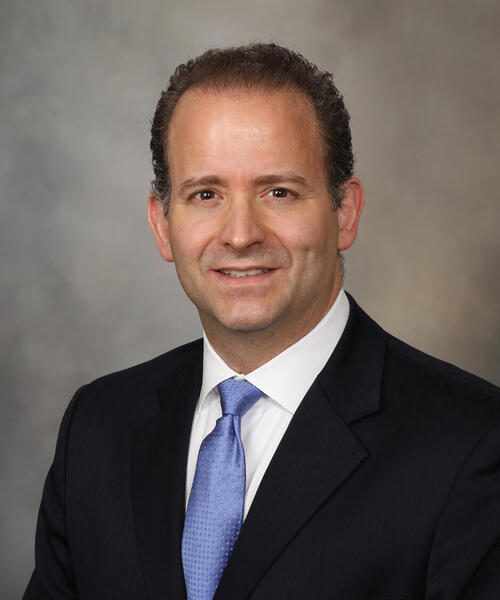
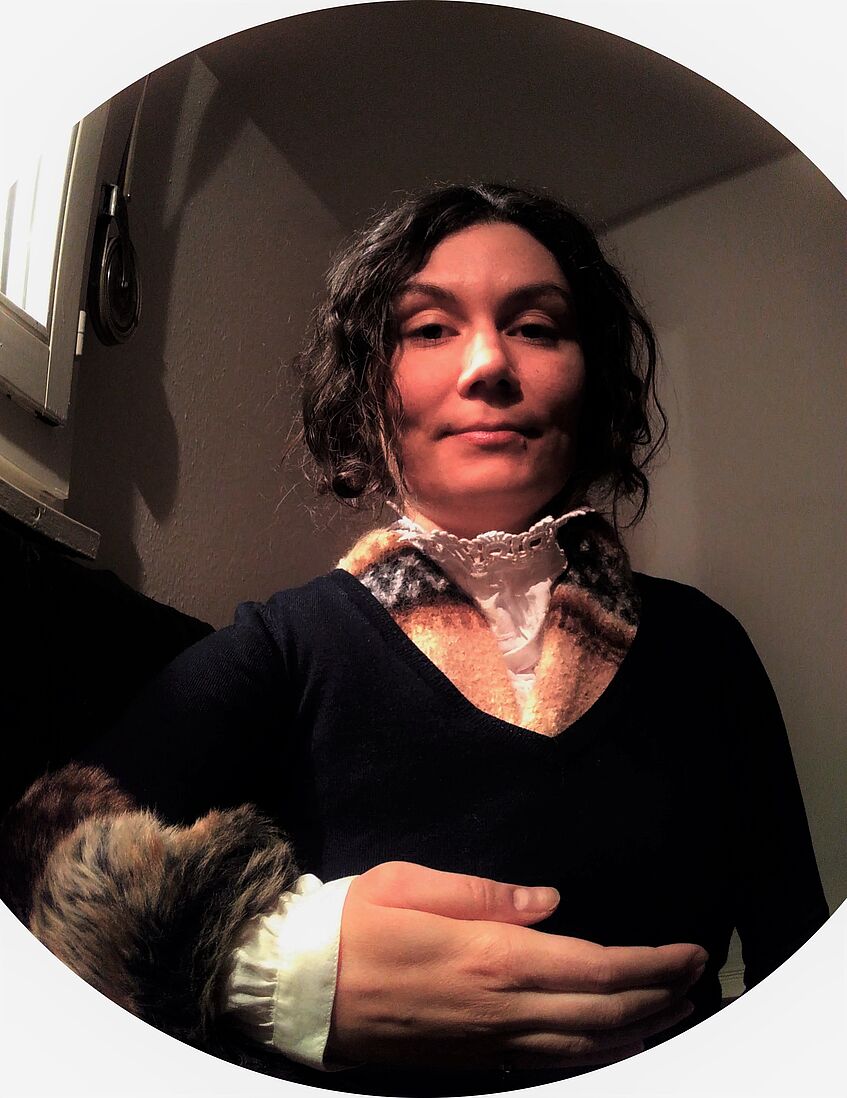
Elena Cano Turrión is an Assistant Professor at the Department of Spanish Philology, University of Córdoba, specializing in Spanish Literature of the Golden Age. She earned her PhD in 2019 with a thesis on Alberto Díez y Foncalda's Poesías varias (1653). Her research focuses on: Baroque and post-Baroque poetry Paratextual elements in early modern texts Literary academies and networks Mythological reinterpretation in Hispanic literature Authorial self-positioning in prologues Editorial practices and poetic canon formation Notable publication: Aunque entiendo poco griego... Fábulas mitológicas burlescas del Siglo de Oro (2019), analyzing comic mythological poetry. She has participated in 9 international congresses and organized 6 academic events, including the 2017 International Congress of Young Researchers. Her current projects include "Sujeto e Institución Literaria en la Edad Moderna" and "El Canon Poético Barroco en el Siglo XVIII."
Thorsten A. Kern is Professor and Director of the Institute of Mechatronics in Mechanical Engineering at Hamburg University of Technology (TUHH). He joined TUHH in January 2019 after serving as R&D manager for interior components at Continental, leading a team of 300 engineers worldwide. From January 2023 to January 2025, he served as Dean of the Faculty of Mechanical Engineering, and is elected to serve as Vice President for Teaching and Learning from October 2025 to October 2028. Since 2022, he has been Vice President of the EuroHaptics Society. Dipl.-Ing. (2002), Darmstadt University of Technology Dr.-Ing. (2006), Darmstadt University of Technology Prof. Kern's research focuses on electromagnetic sensors and actuators, particularly their system integration in high-dynamic applications. His work spans human-machine interfaces, haptic devices, and the intersection of technology with arts. He has a strong interest in medical applications including robotic rehabilitation systems, wearable exoskeletons, and telemanipulation systems. His research also extends to maritime applications, including ship energy systems and ocean monitoring technologies. Prof. Kern's recent publications reveal a strong focus on haptic interfaces, rehabilitation robotics, and maritime energy systems. His work combines theoretical modeling with practical implementation, often involving interdisciplinary teams. There's a clear trajectory toward tele-rehabilitation systems with haptic feedback, maritime power systems optimization, and novel sensor development. His research demonstrates consistent integration of mechanical, electrical, and control engineering principles to solve complex real-world problems. Over 30 patent families with >120 patent applications worldwide Main editor of "Engineering Haptic Devices" (3rd edition) Vice President of EuroHaptics Society (since 2022) Prof. Kern shows a strong passion for entrepreneurship and mentors young people through the Impossible Founders network. He actively supports students in IP-oriented exploitation of research findings, leveraging his extensive patent experience. His research is supported by various projects in haptics, mechatronics, and rehabilitation engineering, with collaborations spanning academia and industry. Prof. Kern leads the Institute of Mechatronics in Mechanical Engineering (M-4) at TUHH, which houses specialized laboratories including the Haptics Lab, PHiLsLab (Power Hardware-in-the-Loop Laboratory), and Optics Lab (Goniometer Laboratory for Measuring Light Fields). His research team includes multiple research assistants and doctoral students working on electrical measuring systems, autonomous multi-sensor drifters, SMART Sensor Particles, and human-machine collaboration projects.
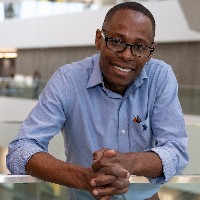
Dr. Samuel M Mugo is a Professor and Associate Dean of Development in the Faculty of Arts and Science at MacEwan University (Edmonton, Alberta), affiliated with the Department of Physical Sciences. He holds a PhD in Analytical Chemistry from Memorial University of Newfoundland (2006) and completed an NSERC postdoctoral fellowship at Queen's University (2007-2008). Since joining MacEwan in 2008, he teaches analytical chemistry, industrial chemistry, and mentors undergraduate researchers. Research Focus: Dr. Mugo develops smart polymer nanomaterials for mobile point-of-need spectro-electrochemical sensors. His work spans: Wearable diagnostics for mental health monitoring Precision agriculture and environmental quality sensors Frugal electrochemical platforms integrating data analytics Technology translation from lab to industry/community Key expertise includes nanotechnology, molecular imprinting, nanozymes, and citizen science applications. Publication Trends: Recent articles (2022-2025) demonstrate strong focus on: Wearable/implantable electrochemical sensors Microneedle-based metabolite detection Multiplexed biomarker analysis in biological fluids Smart hydrogels for neural interfaces Sustainable sensor materials from biowaste Awards & Honors: Alberta Newcomers Recognition Award (2022) MacEwan Distinguished Research Award (2021) MacEwan Distinguished Teaching Award (2020) Research Leadership: Dr. Mugo leads an interdisciplinary research group ( mugoresearchlab.com ) focused on sensor development. He has secured multiple grants including NSERC Discovery grants and Alberta Innovates funding. As Vice Chair of the Canadian Society of Chemistry Analytical Division, he promotes inclusive research communities.
Ivan Gitsov Ivanov is a Professor at the Department of Chemistry within the SUNY College of Environmental Science and Forestry , where he also serves as Director of the Michael M. Szwarc Polymer Research Institute . His research spans polymer chemistry and green synthesis methodologies, focusing on hybrid materials with biomedical and environmental applications. PhD in Polymer Chemistry (Bulgarian Academy of Sciences, 1986) Editorial roles: MDPI Polymers , Molecules , Current Organic Chemistry Research Interests include: Design of dendritic-linear hybrid polymers for drug delivery and nanoreactors Development of green chemistry through biocatalysis and solvent-free synthesis Creation of smart hydrogels for environmental cleanup and biomedical uses Exploration of polymer-assisted biocatalysis for enzymatic efficiency enhancement Advancement of polymer recycling via controlled degradation strategies Notable Awards : 2023-2024: Courtesy Associate Professor , Biomedical and Chemical Engineering, Syracuse University 2021-2022: Fulbright Scholar at University of Aveiro, Portugal 2017: SUNY Chancellor's Award for Excellence in Scholarship 2011: External Honorary Member , ETH Zurich Polymer Chemistry Group 1999: Cottrell Scholar (Research Corporation) Publications highlight trends in biocatalytic polymer synthesis , self-assembling amphiphilic systems , and green chemistry applications across biomedical and environmental domains.
Marie-Line Brunet is an Associate Professor of French at Ball State University’s Department of Modern Languages and Classics within the College of Sciences and Humanities. Her work bridges cinema and literature, focusing on migration, Renoir studies, and pedagogical innovation. Ph.D. in French and Francophone Studies (20th/21st Century Literature & Cinema), Indiana University-Bloomington (2013) MA in French and Francophone Studies, Indiana University-Bloomington Maîtrise in English, Université Paris X Nanterre Her research explores the interplay between cinematic and literary mediums, with particular attention to francophone migration narratives, Renoir’s cinematic techniques, and pedagogical strategies integrating film into language instruction. Recent publications analyze contemporary French cinema’s sociopolitical engagement, disability representation, and interdisciplinary approaches to teaching. Notable awards include the 2021 French for Specific Purposes Teaching Diploma (DDIFOS) from the Paris Chamber of Commerce and Industry. Teaching experience spans English and French institutions, covering language sequences to specialized courses like French Cinema and Francophone Island Hopping.
Dr. Torsten Sattler is a computer vision researcher at RWTH Aachen University, Germany, specializing in image-based localization and 3D scene reconstruction. His work focuses on developing efficient algorithms for camera pose estimation relative to large 3D models, with significant contributions to mobile localization systems and scalable reconstruction techniques. His primary research interests include: Image-based localization and pose estimation Large-scale 3D scene reconstruction Structure-from-Motion techniques Efficient correspondence search algorithms Mobile vision applications Point cloud processing and rendering Dr. Sattler's publication record shows a clear progression from fundamental algorithm improvements to practical systems for real-world applications. His research demonstrates particular expertise in optimizing RANSAC implementations, developing direct 2D-to-3D matching techniques, and creating memory-efficient solutions for mobile devices. The trend in his work moves toward increasingly complex systems that address practical challenges in urban-scale localization and reconstruction. Award: Best Paper Award at the ICCV Workshop on Big Data in 3D Computer Vision (2013) Dr. Sattler has maintained strong collaborations with researchers including Bastian Leibe and Leif Kobbelt. His work bridges theoretical computer vision with practical applications in augmented reality, robotics, and mobile navigation systems, often providing publicly available source code and project pages to support reproducibility and further research.
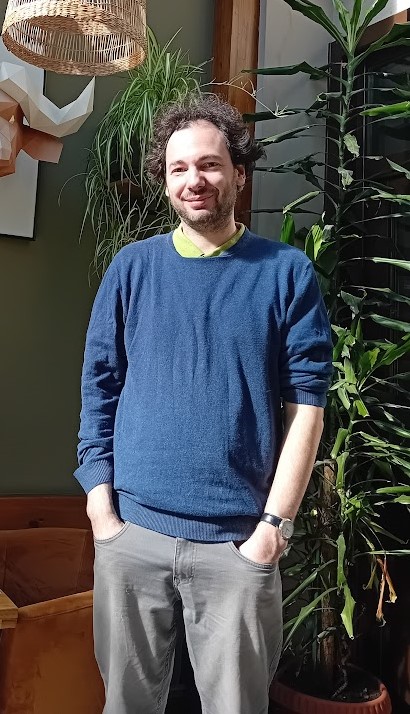
Ábel Tamás is an Assistant Professor at the Institute of Hungarian Literature and Cultural Studies within the Faculty of Humanities at Eötvös Loránd University (ELTE) in Budapest. He also holds concurrent lecturer positions in the Department of Comparative Literature and Cultural Studies and the General Literary Studies Research Group. His professional contact details include the email address tamas.abel@btk.elte.hu and office room IV. 419 at 1088 Budapest, Múzeum körút 4/A. His primary research interests center on Classical Philology and Latin Literature , with specialized focus on intertextuality, poetic techniques (including acrostics and telestichs), and the reception of classical texts across historical periods. He conducts extensive analysis of Roman poets such as Catullus, Vergil, Lucan, and Lucretius, examining structural elements and hidden signatures within their works. His scholarship extends into Comparative Literature and Cultural Studies , particularly through Hungarian literary history and theoretical frameworks examining media and cultural phenomena. Analysis of his 15 most recent publications (2018-2025) reveals consistent engagement with Latin poetry through structural and intertextual lenses. Key trends include investigations of acrostics in Lucan and Catullus, Vergilian hidden signatures, Lucretian poetic forms, and reception studies of classical works in Hungarian intellectual history. His output bridges philological precision with cultural theory, demonstrated by publications spanning Roman epic poetry to analyses of Marshall McLuhan's media theory, reflecting a distinctive multidisciplinary approach to classical reception and cultural critique.
Bruno J. Strasser is a Full Professor in the Biology Section at the University of Geneva and an Affiliate Professor at Yale University. His academic career spans multiple prestigious institutions across Europe and North America, with expertise in the history of science, medicine, and society. Professor Strasser received his PhD from the University of Geneva and University of Paris 7 in 2002. His academic journey includes positions as Assistant Professor at Yale University, Visiting Professor at the University of Manchester and University of Barcelona, Visiting Fellow at Princeton University, and Senior Lecturer at the University of Lausanne. He also held research fellowships at the Max Planck Institut für Wissenschaftsgeschichte in Berlin and Ecole Normale Supérieure in Paris. Strasser's research focuses on the historical intersections of science, medicine, and society. His work explores how scientific knowledge is produced, disseminated, and interacts with broader social contexts. He has made significant contributions to understanding the history of public participation in science, international scientific cooperation during the Cold War, the interactions between experimental science and clinical medicine, and the transformations of the pharmaceutical industry. His research also examines the development of scientific instrumentation and the role of collective memory in shaping scientific practices. Analysis of Strasser's recent publications reveals a strong focus on citizen science, public participation in scientific research, and the historical evolution of scientific practices. His work spans disciplines including history of science, history of medicine, sociology of science, and science and technology studies. Key themes include the relationship between expertise and democracy, the transformation of scientific data practices, and the historical development of scientific instruments and methodologies. Strasser has received notable recognition for his scholarly work: Henry-E. Sigerist prize 2006 for his book "La fabrique d'une nouvelle science: La biologie moléculaire à l'âge atomique, 1945-1964" As an academic mentor, Strasser oversees a research group that includes Véronique Stenger, Yuhann Guffroy, Eloïse Richard, Lucas Muller (affiliate), David Roberston (affiliate), Kostas Kampourakis, Séverine Perron, Annabelle Wilson, and Olivier Sutter. His research has been supported by various academic institutions and scholarly grants that have enabled his extensive historical investigations across multiple continents. He has collaborated with numerous international scholars, particularly in Europe and North America, to advance the field of history of science. Professor Strasser co-founded and developed the Bioscope, an outreach laboratory in 2014, demonstrating his commitment to public engagement with science history. His research group maintains active collaborations across institutions, with several affiliate members extending the reach of his scholarly network.
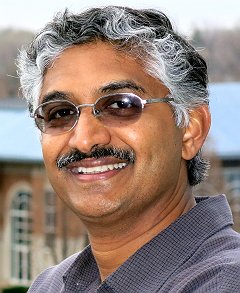
Vikram S. Adve is a Professor in the Department of Computer Science at the University of Illinois at Urbana-Champaign. He co-founded and co-leads the Center for Digital Agriculture and directs the USDA-funded AIFARMS Institute , focusing on AI applications in sustainable agriculture. His research bridges compilers, parallel systems, and AI to address challenges in edge computing and digital farming. Research interests span compiler technologies (LLVM, HPVM), parallel programming models , software reliability , and AI-driven agriculture . Key projects include: CropWizard : Generative AI for agricultural decision-making. HPVM/ApproxHPVM : Compiler IR for edge devices. Hydride/MISAAL : Automated retargetable compiler construction. Recent publications (2018-2025) emphasize compiler optimizations, approximate computing, binary analysis, and AI for systems. Trends show convergence of compiler techniques , heterogeneous computing , and AI applications in agriculture and edge devices. Adve actively recruits students for projects funded by USDA, Intel, Amazon, and Illinois DPI. He leads the HPVM compiler team and digital agriculture initiatives , integrating cross-disciplinary research across CS, engineering, and agronomy.
Ruth S. Day is an Associate Professor of Psychology and Neuroscience at Duke University, with a joint appointment in the Linguistics Program since 2014. She is affiliated with Trinity College of Arts & Sciences, conducting research at the intersection of cognitive psychology, neuroscience, and linguistic theory. Her office is located at 822 Erwin Square in Durham, North Carolina. Dr. Day received her Ph.D. from Stanford University in 1968, establishing a long and distinguished career in cognitive science. Her academic journey at Duke University spans multiple decades, having served as Associate Professor with Tenure since 1978, with various appointments evolving to her current dual roles in Psychology & Neuroscience and Linguistics. Her research focuses on basic cognitive processes and their applications to everyday life, with particular emphasis on: Alternative mental representations (text, lists, outlines, matrices, trees, diagrams) and their cognitive effects Linguistic codability (how ease of naming things affects cognition and action) Medical cognition, including comprehension of prescription drug information Memory for movement, particularly in dance contexts Courtroom cognition and how people process legal information Dr. Day's publication record spans over 40 years, demonstrating remarkable continuity in cognitive research while adapting to emerging applications. Her recent work shows a strong focus on health-related cognition, particularly how patients understand medication information and side effects. She has pioneered research on alternative representations of medical information, examining how linguistic, numeric, and visual formats affect comprehension and decision-making. Her work bridges fundamental cognitive principles with practical applications in healthcare, demonstrating how basic research on representation and memory can improve patient safety and medical communication. Dr. Day has secured significant research funding for projects including: Promoting Safe and Effective Use of OTC Medications in Older Adults (2014) Usability Testing of Model Medical Device Patient Labeling (1999-2001) Memory for Dance: Implications for Instruction (1991-1992) Her professional service demonstrates substantial impact beyond academia. She has served on multiple FDA advisory committees, provided expert testimony to Congress on direct-to-consumer drug advertising, and consulted with organizations including the Brookings Institution and the Institute of Medicine. Her work has directly influenced policy and practice in medical communication and patient safety. Dr. Day's research program integrates laboratory studies with real-world applications, maintaining connections between basic cognitive mechanisms and practical problems in healthcare, legal settings, and the arts. Her audience perception and memory work with the American Dance Festival represents a unique application of cognitive principles to artistic performance and reception.
Dr. Samir Mardini is Chair of the Division of Plastic and Reconstructive Surgery at Mayo Clinic in Rochester, Minnesota, where he leads a team of fourteen plastic surgeons and hundreds of providers and Allied Health staff. A globally recognized expert in craniofacial surgery and facial paralysis and reanimation, Dr. Mardini was instrumental in establishing Mayo Clinic's groundbreaking face transplant program and led the team that performed the institution's first face transplant. Dr. Mardini completed his plastic surgery residency at Georgetown University Medical Center, followed by specialized craniofacial and reconstructive microsurgery fellowships at Chang Gung Memorial Hospital in Taiwan, where he also worked as an academic surgeon for two years before joining Mayo Clinic. His educational journey reflects a commitment to mastering advanced techniques across international settings. Dr. Mardini's research focuses on facial nerve studies, facial allotransplantation, facial anatomy, regenerative medicine, cleft and craniofacial diseases, and 3D imaging/virtual surgery planning. His clinical work spans craniofacial surgery for children and adults, cleft lip and palate repair, facial reanimation, facial plastic surgery, facial trauma, and complex reconstructive procedures. He has particular expertise in restoring function and aesthetics for patients with facial paralysis. Analysis of Dr. Mardini's recent publications reveals a strong emphasis on innovation in facial transplantation, virtual surgical planning, and craniofacial reconstruction. His scholarly output demonstrates consistent productivity with significant contributions across plastic surgery, transplant medicine, and medical imaging disciplines. The thematic continuity in his work shows a sustained focus on improving outcomes for patients with complex facial conditions. Teacher of the Year for Plastic Surgery (two consecutive years) Teacher of the Year for Surgery and Surgical Sub-Specialties at Mayo Clinic 2025 Gold Telly Award for Derek Pfaff Face Transplant documentary 2025 Small Grands Program Award from Mayo Clinic's Division of Surgical Research 2024 William ReMine Lectureship Award from the Priestley Society 2019 Skoog Lectureship 2011 Godina Traveling Fellowship Award As an educator, Dr. Mardini served as Program Director for the Plastic Surgery Residency for eight years, establishing Mayo Clinic's first Integrated Plastic Surgery Residency program that graduates four residents annually. He has edited six peer-reviewed journals and authored over 190 peer-reviewed articles. His humanitarian commitment is evident through over 30 international volunteer missions where he performed surgery for more than 700 children with cleft and craniofacial conditions. Dr. Mardini leads the Mayo Clinic Face Transplant Program, which represents the culmination of his expertise in craniofacial surgery, microsurgery, and facial reanimation. His approach emphasizes holistic, respectful, and attentive care that addresses both functional and aesthetic concerns, regularly collaborating with physicians across specialties to provide comprehensive treatment for patients with facial differences.
Dr. Temenuzhka Dimova is a PostDoc researcher at the University of Vienna, Faculty of History and Cultural Studies, Institute of Art History. She is affiliated with the Vienna Cognitive Science Hub and CReA Lab, where she conducts research on gesture semantics in Early Modern painting and digital art history. Her primary research focuses on the historical and semantic interpretation of codified hand gestures (chirograms) in Early Modern painting. She studies the origins, meanings, and combinations of hand signs to understand their role in visual communication and how they relate to contemporary sign languages and gesture studies. Dr. Dimova has developed innovative methodologies including the "chiroscript" transcription system for analyzing depicted gestures in painting. She currently leads the "Following the Festaiuolo" project, which examines multicultural perception of deictic chirograms using eye-tracking methods. Additionally, she contributes to the Jacques-Edouard Berger foundation project – the Vasari Diagram, an open-access platform exploring Wikipedia networks of Old and Modern Masters. Her research bridges art history, semiotics, cognitive science, and digital humanities, creating innovative approaches to understanding visual language in historical contexts. Dr. Dimova has published extensively with 14 scholarly works including her 2019 book "Le langage des mains dans l'art" and numerous articles on gesture analysis in Early Modern painting. Her work demonstrates consistent focus on hand gesture semantics across different historical contexts, with increasingly sophisticated analytical methods. FWF - Austria Science Fund, programme ESPRIT (2022) Dr. Dimova earned her PhD in Art History from the University of Strasbourg in 2017 with a thesis on hand gestures in French figurative arts (1604-1795). Prior to her position at the University of Vienna, she served as a lecturer at the University of Strasbourg (2015-2016) and University Paul Valéry, Montpellier (2013), and worked as a Museum Mediator at Musée Fabre, Montpellier (2009-2013).
Peter C. Petersen is an Associate Professor in the Department of Neuroscience within the Faculty of Health and Medical Sciences at the University of Copenhagen. Holding a Civilingeniør (MSc) in Technical Physics from DTU and a PhD in Neuroscience, he specializes in systems-level neural mechanisms using electrophysiological approaches. His educational background includes: Civilingeniør (MSc) in Technical Physics, DTU PhD in Neuroscience Petersen's research focuses on neural dynamics in memory and motor systems, combining in vivo electrophysiology with computational modeling. He investigates hippocampal place cells for spatial working memory and rotational dynamics in spinal cord networks, while developing neurotechnology tools like CellExplorer for single-neuron analysis. His work bridges experimental neuroscience, engineering, and data science to decode circuit-level computations. Recent publications (2020-2024) reveal a dual emphasis on hippocampal memory mechanisms (e.g., temperature effects on sharp wave ripples) and innovative methodology (e.g., 3D-printed microdrives). This trajectory demonstrates consistent advancement from tool development to fundamental discoveries in neural coding, with increasing collaboration intensity as evidenced by multi-institutional authorship. Scientific awards: No specific awards were documented in the source material. While explicit advising details are absent, his leadership in software/hardware development (CellExplorer, microdrive systems) implies active mentorship of technical researchers. Grant information isn't specified, though high-impact publications suggest sustained funding for neurotechnology and systems neuroscience projects. Petersen directs the Petersen Lab (https://petersenlab.org/), which employs chronic electrophysiology in rodent models to study memory and movement. The lab maintains strong ties with the Buzsáki lab (hippocampal research) and continues collaborations initiated during his NYU Langone Health tenure (2016-2022), reflecting an integrated approach to neural circuit analysis across institutions.
Dr. Aurelian Catalin GALCA is a Senior Researcher I at the National Institute of Materials Physics (NIMP) in Magurele, Romania, where he works in the Laboratory of Complex Heterostructures and Multifunctional Materials (HeCoMat). He serves as NIMP's responsible for international collaborations with the Agence universitaire de la Francophonie (AUF) since 2016, managing administrative procedures and educational, training, and research activities for foreign PhD students and postdocs. Dr. GALCA's educational background includes: PhD in Physics from the University of Twente, Netherlands (2006) Master's degree in Solid State Physics from the University of Bucharest, Romania (2002) Bachelor's degree in Physics from the University of Bucharest, Romania (2002) Dr. GALCA's research focuses on the non-destructive characterization of nanoscaled materials using advanced techniques including spectroscopic ellipsometry, X-ray diffraction, UV-Vis and infrared spectroscopy, and Raman spectroscopy. His work also encompasses the preparation of dielectric/semiconductor/metallic thin films by physical vapor deposition methods and the development and testing of optoelectronic devices . His expertise spans materials science, nanotechnology, photovoltaics, and magnetooptics, with particular emphasis on thin film characterization and engineering for solar cell applications, memory devices, and other electronic applications. Analysis of Dr. GALCA's recent publications reveals a strong focus on advanced materials for energy applications , particularly photovoltaics and energy storage. His work spans thin film solar cells (CZTS, CBTS), perovskite solar cells, supercapacitors, and magnetocaloric materials. A common thread is the precise engineering of material properties through composition control, phase transitions, and surface morphology optimization. His research increasingly incorporates computational methods to complement experimental findings, demonstrating an interdisciplinary approach to materials science. Dr. GALCA has received notable recognition for his work, including: RADU GRIGOROVICI prize awarded by the Romanian Academy in 2011 for contributions to the optical characterization of oxide systems As a research leader, Dr. GALCA has coordinated three national projects, two of which as Principal Investigator, including the "Science and engineering of kesterites for the next generation of solar cells" project. He has also contributed to economic projects with CyberSwarm Inc. and Honeywell Romania. His expertise is sought after as a scientific reviewer for top journals including Scientific Reports, ACS Applied Materials & Interfaces, and Applied Surface Science, and as an Expert Evaluator for the European Commission (H2020), ANR (France), CNR (Italy), and Romanian funding agencies. Dr. GALCA leads research activities at the Laboratory of Complex Heterostructures and Multifunctional Materials (HeCoMat) at NIMP, where his team focuses on the characterization and development of advanced materials for optoelectronic applications. The laboratory is equipped with state-of-the-art instrumentation for thin film deposition and characterization, supporting research in photovoltaics, memory devices, and other electronic applications. Dr. GALCA's team collaborates extensively with international partners, reflecting his role as NIMP's responsible for AUF collaborations.
Prof. Dr. Wolfgang Rösler is a leading scholar of Classical Philology at Humboldt University of Berlin, specializing in ancient Greek literature and cultural history. His research focuses on oral and literate traditions in archaic Greece, early Greek poetry (Sappho, Alcaeus), Athenian tragedy (Sophocles, Aeschylus), pre-Socratic philosophy, and Herodotean historiography. He held the Chair of Greek Studies from 1994-2009 and received the prestigious Heisenberg Fellowship (1979-1984). His work bridges literary analysis with anthropological and media theoretical perspectives, exploring how cultural revolutions in antiquity parallel modern digital transformations. Key contributions include groundbreaking studies on Homeric poetry's fictionalization processes, the socio-political function of Greek tragedy, and the material culture of literacy in archaic Greece. His edited volumes and translations (e.g., Walter Burkert's essays) further cement his role in preserving and advancing classical scholarship. Education: Doctorate 1969, Habilitation 1977 Professional Path: Positions at University of Konstanz (1971-1994), Humboldt University (1994-2009) Research Interests: Orality/Literacy dynamics, Greek lyric poetry, tragic poetics, historiographical methods His awards include recognition for advancing classical studies through interdisciplinary approaches. Current research continues examining ancient literary forms' influence on modern cultural theory.