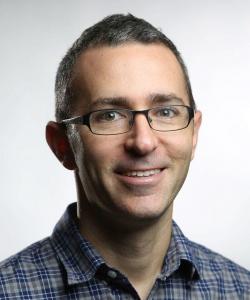
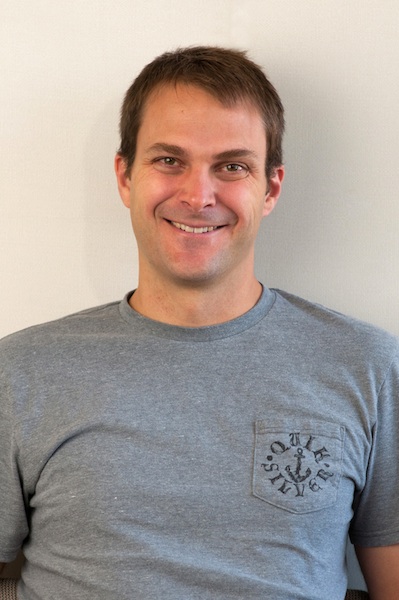
Majken Schultz is a Professor of Management and Organization Studies at Copenhagen Business School (CBS) since 1996, affiliated with the Center for Organization and Time (COT). She serves as Chair of the Carlsberg Foundation (since 2022) and Deputy Chair of the Carlsberg Group (since 2022), with prior board roles at Realdania (until April 2023) and Danish Crown (2018–2021). Her research explores the temporal dimensions of organizational phenomena, focusing on how distant futures and pasts influence strategy, identity, and temporary organizations, particularly in the context of climate change. Research Trends : Recent work examines organizational resilience through temporal trajectory models, path enactment for distant-future goals, and corporate sustainability initiatives. Publications highlight challenges in translating long-term climate targets into actionable strategies and reconfiguring organizational-nature relationships via pilot projects. Scientific Awards : Member of the Royal Danish Academy of Sciences and Letters Grants & Leadership : Principal Investigator for the Making Distant Futures Actionable: Innovating for Zero-Carbon Future project (Novo Nordisk Foundation, 2021–2025). Active in Danish business networks with board roles in multiple organizations (2013–2025).
Barbara Gail Montero is the Rev. John A. O’Brien Professor of Philosophy at the University of Notre Dame, where she holds a faculty position in the Department of Philosophy within the College of Arts and Letters. She earned her BA from the University of California, Berkeley, and her PhD from the University of Chicago. Her research focuses on two core areas: the metaphysical relationship between mind and body, and the role of consciousness in expert action. Notably, she explores how physicalism interacts with abstract entities and how athletes defy skill plateaus through orthogonal models of attention and automaticity. Her key publications include Continuous Improvement: Intertwining Mind and Body in Athletic Expertise (2022, co-authored), A Very Short Introduction: Philosophy of Mind (2021), and Thought in Action: Expertise and the Conscious Mind (2016). She has also published influential papers on pain memory gaps, expertise-induced amnesia, and critiques of flow-state theories. Montero’s interdisciplinary work bridges philosophy with dance performance, as seen in collaborations like Curved Spacetimes: Where Friedrich Nietzsche Meets Virginia Woolf . Her teaching spans philosophy of mind, logic, and science, emphasizing neural plasticity and conscious engagement in expertise.
Daniel M. Wolpert is a Professor of Neuroscience at Columbia University and Principal Investigator at the Zuckerman Institute. His research focuses on computational models of movement, integrating sensory cues and cognitive elements to understand motor control, memory, and rehabilitation strategies for cerebellar disorders. Key Research Areas: Sensorimotor integration, probabilistic inference, reinforcement learning, predictive modeling of movement, and aging effects on motor learning. Selected Awards: Royal Society Fellow (2012), Minerva Golden Brain Award (2010), Fulbright Scholarship (1992-1995). Recent publications highlight his work on contextual learning, motor memory formation, and the computational basis of sensorimotor uncertainty. His lab develops robotic interfaces to study human motor behavior and collaborates on clinical applications for movement disorders. Current opportunities include postdoctoral fellowships in sensorimotor control and decision-making.
Dr. Feras Dayoub is a Senior Lecturer at the School of Computer and Mathematical Sciences (Faculty of Sciences, Engineering and Technology) at the University of Adelaide , specializing in Embodied AI and Robotic Vision within the Australian Institute for Machine Learning (AIML) . He co-directs the CROSSING French-Australian laboratory for human-autonomous agent teaming and holds an Adjunct position at the Queensland University of Technology (QUT) , serving as an Associate Investigator at its Centre for Robotics . Previously, he was a Chief Investigator at the ARC Centre of Excellence for Robotic Vision . His research focuses on advancing reliable deployment of computer vision and machine learning on mobile robots in real-world environments. Applied projects include agricultural automation , environmental conservation , and autonomous infrastructure monitoring . He has published extensively on topics like object detection , domain adaptation , 3D representation learning , and vision-language navigation , with a particular emphasis on robustness in dynamic and partially observed environments. Dr. Dayoub is also an educator specializing in programming , computer vision , and robotic perception . He contributes to open-source robotics research through tools like AARK (Autonomous Racing Toolkit) and has led teams developing solutions for precision agriculture (e.g., Deepfruits fruit detection system) and environmental monitoring (e.g., Crown-Of-Thorns starfish detection ). Key Collaborations : CROSSING Lab, QUT Centre for Robotics Research Themes : Embodied AI, Robust Perception, Domain Adaptation
David Whitney is a Professor of Psychology at the University of California, Berkeley , with affiliations in Cognitive Science and Neuroscience . His research focuses on visual perception, particularly how humans process information in cluttered environments through mechanisms like ensemble perception , serial dependence , and perceptual crowding . He employs techniques such as psychophysics, fMRI, and TMS to study these phenomena. Whitney's recent work examines serial dependence in schizophrenia, emotion perception in crowds , and medical image analysis for dermatology and radiology. His studies reveal how the brain uses dynamic predictive templates and motion cues to stabilize perception despite neural processing delays. Publications span Current Biology , Nature Reviews Psychology , and PLoS ONE , with a strong emphasis on interdisciplinary applications of perceptual science. Scientific contributions include foundational studies on visuomotor control , blind spot filling-in , and holistic face processing . His lab investigates perceptual stability across eye movements, spatial localization, and cross-modal interactions. Whitney has received grants such as NIH EY018216 to support his research on motion-dependent visual coding. Detailed information about his work is available on the Whitney Lab website .
Brice Kuhl is a Professor in the Department of Psychology at the University of Oregon , where he leads the Kuhl Lab. His research focuses on the cognitive neuroscience of memory formation, retrieval, and forgetting , utilizing advanced neuroimaging techniques like fMRI and EEG combined with machine learning algorithms to analyze distributed neural activity patterns. His work explores mechanisms of memory interference resolution , forgetting , and neural representation transformation . Recent publications emphasize spaced learning , temporal memory dynamics , and memory-cognitive control interactions . The lab has received attention for decoding perceptual content from neural activity and reconstructing face images based on brain states. Current lab members include graduate students Anisha Babu , Tongle Cai , and America Romero , alongside postdocs like Soroush Mirjalili and Yoonjung Lee . The lab frequently presents at conferences like CNS and SFN , and maintains active collaborations in memory research and neuroimaging methodology . Notable projects include investigations into hippocampal pattern differentiation and parietal cortex roles in memory . The lab also contributes to open science initiatives with publicly available experimental codes and data .
Professor Brian Z. Tamanaha is a distinguished scholar in jurisprudence and law and society at Washington University School of Law. With over 75 publications, his work spans legal realism, rule of law, and legal pluralism, earning international acclaim. Education: Doctorate of Juridical Science (Harvard Law School), Juris Doctor (Boston University), Bachelor of Science (University of Oregon) Research Interests: Focused on the intersection of legal theory, historical analysis, and societal impacts, Tamanaha’s scholarship critiques formalist approaches while exploring the evolution of legal systems across cultures. Scientific Awards: 2019 IVR Book Prize 2018 Prose Awards Honorable Mention Dennis Leslie Mahoney Prize in Legal Theory (2006) Herbert Jacob Book Prize (2002) Special Recognition Award (1998, Law and Society Association) Key Speaking Engagements: Cotterrell Lecture (2015), Kobe Memorial Lecture (2014), Julius Stone Address (2008), and multiple international keynote addresses. Grants & Fellowships: Ferdinand Braudel Senior Fellowship (European University Institute), Institute for Advanced Study Membership (Princeton), and Visiting Professor Fellowship (Queen Mary University).
Zsolt Kira serves as an Assistant Professor in the School of Interactive Computing at Georgia Institute of Technology's College of Computing, with additional affiliations at the Georgia Tech Research Institute and as Associate Director of ML@GT. He leads the Robotics Perception and Learning (RIPL) Lab, driving research at the intersection of machine learning and robotics. Dr. Kira earned his Ph.D. in 2010 under Professor Ron Arkin, establishing foundational expertise in robotics and AI before transitioning to his current academic role after industry experience at SRI International Sarnoff. His research pioneers beyond supervised learning through unsupervised, semi-supervised, self-supervised, and continual/lifelong learning frameworks, while advancing distributed perception via multi-modal fusion and cross-robot information integration. This dual focus addresses core challenges in robotic autonomy and sensor processing. Analysis of his 15 most recent publications reveals dominant trends in embodied AI systems, robust foundation model adaptation, and multimodal learning architectures. Key themes include neural radiance field applications, reinforcement learning for locomotion, and novel benchmarks for memory evaluation in agents. While specific advisees and grants aren't documented in the source material, his RIPL Lab leadership implies active graduate mentorship and research funding acquisition. The lab's work directly enables next-generation robotic systems through algorithmic innovation in perception and learning. The RIPL Lab operates as a hub for developing machine learning techniques that solve difficult perception problems in robotics, with particular emphasis on unsupervised learning paradigms and distributed multi-robot systems that push the boundaries of autonomous operation.
Professor Gavan McNally is a distinguished behavioral neuroscientist at the University of New South Wales, where he serves as a Professor in the School of Psychology. He is actively engaged in research on the fundamental behavioral and brain mechanisms for learning and motivation, with applications to clinical conditions such as addictions, anxiety disorders, and mood disorders. McNally holds several prestigious editorial positions, including Editor-in-Chief of Neurobiology of Learning & Memory and Senior Editor of The Journal of Neuroscience. He also serves as President-Elect of the European Behavioral Pharmacology Society and is a Member of the Australian Research Council College of Experts. McNally's research interests span behavioral neuroscience, focusing on how fundamental brain mechanisms apply to clinical conditions. He employs a systems neuroscience approach, combining well-controlled behavioral approaches with optogenetics, chemogenetics, in vivo calcium imaging, and whole brain circuit mapping in both normal and transgenic animals. His work bridges basic science with clinical applications through collaborations with colleagues at University of Sydney, Sydney Local Health District, Monash University, and Turning Point. McNally's research particularly examines the cellular, circuit, and systems level mechanisms underlying learning, motivation, and their dysregulation in disorders like addiction. His laboratory investigates how these mechanisms translate to human conditions, with a strong emphasis on developing new treatments for psychological disorders. His extensive publication record demonstrates a clear trajectory in understanding punishment learning, addiction mechanisms, and the neural circuits underlying motivated behavior. Recent work has increasingly focused on the cognitive pathways to punishment insensitivity, the role of specific neural circuits in addiction, and translational approaches to understanding maladaptive behaviors. McNally's research bridges animal models with human studies, creating a comprehensive understanding of the neural mechanisms that govern learning and motivation, with particular attention to how these processes go awry in addiction and other psychological disorders. 2008 QEII Fellow, Australian Research Council 2009 Association for Psychological Science, International Rising Star 2010 Fellow, Association for Psychological Science 2010 UNSW Faculty of Science Staff Excellence Award for Research and Training 2011 Pavlovian Research Award, The Pavlovian Society 2012 Future Fellow (Level 3), Australian Research Council 2016 D.G. Marquis Behavioral Neuroscience Award, American Psychological Association 2017 Fellow, American Psychological Association 2019 Fellow of the Academy of Social Sciences in Australia 2021 D.G. Marquis Behavioral Neuroscience Award, American Psychological Association 2022 Ross Day Plenary Lecturer, Australasian Brain and Psychological Sciences 2023 European Behavioural Pharmacology Society Plenary Lecturer 2024 Elspeth McLachlan Plenary Lecturer, Australasian Neuroscience Society 2024 D.G. Marquis Behavioral Neuroscience Award, American Psychological Association Professor McNally actively supervises several students including Bixuan Lin, Si Yin Lui, Hannah Machet, Bart Cooley, Kelly Zhuang, and Alexandra Gregory. His current research is supported by significant funding including an Australian Research Council Discovery Project (2024-2026) on "Risky choices: From cells and circuits to computations and behaviour," another Discovery Project (2025-2028) on "Multimodal mapping of punishment learning," and NHMRC grants including a Synergy Grant on "Linking clinical and basic science discovery to find new treatments for alcohol-use disorder" and an Ideas Grant on "Novel pathways to abstinence from alcohol seeking." These projects reflect his commitment to both fundamental neuroscience and translational applications for treating psychological conditions. His teaching responsibilities include PSYC2081 Learning & Physiological Psychology and PSYC3051 Physiological Psychology. McNally's laboratory employs advanced techniques including optogenetics, chemogenetics, in vivo calcium imaging, and whole brain circuit mapping to investigate the neural mechanisms underlying learning, motivation, and their dysregulation in disorders. His team works at the intersection of basic neuroscience and clinical applications, with strong collaborations across multiple institutions to translate fundamental findings into potential treatments for addiction and other psychological disorders. The lab has made significant contributions to understanding the role of brain regions like the ventral pallidum, paraventricular thalamus, and nucleus accumbens in addiction, fear learning, and punishment sensitivity.
Patrick Tomlin is a Professor of Philosophy at the University of Warwick and Director of the Politics, Philosophy, and Law (PPL) undergraduate degree. He holds affiliations with the Philosophy Department and the Centre for Ethics, Law, and Public Affairs (CELPA). His academic journey includes roles at the University of Oxford (Corpus Christi College) and University of Reading, where he was Associate Professor in Political Philosophy. Education: B.A. (Hons) European Politics (University of Nottingham, 2002), M.A. Legal and Political Theory (University College London, 2004), D.Phil. Political Theory (University of Oxford, 2010). Research interests span moral, political, and legal philosophy, with a focus on distributive ethics, equality, criminal law, children's wellbeing, and moral uncertainty. His recent work includes exploring transferred malice in criminal law, aggregation in normative ethics, and proportionality in warfare. Publications highlight contributions to journals like Philosophical Quarterly , Law and Philosophy , and Journal of Applied Philosophy . Notable works include critiques of punishment theory, analyses of parental rights, and ethical frameworks for warfare. Awards include the Berger Memorial Prize (APA, 2017) and a Leverhulme Trust Research Fellowship (2020-21). He co-founded Free & Equal: A Journal of Ethics and Public Affairs in 2024 after resigning from Philosophy & Public Affairs . Teaching includes modules on ethics, applied ethics, and political economy. He advises on the PPL degree, established in 2018, and contributes to academic governance at Warwick.
James Warwick Bisley is a Professor of Neurobiology in the School of Medicine at the University of California Los Angeles (UCLA). His research focuses on the neural mechanisms underlying visual attention, eye movement control, and spatial processing in the brain. Dr. Bisley has made significant contributions to understanding how the brain guides attention and eye movements during visual search tasks, particularly through his work on the lateral intraparietal area (LIP) and frontal eye field (FEF). Dr. Bisley earned his PhD in Neuroscience from the University of Melbourne in December 1997. His research has been consistently supported by NIH funding, including R01 grants R01EY027968 (2018-2022) and R01EY019273 (2008-2019), where he served as Principal Investigator investigating neural processing in covert attention and the neural mechanisms underlying the guidance of visual attention. His research interests span visual attention, neural remapping, eye movement control, and the neural basis of spatial cognition. Dr. Bisley's work has demonstrated how brain areas like LIP and FEF contribute to visual attention and eye movement planning through the creation of priority maps. His recent publications show an expansion into haptic feedback applications in robotic surgery, demonstrating the translational potential of basic neuroscience research to improve surgical technologies. Dr. Bisley's publication record from 2016-2022 reveals a dual research focus: approximately half of his work continues to explore fundamental mechanisms of visual attention and neural processing, while the other half applies these principles to enhance robotic surgical systems through improved haptic feedback and tactile sensing. This interdisciplinary approach bridges cognitive neuroscience with biomedical engineering to address practical challenges in medical technology. Neural processing in covert attention (NIH R01EY027968, 2018-2022) The Neural Mechanisms Underlying the Guidance of Visual Attention (NIH R01EY019273, 2008-2019) Dr. Bisley has established himself as a leading researcher in visual neuroscience, with numerous highly cited publications in top journals including Journal of Neuroscience, Cerebral Cortex, and Proceedings of the National Academy of Sciences. His collaborative work spans multiple disciplines, connecting basic neuroscience with engineering applications to create innovative solutions for medical challenges.
Chantal Pellegrini is a Lecturer and PhD student at the Chair of Computer Aided Medical Procedures (Prof. Navab) at Technical University of Munich (TUM). Her research focuses on Deep Learning applications in medical imaging, including explainable AI for radiology report generation and Vision-Language Models for clinical decision support. She actively contributes to the DHM, NARVIS Lab, and RobUSt research groups. Teaching responsibilities include courses such as 'Computer Aided Medical Procedures', 'Medical Augmented Reality', and 'Surgical Robotics'. She supervises student projects in medical AI and healthcare innovation, with recent projects involving multimodal report generation and graph pretraining for medical applications. Education: BSc/MSc Computer Science (TUM), current PhD student since 2022 Labs: DHM (German Heart Center), NARVIS Lab, RobUSt Robotics & Ultrasound Research Keywords: Medical Image Understanding, Radiology Reports, LLMs in Healthcare Her publications span surgical OR dataset development, reinforcement learning for clinical decisions, and explainable X-ray diagnosis systems. She mentors MA/BA students in medical AI and project management for healthcare applications.
Dr. Anna Bagnoli is a Tutor and Director of Studies for Human Social and Political Sciences (HSPS) at Wolfson College, University of Cambridge. She is affiliated with the Department of Sociology and contributes to methodological training in qualitative and visual research methods. Her research bridges social sciences and arts, focusing on identity processes, migration, and gender. Alma Mater: PhD from University of Cambridge (2001) Research: Methodological innovation, narrative analysis, migration of Southern Europeans Her methodological expertise includes creative arts-based methods , visual research , and autobiographical narratives . She has led projects like Picturing Identities and Wolfson’s Worlds , exploring migration, belonging, and cultural capital reconstruction. Anna’s recent publications emphasize gendered migration experiences , arts-based research , and identity construction through visual methods . Key topics include the interplay of migration with science career aspirations, narrative ethics, and longitudinal youth studies. Scientific Awards EC Marie Curie TMR Fellowship (1998-2000) ESRC Postdoctoral Fellowship (2002-2003) Nuffield Foundation Grant (2010) She supervises doctoral students in migration, gender, and narrative research, with a focus on participatory and arts-driven approaches. Anna is also involved in the Cambridge Migration Research Network (Cammigres).
John Serences is a Professor in the Department of Psychology at the University of California, San Diego (UCSD). He leads the Perception and Cognition Lab, which participates in the Neuroscience Graduate Program. His research focuses on how behavioral goals and attention influence perception, memory, and decision-making, employing techniques like psychophysics, computational modeling, EEG, and fMRI. Key projects explore serial dependence, neural adaptation in visual cortex, and the interplay between sensory processing and mnemonic storage. Recent work highlights mechanisms reconciling repulsive neuronal adaptation with attractive behavioral biases. Affiliations: Department of Psychology, UCSD; Neuroscience Graduate Program. Research Themes: Visual perception, working memory, decision-making, neuroimaging. His lab investigates neural dynamics underlying cognitive processes, with particular emphasis on how attentional modulations and stimulus history shape neural representations. Notable contributions include studies on adaptive sensory coding and the role of top-down signals in perceptual stability.
Selin A. Malkoc is the FCOB Distinguished Professor and Professor of Marketing at The Ohio State University's Max M. Fisher College of Business. She also holds a courtesy appointment as Professor of Psychology. Her research focuses on consumer behavior, particularly intertemporal decision making and time perception. Dr. Malkoc received her Ph.D. in marketing from the University of North Carolina, Chapel Hill (2006) and a B.S. from Bilkent University (2000). Prior to joining Ohio State, she was faculty at the Carlson School of Business, University of Minnesota, and the Olin School of Business, Washington University in St. Louis. Her research examines how consumers make decisions with outcomes spread over time and how they perceive time. She investigates why consumers show impatience despite good intentions and proposes mechanisms to help consumers make better decisions. Her work also explores optimal time allocation between work and leisure to maximize happiness, with significant implications for consumer well-being. Dr. Malkoc's research has appeared in top journals including the Journal of Consumer Research, Journal of Marketing Research, and Psychological Science. Her work frequently appears in major media outlets such as the Wall Street Journal, New York Times, BBC, and TIME Magazine. Paul E. Green Award recipient William F. O'Dell Award recipient Citation of Excellence Award winner Associate Editor for International Journal of Research in Marketing Editorial Review Board member for Journal of Consumer Research She teaches undergraduate and graduate courses including BUSML 4998 (Undergraduate Research) and BUSML 8250 (Consumer Behavior). Her research on leisure perception, time management, and intertemporal choice has significantly advanced understanding of consumer decision-making processes.