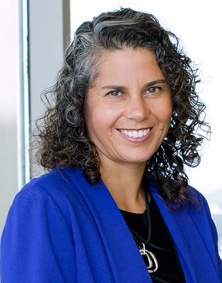
Michael McAlpine is a Professor in the Mechanical Engineering department at the University of Minnesota . He also holds affiliations with the Biomedical Engineering and Electrical and Computer Engineering departments. His research focuses on 3D printing functional materials & devices , Nanoscale inks , Biomedical devices , Bioelectronics , and Flexible Microsystems . Research Interests : 3D Printing, Biomedical Engineering, Nanotechnology, Flexible Electronics, Microfluidics Labs : ME 361/363 Contact : mcalpine@umn.edu , (612) 626-3303, ME 117 Recent Research Trends include 3D Printed Biomedical Devices , Flexible Electronics , and Bioprinting Applications . His work spans from Spinal Organoid Formation to Programmable Drug Release Capsules . Scientific Award : Circulation Research 2020 Best Manuscript Award
Manoj Sachdev is a Professor in the Department of Electrical and Computer Engineering at the University of Waterloo, Faculty of Engineering. His research focuses on semiconductor devices, low-power electronics, and secure hardware systems. He leads projects in flexible electronics, nanotechnology, and radiation-hardened circuits, with applications in displays, memory technologies, and biomedical sensors. His work integrates advanced materials science with circuit design to address challenges in energy efficiency and security. Education: Not explicitly stated in provided text. Research interests span thin-film transistors (TFTs), resistive switching memories, neuromorphic computing, and physically unclonable functions (PUFs). Recent efforts include developing low-power circuits for flexible substrates and secure microprocessors. His contributions to semiconductor device physics and integration techniques have advanced applications in wearable electronics and medical diagnostics. Publications highlight innovations in low-power flip-flops, energy-efficient display drivers, and memristor-based systems. He collaborates on interdisciplinary projects combining photonics, nanoelectronics, and biomedical engineering. Awards: None explicitly listed in provided text. Grants and advising: Advises on semiconductor fabrication, secure hardware design, and radiation effects in electronics. Leads research groups focused on next-generation memory technologies and flexible integrated systems. Labs/Teams: Active in the University of Waterloo's semiconductor and flexible electronics research clusters, contributing to both academic and industry partnerships.
Michael J. Frank is the Edgar L. Marston Professor of Psychology and Professor of Brain Science at Brown University's School of Cognitive, Linguistic, and Psychological Sciences. He holds academic affiliations with the Carney Institute for Brain Science and specializes in cognitive neuroscience, computational neuroscience, and decision-making processes. Frank earned his Ph.D. in Neuroscience & Psychology from the University of Colorado at Boulder in 2004, and joined Brown University in 2011 after serving as a Professor at the University of Arizona. His research integrates computational modeling and experimental methods to explore neural mechanisms underlying reinforcement learning, decision-making, and cognitive control, with a focus on prefrontal cortex-basal ganglia interactions and dopamine modulation. Frank's honors include the Troland Research Award (2021), Kavli Fellowship (2016), and the Cognitive Neuroscience Society Young Investigator Award (2011). He is an editor for eLife, Behavioral Neuroscience, and the Journal of Neuroscience. His lab, based at http://ski.clps.brown.edu, investigates topics such as neural circuit models of cognitive control, neuropsychological testing, and translational applications of computational models in psychiatry. Frank's research emphasizes interdisciplinary approaches, combining behavioral experiments, neuroimaging (fMRI, EEG), and pharmacological studies to dissect brain-behavior relationships. Key findings include insights into dopamine's role in motivation, decision-making deficits in schizophrenia, and computational phenotyping of mental disorders. His work bridges basic science and clinical applications, aiming to inform therapeutic strategies for neurological and psychiatric conditions.
Anna Levina is an Assistant Professor for Computational Neuroscience at the University of Tübingen , affiliated with the Department of Computer Science under the Faculty of Science. Her research focuses on the self-organization of neuronal activity, critical dynamics in neural networks, and the excitation/inhibition balance in cortical circuits. Current positions: Assistant Professor (since 2018), Group Leader (2017-2018), Equality Officer (Computer Science) Previous roles: IST Fellow (2015-2017), Associated Researcher (2011-2015), Postdoc/PI (2011-2015), Postdoc (2008-2011) Her research integrates mathematical modeling , statistical physics , and computational neuroscience to study criticality phenomena, neural avalanches, and adaptive network dynamics. Key interests include: Self-organized criticality in neural systems Excitation/Inhibition balance mechanisms Network topology and dynamics Timescale analysis in neural processing Stochastic modeling of neural activity Recent publications reveal trends in understanding critical dynamics across biological and artificial networks, with applications to memory systems, sensorimotor integration, and disease modeling. She has received recognition as an IST Fellow .
Dr. Hillel Adesnik is a Professor in the Department of Neuroscience at the University of California, Berkeley, and a leading researcher in the neural basis of sensory perception. His lab focuses on cortical microcircuits, optogenetics, and neural coding, with emphasis on visual processing and memory formation. Key Research Areas: Cortical Microcircuits Optogenetic Tools Gamma Band Rhythms Neural Coding Mechanisms Dr. Adesnik has pioneered high-speed optical methods like 3D-MAP and 3D-SHOT to manipulate neural activity. His work spans cortical dynamics, synaptic plasticity, and cortical layer interactions, with applications in understanding learning algorithms and sensory inference. Selected Trends from Publications: Recent preprints and papers highlight advancements in cortical VIP neuron function, channelrhodopsin structures, and inter-areal computations. His team utilizes two-photon holography, cryo-EM, and computational modeling to decode perception-related neural codes. Scientific Awards: NIH Director's New Innovator Award (2013) Dr. Adesnik's lab collaborates with institutions like NIH and develops tools for awake animal studies. Funding includes grants from the Beckman Young Investigator Program and NIH.
Istvan Mody is a Professor at the University of California, Los Angeles (UCLA) with appointments in the Department of Neurology and Department of Physiology . His research focuses on synaptic signaling in health and disease, including mechanisms of GABAergic transmission, calcium homeostasis, and their roles in neurological disorders such as epilepsy, Alzheimer's disease, Huntington's disease, stress, alcoholism, and postpartum depression. He utilizes advanced techniques like patch-clamp electrophysiology, neuroanatomical and immunohistochemical methods, and molecular biology in animal models and human brain tissue . Research Interests: Dr. Mody investigates the physiology, pharmacology, and pathology of synaptic transmission and extrasynaptic receptor activation , with a particular emphasis on GABA(A) receptors and their subunit-specific modulation. His work explores how disruptions in excitation-inhibition balance contribute to neurological diseases, including mechanisms of tonic inhibition , calcium signaling , and neurosteroid interactions . He also studies the effects of chronic stress and hormonal fluctuations on neural excitability and behavior. Publications Trends: Recent studies highlight his work on gamma oscillations in Alzheimer's models, microglial dynamics , and rehabilitation strategies for stroke. His lab develops optical tools like dqGEVI for neuronal activity monitoring and investigates human brain organoids to model network dysfunction in epilepsy and intellectual disability. Laboratory Location: 635 Charles Young Dr S, Los Angeles, CA 90095, United States.
Markus Heilig is a Professor of Psychiatry and Head of the Department of Biomedical and Clinical Sciences (BKV) at Linköping University. He serves as Director of the Center for Social and Affective Neuroscience (CSAN), integrating basic and clinical neuroscience to address addictive and affective disorders. His work bridges neuropharmacology, molecular psychiatry, and clinical trials. Linköping University (Current) Center for Social and Affective Neuroscience (CSAN) (Director) Wallenberg Center for Molecular Medicine (Collaborator) His research focuses on alcohol dependence mechanisms, stress-neurotransmitter interactions (e.g., CRF, substance P, endocannabinoids), and personalized medicine approaches. Using animal models and human neuroimaging (fMRI), his lab explores epigenetic changes in frontal lobe and amygdala neurons that drive compulsive alcohol use. Recent publications highlight his work on endocannabinoid modulation for PTSD treatment, neural correlates of reward choices, and pharmacological interventions targeting GABA and opioid receptors. His studies often combine brain imaging, behavioral analysis, and pharmacology. Scientific awards include the 2019 Wallenberg Clinical Scholar grant and 2017 CAN/Nordic Drugs prizes. Heilig's research is supported by Vetenskapsrådet (SEK 57 million center funding) and international donations like the Andrew J. Bock Memorial Fund.
Chris B. Schaffer is a Professor in the Meinig School of Biomedical Engineering at Cornell University, specializing in developing advanced optical techniques to study neurovascular dynamics in neurological diseases. His lab focuses on Alzheimer’s disease mechanisms, leveraging multiphoton microscopy and in vivo imaging to explore capillary stalling, cerebral blood flow deficits, and their cognitive impacts. He holds a Ph.D. in Physics from Harvard University and postdoctoral training in neuroscience at UC San Diego. Research interests include biomedical imaging instrumentation, neurodegenerative disease modeling, and science education innovation. Awards include AAAS Fellowship (2021), AIMBE Fellowship (2019), and multiple teaching accolades. His work bridges engineering and medicine, with contributions to spinal cord injury studies, epilepsy, and vascular contributions to dementia (VCID). Notable discoveries include identifying neutrophil-induced capillary stalls as a key Alzheimer’s disease mechanism and demonstrating cerebral blood flow improvements can restore memory in mouse models. His lab also develops educational tools emphasizing science as a discovery process, used in K-12 and university settings.
Rishidev Chaudhuri is an Associate Professor at the University of California, Davis in the Department of Neurobiology, Physiology and Behavior within the College of Biological Sciences. His research focuses on computational neuroscience and neural dynamics, employing mathematical models to investigate how neural circuits generate cognitive processes such as memory, perception, and decision-making. His work explores neural dynamics through models of memory systems, attentional mechanisms, and probabilistic inference. Recent publications highlight advances in understanding hippocampal memory scaffolds, parietal-frontal interactions, and neuromorphic computing inspired by brain architecture. Education: BA in Physics (Amherst College), PhD in Applied Mathematics (Yale University) Centers: Center for Neuroscience; affiliated with Applied Mathematics and Neuroscience Graduate Groups Scientific awards and honors are not explicitly mentioned in the provided materials.
Kyojin Choo is a Tenure Track Assistant Professor at the Swiss Federal Institute of Technology Lausanne (EPFL) in the School of Engineering , affiliated with the Mixed-Signal Integrated Circuits Lab (MSIC-LAB). He also holds teaching roles in Microengineering and Electrical and Electronics Engineering at EPFL. B.S. and M.S. in Electrical Engineering from Seoul National University (2007, 2009) Ph.D. in Electrical Engineering from the University of Michigan (2018) His research focuses on charge-domain analog/mixed-signal circuits , low-power sensor interfaces , and compact ADCs for IoT, wearables, and millimeter-scale systems. He has pioneered charge-injection cell techniques for energy-efficient circuits in energy management, sensor front-ends, and communication. His work emphasizes reducing power consumption to nanowatt levels while enabling ultra-compact designs. His recent publications highlight advancements in compact SAR ADCs , low-power MEMS accelerometers , millimeter-scale imaging systems , and ultra-low-power timing generators . His research integrates charge-domain circuit design with sensor interface optimization , energy harvesting , and high-speed link architectures . He holds over 20 US patents and has taught courses in Microengineering and Electrical Engineering at EPFL. His group (MSIC-LAB) addresses challenges in battery-free sensor design, power-constrained system scaling, and commercialization of wearables with unconventional form factors.
Maurice Smith serves as the Gordon McKay Professor of Bioengineering at Harvard University's School of Engineering and Applied Sciences (SEAS), where he leads the Neuromotor Control Lab. His primary appointment resides within the Department of Bioengineering, focusing on the computational and neural mechanisms underlying human movement control. Smith's research centers on sensorimotor learning , motor adaptation , and neuromotor control systems . He investigates how the brain forms and retains motor memories, particularly examining cerebellar contributions to long-term sensorimotor memory and the dissociation between implicit and explicit learning pathways. His work frequently employs computational modeling to dissect neural tuning properties and motor variability regulation. Analysis of his recent publications reveals a strong emphasis on temporal dynamics in motor learning , cerebellar function in memory consolidation , and Bayesian frameworks for understanding sensorimotor adaptation . His research demonstrates consistent focus on how error processing, uncertainty, and neural plasticity shape motor memory formation across multiple timescales. Smith maintains active collaborations with researchers including Wilsaan M. Joiner, Yohsuke R. Miyamoto, and Nathan Sandholtz, as evidenced by frequent co-authorship patterns. His laboratory investigates fundamental questions in motor control with implications for neurorehabilitation and adaptive robotics.
Susanne M. Jaeggi is a Professor of Psychology at Northeastern University, with additional affiliations in the Bouve College of Health Sciences and the College of Arts, Media, and Design. Her research focuses on cognitive training, executive functions, and individual differences in cognition across the lifespan. She holds PhDs in Cognitive Psychology and Neuroscience from the University of Bern (Switzerland), and completed postdoctoral work in Cognitive Neuroscience at the University of Michigan. Her work has been funded by NIH, NSF, IES, ONR, and the Advanced Education Research and Development Fund (AERDF). She leads the Working Memory & Plasticity Lab , which develops interventions to improve working memory and executive functions, and co-leads the Brain Game Center for Mental Fitness and Well-Being , creating evidence-based brain fitness tools. Jaeggi’s research emphasizes understanding mechanisms of cognitive improvement through training, including neuroplasticity and individual variability. Key areas include cognitive aging interventions, gamification, sensory-cognitive interactions, and the impact of socioeconomic factors on academic achievement. Her work integrates behavioral experiments, neuroimaging, and digital health technologies to address real-world challenges in education and healthcare. Recent studies explore music/art-based interventions, brain stimulation (e.g., tDCS), and scalable cognitive assessments. Collaborations span disciplines, with publications addressing topics like neural correlates of training, motivational features in interventions, and cross-modal perception. Her labs emphasize translating findings into public-facing tools, such as freely accessible brain fitness apps. Current projects include optimizing interventions for ADHD populations and leveraging digital platforms for global mental fitness.
Anna G Orr serves as Nan and Stephen Swid Assistant Professor of Frontotemporal Dementia Research and Assistant Professor of Neuroscience at Weill Cornell Medical College's Brain and Mind Research Institute since 2016, leading pioneering research on astrocyte biology in dementia pathogenesis. Her educational background includes: Ph.D. from Emory University (2008) B.S. from Allegheny College (2002) Dr. Orr's research program centers on astrocytic-neuronal interactions , mitochondrial signaling , and neuroimmune mechanisms through three interconnected pathways: neuroimmune , oxidative , and G protein-coupled signaling . Her lab investigates how these mechanisms influence neuroinflammation, protein aggregation, synaptic function, and behavioral outcomes in dementia, with parallel therapeutic discovery efforts targeting astrocytic pathways for novel dementia treatments. Analysis of her 15 most recent publications (2025-2010) reveals escalating focus on astrocyte-specific dementia mechanisms , particularly mitochondrial ROS signaling, sex-dimorphic memory effects, TDP-43 pathology interactions with antiviral pathways, and lipid dysregulation in neurodegeneration. Her work consistently bridges molecular discoveries with therapeutic applications, demonstrating increasing NIH funding support for translational approaches. Key scientific recognitions include: NIH K99/R00 Pathway to Independence Award (2017) Leon Levy Fellowship in Neuroscience (2021) Nan and Stephen Swid Endowed Professorship (2021) Outstanding Neuroscience Teaching Award (2021) Dr. Orr actively mentors eight trainees across career stages, including Ph.D. candidates Evelyn Hardin and Constance Zhou, while securing major NIH grants as Principal Investigator for projects like Uncovering Dementia-Related Lipid Alterations in Astrocytes (NIA 2024-2026) and Mitochondrial Complex III Free Radicals in Dementia Pathology (NIA 2020-2026), alongside collaborative awards from the Alzheimer's Association. Her Orr Lab maintains a dual focus on mechanistic astrocyte biology and therapeutic translation, with current projects examining astrocytic TDP-43 dysregulation, mitochondrial complex III signaling, and sex-specific memory mechanisms using advanced in vivo techniques and disease models.
Virginia de Sa is a Professor in the Department of Cognitive Science at the University of California, San Diego. Her research integrates computational modeling, psychophysics, and machine learning to investigate visual and multi-sensory perception, with a focus on understanding how humans learn and perceive through neural mechanisms. Her work emphasizes the synergy between human learning and machine learning, applying insights from both fields to advance understanding of perception. Notable projects include developing brain-computer interface (BCI) systems and analyzing biases in facial expression recognition algorithms. She leads the de Sa Lab, which explores the neural basis of learning through interdisciplinary methods, including EEG analysis and biologically inspired algorithms. Key research directions include improving BCI usability through adaptive spatial filtering, investigating pain assessment via facial and electrophysiological data fusion, and enhancing AI fairness in facial expression analysis. Dr. de Sa has contributed to grants such as the NSF-funded CHS project to enhance BCI reliability and collaborates on initiatives like AI-READI to improve healthcare data practices. Her lab’s BCI division focuses on interpreting EEG data for assistive technologies, while her work on divisive normalization bridges biological insights with artificial neural network design. Ongoing efforts explore zero-shot learning and the generalization of neural models to unseen tasks. Dr. de Sa’s interdisciplinary approach spans neuroscience, computer science, and engineering, with a commitment to advancing both theoretical understanding and practical applications in human-computer interaction.
Kristen Pleil is an Associate Professor at Weill Cornell Medicine in the Graduate School of Medical Sciences, affiliated with the Department of Pharmacology and Neuroscience. She serves as Co-director of the NIGMS-sponsored Training in Pharmacological Sciences (TIPS) predoctoral T32 program. Academic Appointments: Assistant Professor (2016), Associate Professor (2021) Education: BA in Psychology (Emory University, 2005), PhD in Neuroscience (Duke University, 2010), Postdoc at University of North Carolina School of Medicine Research Focus: The Pleil lab investigates how sex and stress hormones regulate alcohol/substance use, stress responsivity, and affective behavior through neuropeptidergic brain circuits and hormone-neuropeptide signaling. Key projects include estrogen's role in alcohol drinking and anxiety, opioid receptor signaling in reward/aversion learning, and sex-dependent thalamic control of stress responses. The lab uses in vivo and ex vivo mouse models to study synaptic/epigenetic plasticity across developmental stages. Publications Trends: Her work spans molecular pharmacology, neurophysiology, and addiction research with a focus on sex differences in neuropsychiatric diseases. Articles cover topics like estrogen signaling in binge drinking, opioid-context memory, thalamic circuits in stress response, and optogenetic tools for receptor imaging. Scientific Awards: President’s Young Investigator Award, ISBRA (2013) Elizabeth Young New Investigator Award, OSSD (2015) K99/R00 Pathway to Independence Award, NIAAA (2015) Kellen Foundation Junior Faculty Fellowship (2016) NARSAD Young Investigator Award (2017) Early Career Investigator Award, NIDA-NIAAA (2017) Training and Collaborations: As Co-director of the TIPS T32 program, she mentors graduate students in pharmacological sciences. Her collaborations include researchers at UNC, Duke, and Weill Cornell, with grants from NIAAA, NIMH, and NIGMS.