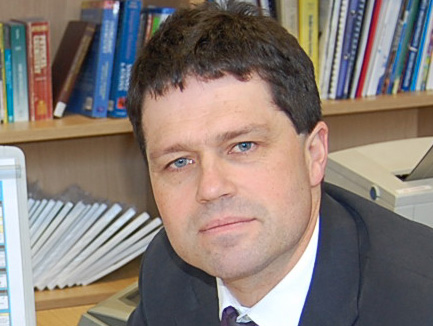
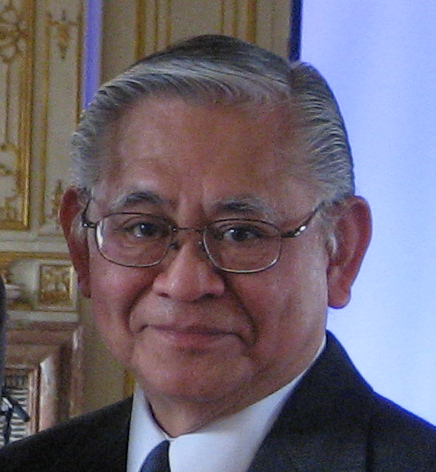
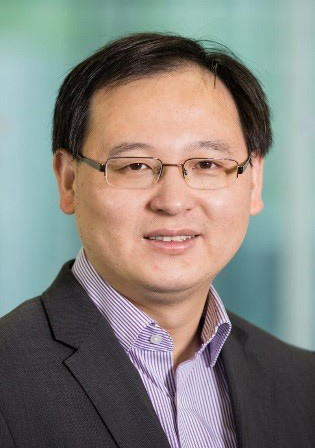
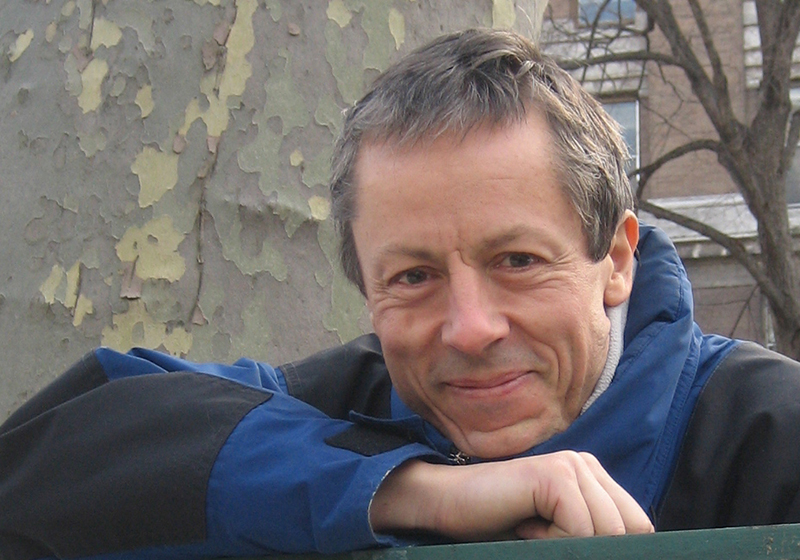
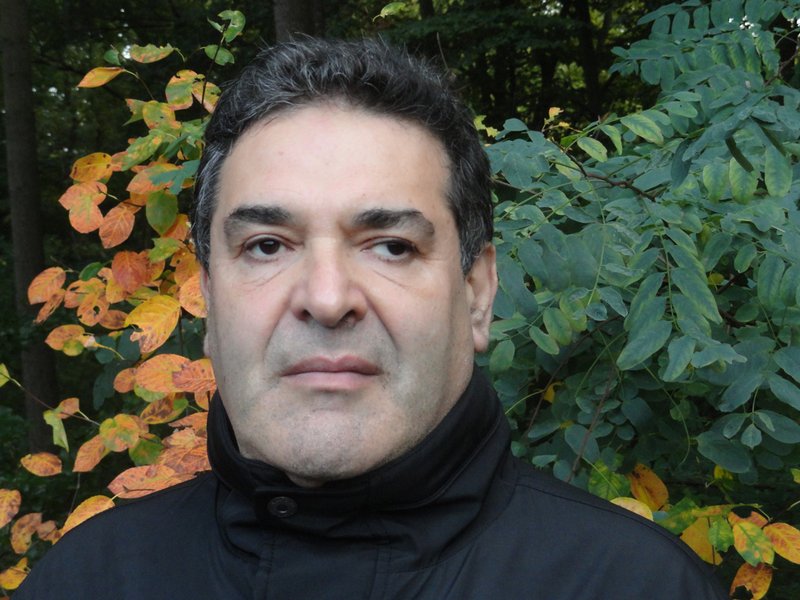
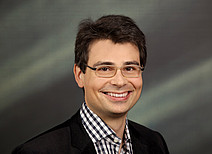
Florian Huber is a Research Associate at Paracelsus Medical University's Institute of Pharmacology and Toxicology, investigating molecular mechanisms of genetic hearing disorders. His work focuses on ubiquitin-proteasome regulation of pendrin (SLC26A4) variants associated with Pendred syndrome. Recent studies demonstrate how proteasome inhibitors rescue function of pathogenic pendrin mutants, offering therapeutic pathways for hearing restoration. Huber develops experimental and computational approaches to map degradation pathways of membrane transport proteins. He supervises medical doctoral candidates and teaches pharmacology in graduate programs.
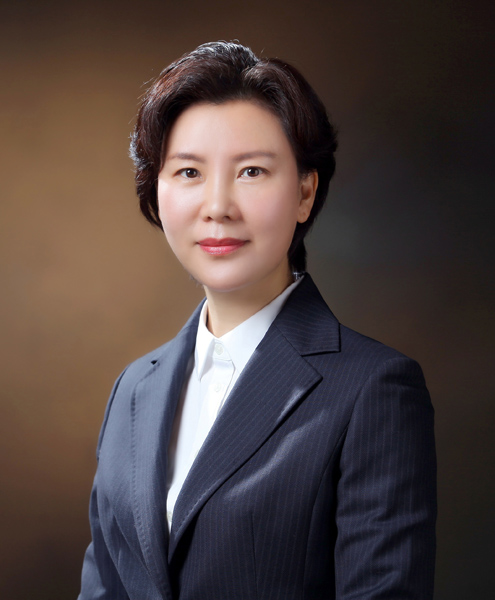
Prof. Yu Jihong is a full Professor at the Department of Chemistry, Jilin University, and serves as Director of the International Center of Future Science and Vice President of the Chinese Chemical Society. She leads the State Key Laboratory of Inorganic Synthesis and Preparative Chemistry. Her research focuses on designing nanoporous materials for energy and environmental applications, with over 320 publications in top journals like Science and Nature Communications. Education: BS (1989), MS (1992), PhD (1995) from Jilin University Postdoctoral: Hong Kong University of Science and Technology (1996–1997), Tohoku University (1997–1998) Research interests include inorganic synthesis, porous materials, catalytic materials, and environmental applications. Her work bridges computational methods with experimental synthesis, yielding innovations in zeolite structures and catalytic systems. Awards: IUPAC Distinguished Women in Chemistry Award (2017), TWAS Fellow (2016), Chinese Academy of Sciences Academician (2015), and multiple national science prizes. She is an Associate Editor of Chemical Science and leads editorial boards for Materials Horizons and others. Her articles emphasize novel synthetic methods, catalytic systems, and sustainable materials. Key themes include accelerating zeolite crystallization, designing nanocatalysts, and developing porous membranes for environmental applications.
Arthur Lesk is a Professor of Biochemistry and Molecular Biology at Pennsylvania State University since 2003. Previously, he held roles including faculty member at the clinical school of the University of Cambridge (1990–2003), group leader at the European Molecular Biology Laboratory (1987–1990), and professor of chemistry at Fairleigh Dickinson University (1971–1987). He earned a B.A. from Harvard University (1961), Ph.D. from Princeton University (1966), and M.Sc. from the University of Cambridge (1999). His research focuses on bioinformatics, genomics, protein structure, and molecular biology. He has authored 189 scientific articles, 10 books, and has an h-index of 61. Notable works include Protein Science (2021) and Introduction to Bioinformatics (2019). Lesk chairs CODATA’s Biological Macromolecules Task Group and is a Fellow of the AAAS and Royal Society of Biology. He maintains active teaching and research roles, delivering lectures globally. His contributions include advancing protein structure databases and computational methods for molecular biology. Lesk is a Life Member of Clare Hall, Cambridge, and has held visiting positions at universities in New Zealand, Australia, and Europe.
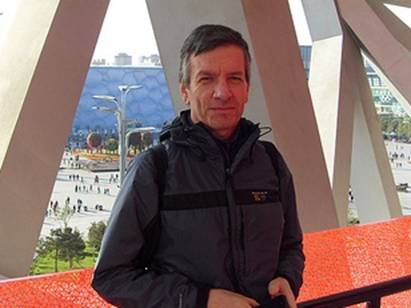
Luca Cardelli is a Principal Researcher and Assistant Director at Microsoft Research Cambridge, UK, since 1997. He holds visiting professorships at Imperial College London (Department of Computing, 2004–2009) and the University of Trento (2005–2007). He earned his PhD in Computer Science from the University of Edinburgh in 1982. His research spans type theory , molecular programming , and principles of programming languages , with applications to systems biology and concurrency theory. Notable contributions include formal frameworks for modeling biochemical systems (e.g., the stochastic π-calculus) and designing DNA-based circuits. Key achievements include the AITO Dahl-Nygaard Senior Prize (2007) and multiple Most Influential Paper Awards at POPL and ETAPS. His work bridges computer science and biology, advancing both theoretical foundations and practical molecular computing.
Gheorghe Paun is a Senior Researcher at the Institute of Mathematics of the Romanian Academy (1994–present) and a Visiting Researcher at the University of Sevilla (2009–present). He earned his Ph.D. in Mathematics from the University of Bucharest (1977), supervised by Solomon Marcus. His research spans Automata and Language Theory (descriptional complexity, regulated rewriting), Natural Computing (DNA computing, membrane computing), and he is the initiator of membrane computing . Education : M.Sc. in Mathematics (1974), University of Bucharest (specialization: computer science) Ph.D. in Mathematics (1977), University of Bucharest His work includes foundational contributions to DNA computing (book DNA Computing. New Computing Paradigms , 1998) and membrane computing (book Membrane Computing. An Introduction , 2002). He has collaborated with over 100 researchers globally and advised multiple Ph.D. students, including Victor Mitrana and Gianina Georgescu. His scientific awards include the Gheorghe Lazar award (1981), Corresponding Member of the Romanian Academy (1997), Doctor Honoris Causa from Silesian University of Opava (2007), and recognition as an ISI Highly Cited Scientist (2007). He also holds honorary citizenships in Curtea de Arges (1998), Arges County (2007), and Cicanesti village (2009). Paun has served on editorial boards for journals like Theoretical Computer Science. Natural Computing Series and Natural Computing , and organized major workshops in membrane computing. His academic contributions include over 150 publications and editorial roles in 20+ journals.
Alois Jungbauer is a full Professor and Head of the Institute of Biochemical Engineering at the University of Natural Resources and Life Sciences Vienna (BOKU), within the Department für Biotechnologie und Lebensmittelwissenschaften. He is a leading expert in bioprocess engineering, with a focus on downstream processing, continuous manufacturing, and sustainable biopharmaceutical production. Doctorate, University of Natural Resources and Life Sciences Vienna Habilitation, 1991 His research interests center on advanced purification technologies for biologics, including monoclonal antibodies, viral vectors, virus-like particles (VLPs), and gene therapy products. He is a pioneer in continuous integrated biomanufacturing, real-time process monitoring, and the development of platform processes for non-mAb proteins. His work integrates computational modeling, digital twins, and process intensification to improve efficiency and reduce environmental impact. He has made significant contributions to affinity chromatography, membrane adsorbers, and non-chromatographic separation methods. Recent publications highlight trends in continuous downstream processing, water conservation, in-situ buffer preparation, and the purification of complex biomolecules like secretory IgA and VLPs. His work spans both fundamental biophysical studies and industrial applications, reflecting a strong industry-academia interface. His scientific awards include: ISMR Thermo Fischer Award for Affinity Technologies (2011) Bia Separations Award (2000) Fulbright Award, Austrian-American Fulbright Commission (1996) Award of Japanese Society for Promotion of Science (1994) Golden Award 93 Professor Jungbauer actively supervises university theses and leads a dynamic research group. He has delivered numerous lectures and keynotes worldwide, indicating active engagement in knowledge transfer. His research is supported by ongoing projects and collaborations, with a strong emphasis on environmental and economic modeling of bioprocesses. He is affiliated with the Institute of Biochemical Engineering at BOKU, a hub for innovation in bioprocessing and industrial biotechnology.
Professor Matthew Jonathan Rosseinsky holds the Chair of Inorganic Chemistry at the University of Liverpool, a position he has occupied since October 1999. His career includes significant appointments at the University of Oxford (1992-1999) and Bell Laboratories in New Jersey (1990-1992), following his DPhil at Merton College, Oxford. As a Fellow of the Royal Society and recipient of numerous prestigious awards, Professor Rosseinsky maintains an active research program and leadership roles in the international chemistry community. Professor Rosseinsky's educational background includes a First Class Honours degree in Chemistry with Quantum Chemistry from the University of Oxford (1987) and a DPhil in "Physical Properties of Superconducting Oxides and Radical Cation Salts" completed in 1990 under Professor P. Day FRS. His research focuses on the synthesis of new materials with applications in energy storage and generation, communications, separation, and catalysis. The Rosseinsky Group employs a broad range of synthesis and characterization techniques, including neutron and synchrotron X-ray diffraction, combined with computational methods in collaboration with Dr. George Darling. Current research areas include Dynapore, CO2 fuels, SOLBAT, and CATMAT projects that target specific material challenges. Professor Rosseinsky's publication record is exceptional, with 304 papers including 11 in Nature, 6 in Science, and 3 in Nature Materials, accumulating over 15,000 citations and an h-index of 56 as of 2012. His work demonstrates consistent excellence across materials chemistry, with particular emphasis on porous frameworks, electronic materials, and solid-state chemistry. Among his numerous accolades are the Harrison Memorial Prize (1991), Corday-Morgan Medal (2000), Royal Society Wolfson Research Merit Award (2002), De Gennes Prize (2009), and the prestigious Hughes Medal from the Royal Society (2011). He also holds an ERC Advanced Investigator Grant and has delivered distinguished lectures worldwide. Professor Rosseinsky has served in numerous editorial and advisory capacities, including as Associate Editor for Chemical Sciences, membership on the Royal Society Conference and Travel Grant Committee since 2007, and as a member of the International Advisory Board for the Max Planck Institut for Solid State Research since 2011. His professional activities extend to international review committees for research institutions in France, South Korea, and Saudi Arabia. The Rosseinsky Group operates within the Department of Chemistry at the University of Liverpool, collaborating extensively with researchers including Dr. John Claridge, Professor Andrew Cooper, and Professor Paul Chalker. The group maintains strong international partnerships and utilizes advanced facilities for materials synthesis and characterization to drive innovation in functional materials development.
Oscar H. Ibarra is Professor of Computer Science at the University of California, Santa Barbara since 1989, where he served as Department Chair from 1997-1999. Previously, he held faculty positions at the University of Minnesota (1969-1989) and the University of the Philippines (1975-1976). He earned his Ph.D. in Electrical Engineering from the University of California, Berkeley in 1967. His research fundamentally advances theoretical computer science through work in algorithm design, computational complexity, and emerging paradigms like molecular and membrane computing. Key contributions span formal verification, parallel computing systems, and computational theory. Major recognitions include: Guggenheim Fellowship (1984-1985) Triple Fellowships: IEEE (1992), AAAS (1993), ACM (1995) IEEE Computer Society's Harry M. Goode Award (2001) Blaise Pascal Medal in Computer Science (2007) Academia Europaea Foreign Membership (2008) He serves as Editor-in-Chief of the International Journal of Foundations of Computer Science and edits Theoretical Computer Science and the Journal of Parallel and Distributed Computing.
Robert Ahrends is a Professor at the Faculty of Chemistry , affiliated with the Institute of Analytical Chemistry . His research bridges Lipid Biochemistry , Mass Spectrometry , and Lipid Metabolism , with a focus on thromboinflammation, platelet biology, and Drosophila models. Recent projects include Lipid communication in thromboinflammation (2024–2027) and Lipidomic analysis in EPA medication (2020–2023). He has published extensively on lipid signaling, proteomic-lipidomic interactions, and methodological advancements in mass spectrometry. Key publications (2024–2025) highlight work on platelet-derived lipid mediators , synaptic lipid metabolism , and ceramide standardization . Collaborations span international institutions, addressing lipidomics standardization and cardiovascular diseases.
Assoc. Prof. Dietmar Pum is a leading researcher at the Institute of Biophysics, University of Natural Resources and Life Sciences, Vienna (BOKU). With a career spanning over three decades, he has pioneered work on S-layer proteins as nanobiotechnological tools and biomimetic surface functionalization. His research bridges microbiology, biophysics, and nanomaterials science. Education & Career Doctorate (1984) and Habilitation (1992) at Vienna University of Technology Awarded FEBS (1987) and EMBO (1982) fellowships Assoc. Univ. Prof. since 1997, Deputy Head of Biophysics Institute since 2014 Research Focus Dr. Pum's work centers on leveraging S-layer proteins for nanoscale fluid mechanics , molecular imprinting , and biohybrid materials . His projects explore: Self-assembly of 2D protein crystals Functionalization of carbon nanotubes Biomimetic sensor development Applications in diagnostics and environmental technology Publication Trends His recent publications (2025-2019) highlight interdisciplinary advancements in: Nanoscale biofluid dynamics Gold nanoparticle synthesis via microbial enzymes Archaeal S-layer characterization Protein-directed nanomaterials Biosensor platforms Lipid quantification via machine learning Scientific Recognition Philip Morris Research Prize (1998) Cardinal Innitzer Prize (1992) ÖAGM Prize (1986) Peer reviewer for Nature Materials , Advanced Materials , and Biophysical Journal Advising & Collaborations Dr. Pum has supervised over 15 theses, mentoring students in topics ranging from Caenorhabditis elegans imaging to nanomembrane fabrication. He leads international collaborations under EU Horizon and FWF grants, including the Stimuli Responsive Materials project (2020-2025). Labs & Networks As a core member of BOKU's Center for NanoBiotechnology and the Ludwig Boltzmann Institute for Molecular Nanotechnology , he develops bioinspired nanomaterials and contributes to global programs in molecular self-assembly.
Xinliang Feng is a W3 Chair Professor at Dresden University of Technology, where he heads the Chair of Molecular Functional Materials. He also holds an Adjunct Chair Professorship at Shanghai Jiao Tong University, China. Previously, he served as a Distinguished Group Leader at the Max Planck Institute for Polymer Research in Mainz, Germany (2012-2014), and as a Group Leader at the same institute (2007-2012). His educational background includes a Bachelor's degree in Analytic Chemistry (2001), a Master's degree in Organic Chemistry (2004), and a PhD from the Max Planck Institute for Polymer Research (2008). Feng's research focuses on the frontier areas of nanomaterials science, particularly on 2D nanomaterials and low-dimensional nanostructures for energy applications. His work spans from fundamental organic synthesis to applied energy technologies. Key research areas include: Bottom-up synthesis of carbon nanostructures and graphene nanoribbons 2D polymers and supramolecular polymers with tailored properties Mesoporous covalent-bonding organic frameworks for energy storage Organic synthetic methodology in aromatic coupling reactions 2D carbon-rich conjugated polymers for electronic and optoelectronic applications His extensive publication record includes over 436 journal papers with significant impact, featuring publications in top-tier journals including Nature (3 papers), Science (1 paper), Nature Materials (2 papers), and numerous papers in Advanced Materials, Angewandte Chemie, and Journal of the American Chemical Society. His work has garnered over 34,797 citations in Web of Science (H-index ≥88) and over 44,959 citations in Google Scholar (H-index ≥101). Feng has received numerous prestigious awards recognizing his contributions to materials science and chemistry: Member of the German National Academy of Sciences (Leopoldina, 2024) Member of the Academia Europaea (2019) Fellow of the European Academy of Sciences (2019) EU-40 Materials Prize (2018) ERC Consolidator Grant Award (2018) Multiple years as a Highly Cited Researcher (2014-2018) ERC Starting Grant Award (2012) IUPAC Prize for Young Chemists (2009) He serves on the international/editorial advisory boards of 12 international journals and has organized or co-organized 30 symposia, workshops, and conferences. As the Head of the ESF Young Research Group "Graphene Center Dresden" and Working Package Leader for the EU GRAPHENE FLAGSHIP project, he plays a significant role in European materials research initiatives.
Gunnar von Heijne serves as Professor of Theoretical Chemistry at Stockholm University, a position he has held since 1994, and as Director of the Center for Biomembrane Research since 2006. Previously, he directed the Stockholm Bioinformatics Center from 2000-2006. His academic career includes appointments at Karolinska Institute as Associate Professor (1989-1994), University of Munich as Full Professor of Computer Science (1999-2002), and ETH Zurich as Professor of Computer Science (2003). Dr. von Heijne earned his Ph.D. in Theoretical Physics from the Royal Institute of Technology, Stockholm in 1980. His research focuses on protein sorting and membrane protein biogenesis, with groundbreaking contributions including the discovery of the "(-1,-3)-rule" for signal peptide cleavage sites and the "positive inside" rule for membrane protein topology. He has developed essential bioinformatics tools such as SignalP, TargetP, and TMHMM that are widely used in the field. His work spans both computational methods development and experimental validation across E. coli and eukaryotic systems, with recent emphasis on dual-topology membrane proteins and their evolutionary significance. His research has established fundamental principles in membrane protein biology and provided essential tools for the global research community. Dr. von Heijne's publications have received approximately 75,000 citations with an h-index of 102, reflecting his significant impact on molecular biology, bioinformatics, and membrane protein research. The T. Svedberg Award, The Swedish Biochemical Society (1990) The Göran Gustafsson Prize, The Swedish Academy of Sciences (1995) The Arrhenius Medal, The Swedish Chemical Society (1997) Elected member of the Royal Swedish Academy of Sciences (1997) Elected member of the Academia Europaea (1998) "Excellence" Award, the Swedish Research Council (2002) Honorary Doctorate, Åbo Akademi (2008) The van Deenen Medal, Utrecht University (2009) The Accomplishment by a Senior Scientist Award of the International Society for Computational Biology (2012) Dr. von Heijne has supervised 16 Ph.D. students since 1991 and has served extensively on academic committees, including as faculty examiner for doctoral defenses at multiple international institutions. He has chaired the Nobel Committee for Chemistry since 2007 and has participated on editorial boards of leading journals including Journal of Molecular Biology and EMBO Journal. As Director of the Center for Biomembrane Research, he leads an interdisciplinary team investigating membrane protein structure, function, and biogenesis through integrated experimental and computational approaches, advancing our understanding of fundamental cellular processes.
Prof. Joachim Schöberl is a faculty member at TU Wien's Faculty of Mathematics and Geoinformation, leading the Scientific Computing and Modelling research group. His academic career includes roles as a university professor (Univ.Prof.) with engineering and technical doctorates (Dipl.-Ing., Dr.techn.). Research focuses on advanced numerical methods, including finite element methods, computational fluid dynamics, and partial differential equations. He has pioneered high-order schemes for fluid-structure interaction, shell mechanics, and electromagnetic simulations. Notable contributions include the NGSolve finite element library and innovative approaches to curvature approximation in discrete geometry. Recent work emphasizes nonlinear elasticity modeling, fractional diffusion problems, and shape optimization for biomembranes. His team collaborates on projects like metascreen upscaling, micromorphic continuum models, and eddy current simulations in laminated materials. Prof. Schöberl advises PhD students researching mixed finite element methods, fractional operators, and computational mechanics. His lab develops open-source tools for high-performance scientific computing.
Mikhail Katsnelson is a Professor of Theoretical Physics and head of the Theory of Condensed Matter Group at Radboud University Nijmegen, Netherlands. He has held academic positions at Ural State University, Russia (1992-2001), Institute of Metal Physics (1977-2003), and Uppsala University, Sweden (2002-2004). His research spans multiple domains of condensed matter physics and quantum theory. Education: M.Sc. in Theoretical Physics (1977), Ph.D. (1980), D.Sc. (1985) Research Interests include the theory of magnetism, electronic structure of solids, lattice properties of metals, quantum many-body theory, strongly correlated systems, nanophysics, and graphene. His work bridges fundamental quantum mechanics and applied materials science. Publication Trends highlight graphene physics, quantum transport, Dirac fermions, and strongly correlated systems. His research often appears in high-impact journals like Nature, Science, and Physical Review Letters. Scientific Awards : 2013 ERC Advanced Grant 2013 Spinoza Prize 2012 Honorary Doctor of Uppsala University 2011 Knight of the Order of the Netherlands Lion 2010 Radboud Science Award 1988 Lenin Komsomol Prize As head of the Theory of Condensed Matter Group, he leads cutting-edge research in graphene and two-dimensional materials. He has refereed for top journals and served on editorial boards, including the Journal of Physics: Condensed Matter.
Klemens Fellner is a Professor of Mathematics/Computational Sciences and Group Leader of the Applied Analysis Group at the Institute of Mathematics and Scientific Computing, University of Graz. His research focuses on the analysis of partial differential equations and mathematical modeling across physics, chemistry, and biology. Research Interests: Prof. Fellner's work spans theoretical analysis of nonlinear PDEs (reaction-diffusion, kinetic, and non-local equations) using entropy/duality methods, with applications to: Biological systems (lipolysis, protein localization, stem-cell division) Physical processes (organic photovoltaics, semiconductor modeling) Collective behavior (swarming micro-organisms, aggregation dynamics) Interdisciplinary Mathematics-Arts collaborations Publication Trends: His recent articles (2018-2021) demonstrate strong focus on: Global existence and regularity for reaction-diffusion systems Convergence to equilibrium via entropy methods Drift-diffusion models in semiconductor physics Mathematical biology applications (prion dynamics, lipolysis) Novel approaches for non-local aggregation and hysteresis phenomena Research Leadership: Currently leads the Applied Analysis Group with members including postdocs and PhD students. Key projects: Doctoral School IGDK (International Graduate School) SFB Lipid Hydrolysis (Special Research Program) Mathematics and Arts collaborations Colibri research platform Supervises PhD candidate Reymart Lagunero studying generalized reaction-diffusion systems.