Justin A. Weibel is a Professor of Mechanical Engineering at Purdue University, affiliated with the School of Mechanical Engineering. He directs the Cooling Technologies Research Center (CTRC), a National Science Foundation Industry/University Cooperative Research Center. His research focuses on advanced electronics cooling, phase-change transport, additive manufacturing for thermal components, and machine-learning-driven design optimization. He has led projects funded by DARPA, ONR, ARPA-E, and industry partners, advancing cooling solutions for high-power electronics and energy systems. Research interests span thermal management, heat transfer, micro/nano-scale engineering, and sustainable energy. Key contributions include topology optimization for heat sinks, two-phase flow modeling, and embedded cooling systems for electric motors. His work integrates computational methods with experimental validation. Grants & Programs: DARPA TGP/ICECool, ONR NEPTUNE, ARPA-E ASCEND/COOLERCHIPS, SRC CHIRP Labs: Cooling Technologies Research Center (CTRC) Future Work: Expanding additive manufacturing applications, improving thermal efficiency in electrified transport, and advancing AI-driven thermal system design. Awards: Fellow of ASME (2023) Outstanding Faculty Mentor (2022) Multiple best paper awards from IEEE ITherm, ASME, and SEMI-THERM conferences
Dr. Simon Beaumont is an Associate Professor in the Department of Chemistry at Durham University , with additional responsibilities as Associate Dean (PGR) in the Faculty of Science. His research program integrates heterogeneous catalysis , nanomaterials , and in situ spectroscopic techniques to develop sustainable chemical processes. BA & MSci Natural Sciences, University of Cambridge (2003-2007) PhD in Heterogeneous Catalysis, University of Cambridge (2010) Postdoctoral Fellowship at UC Berkeley (2010-2012) Research foci include mechanistic studies of catalytic processes, nanoparticle synthesis , and in situ characterization via X-ray absorption (NEXAFS), DRIFTS, and Raman. His work addresses challenges in CO2 hydrogenation , biomass conversion , and environmental remediation , supported by national/EU/industrial funding. Recent publications highlight trends in selective hydrogenation (furfural), multi-functional catalysts (acid-base systems), and nanoparticle stability under reactive conditions. All studies emphasize molecular-level understanding for practical catalyst design. Scientific awards include Leverhulme Trust and Addison Wheeler fellowships. Teaching portfolio spans first-year laboratories , organic chemistry tutorials , and advanced catalysis lectures . Supervision of five research postgraduates and leadership of industry-funded projects further demonstrate his academic impact.
Richard D. Noble is a Research Professor in the Department of Chemistry at the University of Colorado Boulder. His research focuses on advanced membrane technologies for gas and liquid separations, with particular expertise in ionic liquids, liquid crystals, and the application of external fields for selective separations. He maintains an active laboratory in Cristol Chemistry (room 357) and collaborates extensively with Professor Doug Gin on many research projects. Noble received his BE and ME from Stevens Institute of Technology in 1968 and 1969 respectively, followed by a Ph.D. from the University of California, Davis in 1976. His educational background in engineering has provided a strong foundation for his research in chemical engineering and materials science. Professor Noble's research program centers on three interconnected areas. His primary focus is on ionic liquids for gas separations , where he evaluates various ionic liquids and complexation chemistry to tailor material properties to specific feed mixtures. He explores composite polymer/IL structures and incorporation of complexation chemistry and zeolites, and has developed specialized apparatus to measure gas solubility and diffusivity in ionic liquids. This work is conducted in collaboration with Professor Doug Gin. His second research thrust involves the use of external fields for selective separations . Noble studies how electric or light energy can enhance separation processes by changing binding affinity of complexing agents. His notable achievement is an electrochemical pump with no moving parts that produces pressures exceeding 20 atm, with applications in lab-on-a-chip and micro-scale devices. He also develops charged polymer structures for membrane separators with wide temperature and chemical stability. His third major area focuses on liquid crystals organized to form nanostructured polymer network films. These cross-linked stable films are evaluated for nanofiltration applications, particularly in water filtration including treatment of water from fracking operations. This work often intersects with his ionic liquids research, creating composite structures with potential applications in electrochemical pumps. Noble's publication record from 2017-2019 shows consistent focus on membrane technologies for separation processes, with increasing sophistication in membrane design incorporating ionic liquids, liquid crystals, and novel materials like pillar[5]arenes. His work demonstrates a clear trend toward addressing practical industrial challenges, particularly in natural gas purification (CO 2 /CH 4 separation) and environmental applications (treatment of fracking wastewater). His collaborations have produced high-impact work published in top journals including Nature Materials , Journal of Membrane Science , and Angewandte Chemie . Professor Noble has received numerous prestigious awards recognizing his contributions: AIChE Institute Service to Society Award (2005) Alfred T. and Betty E. Look Professor of Chemical Engineering (2005-present) Multiple Outstanding Graduate Teaching Awards from the Chemical Engineering Department (2006-2008) ACS Industrial & Engineering Chemistry Division Fellow (2007) CU Boulder Inventor of the Year (2008) Barrer Lecture at Penn State University (2008) Fellow at the Renewable and Sustainable Energy Institute (2009-2012) Robert L. Stearns Award from CU Alumni Association (2010) Chair d'Excellence Pierre de Fermat at Paul Sabatier University, Toulouse (2010) AIChE Institute Excellence in Industrial Gas Technology Award (2010) And numerous others through 2015 While specific grant details aren't provided, Noble's extensive publication record with multiple co-authors suggests active research mentoring and well-funded projects. His work on sophisticated apparatus and high-quality publications indicates substantial research support. His collaborations, especially with Doug Gin, suggest a strong research group environment focused on membrane science and separation technologies. Professor Noble's research operates at the intersection of chemistry, chemical engineering, and materials science. His laboratory includes facilities for membrane fabrication, gas separation testing, and characterization of novel materials. The development of specialized apparatus for measuring gas properties in ionic liquids suggests dedicated equipment for fundamental property measurements. His work on electrochemical pumps indicates capabilities in microfluidics and device fabrication, with the collaborative nature of his research suggesting a team approach to tackling complex separation challenges.
Ralph H. Colby serves as Professor of Materials Science and Engineering and Chemical Engineering at Pennsylvania State University's College of Earth and Mineral Sciences, holding the Corning Faculty Fellowship. His research focuses on molecular-level dynamics in complex fluids, particularly polymers, ionomers, and liquid crystalline systems. With over 130 publications and authorship of the textbook Polymer Physics (2003), he directs an active research program examining structure-property relationships in soft matter. B.S. in Materials Science and Engineering, Cornell University (1979) M.S. in Chemical Engineering, Northwestern University (1983) Ph.D. in Chemical Engineering, Northwestern University (1985) Professor Colby's research spans polymer physics, rheology, and materials for energy applications. His group employs mechanical rheology, dielectric spectroscopy, and scattering techniques to investigate ion transport in single-ion conductors for batteries, dynamics of glass-forming liquids, and self-assembly in polyelectrolyte systems. Current work emphasizes structure-property relationships in ionomers, liquid crystalline polymers, and branched architectures. Analysis of recent publications reveals consistent focus on ionomer membranes for energy applications, processing-structure relationships in advanced polymers, and fundamental dynamics of complex fluids. Key trends include increasing integration of computational modeling with experimental characterization, expansion into sustainable materials processing, and growing emphasis on applications in battery technology and biomedical materials. Penn State Faculty Scholar Medal for Outstanding Achievement (2022) Bingham Medal, Society of Rheology (2012) American Chemical Society Fellowship Corning Faculty Fellowship in Materials Science and Engineering Professor Colby leads multiple federally funded projects including NSF's 'Fundamental Studies of Flow-Induced Polymer Crystallization' and DOE's 'Conduction mechanisms and structure of ionomeric single-ion conductors'. His group maintains strong industry partnerships with Corning Incorporated and participates in interdisciplinary initiatives like the Penn State Intercollege Graduate Degree Program in Materials Science and Engineering. Current research includes collaborations on breast cancer adherence interventions in Rwanda and conjugated polymer development for flexible electronics. The Colby Research Group operates specialized facilities for rheological characterization, dielectric spectroscopy, and X-ray scattering at Penn State's Materials Research Institute. The team maintains active collaborations with national laboratories and international research groups, focusing on translating fundamental polymer physics discoveries into practical applications for energy storage and advanced manufacturing.
James Van Etten is the William Allington Distinguished Professor of Plant Pathology at the University of Nebraska-Lincoln, affiliated with the School of Biological Sciences and Nebraska Center for Virology. His research focuses on chloroviruses—large dsDNA viruses infecting Chlorella-like algae—with emphasis on DNA replication, restriction systems, and membrane transport proteins. Key research themes include: Viral DNA modification systems Host-virus interactions Structural virology Evolution of organellar genomes Recent work analyzed: SMRT sequencing of viral methylation patterns Chlorovirus cryopreservation methods Potassium channel biophysics Host chemical signaling mechanisms Lab webpage: vanettenlab.unl.edu
Prof. Waldemar Kolanus leads the Molecular Immunology and Cell Biology department at the University of Bonn's Life & Medical Sciences Institute (LIMES) . His research bridges immunoregulation , stem cell dynamics , and metabolic stress responses in immune cells. Unit 2 member at LIMES Principal investigator in SFB 704 and ImmunoSensation Cluster Leads a multidisciplinary lab with postdocs, PhD students, and technical staff His work focuses on intracellular signaling pathways connecting immune activation to tissue homeostasis, particularly through: Cytohesin proteins in integrin-mediated adhesion and migration TRIM71 in stem cell regulation and congenital hydrocephalus High-salt environments affecting macrophage function Publication trends show expertise in immune cell migration , genetic models , and chemical inhibition , with frequent use of mice and zebrafish for in vivo studies. Key articles explore: TRIM71's dual role in auditory development and germ cell maintenance Cytohesin family's Golgi regulation and insulin signaling Ruxolitinib's off-target migration inhibition of dendritic cells Contact details: Address: LIMES Institute, Carl-Troll-Straße 31, Bonn Email: kolanus.sekretariat@uni-bonn.de Phone: +49 228 73-62788
Qian Yang is an Assistant Professor in Information Science at Cornell University, with a faculty appointment in Computer Science. Her research focuses on human-AI interaction, designing AI applications for healthcare, autonomous systems, and UX design. She holds a PhD in Human-Computer Interaction from Carnegie Mellon University and has industry experience in design consultancy (2007–2014). Yang co-directs the Cornell Digital and AI Literacy Initiative and is a Senior Fellow at the Cornell Brooks Tech Policy Institute. Her work emphasizes bridging AI technologies with societal needs, supported by awards like the Schmidt Futures AI2050 Fellowship. She leads the DesignAI research group, focusing on AI-driven design methods and tools for practitioners. Education: PhD in HCI (Carnegie Mellon), M.S. in HCI (CMU), M.Des in Design, B.Eng in Industrial Design (Shanghai Jiao Tong University). Research interests include AI ethics, healthcare decision support systems, and context-aware mobile services. Notable contributions include: Developing AI systems for life-critical healthcare decisions (e.g., artificial heart implants) Innovating UX design methods for integrating AI into practice Advancing human-centered AI evaluation frameworks Awards include the SIGCHI Outstanding Dissertation Award and AI2050 Fellowship. She actively collaborates across disciplines, with work published in top HCI venues like CHI and ACM Transactions.
Assoc Prof Ng Teng Yong is an Associate Professor at the School of Mechanical & Aerospace Engineering (NTU), specializing in numerical modeling and simulation. With a background as Research Manager at A*STAR Institute of High Performance Computing, his work spans materials science, nanotechnology, and aerospace engineering. Current focus on graphene-based desalination membranes Expertise in molecular dynamics simulations Investigates nanoscale fluid mechanics and structural dynamics Recent publications highlight advancements in energy-efficient electrodialysis, smart robotics, and nonlinear vibration analysis. His interdisciplinary approach integrates computational methods with experimental validation in additive manufacturing and soft material mechanics.
Lee Yong Lim is a Professor of Pharmaceutics at The University of Western Australia (UWA), leading the Laboratory for Drug Delivery. She specializes in innovative drug delivery systems, particularly for pediatric populations and marine aquaculture. Her work focuses on overcoming medication challenges for children through taste-masked formulations and stable drug-loaded scaffolds for ear diseases. She has secured over $4.5 million in research grants from diverse funding bodies. Education: BSc (Pharmacy) Hons, National University of Singapore PhD, University of Manchester Research: Her team developed a patented chocolate-based formulation for bitter drugs and conducts pediatric trials. Collaborations include WA hospitals for safe compounded medicines and international projects in nanotechnology. Key research areas include pediatric medicinal products, veterinary drug delivery, and sustainable drug formulations aligned with UN SDGs. Grants & Funding: Major supporters include NHMRC, ARC, Telethon, and industry partnerships. Current active grants focus on pre-procedural chewables for children and perioperative analytics. Labs/Teams: Heads the Laboratory for Drug Delivery and collaborates with the Centre for Optimisation of Medicines and Institute for Paediatric Perioperative Excellence.
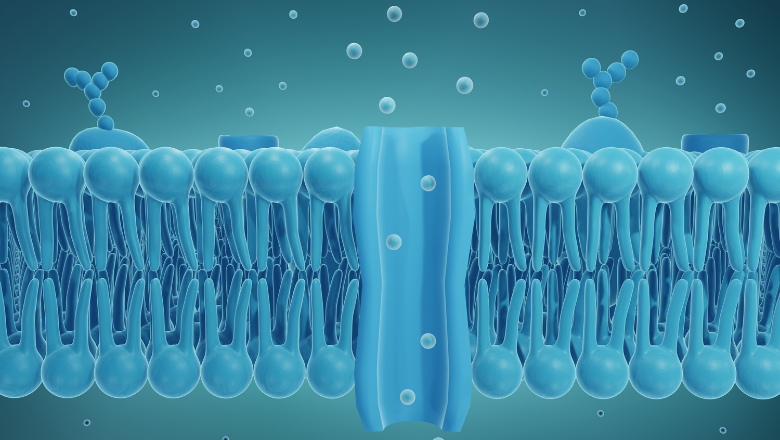
Mark Wallace is a Professor of Chemistry at King's College London, affiliated with the Department of Chemistry and the Faculty of Natural, Mathematical & Engineering Sciences. He holds a Royal Society University Research Fellowship (2005–2016) and has been a lecturer at Oxford University before joining King's in 2016. His research focuses on membrane protein function and artificial membrane mimics, combining optical microscopy and nanotechnology. He earned a PhD from the University of Cambridge (2002) and postdoctoral training at Stanford University and the National Institute for Medical Research. Key research interests include membrane protein dynamics, lipid bilayer engineering, and single-molecule imaging. He has pioneered techniques like droplet interface bilayers and interferometric scattering microscopy. His work has led to patents and applications in molecular sensing and medical research. Awards include the 2002 Gregorio Weber Prize and the 2015 RSC Norman Heatley Award. He is actively involved in public outreach, including video podcasts and educational competitions. Recent publications emphasize artificial ion channels, nanoparticle formation monitoring, and mitochondrial protein dynamics. His lab collaborates with institutions like the London Centre for Nanotechnology and the Rosalind Franklin Institute. Over 30 students and researchers have been mentored, with active grants from EPSRC, Wellcome Trust, and BBSRC.
Dr. Julie N.L. Albert is an Assistant Professor in the Department of Chemical and Biomolecular Engineering at Tulane University, holding the Robert and Gayle Longmire Early Career Professorship. She is affiliated with the School of Science and Engineering and serves as co-director of the SMART REU NSF-funded program. Her research focuses on engineering nano- and micro-structured polymeric materials for energy, health, and environmental applications, emphasizing self-assembly processes in block copolymers and polymer blends. Key areas include nanoporous membranes, biocompatible surfaces, and stimuli-responsive materials. Dr. Albert earned her B.S. in Chemical Engineering from the University of Florida (2005) and her Ph.D. from the University of Delaware (2012). She conducted postdoctoral research at North Carolina State University. Her work has been supported by prestigious grants, including the NSF CAREER Award and a Gulf Research Program Fellowship. Her research group explores topics like polymer crystallization, polyorganosiloxanes, and block copolymer architectures. Notable achievements include developing methods for controlling polymer morphology via solvent vapor annealing and surface chemistry gradients. She advises numerous graduate and undergraduate students and mentors organizations like the Society of Women Engineers. Education: B.S., Chemical Engineering, University of Florida, 2005 Ph.D., Chemical Engineering, University of Delaware, 2012 Research Interests: Self-assembly of block copolymers, nanoporous membranes, biocompatible materials, and energy applications. Awards: NSF Graduate Research Fellowship, Gulf Research Program Early-Career Fellowship, AIChE Travel Award. Dr. Albert’s lab houses advanced facilities such as AFM, spectral reflectometry, and GPC, enabling cutting-edge polymer characterization. Her contributions bridge polymer science, materials engineering, and environmental sustainability, addressing challenges in energy recovery and biomedical technologies.
Peter Van Puyvelde is a Full Professor at KU Leuven's Faculty of Engineering Sciences, where he leads research at the Soft Matter, Rheology and Technology (SMaRT) unit within the Department of Chemical Engineering. He is an active member of the Applied Rheology and Plastics Processing Division and the Leuven.AM Institute for Additive Manufacturing. His academic responsibilities include membership in the Faculty Council of Engineering Sciences and departmental committees. His core research focuses on: Polymer processing and complex fluid dynamics In-situ characterization of flow-microstructure relationships Flow-induced crystallization phenomena Development of sustainable polymer materials Additive manufacturing technologies Professor Van Puyvelde's recent publications (2023-2025) demonstrate strong emphasis on sustainable polymer systems including lignin-based materials, humins valorization, bioplastics, and green additives. His work frequently employs advanced characterization techniques like fast-scanning calorimetry and synchrotron X-ray scattering to study crystallization kinetics and microstructure development in complex polymer systems. He currently supervises PhD students working on nanofiltration membranes and reinforced polymer parts. His extensive research portfolio includes leadership roles in multiple ongoing projects: Polylactic acid bioplastics development (Co-promoter) Lignin-based flame retardants (Co-promoter) Humins valorization for functional polymers (Co-promoter) Ionic liquids for enhanced oil recovery (Promoter) Competition between crystallization and crosslinking (Promoter) Additive manufacturing of polymer composites (Co-promoter)
Dr. Yi Shen is a Senior Lecturer at the School of Chemical and Biomolecular Engineering, The University of Sydney, and Chair of RACI Women in Chemistry. She is also affiliated with multiple research institutes including Sydney Institute of Agriculture, Sydney Southeast Asia Centre, The Centre for Drug Discovery Innovation, and The University of Sydney Nano Institute. PhD in Soft Materials from ETH Zurich Postdoctoral research at University of Cambridge and Harvard University Her research focuses on protein phase behavior and functional biomaterials development, utilizing soft matter approaches and microfluidic techniques to address challenges in neurodegenerative diseases, sustainable materials, and biomedical engineering. She has published extensively in top journals like Nature Nanotechnology and PNAS, with a particular emphasis on: Protein liquid-liquid phase separation mechanisms Biomaterials from protein nanofibrils Microfluidic manipulation of biological systems Biodegradable bioplastics development Shear force effects on biomolecular systems Pathological protein aggregation dynamics Key scientific achievements include: 2022 ARC DECRA Fellowship 2022 Sydney Nano Frontier award 2018 ETH Zurich Spark Award (for Fe delivery system invention) 2012 Princeton Grand Challenges Program 2 patents pending 2 Nature Nanotechnology cover articles As an educator, she coordinates CHNG2802 Chemical Engineering Modelling and Analysis, co-teaches CHNG3804 Biochemical Engineering and CHNG5605 Bio-products: Laboratory to Marketplace, and guest lectures across biomedical and nanotechnology programs. Her lab actively collaborates with institutions in Switzerland (ETH Zurich), UK (Cambridge), and US (Harvard, Princeton), focusing on transforming biomolecular understanding into real-world applications in health, industry, and environmental sustainability.
Roman Schnabel is a Professor of Experimental Physics at the University of Hamburg , affiliated with the Institute for Laser Physics under the Faculty of Mathematics, Informatics and Natural Sciences. He leads cutting-edge research in quantum optics, gravitational wave detection, and quantum technologies. Education : PhD in Physics (1999, Leibniz Universität Hannover); Physics degree (1988–1994, Leibniz Universität Hannover) Awards : QCMC 2018 Award, Gruber Cosmology Prize 2016 (LIGO team), Special Breakthrough Prize in Fundamental Physics 2016 (LIGO team), Joseph F. Keithley Award 2012 His recent work explores high-frequency gravitational wave observatories , entanglement generation , and quantum-enhanced sensing . He holds patents for gas sensors and optical surface imaging technologies. Schnabel co-founded the start-up Noisy Labs in 2023 and served as Director of Outreach & Transfer for the Cluster of Excellence 'Quantum Universe' (2019–2022).
Prof. Yu Jihong is a full Professor at the Department of Chemistry, Jilin University, and serves as Director of the International Center of Future Science and Vice President of the Chinese Chemical Society. She leads the State Key Laboratory of Inorganic Synthesis and Preparative Chemistry. Her research focuses on designing nanoporous materials for energy and environmental applications, with over 320 publications in top journals like Science and Nature Communications. Education: BS (1989), MS (1992), PhD (1995) from Jilin University Postdoctoral: Hong Kong University of Science and Technology (1996–1997), Tohoku University (1997–1998) Research interests include inorganic synthesis, porous materials, catalytic materials, and environmental applications. Her work bridges computational methods with experimental synthesis, yielding innovations in zeolite structures and catalytic systems. Awards: IUPAC Distinguished Women in Chemistry Award (2017), TWAS Fellow (2016), Chinese Academy of Sciences Academician (2015), and multiple national science prizes. She is an Associate Editor of Chemical Science and leads editorial boards for Materials Horizons and others. Her articles emphasize novel synthetic methods, catalytic systems, and sustainable materials. Key themes include accelerating zeolite crystallization, designing nanocatalysts, and developing porous membranes for environmental applications.