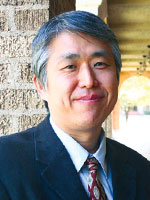
Slava Jankin is a Professor of Data Science and Government at the University of Birmingham’s School of Government, where he also serves as Deputy Director of the Institute for Data and AI and Founding Director of the Centre for Artificial Intelligence in Government. He is concurrently a Fellow and Founding Director of the Data Science Lab at the Hertie School in Berlin. Previously, he held a Professorship at the University of Essex and has worked at University College London (UCL) and the London School of Economics (LSE). His research bridges computational methods, governance, and climate policy, with a focus on AI applications in public institutions, climate-health surveillance, and misinformation resilience. Jankin earned a PhD in Political Science from Trinity College Dublin (2009), a Postgraduate Diploma in Statistics (2006), and a BSc from Belarus State Economic University (2002). **Education**: • PhD in Political Science, Trinity College Dublin (2009) • Postgraduate Diploma in Statistics, Trinity College Dublin (2006) • BSc Econ with Distinction, Belarus State Economic University (2002) **Research Interests**: Jankin’s work integrates AI and computational methods with governance challenges, including climate policy, health surveillance, and institutional effectiveness. He leads initiatives like the Lancet Countdown’s climate-health monitoring and the CATALYSE project on climate impacts. His research also explores digital twins for governance systems and the role of cultural diversity in societal resilience against misinformation. **Grants & Collaborations**: He advises the UN and EU on AI and data science, co-leads the Lancet Countdown, and collaborates with institutions like the Alan Turing Institute. His applied work includes developing AI tools for public service optimization and policy simulations. **Labs & Teams**: Directs the Centre for AI in Government (University of Birmingham) and the Hertie School’s Data Science Lab, fostering interdisciplinary teams to advance computational methods in public policy.
Donald Lie is a Professor and the Keh-Shew Lu Regents Chair in Electrical and Computer Engineering at Texas Tech University's Whitacre College of Engineering. His research focuses on low-power RF/analog integrated circuits, System-on-a-Chip (SoC) design, and interdisciplinary applications in medical electronics, biosensors, and biosignal processing. PhD, Electrical Engineering, California Institute of Technology (1995) MS, Electrical Engineering, California Institute of Technology (1990) BS, Electrical Engineering, National Taiwan University (1987) Donald Lie's research bridges RF/analog circuit design with biomedical engineering, emphasizing millimeter-wave power amplifiers for 5G systems and non-contact vital signs monitoring using software-defined radio (SDR). His work explores CMOS FD-SOI, GaN HEMTs, and SiGe technologies for high-efficiency, linear RF front-end modules and wearable biosensors. His 15 most recent publications focus on 5G communication systems , millimeter-wave power amplifier design in CMOS FD-SOI and GaN , digital predistortion techniques, and non-contact biosensors . These works highlight advancements in wideband amplifiers for 5G FR2 bands and wireless power transfer for medical devices. Institute of Electrical and Electronics Engineers (2017) Excellent Paper Award Winner (2019) Best Student Poster Paper Award Winner (2019) Donald Lie has secured NSF Student Travel Grants for conferences like RFIC 2022 and 2020. He leads the RF/Analog System-on-a-Chip (SoC) Design Lab , which develops innovative solutions for 5G RF front-ends and biomedical sensing systems.
Michelle Doas is an Associate Professor of Nursing at Chatham University 's College of Health Sciences , where she has been actively contributing since 2007. Her expertise spans clinical nursing, education, and interdisciplinary research applications. Ed,D., MSN, BSN, RN Research Interests Dr. Doas focuses on critical thinking development in nursing education , adult literacy in healthcare , and reminiscence therapy . Her work bridges clinical practice with pedagogical innovation, exploring how techniques from service industries (e.g., Disney's hospitality model) can enhance patient satisfaction and communication in healthcare settings. Article Trends Her publications and presentations demonstrate a consistent emphasis on improving clinical outcomes through structured interventions like mind mapping for education, relaxation therapy for post-operative care, and concept mapping for knowledge organization. Key themes include patient safety , workplace culture , and interdisciplinary applications in nursing. Scientific Awards She is a member of the prestigious Sigma Theta Tau International Honor Society , recognizing her contributions to nursing scholarship. Additional Contributions Dr. Doas has served on the Business Faculty Search Committee (2008) and presented on diverse topics such as food handling safety in environmental science contexts and nursing career advocacy at high school outreach events.
Ashish Thatte serves as Associate Professor of Operations Management at Gonzaga University, teaching undergraduate courses including Operations Management (OPER 340), Lean Thinking (OPER 347), and Supply Chain Management (OPER 489), alongside graduate courses such as Global Operations (MBUS 640), Lean Thinking (MBUS 648), and Supply Chain Management (MBUS 699). His industry background encompasses manufacturing management and supply chain/logistics roles in multinational corporations. His academic credentials feature a Ph.D. and M.S. from the University of Toledo, complemented by an M.B.A. and B.E. from the University of Pune (India), plus APICS CPIM certification: CPIM, APICS Ph.D., University of Toledo M.S., University of Toledo M.B.A., University of Pune (India) B.E., University of Pune (India) Dr. Thatte's research centers on supply chain responsiveness, competitive advantage, and information systems in operations, with significant extensions into consumer behavior (particularly Gen Z purchasing in beauty care) and healthcare operations (emergency department efficiency and medical procedure cost analysis). His work bridges theoretical frameworks with practical applications across manufacturing, retail, and healthcare sectors. Analysis of his 15 most recent publications reveals three dominant research trajectories: (1) Supply chain responsiveness mechanisms and their competitive impact through supplier networks and modular manufacturing; (2) Cross-cultural consumer behavior examining regional variations in brand perception; (3) Healthcare operations optimization in emergency departments and procedural cost-effectiveness. His interdisciplinary approach connects operations theory with real-world business challenges across automotive, sports analytics, and global consumer markets. No scientific awards were documented in the available information. While the provided materials confirm his teaching responsibilities and publication record, specific details regarding student advisement, research grants, or laboratory affiliations remain undisclosed in the source materials.
Deepa Kundur is the Professor & Chair of The Edward S. Rogers Sr. Department of Electrical & Computer Engineering at the University of Toronto. She earned her BASc, MASc, and PhD in Electrical and Computer Engineering from the same institution in 1993, 1995, and 1999, respectively. Current roles: IEEE Spectrum Advisory Board Conference leadership: General Chair of 2018 GlobalSIP Symposium, TPC Co-Chair for IEEE SmartGridComm 2018, among others Her research focuses on cybersecurity , signal processing , and complex dynamical networks , particularly in smart grid applications. She has authored over 200 publications and pioneered techniques for detecting false data injection attacks, enhancing grid resilience, and integrating machine learning into power systems. Her recent work spans quantum learning for grid security , LLM-based mental health prediction , and resilient control systems . She has received 14 best paper recognitions, including IEEE SmartGridComm (2015) and IEEE INFOCOM Workshop (2008). Fellowships: IEEE Fellow (2015), Canadian Academy of Engineering Fellow (2016), Massey College Senior Fellow (2019) Teaching awards: Tenneco Meritorious Teaching Award (2005), Gordon Slemon Teaching of Design Award (2002) Early career honors: NSERC Scholarships (PGS A/B), Canada Scholarship She leads the Kundur Research Group , developing models for cyber-physical systems in smart grids and autonomous vehicle networks. Her team explores reinforcement learning for grid defense , transmissibility-based fault detection , and privacy-preserving smart grid analytics .
Julian Berger is a postdoctoral researcher at the Max Planck Institute for Human Development in the Center for Adaptive Rationality , where he explores how to enhance decision-making through hybrid human-AI systems. He is also a fellow of the Joachim Herz Foundation and has received funding from the Foundation of German Business and the Danish Data Science Academy. Education: M.A. Psychology in Business and Economics, Universidade Catolica Portuguesa (2021) B.A. Politics, Administration and International Relations, Zeppelin Universität (2018) His research spans human-AI collaboration , collective intelligence , and interpretable machine learning . A recurring theme in his work is developing methods to combine human expertise with AI capabilities for accuracy in domains like medical diagnostics , credit scoring , and football analytics . He has authored publications in high-impact venues such as PNAS , Nature Human Behavior , and Science and Medicine in Football . Scientific awards and funding include: Fellowship for interdisciplinary economics, Joachim Herz Foundation (2024) PhD funding from the Foundation of German Business (Stiftung der deutschen Wirtschaft) Research grant from the Danish Data Science Academy His recent article trends emphasize ensembling techniques that leverage complementary human and AI errors, algorithmic fairness, and practical heuristics like Hybrid Confirmation Trees. These works demonstrate significant improvements in diagnostic accuracy and decision cost-efficiency. Beyond academia, Berger works as a consultant and ML engineer with Simply Rational , focusing on interpretable models for financial and sports analytics. His work bridges theoretical research with real-world applications, prioritizing fairness, transparency, and human accountability in AI systems.
Professor Tony Shardlow is affiliated with the Department of Mathematical Sciences at the University of Bath , UK. His research spans Stochastic Differential Equations , Bayesian Inverse Problems , Statistical Shape Modelling , and Numerical Analysis , with applications in data science, medical imaging, and computational physics. Labs/Teams : IMI (Institute for Mathematical Innovation), Prob-L@b (Probability Laboratory at Bath), SAMBa (EPSRC Centre for Doctoral Training in Statistical Applied Mathematics). Recent Research Trends : Focus on geometric shape analysis using flow fields, stochastic PDEs for particle dynamics, and Bayesian inference techniques in industrial and medical contexts. Collaborative work bridges computational mathematics with applications in hip dysplasia assessment and pesticide delivery systems. Advising : Supervised Fengpei Wang's PhD thesis on dimension reduction and Sinkhorn algorithms. Collaborates with researchers like N. D. F. Campbell and C. Poon. Teaching : Offers MA30170 - Numerical Solution of Elliptic PDEs.
Prof. Robbert Jan Kok is a Professor of Drug Delivery Technology at Utrecht University's Utrecht Institute for Pharmaceutical Sciences (UIPS) and Programme Director for the Bachelor of Pharmacy. He obtained his Pharmacy degree (1993) and PhD in renal drug targeting (1998) from the University of Groningen, followed by postdoctoral research on endothelial-targeted drug delivery. His work spans curriculum development for pharmacy programs and interdisciplinary research in drug innovation. Research Focus: Kok specializes in advanced drug delivery systems, including nanomedicines for kinase inhibitors, 3D-printed formulations, and stimuli-responsive carriers. Key areas include: Targeted delivery to tumors, kidneys, and inflamed tissues Polymeric micelles, liposomes, and microspheres for sustained release Biopharmaceutics and pharmacokinetic optimization Publication Trends: His recent work emphasizes nanotechnology-enabled therapies (e.g., curcumin nanodelivery, photodynamic micelles) and device-integrated drug release (3D-printed implants, macroencapsulation). Studies frequently combine material science with preclinical validation in cancer, renal diseases, and inflammatory disorders. Academic Leadership: Kok oversees student advising, laboratory operations, and international collaborations at UIPS. His team explores translational applications of drug delivery platforms, including partnerships for vascularized tissue engineering and combination therapies.
Said Hamdioui serves as a full Professor in the Department of Computer Engineering within the Faculty of Electrical Engineering, Mathematics and Computer Science at Delft University of Technology. His research focuses on cutting-edge hardware architectures for neuromorphic computing and energy-efficient AI acceleration, with particular emphasis on memristor-based systems, emerging memory technologies, and fault-tolerant designs for edge applications. His research interests span Neuromorphic Computing , Memristor-Based Architectures , and Energy-Efficient AI Hardware , addressing critical challenges in hardware security, computation-in-memory, and reliable edge AI deployment. Recent work demonstrates significant advancements in RRAM/FeFET testing methodologies, spiking neural network implementations, and spin wave computing alternatives to traditional CMOS. His publications reveal strong trends toward real-world deployment of brain-inspired hardware with practical constraints like power efficiency, testability, and security. Award highlights include: DATE'20 Best Paper Award DFT'21 Outstanding Student Paper ETS 2021 Best Paper Award LATS 2018 & 2022 Best Paper Awards Professor Hamdioui actively contributes to the research community through editorial roles at IEEE Transactions on VLSI Systems , IEEE Design & Test , and Journal of Electronic Testing from 2017-2018. His leadership in multi-partner projects like CONVOLVE and NEUROKIT2E demonstrates strong industry-academia collaboration for edge AI solutions. Current work shows increasing focus on practical deployment challenges including in-field fault monitoring, security vulnerabilities in neuromorphic systems, and realistic brain simulation frameworks.
Professor David Taubman is a distinguished academic serving as Professor and Deputy Head of School (Research) at the School of Electrical Engineering and Telecommunications (EE&T) at the University of New South Wales (UNSW) in Sydney, Australia. He is also co-director of Kakadu Software Pty. Ltd. and its affiliates Kakadu R&D and Kakadu GPU. With a career spanning over three decades, Professor Taubman has made significant contributions to the field of image and video compression, most notably as the author of the EBCOT coding algorithm adopted in the JPEG2000 international standard. Professor Taubman earned his B.Sc. in Mathematics and Computer Science (1986) and B.E. (Medal) in Electrical Engineering (1988) from the University of Sydney, followed by an M.Sc. (1992) and Ph.D. (1994) in Electrical Engineering from the University of California at Berkeley. His professional journey includes engineering work at the Electricity Commission of N.S.W. (1988-1990), research positions at Hewlett-Packard Laboratories in Palo Alto (1994-1998), and an academic career at UNSW where he progressed from Senior Lecturer (1998-2003) to Associate Professor (2004-2009) and finally to Professor (2009-present). He has held various leadership roles including Head of the EE&T Telecommunications Research Group (2003-2014), Head of the EE&T Signal Processing Research Group (2014-present), Director of Research for the School of EE&T (2011-2016), and Deputy Head of School (Research) since 2017. Professor Taubman's research interests center on image and video compression, with particular expertise in JPEG2000 standards and implementations. His work spans signal processing, wavelet transforms, scalable video coding, motion modeling, and multimedia systems. He has pioneered numerous compression algorithms and frameworks, including the EBCOT coding algorithm that became central to the JPEG2000 standard. His recent research focuses on efficient motion modeling with cuboidal partitioning, learned lifting-based transform structures, and high-throughput implementations of JPEG2000 for video applications. His work bridges theoretical foundations with practical implementations, as evidenced by the commercially successful Kakadu Software tools that have garnered around 500 commercial licensees. Analysis of Professor Taubman's recent publications reveals a consistent focus on advancing compression technologies with particular emphasis on scalability, efficiency, and adaptability. His work spans traditional image compression (JPEG2000 extensions), video coding (cuboid-based partitioning for UHD/360-degree video), and emerging applications (nanopore sequencing data compression). A notable trend is the integration of machine learning techniques with traditional compression frameworks, as seen in his work on learned lifting-based transform structures. His research maintains strong connections to real-world applications across diverse domains including medical imaging, astronomical data processing, and genomic sequencing. IEEE Fellow Engineers Australia Fellow (by invitation) Professor Taubman has served as Associate Editor for the IEEE Transactions on Image Processing for two four-year appointments (2003-2005 and 2010-2013). He has been actively involved in numerous research grants focused on image and video compression technologies, particularly those related to the JPEG2000 standard and its extensions. His work has received significant industry support, reflected in his consultancy with various U.S., Japanese, and Australian corporations. He has also contributed to international standards development as a member of Standards Australia Technical Committee MS-065 (mirroring ISO TC42 on Digital Photography) and as a constitutional member of Standards Australia Technical Committee IT-029 (Coded Representation of Picture, Audio and Multimedia/Hypermedia Information). Professor Taubman co-directs Kakadu Software Pty. Ltd. and its research affiliates Kakadu R&D and Kakadu GPU, which have developed the commercially successful Kakadu Software tools for JPEG2000. His research group at UNSW focuses on advanced image and video compression techniques, with particular expertise in wavelet-based methods, scalable coding, and motion modeling. The group maintains strong industry connections and has contributed significantly to the development and standardization of image compression technologies worldwide.
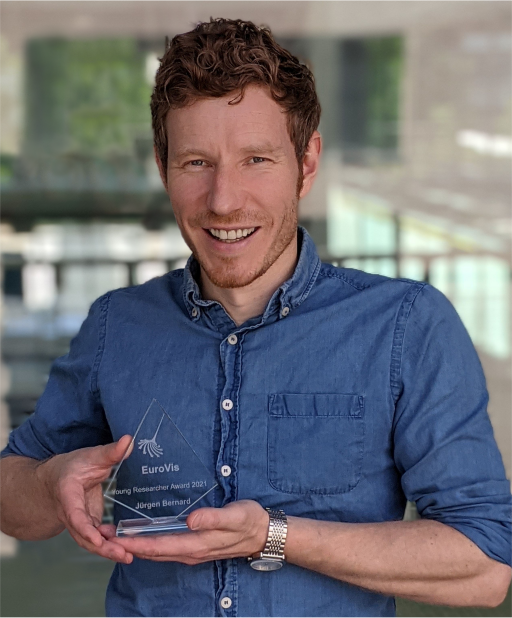
Jürgen Bernard is an Assistant Professor of Computer Science at the University of Zurich , leading the Interactive Visual Data Analysis (IVDA) Group . He is associated with the Digital Society Initiative (DSI) and holds a PhD in Computer Science from Technische Universität Darmstadt (2015) with a focus on time-oriented data analysis. His academic journey includes postdoctoral research at TU Darmstadt and the University of British Columbia. Education : Diploma in Computer Science (2009, TU Darmstadt) PhD in Computer Science (2015, TU Darmstadt) Research Interests : Dr. Bernard specializes in interactive visual data analysis , explainable machine learning , and human-centered AI . His work explores time series analysis , multivariate data exploration , and user-driven preference elicitation . He develops visual analytics systems for domains like healthcare , digital humanities , and industrial applications , with a particular focus on responsible AI and transparency in algorithmic systems . Research Trends : His publications emphasize interactive machine learning workflows , visual analytics for healthcare , and time-stamped event sequence analysis . Recent work includes LLM validation frameworks (Human-Data-Model Interaction Canvas) and personalized ranking systems funded by the Swiss National Science Foundation. He integrates temporal data with multivariate analysis across applications from medical manufacturing to chronic disease management . Scientific Recognition : EuroGraphics Young Researcher Award (2022) EuroVis Young Researcher Award (2021) Best Paper Awards at IEEE VIS (2021), EuroVA (2021, 2025) Dirk Bartz Prize (2017), Hugo-Geiger Preis (2016) Teaching & Grants : He teaches Interactive Visual Data Analysis (6 ECTS), Digital Health Seminars , and People-Oriented Computing . Currently leads a SNF Grant on Personalized Visual Analytics for multi-criteria decision support (2024-2028) with ETH Zurich's Prof. M. El-Assady.
Chao Liu is a Research Scientist at CNRS (French National Center for Scientific Research) since 2008, affiliated with the DEXTER team and the Department of Robotics, LIRMM at University of Montpellier, France. He earned his Ph.D. in Electrical & Electronic Engineering from Nanyang Technological University, Singapore (2006). Current research focuses on surgical robotics , haptics , teleoperation , and nonlinear control theory with applications in computer vision. His work addresses challenges in robotic-assisted telesurgery, including: Stable and transparent human-robot interaction through wave variable compensators and passivity filters Physiological motion compensation using spatio-temporal LSTM and dual Kalman filters EMG-based motion recognition for surgical skill assessment 3D soft-tissue reconstruction with stereo-endoscopes and deep learning Dr. Liu leads European and French projects like: TS2RT (CNRS-funded): Safer teleoperation with motion compensation ROBACUS (ANR-funded): Needle positioning with MPC control HaTUMoCo (CNRS-funded): Haptic teleoperation with uncertainty handling ARAKNES (EU-funded): Microrobotic systems for endoluminal surgery Scientific honors include Senior Member of IEEE and Member of Sigma Xi . He supervises Ph.D. and Master's students working on topics such as concentric tube robot optimization, haptic teleoperation, and EMG-based force estimation. Dr. Liu serves on IEEE Technical Committees for Telerobotics and Haptics , and as Technical Editor of IEEE/ASME Transactions on Mechatronics.
Professor David Ackerley (Victoria University of Wellington) is a leading microbiologist and enzyme engineer specializing in directed evolution of bacterial enzymes for biotechnological applications. As Biotechnology Programme Director since 2006, he lectures in foundational courses like BTEC101 and BTEC201. Academic rank: Professor of Biotechnology Institutional affiliation: Victoria University of Wellington Research focus areas: Microbial Biotechnology, Drug Discovery, Synthetic Biology His research employs Darwinian evolutionary principles to engineer enzymes with enhanced activities, particularly targeting non-ribosomal peptide synthetases and nitroreductases for antibiotic development and cancer therapy. Recent work explores metagenomic domain substitution in pyoverdine biosynthesis and Purpuramine R from marine sponges. Key publications demonstrate innovations in metagenomic library construction , CRISPR screening for regeneration genes, and structural characterization of engineered enzymes. His team has developed NTR 2.0 , a high-efficacy nitroreductase for targeted cell ablation. Current research projects include: Clean solutions from dirty genes: Plastic-degrading enzyme discovery Engineering enzymes for CAR T-cell-chemotherapy synergy Repurposing niclosamide against Gram-negative superbugs Grants from the Health Research Council of New Zealand, Royal Society of New Zealand, and Cancer Society of NZ support his work. Collaborations span biomedical research, synthetic biology, and environmental applications.
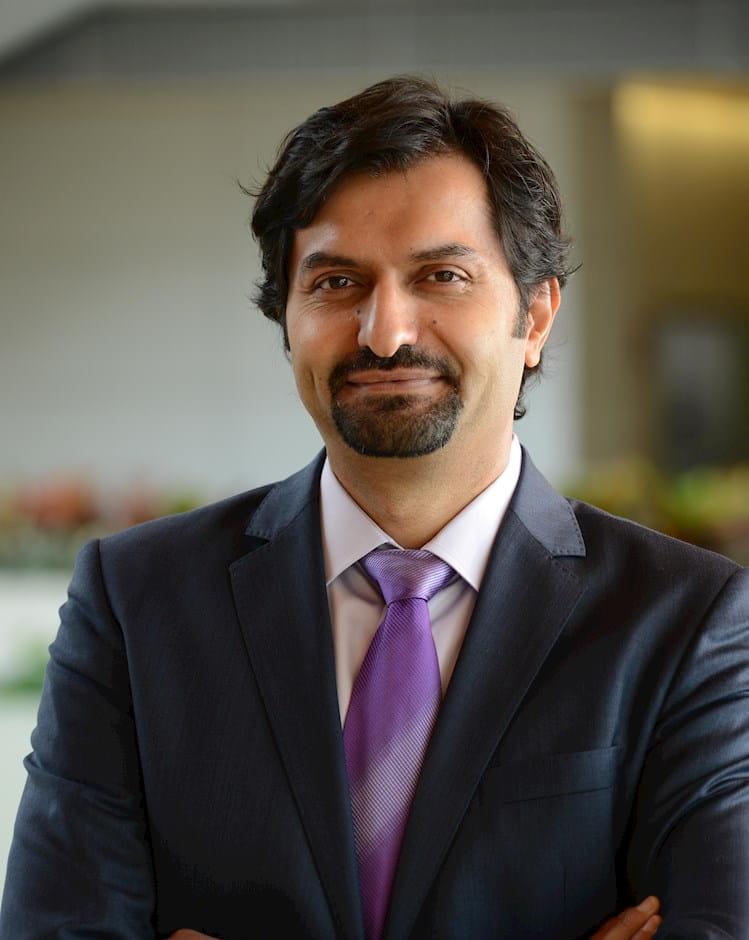
Baris Ata is the Sigmund E. Edelstone Distinguished Service Professor of Operations Management at the University of Chicago Booth School of Business. His work bridges theoretical operations management with practical applications, focusing on dynamic decision-making under uncertainty. Research Interests Ata’s research spans stochastic networks, manufacturing/service operations, healthcare delivery, and social sector innovation. Recent projects address high-dimensional stochastic control, xenotransplantation candidate selection, criminal justice logistics, and last-mile delivery challenges in Africa. Scientific Awards Best Paper in Service Science Award, INFORMS (2009) William Pierskalla Best Paper Award, INFORMS (2015) Wickham Skinner Best Paper Award, POMS (2019) Manufacturing and Service Operations Management Young Scholar Prize, INFORMS (2015) Emory Williams MBA Teaching Award (2021) Recent Publications Ata’s recent work includes topics in dynamic pricing, stochastic control, and healthcare logistics. His papers examine congestion-based pricing strategies, equilibrium analysis in queues, and policy design for organ transplantation. Broad disciplines include operations management, stochastic modeling, and healthcare analytics.
Dr. Tim Conrad is a researcher at the Zuse Institute Berlin in the Visual and data-centric computing department under the Mathematics of Complex Systems division. He leads projects at the intersection of computational biology, AI, and medical data analysis. Projects: Geometric Learning for Single-Cell RNA Velocity Modeling, MODAL MedLab, Sparse Compressed Sensing in -Omics Data, BIFOLD (Big Data and Machine Learning) Research Networks: Affiliated with MATH+ and MODAL Research Campus His research focuses on applying machine learning , network optimization , and sparse data analysis to biological and medical challenges including disease modeling, microbiome dynamics, and ECG classification. Recent work explores hybrid PDE-ODE epidemic models and federated learning in healthcare. 2023-2025 publications highlight trends in AI for biological networks , temporal community detection , and medical signal processing . He co-authored studies on SARS-CoV-2 simulations, proteomics feature selection, and multi-label ECG analysis. His 2004 doctoral thesis at Monash University laid foundations for later work in metabolic pathway analysis. Awarded as a Zuse Fellow , he contributes to open science initiatives like FAIR data sharing . Collaborations span institutions including Freie Universität Berlin and Charité in medical informatics and clinical applications.