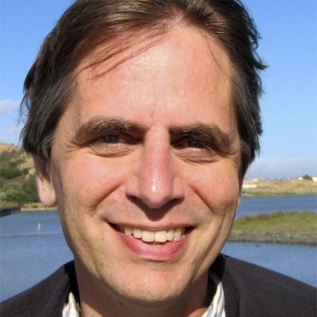
Benjamin Druss is a Professor and Rosalynn Carter Chair in Mental Health at Emory University’s Rollins School of Public Health, Department of Health Policy and Management. He is a psychiatrist integrating mental health, physical health, and public health. His research focuses on improving care access/outcomes for populations with serious mental illnesses and medical comorbidities. He serves on JAMA Psychiatry’s editorial board and previously on NIMH’s National Advisory Council. Education: MD, New York University MPH, Yale University Research Interests: Health policy for mental health systems Social determinants of mental health Psychosis and comorbidity mechanisms Healthcare access disparities Articles Trends: Recent work examines opioid use patterns, mental health policy impacts, and neighborhood effects on psychiatric outcomes. Over 15 years of publications consistently address disparities in mental health care access and systemic solutions. Awards: APA Health Services Research Senior Scholar Award Carl Taube Award for Lifetime Contribution NAMI Exemplary Psychiatrist Award Advising/Grants: Leads research on mental health workforce resilience and Medicaid policy. Courses taught include mental health/medical policy, public mental health case studies, and dissertation guidance.
Professor Linda He Hong-Gu is a faculty member at the Alice Lee Centre for Nursing Studies, Yong Loo Lin School of Medicine, National University of Singapore. As Programme Director for Master of Science (Nursing) and Doctor of Philosophy programs, she leads graduate research initiatives and co-convenes the Women and Children Health Care Research Programme. Doctor of Philosophy, University of Eastern Finland Master of Science in Nursing, University of Eastern Finland Clinical Medicine, Fujian Medical University Her research spans Women and Children Health Care , Chronic Illness Management , and Health Technology , with over 200 peer-reviewed publications. Recent work focuses on digital interventions for improving mental health outcomes, perioperative care through technology, and preventive health behaviors in maternal populations. Publications emphasize systematic reviews , meta-analyses , and mobile health applications across diverse domains: dementia care, stroke rehabilitation, cancer support, diabetes management, and pediatric surgery preparation. Collaborations span Finland, Norway, China, and Singapore. Scientific recognition includes: Fellow of American Academy of Nursing (FAAN), 2021 International Nurse Researcher Hall of Fame, 2023 Multiple Best Poster/Oral Presentation Awards (2013-2024) Teaching Excellence Awards from NUS As an active grant recipient, she has secured over S$17.9 million in research funding from organizations like NMRC, Business Finland, and National Natural Science Foundation of China, driving innovations in AI-powered VR rehabilitation , STOMA care , and psychosocial interventions .
Ezra Golberstein, PhD, is a Professor in the Division of Health Policy & Management at the University of Minnesota's School of Public Health. His academic journey includes a PhD in Health Services Organization and Policy from the University of Michigan (2008) and a BA from Brandeis University (2001). His research focuses on the intersection of health services and policy research with health economics, particularly in mental health services and policy. Golberstein's research interests span health economics , health care policy , mental health , quantitative methods , health insurance , human capital , and non-medical determinants of health . His work examines how health insurance changes, provider incentives, and practice innovations affect healthcare use and outcomes for people with mental health problems. He has published extensively on mental health services utilization, insurance coverage effects, and policy interventions aimed at improving mental healthcare access and quality. His publication record shows consistent scholarly output from 2007 through 2023, with recent work focusing on healthcare delivery innovations, mental health economics, and the impact of policy changes on vulnerable populations. His research demonstrates methodological rigor using quantitative approaches to address pressing questions in health policy. Member, Delta Omega Honorary Society in Public Health Golberstein's research has significant implications for health policy development, particularly in mental healthcare financing and delivery systems. His work on geographic variations in mental health services, insurance parity effects, and innovative service delivery models provides evidence to inform policymakers and healthcare administrators. His studies on college student mental health have contributed to understanding barriers to care and developing more effective campus mental health programs.
Lorin M. Hitt serves as the Zhang Jindong Professor of Operations, Information and Decisions at the University of Pennsylvania's Wharton School. His distinguished career spans multiple domains at the intersection of information technology, economics, and business strategy. As a leading scholar in IT productivity and innovation, he maintains an active research agenda while teaching undergraduate and graduate courses in information systems and data analysis. Professor Hitt's research interests focus on the relationship between information technology and productivity, with particular emphasis on complementary factors such as organizational design and human capital that affect the value of IT investments. His current work explores the economics of IT labor mobility, enterprise software contracting, recommender systems' influence on consumer behavior, measurement of intangible assets, and pricing information goods. His research increasingly examines IT deployment in healthcare settings and the role of the IT workforce in relation to issues like offshoring and the H1-B visa program. His research publications demonstrate consistent contributions to top-tier journals, with recent work analyzing how data analytics mitigates post-IPO innovation decline, digital capital accumulation in superstar firms, and the relationship between analytics skills and firm productivity. His publication record shows sustained scholarly output across multiple domains of information systems research. Best Paper Runner-up – Management Science, 2014 Best Paper – Information Systems Research, 2013 Multiple Wharton Excellence in Teaching Awards (2003, 2007-2008, 2011) David Hauck Award for Distinguished Teaching, 1999 National Science Foundation Career Grant Recipient, 1998 Lindback Award for Distinguished Teaching, 1998 Professor Hitt teaches multiple courses including OPIM101 (Introduction to OPIM), OPIM105 (Data Analysis in VBA and SQL), OPIM469 (Information Strategy and Economics), and OPIM955 (Doctoral Seminar in IS Economics). His teaching focuses on information systems management, economics, data analysis, and advanced analytical methods. Beyond academia, he consults on IT outsourcing agreements and IT investment evaluation, and occasionally serves as an expert witness in technology-related litigation.
Danielle Butler is a Visiting Fellow at the National Centre for Epidemiology and Population Health, Australian National University, and a part-time General Practitioner/Researcher at the Institute of Urban Indigenous Health. With 20+ years clinical experience and a PhD (2018), her work focuses on healthcare access equity for underserved populations through linked data analysis, mixed-methods research, and telehealth evaluation. Current projects: Enhancing Safe Telehealth , Patient-Centered Medical Homes , Primary Care Data Linkage Key collaborations: ANU, IUIH, Australian Institute of Health and Welfare Her research combines multilevel modeling of administrative data with participatory action research to evaluate primary care innovations. Recent work examines telehealth impacts , out-of-pocket costs , and Aboriginal health service models . Publications span BMJ Open , BMC Health Services Research , and Health Policy , with emphasis on systematic reviews , linked data methodology , and health equity metrics . Research fingerprint shows dominant themes: Primary Health Care (100%), Aboriginal and Torres Strait Islander Health (66%), Health Services Research (49%), and Telehealth (100%).
Chelsey R. Carter is an Assistant Professor of Public Health in the Department of Social and Behavioral Sciences at Yale School of Public Health with a secondary appointment in the Department of Anthropology. A Black feminist anthropologist of medicine, public health, and race from St. Louis, Missouri, Dr. Carter's interdisciplinary work bridges public health, anthropology, and critical race studies to address health inequities, particularly focusing on neurodegenerative diseases like ALS in Black communities. Dr. Carter received her BA in Anthropology from Emory University (2012), followed by an MPH and PhD from Washington University in St. Louis (2021), and completed a Presidential Postdoctoral Fellowship at Princeton University (2022). Her educational background reflects her commitment to both anthropological theory and public health practice. Her research examines the relationship between social determinants of health (particularly anti-Black racism, socioeconomic status, and gender) and neurodegenerative diseases such as amyotrophic lateral sclerosis (ALS) and motor neuron diseases. Dr. Carter employs ethnographic research and qualitative methodologies to investigate how embodied inequality impacts diagnosis, treatment, and engagement in clinical trials for Black individuals with ALS. She also leads research on precision medicine and genomic research in Black communities through The Black Genome Project and studies caregiving among persons impacted by ALS. Her scholarship has been funded by the National Science Foundation, the Andrew Mellon Foundation, and the Wenner Gren Foundation. Analysis of Dr. Carter's recent publication trends reveals a strong focus on health equity, particularly examining how systemic racism manifests in medical settings and contributes to health disparities. Her work spans multiple domains including neurodegenerative diseases, HIV/AIDS care, genomics, and mental health, with consistent attention to intersectional approaches that consider race, gender, and socioeconomic status. A notable pattern in her scholarship is the use of qualitative and mixed methods to center the lived experiences of marginalized communities, challenging dominant biomedical paradigms through a Black feminist lens. Principal's Development Fund Visiting Scholar (2024) Distinguished Teaching Award from Yale School of Public Health (2023) Funding from the National Science Foundation Support from the Andrew Mellon Foundation Wenner Gren Foundation grant Dr. Carter actively mentors students and has developed innovative teaching approaches, including her course 'Biomedical Justice: Public Health Critiques and Praxis,' which encourages students to bring their full selves into the classroom. Her research has been supported by significant grants that enable community-engaged work addressing health disparities. She emphasizes the importance of community partnerships in her research, ensuring that academic work serves and is accountable to the communities being studied. Dr. Carter is Founder and Director of The LEITH (Lived Experiences Igniting Transformations in Health) Lab, which addresses Black invisibility and misdiagnosis for rare neurodegenerative and genetic diseases. The lab brings together persons and caregivers impacted by rare diseases, researchers, clinical providers, educators, students, and activists to develop more humanizing and critical approaches in the rare neurodegenerative field. The LEITH Lab's vision centers on advancing anti-racist research, fostering awareness through education, creating palliative networks for support, and developing a pipeline of health equity scholars.
Amitabh Chandra is the Ethel Zimmerman Wiener Professor of Public Policy at Harvard Kennedy School (HKS) and the Henry and Allison McCance Family Professor of Business Administration at Harvard Business School (HBS). He holds dual roles as Director of Health Policy Research at HKS and chairs several initiatives, including the Pagliuca Harvard Life Lab and the joint MS/MBA program in life sciences. His research focuses on healthcare pricing, pharmaceutical innovation, racial disparities in care, and Alzheimer’s treatment economics. Dr. Chandra has advised the U.S. Congress, the Massachusetts government on healthcare reform, and serves on the Congressional Budget Office’s Health Advisors Panel. His affiliations include the Malcolm Wiener Center for Social Policy and the Mossavar-Rahmani Center for Business and Government at HKS. His research spans biopharmaceutical capital allocation, Medicare drug negotiation policies, and the economic implications of healthcare cost-sharing. Notable recent work addresses price regulation in healthcare, orphan drug exemptions, and the impact of the Inflation Reduction Act on pharmaceutical innovation. Key Awards: ASHE Medal (under 40), Kenneth Arrow Award, Eugene Garfield Award Committees: Blavatnik Fellows Board, Health Affairs Council on Spending Grants: NIH funding (NIA, NICHD), Robert Wood Johnson Foundation He explores how economic principles shape healthcare systems, focusing on aligning drug pricing with therapeutic value and improving equitable access to treatments. His work bridges academia and policy, influencing national dialogues on healthcare reform and innovation incentives.
Theresa Baxter is a Senior Lecturer at Sheffield Hallam University, where she has been since July 2007. She initially served as Programme Leader for the Practice-based Learning Occupational Therapy programme and later combined this role with that of Professional Lead for Occupational Therapy and Vocational Rehabilitation until stepping down in June 2018 to focus on supporting practice education within the Allied Health Professions (AHP) department. Prior to this, she taught at the University of Derby from 1993 to 2003 and held clinical roles in various hospitals, including the Royal London Hospital, Bethnal Green Hospital, Watford General Hospital, and Queen’s Medical Centre in Nottingham. Her educational background includes qualifying as an Occupational Therapist in 1980 from Derby School of Occupational Therapy (now the University of Derby). She has since contributed to academic and clinical advancements through her work in older adult psychiatry, general medicine and surgery, rehabilitation, and vocational healthcare. Research interests span practice learning methodologies, group work dynamics, and experiential learning in occupational therapy education. She emphasizes the integration of clinical expertise with academic programs, particularly in older adults' mental health and vocational rehabilitation. Her collaborations include studies on fracture bracing techniques and solutions to practice placement shortages in healthcare education. Theresa has presented at national conferences such as the College of Occupational Therapists National Conferences (2008–2015) and ENOTHE (2013), addressing topics like student placement experiences and strategies to enhance workforce development. Her work highlights the importance of occupationally focused practice and improving staff wellbeing through occupational functioning interventions. She currently serves as an External Examiner at the University of Brighton and a Registrant Assessor for the HCPC. Her career bridges clinical management roles and academia, with a focus on fostering practical learning environments for students and advancing educational standards in occupational therapy.
Professor Larry D. Lynd is a prominent researcher at the University of British Columbia's Faculty of Pharmaceutical Sciences, with additional appointments as a Scientist at the Centre for Health Evaluation and Outcome Sciences (CHEOS) at Providence Health Care Research Institute, Director of the Collaboration for Outcomes Research and Evaluation (CORE), Scholar at the Peter Wall Institute of Advanced Studies, and Associate of the UBC School of Population and Public Health. Dr. Lynd completed his PhD in the Department of Health Care and Epidemiology at UBC and a post-doctoral fellowship in health economics at McMaster University. As a pharmacist (BSP) and epidemiologist, he has developed a distinguished career at the intersection of health outcomes research, epidemiology, and health economics, with a particular focus on the application of large administrative health datasets to inform practice and policy. His research spans multiple high-impact areas including rare diseases, multiple sclerosis, respiratory disease, and genomic medicine. Dr. Lynd leads major research initiatives such as the CANadian PROactive Cohort study for People Living with MS, the GenCOUNSEL study evaluating whole genome sequencing for clinical genetic services, and the Early Health Technology Assessment platform for the Nanomedicines Innovation Network. His recent publications demonstrate a strong emphasis on health technology assessment, genomic medicine implementation, multiple sclerosis outcomes research, and addressing unmet needs in clinical genetic services. Dr. Lynd's scientific contributions have been recognized through prestigious awards including the Dr. John McNeil Excellence in Health Research Mentorship Award (2022), Fellowship in the Canadian Academy of Health Sciences (2018), and the UBC Faculty of Pharmaceutical Sciences PharmD Teaching Award (2014-2015). As a mentor, Dr. Lynd has supervised doctoral students including Tamara Mihic (PhD in Pharmaceutical Sciences) and Kennedy Borle (PhD in Interdisciplinary Studies). He has secured substantial research funding, with recent grants totaling over $5 million from organizations including the Canadian Institutes for Health Research, Genome Canada, MS Society of Canada, and Genome British Columbia. Dr. Lynd actively contributes to health policy through leadership roles on committees including as chair of the Health Canada Special Advisory Committee on Non-Prescription Drugs, Special Advisory Committee to the Respiratory and Allergy Therapies Division of Health Canada, BC Ministry of Health Services Expensive Drugs for Rare Diseases Committee, and the BC PharmaNet Data Stewardship Committee.
Dr. Richard E. Hayden is a Professor in the Department of Otolaryngology-Head and Neck Surgery at Mayo Clinic College of Medicine and Science, Mayo Clinic, Phoenix, Arizona. He holds leadership roles as Associate Dean at Mayo Clinic School of Health Sciences and Education Director at the Mayo Clinic Center for Regenerative Biotherapeutics. His clinical and academic work centers on head and neck oncology, reconstructive surgery, and regenerative medicine. Dr. Hayden earned his MDCM from McGill University in 1974 and completed fellowships in Head and Neck Surgery-Oncology at M.D. Anderson Hospital and Radiation Oncology at Princess Margaret Hospital. He also holds advanced training in facial plastic surgery. His research spans head and neck cancer, microvascular and reconstructive surgery, transoral laser microsurgery, and regenerative medicine. He has pioneered techniques in flap reconstruction and contributed significantly to understanding postoperative outcomes and surgical innovations. His work emphasizes oncologic safety, functional preservation, and minimally invasive approaches. His recent publications (2018–2024) reflect a strong focus on transoral surgery, flap reconstruction (including submental and free flaps), mucosal-sparing radiation, and regenerative medicine education. Themes include surgical outcomes, reconstructive innovation, and interdisciplinary training in emerging therapies like CAR-T cells and regenerative healthcare. Dean's Award, Mayo Clinic Graduate School of Biomedical Sciences (2022) Distinguished Educator Award, Mayo Clinic Arizona (2016) Distinguished Service Award, American Academy of Otolaryngology - Head and Neck Surgery (2006) Honorary Member, German Society of Laryngology-Head and Neck Surgery (2007) Multiple Visiting Professorships and Keynote Speaker invitations Dr. Hayden has mentored numerous trainees and led major educational initiatives, including regenerative medicine and CAR-T curricula. He has held leadership positions such as Chair of Otolaryngology (2002–2014) and active roles in national societies. His research is supported by institutional affiliations and collaborative grants, particularly in regenerative biotherapeutics. He is involved in multiple labs and teams focused on head and neck reconstruction, surgical innovation, and regenerative medicine translation.
Michelle Doas is an Associate Professor of Nursing at Chatham University 's College of Health Sciences , where she has been actively contributing since 2007. Her expertise spans clinical nursing, education, and interdisciplinary research applications. Ed,D., MSN, BSN, RN Research Interests Dr. Doas focuses on critical thinking development in nursing education , adult literacy in healthcare , and reminiscence therapy . Her work bridges clinical practice with pedagogical innovation, exploring how techniques from service industries (e.g., Disney's hospitality model) can enhance patient satisfaction and communication in healthcare settings. Article Trends Her publications and presentations demonstrate a consistent emphasis on improving clinical outcomes through structured interventions like mind mapping for education, relaxation therapy for post-operative care, and concept mapping for knowledge organization. Key themes include patient safety , workplace culture , and interdisciplinary applications in nursing. Scientific Awards She is a member of the prestigious Sigma Theta Tau International Honor Society , recognizing her contributions to nursing scholarship. Additional Contributions Dr. Doas has served on the Business Faculty Search Committee (2008) and presented on diverse topics such as food handling safety in environmental science contexts and nursing career advocacy at high school outreach events.
Sebastian Henn is a Professor of Economic Geography at the Institute of Geography, Friedrich Schiller University Jena, where he has held the Chair since 2014. He serves as Dean of Studies for the Faculty of Chemistry and Geosciences (since 2020) and Deputy Director of the Leibniz ScienceCampus "Eastern Europe - Global Area". His research spans transnational entrepreneurship, knowledge-based regional development, cluster dynamics, polarization/peripheralization, and migration studies . Education: Dipl.-Geogr. (University of Mannheim, 2001); Dr. rer. nat. (University of Halle, 2006); Habilitation (University of Halle, 2014) Key research areas include spatial perception, mobilities, health geography, and global-local interactions in sectors like pharmaceuticals, medical technology, and the diamond industry. Publications (2013-2024) focus on global production patterns, cluster evolution, regional embitterment, and the role of transnational entrepreneurs in industries from Gujarat to Antwerp. His 2023 work explores populist resentments in rural regions and health infrastructure disparities in Thuringia. Awards include the 2017 Journal of Economic Geography Best Referee Award. He co-edits the Springer series "Perspectives in Human Geography" and holds leadership roles in academic societies like the Schumpeter Centre for Social and Economic Change. Editorial and Review Activities : Active on boards of the Journal of Economic Geography and ZFW journal. Regular reviewer for 20+ journals and funding bodies including DFG and DAAD. Leads research on BRIC investments, Southern multinationals, and spatialization processes under globalization .
Geoffrey Cohen is the James G. March Professor of Organizational Studies in Education and Business, and Professor of Psychology at Stanford University's Graduate School of Education. He holds a courtesy appointment in Organizational Behavior at the Graduate School of Business. His research focuses on identity, belonging, and interventions to address social inequities in education, healthcare, and workplace settings. Cohen earned his Ph.D. in Psychology from Stanford University (1998) and a B.A. in Psychology from Cornell University. Education: Ph.D., Stanford University, Psychology (1998) Bachelor of Arts, Cornell University, Psychology Research Interests: Cohen investigates how identity threats and belonging shape behavior, particularly for marginalized groups. His work emphasizes scalable interventions to improve academic outcomes, reduce disciplinary disparities, and foster inclusive environments. He is author of Belonging: The Science of Creating Connection and Bridging Divides (2022), which explores belonging's role in education, healthcare, and societal contexts. Key Contributions: Cohen's interventions, such as social-belonging exercises and self-affirmation techniques, have demonstrated long-term impacts on academic success, mental health, and social cohesion. His studies span disciplines including education, medicine, and public health, with findings published in top journals like Science Advances and Journal of Personality and Social Psychology . Grants & Teaching: Cohen teaches courses on social psychology, intervention design, and belonging. He mentors doctoral students and postdocs investigating identity processes and scalable solutions to social problems. His lab collaborates with schools and healthcare systems to implement evidence-based strategies. Labs/Teams: Cohen leads a research group at Stanford's Graduate School of Education, affiliated with the Institute for Human-Centered Artificial Intelligence (HAI) and the Wu Tsai Human Performance Alliance. His work bridges theory and practice, aiming to create real-world impact through psychologically informed interventions.
Peter Redfield serves as Professor of Anthropology at the University of Southern California's Dornsife College of Letters, Arts and Sciences, where he bridges anthropology with science and technology studies, postcolonial theory, and humanitarian practice. He previously held the presidency of the Society for Cultural Anthropology (2017-2019) and maintains active affiliations with the LOST Research Network (Law, Organization, Science and Technology), though this network is transitioning to an archive in 2024. His research critically examines transnational expertise and the ethics of humanitarian interventions in contexts of unreliable infrastructure, with current projects including "Beyond Reliable Infrastructure"—which analyzes minimalist life technologies for water, sanitation, and health—and collaborative work with Stellenbosch University on sanitation politics in South Africa. Redfield's scholarship consistently interrogates how humanitarian design navigates utopian ideals of social justice while confronting material constraints and political complexities in global health. His publication trends reveal sustained focus on medical anthropology and humanitarian ethics, particularly through case studies of epidemic response (Ebola), technological fixes (LifeStraw®), and organizational practices (Doctors Without Borders). This work demonstrates evolving attention to material politics and infrastructure, moving from colonial histories (e.g., French Guiana rocketry) toward contemporary crises in global health governance. Redfield's research is supported by institutional affiliations including the Institute for Advanced Study (Princeton, 2016-17) and collaborative partnerships across Africa. He leads interdisciplinary teams examining humanitarian innovation, with recent work emphasizing the material dimensions of aid delivery and the political economies of "dignified living" in marginalized communities.
Dr. Jiang Qian is a Lecturer at the University of Sydney. He holds a PhD in Marketing from the University of Houston, a Master’s in Finance from Johns Hopkins University, and an undergraduate double major in Information Systems and Finance from the Southwestern University of Finance and Economics. His research focuses on leveraging quantitative models and machine learning techniques to extract insights from large-scale data in marketing and healthcare contexts, particularly in social media, online search, and healthcare markets. Current research supervision includes Jennifer Ye’s project on Audio Data Analytics: A New Dimension in Customer Service Excellence . Dr. Qian’s recent work spans AI applications in breast cancer detection, medical imaging analysis, and reinforcement learning for autonomous systems. His studies address challenges like AI model calibration, training data quality, and radiologist-AI collaboration in clinical settings. Notable contributions include analyzing video cover image impacts on advertisement engagement and exploring multiresolution techniques for medical imaging segmentation. His interdisciplinary approach bridges marketing analytics and healthcare technology, emphasizing practical clinical translation of AI systems.