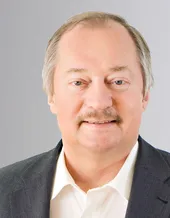
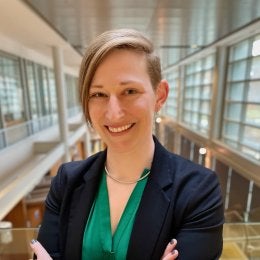
Anup Basu is a Professor in the Department of Computing Science at the University of Alberta. His research focuses on computer graphics, computer vision, and multimedia communications. He holds an B.S. in Math & Statistics from the Indian Statistical Institute (1980), an M.E. in Computer Science from the Indian Statistical Institute (1983), and a Ph.D. in Computing Science from the University of Maryland (1990). His work emphasizes Quality of Service (QoS) in multimedia delivery for e-commerce and telelearning, adaptive bandwidth monitoring, and 3D visualization tools. He pioneered foveated image compression and stereo visualization techniques, contributing to MPEG-4 coding standards. He leads major initiatives like the ASRA/TelePhotogenics/IBM 3D Medical Imaging project ($2M+ funding) and developed patented SHR Stereo/3D scanning technologies. Awards include the American Neurological Association Fellowship. He has held leadership roles as General Chair for IEEE International Conferences on SMC (2017), Multimedia & Expo (2013), and SMC (2014). His research integrates interdisciplinary collaborations across universities and industry partners, leveraging advanced equipment like the CAVE system for immersive visualization.
Daria Camilla Boffito is a Full Professor in the Department of Chemical Engineering at Polytechnique Montréal , holding the Tier-2 Canada Research Chair in Intensified Mechano-chemical Processes for Sustainable Biomass Conversion. Her research spans process intensification , catalysis , sonochemistry , photocatalysis , and metal extraction , with a focus on sustainability. Education: B.Sc. and Ph.D. in Industrial Chemistry from the University of Milan, M.Sc. in Industrial Chemistry and Management Current Research: Developing ultrasound-assisted extraction , CO2 conversion , and floating photocatalysts for wastewater treatment Collaborations: Works with Canadian and international companies on sustainable chemical processes Scientific Awards include the Canada Research Chair Tier-2 (2016-2021), NSERC Banting Postdoctoral Fellowship (2013-2016), and FRQNT PBEEE Postdoctoral Fellowship (2013-2016). Advising has seen 5 Ph.D. and 9 Master's students graduate. She leads the Engineering Process Intensification and Catalysis (EPIC) Laboratory and is a member of the Institut de génie biomédical .
Tim Colonius is the Frank and Ora Lee Marble Professor of Mechanical Engineering and Medical Engineering and holds the Cecil and Sally Drinkward Leadership Chair at the California Institute of Technology. He has been affiliated with Caltech since 1994 and currently serves as Executive Officer for Mechanical and Civil Engineering . Colonius earned his B.S. from the University of Michigan (Ann Arbor), and both his M.S. and Ph.D. from Stanford University. Research Interests: His work focuses on fluid dynamics (global instabilities, cavitation, aerodynamic sound), flow control (closed-loop control, reduced-order modeling), and biomedical applications (shock waves, lithotripsy, ultrasound). He also develops advanced numerical methods for interface capturing, immersed-boundary techniques, and high-order accuracy. Scientific Contributions: Recent publications highlight his research in multiphase flows, vortex ring collisions, turbulent jet analysis, GPU-accelerated simulations, and biomedical applications. His group uses computational and data-driven approaches to study turbulence, instabilities, and flow optimization. Scientific Awards: AIAA Aeroacoustics Award Fellow of the Acoustical Society of America Fellow of the American Physical Society (APS) NSF and DoD research grants
Julia Powles is an Associate Professor at the UWA Law School and Director of the UWA Tech & Policy Lab. Her research focuses on privacy, intellectual property, internet governance, and the legal and political dimensions of data, automation, and AI. She has led investigations into high-profile cases like the NHS/Google DeepMind data breach and Sidewalk Labs’ smart city project. Currently, she advises on national robotics strategy, responsible AI, and privacy policies in Australia. With a background spanning academia, policy, and law, she holds roles in global committees and contributes to media outlets like the New Yorker and Financial Times. Her work bridges legal frameworks and technological innovation, emphasizing ethical governance and societal impact. Education: BSc (Hons) ANU, LLB (Hons) UWA, BCL Oxford, PhD Cantab. Expertise includes AI ethics, data privacy, and regulatory policy. Recent projects address drone delivery systems, corporate accountability of Big Tech, and governance in health monitoring. Awards include the 40 Under 40 Award for WA (2022) and Poynter Fellowship (2018). Grants include the Children’s Online Safety Program (2024–2027) and Minderoo Foundation initiatives. She chairs the PRIS Universities Network and co-chairs international tech policy summits. Roles: Director, UWA Tech & Policy Lab; Expert on National AI Centre, WA Privacy Committee. Research: Over 100 outputs, focusing on AI governance, corporate liability, and tech ethics.
Dr. Bhavna Sharma is an Associate Professor and Director of the Chase L. Leavitt Master of Building Science Program at the USC School of Architecture. Her work focuses on decarbonization, bio-based materials innovation, and sustainable healthcare infrastructure. She leads the Keck USC Sustainable Healthcare Initiative (KUSHI) to advance environmentally conscious healthcare systems. Dr. Sharma holds a Ph.D. in Civil and Environmental Engineering from the University of Pittsburgh, with additional degrees in Art History and Architecture. Her research spans structural systems optimization from material harvesting to building-scale applications, emphasizing bio-composites like bamboo and timber. She co-chairs USC's Presidential Working Group on Sustainability, contributing to Assignment: Earth climate goals. Courses taught include seismic design, structural systems, and building science integration. Key research areas include lifecycle assessment in healthcare, seismic-resistant designs, and interdisciplinary standards for non-conventional materials. Her work bridges material science, architectural practice, and policy to address global sustainability challenges.
G. Kane Jennings is a Professor of Chemical and Biomolecular Engineering at Vanderbilt University's School of Engineering, where he also serves as Director of Graduate Recruiting. His research focuses on molecular design of smart surfaces and biohybrid materials for applications in solar energy conversion, responsive coatings, and nanoscale lubrication. He leads the Jennings Lab, training students in bioinspired materials science. Jennings holds a Ph.D. from MIT and specializes in self-assembly techniques and surface-initiated polymerizations. Education: Ph.D., Chemical Engineering, Massachusetts Institute of Technology M.S., Chemical Engineering, Massachusetts Institute of Technology B.S., Chemical Engineering, Auburn University Research Interests: Jennings develops adaptive materials such as anionic chameleon coatings, biohybrid solar systems using Photosystem I proteins, and high-throughput membrane fabrication via spin coating-ROP integration. His group explores nanoscale defect detection in 3D-printed materials and corrosion-resistant surface treatments. Lab Innovations: Highlights include the mMSIP micromolding technique for customizable superhydrophobic coatings and the scROMP method enabling rapid polymer film synthesis. Collaborations with civil engineering and chemistry departments advance energy-minimizing surfaces and bioelectrochemical systems. Awards: No explicit awards listed, though his work has been funded through interdisciplinary initiatives at Vanderbilt's VINSE and Process Innovation Center.
Abdulkadir C. Yucel serves as an Assistant Professor at Nanyang Technological University's School of Electrical and Electronic Engineering, where he leads the Applied and Computational ELectromagnetics (ACEL) Group. His research spans applied electromagnetics, radar imaging, and AI-driven electromagnetic analysis with applications in smart cities, neurotechnology, and quantum systems. Education: Ph.D. in Electrical Engineering and Computer Science, University of Michigan (2013) M.S. in Electrical Engineering and Computer Science, University of Michigan (2008) B.S. in Electronics Engineering, Gebze Institute of Technology (2005, Summa Cum Laude) Yucel's research focuses on developing advanced computational techniques for electromagnetic analysis, particularly through machine learning applications in radar detection, uncertainty quantification, and integral equation solvers. His team pioneers innovations in tree radar systems for root imaging, through-wall sensing, and bio-electromagnetic analysis for MRI/TMS applications. Recent work integrates deep learning with tensor decomposition to accelerate EM simulations. Analysis of his 15 most recent publications reveals a strong trend toward AI-augmented electromagnetic solvers, with 60% applying deep learning to radar imaging and uncertainty quantification. Key domains include tree defect detection (24%), bio-electromagnetic dosimetry (16%), and accelerated computational methods (28%), demonstrating cross-cutting applications from forest health monitoring to medical safety. Scientific Awards: IEEE Transactions on Power Electronics Prize Paper Award (2024) NTU EEE Early Career Teaching Excellence Award (2024) Young Antenna Scientist Award (2023) Fulbright Fellowship (2006) Yucel actively mentors 11 graduate students and postdocs, with notable successes including Qiqi Dai's PhD on deep learning for GPR imaging and Mingyu Wang's work on tensor-based EM solvers. His research is supported by Singapore's National Research Foundation and industry partnerships, with recent grants focusing on standoff tree radar systems and neural network-accelerated EM analysis. The ACEL Group maintains collaborations with MIT, KAUST, and National Supercomputing Center Singapore. The ACEL Group operates advanced radar testbeds including custom tree radar systems and MRI safety validation platforms, with recent deployments highlighted in NTU's social media and National Supercomputing Center newsletters. Current projects focus on real-time tree health monitoring and AI-driven electromagnetic compatibility analysis for next-generation wireless systems.
Daniele Loiacono is an Associate Professor at Politecnico di Milano's Department of Electronics, Information, and Bioengineering (DEIB), affiliated with the Artificial Intelligence and Robotics Lab (AIRLab). His research focuses on interdisciplinary applications of Artificial Intelligence, Machine Learning, and Deep Learning in medical imaging, radiation therapy, and procedural content generation for games. He leads projects in synthetic image generation for radiotherapy quality assurance, automated treatment planning, and bias analysis in medical AI systems. Key research areas include medical image synthesis using GANs, radiation therapy optimization, and algorithmic game design. His contributions span clinical applications such as total marrow irradiation (TMI) planning and lymph-node segmentation, alongside innovations in shader generation and interactive evolutionary tools for game development. Loiacono collaborates on multi-center studies to validate AI-driven workflows in healthcare and has pioneered methods combining lean Six Sigma with machine learning for treatment process improvement. His work bridges clinical medicine and computer science, addressing challenges in radiation oncology, anatomical imaging, and procedural content automation. The AIRLab serves as a hub for his research, integrating AI advancements into real-world medical and engineering solutions.
Gerald McKenny is the Walter Professor of Theology at the University of Notre Dame. His primary research focuses on Moral Theology/Christian Ethics, with expertise in natural and revealed law, the Decalogue, and the ethical implications of biotechnology. He holds a Ph.D. from the University of Chicago. His research interests span Christian ethics, biomedical ethics, biotechnology ethics, religious ethics, and the philosophy of medicine. Notable publications include Biotechnology, Human Nature and Christian Ethics (2018), The Analogy of Grace: Karl Barth’s Moral Theology (2010), and To Relieve the Human Condition (1997). He has authored over fifty articles and co-edited four books, including The Ethical (2003) and Altering Nature (2008). McKenny’s work bridges theology and contemporary ethical challenges, particularly in biotechnology and medical ethics. He is currently completing a second book on Karl Barth’s ethics and developing a Gospel-based Christian ethics framework.
Filippo Carlo Wezel is a Full Professor of Organization and Management at the Faculty of Economics of Università della Svizzera italiana (USI), where he also serves as Director of the Institute of Management and Organisation. He holds additional research affiliations as a Visiting Research Professor at emlyon Business School (France) and a Research Fellow at Judge Business School, University of Cambridge. He plays a significant editorial role as Senior Editor at Organization Studies and serves on the editorial review boards of Organization Science , Strategic Entrepreneurship Journal , Strategic Organization , and the Advisory Board of Research in the Sociology of Organizations . His educational background includes a PhD in Management from the University of Bologna. Prior to joining USI in 2009, he held academic positions at the University of Groningen (post-doctoral researcher) and Tilburg University (Assistant and Associate Professor). He has also been a visiting scholar at leading institutions including Wharton, MIT, Columbia, Duke, London Business School, LSE, and Hong Kong University. His research centers on organizational identity, managerial and inter-firm mobility, entrepreneurship, and institutional theory. His recent publications explore identity hybridization in political parties, category dynamics in creative industries, historical organizational practices in colonial firms, and stigma in emerging markets. He frequently employs longitudinal, historical, and experimental methodologies, often bridging sociology and management. The most recent articles (2020–2025) reflect a strong trajectory in the sociology of organizations, with recurring themes of identity, categorization, legitimacy, and mobility. He investigates how social evaluations, historical constraints, and institutional environments shape organizational behavior and strategic positioning. His work spans diverse contexts—from 18th-century Lyon silk traders to modern ICT firms and medical marijuana markets—demonstrating a broad empirical and theoretical reach. Scientific Honors and Editorial Roles: Senior Editor, Organization Studies Editorial Review Board, Organization Science Editorial Review Board, Strategic Entrepreneurship Journal Editorial Review Board, Strategic Organization Advisory Board, Research in the Sociology of Organizations He has extensive experience in teaching organizational theory and behavior at undergraduate, master’s, PhD, and executive levels. His research has been published in top-tier journals such as Administrative Science Quarterly , American Sociological Review , Academy of Management Journal , and Strategic Management Journal . He leads a vibrant research agenda at USI, supported by a broad international network, though specific grants and funded projects are not detailed in the provided text. He is also involved in mentoring students and shaping the next generation of organizational scholars, though a list of advisees is not available. Filippo Carlo Wezel is a key figure in the European organizational studies community, leading the Institute of Management and Organisation at USI and fostering interdisciplinary dialogue between organization theory and strategy. His work combines deep historical insight with contemporary theoretical innovation, contributing significantly to our understanding of how organizations and careers evolve under institutional and social pressures.
Russell S. Witte, PhD, is a Professor at the University of Arizona, jointly appointed in the departments of Medical Imaging, Optical Sciences, Biomedical Engineering, Surgery, and Neurosurgery. He is also a Professor at the BIO5 Institute and leads the Experimental Ultrasound & Neural Imaging Lab (EUNIL). His interdisciplinary work bridges physics, engineering, and medicine to develop innovative imaging technologies for diagnosing and treating neurological, cardiac, and oncological conditions. Education: PhD, Arizona State University, 2002 MS, Arizona State University, 2000 BS (Honors), Physics, University of Arizona, 1993 Dr. Witte's research centers on hybrid imaging modalities that combine ultrasound with light, microwaves, and electrical signals. His lab pioneers techniques such as photoacoustic imaging, acoustoelectric imaging, and elasticity mapping to visualize tissue function and mechanics deep within the body. These methods have transformative potential in functional brain imaging, cardiac electrophysiology, and early cancer detection. He is particularly interested in leveraging nanotechnology and smart contrast agents to enhance imaging specificity and therapeutic efficacy. His research program reflects a strong trend toward multimodal, physics-driven biomedical imaging, with applications spanning neuroscience, cardiology, and oncology. By integrating principles from biomedical engineering, optics, and applied mathematics, his work aims to bridge the gap between fundamental science and clinical translation. Scientific Affiliations and Memberships: Arizona Cancer Center Sarver Heart Center School of Mind, Brain, and Behavior Neuroscience Graduate Interdisciplinary Program Applied Mathematics Graduate Interdisciplinary Program Biomedical Engineering Graduate Interdisciplinary Program Dr. Witte is deeply committed to training the next generation of interdisciplinary scientists. He actively mentors students and encourages collaboration across engineering, medicine, and industry. His lab fosters a creative environment for dreamers, problem solvers, and innovators aiming to make transformative discoveries at the intersection of physics and medicine. He has established strong collaborative networks across the Colleges of Engineering, Optical Sciences, and Medicine, facilitating translational research with real-world clinical impact. Dr. Witte leads the Experimental Ultrasound & Neural Imaging Lab (EUNIL), a multidisciplinary research team dedicated to developing and refining cutting-edge imaging technologies. The lab focuses on translating novel physical principles into practical tools for disease diagnosis and treatment monitoring, particularly in chronic tendon disorders, arrhythmias, and breast cancer.
Truong Q. Nguyen is a Professor in the Electrical and Computer Engineering (ECE) Department at the University of California San Diego (UCSD), affiliated with the Jacobs School of Engineering. He holds positions at the Center for Wireless Communications and the California Institute for Telecommunications and Information Technology. His research focuses on image/video processing, wavelets, 3D video technology, and applications in healthcare and robotics. He has authored influential textbooks like Wavelets & Filter Banks and pioneered low-power video processing algorithms for mobile devices. Nguyen earned his B.S., M.S., and Ph.D. in Electrical Engineering from the California Institute of Technology (1985–1989). He held roles at MIT Lincoln Laboratory and Boston University before joining UCSD in 1998. His honors include the IEEE Signal Processing Paper Award (1992), NSF Career Award (1995), IEEE Fellow (2005), and UCSD’s Distinguished Teaching Award (2019). His research interests span 3D video processing, machine learning for health monitoring, and biomedical imaging. Notable contributions include wavelet-based compression techniques and AI-driven medical image analysis. He leads the UCSD Video Processing Lab, exploring computer vision, robotics, and generative AI applications. Nguyen is committed to educational innovation, co-creating programs like the Hands-on Curriculum, Summer Research Internship Program (SRIP), and Project-in-a-Box (PIB) for K-12 students. Nguyen’s work bridges academia and industry, with patents in wavelet design and signal analysis. Recent projects include NSF-funded initiatives to develop inclusive engineering curricula and collaborate on graduate pathways programs through the Inclusive Engineering Consortium (IEC).
Axel Haase is a Carl von Linde Senior Fellow at the Technical University of Munich (TUM) and Director of the Institute of Medical Engineering (IMETUM). He holds a professorship in Experimental Physics (Biophysics) at the University of Würzburg. His research focuses on magnetic resonance imaging (MRI), including co-inventing the FLASH MRI technique and advancing biomedical applications like cardiac and neurological studies. He previously served as President of the University of Würzburg (2003–2009) and President of the European Society of Magnetic Resonance in Biology and Medicine (ESMRMB). Education: Diploma in Physics (1977), PhD (1980) from University of Giessen, Habilitation in Biophysical Chemistry (University of Frankfurt). Leadership Roles: Max Planck Institute of Biophysical Chemistry (1978–1989), Postdoc at University of Oxford (1982). Research Interests: MRI技术创新,包括快速成像技术、医学成像应用、生物医学工程。His work has led to patents and significant advancements in MRI methodologies. Awards: 包括Bavarian Academy of Sciences Fellow (2001)、ISMRM金质奖章 (1991)、DFG Heisenberg Fellowship (1987)等。 Labs & Teams: Director of IMETUM at TUM, leading interdisciplinary research in medical engineering and imaging technologies.
Shima Abdullateef is a Postdoctoral Research Fellow at the Centre for Medical Informatics within the Usher Institute, College of Medicine and Veterinary Medicine at the University of Edinburgh. Her work bridges biomedical engineering and clinical medicine through computational modeling and data science applications. Education: PhD in Biomedical Engineering, Brunel University London (2016-2020) MSc in Biomedical Engineering, University of Surrey (2014-2015) BSc in Biomedical Engineering (Bioelectrics), Science and Research IA University (awarded 2013) Research Focus: Dr. Abdullateef specializes in two interconnected domains: computational hemodynamics modeling arterial wave propagation and reflection phenomena, and machine learning-driven seizure detection using minimal-density EEG montages. Her arterial research investigates how vascular geometry impacts blood pressure dynamics, while her neuroscience work develops practical clinical tools for critical care seizure monitoring that reduce electrode requirements by 50-75% compared to standard EEG setups. Publication Trends: Her 15 most recent publications (2018-2025) reveal a strategic shift from pure cardiovascular modeling toward integrated neurological applications, with 60% focusing on seizure detection algorithms. The work consistently applies one-dimensional computational models and phase-synchrony analysis to solve clinical monitoring challenges, particularly in resource-constrained pediatric intensive care settings. Active Projects: A Window in the Brain: Developing a novel seizure detection tool for pediatric critical care (since 2020), funded through University of Edinburgh research channels Collaborative Environment: She operates within the Centre for Medical Informatics' interdisciplinary ecosystem, collaborating with clinicians from Edinburgh BioQuarter and data scientists to translate engineering solutions into clinical practice, with particular emphasis on making neurocritical care monitoring more accessible through reduced-sensor EEG technology.
Rachel R. Romeo is an Assistant Professor at the University of Maryland in the Department of Human Development and Quantitative Methodology. She also holds courtesy appointments in the Department of Hearing and Speech Sciences and the Neuroscience and Cognitive Science program. She is affiliated with the Language Science Center, Field Committee in Developmental Science, Brain Behavior Institute, and Maryland Neuroimaging Center. Education: PhD from the joint Harvard/MIT Program in Speech and Hearing Bioscience and Technology MSc in Language Sciences from University College London BA in Psychology and Linguistics from the University of Pennsylvania Clinical licensure in Speech-Language Pathology from the MGH Institute of Health Professions Translational Postdoctoral Training in Neurodevelopment at Boston Children's Hospital and Harvard Medical School Research Interests: Rachel’s research examines how early experiences, both favorable and adverse, shape children’s neurocognitive and academic development, with a focus on language, literacy, and socioeconomic disparities. She integrates methods from developmental psychology, cognitive neuroscience, and educational interventions to address these questions. Scientific Awards: Young Investigator Award, Flux Society (2024) University of Maryland Research Impact Fellow (2023–2024) Faculty Mentor of the Year Award, UMD Neuroscience and Cognitive Science Program (2023) Early Career Research Contributions Award, American Speech Language Hearing Association (2023) Early Career Research Contributions Award, Society for Research in Child Development (2023) Rising Star, Association for Psychological Science (2021) Flux Congress Science of Learning Award, & Post-Doctorate Award (2019) Society for the Neurobiology of Language Postdoctoral Merit Award (2019) Society for the Neurobiology of Language Graduate Student Award (2017) UCL Language Sciences Dissertation Prize and Overall Achievement Award (2012) The Thouron Award (2011) Fulbright Fellowship (2011) Grants & Projects: Her research is funded by the National Institutes of Health (NIH), Institute of Museum and Library Services (IMLS), and UMD Brain Behavior Institute (BBI). Labs & Teams: Rachel directs the Language, Experience, and Development (LEAD) Lab and collaborates with interdisciplinary teams in developmental science and neuroimaging.