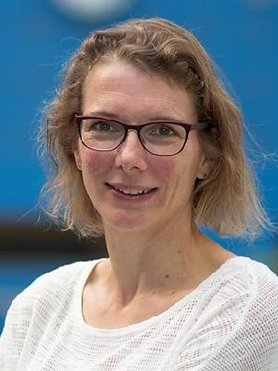
Laura Barnes is a Professor in the Department of Systems and Information Engineering at the University of Virginia, and Associate Director of the Link Lab. She directs the Sensing Systems for Health Lab, focusing on technology-enabled health solutions. Her academic background includes a B.S. in Computer Science from Texas Tech University (2003), and M.S. (2007) and Ph.D. (2008) in Computer Science from the University of South Florida. Research interests span wireless health , human-machine interfaces , biomedical data sciences , and machine learning applications . Current projects include wearable sensor systems for mental health monitoring, clinician-patient communication frameworks (CommSense), and mobile interventions for anxiety reduction. Funding sources include NIH, National Institute of Aerospace, and the U.S. Army. Recent publications emphasize real-time monitoring , digital phenotyping , and context-aware interventions . Key themes include leveraging large language models for health analysis, developing scalable mobile sensing frameworks, and addressing health equity through technology. Labs/Teams : Sensing Systems for Health Lab, Link Lab Grants : NIH-funded projects on medication adherence and sleep disturbance analysis
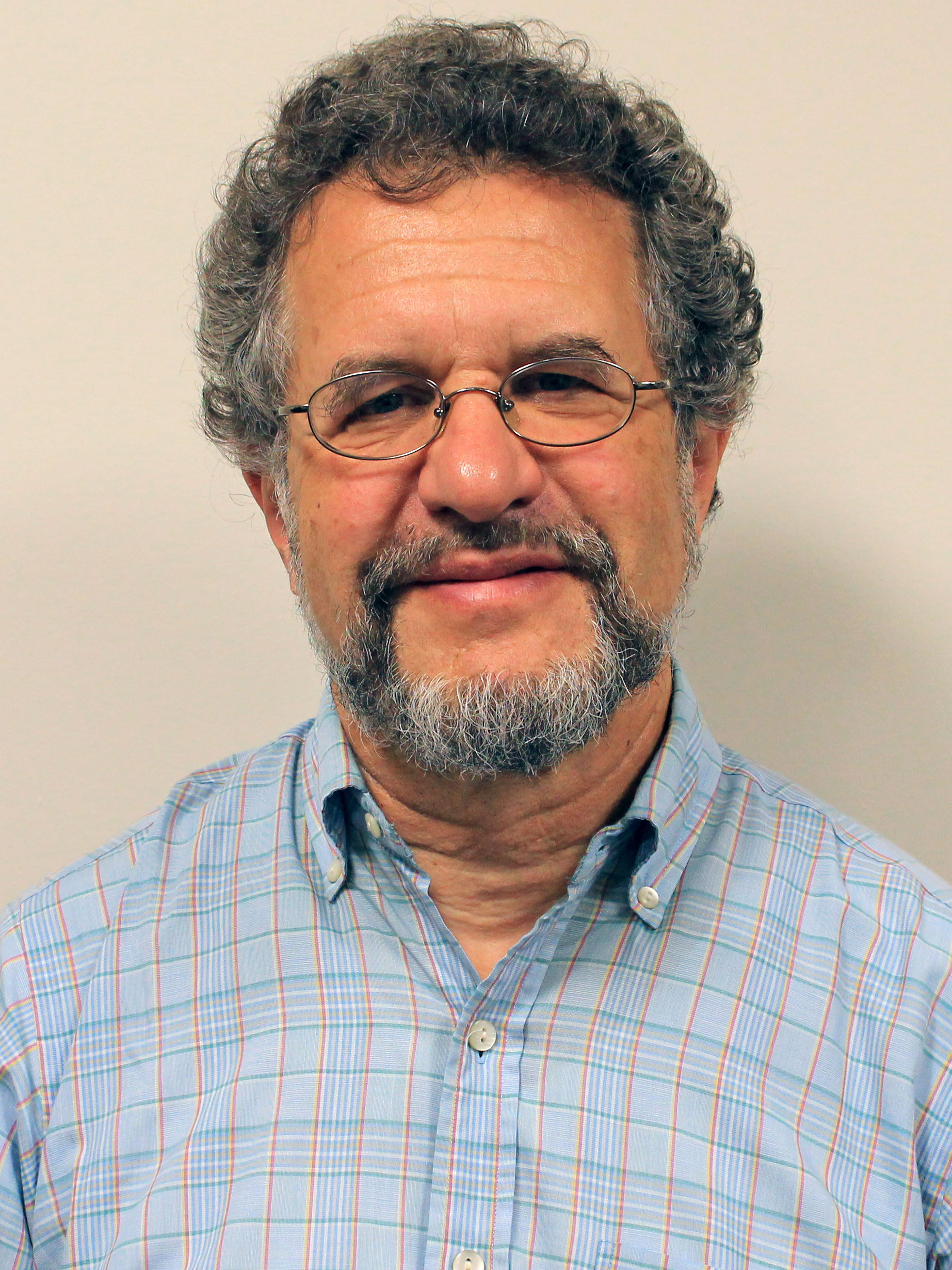
Griffin Weber, M.D., Ph.D., is an Associate Professor of Medicine and Biomedical Informatics at Harvard Medical School (HMS) and Beth Israel Deaconess Medical Center (BIDMC). He directs the Biomedical Research Informatics Core (BRIC) at BIDMC. His research focuses on expertise mining, social network analysis, and biomedical informatics. Key contributions include developing Profiles RNS (an open-source research networking platform) and i2b2 / SHRINE federated query tools for clinical data. He holds MD and PhD degrees from Harvard (2007), and earlier degrees in bioengineering and computer science. Education: SB in Bioengineering (Harvard, 2000), SM/PhD in Computer Science (Harvard, 2004/2005), MD (Harvard, 2007). He served as Harvard Medical School's first Chief Technology Officer, building educational platforms for 500+ courses. His work spans DNA microarrays, breast cancer tumor modeling, and EHR bias analysis. Research Interests: Leveraging informatics to improve healthcare through federated data systems, team science dynamics, and EHR analysis. Projects include Profiles RNS for researcher networks and i2b2 for clinical data queries across institutions. He explores biases in EHR data filtering and visualizing healthcare system dynamics in biomedical data. Grant Leadership: Principal investigator on NIH grants addressing EHR biases (R01LM013345), healthcare system dynamics (U01CA198934), and scientific workforce networks (U01GM112623). Collaborator on PCORI and NIH-funded initiatives. Awards: 2020 Fellow of the American College of Medical Informatics; 2011 Top Podium Presentation (AMIA); 2007 Medical Technology Award (Massachusetts Medical Society). Labs/Teams: Leads BRIC at BIDMC, collaborates on i2b2/SHRINE, and contributes to the 4CE consortium for federated healthcare data analysis.
Sonja Paus-Buzink is an Assistant Professor in Human Factors at TU Delft’s Faculty of Industrial Design Engineering, specializing in the Human-Centered Design department. Her research focuses on integrating human factors/usability evaluation into medical device and healthcare service design, emphasizing inclusive design perspectives. She teaches courses on human factors, usability, and medical device regulation, supervising students in research and graduation projects. Academic Background: PhD from TU Delft (Medisign Research Group), co-funded by Catharina Hospital, focusing on patient safety in image-based surgical procedures and VR/AR simulation tools. Postdoctoral work on surgical skillslabs and scientific coordination of the European Laparoscopic Surgical Skills Program. Previously a Managing Human Factors Specialist at UL-Wiklund R&D, advising medical device manufacturers on regulatory compliance. Research Interests: Human factors, ergonomics, medical device design, patient safety, inclusive design, surgical training, and healthcare technology. Her work bridges clinical, engineering, and psychological disciplines to enhance healthcare outcomes. Awards: Summa Cum Laude MSc in Industrial Design Engineering (TU Delft). Best IDE Graduate of the Year award at TU Delft. Grants & Collaborations: Collaborations with medical institutes, simulator companies, and organizations like the European Association for Endoscopic Surgery (EAES). Her research emphasizes cross-disciplinary teamwork to address challenges in surgical training and medical device usability. Labs/Teams: Engaged with TU Delft’s Medisign research group and skillslab initiatives. Active in developing tools for surgical training and patient safety in operating rooms.
Elise Laende, PhD, is an Assistant Professor in Systems Design Engineering and Biomedical Engineering at the University of Waterloo, and holds an adjunct position as an Assistant Professor in Mechanical and Materials Engineering at Queen’s University’s Smith School of Engineering. Her research focuses on engineering solutions for healthcare, particularly in biomechanics, orthopaedic implants, and imaging techniques like radiostereometric analysis (RSA) and markerless motion capture. Education: PhD in Biomedical Engineering, Dalhousie University MASc in Biomedical Engineering, Dalhousie University BASc in Mechanical Engineering, University of Waterloo Research Interests: Biomechanical analysis of musculoskeletal systems Implant fixation and migration in total joint replacements Development of clinical tools for orthopaedic surgery Markerless motion capture for gait analysis Radiostereometric analysis (RSA) for in vivo implant assessment Research Trends: Dr. Laende’s work emphasizes precision in implant stability measurement, with a focus on RSA’s role in predicting aseptic loosening. Her recent studies explore the impact of patient-specific biomechanics (e.g., tibial slope, sex differences) on implant performance and the reliability of markerless motion capture under varying conditions. Advising & Grants: While no students are listed, her collaborative projects suggest involvement in clinical research and industry partnerships. Her research has been supported by grants focused on orthopaedic implant innovation and biomechanical assessment tools. Labs/Teams: Her work is conducted at the University of Waterloo’s Systems Design Engineering labs and in collaboration with clinical partners, leveraging advanced imaging and motion capture technologies.
Willem Jonker is a Full Professor at the Digital Society Institute, specializing in Semantics, Cybersecurity & Services. His research focuses on encryption schemes, access control, and privacy-preserving technologies. He has contributed to over 120 publications, with recent work addressing CVE-to-CWE mapping, anomaly detection in network traffic, and functional encryption systems. His expertise aligns with UN Sustainable Development Goals related to secure digital systems and privacy. Jonker has supervised 10 students and actively participates in academic conferences, presenting on topics like secure data management and cryptographic protocols. Research interests include cryptographic protocols, secure data management, and cybersecurity solutions. Notable projects involve developing methods for detecting covert channels, enhancing data privacy in healthcare, and improving secure search over encrypted data. He has also contributed to standards in digital rights management and forensic image recognition.
Zahraa Abdallah is a Senior Lecturer at the School of Engineering Mathematics and Technology, University of Bristol. She holds a PhD and BSc in relevant fields. Her research focuses on Machine Learning, Data Science, Time Series Analysis, and their applications in Health Informatics, Neuroscience, and Bioinformatics. She leads projects on wearable technology integration for diabetes management and EEG-based disease classification. Her work emphasizes explainable AI and multimodal approaches. Zahraa is affiliated with the Bristol Doctoral College Initiative (BDFI) as an Academic Co-Director and collaborates with experts like Prof. Raul Santos-Rodriguez. Contact: zahraa.abdallah@bristol.ac.uk | Website: zahraa-abdallah.com Research Interests: Time Series Clustering & Forecasting EEG-based Disease Detection (Parkinson’s, Alzheimer’s) Smartwatch-Driven Healthcare Systems Explainable AI in Biomedical Applications Key Projects: Development of the CSTS benchmark for time series clustering Investigating insulin needs using automated delivery data Gene essentiality classification via graph neural networks Collaborations: Professor Raul Santos-Rodriguez (BDFI) Lucia Marucci (Systems & Engineering Biology)
Zhanna Sarsenbayeva is a Lecturer in the School of Computer Science at the University of Sydney. Previously, she held a Doreen Thomas Postdoctoral Research Fellowship at the University of Melbourne. Her research focuses on Human-Computer Interaction (HCI), Ubiquitous Computing, Accessibility, and Affective Computing. She earned a PhD in Engineering from the University of Melbourne, an MSc in Computer Science and Engineering from the University of Oulu, and a BSc in Computer Science from University College London. Research Interests: Dr. Sarsenbayeva explores how technology can enhance accessibility, improve emotion recognition in mobile contexts, and address situational impairments. Her work spans wearable sensors, mobile health applications, and ethical AI methodologies. Awards & Honors: 2022–2023: Australia-Germany Joint Research Cooperation Scheme 2021: CIS ECR Grant 2020: Doreen Thomas Postdoctoral Fellowship 2019: Gaetano Borriello Outstanding Student Award Advising & Grants: She currently supervises five PhD students researching topics like mixed reality collaboration and emotion recognition. Her grants include projects on accessibility standards and fairness in AI. International Collaborations: Engages with researchers at Aalborg University (Denmark), University of Oulu (Finland), and LMU Munich (Germany) on interdisciplinary projects.
Prof. Dr. Jan-David Liebe is a Professor of Digital Society at Osnabrück University of Applied Sciences, leading the Digital Health Management field. He holds a PhD in Business Informatics from the University of Osnabrück (2013–2018). His research focuses on implementation science in healthcare, human-centered design, and AI-driven healthcare innovations. He is a co-founder of innnow GmbH and an associated researcher at UMIT’s Institute for Medical Informatics. Key roles include heading the GMDS AG mwmKIS and contributing to national IT reports in healthcare. Research Interests: His work spans digital transformation in healthcare, evaluating healthcare IT maturity models, and fostering innovation through design thinking. Notable projects include benchmarking health IT systems and developing frameworks for AI-supported diagnostics. Professional Roles: Prof. Liebe serves as the Study Director for the Health Management MA program and Entrepreneurship Officer at the WiSo faculty. He actively contributes to research networks like the German Society for Medical Informatics and advises on healthcare IT strategies. Grants & Projects: Leads projects on cloud readiness of hospitals, VR-based medical training, and AI in echocardiography. His work is published in over 50 peer-reviewed articles, emphasizing practical applications of digital tools in healthcare workflows and policy. Affiliations: Member of the Research Commission and Study Committee at Osnabrück University of Applied Sciences. Collaborates with institutions like the Medical School Hamburg and Novia University of Applied Sciences.
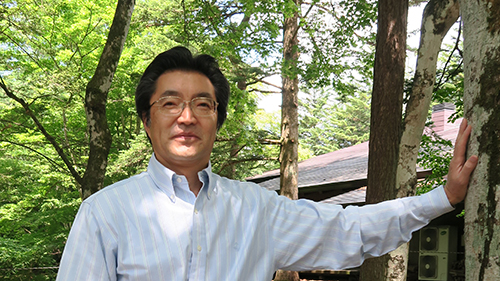
Professor Masatoshi Okutomi is affiliated with the Department of Systems and Control Engineering at the School of Engineering, Institute of Science Tokyo. His research focuses on advanced medical imaging techniques, particularly in endoscopy and 3D reconstruction, leveraging deep learning and neural networks. Key interests include virtual chromoendoscopy for cancer detection, image restoration, and stereo matching under challenging conditions. His work bridges computer vision and healthcare, addressing real-world applications such as MRI reconstruction and foggy stereo matching. Notable contributions include developing lightweight medical segmentation networks for edge devices and advancing neural radiance fields (NeRF) for novel view synthesis. His research spans diverse domains: from improving video quality assessment to enhancing object detection in high-dynamic-range images. Collaborative projects emphasize practical solutions for medical diagnostics and robust image processing in adverse environments. Recent articles highlight advancements in temporally-consistent video restoration, few-shot view synthesis, and degraded image classification using knowledge distillation. These innovations underscore his commitment to pushing boundaries in both theoretical computer vision and applied medical technology.
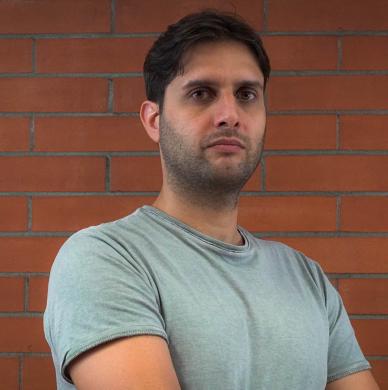
Maria Chiara Fiorentino is a Research Fellow at the Department of Information Engineering, Polytechnic University of Marche, Italy. Her work focuses on applying deep learning techniques to medical image analysis, particularly in ultrasound, MRI, and CT imaging. Education Master’s in Biomedical Engineering, Università Politecnica delle Marche (Honors) Ph.D. in Information Engineering, Università Politecnica delle Marche (Laude) Research Interests: Dr. Fiorentino specializes in deep learning for medical imaging, with applications in diagnosing neurodegenerative diseases like Parkinson’s, cardiovascular conditions, and musculoskeletal disorders. Her recent work includes federated learning for fetal ultrasound analysis, AI-driven vocal fold pose estimation, and domain adaptation in MRI segmentation. Scientific Awards: Paolo Marziali Thesis Prize for her Master’s research Gruppo Nazionale di Bioingegneria award for her Ph.D. thesis Publications: Dr. Fiorentino’s work spans fetal brain image synthesis, zero-shot learning robustness, and machine learning for catheterization management and stenosis detection.
Donato Romano serves as Associate Professor at The BioRobotics Institute of Scuola Superiore Sant'Anna, Italy, where he coordinates the Bio-Robotic Ecosystems Lab and co-founded the spin-off company HUBILIFE srl. His interdisciplinary work bridges robotics, biology, and AI to develop biohybrid systems for biodiversity preservation, sustainable environmental management, and life support in extreme scenarios including space exploration. With over 90 publications and an H-index of 27 (Scopus, March 2025), he has established significant academic leadership through editorial roles across 12+ international journals. Romano's educational foundation includes advanced degrees with honors: an M.Sc. in Agriculture Science and Technologies (2014) and a PhD in BioRobotics (2018), both from Scuola Superiore Sant'Anna. His academic journey includes visiting scholar positions at Khalifa University and substantial industry-academia collaboration through HUBILIFE srl, which commercializes bioinspired devices for human daily life improvement. His research program focuses on bioinspired and biomimetic robotics with particular emphasis on animal-robot interaction, biohybrid systems, and natural intelligence. Key projects address critical global challenges: SENSORBEES develops biohybrid environmental surveillance for ecological monitoring; REGOLIFE investigates lunar soil-terrestrial organism interactions for space agriculture; and OCEAN ROBOCTO explores marine ecosystem solutions. This work demonstrates a strategic progression from fundamental behavioral studies toward applied ecological and extraterrestrial systems. Analysis of his recent publications reveals strong trends in AI-driven behavioral analysis, with deep learning increasingly applied to entomological studies and pest management. The research spans agricultural applications (precision monitoring traps, larval detection systems), ecological conservation (biodiversity surveillance), and extreme-environment adaptation (lunar regolith studies). A distinctive feature is the consistent integration of biohybrid approaches where living organisms and robotic systems create synergistic capabilities exceeding either component alone. Romano's scientific recognition includes election as Junior Fellow of the Italian Academy of Engineering and Technology (2025), the Lucani fuori dal Comune award (2024), and multiple best-thesis prizes. His editorial leadership spans high-impact journals including IEEE Transactions on Medical Robotics and Bionics and Pest Management Science, where he serves as Associate Editor. As principal investigator, Romano coordinates major international projects totaling over €15M in funding: HORIZON-EIC's SENSORBEES (2024-2029), ASI's REGOLIFE (2024-2027), National Geographic's OCEAN ROBOCTO (2024-2026), and PRIN's COSMIC (2023-2025). His teaching portfolio includes PhD courses in Biosystems for Biorobotics and M.Sc. instruction in Bionics Engineering at Scuola Superiore Sant'Anna and University of Pisa. The Bio-Robotic Ecosystems Lab under Romano's direction pioneers biohybrid technologies where living organisms and robotic systems create integrated solutions. Current initiatives include SENSORBEES' environmental monitoring swarms, REGOLIFE's moonworm colonization systems, and HUBILIFE's commercial vector-control devices. The lab maintains active collaborations with space agencies, agricultural institutes, and conservation organizations, positioning biohybrid systems as next-generation tools for planetary-scale challenges.
Lei Chen, MD, MHS is an Associate Professor of Pediatrics (Emergency Medicine) and of Emergency Medicine at Yale School of Medicine, with additional affiliation as Faculty at the Yale Institute for Global Health. Dr. Chen specializes in pediatric emergency medicine, treating children suffering from trauma, seizures, asthma, abdominal pain and other conditions at Yale-New Haven Children's Hospital. Dr. Chen's educational background includes a BS from California Institute of Technology (1992), MD from New York University School of Medicine (1997), residency at Yale-New Haven Children's Hospital (2000), followed by fellowships there in 2001 and 2004, and an MHS from Yale University School of Medicine (2010). Dr. Chen is deeply committed to Health Services Research aimed at improving care for children in acute settings. Their research focuses on applying new technologies to enhance pediatric emergency care, with particular emphasis on increasing efficiency and patient safety. Recent efforts have concentrated on improving healthcare for children in developing countries, especially in Rwanda and China, where they have worked on projects including recognition of pediatric sepsis, epidemiology in pediatric intensive care units, developing low-cost medical devices like high-flow nasal cannula systems, and creating clinical research curricula. Dr. Chen's publications over the past five years reveal a consistent focus on point-of-care ultrasound applications in resource-limited settings, global health implementation, and pediatric emergency care protocols that can be adapted across different healthcare systems. Their work bridges clinical emergency medicine with global health implementation science, focusing on practical solutions for resource-constrained environments. Dr. Chen has been involved in significant projects including Human Resource for Health (2012-2020) and volunteering during a measles epidemic in 2019. They are currently mentoring students to build a low-cost respirator for the developing world, inspired by the work of Dr. Paul Farmer as described in "Mountains Beyond Mountains." Dr. Chen maintains active collaborations with colleagues across Yale, including Allen Hsiao, Antonio Riera, Melissa Langhan, Christopher Moore, Cicero Torres Silva, and Gauthami Soma, focusing on emergency ultrasound, pediatric critical care in resource-limited settings, and global health education. Their laboratory work, often conducted in challenging field settings, focuses on adapting existing technologies for acute pediatric care in developing countries.
Paul J. Kennedy is a Professor at the University of Technology Sydney's Centre for Artificial Intelligence. He holds a PhD from the same institution (1999). His research focuses on machine learning applications in healthcare, bioinformatics, medical imaging, and data mining. Key areas include developing algorithms for genomic data analysis, healthcare pathway modeling, and edge-cloud frameworks for omics data. Education: PhD in Artificial Intelligence (1999, UTS). Research interests span machine learning, health informatics, and data compression. Notable work includes studies on administrative health records, lung nodule detection, and virtual reality-based cancer cohort analysis. He has co-authored over 100 publications across journals like BMC Bioinformatics, IEEE Transactions, and Artificial Intelligence in Medicine. Advising: Collaborates extensively with students/researchers but no explicit student list provided. Grants and labs: Active in interdisciplinary projects involving medical and computational teams, though specific grants are not detailed here.
Dana Brooks is a Research Professor in the Department of Electrical and Computer Engineering at Northeastern University, with affiliations in Bioengineering. He holds a PhD from Northeastern University (1991) and has received the Søren Buus Outstanding Research Award (2006). His primary research focuses on biomedical signal and image processing, medical imaging techniques (including MRI and electrocardiography), and neuromodulation technologies such as transcranial magnetic stimulation (TMS). He is also involved in protein conformation estimation using X-ray scattering and optimization algorithms for medical applications. Dr. Brooks leads the Biomedical Signals Processing Lab and collaborates with the Center for Integrative Biomedical Computing . His work bridges engineering and medicine, with recent grants including a $400K NSF MRI grant for advanced TMS systems and a $600K NSF grant for motor cortical organization studies. He has advised students like Setareh Ariafar (PhD’20) and contributed to innovations in image mosaicking for confocal microscopy and machine learning applications in dermatology. His publications span computational neuroscience, cardiac imaging, and uncertainty quantification in biomedical simulations. Notable achievements include developing algorithms for ECG imaging, optimizing TMS protocols, and creating tools like UncertainSCI for simulation reliability assessment.
Professor Rajesh Ramanathan is a renowned interdisciplinary scientist and research leader at RMIT University's School of Science. He holds the rank of Professor and co-leads the NanoBiotechnology Research Lab (NBRL). His work focuses on nanotechnology, materials chemistry, and sensor development for healthcare applications, with over 85 peer-reviewed publications and 20 patents. He has secured AUD $22 million in research funding and mentored 16 PhD students and 3 postdocs. Education: PhD in Science (RMIT University, 2012), Master of Biotechnology (RMIT, 2006), and Bachelor of Science (Ruia College, 2004). Awards include the Hartung Lecturer Award (2022), Rising Star Award (2022), and Philip Law Postdoctoral Award (2019). Research interests span nanobiotechnology, nanozymes, antimicrobial surfaces, and sensors for environmental/clinical analytes. He leads projects in supercapacitor materials, inflammation theranostics, and UV protection textiles. Current students include Pyria Mariathomas (antibacterial nanozymes) and Shalu Yadav (2D nanocomposites for viral biomarkers). Professional roles include President of the Royal Australian Chemical Institute VIC Branch and leadership roles in the Australian Nanotechnology Network. His work bridges academia and industry, with collaborations in biomedical imaging and sensor commercialization.