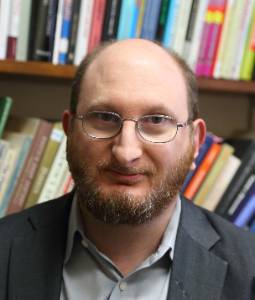
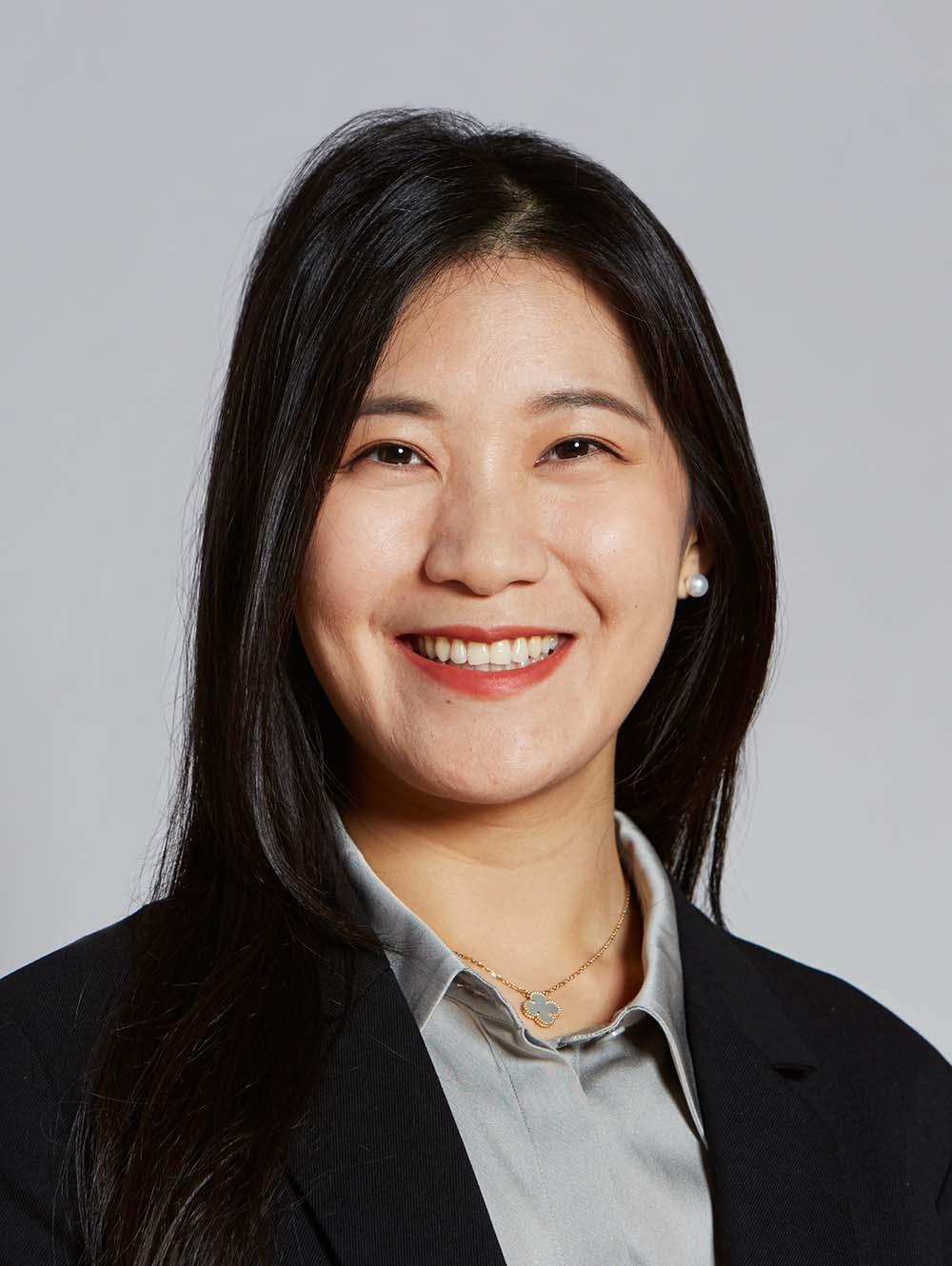
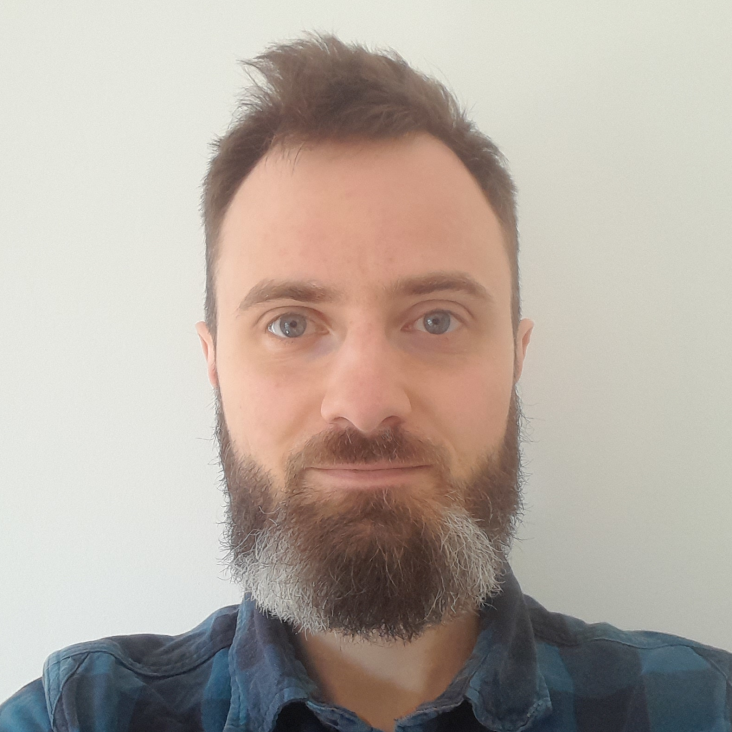
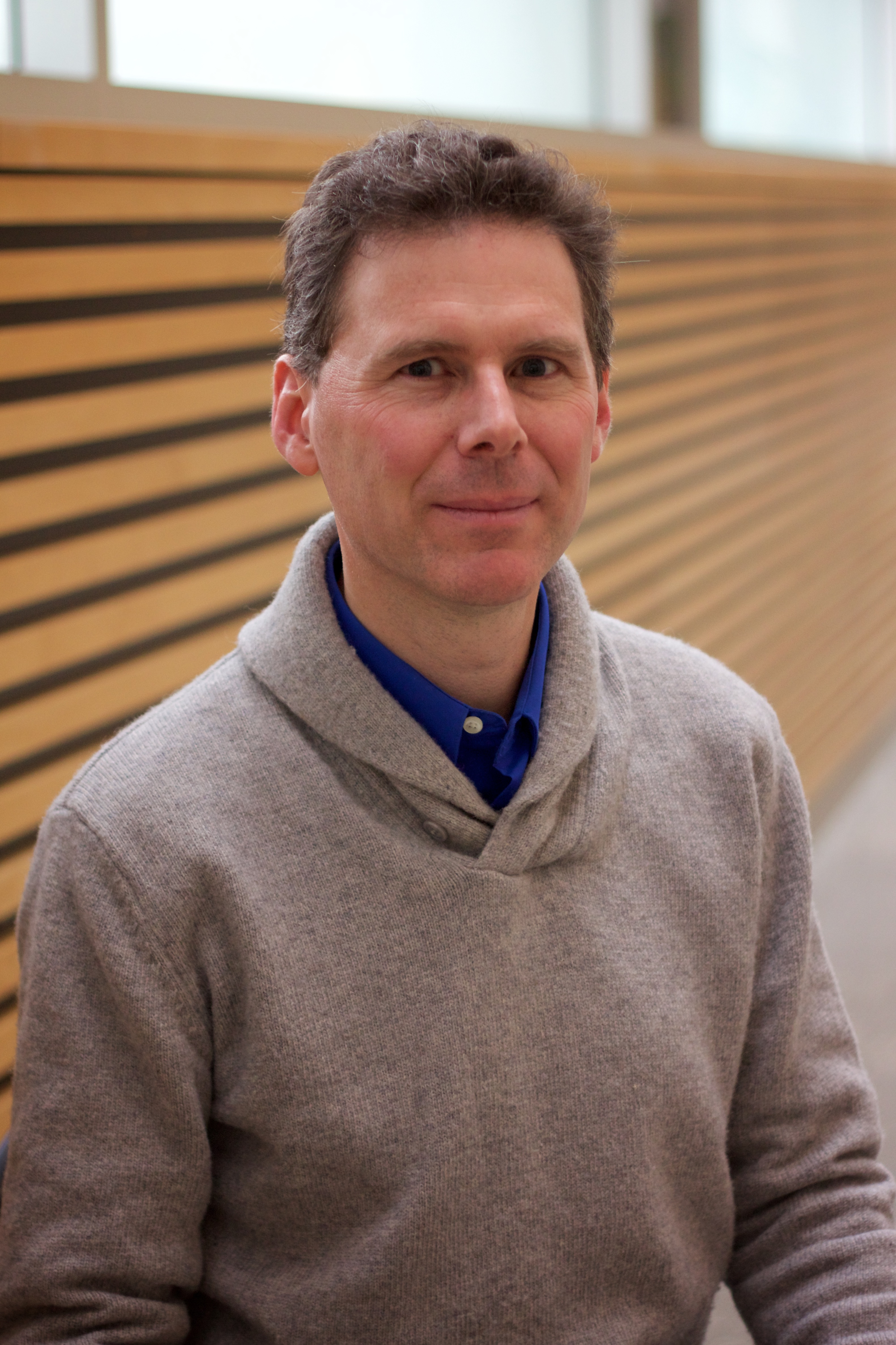
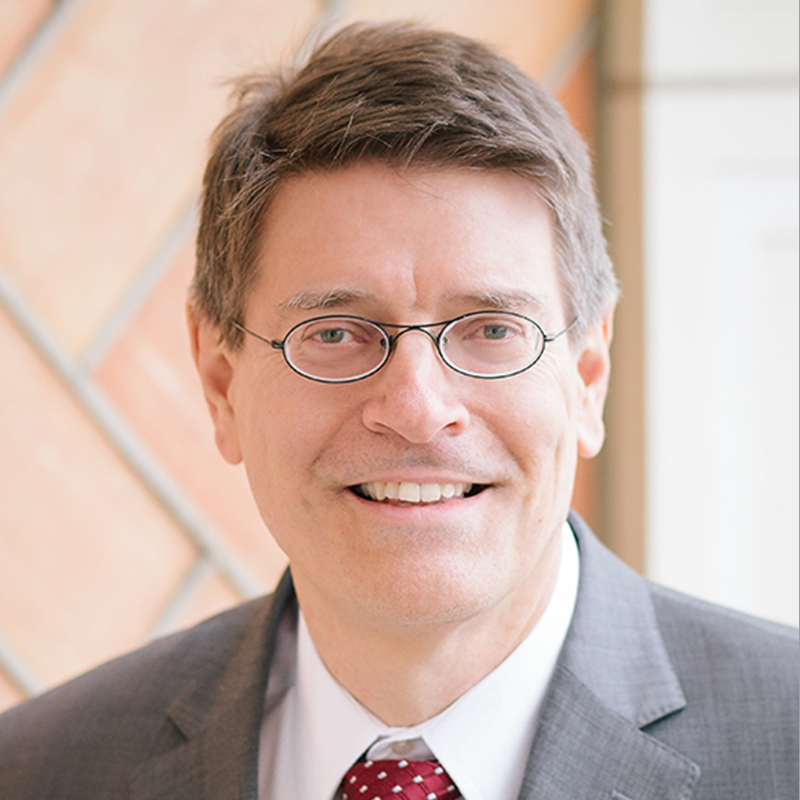
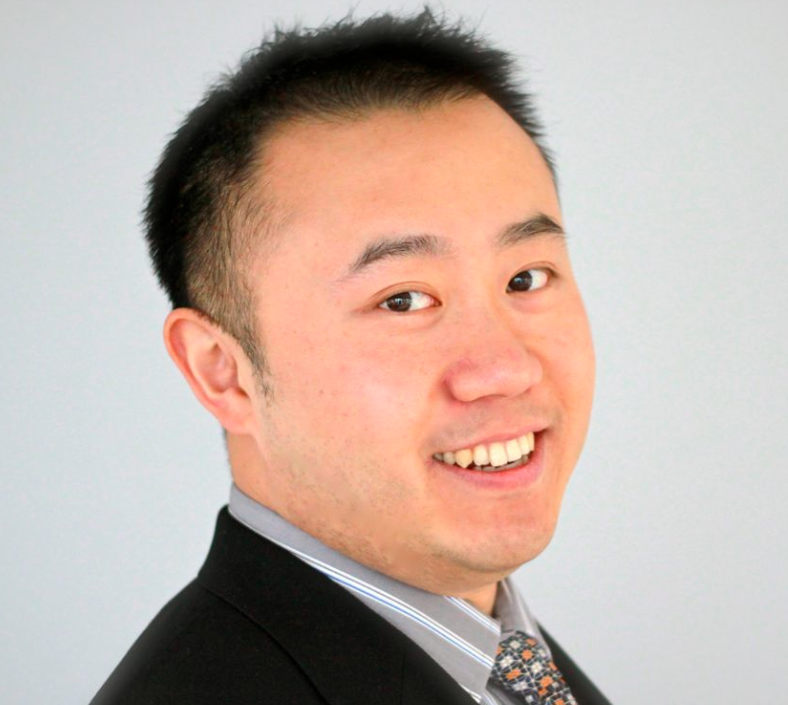
Joseph A. November is an Associate Professor in the Department of History at the University of South Carolina, affiliated with the McCausland College of Arts and Sciences. His research focuses on the history of biomedical computing, distributed computing, and the intersection of technology and medicine. He holds a Ph.D. from Princeton University (2006), an M.A. from the University of Chicago (2002), and a B.A. from Hamilton College (1997). His work includes the award-winning book Biomedical Computing: Digitizing Life in the United States (2012), which explores the co-development of biomedicine and computing technologies. Current projects include Revolutions@home , examining distributed computing in protein folding research, and a biography of computing pioneer Robert S. Ledley. He has received grants from the NSF, NIH, and the Charles Babbage Institute. Teaching interests span the history of science and technology, including courses on the history of medicine, digital humanities, and the role of games in historical education. He actively contributes to professional organizations like SHOT and the History of Science Society. Awards include the Computer History Museum Prize (2013) and the National Institutes of Health DeWitt Stetten Fellowship (2007-2008). His research bridges historical analysis with contemporary issues in technology and biomedical ethics.
Prof. Christian Holz is an Associate Professor at the Department of Computer Science and Deputy Head of the Institute of Intelligent Interactive Systems at ETH Zürich. His work focuses on advancing human-computer interaction through innovations in wearable technologies, mixed reality systems, and sensor-driven applications. Key research areas include motion capture, physiological signal processing, and adaptive user interfaces. Holz leads the SIPLab (siplab.ethz.ch), producing influential work at the intersection of computer science and biomedical engineering. His research explores cutting-edge topics such as egocentric vision systems, wearable health monitoring devices, and VR/AR applications. Recent studies investigate cybersickness detection via EEG, heart rate estimation from eye-tracking cameras, and scalable motion capture using inertial/UWB sensors. Holz's work emphasizes practical applications in healthcare, education, and human-centered computing. Publications reflect a strong focus on interdisciplinary solutions, combining machine learning with sensor data analysis. Notable contributions include the EgoSim multi-view simulator, WildPPG biomedical dataset, and MiBOT cardiovascular modulation device. His research bridges theoretical advancements with real-world usability in domains like emergency response training, chronic disease monitoring, and immersive education.
Prof. Hedan Bai is an Assistant Professor at the Department of Materials, ETH Zürich, specializing in robotics materials, bio-inspired systems, and soft robotics. Their research focuses on developing advanced materials for sensing, energy-efficient systems, and biomedical applications. Notable projects include the SmartSuit architecture for space exploration and self-healing optical sensors for soft robots. Research interests span bioelectronics, stretchable sensors, haptic interfaces, and biomimetic materials. Bai's work integrates material science with robotics to create adaptive, sustainable, and intelligent systems. Key areas include wireless implants for neuromodulation, environmental-responsive textiles, and energy-harvesting devices. Publications highlight innovations in optical waveguides, self-healing materials, and wearable technologies. Their interdisciplinary approach bridges robotics, biomedical engineering, and aerospace applications. No formal awards are listed, but contributions to next-gen materials for robotics are prominent. Advising and grants are not detailed in the text, but Bai's lab focuses on projects like SmartSuit for extravehicular activities and synthetic afferent neural networks. Collaborations likely involve aerospace and biomedical sectors.
Elliot Bentine is a Research Fellow at the University of Oxford, affiliated with the Department of Physics. He also holds a Senior Postdoc position in the Department of Cardiovascular Medicine. His work integrates quantum physics and medical imaging, focusing on the Vascular Imaging Tool for the Auricle (VITA), a non-invasive optical system for cardiovascular health assessment. Collaborates with Dr. Lapidaire (Cardiovascular Medicine) and previously worked in Professor Chris Foot's quantum gases group. Funded by the Royal Academy of Engineering, Department for Science Innovation and Technology (DSIT), British Heart Foundation, and other translational research programs. His research spans quantum optics, ultra-cold matter, and computational simulation, with a recent emphasis on medical device commercialization. Bentine also develops open-source physics simulations (e.g., AtomECS, CRFAP) and Unity-based tools like ProPixelizer, which has sold over 35,000 copies. Scientific Awards: Royal Academy of Engineering Enterprise Fellowship He contributes to academic and creative communities through outreach demos, including browser-based simulations of evaporative cooling and magnet interactions.
Loïc Guezou is a Researcher at the Paris-Saclay University's Mechanics Laboratory, focusing on interdisciplinary research spanning biomedical engineering and geopolitical studies. His work integrates computational mechanics with additive manufacturing for patient-specific anatomy modeling, while also addressing emerging cyber-geopolitical challenges. Key Research Areas: Biomedical Engineering: High-fidelity numerical models for 3D printing Computational Mechanics: Application to medical device development Geopolitical Studies: Cybersecurity and digital policy implications Recent conference communications highlight his collaborative approach, working with experts like Andrea Barbarulo, Bing Tie (biomedical projects), and Frédérick Douzet, Julien Nocetti (cyber-geopolitical research). Although no formal awards or student advisement details are currently documented in the available records, his publications reflect a dual focus on technological innovation and socio-political analysis.
Robert Rohling is a Professor at the University of British Columbia's Faculty of Applied Science, affiliated with the Department of Mechanical Engineering and holding a joint appointment with the Department of Electrical and Computer Engineering. As Director of the Institute of Computing, Information and Cognitive Systems (ICICS), his research focuses on biomedical engineering, medical imaging, robotics, and computational methods. B.A.Sc. (UBC) M.Eng. (McGill) Ph.D. (Cambridge) Rohling's work spans three primary research areas: medical imaging (3D ultrasound, spatial compounding, elasticity reconstruction), medical information systems (radiologist navigation tools for large image datasets), and robotic calibration for surgical applications. His multidisciplinary approach integrates mechanical and electrical engineering principles with clinical needs. Rohling's publications (2020-2022) reveal trends in advanced ultrasound techniques (e.g., shear wave vibro-elastography), AI-driven image processing (cycleGAN translation), and computational optimization for diagnostic accuracy. Keywords across his work include Medical Imaging, Biomedical Engineering, Robotics, and Computational Modeling. As director of the Robotics and Control Laboratory , Rohling leads interdisciplinary collaborations with industry and clinical partners to address practical challenges in medical diagnostics and surgical robotics. His research emphasizes translating engineering innovations into clinical practice.
Shreyas Sen is the Elmore Associate Professor of Electrical and Computer Engineering at Purdue University, jointly affiliated with the School of Biomedical Engineering. He directs the Center for Internet of Bodies (C-IoB) and leads the SPARC Lab, focusing on circuits/systems for secure, energy-efficient body-centric communication and biomedical applications. Education: B.E. (Jadavpur University, 2006), M.S. & Ph.D. (Georgia Tech, 2009-2011). His research spans Human Body Communication (HBC), hardware security, IoT/IoB systems, and low-power sensing. Notable innovations include Electro-Quasistatic HBC (EQS-HBC) technology, which enables covert body-wire communication with 100x lower energy than conventional methods. Research Themes: Secure communication for medical wearables Physical layer security in IoT Ultra-low-power biosensors Side-channel attack mitigation in cryptographic ICs Publications: Over 200 papers in top venues (ISSCC, DAC, CICC, HOST) with focus on HBC systems, electromagnetic security, and biomedical circuits. Recent work explores EQS-HBC privacy properties (Nature Scientific Reports, 2019) and 350x current-domain signature attenuation for AES security (ISSCC 2020). Awards: NSF CAREER Award (2020) AFOSR Young Investigator (2016) MIT TR35 India (2018) 9 Best Paper Awards Intel Outstanding Researcher (2020) He advises over 20 students and leads industry collaborations through Ixana Inc. (founded 2020), commercializing EQS-HBC technology. Current efforts include EQS-based authentication systems and radiation dosimetry wearables.
Gary Fedder is the Howard M. Wilkoff Professor of Electrical and Computer Engineering at Carnegie Mellon University (CMU), with courtesy appointments in Biomedical Engineering, Mechanical Engineering, and Robotics. He serves as Faculty Director of the Manufacturing Futures Institute (MFI) and previously held roles such as Vice Provost for Research and Interim CEO of the Advanced Robotics for Manufacturing (ARM) Institute. Fedder’s research focuses on MEMS, advanced manufacturing, and implantable microsystems. He earned his B.S., M.S., and Ph.D. in EECS from MIT and UC Berkeley, respectively. Education: Ph.D., Electrical Engineering and Computer Science, UC Berkeley (1994) M.S., Electrical Engineering and Computer Science, MIT (1984) B.S., Electrical Engineering and Computer Science, MIT (1982) Research Interests: Microelectromechanical systems (MEMS), digital twins, aerosol jet printing, stretchable electronics, and manufacturing innovation. His work integrates MEMS with CMOS processes, emphasizing low-cost, high-performance systems. Key Contributions: Co-founded the ARM Institute; developed MEMS-based sensors and actuators; pioneered methods for manufacturing innovation through projects like America Makes. His research spans over 300 publications and 21 patents. Awards: IEEE Fellow (2007), Ross Tucker Award (1993), NSF CAREER Award (1996), and leadership roles in Manufacturing USA initiatives. Leadership & Outreach: Directed the Institute for Complex Engineered Systems and led national initiatives to advance U.S. manufacturing competitiveness. Active in editorial roles for journals like IoP Journal of Micromechanics .
Massachusetts Institute of TechnologyUnited States
Fadel Adib is an Associate Professor with Tenure at MIT, holding a joint appointment in the MIT Media Lab and the Department of Electrical Engineering and Computer Science (EECS). He leads the Signal Kinetics research group at the Media Lab and is the founder and CEO of Cartesian Systems. His work focuses on novel wireless technologies for sensing and connectivity in challenging environments, including underwater communication, health monitoring, and robotics. Education: B.Sc. from American University of Beirut (2011), M.Sc. and Ph.D. in Computer Science from MIT (2013 and 2016), where he won best thesis awards. His research has led to startups such as Cartesian Systems and Emerald Innovations, addressing applications in climate monitoring, healthcare, and logistics. Research Interests: Underwater backscatter networking, batteryless systems, non-line-of-sight perception, RFID localization, and wireless health monitoring. His innovations include the first battery-free underwater camera and systems for contactless vital signs monitoring. Awards: Sloan Research Fellowship (2021), NSF CAREER Award (2019), ACM SIGMOBILE Rockstar Award (2022), and Technology Review 35 Under 35 (2014). Grants: ONR Young Investigator Award, Google Faculty Research Award. Teams: Signal Kinetics research group at MIT Media Lab. Labs and Projects: Focus on cross-disciplinary initiatives such as wireless mapping (Cartesian Systems), underwater-to-air communication, and implantable medical devices.
University of Illinois Urbana-ChampaignUnited States
Dr. Jimeng Sun is a Health Innovation Professor at the Siebel School of Computing and Data Science and Carle Illinois College of Medicine at the University of Illinois Urbana-Champaign. Co-founder of Keiji AI , he leads groundbreaking research at the intersection of artificial intelligence and healthcare, actively deploying clinical AI systems and developing frameworks like PyHealth and Therapeutics Data Commons . His research spans four major areas: Clinical AI Systems : Developing interpretable models (e.g., RETAIN) for patient similarity, temporal event prediction, medication recommendation, and clinical outcome forecasting Drug Discovery : Creating molecular optimization frameworks, drug-target interaction models, and AI-driven platforms Clinical Trials : Pioneering patient-trial matching, outcome prediction, and optimization frameworks using deep learning and graph neural networks Biosignal Analysis : Advancing sleep staging, seizure classification, and automated EEG/Cardiac monitoring systems With over 500 top-tier publications (including in Nature , NEJM AI , and leading AI conferences) and an h-index of 99, his work has been recognized with the Top 100 AI Leaders in Drug Discovery and Advanced Healthcare award. He maintains active collaborations with institutions like Massachusetts General Hospital , Medidata Solutions , and OSF Healthcare . His recent publications reveal a strong focus on: Reinforcement learning applications in medical data analysis Large language model adaptation for clinical tasks Knowledge graph integration with AI systems Synthetic data generation for healthcare Multi-modal learning in clinical contexts Explainable AI for medical applications Dr. Sun's lab ( Sunlab ) emphasizes practical impact over theoretical work, actively collaborating with hospitals and healthtech companies. He welcomes contributions from clinicians, researchers, and industry partners through initiatives like his AI for Health webinar series .
Dr. Mo Rastgaar is a Professor at Purdue Polytechnic Institute, Purdue University. He holds a PhD in Mechanical Engineering from Virginia Tech (2008) and completed a postdoctoral fellowship at MIT's Newman Laboratory for Biomechanics and Human Rehabilitation. He leads the Human-Interactive Robotics Lab (HIRoLab), focused on assistive and rehabilitation robots for enhanced mobility, particularly lower-extremity devices. His research emphasizes understanding agile gait dynamics through human experiments and modeling. Research interests include assistive robotics, cyber-physical systems, dynamics, and control systems. Notable awards include the 2014 NSF CAREER Award. He has secured grants such as the 2019 NRI Collaborative Grant on robotic ankle prosthetics and 2020 grants for undersea infrastructure. Dr. Rastgaar's work bridges biomechanics, robotics, and clinical applications, advancing prosthetic designs and human-robot interaction. Key contributions include developing steerable powered ankle-foot prostheses and exploring multi-robot systems for underwater exploration. His labs integrate interdisciplinary approaches to solve complex mobility challenges, emphasizing both technical innovation and real-world clinical impact.
David M. Dodson is a Lecturer in Management at Stanford University’s Graduate School of Business (GSB), where he teaches courses on managing growing enterprises and entrepreneurial acquisition. His career spans over 30 years in business management, including founding three search funds and serving as CEO of a technology manufacturer and Executive Chairman of a telecommunications firm. He co-founded Sanku (formerly Project Healthy Children), a nonprofit addressing micronutrient deficiencies in Africa through fortified grains, recognized for its life-saving impact. Dodson holds an MBA from Stanford GSB (1987) and a BA in Economics from Stanford University (1983). His research focuses on entrepreneurial acquisition strategies and managing small-to-medium enterprises. Notable awards include the MSx Teaching Excellence Award (2023, 2021) and recognition as a top lecturer by Stanford GSB students. Beyond academia, he invests in over 40 businesses and serves on 21 corporate boards. In 2020, he founded StudentVotes.org to empower student voting during the pandemic. His media contributions include columns for The Boston Globe and frequent TV commentary on CNBC and Fox Business.
Dr. Yamin Zhang (张亚敏) holds a Presidential Young Professorship as an Assistant Professor in the Department of Chemical & Biomolecular Engineering at the National University of Singapore (NUS), College of Engineering. She leads the Zhang Group which focuses on interdisciplinary research at the intersection of electrochemistry, materials science, and biomedical engineering. 07/2023 – 01/2024: Research Associate, Northwestern University 02/2021 – 06/2023: Postdoctoral Fellow, Northwestern University 08/2016 – 12/2020: Ph.D., Chemical Engineering, Georgia Institute of Technology 09/2012 – 07/2016: B.S., Chemical Engineering, Tianjin University; B.S., Finance (Double Major), Nankai University Dr. Zhang's research centers on developing advanced electrochemical strategies for next-generation medical devices (implantable, bioresorbable, and wearable) and sustainable energy solutions. Her work bridges bioelectronics , battery technology , and medical therapeutics , with particular emphasis on creating devices that can safely dissolve in the body after serving their purpose. Key areas include bioresorbable optoelectronic systems for electrotherapy, self-powered drug delivery platforms, and eco-safe battery technologies that can harmlessly resorb in biological environments. Analysis of Dr. Zhang's publication record reveals a clear trajectory from fundamental battery chemistry (2021-2022) toward increasingly sophisticated medical applications (2023-2025). Her recent work demonstrates mastery in integrating multiple functionalities into single bioresorbable platforms, as evidenced by her Nature (2025) paper on millimeter-scale optoelectronic systems for electrotherapy and Cell Biomaterials (2025) paper on wireless bioelectronic devices. The research shows strong interdisciplinary collaboration with leading institutions including Northwestern University and Georgia Tech. AHA Early Faculty Independence Award (2023) MIT ChemE Rising Stars (2022) Sigma Xi Best PhD Thesis Award (2021) Chinese Government Award for Outstanding Students Abroad (2021) A*STAR MTC Young Individual Research Grants (YIRG) (2025) Early Career Board Member for ACS Applied Materials & Interfaces (2025) Dr. Zhang has secured significant research funding including the AHA's Second Century Early Faculty Independence Award as Principal Investigator (2023) and the A*STAR MTC Young Individual Research Grant (2025). Her group serves on advisory boards for Cell Biomaterials and ACS Applied Materials & Interfaces. The Zhang Group at NUS maintains active collaborations with Northwestern University researchers including the Rogers group, with whom she has co-authored multiple high-impact publications in Nature, Science, and PNAS. Current research focuses on advancing battery technology and developing sophisticated electrochemical strategies for medical devices with an overarching focus on healthcare innovation and environmental sustainability.
Dr. Catherine Legault serves as an Assistant Professor in the Department of Neurology and Neurosurgery at McGill University and Co-director of the Stroke Programme at the McGill University Health Centre. She is a neurologist at The Neuro (Montreal Neurological Institute-Hospital), a bilingual academic healthcare institution and part of McGill's Neuroscience Mission. Her educational background includes: Medical degree from McGill University (2011) Internship in Internal Medicine at Montreal’s Jewish General Hospital Neurology Residency at The Neuro (2012-2015) with chief residency (2014-2015) Vascular Neurology fellowship at Stanford University NIH StrokeNet fellowship Dr. Legault's clinical research focuses on translational stroke care, emphasizing acute interventions, rehabilitation innovation, and systems optimization. Her work integrates wearable technology with traditional stroke recovery methods while addressing post-stroke cognitive and visual impairments. She actively develops patient-centered educational frameworks and investigates hemodynamic interventions like induced hypertension. As principal investigator for multiple stroke clinical trials at The Neuro's Clinical Research Unit, she bridges bench-to-bedside research. Her teaching spans emergency consultations, bedside clinical supervision, and outpatient stroke clinics for residents and medical students. Through multidisciplinary collaboration in the Stroke Programme, Dr. Legault advances integrated care models that connect acute treatment with long-term rehabilitation, focusing on measurable functional outcomes and healthcare system efficiency.
Dr. Saree Alnaghy is an Honorary Associate Professor at the University of Wollongong's Faculty of Engineering and Information Sciences, affiliated with the Centre for Medical Radiation Physics. She holds a Bachelor of Medical and Radiation Physics (Honours) and a PhD in Physics from the University of Wollongong (2009–2017). Her research focuses on advanced medical imaging and radiation therapy technologies, including photon counting detectors, dosimetry systems, and robotic motion phantoms for quality assurance. Key research areas include: Development of novel X-ray detectors for radiotherapy guidance High-resolution dosimetry techniques using silicon and polymer-based systems Integration of real-time imaging in radiation therapy Robotic systems for motion management in oncology Her work has been supported by grants such as 'Sharper Targeting, Brighter Future' (2024) and 'Bringing Colour to Radiotherapy' (2021–2025). She currently supervises PhD and MRes students on projects involving photon counting CT scanners and radiotherapy imaging. Alnaghy also serves as a Radiation Oncology Medical Physics Registrar at the Nelune Comprehensive Cancer Centre.