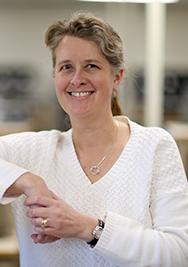
Yu Huang is a Researcher in the Department of Mathematical and Statistical Sciences at Clemson University's College of Science. His work focuses on advancing computational methods in medical imaging, computer vision, and deep learning applications. His research includes developing multimodal models for ophthalmology, enhancing 3D graphics rendering, and improving biomedical image analysis through active learning frameworks. Notable projects involve generative models for retinal imaging and shadow removal techniques in computer vision. His research interests span computational ophthalmology, neural rendering, and AI-driven biomedical solutions. Recent efforts emphasize scalable diffusion models for high-resolution synthesis and robust medical image segmentation using test-time augmentation. Yu Huang's publications reflect a strong emphasis on interdisciplinary research at the intersection of computer science and healthcare. His work addresses challenges in both foundational AI methodologies and their practical applications in clinical settings.
Chad J. Roy, PhD, is a Professor of Microbiology and Immunology and Associate Dean for Research at Tulane School of Medicine. He directs the Infectious Disease Aerobiology Core at the Tulane National Primate Research Center. His research focuses on aerosol transmission of pathogens, vaccine development, and nonhuman primate models for biothreat agents like Mycobacterium tuberculosis and SARS-CoV-2. Dr. Roy’s work emphasizes understanding respiratory infection mechanisms and evaluating medical countermeasures in high-containment environments. Education: MSPH in Environmental Health Sciences (Tulane University), PhD in Preventive Medicine (University of Iowa). Research Interests: Aerobiology of airborne diseases, aerosol infection models, immunogenicity of vaccines, and pathogen transmission dynamics. His lab develops models for biothreat agents such as Burkholderia pseudomallei and evaluates therapeutics for toxins like SEB and ricin. Recent studies include pediatric tuberculosis outcomes and SARS-CoV-2 transmission in nonhuman primates. Scientific Contributions: Over 150 peer-reviewed articles on aerobiology, vaccine efficacy, and emerging pathogens. Editorial roles include Associate Editor for Frontiers in Cellular and Infection Microbiology and board member of the Journal of Medical Primatology . Labs/Teams: Leads high-containment (BSL-3) facilities for pathogen studies. Collaborates with extramural labs on biothreat agent research and medical product evaluation.
Valerie Barnes Lipscomb is a Professor of English at the University of South Florida's Sarasota-Manatee Campus and serves as Associate Chair. Her research focuses on theatrical representations of aging, with notable publications including Performing Age in Modern Drama and co-editing Staging Age . She leads the Palgrave Handbook of Literature and Aging and co-edits the journal Age, Culture, Humanities . Lipscomb chairs the Modern Language Association’s Age Studies Forum and serves as treasurer of the North American Network in Aging Studies. Education: Ph.D. (University of South Florida, 2004), M.L.A. (University of South Florida), and B.A. (University of Iowa). Her academic roles include teaching courses like Modern Drama and Literary Criticism. Awards include the 2009 Excellence in Teaching Award and the 2018 Women in Leadership & Philanthropy Faculty Research Award. She has secured grants for international travel and campus initiatives. Research interests span aging in literature and performance, with a focus on countering ageism through theatre. Her work bridges cultural studies, drama, and interdisciplinary aging research. Recent articles address dementia representation, presidential age rhetoric, and the cultural conundrums of aging in modern drama. Awards highlight her pedagogical and scholarly contributions, including recognition for student organizations and academic leadership. She actively collaborates with institutions to integrate arts into age-friendly communities, emphasizing theatrical interventions for social change.
Benedetta Catanzariti is a British Academy Postdoctoral Fellow at the University of Edinburgh's School of Social and Political Science, with dual affiliation as a PostDoctoral Affiliate at the Centre for Technomoral Futures within the Edinburgh Futures Institute. She actively contributes to the AI Ethics & Society network, focusing on the social, historical, and political dimensions of data-driven technologies through qualitative STS (Science and Technology Studies) methodologies. Her work critically examines machine learning data practices, classification systems in algorithmic decision-making, and engineering cultures across industry, research, and educational contexts. Education: PhD in Science, Technology and Innovation Studies, University of Edinburgh (2023) MScRes in Science and Technology Studies, University of Edinburgh (2019) Master in Philosophy, University of Turin (2016) Her research investigates how data objectivity claims emerge within specific cultural imaginaries, with current emphasis on translating medical uncertainty into diagnostic AI outputs. Recent projects analyze facial expression recognition in healthcare, generative AI threats to parliamentary democracy, and ethical integration in computer science curricula. She develops reflexive tools to address algorithmic harm while documenting global labor practices in AI development and anti-surveillance resistance tactics. Article trends reveal escalating focus on AI's societal crises: 2025 works dissect objectivity construction in data annotation and AI governance metaphors, while 2024 outputs target democratic vulnerabilities (Chamberfakes), CS curriculum politics, and translational ethics teaching. Medical AI and emotion recognition studies (2020-2023) establish foundations for current work on medical imaging uncertainty. All publications consistently apply STS lenses to expose hidden power structures in data systems. Scientific Awards: SPS Outstanding Dissertation Award (2023) for 'Seeing affect: knowledge infrastructures in facial expression recognition systems' AsSIST-UK Andrew Webster PhD Prize (2024) She supervises Oksana Dorofeeva (visiting PhD, Aarhus University) and four CDT project students (Jacqueline Rowe, Amanda Horzyka, Osman Batur Ince, Cyndie Demeocq), previously guiding Sandra Wheeler's MSc in Data Science for Health and Social Care. Funded by a British Academy Postdoctoral Fellowship (2023-2026) for 'Technology in Translation: Investigating Organizational Contexts of AI Development', she also secured DCMS Policy Fellowship support under AHRC's BRAID programme. Current teaching includes Data and AI Ethics as Practice (2025) and Data Ethics in Health and Social Care (2024). Operates within the Centre for Technomoral Futures and AI Ethics & Society network, collaborating with Scottish Centre for Crime & Justice Research on parliamentary democracy threats. Organizes key events like the 2024 'AI as the Broken Machine' conference and 2022 'Ethics of Care and Community in AI Practice' workshop, while developing conceptual tools for medical AI practitioners through her active British Academy project.
Gianmarco Vizzeri, MD, is a Professor and Vice Chair of Clinical Operations in the Department of Ophthalmology and Visual Sciences at the University of Texas Medical Branch (UTMB). He serves as Medical Director of the Ophthalmology Clinical Research Center, leading advanced glaucoma diagnostics and therapeutic innovation. His clinical practice focuses on glaucoma management at UTMB Eye Centers in Galveston and Friendswood. Dr. Vizzeri earned his Medical Degree in Medicine and Surgery from the University of Turin, Italy, completed his Ophthalmology Residency at the same institution, and undertook a Clinical and Research Fellowship at the Hamilton Glaucoma Center, University of California San Diego. His research integrates ocular imaging, microgravity effects, and surgical outcomes. Key interests include: Spaceflight-associated neuro-ocular syndrome (VIIP) pathophysiology Retinal vascular patterning using VESGEN analysis Glaucoma neurodegeneration mechanisms Innovations in trabeculectomy techniques Translational applications of terrestrial microgravity analogs His recent publications (2020-2025) demonstrate a dominant focus on: Ocular adaptations to microgravity in astronauts Neuroprotective strategies for glaucoma Advanced imaging modalities for anterior/posterior segment analysis Surgical refinements to minimize refractive complications This reflects sustained contributions to space ophthalmology and glaucoma therapeutics. Dr. Vizzeri collaborates with NASA and leads the UTMB Ophthalmology Clinical Research Center team, investigating novel diagnostic and therapeutic approaches for vision preservation in extreme environments.
Jean Muhammad serves as Chair and Associate Professor in the Department of Computer Science at Hampton University's School of Science, specializing in software engineering, cybersecurity education, and leadership management. Her academic journey spans Florida State University (Ph.D., 2005), Illinois Institute of Technology (M.S., 1991), and Chicago State University (B.S., 1984), complemented by industry roles at AT&T Bell Labs and Nokia. Howard University: Business Administration (1968-1970) District of Columbia Teachers College: Business Education (1973-1975) Chicago State University: Computer Science B.S. (1984) Illinois Institute of Technology: Computer Science M.S. (1991) Florida State University: Computer Science M.S. (1999) Florida State University: Computer Science Ph.D. (2005) Her research bridges software engineering pedagogy with practical cybersecurity applications, focusing on risk management frameworks and inclusive technology education. Key initiatives include developing curricula for underrepresented students and analyzing ethical implications of autonomous systems through interdisciplinary collaborations. Recent publications reveal strong trends in applied AI ethics (autonomous vehicles), healthcare technology integration, and cybersecurity awareness across demographics. Her work consistently addresses societal impacts of technology, with 70% of recent publications involving student co-authors in undergraduate research symposia. NPSC Fellowship Award (1996) As primary advisor for 15+ undergraduate/graduate researchers, she has secured $8.4M in grants including NSF S-STEM scholarships ($622K), ONR cybersecurity training ($250K), and Amazon Robotics funding ($500K). Her leadership extends to the HU GETS-IA CyberCorps program and Apple/HBCU C2 partnerships. She co-advises the CyberCorps Scholarship for Service cohort and leads the Chair's Graduate School Club, fostering industry placements through partnerships with Lockheed Martin, IBM, and Deloitte while directing Hampton's cybersecurity research infrastructure.
Emily Mevers is an Assistant Professor in the Department of Chemistry at Virginia Tech's College of Science, where she established her research program in August 2020. Her lab investigates ecological metabolomes to discover bioactive natural products with therapeutic potential, focusing on underexplored niches like marine egg masses and millipede secretions. Education: B.S. in Chemistry, University of South Florida (2009) M.S. in Organic Chemistry, University of California San Diego (2011) Ph.D. in Organic Chemistry, University of California San Diego (2014) Postdoctoral Research Fellow, Harvard Medical School (2014-2016) Research Associate, Harvard Medical School (2017-2020) Research Focus: Dr. Mevers employs a function-first discovery approach to isolate natural products evolved for specific ecological roles. Her work centers on marine egg mass microbiomes (seeking predation-deterrent compounds for cancer/infection applications) and deep-sea hydrothermal vent systems (studying electron shuttles for mineral respiration). This integrates chemical ecology , organic synthesis , and microbial physiology to bridge ecological function with drug discovery. Publication Trends: Analysis of her 15 most recent publications reveals dominant themes in millipede defensive chemistry (5 articles), marine egg mass microbiomes (4 articles), and bacterial electron transfer (3 articles). Her work consistently links ecological function to bioactive compound discovery, with increasing focus on computational prediction of redox properties and host-microbe chemical interactions since 2023. Scientific Recognition: American Society of Pharmacognosy Postdoctoral Research Fellow Travel Award (2015) Teddy Traylor Award (2013) David Carew Graduate Student Travel Award (2013) Biochemistry of Growth Regulation and Oncogenesis NIH Trainee (2011-2014) Research Leadership: Dr. Mevers directs the Mevers Lab at Virginia Tech, mentoring graduate students in natural product discovery. Her prior NIH-funded training and current institutional support enable access to advanced instrumentation for metabolomics and bioassay development. She actively collaborates with marine biologists for sample collection and ecologists for functional validation. Research Infrastructure: The lab operates from 3103 Hahn Hall South, utilizing NMR, mass spectrometry, and microbial culturing facilities. Current projects include chemical profiling of marine invertebrate microbiomes, millipede alkaloid biosynthesis studies, and high-throughput screening of redox mediators – all aligned with Virginia Tech's strategic focus on One Health initiatives.
Kenneth P. Wright Jr. is a Professor of Distinction and Graduate Affairs Associate Chair in Integrative Physiology at the University of Colorado. His research investigates the health impacts of sleep deficiency and circadian disruption, developing countermeasures for public health and safety. He directs the Sleep and Chronobiology Laboratory. Education: Ph.D. in Behavioral Neuroscience (Bowling Green State University), Postdoctoral training at Harvard Medical School. Research Focus: Effects of sleep loss on metabolism, cardiovascular risk, and performance; circadian regulation of glucose homeostasis; light exposure impacts on seasonal sleep variations. Awards: Recognized for teaching excellence (Harvard), research innovation (Sleep Research Society), and lifetime contributions (CU Boulder Excellence Award).
Linda Olafsen is an Associate Professor in the Department of Electrical & Computer Engineering at Baylor University’s School of Engineering and Computer Science. She holds a PhD in Physics from Duke University and has held academic positions at the University of Kansas and Baylor University since 1999. Her research spans photonics, semiconductor optoelectronics, and biomedical device development. PhD, Physics, Duke University (1997) MA, Physics, Duke University (1994) AB, Physics, Princeton University (1991) Her research focuses on mid-infrared semiconductor lasers, optoelectronic devices, graphene-semiconductor integration, and biomedical applications such as endovascular navigation and glucose monitoring. She leads the Semiconductor Optoelectronics Laboratory, where her team develops advanced mid-IR lasers, characterizes 2D/3D material interfaces, and engineers sensors for medical use. Her work bridges fundamental physics with practical engineering solutions in healthcare and defense. The recent publications show a strong trend toward mid-infrared optoelectronics , particularly interband cascade lasers , graphene-based contacts , and biomedical sensing . Her team integrates optical, thermal, and electrical characterization to improve laser efficiency and device performance. Applications span infrared countermeasures, chemical sensing, and endovascular robotics. Scientific Awards and Professional Leadership: Chair, Congressional Visit Day Subcommittee, MRS (2012–2016) Chair, Policy Outreach Working Group, MRS Government Affairs Committee Book Review Board Chair, MRS Bulletin Editorial Board Member, MRS Bulletin Lifetime Member, American Physical Society, OSA, and SPIE Senior Member, IEEE and IEEE Photonics Society Linda Olafsen actively mentors undergraduate and graduate students, involving them in research on laser development, material characterization, and biomedical device design. She has secured funding for projects in mid-IR lasers and sensing technologies. Her lab offers opportunities in device fabrication, graphene integration, beam profiling, and LabVIEW programming. She leads the Semiconductor Optoelectronics Laboratory , which focuses on: Mid-infrared semiconductor laser development Graphene-semiconductor optoelectronic devices Endovascular navigation using shape-memory alloys In vivo infrared and ultrasound sensing Beam and thermal profiling Device fabrication and characterization
Paul Brett is a Professor in the Department of Microbiology and Immunology at the University of Nevada, Reno School of Medicine. With over 25 years of experience researching Burkholderia pseudomallei , the causative agent of melioidosis, Dr. Brett leads a laboratory focused on understanding molecular mechanisms of bacterial pathogenesis and developing effective vaccines against this significant infectious disease. Dr. Brett received his B.Sc. in Biochemistry from the University of Victoria and his Ph.D. in Bacterial Pathogenesis from the University of Calgary. His academic credentials have supported a distinguished career investigating bacterial virulence mechanisms, particularly focusing on how B. pseudomallei evades host immune defenses through specialized surface structures. Dr. Brett's research program centers on elucidating how lipopolysaccharides and capsular polysaccharides expressed by B. pseudomallei contribute to immune evasion. His laboratory has developed significant expertise in carbohydrate purification/characterization, glycoconjugate synthesis, and comprehensive analysis of humoral/cellular immune responses. The ultimate goal of his research is to identify correlates of antigen-induced immunity against B. pseudomallei to develop safe, affordable, and effective melioidosis vaccines that could address this serious public health threat. Analysis of Dr. Brett's publication history reveals a consistent research trajectory with publications spanning from the early 2000s through 2025. His work demonstrates increasing sophistication in vaccine development approaches, with recent publications focusing on glycoconjugate vaccines, structural analysis of bacterial components, and innovative diagnostic methods for melioidosis. His research bridges molecular microbiology and translational immunology, with direct applications to vaccine design and development. Dr. Brett has participated in significant collaborative efforts, including the Melioidosis Diagnostic Workshop in 2013 and the Steering Group on Melioidosis Vaccine Development. These collaborations highlight his standing as a recognized expert in the field and his commitment to advancing international efforts to combat melioidosis. Though specific details about current students and grants are not provided in the available materials, Dr. Brett's active publication record through 2025 and his laboratory's described capabilities suggest he maintains a vibrant research program with ongoing funding and mentorship of graduate students and postdoctoral researchers. His work has direct relevance to both public health initiatives in melioidosis-endemic regions and biodefense preparedness efforts given B. pseudomallei 's classification as a Tier 1 select agent.
Taha Mansouri is a Lecturer in Artificial Intelligence at the University of Salford's School of Science, Engineering & Environment. He leads the High Performance Computing facilities within the school and chairs the Salford AI Club, an inclusive community focused on AI applications in Higher Education. Mansouri holds dual PhDs - one in Artificial Intelligence and Deep Learning from the University of Salford and another in Information Technology Management from Allameh Tabataba'i University in Iran. His research interests span multiple critical areas in modern AI development, with particular emphasis on ethical considerations in AI systems. Mansouri actively investigates fairness, explainability, and transparency in AI algorithms, with specific focus on computer vision systems and large language models. His work addresses bias in facial emotion detection across age, gender, ethnicity, and cultural backgrounds, highlighting important concerns about equity in automated systems. Mansouri's recent publications demonstrate a strong trend toward practical applications of AI for social good, including detecting mold in social housing, ethical compliance in legal AI systems, and developing AI-resilient assessment tools for education. His research bridges theoretical AI development with real-world implementation challenges across healthcare, education, and industrial applications. Fellowship of the Higher Education Academy Senior Fellowship of the Higher Education Academy Mansouri actively supervises multiple PhD students working on diverse AI applications and leads significant research projects including the £500,000 Innovate UK Smart Grant-funded Expert Legal Intelligence (ELI) project. He serves on prestigious review panels including the EPSRC Peer Review College, the EDI Hub+ Flexible Fund Peer Review College, and the British Council's International Science Partnerships Fund Review College. His grant portfolio includes projects on ethical ASR models (£30,000 collaboration), WATCH-AI benchmarking tools, and inclusive AI emotion recognition systems. As leader of the High Performance Computing facilities, Mansouri supports interdisciplinary research across the university. He also chairs the Salford AI Club, fostering collaboration among individuals from diverse backgrounds interested in AI applications, particularly in Higher Education.
Dr. Monica Schoch-Spana is a Research Associate Professor in the Department of Anthropology at Texas State University. She holds a PhD from The Johns Hopkins University (1998) and specializes in medical anthropology with a focus on health security, disaster management, and public policy. Her work emphasizes community engagement in disaster preparedness and response, challenging myths about public behavior during crises and advocating for socially inclusive policies. Current projects include evaluating local health department capacities for community engagement (funded by the de Beaumont Foundation), studying communication dilemmas around medical countermeasures (FDA-funded), and participatory policy development for scarce medical resource allocation (DHHS-funded). She serves on national advisory bodies like the EPA's Homeland Security Subcommittee and the National Academy of Sciences' Resilient America Roundtable. Her research interests span the cultural and political dimensions of disasters, national security policy, and ethical governance of health crises. Key contributions include reframing disaster management to incorporate social resilience and moral frameworks, and addressing health disparities in pandemic responses. Dr. Schoch-Spana has authored influential papers on topics such as gain-of-function research governance, ethical resource allocation in disasters, and stigma mitigation for vulnerable groups. Her work bridges anthropology, public health, and policy to enhance societal preparedness and equitable crisis management.
Dr. Stacey Henderson serves as Associate Professor at Flinders University's College of Business, Government and Law, where she leads the Defence, Security & Space research theme within the Jeff Bleich Centre for Democracy and Disruptive Technologies. Her institutional affiliations include the Australian Centre for Space Governance (founding member), International Institute of Space Law, and Australian and New Zealand Society of International Law (council member 2020-2025). Her research focuses on the protective capacity of international law, with specialized expertise in space governance, disarmament, and atrocity prevention. Key areas include commercial space activities, grey zone operations in space/cyber domains, information warfare, sustained human presence in space, and the Responsibility to Protect (R2P) framework. Her current Office of National Intelligence-funded project examines chemical/biological agent use against non-human targets. Recent scholarly output demonstrates strong thematic concentration in space law evolution (2023-2024), with 10 publications addressing critical infrastructure protection, sustainable resource utilization, and corporate accountability in space. Concurrent work explores disinformation threats to democracy and legal education reform. Her research directly supports UN Sustainable Development Goals through contributions to peace, justice, and institutional development. Vice Chancellor's Early Career Researcher Award (2024) Director, Space Law Council of Australia and New Zealand (2022-2024) Steering Committee Member, Australian Centre for Space Governance Henderson actively contributes to national security policy through media engagements on arms control, space law, and information operations. Her Jeff Bleich Centre leadership role connects academic research with defense and security applications. Current projects include developing frameworks for space as critical infrastructure and analyzing disinformation impacts on democratic processes.
Dag Trygve Eckhoff Wisland is a Professor at the Department of Informatics, University of Oslo, affiliated with the Research Group for Nanoelectronic Systems. His research focuses on advanced electronic systems, biomedical sensors, and microwave engineering with applications in medical diagnostics and nanotechnology. Key research interests include nanoelectronics, integrated circuits design, biomedical signal processing, and the development of low-power embedded systems. His work spans topics like CMOS circuit design, radar systems-on-chip, and microwave dielectric sensors for transcutaneous monitoring. Recent publications emphasize differential probing analysis for biomedical applications, 3D-printed microwave absorbers, and secure countermeasures against side-channel attacks in CMOS logic. His contributions also include innovations in impulse radar imaging and low-power analog circuit design.
Wayne Hodgson is a Professor of Pharmacology and Deputy Dean (Education) in the Faculty of Medicine, Nursing and Health Sciences at Monash University. He holds dual roles in academic leadership and venom research, focusing on understanding venom biochemistry and improving health professions education. His educational background and qualifications are not explicitly listed, but his extensive contributions to academic administration and research suggest advanced training in Pharmacology and Health Sciences. Professional memberships or certifications are not detailed in the provided text. Research interests include venom pharmacology, antivenom efficacy evaluation, neurotoxicity mechanisms, myotoxicity analysis, and health professions selection processes. Specific projects involve: Molecular toxin evolution in venomous snakes Clinical applications of varespladib as a venom countermeasure Accreditation systems for health programs Rural healthcare workforce dynamics Comparative venom analysis across species His research trends emphasize interdisciplinary collaboration in venom studies and innovative educational frameworks. Key projects include leadership roles in Translational Venom and Antivenom Research (2016-2021) and Venom Evolutionary Mechanisms (2014-2016). No scientific awards are explicitly listed, but his research has received institutional support through NHMRC and ARC grants. He has contributed to over 214 publications, demonstrating significant academic output. As a researcher, he leads/co-leads 11 projects as Primary Chief Investigator (PCI) or Chief Investigator (CI). His work addresses venom-induced cardiovascular collapse, neurotoxin neutralization, and student selection tools in medical education. Collaborations span international institutions including Thailand, Sri Lanka, and Pakistan. He is involved in lab-based projects focused on venom characterization, antivenom testing, and pharmacokinetic analysis. Key lab activities include: Snake venom toxicity mechanisms in mammals Biosensor development for venom detection Long-term venom stability studies