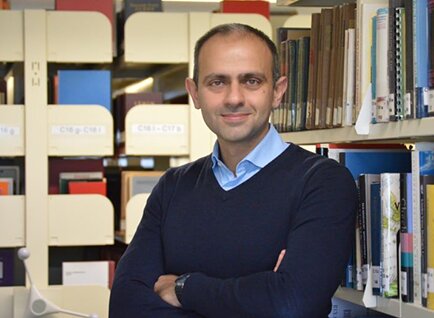
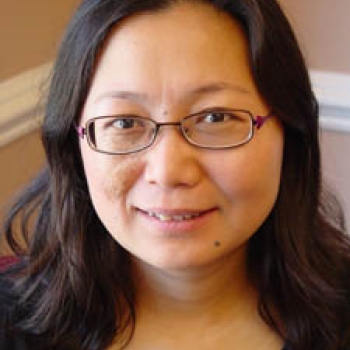
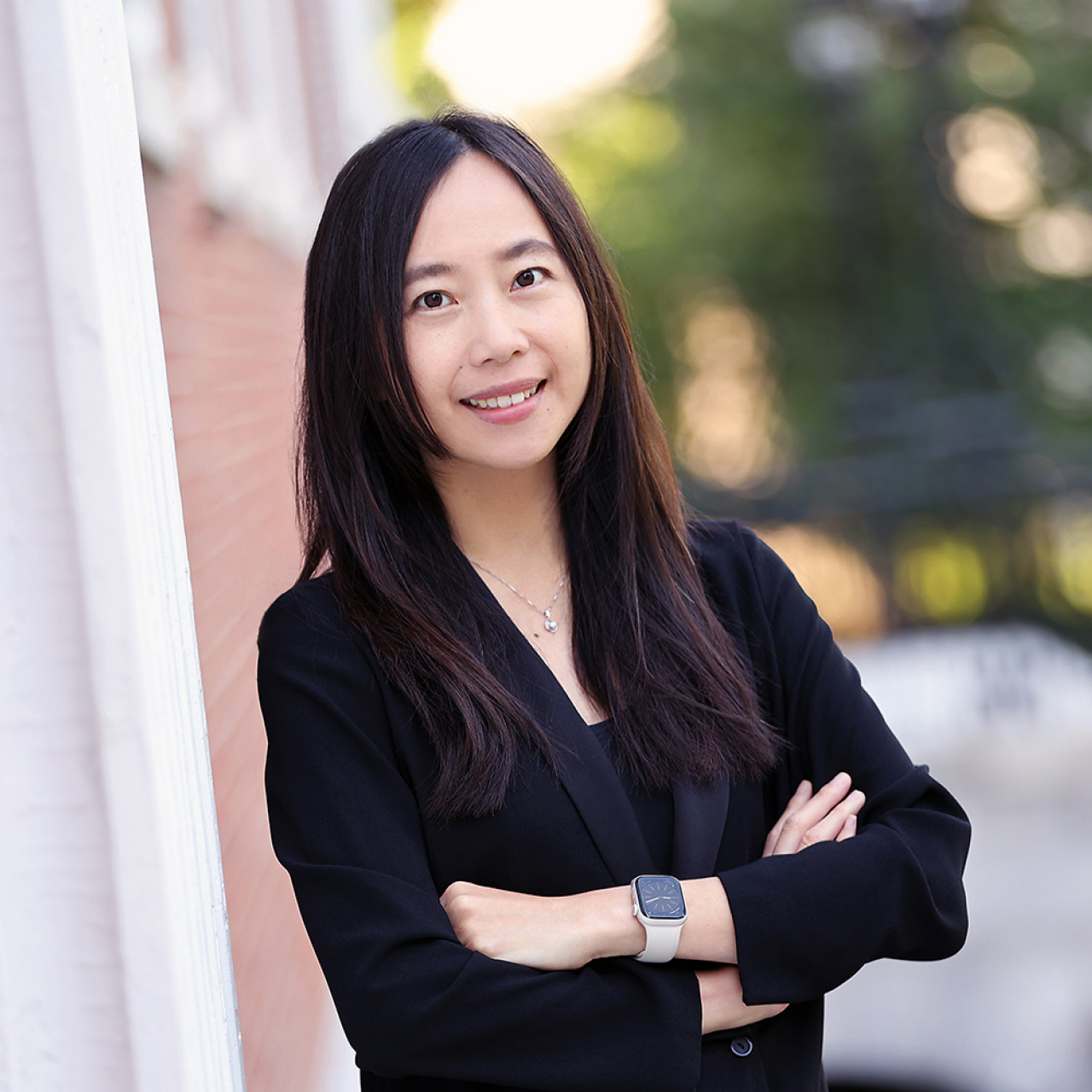
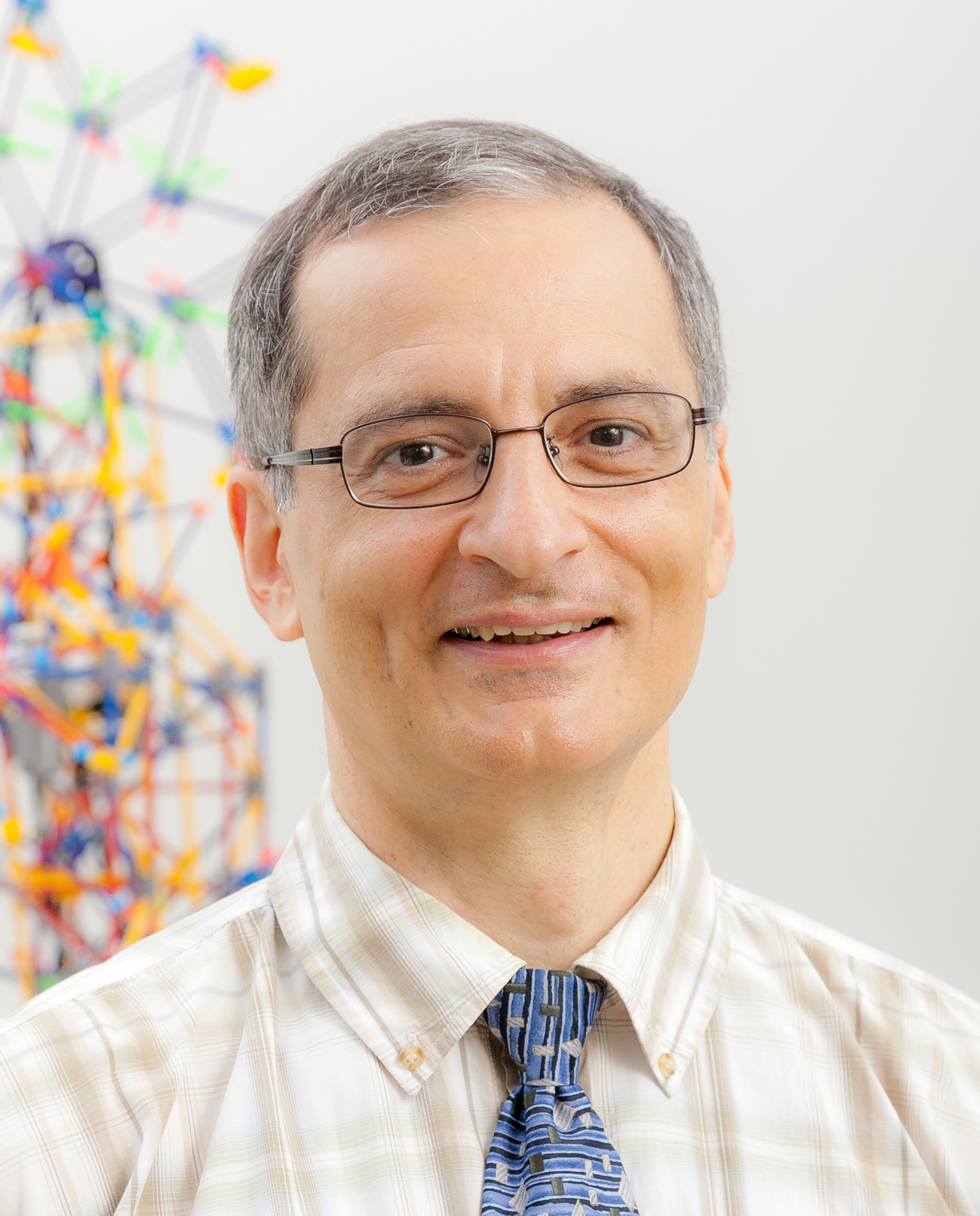
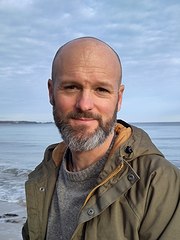
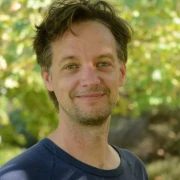
Zaur Gasimov is a Lecturer at Johannes Gutenberg University Mainz and currently serves as DAAD Departmental Coordinator and Co-Head at the Faculty of Economics and Administrative Sciences, Turkish-German University. He holds a habilitation in Modern History and Eastern European History, with a focus on Eastern European History, political science, and sociology. Education : B.A. in International Relations from Baku State University; M.A. from Catholic University of Eichstätt-Ingolstadt; Doctorate in Eastern European history Research : Concentrates on Russian-Turkish relations, nationalism in Eastern Europe, cultural transfer processes, and historical narratives. His habilitation thesis analyzed Polish-Turkish anti-Soviet alliances. Publications : Authored monographs on Prometheism, Azerbaijani historiography, and Russification policies. Collaborated on comparative studies of cultural transfer and Ottoman-Russian entanglements.
Angela Reyes is Professor in the Department of English at Hunter College, City University of New York (CUNY), and Doctoral Faculty in Anthropology at the CUNY Graduate Center. She teaches courses on English linguistic structures, discourse theory, and linguistic anthropology, while serving on advisory boards for Hunter College's Asian American Studies Program and Mellon-Mays Undergraduate Fellowship Program. Education: PhD, University of Pennsylvania (2003) Her research focuses on semiotics, racialization, and coloniality, particularly examining language-personhood relationships in the U.S. and Philippines through three major ethnographic studies: Southeast Asian American youth videomaking (Philadelphia), Korean American fifth graders in a "cram school" (NYC), and Filipino college communities (Manila). She analyzes how elite linguistic registers and mixed-race discourses reflect colonial anxieties and modern aspirations. Key publications include Discourse Analysis Beyond the Speech Event (2021, awarded Edward Sapir Book Prize) and work in The Oxford Handbook of Language and Race (2020). Awards include Advanced Research Collaborative Distinguished Fellowship (2016), Spencer Foundation Postdoctoral Fellowship (2009-2010), Woodrow Wilson Career Enhancement Fellowship (2006-2007), and Ford Foundation Dissertation Fellowship (2002-2003). Scientific Awards: Advanced Research Collaborative Distinguished Fellowship (2016) Spencer Foundation Postdoctoral Fellowship (2009-2010) Woodrow Wilson Career Enhancement Fellowship (2006-2007) Ford Foundation Dissertation Fellowship (2002-2003) Edward Sapir Book Prize (2016) Her work bridges linguistic anthropology with English studies, focusing on how language mediates colonial histories, social media dynamics, and academic institutions. She employs ethnographic, archival, and new media methodologies to trace discursive patterns across time and space.
Dr. Heather Culbertson is an Assistant Professor in the Department of Computer Science at the University of Southern California, leading the HaRVI (Haptics Robotics and Virtual Interaction) Laboratory. Her research focuses on designing haptic hardware and algorithms to create intuitive human-robot interactions through touch, emphasizing realism in virtual environments and social connectedness. Key areas include mediated touch, wearable haptic systems, and multisensory integration in VR/AR applications. The lab's work spans robotics, human perception modeling, and cross-disciplinary solutions for healthcare and immersive technologies. Research interests revolve around tactile feedback systems, social robotics, and the psychological impact of haptic interfaces. Recent work explores real-time haptic texture rendering, affective communication via touch, and motion platforms for VR. Culbertson's projects often integrate human factors early in design to ensure usability and immersion. Publications highlight advancements in haptics coding standards, drone-human interaction, and emotion regulation systems. Her contributions bridge engineering and cognitive sciences, addressing challenges in wearable tech, surgical training simulations, and assistive robotics. The HaRVI Lab collaborates across disciplines to advance tactile interfaces for virtual reality, social robotics, and medical applications.
Dr. Dicle Yagmur Ozdemir is an Assistant Professor of Business Information Management at the Rotterdam School of Management (RSM), Erasmus University. She joined RSM in September 2023 after earning a PhD in Management Science (Information Systems concentration) from the University of Texas at Dallas, a Master's in Industrial Engineering from Sabanci University, and a Bachelor's in Industrial Engineering from Istanbul Technical University. Her research focuses on user-generated content dynamics in online platforms and the application of generative AI in healthcare. She employs econometric modeling and natural language processing to study how novel information in reviews influences stakeholders' decisions, and designs algorithms to mitigate information overload. In healthcare AI, she experiments with generative AI's impact on patient-provider interactions. Her work has been presented at top conferences including CIST, WITS, ICIS, WCBA, and INFORMS. Key themes in her research include algorithmic fairness in content selection, the psychological effects of AI-driven health advice, and the mediation effects of review novelty on consumer behavior. She has collaborated internationally, with research outputs including 6 works since 2023. Notable contributions address the moderating role of review dissimilarity in credibility assessments and the paradoxical effects of positive/negative review valence in decision contexts.
Olle Sköld is a Senior Lecturer at the Department of ABM (Archives, Libraries, and Museums) at Uppsala University. He is also the Head of the Department of ABM and holds an Associate Professor position in Library and Information Science. His research spans digital humanities, documentation practices, knowledge production, and digital preservation, with a particular focus on archaeological data processes and virtual world communities. Archaeological data documentation and reuse Digital game preservation Paradata theory and applications Information practices in social media His recent publications explore paradata in data papers, literacy challenges in research data management, and trust technologies like blockchain in digital archives. Olle is involved in the CAPTURE project, investigating documentation workflows for archaeological data. He has contributed to the Master's Programme in Digital Humanities at Uppsala University, blending digital humanities with library and information science education.
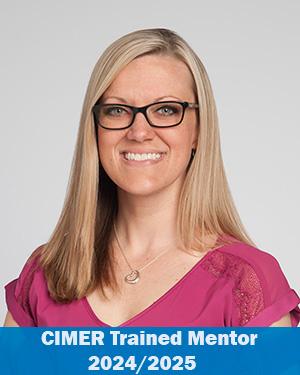
Jessica Williams, PhD is an Assistant Professor in the Department of Neurosciences at the Cleveland Clinic Lerner Research Institute (LRI) with additional faculty appointments at Case Western Reserve University, Kent State University, and Cleveland State University. She serves as the Cleveland Clinic liaison for Kent State University and represents the Clinic on the Executive Council for the Brain Health Institute and the Biomedical Sciences Graduate Program Executive Committee. Education: Postdoctoral Fellowship in Neuroimmunology, Washington University School of Medicine (2017) Ph.D. in Immunology, The Ohio State University (2011) M.S. in Physiology, Purdue University (2006) B.S. in Biology/Chemistry, Lindenwood University (2004) Dr. Williams' research focuses on neuroimmune interactions during multiple sclerosis, particularly examining regional responses of CNS glia to immune stimuli and astrocyte-immune crosstalk. Her lab employs murine MS models, primary human and murine cell analyses, and MS patient lesion assessment to investigate cytokine-mediated neuroprotection and CNS repair mechanisms. Recent work highlights protective astrocyte functions mediated by traditionally deleterious cytokines. Analysis of her 15 most recent publications reveals consistent focus on neuroimmune crosstalk in MS, with increasing emphasis on astrocyte heterogeneity, cytokine signaling (particularly IFNγ), and novel therapeutic targets like immunoproteasomes. Key themes include regional CNS differences in immune responses, glial cell repair mechanisms, and translating basic findings into potential MS therapies. Scientific Awards: Lerner Research Institute Excellence in Education Award (2022) Mentor of the Year Award (2023) Dr. Williams actively mentors the next generation of scientists as evidenced by her CIMER Trained Mentor certification and the graduation of PhD student Brandon Smith. Her research is supported by significant funding from the NIH, National MS Society, W.M. Keck Foundation, Brain Health Research Institute, and Neurological and Vision Impact Area. She regularly serves on study sections for the NIH, National MS Society, and Department of Defense. The Williams Laboratory investigates the interplay between immune and central nervous systems during MS, with current projects examining cytokine-mediated neuroimmune crosstalk for CNS repair and regionally distinct glial responses to inflammation. The lab employs advanced techniques including murine MS models and primary human cell analyses to identify novel therapeutic pathways for MS patients.
Michael Murrell is an Associate Professor of Biomedical Engineering at Yale University, with additional appointments in the Physics Department and the Molecular, Cellular and Developmental Biology Track. He holds a B.S. from Johns Hopkins University and a Ph.D. from MIT. His research focuses on understanding cellular mechanics through biomimetic systems and soft matter physics, aiming to bridge biological principles with technological innovation. Key interests include the mechanical basis of cell division, migration, and energy dynamics in cytoskeletal networks. Selected honors include the Postdoctoral Fellowship from the Institute for Complex Adaptive Matter (2010–2012), an NIH Biotechnology Training Grant (2005–2008), and the MIT Presidential Fellowship (2004). His lab, the Laboratory of Living Matter, investigates how physical properties of cells drive life processes, using tools from synthetic biology and computational modeling. Recent work explores energy localization in cytoskeletal networks and mechanical memory in actin systems. Publications highlight advancements in actomyosin contractility, cortical flows, and biophysical energy conversion. The lab actively seeks PhD students and postdocs to join interdisciplinary projects at the Yale Systems Biology Institute and the Physical Engineering and Biology Program.
Ying Lu is an Associate Professor at the Department of Applied Statistics, Social Science, and Humanities within the Steinhardt School of Culture, Education, and Human Development at New York University. She holds dual PhDs in Public Policy and Demography from Princeton University (2005) and in Statistics from the University of North Carolina at Chapel Hill (2009). Before joining NYU, she was an Assistant Professor at the University of Colorado Boulder, affiliated with the Institute of Behavioral Science. Her research focuses on quantitative methodology in social and behavioral sciences, including applications in demography, health, and political behavior, as well as statistical methods like model selection and hypothesis testing for high-dimensional data. Her interdisciplinary work bridges statistical rigor with real-world societal challenges. Recent articles highlight her contributions to areas such as employee outcomes in HRM, gut microbiota-cardiometabolic disease links, and innovative clinical trial designs. She has also explored topics in food science, environmental catalysis, and sustainable development policy. Ying Lu’s academic journey reflects a commitment to advancing statistical methodologies while addressing pressing issues in health, policy, and environmental science. She has advised numerous projects but no specific students are listed in the provided texts.
Mark de Rond is Professor of Organisational Ethnography at Cambridge Judge Business School and Fellow of Darwin College, University of Cambridge. His work focuses on immersive ethnographic studies of human behavior in extreme contexts including war zones, high-stakes sports, and controversial social movements, revealing how individuals navigate challenging circumstances through compromise and sensemaking. His educational background includes a DPhil from the University of Oxford alongside advanced degrees in management and economics, photojournalism, documentary photography, biography, creative nonfiction, and prose fiction. This multidisciplinary training informs his unconventional methodological approach. De Rond's research centers on extreme context ethnography, examining how pressure-cooker environments expose fundamental organizational dynamics. His work spans military medicine (Camp Bastion fieldwork), elite sports (Cambridge Boat Race), Amazon river expeditions, and controversial practices like paedophile hunting. Key contributions explore negotiation, conflict resolution, serendipity, institutional persistence, and the emotional toll of fieldwork, often employing innovative methods like enactive ethnography and linguistic analysis of digital communities. His recent publications reveal a growing focus on digital vigilantism and the societal implications of extreme practices, with increasing interdisciplinary reach across organizational studies, criminology, medical anthropology, and sociology. The work demonstrates methodological creativity through linguistic analysis of Facebook groups, embodiment studies in extreme environments, and dream-based reflexive techniques. Scientific recognition includes: BEST ARTICLE AWARD FOR 2016 Favorite MBA Professor honors from Poets & Quants (2021, 2022) Guinness World Record for first unsupported Amazon row De Rond advises MBA students and delivers executive education to top law firms (Slaughter and May, Allen & Overy), professional services (McKinsey, KPMG), corporations (Sky, BT, Diageo), and NGOs (UNICEF, NHS). His negotiation training from Harvard Law School informs both academic work and university mediation practice. Current research involves collaborative teams studying paedophile hunting (featured in Sundance-nominated documentary Predators ) and high-performance sports organizations, with fieldwork requiring deep immersion in challenging environments. His research methodology involves embedded collaboration with diverse teams including medical personnel in conflict zones, elite rowers, and controversial activist groups, often pushing methodological boundaries through photojournalism and creative nonfiction approaches.
Dr. hab. Piotr Łukomski is an Associate Professor at the Department of Political Theory, Institute of Political Science, University of Wrocław. His academic career focuses on the intersection of political theory, philosophy, and cultural analysis, with notable contributions to Hannah Arendt's philosophy, game theory applications in politics, and the role of imagination in political thought. Department: Political Theory Email: piotr.lukomski@uwr.edu.pl ORCID: 0000-0002-5307-616X Research Interests: His work spans conceptual metaphors in political theory, decision-making under hazardous conditions, cultural evolution of tyranny, and the aestheticization of politics. He examines how digital technologies (like VR) reshape political identity and how Arendtian frameworks apply to modern governance. Teaching: Coordinates social consulting labs and teaches decision-making processes in political contexts, with a focus on practical applications in hazardous conditions. Publications: Recent articles analyze VR-era political identity, Hannah Arendt's relevance to modern democracy, and the integration of problem-solving strategies in political thought.
Professor Hala Zreiqat AM is a leading biomedical engineer at The University of Sydney , serving as the Director of the ARC Training Centre for Innovative BioEngineering . A Fellow of all major Australian academies (AAS, ATSE, FAHMS, FRSN), she develops 3D printed bioceramics for bone regeneration while championing diversity through initiatives like the IDEAL Society and BIOTech Futures mentorship program. Her work bridges academia, clinical practice, and industry in musculoskeletal research . Research Focus: Her lab creates synthetic bone scaffolds that mimic natural bone architecture, strength, and porosity, enabling non-rejected bone regeneration via patient-matched implants. Key applications include orthopaedic, dental, and maxillofacial repair , with over $18M in competitive funding and multiple patents. Current projects explore AI-driven scaffold performance prediction and anti-senescence strategies for aging-related bone loss. Scientific Trends: Recent publications highlight 3D printed nanovoxelated ceramics , antisenescence biomaterials , and multifunctional theranostic platforms . Her team integrates machine learning for scaffold design, atom probe tomography for interface analysis, and two-photon imaging for cellular monitoring in 3D environments. 2021-2022 Fulbright Senior Scholar 2018 NSW Premier's Woman of the Year 2019 Eureka Prize for Innovative Use of Technology Fellow of Australian Academy of Science (2021) Over $18M in research funding Teaching & Leadership: She designed core courses like Tissue Engineering and Nanomaterials in Medicine , mentoring 158 students in 2020 alone. As Chair of CAAR (2020-2023), she strengthens Australia-Arab collaborations. Her lab trains early-career researchers , with alumni now in academia and industry.
Ying Xu is an Assistant Professor at the Harvard Graduate School of Education (HGSE), specializing in the design of AI technologies to support children's language, literacy, STEM learning, and well-being. Her research emphasizes creating AI systems that act as interactive learning companions and language partners for children while fostering human-AI collaboration with educators and families. She holds a Ph.D. in Language, Literacy, and Technology from the University of California, Irvine, and previously served as an Assistant Professor at the University of Michigan from 2022 to 2024. Her work focuses on understanding how AI can complement human interactions, particularly through conversational agents integrated into media like books and educational TV programs. Collaborations include partnerships with PBS KIDS, GBH Education, and Sesame Workshop. Funded by organizations such as the National Science Foundation and Schmidt Futures, her research bridges developmental psychology, education, and human-computer interaction. Xu's studies highlight AI's potential for personalized learning while addressing ethical considerations like AI literacy and social impact. Key achievements include numerous best paper awards and recognition as an Early Career Interdisciplinary Scholar by SRCD. Her interdisciplinary approach involves designing technologies that reflect community values and linguistic/cultural diversity, ensuring equitable access to AI-driven educational tools. Xu advocates for balanced AI integration in children's lives, emphasizing the need for transparency about AI's limitations and the importance of maintaining human connections. She explores how AI can empower stakeholders (e.g., educators, parents) to co-create technologies tailored to their needs, ensuring AI serves as a complement—not replacement—for human interaction. Current projects investigate conversational AI's design principles, children's perceptions of AI, and strategies for fostering critical evaluation of AI-generated content. She also examines how AI affects social interactions and developmental processes, advocating for ethical guidelines to maximize benefits while mitigating risks.
Nori Franco serves as Professor in the Department of Physics at the University of Michigan and Chief Scientist at RIKEN's Theoretical Quantum Physics Laboratory in Japan. His dual appointments reflect his significant contributions to both American and Japanese academic communities, with continuous service at Michigan since 1990 and at RIKEN since 2002. His research spans quantum information, condensed matter physics, and quantum optics, with particular focus on light-matter interactions, superconducting qubits, optomechanics, and quantum open systems. Franco's work bridges theoretical foundations with experimental implementations, especially in circuit quantum electrodynamics and quantum computing applications. Analysis of his recent publications reveals a strong emphasis on non-Hermitian quantum systems, quantum control techniques, and applications of quantum information science to fundamental physics problems. His research group consistently produces highly cited work, with publications appearing in top journals across quantum physics and condensed matter disciplines. Scientific Awards: Charles Hard Townes Medal (2024) - sole recipient for fundamental contributions to quantum optics and quantum information processing Research Doctorate Honoris Causa from University of Messina (2024) Highly Cited Researcher for eight consecutive years (2017-2024) Member of Academia Europaea (2023) Willis E. Lamb Medal (2023) for quantum electronics research Throughout his career, Franco has secured significant research funding and mentored numerous students and postdoctoral researchers. His work has received international recognition through invitations to deliver prestigious lectures including the Stanislav Ulam Lecture and Sir Nevill Mott Lecture in 2024. His research group maintains strong collaborations across multiple continents, reflecting his global impact on quantum physics. At RIKEN, Franco leads the Quantum Information Physics Theory Research Team within the Quantum Computing Center, directing cutting-edge theoretical work that complements experimental efforts in quantum computing hardware development.
Prof. Dr. Florian Scholz is a Professor of Geology and Biogeochemistry at the University of Hamburg , affiliated with the Institute of Geology within the Department of Earth System Sciences . He joined the university in 2024, following leadership of an Emmy-Noether research group at GEOMAR Helmholtz Centre for Ocean Research Kiel. His academic training includes a doctorate (summa cum laude) and habilitation from Kiel University, and a Marie Curie postdoctoral fellowship at Oregon State University. Ph.D., Geomar Helmholtz-Zentrum & University of Kiel (2010) Habilitation, University of Kiel (2019) Diploma in Geoecology, Karlsruhe Institute of Technology & University of Bordeaux (2007) His research lies at the intersection of marine geochemistry , biogeochemistry , and paleoceanography , with a focus on sediment-water interactions , early diagenesis , and the impact of environmental change on biogeochemical cycles . He investigates trace metal cycling (e.g., Fe, Mo, W, Ni), redox processes, and authigenic mineral formation in marine sediments, using field data, laboratory analyses, and geochemical modeling. His recent publications (2024–2025) reveal a strong trend in paleo-redox proxy development (Mo, W, Ni isotopes), trace metal flux quantification in oxygen minimum zones, carbon cycle impacts of sediment disturbance, and ocean-based carbon dioxide removal via seafloor alkalinity enhancement. His work frequently appears in high-impact journals such as Earth and Planetary Science Letters , Geochimica et Cosmochimica Acta , and Communications Earth & Environment . Emmy-Noether-Gruppenleiter, GEOMAR (2016–2023) Marie Curie Fellow, Oregon State University & GEOMAR (2012–2015) Postdoctoral Researcher, SFB 574 & 754 (2010–2012) Prof. Scholz teaches courses including Marine Biogeochemistry , Environmental Geochemistry , and Field Geology at both undergraduate and graduate levels. He leads an active research group focused on marine sediment geochemistry and collaborates widely across international oceanographic projects. His work contributes significantly to understanding past and present ocean chemistry and developing strategies for climate change mitigation.
Dr. Robin Laycock is a Senior Lecturer in the Department of Health and Biomedical Sciences at RMIT University. He leads the Social and Cognitive Neuroscience (SoCoNeuro) Lab, focusing on behavioral and neural mechanisms of social perception in neurotypical and neurodivergent populations, including autism spectrum disorders and the neurocognitive effects of concussion. His research integrates methodologies such as eye-tracking, EEG, and fNIRS to study visual perception, face processing, and the impact of stress/anxiety on cognition. Dr. Laycock holds a PhD from La Trobe University, where he investigated visual processing pathways. His work also includes the BabyFace study, exploring social perception in pre-term infants using fNIRS. He is affiliated with RMIT’s Healthy Foundations Research Group and supervises research projects on topics like concussion neurocognition and social media’s neurobiological effects. Research interests span visual neuroscience, social neuroscience, and clinical applications of neuroimaging. He teaches undergraduate courses in Biological Psychology and supervises postgraduate research in vision science, neuropsychology, and affective neuroscience. His lab’s recent studies examine sex differences in sports-related concussion neuroimaging and the role of deepfakes in emotion perception research. He actively collaborates on projects addressing autism traits, stress effects on visual processing, and neuroimaging advancements.