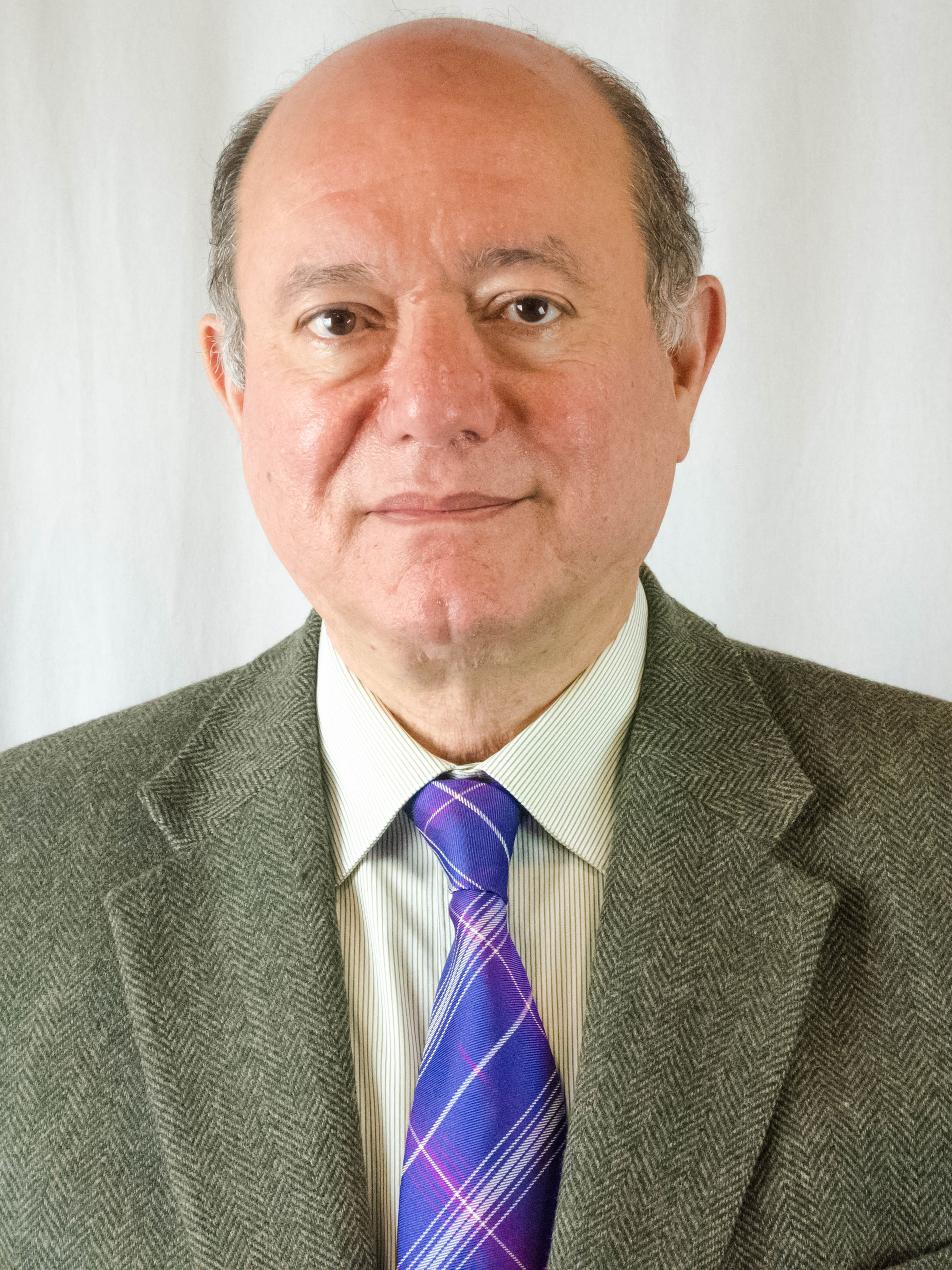
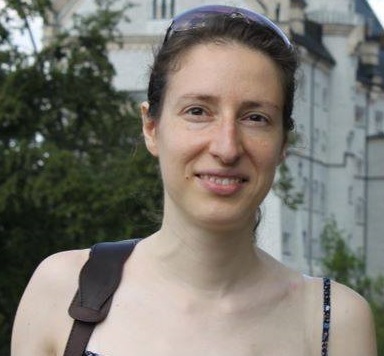
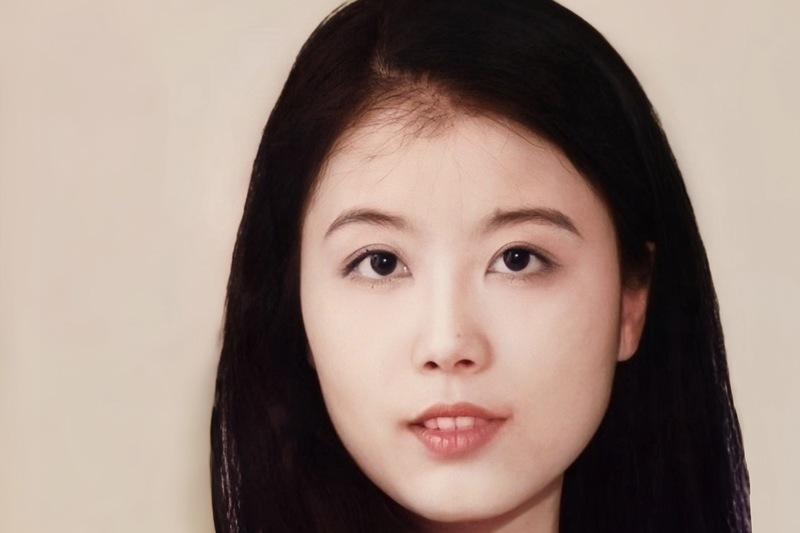
Kjeld Møller Pedersen is a Professor of Health Economics and Policy at the University of Southern Denmark (since 1999, part-time from 2010) and a 20% Professor at Aalborg University. His academic career includes roles as a senior executive at The LEGO Group and CEO of the Vejle County Health Service. He holds a Master's in Economics (Msc econ.) and has authored 17 books and over 90 scientific articles, primarily in Danish. Research focuses on healthcare reforms, health policy decision-making, and the application of transaction cost economics. He advises numerous Danish healthcare committees, including the Committee on Healthcare in Greenland and the Quality Reform Working Party. Active in professional organizations like the Danish Academy of Technical Sciences (ATV), he also serves on boards of healthcare institutions, including Filidelfia and the Karen Tolstrup Foundation. Publications emphasize healthcare system challenges, reforms, and economic evaluations. His recent articles (2023-2024) address dementia risk linked to hearing loss, Denmark's healthcare reform needs, and lithium-ion battery aging mechanisms.
Dr. Masoud Salehi is an Associate Professor and Associate Chair for Graduate Studies in the Department of Electrical and Computer Engineering at Northeastern University, USA. He holds a BS (Summa Cum Laude) from Tehran University and MS/PhD from Stanford University. Previously, he worked at Isfahan University of Technology and Tehran University. His research focuses on error-correcting codes, information theory, digital communications, and physical-layer security. He has authored influential textbooks including Communication Systems Engineering (Prentice-Hall) and Contemporary Communication Systems Using MATLAB . Education: BS (Tehran U.), MS/PhD (Stanford U.). Visiting Professor at Eindhoven University of Technology (1988-1989). Research Interests : Network information theory, source-channel matching, data compression, turbo coding, coding for fading channels, digital watermarking. Recent work emphasizes physical-layer security in multi-user wireless networks and jamming mitigation strategies. Grants & Industry : Supported by NSF, GTE, NUWC, CenSSIS, Analog Devices. Consulted for Teleco Oilfield Services and AT&T. Awards : 2024 Outstanding Faculty Service Award. Editorial Board member of International Journal of Electronics and Communications . Key Contributions : Developed precoding techniques for MIMO systems, game-theoretic jamming mitigation, and LDPC decoding algorithms. Active in the Institute of Information Assurance (IIA) and Communications, Control & Signal Processing research group at Northeastern.
Prof. Hjalmar Bouma is a Professor in Personalized Acute Medicine at the University of Groningen's Faculty of Medical Sciences, affiliated with the UMCG. He holds multiple roles including Adjunct Professor, Director of the Clinical Pharmacology Training Program, and Manager of the Acutelines biobank. His expertise spans acute medicine, pharmacology, and immunology with a focus on sepsis pathophysiology and hibernation biology applications. Education: MD and PhD from UMCG/RuG (2013), specializing in immunological aspects of hibernation. Board memberships: International Hibernation Society, SepsisNet, Dutch Society for Acute Medicine. Research interests include sepsis biomarkers, hibernation-derived protective mechanisms, and emergency medicine protocols. His work bridges clinical practice and translational research, aiming to reduce organ injury through innovative therapies. Over 100 peer-reviewed articles span sepsis prediction models, mitochondrial dysfunction in critical illness, and epigenetic changes during hibernation. Awards include Tekke Huizingaprijs (2013) and multiple pharmacology-related accolades. He leads national and international collaborations, contributing to biobanking initiatives and clinical training programs.
Fani Deligianni is a Senior Lecturer in Computing Science at the University of Glasgow, leading the Biomedical AI and Imaging Lab. Her research develops machine learning methods for healthcare applications including medical image segmentation, human motion analysis, and privacy-preserving neurophysiological data processing. She holds a PhD in Medical Image Computing from Imperial College London. Key projects include Riemannian geometry approaches for ECG-based congenital heart disease diagnosis, federated learning frameworks for distributed medical data, and VR-based cognitive workload assessment using eye-tracking. She received an EPSRC New Investigator Award for privacy-preserving radar-based human activity recognition. Dr. Deligianni coordinates Glasgow Women in Computing (GWiCS) and supervises 13 PhD students in AI and healthcare applications.
João Pedro Hespanha is a Distinguished Professor holding dual appointments in the Electrical and Computer Engineering and Mechanical Engineering departments at the University of California, Santa Barbara. He is affiliated with the Center for Control, Dynamical-Systems and Computation (CCDC) and the Institute for Collaborative Biotechnologies, where he leads research at the intersection of control theory, networked systems, and biological applications. Dr. Hespanha has established himself as a leading authority in hybrid systems and networked control with significant theoretical contributions and practical implementations. Dr. Hespanha received his Licenciatura and MS in Electrical and Computer Engineering from Instituto Superior Técnico in Lisbon, Portugal, before earning his PhD in Electrical Engineering and Applied Science from Yale University in 1998. After serving as an Assistant Professor at the University of Southern California from 1999-2001, he joined UC Santa Barbara in 2002 where he has remained ever since, rising to his current distinguished position. His educational background reflects a strong foundation in both theoretical mathematics and practical engineering applications. His research program spans multiple interconnected domains including hybrid and switched systems, networked control systems, cooperative control of autonomous agents, and systems biology. Dr. Hespanha's work on hybrid systems has fundamentally advanced the mathematical frameworks for modeling systems that combine continuous dynamics with discrete logic transitions. His research on networked control systems addresses critical challenges in communication-constrained environments, while his work in cooperative control tackles computational complexity and limited communication in multi-agent systems. His systems biology research applies control theory to model gene regulatory networks using stochastic hybrid systems. Dr. Hespanha's recent publications demonstrate consistent innovation across theoretical foundations and practical applications. His work shows a clear trajectory toward more complex networked systems, with increasing emphasis on security, resilience, and uncertainty quantification. The publications reveal strong interdisciplinary connections between control theory, computer science, and biology, with applications spanning autonomous vehicles, communication networks, and biological processes. Among his numerous accolades: Elevated to IEEE Fellow in 2008 for contributions to stability techniques for switched and hybrid systems Awarded the prestigious Ruberti Young Researcher Prize in 2009 Received the George S. Axelby Outstanding Paper Award in 2006 Honored with the Automatica Theory/Methodology best paper prize in 2005 Named IFAC Fellow in 2016 Received ACM SIGBED HSCC Best Paper Award in 2019 Dr. Hespanha has successfully mentored over 25 PhD students who have gone on to prominent positions in academia and industry. His research has been consistently supported by substantial funding from NSF, NIH, ONR, and other agencies, with current projects including pandemic management decision systems, precision drug delivery, and control of autonomous vehicle networks. He has taught numerous influential courses including Linear Systems Theory and Noncooperative Game Theory, authoring widely used lecture notes published by Princeton Press. Dr. Hespanha leads an active research group within the Center for Control, Dynamical-Systems and Computation, collaborating with researchers across engineering disciplines and biology. His lab maintains strong connections with industry partners working on autonomous systems, communication networks, and biological applications. He has organized major conferences including serving as General Chair for the 9th International Workshop on Hybrid Systems: Computation and Control in 2006, further establishing UCSB as a leading center for control systems research.
Beatriz Soret is an Associate Professor at Aalborg University's Department of Electronic Systems, part of The Technical Faculty of IT and Design. Her research focuses on satellite communications, IoT, wireless networks, and AI-driven network systems. She leads and collaborates on projects like STELLAR (2019-2021) and SATNEX V WI Y4.6 (2024-2025), addressing latency, reliability, and real-time data challenges in 6G and satellite networks. Her work emphasizes distributed computing, edge computing for Earth observation, and semantic communication frameworks. Key publications include advancements in RAN slicing for VR traffic, coded distributed computing, and AI-integrated network layers. She actively contributes to special issues on distributed intelligence and 6G technologies. Her research spans theoretical and experimental analyses of delay, age of information, and network performance in scenarios like LEO satellite constellations and industrial IoT. She collaborates with institutions globally, advancing non-terrestrial networks and smart connectivity solutions.
Professor ManMohan S Sodhi is a distinguished academic and researcher in Operations and Supply Chain Management at Bayes Business School, part of the University of London. His career includes roles at leading institutions such as UCLA, University of Michigan, and Indian School of Business. He holds PhD (1994) and MS (1987) degrees from the University of California, Los Angeles, and a B.Tech from the Indian Institute of Technology Delhi. Sodhi specializes in supply chain risk, sustainability, and social enterprise, with notable contributions to journals like Operations Research and Production and Operations Management . He has been a visiting professor at institutions including London Business School and Kühne Logistics University. A Fellow of the OR Society and Institute of Mathematics, Sodhi is also recognized for top-cited research in operations and SSRN downloads. His work bridges academia and industry, addressing global challenges like pandemic preparedness and supply chain resilience. Education: PhD in Management Science, UCLA Anderson School of Management (1994) MS in Industrial Engineering and Management, North Dakota State University (1987) B.Tech in Mechanical Engineering, Indian Institute of Technology Delhi (1984) Research Interests: Sodhi’s work focuses on supply chain risk management, sustainability, healthcare logistics, and social enterprise. His recent research explores 'sustenance'—balancing supply chain resilience with environmental and societal goals. Key themes include: Supply chain partnerships and transparency Risk mitigation and resilience in global networks Quantitative methods for decision-making Applications in healthcare and emerging markets Publications & Awards: Sodhi has authored influential books like Managing Supply Chain Risk and over 100 peer-reviewed articles. His honors include being a top-cited author (Stanford/Elsevier), top 1% SSRN author, and Fellowships from leading OR societies. His work frequently addresses real-world challenges, such as pandemic supply chain preparedness and blockchain adoption. Grants & Collaborations: He led projects funded by the European Commission and Carrier, exploring cold chain logistics in India and sustainable supply chains. His industry collaborations span sectors like healthcare, automotive, and electronics. Labs/Teams: Sodhi’s research often involves interdisciplinary teams, including work on humanitarian logistics and sustainable development goals. His doctoral advisees focus on topics like social enterprise and sustainability reporting.
Daniel-Ioan Stroe is an Associate Professor at Aalborg University's Department of Energy, part of The Faculty of Engineering and Science. He leads the Batteries Research Group and has held visiting roles at RWTH Aachen and Czech Technical University. His research focuses on energy storage systems, lithium-ion battery modeling, and diagnostics, with over 250 peer-reviewed publications. He earned his PhD in 2014 from Aalborg University, specializing in battery lifetime modeling for virtual power plants. Education: Dipl.-Ing. in Automatics, Transilvania University of Brasov, Romania (2008) M.Sc. in Wind Power Systems, Aalborg University, Denmark (2010) PhD in Energy Engineering, Aalborg University (2014) Research Interests: Dr. Stroe's work centers on advancing energy storage technologies for grid and e-mobility applications. Key areas include lithium-ion battery performance, lifetime modeling, state estimation, and diagnostics. His projects address challenges like fast-charging protocols, impedance-based health monitoring, and sustainable battery lifecycle analysis. Awards & Grants: Best Poster Award (2024) for collaborative work on battery diagnostics Best Paper on Ecological Vehicles (2019) Lead on funded projects such as Listen2Battery (Villum Foundation), DeBatT (Innovation Fund Denmark), and BattMaxLife (EU) Labs & Teams: He directs the Batteries Research Group, collaborating internationally on initiatives like non-woven sodium-ion batteries (NOWOS) and acoustic-based battery health monitoring. His team emphasizes interdisciplinary approaches to tackle energy storage challenges.
Heli Koivuluoto is an Associate Professor (tenure track) in Materials Science and Environmental Engineering at Tampere University. She holds a Doctor of Science (Tech.) degree in Materials Technology with a focus on Rock Engineering and a Master of Science in Technology. Her research centers on advanced coating technologies, including cold spray, thermal spraying, and icephobic materials. Key areas include surface engineering for corrosion resistance, functional coatings for marine and cold environments, and material characterization using SEM/TEM. Education: Doctor of Science (Technology), Materials Technology, Rock Engineering (2010) Master of Science (Technology) (2005) Her work emphasizes practical applications such as ice-resistant coatings, composite materials for aerospace and infrastructure, and process optimization in additive manufacturing. She has supervised numerous master's theses and internships, including projects on cold-sprayed coatings and composite materials at institutions like the University of Modena and Reggio Emilia. Recent research trends include real-time process monitoring in cold spray additive manufacturing, development of durable superhydrophobic and icephobic surfaces, and microstructural analysis of quasicrystalline composites. Her work contributes to UN Sustainable Development Goals related to industry, innovation, and infrastructure. Dr. Koivuluoto is actively engaged in organizing international conferences, including the ITSC 2025 Thermal Spray Conference, and serves as a reviewer for multiple journals and funding applications.
David Prangishvili is a Professor at Institut Pasteur since 2017 and has held prestigious positions including Chef de Laboratoire at the same institution and Principal Research Director at the University of Regensburg. His work focuses on archaeal virology , exploring the unique biology of viruses infecting extremophiles.
Dr. Nurefşan Sertbaş Bülbül is a Research Associate/Postdoc at the University of Hamburg's Department of Informatics, part of the Faculty of Mathematics, Informatics and Natural Sciences. She completed her PhD at the University of Hamburg in 2023 under Prof. Mathias Fischer, following two Bachelor's degrees (Electronics and Communication Engineering, Computer Engineering) from Istanbul Technical University and a Master's from Boğaziçi University. Her research focuses on programmable networks, TSN (Time Sensitive Networks), and network security. Key areas include SDN (Software Defined Networking), attack detection, and reinforcement learning applications in networking. Her work addresses critical challenges like DoS attack mitigation in TSN, dynamic path reconfiguration, and P4-based solutions for network security. She has contributed to publications at IEEE GLOBECOM, IFIP Networking, and other conferences. Her research emphasizes practical implementations and resilient network designs, particularly for mission-critical systems. She is part of the Computer Networks research group, previously known as the IT-Security and Security Management group. Dr. Bülbül's recent projects include developing TSN Gatekeeper mechanisms and Transparent TSN solutions for agnostic end-hosts, leveraging SDN and reinforcement learning. Her work bridges theoretical advancements and real-world network challenges, ensuring robust and adaptable network infrastructures.
Dr. Weitong Chen is a Senior Lecturer at the School of Computer and Mathematical Sciences, University of Adelaide, and an ARC EC Industry Fellow at the Australian Institute for Machine Learning (AIML). He holds a PhD from the University of Queensland (2020), with prior roles as a Post-Doc Research Fellow and Associate Lecturer there. His research focuses on machine learning applications in medical data, particularly time-series analysis, semi-supervised learning, and IoT. He collaborates widely across academia, industry, and government, supported by multiple grants. His work emphasizes healthcare applications, adversarial robustness, federated learning, and unlearning mechanisms. Education: PhD in Machine Learning, University of Queensland (2020) Master's Degree, University of Queensland Bachelor's Degree, Griffith University Research Interests: Medical Data Analysis (e.g., EHRs, radiology) Time-Series Modeling (healthcare IoT, irregular data) Adversarial Machine Learning (backdoor attacks, robustness) Federated Learning (modality incompleteness, clustered frameworks) Data Privacy (unlearning, compliance) Grants & Collaborations: ARC EC Industry Fellowship Industry partnerships in healthcare and IoT Labs/Teams: Australian Institute for Machine Learning (AIML) Cross-disciplinary health tech collaborations
Shuyan Li is a Lecturer at the School of Electronics, Electrical Engineering and Computer Science, Queen’s University Belfast. Her research focuses on foundational computer vision methods and their healthcare applications, including unsupervised learning, multi-modal learning, and medical imaging analysis. She actively mentors early-career researchers through the Cambridge Trinity College Postdoctoral Mentorship Program and serves as Director of the Tsinghua Alumni Association (UK) and Secretary-General of the UK Association of Distinguished Young Scholars. Education Background: While specific degree details are not explicitly listed, Dr. Li has received prestigious awards such as the First Prize Scholarship (Tsinghua University, 2020) and the National Scholarship (Ministry of Education, PRC, 2013), indicating a strong academic foundation. Research Interests: Central themes include unsupervised learning, digital twins for construction and healthcare, video understanding, representation learning, and domain adaptation. Her work bridges theoretical advancements and practical applications, such as medical image translation and point cloud-based building digitization. Awards and Recognition: Key achievements include the Athena Postdoctoral Fellowship (NSF AI Research Center), Forbes’ Top 100 Most Influential Chinese (2024), and the Excellent Doctorate Dissertation Award (2023). She is also a Guest Editor for Innovation and Technology of Computer Vision . Advising & Grants: Currently supervising PhD students Ben Redden (UK) and Shurui Xu (China). She offers multiple funded PhD opportunities, including EPSRC and CSC scholarships, and collaborates with institutions like Cambridge and UCL. Labs & Collaborations: Active in interdisciplinary projects involving digital twin construction, medical AI, and point cloud analysis. Recent collaborations include work with the University of Cambridge on digital construction modules and Newcastle University on AI-driven data analysis.
Dr. Arkadiusz Sadza is a Lecturer at the Department of Civil Procedure and International Commercial Law within the Faculty of Law and Administration at Maria Curie-Skłodowska University. He holds a doctoral degree in legal sciences (civil procedure specialization) and has received multiple awards for academic and teaching excellence, including the Minister of Science and Higher Education's Second Prize (2019) and the "Homo Didacticus" diploma (2022). Education: Doctorate (2019) and Master's (2011) in Law from Maria Curie-Skłodowska University Professional Roles: Judge trainee (2015-2017), Judicial Assistant (2017-2021), and Judge at Regional Court Lublin-Zachód Research Focus: Civil procedure law, industrial property rights, and civil court jurisdiction His scientific publications (21 total) focus on execution law, civil procedure reforms, and intellectual property litigation. Key works include the monograph "Wpływ decyzji Urzędu Patentowego RP na postępowanie cywilne..." (2021) and numerous legal commentaries in journals like Polski Proces Cywilny and Przegląd Prawa Egzekucyjnego . Recent presentations address topics such as electronic property auctions, procedural amendments, and cross-border judicial cooperation. Awards & Recognition: Minister of Science Prize for IP research (2019) University Individual Award (2021) Dual "Homo Didacticus" diplomas for teaching (2022)
Konstantin Selyunin is a researcher at TU Wien's Institut für Technische Informatik (Institute of Computer Engineering). He holds a Dr.techn. (PhD) in Computer Engineering from TU Wien, completed in 2017. His research focuses on neural models, runtime monitoring in automotive systems, and adaptive control in cyber-physical systems. Key areas include hardware-efficient neural networks, temporal logic monitoring, and mission-critical system design. **Education**: PhD in Computer Engineering (TU Wien, 2017). Research interests span automotive systems-of-systems, neuromorphic computing, and high-level synthesis for hardware monitoring. He collaborates on projects like HARMONIA, addressing hardware monitoring for automotive systems. His work integrates formal verification techniques with real-time systems and biophysical neural models. Publications emphasize applications in adaptive control, self-healing systems, and spiking-neuron models for monitoring. While no formal awards are listed, his contributions to runtime monitoring and cyber-physical systems are notable. Advising and grants: Colleagues include Thang Nguyen, Denise Ratasich, and Radu Grosu. Active in automotive electronic development and cyber-physical systems. Involved in the Network Lab at TU Wien.