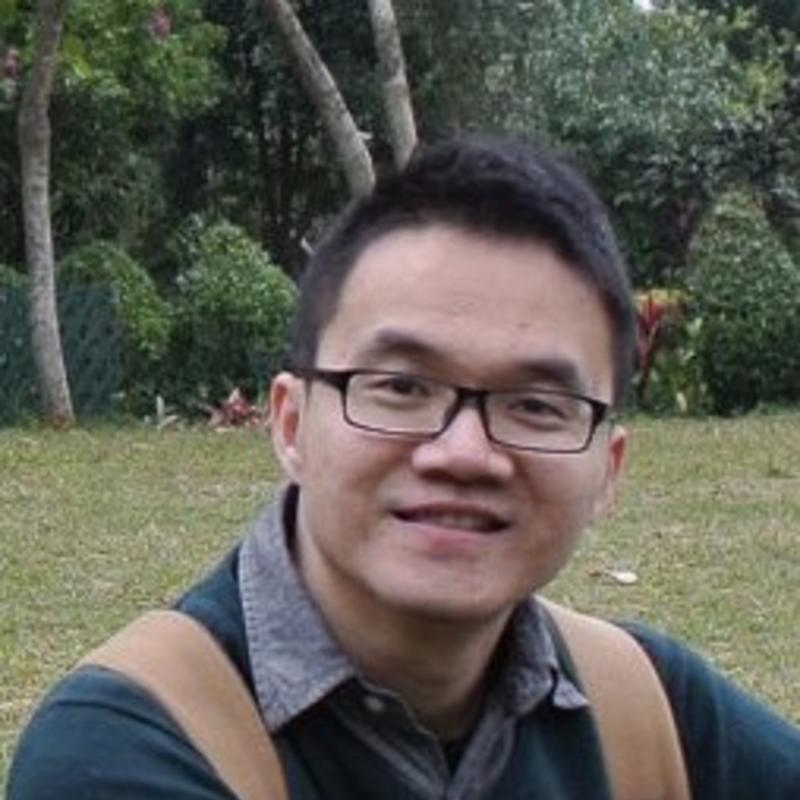
Max Lau is an Assistant Professor in the Department of Biostatistics and Bioinformatics and the Department of Epidemiology at Emory University. His research focuses on integrating machine learning and computational methods with epidemiological and genomic data to study infectious disease dynamics. He teaches courses such as BIOS 790R (Advanced Seminar in Biostatistics) and DATA 534 (Applied Machine Learning). Dr. Lau's work emphasizes scalable Bayesian inference, graph neural networks, and stochastic modeling to address challenges in disease transmission, outbreak control, and pathogen evolution. His recent research includes developing tools like ScITree and Epilearn, and he has contributed to understanding measles dynamics, tuberculosis treatment, and livestock disease management. His academic contributions span over 30 publications since 2010, with a particular focus on phylodynamics, epidemic modeling, and vaccine strategy evaluation. His interdisciplinary approach bridges computational methods with public health applications, aiming to enhance disease prediction and intervention efficacy.
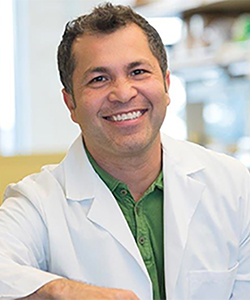
William John Moss is a Professor in the Department of Epidemiology at the Johns Hopkins Bloomberg School of Public Health, where he also holds joint appointments in International Health and Molecular Microbiology and Immunology. He serves as Executive Director of the International Vaccine Access Center (IVAC) and Deputy Director at the Johns Hopkins Malaria Research Institute. His work spans multiple centers including the Center for Global Health, Center for Humanitarian Health, and Johns Hopkins Vaccine Initiative. Dr. Moss earned his MD from Columbia University in 1984 and his MPH in 1995. As a pediatrician with subspecialty training in infectious diseases, he has conducted extensive field research across multiple countries including Ethiopia, Kenya, South Africa, Zambia, Zimbabwe and India. His research focuses on the epidemiology and control of childhood infections in resource-poor settings, with particular emphasis on measles-HIV interactions, malaria transmission in southern Africa, serosurveillance for immunization programs, and care of HIV-infected children in rural Zambia. His recent work (2024-2025) demonstrates continued focus on measles epidemiology, malaria transmission dynamics, and vaccine implementation research, with numerous publications examining immunity gaps, human mobility patterns, and malaria vector biology in African settings. Scientific Awards: Wyeth-Lederle Vaccines and Pediatrics Young Investigator Award in Vaccine Development (1999-2001) Gustave J. Martin Innovative Research Fund Fellow (2001) Advising, Mentoring and Teaching Recognition Award (2007-2008) Dr. Moss leads multiple research projects including studies on HIV-infected children's immune reconstitution, malaria transmission dynamics in southern Zambia, and strengthening immunization systems through serosurveillance. His work bridges clinical medicine, epidemiology, and public health policy to address critical challenges in global infectious disease control.
Hector Aguilar-Carreno is a Professor of Virology in the Department of Microbiology and Immunology at Cornell University's College of Veterinary Medicine, where he also serves as Associate Vice Provost in the Office of the Vice President for Research and Innovation. His research focuses on high-mortality paramyxoviruses including Nipah virus (NiV) and Hendra virus (HeV), as well as coronaviruses and other enveloped viruses. Dr. Aguilar-Carreno received his BS in Biochemical Engineering from Instituto Tecnologico de Tepic, Mexico, followed by an MS in Biology from California State University, Los Angeles, and a PhD in Biochemistry and Molecular Biology from the University of Southern California. He completed postdoctoral training in Virology at UCLA under Dr. Benhur Lee before becoming an Assistant Professor at Washington State University's Paul G. Allen School for Global Animal Health. His research spans four main areas: (1) Viral entry mechanisms, where his lab has identified novel domains in viral glycoproteins important for membrane fusion; (2) Viral egress, using multi-omics approaches to study viral assembly and budding; (3) Vaccine development using viral-like particles to generate neutralizing antibodies; and (4) Antiviral discovery targeting enveloped viruses. His lab employs innovative techniques including Flow Virometry and Raman Spectroscopy to study viral entry processes. Analysis of his recent publications reveals a strong focus on paramyxoviruses (particularly Nipah and Hendra viruses), coronavirus research, and the development of broad-spectrum antivirals. His work spans fundamental virology to translational applications, with numerous publications in high-impact journals including Nature, Science, and Cell Reports. President Elect of the American Society of Virology Chair of the American Society of Virology Diversity, Equity, and Inclusion committee Chair of the Cornell CVM Diversity Committee Director of the Cornell Program for Achieving Career Excellence Chair of 16 PhD student thesis committees Dr. Aguilar-Carreno has served on numerous scientific committees including the American Society for Virology Education Committee, the American Society of Microbiology Committee for Minority Education, and as a Standing Member of the VIR-A NIH study section. His leadership extends to chairing the Cornell CVM Diversity Committee and serving on the Cornell presidential postdoctoral fellowship committee, demonstrating significant commitment to diversity and mentorship in science.
Dan Kowal is an Associate Professor in the Department of Statistics and Data Science at Cornell University, joining in 2024. His research focuses on Bayesian models for large/dependent data, mixed data modeling, and interpretable uncertainty quantification. Key areas include public health, environmental justice, epidemiology, and economics. He holds a PhD from Cornell University (2017) and previously served as an Assistant Professor at Rice University. Awards include the Blackwell-Rosenbluth Award (2021), Army Research Office Young Investigator Award (2020), and Lindley Prize Honorable Mention (2024). Notable grants include NSF funding for adaptive dependent data models (2022–2025) and Army Research Office support for Bayesian prediction methods (2020–2022). His work addresses racial inequities in statistical modeling and has been published in top journals like JASA and Bayesian Analysis. He advises multiple PhD students and develops R packages (e.g., SeBR, countSTAR) for Bayesian regression and data synthesis. Teaching roles include Bayesian Statistics at both undergraduate and graduate levels.
Professor Matthew James Keeling is a distinguished academic at the University of Warwick, where he serves as Director of the Zeeman Institute for Systems Biology & Infectious Disease Epidemiology Research (SBIDER). He holds a professorship in the Department of Mathematics within the School of Science, specializing in mathematical modeling of infectious disease dynamics. His work bridges theoretical mathematics with practical public health applications, making significant contributions to epidemic prediction and control strategies. Professor Keeling's educational background includes a B.A. in Mathematics (1991), Master in Mathematics (1992), and PhD in Mathematical Modelling (1995). His career progression at Warwick shows steady advancement from Lecturer (2002) to Reader (2005) and finally to Professor (2007), supported by prestigious fellowships including the Royal Society University Research Fellowship (1998-2006) and Wellcome Trust Fellowship (1995-1998). His research focuses on mathematical models for infectious disease transmission, with particular expertise in network-based approaches to understanding how diseases spread through populations. Keeling has applied his modeling expertise to numerous outbreaks including the 2001 Foot-and-Mouth Outbreak, 2009 Swine flu pandemic, and most notably the COVID-19 pandemic. His work spans both human and animal diseases, covering pathogens such as influenza, measles, HPV, and various livestock infections. Analysis of Professor Keeling's publications reveals a strong emphasis on network theory applied to epidemiology, with significant contributions to understanding cattle movement networks, human social contact patterns, and spatial disease dynamics. His work consistently bridges theoretical mathematics with practical disease control applications, demonstrating how mathematical models can inform real-world policy decisions regarding vaccination strategies and outbreak control measures. Scientific Awards and Recognitions: Royal Society University Research Fellowship (1998-2006) Wellcome Trust Fellowship (1995-1998) Professor Keeling has been actively involved in advising government agencies during major disease outbreaks, including providing critical modeling input during the COVID-19 pandemic. His work on HPV vaccination cost-effectiveness directly influenced policy decisions regarding gender-neutral vaccination programs. He maintains an active research group focused on developing novel mathematical approaches to infectious disease modeling, with particular interest in household transmission dynamics and the impact of network structure on disease spread. The Zeeman Institute (SBIDER), which he directs, serves as a hub for interdisciplinary research connecting mathematical sciences with biological and medical applications.
Dr. Naveen K. Vaidya is a full Professor at San Diego State University (SDSU) in the Department of Mathematics and Statistics . He received his PhD and M.Sc. in Applied Mathematics from York University, Canada , and M.Sc., B.Sc., and B.Ed. from Tribhuvan University, Nepal . His postdoctoral research was conducted at Los Alamos National Laboratory and Western University, Canada . Research Interests : Dr. Vaidya specializes in applied mathematics and mathematical biology , focusing on modeling infectious diseases such as HIV, SARS-CoV-2, dengue, malaria, and tuberculosis. His work spans within-host and between-host dynamics, integrating differential equations , dynamical systems , optimal control , and biostatistics . Recent projects explore climate impacts on disease spread and machine learning in public health analytics. Scientific Awards : He has received prestigious honors, including the University of Missouri Faculty Scholars (2015/2016) Susan Mann Dissertation Award (2008) NSERC Visiting Fellowships in Canadian Government Laboratories (2008/2009) Travel Support Awards from NSF and MBI (2018) Simons Foundation Collaboration Grant (2020, declined due to NSF grants) Grants and Funding : Dr. Vaidya has secured multiple grants from the National Science Foundation (2016–2021; 2020–2023), Simons Foundation , International Mathematical Union , and SDSU Start-up Funds . He also organized the AMNS-2019 conference in Nepal and led workshops on collaborative research. Labs and Teams : As principal investigator of the SDSU-DiMoLab , he leads a multidisciplinary team studying COVID-19 , HIV , and other infectious diseases. The lab trains graduate and undergraduate students and collaborates internationally, particularly with Tribhuvan University, Nepal .
Associate Professor Aditi Dey holds a conjoint appointment at the Sydney Medical School within the University of Sydney , and serves as Manager of Surveillance at the National Centre for Immunisation Research and Surveillance (NCIRS) . Her work focuses on immunization program evaluation, vaccine coverage analysis, and surveillance of vaccine-preventable diseases and adverse events. She has extensive experience in public health research, spanning roles in Thailand and India prior to her current positions in Australia. Dr Dey completed an MBBS, followed by postgraduate qualifications including a DTM&H (Tropical Medicine & Hygiene), Grad Dip Applied Science (Health Information Management), MPH, and a PhD from the University of Sydney. Her research integrates epidemiological analysis with public health policy implementation, particularly addressing health disparities in vaccination access and outcomes among Indigenous populations and other underserved groups. Her research interests prominently feature vaccine safety , epidemiological trends of infectious diseases, and the impact of vaccination policies such as Australia’s “No Jab, No Pay” initiative. She also investigates the effectiveness of vaccination programs for diseases like rotavirus, HPV, and varicella-zoster virus, often analyzing large-scale national health datasets. Notable contributions include evaluations of Australia’s HPV vaccination program, analysis of rotavirus vaccine efficacy, and assessments of adverse events following immunization. Her work emphasizes improving immunization coverage through better data systems and healthcare provider education, particularly for at-risk populations. Dr Dey actively contributes to public health efforts through teaching and course coordination at the University of Sydney, and collaborates with institutions like the Sydney Infectious Diseases Institute . Her expertise bridges clinical practice, research, and policy, driving evidence-based improvements in Australia’s immunization landscape.
Dr. Tanvir Huda is a Senior Lecturer in Public Health at the University of Sydney's Sydney School of Public Health, within the Faculty of Medicine and Health. He holds an NHMRC Senior Research Fellow position and has extensive experience in global health research, particularly in low-income settings. His work focuses on maternal and child health, nutrition, health equity, and universal health coverage. Dr. Huda has secured significant funding from agencies like NHMRC, Gates Foundation, and WHO, leading major studies such as the Shonjibon trial evaluating cash transfers and nutrition interventions in Bangladesh. Education: PhD in Public Health (University of Sydney, supported by Endeavour Postgraduate Award) MSPH from University of Alabama at Birmingham via AIDS International Training Research Fellowship (Fogarty NIH) Research Interests: Dr. Huda tests innovative solutions for health inequities, including nutrition-sensitive interventions, social safety nets, and mobile health technologies. Current projects include evaluating childhood stunting reduction in Bangladesh and exploring Lactoferrin applications for anemia. Grants & Awards: NHMRC grants totaling over $6 million Gates Foundation and MRC funding ($348k+) Teaching: Teaches in the Master of International Public Health program, emphasizing participatory learning in cluster randomized trials and health systems. Advising: Supervises research on maternal-child nutrition inequalities (e.g., Miranda HENDRY's project). Collaborates on grants like the SSEAC Ignition Grant for climate-sensitive undernutrition analysis.
Associate Professor Tambri Housen is a nurse-epidemiologist affiliated with Australian National University (National Centre for Epidemiology and Population Health) and University of Newcastle , where she supervises HDR candidates. With over 20 years of experience, she has worked across Africa, Asia, Central Asia, Eastern Europe, and the Indo-Pacific region in complex humanitarian emergencies, health security workforce strengthening, and cross-cultural operational research. Education: BSc in Nursing (Curtin University), MPhil in Applied Epidemiology (ANU), PhD in Epidemiology (Curtin University) Her research interests focus on: Health security workforce strengthening Cross-cultural mixed-methods research for policy and practice Operational research in humanitarian crises Evidence-based health systems strengthening Infectious disease epidemiology Global health capacity building Recent articles highlight her work on field epidemiology training impact evaluation, One Health integration in outbreak response, caregiver mental health interventions in emergencies, and workforce capacity assessments in Pacific and Southeast Asian countries. She has received recognition as a Fellow of the Higher Education Academy and leads global initiatives through WHO and GOARN partnerships. She supervises 13 HDR candidates and has secured AUD $13.6 million in research funding, primarily focused on emergency response epidemiology, maternal-neonatal care, and pandemic prevention strategies.
Institute of Dendrology, Polish Academy of SciencesPoland
Dr. Shabir A. Madhi is a pioneering Professor of Vaccinology at the University of the Witwatersrand and Executive Director of the Vaccines and Infectious Diseases Analytics (VIDA) Research Unit . His work spans infectious diseases, public health, and vaccine development , with a focus on vulnerable populations in low- and middle-income countries. His research explores vaccine immunogenicity and safety , including pneumococcal and COVID-19 vaccines, while advancing diagnostic technologies like high-throughput PCR for bacterial detection. Publications appear in Nature Immunology , The Lancet , and Vaccine , reflecting his influence in global health. Dr. Madhi collaborates with institutions such as the South African Medical Research Council , University of Pretoria , and King Saud University , supported by grants from the Bill & Melinda Gates Foundation , NIH , and CDC . His studies on respiratory infections and HIV interactions shape public health policies across Africa.
David J.D. Earn is a Professor of Mathematics and Faculty of Science Research Chair in Mathematical Epidemiology at McMaster University. His work focuses on applying mathematical models to epidemiology, ecology, and evolutionary theory. He holds a BSc from the University of Toronto, a CASM from the University of Cambridge, an MSc from the University of Toronto, and a PhD from Cambridge's Institute of Astronomy. His postdoctoral research included positions at the Hebrew University of Jerusalem, University of Cambridge Zoology Department, and Princeton University's Ecology & Evolutionary Biology department. Dr. Earn's research emphasizes predicting epidemic patterns through mathematical models, particularly for measles, revealing how birth rates and vaccination levels influence disease dynamics. He has contributed to global health initiatives like the Ontario Modelling Consensus Table and Ontario Science Advisory Table. His work bridges mathematics with real-world challenges, including wildlife conservation via corridor modeling and vaccine strategy optimization. Notable achievements include election as a Fellow of the Canadian Academy of Health Sciences (2022), the CAIMS Research Prize (2021), and the Ontario Premier's Research Excellence Award (2000). His interdisciplinary approach combines theoretical astrophysics training with applied epidemiology, demonstrating mathematics' power in solving ecological and public health problems.
Lei Chen, MD, MHS is an Associate Professor of Pediatrics (Emergency Medicine) and of Emergency Medicine at Yale School of Medicine, with additional affiliation as Faculty at the Yale Institute for Global Health. Dr. Chen specializes in pediatric emergency medicine, treating children suffering from trauma, seizures, asthma, abdominal pain and other conditions at Yale-New Haven Children's Hospital. Dr. Chen's educational background includes a BS from California Institute of Technology (1992), MD from New York University School of Medicine (1997), residency at Yale-New Haven Children's Hospital (2000), followed by fellowships there in 2001 and 2004, and an MHS from Yale University School of Medicine (2010). Dr. Chen is deeply committed to Health Services Research aimed at improving care for children in acute settings. Their research focuses on applying new technologies to enhance pediatric emergency care, with particular emphasis on increasing efficiency and patient safety. Recent efforts have concentrated on improving healthcare for children in developing countries, especially in Rwanda and China, where they have worked on projects including recognition of pediatric sepsis, epidemiology in pediatric intensive care units, developing low-cost medical devices like high-flow nasal cannula systems, and creating clinical research curricula. Dr. Chen's publications over the past five years reveal a consistent focus on point-of-care ultrasound applications in resource-limited settings, global health implementation, and pediatric emergency care protocols that can be adapted across different healthcare systems. Their work bridges clinical emergency medicine with global health implementation science, focusing on practical solutions for resource-constrained environments. Dr. Chen has been involved in significant projects including Human Resource for Health (2012-2020) and volunteering during a measles epidemic in 2019. They are currently mentoring students to build a low-cost respirator for the developing world, inspired by the work of Dr. Paul Farmer as described in "Mountains Beyond Mountains." Dr. Chen maintains active collaborations with colleagues across Yale, including Allen Hsiao, Antonio Riera, Melissa Langhan, Christopher Moore, Cicero Torres Silva, and Gauthami Soma, focusing on emergency ultrasound, pediatric critical care in resource-limited settings, and global health education. Their laboratory work, often conducted in challenging field settings, focuses on adapting existing technologies for acute pediatric care in developing countries.
Shaun Truelove is an Associate Research Professor at Johns Hopkins University , affiliated with the Bloomberg School of Public Health and the Department of International Health . He is also a joint member of the Infectious Disease Dynamics group and the International Vaccine Access Center . Research interests focus on infectious disease dynamics , epidemiology , vaccination strategies , and humanitarian/refugee health . His work spans Measles transmission modeling in Zambia COVID-19 impact assessments Diphtheria epidemiology Mobile phone data applications Supplementary immunization activities Scenario modeling for pandemics . Article trends highlight expertise in infectious disease modeling across multiple pathogens (Measles, MERS-CoV, Influenza), with emphasis on Vaccine effectiveness Human mobility patterns Real-time forecasting Public health policy Global health disparities . Current projects include the flepiMoP modeling pipeline for pandemic response, collaborations with the CDC, and field studies in Zambia/India. Contact: shauntruelove@jhu.edu | trueloves@jhu.edu
Alicia Atwood is an Associate Professor of Economics at Vassar College since 2018. She specializes in applied microeconomics with a focus on health and labor economics. Her research examines employer-based health insurance, financial incentives, and human capital development. Education: BS in Biomedical Engineering from Johns Hopkins University; MPH in Health Policy and Management from Columbia University; PhD in Economics from the University of Illinois at Chicago. Research Interests: Health Economics explores how health policy and insurance design affect utilization and outcomes. Labor Economics investigates how economic conditions influence health behaviors and mental health. Applied Microeconomics analyzes the long-term impacts of public health interventions like vaccination campaigns and SNAP policies. Recent work highlights trends in social welfare program evaluations (SNAP disbursement effects) and pandemic policy impacts (CARES Act analysis). Articles frequently intersect public health with economic frameworks, emphasizing policy design and human capital outcomes. No scientific awards or grants are explicitly mentioned in the provided texts. Teaching includes introductory economics and specialized health economics courses (ECON 220/STS 220).
Matthew L. Boulton is a Pearl L. Kendrick Collegiate Professor of Global Public Health and Professor of Epidemiology at the University of Michigan School of Public Health (SPH). He serves as Senior Associate Dean for Global Public Health and Director of the Office of Global Public Health. He also holds roles as Editor-in-Chief of the American Journal of Preventive Medicine , Director of the Preventive Medicine Residency, and Associate Director of the Behavioral Health Workforce Research Center. Previously, he was Associate Dean for Practice (2004–2010) and founded the Office of Public Health Practice. Before joining U-M, he worked as a state epidemiologist and medical director in public health departments. Education: MD (University of Nevada, 1987), MPH (University of Michigan, 1991), BS in Plant Biology and Zoology (University of Nevada, 1980). Research Interests: Global public health, infectious disease epidemiology, childhood vaccinations, vaccine equity, and health workforce studies. His research focuses on vaccine preventable diseases, immunization systems, and global health equity. Notable projects include the Minority Health & Health Disparities International Research Training Program and collaborations with the CDC and Tianjin CDC in China. Awards: Over 40 awards, including the Faculty Excellence in Teaching Award, Alumni of the Year, and John H. Romani Award for public health leadership.