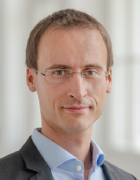
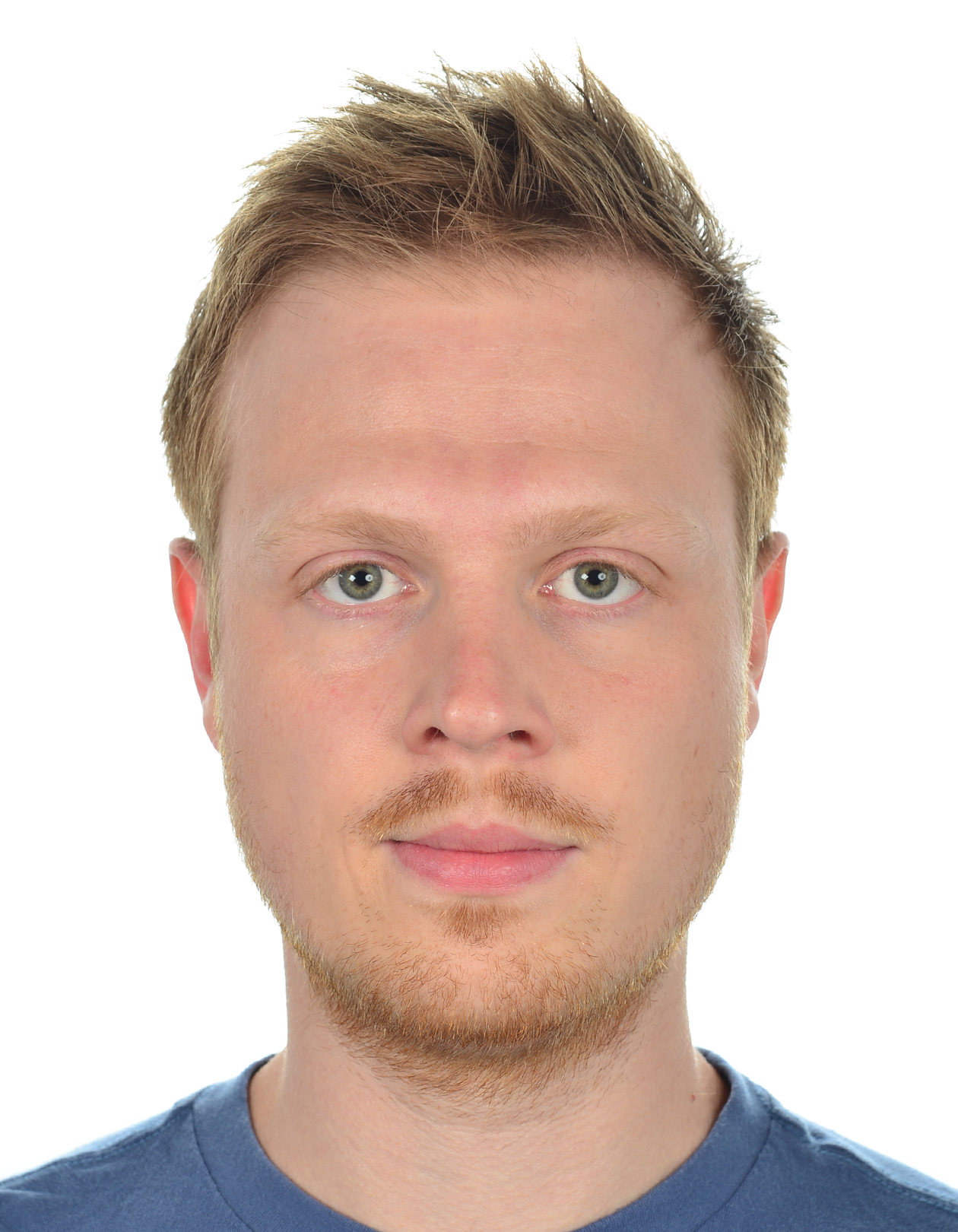
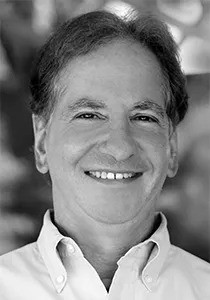
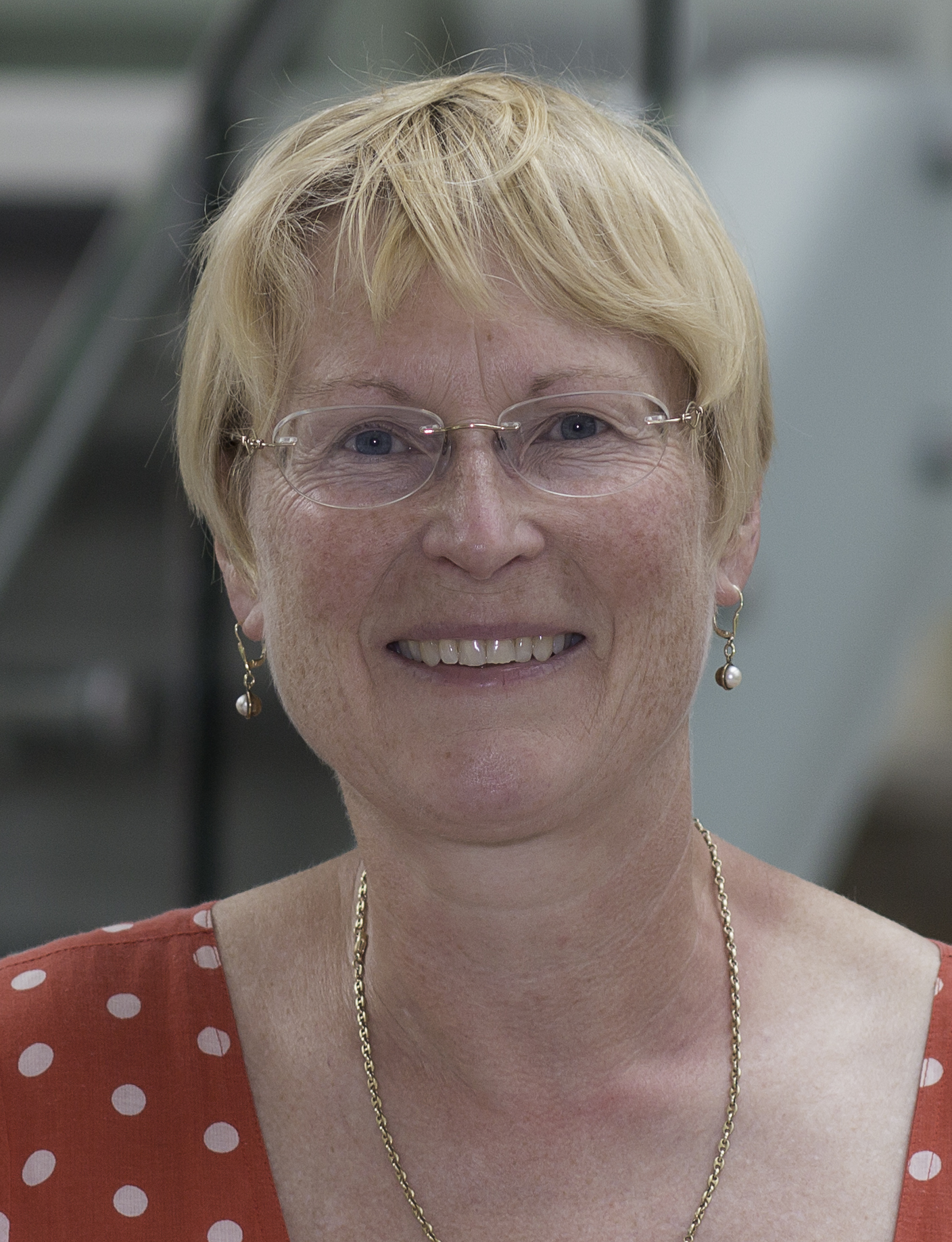
Prof. Dr. Andreas Reiserer is a Professor of Quantum Networks at the Technical University of Munich (TUM) since 2022. He leads research in quantum network development, focusing on interconnecting quantum systems via photonic links using erbium dopant atoms in silicon platforms. His work bridges quantum technologies with semiconductor engineering, aiming to advance scalable quantum communication systems. Education: Studied physics at the University of Würzburg and the Max Planck Institute (MPI) for Biophysical Chemistry (Göttingen). Completed a PhD (2014) on 'A controlled phase gate between a single atom and an optical photon' at the MPI of Quantum Optics (Garching). Postdoctoral research at the Kavli Institute for Nanoscience (Delft) and led a junior research group at MPI of Quantum Optics (2016–2022). Research Interests: Quantum networks, solid-state quantum systems, nanophotonics, and quantum information processing. Key innovations include erbium dopant-based silicon waveguides for quantum nodes and cavity-enhanced quantum communication protocols. ERC Starting Grant (2018) Paul Ehrenfest Best Paper Award (2016) Otto Hahn Award (2015) Advising & Grants: Leads a research group at TUM, with funding from the ERC. Active in mentoring early-career researchers in quantum hardware development and theoretical frameworks for quantum networks. Labs/Teams: Directs the Quantum Networks research group at TUM, collaborating with MPI and international partners to build integrated quantum systems.
Prof. Katharina Lenhart is a Professor of Botany, Limnology, and Ecotoxicology at Technische Hochschule Bingen since 2017. Previously, she held a DFG-funded project on methane dynamics (2015-2017) and served as Acting Professor of Geoecology and Modeling at Justus Liebig University Giessen (2014-2015). Her academic journey includes a PhD in Biology (2009) and postdoctoral research at the Max Planck Institute for Chemistry (2009-2014). Research Focus: Plant-Soil-Atmosphere interactions, Global Change, trace gas dynamics (CH4, N2O, CO2), and stable isotope analysis. Teaching: General Botany, Limnology, and Ecotoxicology courses. Notable Projects: DFG-funded studies on methane sources/sinks in plant-soil systems and algae-derived methane in oxic seawater. Her publications (2007-2018) explore novel methane production pathways in plants, algae, and soils, with implications for climate modeling. Her work bridges microbiology, biogeochemistry, and atmospheric processes.
Dr. Helen Fewlass is a Lecturer in Archaeology at the Department of Anthropology and Archaeology, University of Bristol. She specializes in archaeological science, with a focus on radiocarbon dating, palaeoproteomics, and the study of ancient biomolecules to investigate human evolution and prehistory. Her research has significantly contributed to our understanding of the Middle to Upper Palaeolithic transition in Europe, particularly regarding the migration of Homo sapiens into Europe and interactions with Neanderthals. Dr. Fewlass completed her Msci and earned her PhD (2015-2019) at the Max Planck Institute for Evolutionary Anthropology in Leipzig, Germany. Following her doctoral studies, she held postdoctoral research positions at the same institute (2019-2021) and later at the Ancient Genomics Lab at the Francis Crick Institute in London (2021-2024). Dr. Fewlass's research focuses on innovative methods in archaeological science. She specializes in radiocarbon dating ancient bone with minimal sample requirements, having developed protocols to reduce the amount of material needed from precious specimens. Her work with near-infrared spectroscopy (NIR) allows for non-destructive pre-screening of bone protein preservation, significantly reducing destructive sampling of valuable archaeological material. She applies palaeoproteomics techniques like ZooMS (Zooarchaeology by Mass Spectrometry) for species identification of ancient bone fragments, which has revolutionized Palaeolithic archaeology by increasing the identification of human remains from archaeological sites. Her recent publications demonstrate a strong focus on the chronology of human evolution during the Middle to Upper Palaeolithic transition in Europe (~50,000-40,000 years ago). Her work combines multiple methodologies including radiocarbon dating, ancient DNA analysis, stable isotope analysis, and proteomics to investigate crucial questions about human migration, adaptation to cold climates, and interactions between Homo sapiens and Neanderthals. A significant trend in her research is the development and application of minimally destructive analytical techniques that preserve precious archaeological specimens while extracting maximum scientific information. Dr. Fewlass has received notable recognition for her research contributions: EMBO Postdoctoral Fellowship (2022) Otto Hahn Medal (2022) Dr. Fewlass is actively involved in several major research projects. She is part of the Horizon-funded COEXIST project (2024-2029) investigating late Middle Palaeolithic sites across southeastern and central Europe, the Horizon-funded MAMBA project (2022-2027) focused on Gravettian mammoth bone accumulations in Central Europe, and a Polish National Science Centre-funded project (2021-2026) on Palaeoclimate reconstruction using directly dated micromammals. Her work frequently involves large interdisciplinary collaborations with archaeologists, palaeoanthropologists, geologists, geneticists, and climate specialists. Her laboratory work spans multiple institutions, including the University of Bristol, where she continues her research on ancient biomolecules, and previously at the Max Planck Institute for Evolutionary Anthropology and the Francis Crick Institute. She has developed specialized protocols for collagen extraction and radiocarbon dating of small bone samples, as well as NIR spectroscopy models for protein preservation screening that can be implemented in museums and archaeological field settings.
Dr. Oliver Gerberding is a Junior Professor (W1 with tenure track to W2) in Experimental Physics at the University of Hamburg’s Faculty of Mathematics, Informatics and Natural Sciences. As head of the Gravitational Wave Detection research group at the Institute of Experimental Physics, he focuses on advancing laser interferometry for gravitational wave astronomy, particularly in ground-based (Einstein Telescope) and space-based (LISA) detectors. His work intersects precision metrology, quantum technologies, and photonics. Academic Career: 2019–present: Junior Professor at University of Hamburg; 2016–2019: Postdoctoral Researcher at Max Planck Institute and Leibniz Universität Hannover; 2014: PhD in Physics (supervisors: Karsten Danzmann, Gerhard Heinzel). Research Pillars: Scattered light suppression, seismic noise mitigation, tunable coherence techniques, and ultra-stable laser systems for gravitational wave detectors. His recent publications demonstrate breakthroughs in stray light suppression (40 dB in Michelson interferometers), picometer-stable optical benches for space missions, and seismic noise analysis in XFEL systems. He leads institutional roles in the Einstein Telescope’s Instrument Science Board and co-initiated the WAVE seismic network. His group mentors PhD students in experimental gravitational wave physics.
Dr. Miguel Dovale is a Researcher at the Max Planck Institute for Gravitational Physics (Albert Einstein Institute) in Hannover, Germany, specializing in laser interferometry, gravitational wave astronomy, and space interferometry. His work focuses on developing precision optical instrumentation for fundamental physics experiments and space-based gravitational wave detection missions like LISA. Research interests include: Laser Interferometry: Advanced techniques for ultra-precision measurement and noise suppression Gravitational Wave Astronomy: Instrumentation for detecting spacetime ripples from cosmic events Space Interferometry: Technology development for next-generation spaceborne gravitational observatories Publications primarily explore interferometric metrology, laser frequency stabilization, and gravitational wave detection technologies. Recent work demonstrates strong focus on: Space mission instrumentation (LISA frequency planning, optical bench design) Novel interferometer configurations for picometer-level stability Applications in geodesy, earth science, and fundamental physics
Jan von Arx is a Researcher leading the Greenhouse Gases Research Group at the Max Planck Institute for Marine Microbiology in Bremen, Germany. His work focuses on microbial-driven processes in aquatic environments, particularly aerobic methane formation from methylphosphonate and nitrous oxide dynamics in oxygen minimum zones. He employs stable isotope incubation experiments and molecular techniques to study biogeochemical cycles. Research interests include the role of microorganisms in global climate systems, denitrification mechanisms in Foraminifera, and quantification of biogeochemical parameters. His group contributes to understanding how microbial activity influences greenhouse gas emissions and oceanic nutrient cycling. Contact: Celsiusstr. 1, D-28359 Bremen, Germany | Phone: +49 421 2028-6440 | Office: 3133
Dr. Catalin Bunduc is an Assistant Professor at the Faculty of Science, Department of Molecular Microbiology at Vrije Universiteit Amsterdam. His research focuses on understanding the structural and functional aspects of type VII secretion systems in Mycobacteria, particularly their role in pathogenesis and membrane transport mechanisms. He collaborates internationally in structural biology and microbiology, contributing to interdisciplinary studies on bacterial secretion processes and microbial ecosystems. Research interests include the dynamics of secretion systems, outer membrane protein transport, and the ecological role of Mycobacteria in unique environments like cave microbial ecosystems. His work bridges structural biology with functional analysis, aiming to elucidate molecular mechanisms underlying bacterial physiology and pathogenicity. Recent studies emphasize the role of PPE proteins in secretion systems and the structural characterization of ESX-5 complexes. His contributions include high-impact publications in journals like Nature and Annual Review of Microbiology , highlighting advancements in understanding Mycobacterial secretion systems. No scientific awards or grants are explicitly mentioned. Collaborations involve institutions such as the Max Planck Institute for Biochemistry (Marlovits lab) and international research groups. No formal advising of students is listed in the provided materials.
Florian Brueck is a Postdoctoral Researcher at the Research Center for Statistics at the University of Geneva, under Prof. Sebastian Engelke. He earned his PhD in Mathematics (Dr. rer. nat.) from the Technical University of Munich (TUM) in 2023, with distinction, under Prof. Matthias Scherer. His research focuses on statistical model comparison, Bayesian non-parametric survival analysis, Lévy processes, extreme value theory, and the integration of machine learning into classical statistics. Education: PhD in Mathematics, TUM (2023) MSc in Financial Mathematics and Actuarial Sciences, TUM (2019) BSc in Business Mathematics, Ludwig Maximilians University Munich (2017) Research Interests: Statistical model selection via Maximum Mean Discrepancy (MMD) Exchangeability and non-parametric Bayesian methods in survival analysis Inference for Lévy and stable processes Extreme value theory applications in risk modeling Machine learning techniques for statistical inference Key Contributions: Developed distribution-free MMD tests for model selection with estimated parameters Advanced infinitely divisible priors for multivariate survival functions Applied generative neural networks to characteristic function estimation Awards & Recognition: None explicitly listed. Advising & Grants: Supervised 5 Master’s theses on topics including MMD-based model selection and clustering-based portfolio optimization Co-led industry project with WWK Versicherungen on risk assessment tools Labs/Teams: Research Center for Statistics at University of Geneva.
Dr. Max Attwood serves as an Academic Visitor in the Department of Materials at Imperial College London's Faculty of Engineering, with dual affiliations to the Centre for Processable Electronics and Quantum Engineering, Science and Technology Group . Based at the Royal School of Mines, South Kensington Campus, he drives cutting-edge research in quantum materials. His expertise spans: Room-temperature quantum information processing using molecular spins Organic maser development for portable quantum amplifiers Spin-crossover materials and n-type organic semiconductors Theoretical-computational chemistry of quantum systems Analysis of his 9 publications (2019-2024) reveals a strategic pivot toward quantum hardware solutions, with 5 high-impact papers in 2023-2024 focusing on eliminating cryogenic barriers for quantum devices. His work demonstrates exceptional interdisciplinary synthesis across chemistry, physics, and engineering. Dr. Attwood maintains robust international collaborations, evidenced by multi-institutional authorship on all recent papers. His research is supported by active quantum technology grants, enabling access to Imperial's advanced nanofabrication and spectroscopy facilities through the Quantum Engineering Centre. Students benefit from his industry connections in quantum sensing and photonics sectors. His research group operates at the nexus of the Centre for Processable Electronics and Quantum Engineering initiatives, focusing on molecular-scale solutions for scalable quantum technologies. Current projects emphasize optically controlled spin systems and organic gain media for next-generation quantum devices.
Steven L. Goldstein is the Higgins Professor of Earth and Environmental Sciences at Columbia University and Interim Director of the Lamont-Doherty Earth Observatory (LDEO). He leads the Isotope Geochemistry Lab at LDEO, focusing on using isotopic systems to study Earth processes, including paleoclimate reconstruction, ocean circulation, and geochronology. His research spans over 160 peer-reviewed publications and integrates radiogenic isotopes like Rb-Sr, Sm-Nd, and U-Pb to address topics from early Earth history to modern climate change. Goldstein holds a Ph.D. (1986), M.A. (1978), and B.A. (1976) from Columbia University and Harvard University. His academic career includes prior roles as a Staff Scientist at the Max-Planck-Institut für Chemie (Mainz, Germany). He has received prestigious awards such as the AGU Norman L. Bowen Award, Fellowships in AGU and Geochemical Society, and Columbia’s Lenfest Distinguished Faculty Award. His teaching excellence is recognized through student-awarded accolades. Research interests include reconstructing ocean water mass structures via Nd isotopes, tracking sediment transport via the Agulhas Current, and using coral U-series dating to study sea-level history. He also investigates mechanisms driving Mediterranean aridity and paleoclimate dynamics during interglacial periods. Goldstein’s recent articles emphasize abrupt climate shifts, Atlantic circulation changes, and the application of isotope tracers to understand Earth systems. His work bridges fundamental geochemistry with applied climate science, contributing to global climate models and paleoenvironmental reconstructions. Leadership roles include directing Lamont-Doherty’s strategic initiatives and advancing interdisciplinary research through collaborations like the ICDP Dead Sea Drilling Project. His lab supports graduate training and cutting-edge analytical methodologies for marine and terrestrial samples.
Erin Schuman is a Director at the Max Planck Institute for Brain Research in Frankfurt, leading the Department of Synaptic Plasticity. She holds a BA in Psychology from the University of Southern California (1985) and a PhD in Neuroscience from Princeton University (1990). Her research focuses on the molecular and cellular mechanisms underlying synaptic function, emphasizing protein synthesis and degradation in neurons. Key contributions include discovering local protein synthesis in dendrites (1996), developing BONCAT/FUNCAT techniques for tracking protein synthesis, and studying synaptic diversity via proteomics. Schuman has been recognized with prestigious awards, including the Körber Prize (2024) and Brain Prize (2023). She has mentored numerous students and postdocs, advancing understanding of neurodevelopmental disorders and neural circuitry. Her lab uses zebrafish models to explore social behavior and employs advanced imaging and proteomic methods. Education: BA Psychology (USC, 1985), PhD Neuroscience (Princeton, 1990) Key Roles: Director at Max Planck (2009–), HHMI Investigator (2004–2010) Techniques: BONCAT/FUNCAT, single-cell sequencing, super-resolution microscopy
Dr. Alfredo Martínez-García is a Group Leader at the Max-Planck-Institute for Chemistry in Mainz, Germany, leading the Organic Isotope Geochemistry group within the Climate Geochemistry Department since 2015. His research spans Earth system evolution, integrating modern processes and paleoclimatic archives through geochemical techniques. Diploma in Environmental Sciences, Autonomous University of Barcelona (2004) PhD in Environmental Sciences, Autonomous University of Barcelona (2009) Postdoctoral Research Associate at ETH Zürich (2009-2012) SNF Ambizione Fellow at ETH Zürich (2012-2015) Visiting Scholar at Princeton University (2014) His work focuses on the interplay between physical, chemical, and biological components of the Earth system. Key methodologies include organic biomarkers and stable isotopes (H, C, N, O) for reconstructing past climates and environmental changes. Notably, he pioneered nitrogen isotope analysis in enamel for trophic evolution studies and cancer metabolism research. Recent research trends emphasize ocean oxygenation dynamics, nitrogen cycling in past and present marine systems, and the impact of climate variability on biogeochemical processes. His publications highlight decadal-scale ocean deoxygenation patterns, nitrogen fixation during warm periods, and isotopic proxies for paleoenvironmental reconstruction. Scientific Awards: Swiss National Science Foundation (SNF) Ambizione Fellowship The AMG lab, under his leadership, advances understanding of Earth's climate system through interdisciplinary approaches, combining geochemical techniques with ecological and biomedical applications. His team contributes to high-resolution paleoclimate records and modern environmental monitoring.
Yuliang Xiu is a tenure-track Assistant Professor at Westlake University's AI department, leading the 远兮实验室 (endless.do) as PI. His research focuses on democratizing human-centric digitization through advancements in computer vision, graphics, and machine learning. Previously, he completed his Ph.D. at Max Planck Institute for Intelligent Systems under Prof. Michael J. Black, funded by the CLIPE Marie Sklodowska-Curie fellowship. His work bridges vision and graphics to achieve scalable, photorealistic 3D human digitization. Education: Ph.D., Max Planck Institute for Intelligent Systems (2025, advised by Michael J. Black & Dimitrios Tzionas) M.Sc., Shanghai Jiao Tong University (2019, advised by Cewu Lu) B.Eng., Shandong University (2016, advised by Lu Wang) Research Interests: His work emphasizes human-centric digitization , including 3D clothed human reconstruction, generative AI for garments, and training-free methods. His lab explores foundational models for scalable avatar creation, aiming to make human digitization accessible to all. Recent projects include Easi3R (dynamic motion estimation), ETCH (clothed body fitting), and ECON (explicit-implicit hybrid modeling). He advocates for generalizable, photorealistic systems that align with real-world constraints. Publications Trends: Over 15+ peer-reviewed papers, with 2025 highlights including ICCV and SIGGRAPH contributions. His work is characterized by innovations in: 3D reconstruction from single images/videos Implicit/explicit representation hybrids LLM-driven garment editing Efficient finetuning via butterfly factorization Awards & Recognition: 2025 China3DV Rising Star Award Best in Show (SIGGRAPH RTL 2020) CVPR Highlight 2023 Organized ECCV 2024 workshop on Foundation Models for 3D Humans Advising & Mentorship: Successfully mentored 3 master students into top PhD programs (TUM, MBZUAI, HKU). Actively hiring postdocs, PhDs, and researchers for lab expansion. Labs & Teams: Leads the 远兮实验室 (endless.do), focusing on democratizing human digitization through open-source tools and foundational research. Key contributions include the ECON, TADA, and TeCH frameworks.
Dr. Viviana Horna is a Researcher and Scientific Coordinator at the Max Planck Institute for Biogeochemistry in Jena, Germany, leading the Amazon Tall Tower Observatory (ATTO) initiative. Her work focuses on biogeochemical processes, atmospheric measurements, and tropical forest ecology. She coordinates high-precision greenhouse gas observations in the Amazon region and investigates drought impacts, isotopic signatures of methane, and tree physiology. Her research integrates field experiments, remote sensing, and isotopic analysis to understand climate-ecosystem interactions. Key research areas include Amazonian ecosystem dynamics, climate change impacts on tropical forests, and long-term environmental monitoring. Her team employs advanced sensing technologies (e.g., ECOSTRESS, UAVSAR) for urban and forest studies. Publications span biogeochemistry, paleoecology, and forest resilience, with a focus on drought tolerance, methane emissions, and carbon cycling. Located in B2.013, she can be reached at vhorna@bgc-jena.mpg.de.
Prof. Silvia Mittler is a retired Professor of Physics & Astronomy at the University of Western Ontario, with cross-appointments in multiple departments including Electrical and Computer Engineering, Chemical and Biochemical Engineering, Chemistry, and Medical Biophysics. Her research focuses on nanoparticle optics, surface functionalization, and plasmonics with applications in biomedical engineering and materials science. She held a Tier I Canada Research Chair from 2004–2011 and received an Honorary Professorship from RheinMain University of Applied Sciences (2018). Education: Diploma in Physics (1986), Johannes Gutenberg University, Mainz. PhD in Biophysics (1989), Max-Planck Institute for Polymer Research, Mainz. Habilitation in Physical Chemistry (2000), Johannes Gutenberg University, Mainz. Research Interests: Silvia Mittler’s work spans organo metallic chemical vapor deposition (OMCVD), evanescent wave analytical tools, and gold nanoparticle clusters. Her lab develops functionalized surfaces for optical sensors, investigates plasmonic phenomena, and explores applications in biomedical imaging and diagnostics. Key areas include collagen alignment, antibacterial coatings, and plasmon-enhanced solar cells. Scientific Awards: Award of Appreciation from Sciencetech Inc. (2010) Honorary Professorship in Engineering (2018) Advising & Grants: Prof. Mittler advised numerous graduate students and postdoctoral fellows. She led projects on waveguide evanescent field microscopy (WEFF/WEFS) and collaborated with institutions like the Schulich School of Medicine & Dentistry and industry partners such as Sciencetech Inc. Her lab, the Laboratory for Photonics of Surfaces and Interfaces, pioneered techniques for nanoscale functionalization and plasmonic sensing.