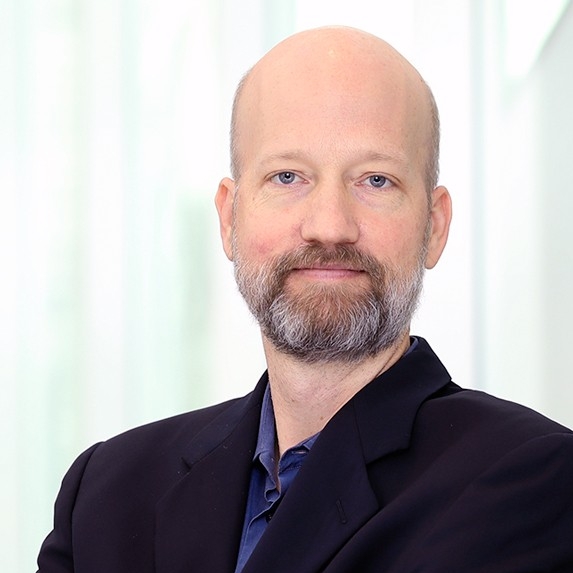
Agustinus Kristiadi is an Assistant Professor in the Department of Computer Science at Western University, London, Ontario, Canada. He is also a Faculty Affiliate at the Vector Institute. His research focuses on probabilistic machine learning, uncertainty quantification, and decision-making under uncertainty in foundational models like deep neural networks and large language models, with applications in scientific domains such as chemistry and biology. His recent work on efficient reward-guided text generation in large language models has been accepted to ICML 2025 and COLM 2025. His research has been recognized through a Best PhD Thesis Award and multiple spotlight papers at leading machine learning conferences. He actively contributes to the scientific community through mentoring underrepresented students and open-source development. Agustinus is currently hiring funded PhD and MSc students to work on large-scale probabilistic models, decision-making under uncertainty, and AI for Science applications. Prospective students must demonstrate mathematical maturity, programming proficiency, and reliability.
Professor Tomo Suzuki (Waseda University, Faculty of Commerce) holds a D.Phil. from Oxford University and has held academic positions at Oxford, London School of Economics, and Meiji University. His research spans Institutional Mechanism Design , Sustainability Management , and Mature Socio-Economy across Japan, India, and China. Former Oxford Professor with top academic awards (2008-2012) Advisor to Japanese Cabinet (2020-2023) and LDP Policy Committee Developed "One Additional Line" $2B/year system in India Lead author on 9 Scopus publications with 212 citations Research Focus : • Applied Institutional Design for mature economies • Distribution Statement (DS) for fair value allocation • Critique of shareholder-first capitalism Scientific Awards : Cosmo Awards for Research Excellence (1996, 2015) UK Research Assessment Exercise Top Score (2008) Oxford Executive MBA Outstanding Professor
David Melcher is Professor of Psychology and Program Head in Psychology at New York University Abu Dhabi (NYUAD), where he also serves as a Global Network Professor. He is affiliated with the Division of Science and leads the Perception and Active Cognition Lab, focusing on the integration of perception, attention, memory, and action within a cognitive neuroscience framework. PhD in Psychology and Cognitive Science, Rutgers University (2001) Former researcher and professor in Italy and the UK Current leadership: Program Head, Psychology, NYUAD David Melcher's research centers on cognitive neuroscience , particularly how perception, attention, working memory, eye movements, and self-motion interact to shape cognition and behavior. His lab emphasizes active cognition —the idea that perception is not passive but dynamically shaped by action, context, and goals. He investigates how temporal dynamics in neural processing organize perceptual experiences and guide decision-making. His work spans both healthy and clinical populations, exploring individual differences in spatial and temporal processing across the lifespan. The 15 most recent publications reflect a consistent focus on temporal organization in cognition , perception-action coupling , and neural mechanisms of attention and memory . Keywords across these works include cognitive neuroscience, perception, and neuroimaging, with subfields ranging from eye movement research and neural synchrony to computational modeling and clinical neuropsychology. Collectively, they demonstrate a trajectory toward integrative models of brain function that bridge behavioral, neuroimaging, and computational approaches. Among his notable recognitions is the Distinguished Scientific Award for Early Career Contribution to Psychology from the American Psychological Association (2011), highlighting the early impact of his work in cognitive neuroscience. Distinguished Scientific Award for Early Career Contribution to Psychology, APA (2011) David Melcher has advised numerous students through capstone projects in psychology and computer science, fostering interdisciplinary research at the intersection of cognitive science and technology. His research has been generously supported by major funding agencies including the European Research Council , the US National Institutes of Health , the Italian Ministry of Research and Education , and the Chinese Ministry of Foreign Expert Affairs . He also contributes to the academic community as a member of the editorial boards of Journal of Vision , Psychonomic Bulletin & Review , Perception , and iPerception . He leads the Perception and Active Cognition Lab at NYUAD, which employs a multidisciplinary approach combining behavioral experiments, neuroimaging (fMRI, EEG, MEG), eye-tracking, computational modeling, and clinical assessments. The lab’s research aims to understand how the brain constructs stable percepts from dynamic sensory input, particularly during active engagement with the environment.
Daan Christiaens is a tenure track lecturer at KU Leuven's Faculty of Medicine and Faculty of Engineering Sciences. He is affiliated with the Department of Electrical Engineering (ESAT) and Department of Imaging & Pathology, serving as a member of the Medical Imaging Division and the KU Leuven Brain Institute (LBI). His academic responsibilities include membership in the Faculty Councils of Engineering Sciences and Medicine. His research focuses on: Inverse problems in medical imaging reconstruction Neuroimaging techniques for brain analysis Advanced quantitative MRI methodologies Diffusion-weighted imaging for microstructural assessment Dr. Christiaens' recent publications (2023-2025) demonstrate a consistent focus on diffusion MRI innovations, including novel reconstruction algorithms, neonatal brain development mapping, and clinical applications for neurodegenerative disorders. Key technical themes include motion correction, multi-shell modeling, and AI-enhanced image processing, while clinical applications span Alzheimer's disease, cerebral palsy, and autism research. He leads significant research projects including: MRI reconstruction with dynamic field monitoring (2024-2028) Compressed sensing for microstructure imaging (2022-2026) Neonatal diffusion MRI network connectivity analysis (2024-2028) As a core developer of the MRtrix3 software framework for medical image processing, he contributes to essential tools in neuroimaging research.
Leonie Bentsink is a Professor at the Laboratory of Plant Physiology , part of Wageningen University . Her research focuses on molecular mechanisms underlying seed dormancy, germination, and longevity in plants like Arabidopsis thaliana . She leads projects investigating translational regulation, seed microbiomes, and abiotic stress tolerance, supported by an NWO Vici grant (2018). Dr. Bentsink supervises multiple PhD candidates and has authored over 69 publications. Key contributions include discovering roles for genes like DOG1 and ANAC060 in dormancy regulation, and developing tools like the SeedTransNet translational network. Key Projects: Seed microbiome impacts on drought tolerance Seed germination cell communication mechanisms Spatial transcriptomics for abiotic stress resilience Datasets: 11 publicly available datasets on seed transcriptomes/metabolomes, including seed dormancy cycling and parental effect studies. Citations: Over 70 publications since 2000, with notable work on seed longevity and translational regulation.
Dr Maria Bada is a Lecturer in Cyberpsychology at the School of Biological and Behavioural Sciences, Queen Mary University of London. She is an active researcher in the field of cyberpsychology with a specific focus on the human element of cybersecurity. Dr Bada is also a member of the committee of the Artificial Intelligence, Ethics and Society Group at QMUL. Dr Bada's research spans multiple critical areas in cyberpsychology and cybersecurity. Her primary research interests include: The effectiveness of cybersecurity awareness campaigns and factors leading to their success or failure in changing information security behavior Development of prevention activities to enhance the resilience of Small and Medium Enterprises (SMEs) against cybercrime Cybersecurity awareness initiatives for school learners in South Africa and the UK Youth delinquency and interventions to prevent cybercrime, in collaboration with the National Crime Agency and Home Office Social and psychological impacts of cyber-attacks on vulnerable groups Exploration of the cybercrime ecosystem, including cybercriminal profiles, pathways, and risk perceptions Dr Bada's publication record demonstrates a consistent focus on the intersection of psychology and cybersecurity. Her recent work shows increasing specialization in SME cybersecurity challenges, ethical considerations in security behavior change, and the psychological impacts of cybercrime on individuals and organizations. She frequently collaborates with researchers from diverse disciplines including computer science, criminology, and healthcare, reflecting the interdisciplinary nature of her work. Dr Bada has secured significant research funding for her work, including: "Enhancing national cyber resilience via SME cyber security and digital responsibility" (£328,119 from EPSRC, 2023-2026) "REPHRAIN: Supporting organisations in making effective privacy related decisions" (£50,801 from EPSRC, 2022-2023) "Assessing Organisational DSbD Awareness and Readiness" (£15,554 from ESRC, 2022-2024) She works closely with research staff including Dr Matthew Rand and collaborates with various UK government agencies including the National Crime Agency and Home Office on cybercrime prevention initiatives.
Prof. Dr. Birgit Eickelmann is a Professor of School Pedagogy at the Institute of Educational Science within the Faculty of Arts and Humanities at Paderborn University. She has held this position since October 2012, initially as a W2 professor until January 2014, and then as a W3 professor (full professor) from February 2014 onward. Her research focuses on school and lesson development in the digital age, school pedagogy under digital transformation conditions, empirical school research, teacher education, and school leadership with emphasis on digital learning leadership. Her educational background includes a habilitation in Educational Science in May 2012, a PhD in Educational Science with summa cum laude in July 2009, and state examinations for teaching Mathematics and Physics in December 1996 and January 1999. Prof. Eickelmann's research centers on the digital transformation of educational systems, particularly examining how schools develop digital competencies among students and teachers. Her work emphasizes equitable access to digital learning opportunities, the role of school leadership in digital transformation, and the development of computational thinking skills. She investigates how schools can become resilient in the face of digital challenges, with special attention to organizational factors that support successful digital integration. Her publication record reveals a strong focus on international comparative studies, particularly the IEA's ICILS (International Computer and Information Literacy Study) across multiple cycles (2013, 2018, 2023). Her research spans digital literacy assessment, school-level factors influencing digital competence development, and policy implications for educational systems undergoing digital transformation. Prof. Eickelmann leads several major research initiatives including the National Research Center for the IEA Study ICILS 2023 (2021-2026), the German coordination of the Horizon-2020 project 'DigiGen' (2019-2022), and previous leadership of ICILS 2018 (2015-2021) and ICILS 2013 (2012-2015). She is actively involved in policy advising regarding digital education in Germany. She is a member of numerous scholarly organizations including the World Educational Research Association (since 2021), the Society for Empirical Educational Research (since 2016), and the German Society for Educational Science (since 2014), among others. Her work bridges academic research with practical implementation in schools through projects like 'Navigator Bildung Digitalisierung' and 'schultransformNEXT'.
Kenneth Hoehn is an Assistant Professor in the Department of Biomedical Data Science at the Geisel School of Medicine, Dartmouth College. As a computational immunologist with expertise in evolutionary biology, he develops computational evolutionary approaches to trace cellular lineages, particularly B cells, in contexts such as infection, vaccination, cancer, and autoimmune diseases. His research focuses on understanding adaptive immunity in conditions like COVID-19 Food allergies Myasthenia gravis through collaborations with experimental teams. Key projects include: Phylogenetic modeling of B cell responses Evolutionary signatures in immune repertoires Tracking B cell dissemination in autoimmune diseases Epigenetic regulation of memory B cells Recent publications highlight trends in single-cell immunology , phylogenetic inference , and computational tools for analyzing B cell dynamics. His lab at Dartmouth integrates evolutionary genetics with high-resolution immune profiling.
Neil Pembroke is a Lecturer in Studies in Religion at the University of Queensland , affiliated with the School of Historical and Philosophical Inquiry . His academic work bridges theology, philosophy, and pastoral care, with a focus on spiritual formation, healthcare ethics, and the intersection of psychology and religion. Education : B.Eng (Agric.), B.Th (B.C.T.), BA (Hons), PhD (Edin) Teaching interests : Jung and Human Spirituality, Religion and Health, Mysticism, Psychology of Religion, Religion and Psychotherapies His research explores therapeutic preaching, spiritual maturity, and the role of empathy in Christian and interfaith contexts. He has contributed to organizational spirituality, particularly in church-sponsored healthcare, and examined compassion fatigue through Christian and Buddhist perspectives. Publications include books like Divine Therapeia and the Sermon and Renewing Pastoral Practice , with over 50 journal articles and 10 book chapters. Collaborative projects span international studies on pastoral care models and interdisciplinary dialogues on ethics. Neil Pembroke's work emphasizes the integration of theological and psychological insights into personal and communal spiritual growth, with a particular focus on shame, identity, and the relational Trinity as frameworks for pastoral practice.
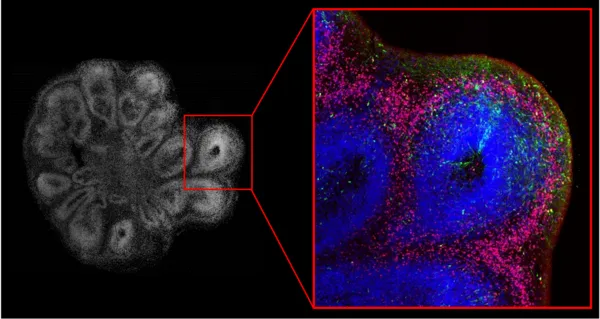
Prof. Dr. Simon Schäfer leads the Schäfer Lab at the Technische Universität München , focusing on engineering advanced organoid systems to study human brain development, disease modeling, and repair mechanisms. His work bridges stem cell biology, gene editing, and bioengineering to develop personalized therapies for brain disorders. Stem Cell & Organoid Technology Neurodevelopmental Mechanisms Neurodegenerative Disease Models Gene Editing & Neuroimmune Interactions Translational Neuroscience Recent research emphasizes brain organoid development, microglia phenotypes, and neurodevelopmental timing anomalies in autism. His team’s work also explores zika virus interactions with glioblastoma stem cells and neuronal plasticity in psychiatric disorders. Scientific awards and funding include support from the Deutsche Forschungsgemeinschaft (DFG), Brain & Behavior Research Foundation (BBRF), and Munich Cluster for Systems Neurology (SyNergy). Collaborations span institutions like the TUM Center for Organoid Systems. Advises 6 students (2 PhD, 1 MSc, 3 associated) Labs include Schäfer Lab, COS@TranslaTUM Contact: simon.schafer@tum.de
Prof. Dennis Komm is an Associate Professor at ETH Zurich's Department of Computer Science, leading the group for Algorithms and Didactics. He chairs the Center for Computer Science Education (ABZ) and serves on committees such as the Swiss Maturity Board (Schweizerische Maturitätskommission) and the STEM Commission of the Swiss Academies. Previously, he held roles at RWTH Aachen University (Master's, 2008), ETH Zurich (PhD, 2012), University of Zurich (external lecturer, 2014–2020), and PH Graubünden (including department head and professor of 'Fachdidaktik Informatik'). Education: He completed a Master's in Computer Science at RWTH Aachen (2008), a PhD at ETH Zurich (2012), and studies in Information Technology at Queensland University of Technology (2006). His academic journey includes visiting roles at King's College, Stanford, and Comenius University. He has taught extensively across institutions, emphasizing Python and LOGO-based approaches for beginners. Research focuses on algorithm design, approximation algorithms, reoptimization, and advice complexity in theoretical CS. His work in education explores computational thinking, programming pedagogy (especially for K–12), and interdisciplinary approaches (e.g., robotics in math). Recent trends in his articles highlight advancements in online algorithms, optimization under dynamic conditions, and initiatives to integrate CS into Swiss school curricula sustainably. He actively promotes CS education through platforms like WebTigerPython and collaborates on projects such as CyberQuest and MINTerlink. His outreach includes organizing conferences (e.g., STIU 2025) and workshops on programming and cybersecurity for teachers and students. Despite no listed scientific awards, his contributions to education and theoretical CS are recognized through editorial roles in journals like Informatics in Education and contributions to the TigerJython Group. Grant-related advising includes co-supervising doctoral theses on robotics, USOs, and programming didactics. He advocates for equitable educational opportunities via the Passerelle exam and the Swiss Beaver Competition. His team's work spans teacher training, didactic certifications, and bridging university-school collaborations through initiatives like MINTerlink. Labs and teams: Head of ABZ (ETH's CS education center), collaborator with the Computational Robotics Lab, and part of the TigerJython Group. He also co-organizes the Colloquium on Mathematics, Computer Science, and Education with ETH's Mathematics Department.
Prof. Veronika Somoza is a leading academic in Nutritional Systems Biology, currently affiliated with the University of Vienna and Technical University of Munich (TUM). She holds a professorship in Molecular Food Science and has led key research groups such as the Institute of Physiological Chemistry and the Christian Doppler Laboratory for Bioactive Aromatics. Her career includes roles at institutions like the German Research Institute for Food Chemistry (Garching) and the University of Wisconsin-Madison. Education: Diplom (Justus Liebig University Giessen, 1991), PhD (University of Vienna, 1995), Habilitation (Kiel University, 2002) Research Focus: Bioactive food compounds, flavor chemistry, taste receptor signaling, and gastrointestinal physiology Her work bridges food science and human health, particularly in understanding how food ingredients influence digestion, inflammation, and disease. Notable contributions include discoveries on bitter peptide effects on gastric acid secretion and flavor perception modulation. Awards: FEMA Excellence in Flavor Science (2016), ACS AGFD Fellow (2020), Hans Adolf Krebs Prize (2004) Prof. Somoza has pioneered methodologies in atomic force microscopy for foodborne virus detection and developed bitterness-masking compounds for pharmaceuticals. Her interdisciplinary approach integrates nanobiophysics with nutrition to advance functional food design and clinical applications.
Brian Hie is an Assistant Professor of Chemical Engineering at Stanford University , a Dieter Schwarz Foundation Stanford Data Science Faculty Fellow , and an Innovation Investigator at Arc Institute . He leads the Laboratory of Evolutionary Design , focusing on the intersection of biology and machine learning . His prior roles include a Stanford Science Fellow in the Stanford University School of Medicine and a Visiting Researcher at Meta AI . Education: Ph.D. , Electrical Engineering and Computer Science , Massachusetts Institute of Technology (2021) Bachelor’s Degree , Stanford University Research Interests: Brian’s work bridges machine learning and computational biology , with a focus on protein engineering , single-cell RNA sequencing , and viral evolution . His Evolutionary velocity framework predicts protein evolutionary dynamics across timescales, while his Scanorama algorithm enables efficient integration of heterogeneous single-cell datasets. He also develops structure-informed language models for antibody optimization and uncertainty-aware ML for biological discovery. Publication Trends: His recent work (2023) emphasizes structure-based inverse folding for antibody evolution, evolutionary scale modeling , and unsupervised optimization . Earlier studies (2022-2021) cover evolutionary velocity , multi-modal single-cell analysis , and viral escape prediction using natural language analogies. Scientific Awards: Stanford Science Fellow (2021) National Defense Science and Engineering Graduate Fellowship (2019) Advising: He mentors doctoral students including Brandon Ameglio , Garyk Brixi , and Chang M. Yun , with a focus on biological design and computational methods . Labs & Collaborations: His lab collaborates with Bio-X and the Institute for Human-Centered Artificial Intelligence (HAI) , and he maintains affiliations with Sarafan ChEM-H and Stanford Data Science .
Nicolas Federico Martin is an Associate Professor in the Department of Crop Sciences at the University of Illinois at Urbana-Champaign, with additional appointments as Associate Professor in the Center for Latin American and Caribbean Studies, Center for Digital Agriculture, and the National Center for Supercomputing Applications (NCSA). His interdisciplinary work bridges traditional agricultural science with cutting-edge computational approaches. Dr. Martin's research focuses on the intersection of agriculture and data science, with particular emphasis on: Precision agriculture and on-farm experimentation methodologies Machine learning applications for crop management and yield prediction Nitrogen and nutrient management optimization Soybean and corn breeding and production systems Remote sensing and UAV applications in agriculture Sustainable agricultural practices including cover crop management His publication record demonstrates a clear trajectory toward increasingly sophisticated integration of artificial intelligence with agricultural science. Recent work shows heavy emphasis on using machine learning algorithms (particularly reinforcement learning, convolutional neural networks, and generalized additive models) to solve practical farming challenges related to crop management decisions, yield prediction, and resource optimization. This research has significant implications for both scientific understanding of crop-environment interactions and practical farm management. Dr. Martin actively collaborates across disciplines and institutions, as evidenced by his extensive co-authorship network spanning agronomy, computer science, environmental science, and economics. His work has garnered attention from numerous news outlets and social media platforms, indicating its relevance to current agricultural challenges. He is a key contributor to the Data-Intensive Farm Management project, which aims to transform agronomic research through on-farm precision experimentation. His affiliation with NCSA provides access to high-performance computing resources essential for processing large agricultural datasets. Additionally, his work in Latin American agriculture (particularly in Mexico and Argentina) reflects his commitment to addressing global food security challenges.
Dr. Naseem Choudhury is a Professor of Psychology and Neuroscience at Ramapo College of New Jersey, affiliated with the School of Social Science and Human Services (SSHS). She holds a Ph.D. in Experimental Psychology from the University of Vermont. Her research focuses on the neural basis of infant information processing, particularly how perceptual abilities influence typical and atypical development, with an emphasis on familial and sociocultural factors. Her work spans auditory processing in infants at risk for developmental language disorders, electrophysiological studies in children with autism, and cross-cultural analyses of artistic perception. She directs the Palestroni Integrated Neuroscience Lab, exploring neural mechanisms underlying cognitive development. Dr. Choudhury has published extensively in journals like Journal of Neuroscience and Developmental Cognitive Neuroscience , with over 50 peer-reviewed articles since 2002. Her studies often involve ERP and EEG methodologies to track developmental milestones and intervention efficacy in high-risk populations. Her research demonstrates that early auditory experiences shape prelinguistic acoustic mapping and that neuroplasticity interventions improve outcomes for language-impaired children. She collaborates internationally on projects linking sensory perception to linguistic outcomes, particularly in Italian and bilingual populations. Dr. Choudhury’s contributions bridge basic neuroscience and clinical applications, emphasizing early screening and preventive strategies for developmental disorders.