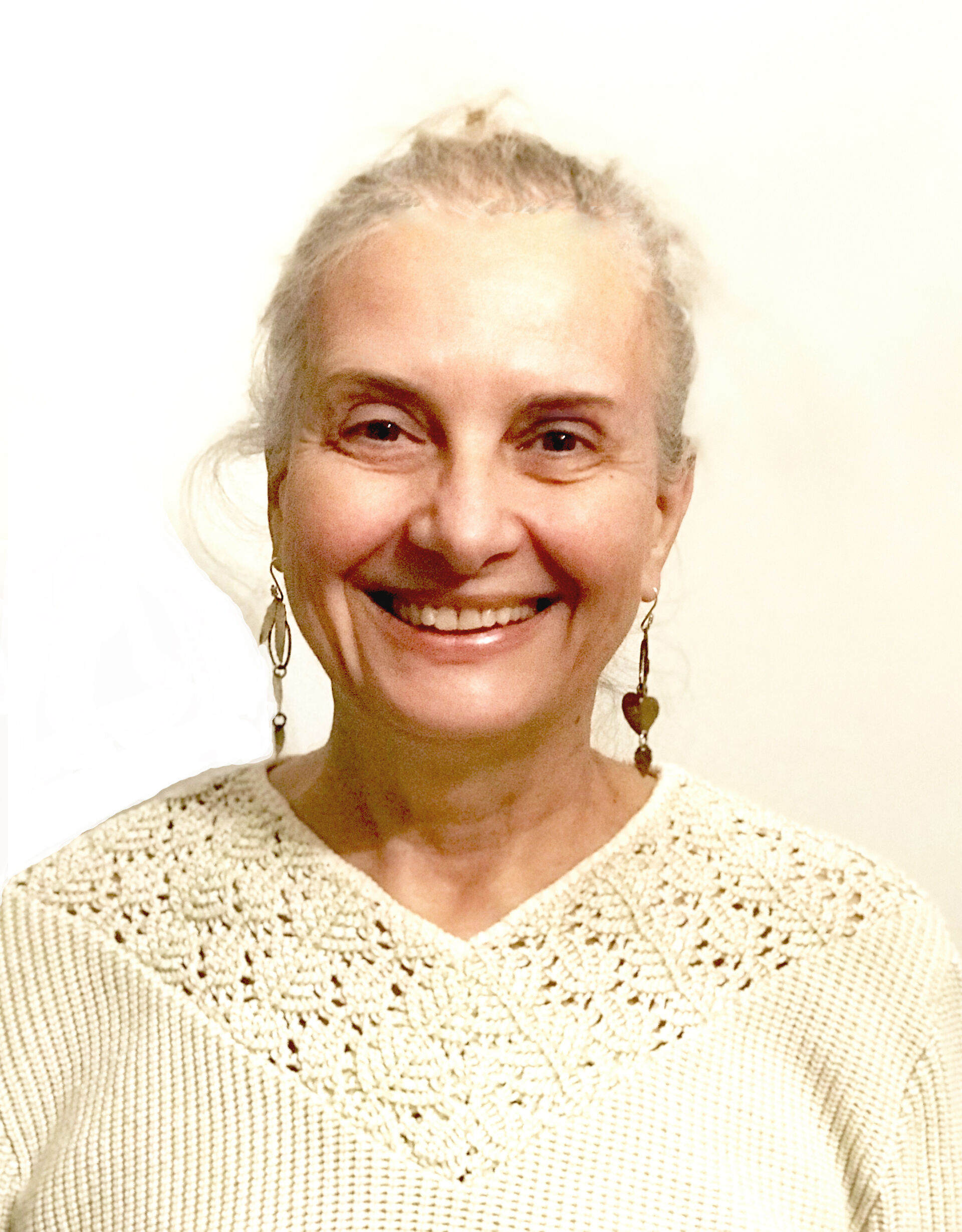
Morten Hovd is a Professor at the Department of Engineering Cybernetics, Norwegian University of Science and Technology (NTNU). His work focuses on advanced control systems, particularly in model predictive control, optimization, and power electronics. He has contributed to control design for uncertain systems, bilinear models, and modular multilevel converters. Research Interests Control Theory and Model Predictive Control (MPC) Optimization Techniques in Control Systems Power Electronics and Smart Grid Applications Stability Analysis of Hybrid and Discrete-Time Systems Teaching TTK4210 - Advanced Control of Industrial Processes TK8118 - Mini-seminar in Cybernetics
Trine Grønhaug Halvorsen is a Professor at the University of Oslo's Department of Pharmacy, within the Faculty of Mathematics and Natural Sciences. Her research focuses on developing innovative analytical methods for protein analysis in complex biological samples using mass spectrometry. She specializes in sample preparation techniques, smart sampling strategies, and biomarker quantification. Education: PhD in Drug Analysis (2003), Cand.pharm. (1998) Awards: Publication Award (2001) for pioneering liquid-phase microextraction work Research interests include molecularly imprinted polymers, antibody-based capture methods, and electromembrane extraction. Her work emphasizes improving analytical sensitivity and speed for low-abundance proteins in clinical and biomedical contexts. Recent articles highlight advancements in smart samplers, dried blood spot analysis, and LC-MS-based protein quantification. These studies address challenges in biomarker detection and clinical diagnostics. Labs/Teams: Pharmaceutical Analytical Chemistry Group, SmartProteinAnalysis@UiO Teaching: Courses in bioanalytical chemistry, drug analysis, and sample preparation
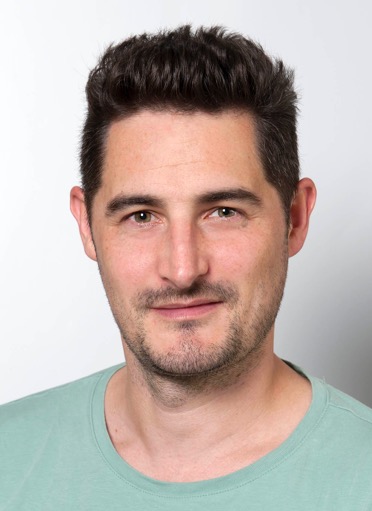
Xuan Zhang is an Associate Professor at the Department of Information and Communication Technology, University of Agder. His research focuses on Tsetlin Machines, learning automata, and their applications in machine learning, computer vision, and hyperspectral imaging. Research Trends: Zhang’s recent work includes developing interpretable machine learning models (e.g., Tsetlin Machines), optimizing convolutional architectures for image processing, and applying automata theory to solve multi-armed bandit problems and channel selection in cognitive networks. His field spans theoretical analysis and practical implementations in AI, remote sensing, and health informatics. Scientific Contributions Co-developed advanced Tsetlin Machine variants for XOR/NOT operator convergence, disease forecasting, and image restoration Published in journals like IEEE Transactions on Pattern Analysis and Machine Intelligence , Information Sciences , and Applied Intelligence Explored Bayesian pursuit algorithms, hierarchical learning automata, and particle swarm optimization techniques Contact: xuan.zhang@uia.no
Elisabeth Wetzer is an Associate Professor in Machine Learning at the Department of Physics and Technology, UiT The Arctic University of Norway. Her research bridges artificial intelligence with healthcare applications, focusing on multimodal image registration, bias mitigation in AI, and physics-informed learning models. Current Role: Associate Professor, Machine Learning Group Research Themes: AI ethics, medical imaging, cross-modal representations, algorithmic fairness Her recent work explores technical challenges in PET imaging analysis and societal implications of AI bias. Collaborative projects span medicine, mathematics, and computer science disciplines. Key scientific contributions include: Physics-informed deep learning for PET image data Studies on multi-task learning efficacy in medical classification Research on gender bias in algorithmic systems She actively participates in diversity initiatives and public outreach, including presentations at Nobel laureate conferences and media engagements on AI ethics.
Hans Jonas Fossum Moen is an Associate Professor with a 20% appointment at the Department of Technology Systems, University of Oslo (UiO), and holds a 100% position as a researcher at the Norwegian Defence Research Establishment (FFI). His primary affiliation is with the Section for Autonomous Systems and Sensor Technologies. He is based at the Kjeller campus, with a visiting address at Gunnar Randers Road 19 and a postal address at Postboks 70. His research focuses on advancing autonomous systems and sensor technologies, particularly in the domains of swarm robotics, multi-agent coordination, and optimization algorithms. Key areas include UAV navigation, distributed localization in IoT networks, radar detection enhancement, and adaptive control systems for multi-functional swarms. He emphasizes the integration of biological principles into robotic systems, as evidenced by his participation in the ICRA 2018 Workshop on Swarms. His publications consistently highlight contributions to swarm intelligence, with a focus on improving data quality and efficiency in robotics applications. He has collaborated extensively with colleagues such as Kyrre Glette, Oleg Yakimenko, and Jan Dyre Bjerknes, exploring topics ranging from task allocation in multi-agent systems to evolutionary algorithms for filter optimization. His work bridges theoretical computer science with practical engineering challenges in autonomous systems. No scientific awards have been explicitly mentioned in the provided texts. Moen’s advising and grants narrative indicates no listed advisees or active grant projects, though his 20% UiO position suggests potential involvement in academic supervision. His primary research activities are embedded within FFI and the Autonomous Systems section at UiO, contributing to interdisciplinary efforts in sensor technologies and robotic systems.
Christian Hirsch is an Associate Professor for Data Science and Statistics at Aarhus University, where he studies random networks motivated from biology and health sciences through techniques from topological data analysis and stochastic geometry. He is a member of the Stochastics group at the Department of Mathematics and holds additional affiliations as an Associate Fellow of the Aarhus Institute for Advanced Studies, and with the AU DIGIT Centre and the AU Quantum Campus. Current Position: Associate Professor for Data Science and Statistics, Aarhus University Previous Positions: Assistant Professor at University of Groningen and University of Mannheim Postdoctoral Experience: Aalborg University, LMU Munich, WIAS Berlin Education: PhD from Ulm University Christian Hirsch's research focuses on the statistical foundations of topological data analysis, large deviations theory in stochastic geometry, and percolation theory of spatial random networks. His work bridges theoretical mathematics with practical applications in data science, particularly in analyzing complex structures through topological methods. He investigates how topological features form and disappear in growing data structures, developing statistical tests to determine whether observed patterns are significant or merely random occurrences. His recent publications reveal a strong trend toward applying topological data analysis to increasingly complex structures, with significant focus on statistical validation of topological features. Hirsch has made substantial contributions to understanding the probabilistic behavior of persistent homology, developing functional central limit theorems and large deviation principles for topological functionals. His work spans theoretical foundations in stochastic geometry while finding applications in materials science, neural networks, and wireless communication systems. As an educator, Hirsch teaches graduate courses including Topological Data Analysis, Stochastic Geometry, Monte Carlo Simulation, Markov Decision Processes, Probability Theory, and Stochastic Processes. He has supervised numerous PhD, MSc, and BSc students, with several of his former students securing academic positions at institutions like University of Leiden, Tokyo Institute of Technology, and Budapest University of Technology. Hirsch leads a research group within the Stochastics group at Aarhus University, collaborating extensively with researchers across Europe and North America. His work demonstrates how topological methods can provide rigorous statistical insights into complex data structures, making significant contributions to both theoretical mathematics and practical data analysis techniques.
Alvaro Köhn-Luque is an Associate Professor at the Oslo Center for Biostatistics and Epidemiology, University of Oslo, and Group Leader at the Department of Medical Genetics, Oslo University Hospital. His work bridges mathematical modeling with clinical applications, particularly in cancer research. His academic background includes a PhD in Mathematical and Computational Biology from Complutense University of Madrid (2012), preceded by multiple Master's degrees in Mathematics and Physics from Spanish universities. Dr. Köhn-Luque's research focuses on mathematical oncology , developing computational models to understand cancer dynamics and improve treatment strategies. His work spans multiscale modeling of tumor growth, personalized cancer medicine through computer simulations, and biomarker discovery using machine learning approaches. He has made significant contributions to modeling breast cancer progression and treatment response, particularly in the context of endocrine therapy and CDK4/6 inhibition. His recent publications demonstrate a strong trend toward integrating mechanistic learning approaches that combine mathematical models with machine learning techniques. This hybrid methodology allows for more accurate prediction of treatment outcomes while maintaining biological interpretability. His work frequently involves collaboration with clinical researchers to ensure models are grounded in real patient data and have direct translational potential. Computational modeling of tumor heterogeneity and drug response Development of methods for phenotypic deconvolution in cancer cell populations Integration of multi-omics data for personalized treatment prediction Application of birth-death processes to model tumor evolution Creation of user-friendly computational tools for biomedical researchers Dr. Köhn-Luque has supervised multiple PhD students including Even M Myklebust, Salim Ghannoum, and Xiaoran Lai, and has secured funding for projects including RESCUE, BigInsight, and Integreat. His research demonstrates a consistent trajectory from theoretical mathematical biology toward increasingly clinically relevant applications in personalized cancer medicine.
Emily Annika Burger is a Professor at the Department of Health Management and Health Economics, University of Oslo, where she leads research on health economics and cancer prevention. She holds a PhD from the University of Oslo and maintains a joint appointment as Research Scientist at Harvard T.H. Chan School of Public Health. Her education includes an MPhil from the University of Oslo and a BS from the University of Denver. Her research applies mathematical modeling to evaluate health policies, with emphasis on HPV vaccination strategies, cervical cancer screening, and cost-effectiveness analyses in global health contexts. Primary interests include optimizing prevention programs, health technology assessment, and addressing healthcare disparities. Recent publications demonstrate a focus on modeling vaccination impacts during pandemics, health economic evaluations of cancer interventions, and innovative screening methodologies. Her work frequently employs microsimulation models to project long-term public health outcomes. Awards and Honors 2023 Cancer Society of Norway Young Researcher Award 2024 University of Oslo Award for Young Researchers She leads multiple international collaborations, including projects with the Cancer Registry of Norway and Harvard Chan School. Her research group focuses on economic evaluation methodologies for healthcare technologies.
Alexander Refsum Jensenius is a Professor of Music Technology and Director of the RITMO Centre for Interdisciplinary Studies in Rhythm, Time and Motion at the University of Oslo. He also leads the fourMs Lab and co-founded the MishMash Centre for AI and Creativity. His work bridges musicology, psychology, and technology, focusing on embodied music cognition, human motion analysis, and creative applications of AI. Notably, he pioneered research on air guitar motion and human micromotion through projects like the Oslo Standstill Database . Educated at the University of Oslo (BA in Music and Mathematics, MA in Musicology) and Chalmers University of Technology (MSc in Applied IT), Jensenius holds a PhD in Music Technology from UiO. He has held visiting researcher roles at UC Berkeley, McGill University, and KTH. Leadership roles include Department of Musicology Head (2013–2016) and Steering Committee Chair for the International Conference on New Interfaces for Musical Expression (NIME, 2011–2022). Research interests span music-related body motion, AI in creative contexts, and open research practices. Key contributions include the Music Moves and Motion Capture MOOCs, the Musical Gestures Toolbox software, and monographs like Sound Actions and Sonic Design . His work emphasizes interdisciplinary collaboration, with projects addressing ventilation systems' acoustic properties and cell culture vibrational effects. Awards include the European Open Data Champion recognition. He advocates for open science and maintains extensive digital archives of research materials, emphasizing institutional web pages as critical research infrastructure.
Eirik Valseth is an Associate Professor of Scientific Computing at the Norwegian University of Life Sciences (NMBU), Department of Data Science. He holds concurrent roles as a research associate at the Oden Institute, University of Texas at Austin, and an affiliated researcher at Simula Research Laboratory (Department of Numerical Analysis and Scientific Computing). His expertise lies in advanced finite element methods for PDEs with applications in flood modeling and hydropower systems. Current Affiliation: NMBU (Norwegian University of Life Sciences) Secondary Affiliations: Oden Institute (UT Austin), Simula Research Laboratory Research interests span numerical methods for challenging PDE systems, including: Stabilized finite element formulations Hurricane storm surge and riverine flood modeling Hydropower infrastructure analysis Computational mechanics and applied mathematics His recent publications (2024–2025) emphasize flood risk assessment (compound flooding, dam breaks, dredging impacts), advanced numerical methods (isogeometric analysis, stochastic finite elements, graph-grammar algorithms), and environmental applications (pollution transport, pathogen distribution, mosquito population dynamics after hurricanes). Key trends include cross-disciplinary integration of physics-aware machine learning and robust hydrodynamic simulation tools. Valseth's work extends to software development (e.g., WAVEx for spectral wave models, SWEMniCS for coastal circulation) and large-scale modeling frameworks like the ADCIRC unstructured mesh model for US coasts. Collaborative projects involve institutions such as University of Texas at Austin, Simula, and NOAA.
Arnoldo Frigessi is Professor of Statistics at the University of Oslo, where he leads the Oslo Center for Biostatistics and Epidemiology and serves as director of BigInsight—a Centre of Excellence for Research-Based Innovation. This consortium unites industry, business, public actors, and academia to develop model-based machine learning methodologies for big data, with strong emphasis on health applications. His research centers on statistical methodology driven by real-world scientific challenges, specializing in stochastic models for complex dependence structures and computationally intensive inference algorithms. Core application domains include: Genomics and personalized cancer therapy (particularly breast and lung cancer) Infectious disease modeling (including pandemic response) eHealth, sensor data analysis, and recommender systems Personalized marketing and viral diffusion dynamics Analysis of his 15 most recent publications (2024-2025) reveals dominant themes in cancer systems biology , where he integrates multi-omics, single-cell transcriptomics, and computational modeling to decode tumor evolution under therapy. Parallel work advances infectious disease epidemiology through time-varying reproduction number estimation and mobility-based transmission modeling, while methodological innovations span synthetic data generation (TVineSynth), causal inference via target trial emulation, and Bayesian ranking models for recommender systems. Scientific Awards: No specific awards mentioned in source materials Frigessi actively supervises graduate students, including a Department of Informatics project on "Utilizing covariate information in recommender systems." His leadership of BigInsight—funded as a Research-Based Innovation Centre by the Research Council of Norway—secures major grants supporting interdisciplinary collaborations with industrial partners (e.g., Telenor, DNB) and public health institutions. Current projects integrate real-world clinical data with mechanistic models for treatment optimization. He directs BigInsight's multidisciplinary team of statisticians, computer scientists, and domain experts, while leading the Oslo Center for Biostatistics and Epidemiology's efforts in developing statistical frameworks for complex health data. These initiatives drive Norway's national strategy for data-driven health innovation.
Sverre A. C. Kittelsen is a Senior Research Fellow at the Frisch Centre and holds a Professor II position at the Department of Health Management and Health Economics (HELED) within the Institute of Health and Society at the University of Oslo. His academic career spans over three decades with a Doctor Politicae (Dr.Polit.) in Economics from the University of Oslo (1998) and a Cand.Polit. in Economics from the University of Bergen (1985). His primary research interests include Production theory, Efficiency measurement, Regulation, Health Economics, and Energy Economics. Kittelsen has established himself as a leading researcher in Nordic healthcare efficiency analysis, particularly focusing on hospital productivity, quality assessment, and the economic implications of healthcare reforms across Scandinavian countries. He has also made significant contributions to energy economics, especially regarding European energy markets and climate policy. His recent publication record demonstrates remarkable productivity with 15+ publications since 2017, showing consistent scholarly output across health economics and energy economics. The research trends indicate a strong focus on empirical analysis of healthcare systems using advanced econometric methods, particularly data envelopment analysis (DEA) and productivity measurement techniques. His work frequently involves cross-national comparative studies within the Nordic region, examining how different healthcare organizational structures affect efficiency and quality outcomes. Kittelsen has been involved in numerous research projects related to public sector efficiency, including hospital productivity studies, tax office efficiency analysis, and energy market modeling. His work often bridges theoretical economic concepts with practical policy implications for healthcare and energy sectors. His institutional affiliations with both the Frisch Centre (a prominent Norwegian economic research institute) and the University of Oslo position him at the nexus of academic research and policy-relevant analysis. This dual affiliation enables him to contribute both to theoretical economic literature and to practical policy discussions in Norway and the broader Nordic region.
Tønnes Nygaard is an Associate Professor at the Department of Technology Systems, University of Oslo, affiliated with the Faculty of Mathematics and Natural Sciences. His research focuses on evolutionary robotics, morphological adaptation, and embodied artificial intelligence. He leads projects like COCOMO (Co-evolution of Control and Morphologies) and works extensively with the DyRET (Dynamic Robot for Embodied Testing) platform. Key research interests include robot control systems, adaptive morphology design, and real-world implementation of evolutionary algorithms. His work bridges theoretical computer science with practical robotics applications, emphasizing hardware-software co-evolution and embodied cognition principles. Publications span topics like morphological adaptation in quadruped robots, semi-supervised learning for terrain classification, and overcoming convergence issues in multi-objective evolutionary algorithms. Nygaard collaborates internationally and contributes to both academic journals and conferences in robotics and AI. No scientific awards are explicitly listed, though his impactful contributions to real-world evolutionary robotics suggest potential recognition pending explicit mentions. Advising and grant activities are central to his role, though specific student names or grant amounts are not detailed in the provided texts. Labs/Teams: Core contributor to the DyRET project and affiliated with the Section for Autonomous Systems and Sensor Technologies at UiO.
Alma Leora Culén is a Professor in the Design of Information Systems at the Department of Informatics, University of Oslo, part of the Faculty of Mathematics and Natural Sciences. She holds a prominent role in advancing sustainable interaction design, research through design methodologies, and transformative design practices focused on societal transitions. Her academic journey includes contributions to HCI education reform, emphasizing ethical and sustainable design principles. Culén has pioneered projects like 'Plurishop' exploring sustainable smartphone alternatives and 'Transition Design' approaches for mitigating democratic erosion. She actively engages in interdisciplinary collaborations through research groups such as DESIGN and Design4Dem. Key research interests span sustainable technology, participatory design processes, and leveraging AI for complex design mediation. Her work often intersects with societal challenges like climate action, youth engagement in socio-technical systems, and rural sustainability initiatives. Culén's pedagogical innovations include intensive design courses and speculative installations for civic education. She leads projects funded by the Norwegian Research Council, focusing on sustainable consumption patterns and MaaS solutions for rural areas. Notable collaborations include international design research societies and EU-funded sustainability initiatives. Her lab activities emphasize participatory prototyping and transition design frameworks, with a focus on vulnerable populations such as chronically ill youth and elderly users. Culén's work bridges academic research with real-world impact through partnerships with libraries, municipalities, and tech industries.
Jan Olav Høgetveit is an Associate Professor in the Department of Physics at the University of Oslo (UiO), within the Faculty of Mathematics and Natural Sciences. He also serves as Head of Research & Development in the Department of Biomedical and Clinical Engineering at Rikshospitalet, Norway’s national hospital. His work bridges physics and clinical practice, focusing on medical instrumentation. Education: Bachelor of Electronic Engineering (Technical Cybernetics), Oslo University College, 1993 Master of Electronics, University of Oslo (Department of Physics), 1997 Ph.D. in Physics (Technology Applications for Medical Devices), University of Oslo, 2008 Research Interests: Høgetveit specializes in biomedical instrumentation and clinical engineering, particularly in surgical technology and wireless communication impacts on medical devices. His work addresses challenges like real-time physiological monitoring during heart-lung machine use, non-invasive blood glucose detection, and bioimpedance-based viability assessment of organs. He emphasizes interdisciplinary collaboration between engineering and medicine to enhance patient safety and surgical outcomes. Scientific Contributions: His research trends span bioimpedance applications in ischemia/reperfusion injury, machine learning for surgical decision support, and electrosurgery safety. He has explored ventilator optimization during pandemics and implant-related thermal risks. Contributions highlight both hardware development (e.g., optically isolated current sources) and software innovations (e.g., neural networks for viability prediction). Awards: No scientific awards explicitly mentioned in the text. Advising & Grants: Høgetveit received a 1998–2001 research council scholarship. As Head of R&D since 2001, he oversees translational projects. No formal advisees/students listed, though he collaborates extensively with teams on device development and clinical trials. Labs & Teams: Affiliated with UiO’s Department of Physics and Rikshospitalet’s Biomedical and Clinical Engineering department. Active in the Electronics research group at UiO. Engages with multidisciplinary teams addressing surgical instrumentation and physiological monitoring challenges.


/hjmoen/j.png)

/tonnesfn/t.jpg)