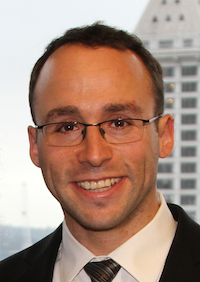
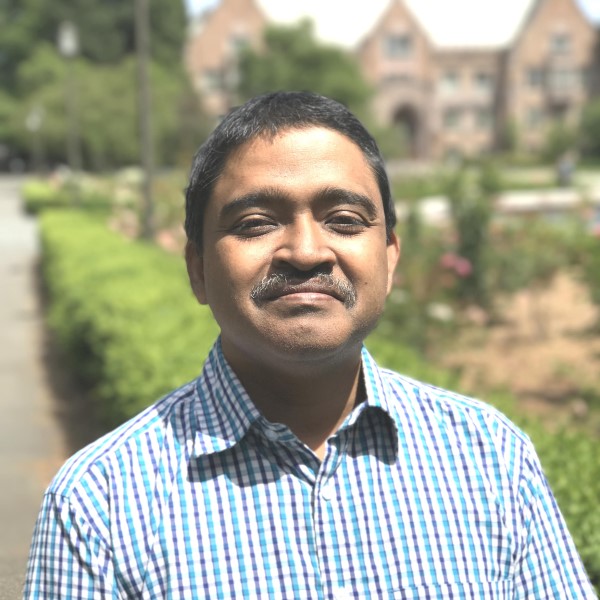
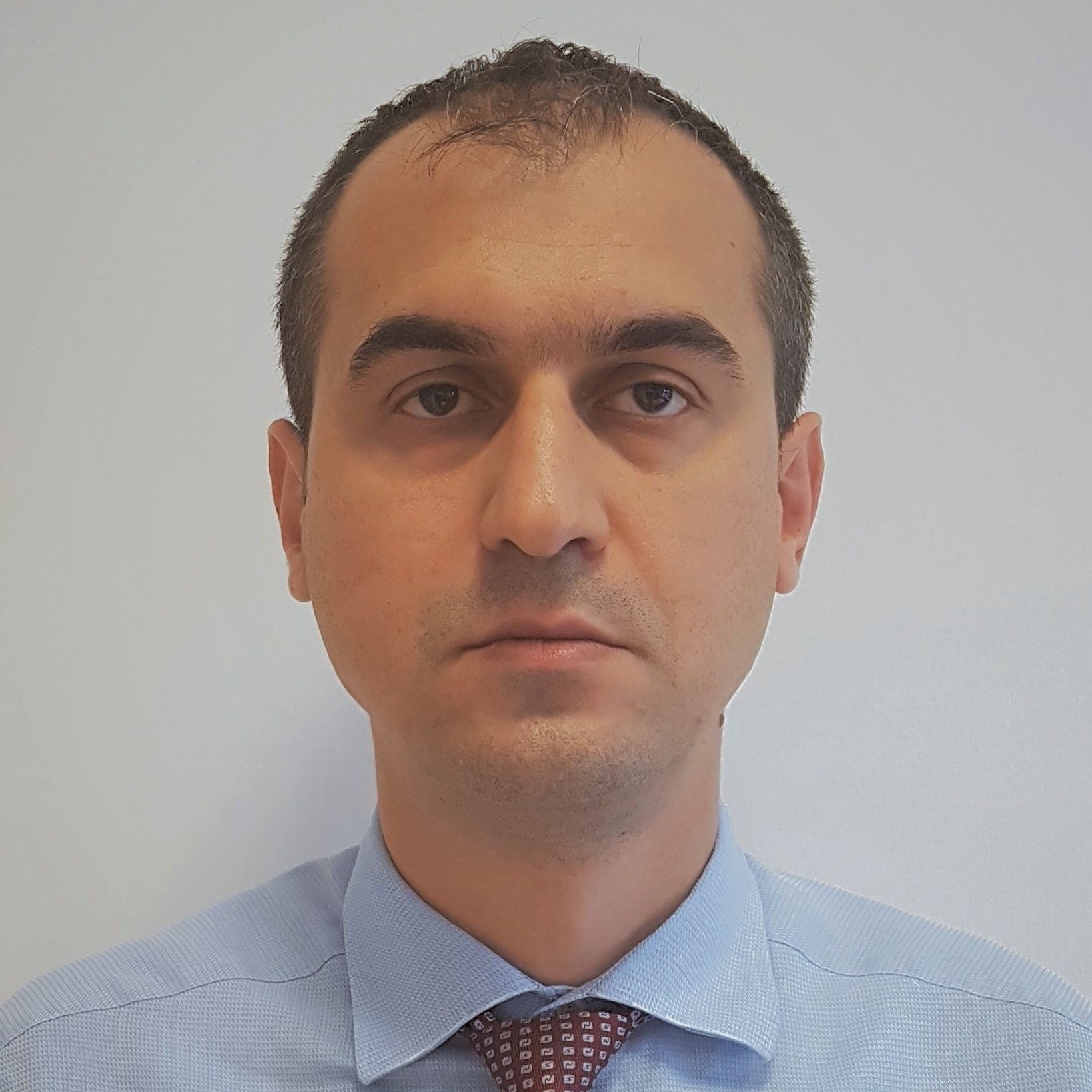
Laurent Daudet is a Professor of Physics at Université Paris Cité (on leave) and CTO & co-founder of LightOn, a startup developing optical computing technologies. His research spans signal processing, wave physics, and machine learning, with a focus on scalable AI solutions. He holds a PhD in Applied Mathematics from Marseille University and is a graduate of École Normale Supérieure in Paris. Research Interests: Laurent’s work bridges academia and industry, addressing challenges in massive-scale AI, optical computing, and hardware optimization. He leads cross-disciplinary R&D projects at LightOn, advancing technologies like the Optical Processing Unit (OPU) for low-power, parallel computing. Awards: Fellow of the Institut Universitaire de France Grants & Advising: Over 200 scientific publications and patents; collaborates globally with researchers and engineers. Former academic roles include Visiting Senior Lecturer at Queen Mary University of London and Visiting Professor at the National Institute for Informatics (Tokyo). Labs & Teams: Leads LightOn’s R&D initiatives, integrating optics, ML, electronics, and software engineering to tackle AI scalability challenges.
Professor Bing Chu is an academic at the University of Southampton, actively contributing to research in control systems, robotics, and machine learning. They are a member of the Vision, Learning and Control Centre for Internet of Things and Pervasive Systems and the Centre for Robotics, focusing on interdisciplinary approaches that combine control theory with data-driven methodologies. Current research interests include: Iterative learning control Human-robot interaction Wind farm power optimization Robot behavior modeling Control system architectures Collaborative learning systems Recent publications highlight trends in data-driven control systems, human-robot interaction datasets, and optimization techniques for both continuous-time systems and wind energy applications. Professor Chu supervises multiple PhD students across robotics and electronic engineering, including Balint Gucsi, Haonan Shen, and Aleksander Wolski, while leading projects funded by Zhengzhou University and the Royal Society.
Christiane Barz is a Professor of Mathematics at the University of Zurich's Institute for Business Administration since 2016. Previously, she held academic roles at the UCLA Anderson School of Management, the Chicago Booth School of Business, and the Technical University (TU) Berlin. Her research focuses on stochastic dynamic systems, Markov decision processes, and their applications in revenue management. She emphasizes making mathematical tools accessible and practical for real-world problem-solving, particularly in optimizing decision-making under uncertainty. Education includes a degree in industrial engineering and a doctorate from the University of Karlsruhe (TH), Germany. Her career path includes postdoctoral research at the University of Chicago's Booth School of Business and roles as an Assistant Professor at UCLA. She combines academic excellence with balancing family life, advocating for gender equity in STEM fields. Her research explores risk-sensitive decision-making frameworks, dynamic pricing models for transportation and healthcare, and optimizing resource allocation in complex systems. Recent work includes applications in FlixBus, air cargo networks, and improving patient admission scheduling in hospitals. Barz's teaching philosophy prioritizes demystifying mathematics for students, encouraging critical engagement rather than fear of complexity. She collaborates with industry partners to apply operations research methods to real-world challenges, emphasizing both theoretical rigor and practical relevance.
Dr. Olga Yakusheva is a Professor of Nursing at the Johns Hopkins School of Nursing and an economist specializing in health services research. She serves as the Economics Editor for the International Journal of Nursing Studies (IF=8.6) and has an academic background in mathematics (BS) and economics (MS, PhD), with post-doctoral training at the Yale Schools of Medicine and Public Health. Education: BS in Mathematics, MS and PhD in Economics Post-doctoral training: Health services research at Yale Her research focuses on quantifying the economic value of nursing in patient outcomes, societal impact, and organizational efficiency. She leads national initiatives like the ANA’s Framing and Articulating the Economic Value of the Nursing Profession and advocates for alternative payment models in nursing reimbursement. Scientific awards include induction as an Honorary Fellow of the American Academy of Nursing (2023). She is a principal investigator on two NIH R01 grants and funded by the American Nurses’ Association and Foundation for her work on nursing economics. Dr. Yakusheva co-directs the ANA’s national summit Re-imagining the Economic Value of Nursing and authored a six-part series in Nursing Outlook titled Value-informed nursing practice and leadership .
Dr. Hossein Alizadeh Otorabad is a Research Fellow at the Department of Engineering, School of Computing and Engineering, University of Huddersfield. He joined the Institute of Railway Research (IRR) in 2019 and was promoted to Research Fellow in 2022. His work focuses on finite element analysis, railway engineering, and thermal dynamics in wheel-rail interactions. BSc in Solid Mechanics, Tehran Polytechnic University MSc in Applied Mechanics, Khajeh Nasir Toosi University (2002) PhD in Railway Engineering (2018), focusing on wheel-flat fatigue crack initiation His research expertise spans Railway Engineering , Finite Element Analysis , and Thermal Modeling , with a particular focus on wheel-flat dynamics and fatigue analysis. He has contributed to studies on dynamic load effects in railway crossings, temperature evolution during wheel flat formation, and elasto-plastic behavior in railway wheels. Recent publications show a strong emphasis on Railway Systems (2018-2024), covering topics like: Dynamic load prediction in crossings Thermal analysis of wheel-rail sliding Contact mechanics in flatted wheels Fatigue life evaluation under transient loads His work aligns with UN Sustainable Development Goals for sustainable infrastructure and transportation systems. Scientific Recognition: h-index of 31 (Scopus metrics) 16+ citations for elasto-plastic wheel analysis Contributions to key railway engineering conferences At IRR, he conducts FE analysis, laboratory/field testing of railway assets, hammer testing, and signal processing. He previously received funding from Iran's Ministry of Science for sabbatical research at TU Delft's Material Science and Engineering department.
Andreas Seidel-Morgenstern is a full Professor and Chair holder for Chemical Process Engineering at the Faculty of Process and Systems Engineering, Otto von Guericke University Magdeburg since 1995. He serves as a Scientific Member and Director at the Max Planck Institute for Dynamics of Complex Technical Systems in Magdeburg, leads the research group 'Physical-Chemical Fundamentals of Process Engineering', and has held administrative roles including Dean (2005-2006) and Managing Director (2007-2008, 2015-2016). Education: Diploma in Process Engineering (1982), Leuna-Merseburg University of Applied Sciences PhD in Physical Chemistry (1987), Academy of Sciences of the GDR His research specializes in reactor design, chromatographic reactors, membrane reactors, crystallization, and enantiomer separation. He focuses on mathematical modeling, process simulation, and optimization of chemical systems, with applications in adsorption, heterogeneous catalysis, and transport processes in porous media. Recent publications explore methanol synthesis optimization and multistage reactor control systems, reflecting interests in chemical reaction engineering and sustainable energy processes. His work emphasizes process intensification and modeling-driven optimization. Scientific Recognition: Humanity in Science Award (2015) Max-Buchner-Preis (1999) 4 Faculty Best Dissertation Awards (OvGU) Ehrendoktorates from Lappeenranta University of Technology (Finland, 2008) and Syddansk Universitet (Denmark, 2012) He leads international collaborations with institutions like TU Dortmund, ETH Zurich, University of Manchester, and Syncom (Netherlands), focusing on integrated chemical processes in multiphase systems.
Roummel F. Marcia is a Professor and current Chair of the Department of Applied Mathematics at the University of California, Merced, within the School of Natural Sciences. He received his Ph.D. from UC San Diego under Professor Philip Gill and previously held postdoctoral positions at the San Diego Supercomputer Center and University of Wisconsin-Madison, as well as a research scientist position in electrical engineering at Duke University. His research spans multiple areas in optimization and its applications, with a focus on signal processing, data science, machine learning, linear algebra, and mathematical biology. Dr. Marcia's work has significant interdisciplinary impact, particularly in biomedical imaging, computational biology, and quantum computing applications. His research methodology often combines theoretical optimization approaches with practical applications in data-intensive fields. Dr. Marcia's recent publications demonstrate a strong trend toward integrating optimization theory with deep learning architectures, particularly in applications requiring sparse data handling, biomedical imaging, and quantum computing. His work shows increasing focus on developing novel optimization algorithms specifically designed for machine learning contexts, including quasi-Newton methods adapted for deep learning and specialized techniques for handling non-convex optimization problems. School of Natural Sciences Faculty Award for 'Developing or Improving Academic Programs and Tracks' (2021-22) Leadership roles in SIAM Activity Group on Applied Mathematics Education Recognition as a Math Alliance Mentor for supporting underrepresented students Dr. Marcia has successfully mentored numerous doctoral students to completion, with graduates moving to positions at Meta, Johns Hopkins University Applied Physics Laboratory, Lawrence Livermore National Laboratory, and other prestigious institutions. His research has been consistently funded by major agencies including NSF (with grants IIS 1741490, DMS 1840265, DMS 2229495, CCF 2343610), DARPA, and ARPA-E. As the current graduate chair of the Applied Math Graduate Program, he plays a key role in shaping the next generation of mathematical scientists. His work with the SMaRT (Scientific Mathematics Research and Training) team demonstrates his commitment to collaborative, interdisciplinary research.
Gianni Dal Maso is a Professor of Mathematical Analysis at the International School for Advanced Studies (SISSA) in Trieste, Italy. He has been a faculty member at SISSA since 1985, first as Associate Professor and then as Full Professor since 1987. He has held several leadership positions at SISSA including Head of the Sector of Functional Analysis and Applications (1993-1998, 2001-2010), Deputy Director (2010-2015), and Coordinator of the Mathematics Area (2016-2020). His educational background includes: 1973-1977: Undergraduate student in Mathematics at the University of Pisa and Scuola Normale Superiore 1977: Degree in Mathematics with honors at the University of Pisa (thesis: "Gamma-limits of set functions," advised by Ennio De Giorgi) 1977: "Diploma" in Mathematics from the Scuola Normale Superiore 1977-1981: Post-graduate Research Fellowship in Mathematics ("Perfezionamento") at the Scuola Normale Superiore Dal Maso's research focuses on the Calculus of Variations, with particular emphasis on semicontinuity and relaxation problems, Gamma-convergence, and more recently, free discontinuity problems and their applications to mechanics. His work bridges pure mathematical analysis with practical applications in material science, particularly in plasticity and fracture mechanics. He has developed mathematical frameworks for understanding crack propagation, material failure, and the behavior of solids under stress, contributing significantly to both theoretical foundations and practical modeling approaches in these areas. His extensive publication record shows a clear evolution from foundational work in Gamma-convergence (culminating in his influential book "An Introduction to Gamma-Convergence" in 1993) toward increasingly sophisticated models of material behavior, particularly in fracture mechanics and plasticity. Recent work demonstrates continued innovation in handling complex discontinuities, non-local effects, and multi-scale phenomena in material science applications. Among his notable scientific recognitions: 1982: Stampacchia Prize, awarded by the Scuola Normale Superiore 1990: Caccioppoli Prize, awarded by the Italian Mathematical Union 1996: Medaglia dei XL per la Matematica, awarded by the Accademia Nazionale delle Scienze detta dei XL 2003: Prize of the Minister for the Cultural Heritage for Mathematics and Mechanics, awarded by the Accademia Nazionale dei Lincei 2005: Prize Luigi and Wanda Amerio, awarded by the Istituto Lombardo Accademia di Scienze e Lettere Dal Maso has supervised 42 PhD students at SISSA, demonstrating a strong commitment to academic mentorship. His research has been significantly supported by multiple National Research Projects (PRIN) in Italy, and notably by an ERC Advanced Grant "Quasistatic and Dynamic Evolution Problems in Plasticity and Fracture" (QuaDynEvoPro) from 2012-2017, where he served as Principal Investigator. This major project focused on nonlinear evolution problems in plasticity and fracture, with three main research directions: plasticity with hardening and softening, quasistatic crack growth, and dynamic fracture mechanics. His scholarly activities extend to editorial service, with membership on the boards of numerous prestigious journals including Archive for Rational Mechanics and Analysis, SIAM Journal on Mathematical Analysis, and Journal of Convex Analysis. He has also been active in the mathematical community through membership in scientific committees and academies, including the Accademia Nazionale dei Lincei since 2014.
Bonnie Berger is the Simons Professor of Mathematics at the Massachusetts Institute of Technology and head of the Computation and Biology group at MIT's Computer Science and AI Lab. She holds additional appointments as an Associate Member of the Broad Institute, Faculty member of Harvard/MIT Health Science & Technology, and Affiliated Faculty of Harvard Medical School. Her career has been dedicated to pioneering computational approaches in molecular biology, where she has been instrumental in defining the field. Professor Berger's research focuses on designing algorithms to extract biological insights from large-scale data sets. Her work spans Compressive Genomics, Network Inference, Structural Bioinformatics, Genomic Privacy, and Medical Genomics. She actively collaborates with experimental biologists to maximize the power of computation for biological discovery, developing methods that address the challenges of modern high-throughput biological data. Her recent publications demonstrate a strong trend toward integrating machine learning with structural biology and genomic privacy. The articles show increasing sophistication in using deep learning for protein structure prediction, developing privacy-preserving techniques for genomic data sharing, and creating efficient algorithms for massive biological data sets. Her work bridges theoretical computer science with practical biological applications. Professor Berger's scientific recognition includes: Election to the National Academy of Sciences (2021) ISCB Accomplishments by a Senior Scientist Award SIAM Sonya Kovalevsky Lecture Prize Fellowships in ACM, ISCB, AMS, and other prestigious societies Multiple RECOMB Test of Time Awards NIH Margaret Pittman Director's Award She has mentored numerous students who have gone on to make significant contributions in computational biology, including Ellen Zhong, Yun William Yu, and Hyunghoon Cho. Her lab receives substantial research funding supporting projects in genomic privacy, structural bioinformatics, and compressive algorithms for biological data. Professor Berger serves on the Executive Editorial Board of the Journal of Computational Biology and multiple other editorial boards. The Computation and Biology group at MIT CSAIL, which she leads, is at the forefront of developing computational methods for biological discovery. The group combines expertise in algorithms, machine learning, and biology to tackle fundamental challenges in genomics and structural biology. They are currently organizing the Machine Learning in Structural Biology workshop at NeurIPS 2025, highlighting their leadership in this rapidly evolving interdisciplinary field.
Golnoosh Farnadi is an Associate Professor at the Department of Computer Science and Operational Research at the University of Montreal and an Assistant Professor at the School of Computer Science at McGill University. She holds a Canada-CIFAR Chair in Artificial Intelligence and serves as a Senior Academic Member at Mila - Quebec Institute for Artificial Intelligence. Her interdisciplinary work bridges computer science, operations research, and ethical AI considerations. Her educational background includes a Ph.D. in Computer Science from KU Leuven and Ghent University (2017), followed by postdoctoral positions at the University of Montreal/MILA (2018-2020) and the University of California, Santa Cruz (2017-2018). Her research focuses on algorithmic fairness, responsible AI, deep learning, and probabilistic models, with applications spanning healthcare, recommender systems, and public policy. Farnadi's recent publications demonstrate a strong emphasis on addressing fairness in machine learning systems, with particular attention to cultural diversity in recommender systems, fairness in healthcare optimization (particularly kidney exchange programs), and mitigating hallucinations in large language models. Her work consistently combines theoretical rigor with practical applications, often employing novel mathematical frameworks to tackle complex ethical challenges in AI. Among her notable recognitions are the Google Scholar Award (2021), Facebook Research Award (2021), Google Award for Inclusion Research (2023), and being named one of the 100 Brilliant Women in AI Ethics (2023). She was also recognized as a Rising Star in AI Ethics in 2021. Farnadi supervises numerous graduate students through her EQUAL Lab (EQuity & EQuality Using AI and Learning algorithms), which focuses on developing AI systems that promote fairness and equity. Her teaching includes courses on Responsible AI, Machine Learning, and Trustworthy Machine Learning at both McGill University and HEC Montreal.
Aleksandr (Sasha) Aravkin is Associate Professor in the Department of Applied Mathematics and Adjunct Associate Professor of Health Metrics Sciences, Mathematics, and Statistics at the University of Washington. He serves as Director of Mathematical Sciences at the Institute for Health Metrics and Evaluation (IHME), where he leads the Mathematical Sciences and Computational Algorithms team and contributes to strategic direction for applying mathematical sciences to analytic challenges. Dr. Aravkin earned his PhD in Mathematics (Optimization) and MS in Statistics from the University of Washington in 2010, following a BSc in Mathematics and Computer Science in 2004. His educational background forms the foundation for his interdisciplinary research approach. His research expertise spans large scale optimization, machine learning, data science, convex and variational analysis, algorithm design, robust statistics, inverse problems, and uncertainty quantification . These methodologies are applied across diverse domains including health metrics, computational medicine, tracking and navigation, seismic imaging, computational finance, and neuroscience. Dr. Aravkin has pioneered approaches for fusing physics-based and data-driven models, enabling innovative solutions to complex problems. Dr. Aravkin's publication record demonstrates a strong focus on health metrics and Global Burden of Disease studies, with recent work emphasizing meta-analytic approaches for risk-outcome relationships. His research spans epidemiological modeling, health effects of various exposures, and forecasting disease burden across populations. The publications reveal a consistent pattern of high-impact work in top journals including The Lancet and Nature Medicine, often addressing critical public health questions through rigorous statistical and mathematical frameworks. At IHME, Dr. Aravkin has led significant projects including the Burden of Proof Studies (2019-2024) which analyzed 153 risk-outcome pairs, and COVID-19 Modeling (2020-2023) where his team developed forecasting models and excess mortality estimation methods. He has also been instrumental in developing the Evidence Score model, requiring novel algorithmic approaches. His work bridges theoretical mathematical sciences with practical applications to improve global health policy and practice.
Martin Nilsson Jacobi serves as President and CEO of Chalmers University of Technology, holding the position of the institution's fourteenth President since September 2023. He simultaneously maintains his academic standing as Professor of Complex Systems at the university, demonstrating his dual commitment to academic leadership and scholarly work. Professor Nilsson Jacobi's research portfolio spans theoretical physics, complex systems theory, and ecological applications. His work bridges multiple disciplines, creating innovative approaches to understanding natural systems through mathematical and computational frameworks. His research trajectory shows an evolution from theoretical physics to complex ecological systems, with particular emphasis on spatial patterns, ecosystem stability, and marine conservation strategies. His scholarly output demonstrates consistent productivity across multiple domains. The most recent publications (2020-2022) focus on complex ecological communities, spatial coherence in heterogeneous landscapes, and species-area relationships, while earlier work (2010-2015) explored self-assembly systems, hierarchical dynamics, and theoretical approaches to complex systems. This progression reflects his ability to apply fundamental theoretical concepts to increasingly complex real-world ecological challenges. Lifetime member of the Swedish Royal Academy of Engineering Sciences (IVA) Professor Nilsson Jacobi has held significant leadership roles beyond his current presidency, including serving as chairman of the Faculty Senate and Head of Department at Chalmers. His international research experience includes collaborations with Los Alamos National Laboratory and the Nordic Institute for Theoretical Physics (NORDITA), highlighting his global scientific engagement. He has successfully secured research funding through multiple projects supported by the Swedish Research Council and the European Commission, demonstrating his ability to lead substantial research initiatives.
Klaus Schmidt is a Professor of Economics at Ludwig Maximilian University of Munich, holding the chair in the Department of Economics within the Faculty of Economics. His research focuses on theoretical and applied aspects of contract theory, game theory, and industrial organization, with significant contributions to understanding venture capital finance, privatization, and fairness in economic behavior. His educational background includes a Ph.D. in Economics from the University of Bonn (1991) with the dissertation "Commitment in Games with Asymmetric Information" and Habilitation (1994) with "Contracts, Competition, and the Theory of Reputation". Early academic support included scholarships from Studienstiftung des Deutschen Volkes (1982-87) and a German Academic Exchange Service grant (1988/89). Professor Schmidt's research centers on contract theory applications across diverse domains. His work on fairness and reciprocity (notably with Ernst Fehr) revolutionized behavioral contract theory, while contributions to venture capital finance and privatization established foundational frameworks for analyzing incomplete contracts in real-world settings. He employs rigorous game-theoretic modeling to address incentive problems in procurement, privatization, and organizational design. His publication record since 1991 reveals consistent focus on contract-theoretic problems, with increasing emphasis on behavioral aspects after 1999. Key thematic clusters include venture capital finance (2002-2003), fairness/reciprocity (1999-2000), and privatization/incomplete contracts (1995-1996), demonstrating evolution from pure theory to policy-relevant applications. Gossen Prize of the German Economic Association (2001) Commerzbank Prize of the Berlin-Brandenburg Academy of Sciences (2001) Teaching Prize of the Bavarian ministry of science (2000) Walter-Adolf-Jörn Prize (1993) German Academic Exchange Service Grant (1988/89) Studienstiftung des Deutschen Volkes Scholarship (1982-87) Professor Schmidt has secured major research funding including German Science Foundation grants for "Incomplete Contracts" (1999-present) and "Venture Capital Finance" (1998-present). His teaching excellence was recognized with Bavaria's highest teaching award (2000), and he maintains active collaboration with leading economists including Ernst Fehr and Monika Schnitzer. While specific student mentorship details aren't documented, his extensive publication record and seminar leadership indicate significant academic supervision.
Kishalay Mitra is a Professor at the Indian Institute of Technology Hyderabad , with affiliations to the Department of Chemical Engineering , Department of Climate Change , and Department of Artificial Intelligence . He also holds visiting professorships at Washington University in St. Louis and University of Washington, Seattle . His work in the Global Optimization & Knowledge Unearthing Laboratory (GOKUL) spans interdisciplinary optimization, machine learning, and their applications in industrial-scale engineering problems. Education : Ph.D. from IIT Bombay. Research Interests : Mitra's research focuses on optimization under uncertainty , surrogate modeling , multi-objective optimization , and integrating machine learning with physics-based models . His work addresses real-world challenges in wind energy , bioenergy supply chains , chemical process control , nanoscience , and environmental modeling (e.g., PM10 spatiotemporal analysis, forest fire prediction, and carbon capture). Article Trends : His recent publications emphasize wind energy systems (layout optimization, yaw control, forecasting), materials science (precipitate growth prediction, polymerization), and industrial processes (crystallization, grinding circuits). Techniques include neural operators , Bayesian optimization , generative adversarial networks (GANs) , and explainable AI .
Dr. Aykut Koç is an Associate Professor at the Department of Electrical and Electronics Engineering and a faculty member of the National Magnetic Resonance Research Center (UMRAM) at Bilkent University, Turkey. He leads the AykutKoc Lab, focusing on interdisciplinary research at the intersection of machine learning, signal processing, natural language processing, and graph signal processing. Education: B.S. in Electrical and Electronics Engineering (2005, Bilkent University); M.S. in Electrical Engineering (2007), M.S. in Management Science and Engineering (2009), and Ph.D. in Electrical Engineering (2011) under Professor Lambertus Hesselink at Stanford University; LL.B. in Law (Ankara University). His research integrates mathematical signal processing techniques (e.g., fractional Fourier and linear canonical transforms) with modern machine learning architectures like transformers and graph neural networks. Recent work explores semantic communication systems, bias mitigation in legal language models, and cross-modal applications in biomedical imaging and radar technology. Dr. Koç has published extensively in IEEE and Springer journals, with recent articles analyzing Fourier-enhanced transformers, graph-based NLP methods, and time-vertex signal analysis. His work addresses both theoretical innovations and practical applications, including schizophrenia diagnosis, legal outcome prediction, and maritime surveillance. Scientific Awards: Science Academy Young Scientists Award (BAGEP), 2023. He has supervised numerous graduate and undergraduate researchers, many of whom have transitioned to top-tier institutions such as MIT, UCLA, and TU Darmstadt. Dr. Koç actively serves as Associate Editor for multiple IEEE journals and participates in conference program committees, including EMNLP's Natural Legal Language Processing (NLLP) workshop.