Thomas Seillerمشاهده پروفایل
پژوهشگر
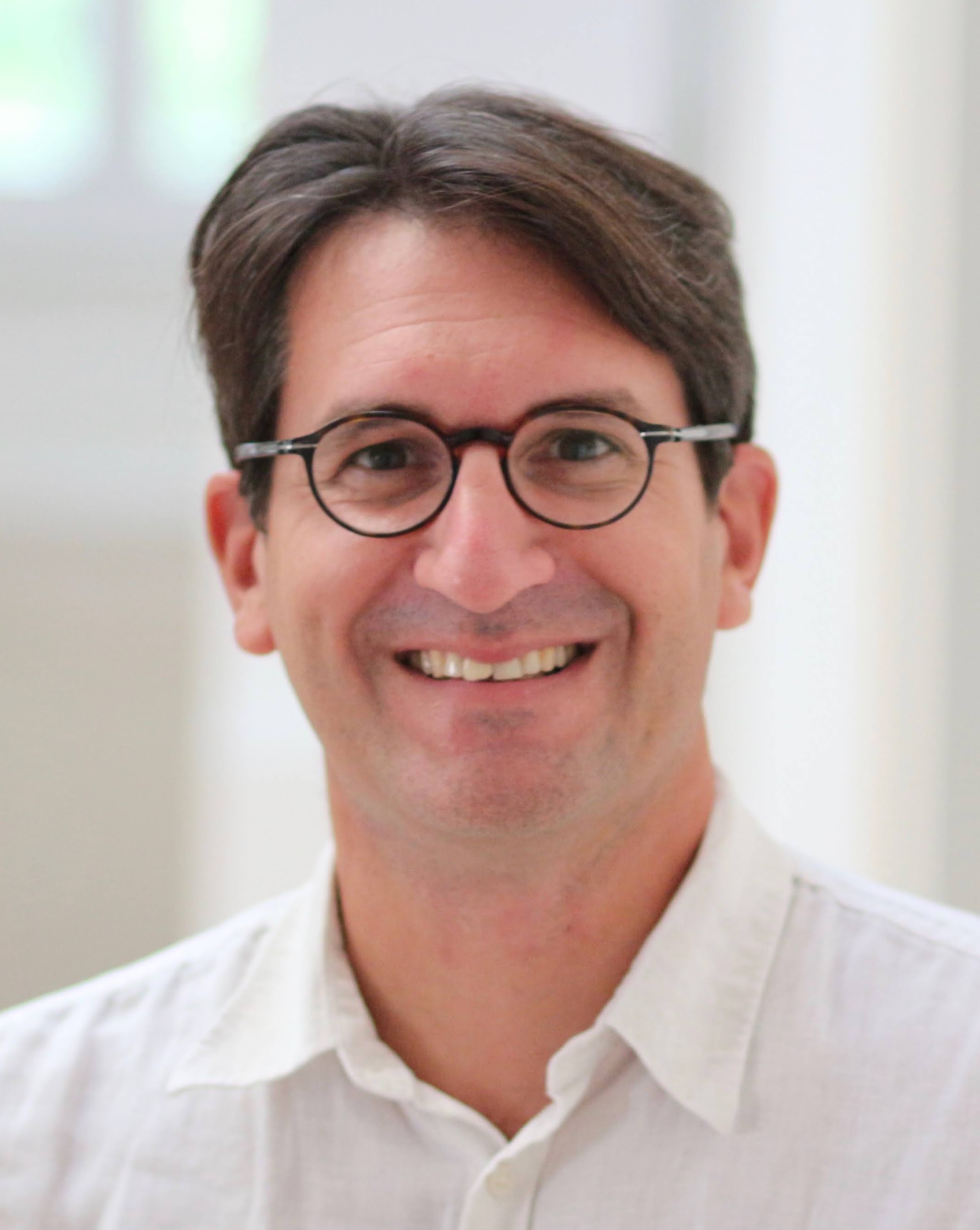
Thomas Seiller is a CNRS researcher (Chargé de Recherche) working in the LoCal team at LIPN laboratory (Laboratoire d'Informatique de l'Université Sorbonne Paris Nord) and an associated researcher at IHPST (Institut d'Histoire et de Philosophie des Sciences et des Techniques). He serves as scientific secretary and board member of Section 06 (2021-2026) and as member of the Interdisciplinary committee CID 53 of the National Committee for Scientific Research (CoNRS). His PhD in mathematics from the Luminy Institute of Mathematics was supervised by Jean-Yves Girard and Laurent Regnier, focusing on Logic in the Hyperfinite Factor: Geometry of interaction and complexity . His research develops geometric approaches to computational complexity using dynamical systems and ergodic theory, building on Girard's geometry of interaction program through Interaction Graphs models of linear logic. Seiller leads multiple significant research projects including DySCo (Dynamical Systems and Computation), AlgoFormI (Algorithms: formalisation and impact), and FormA (Formalising algorithms). His work establishes connections between measurable group actions and complexity constraints, characterizing complexity classes through Interaction Graphs models. Scientific secretary of Section 06 (2021-2026) of CoNRS Principal Investigator for ANR JCJC project DySCo (258k€ funding) Organizer of major international workshops including Caleidoscope 2025 and Dagstuhl meetings He actively mentors PhD students including Yasmine Laghjichi (Models of computation), Eliès Harington (Higher-categorical polynomial models), Valentin Maestracci (proofs-as-programs interpretation), and Adrien Ragot (proof-nets). He organizes the 'Complexities' seminar and maintains public event calendars for his research community. His laboratory work centers on developing theoretical frameworks that connect dynamical systems to computational complexity while exploring formal definitions of algorithms across disciplines through projects like DySCo which aims to establish precise definitions of computation applicable across various computational models.