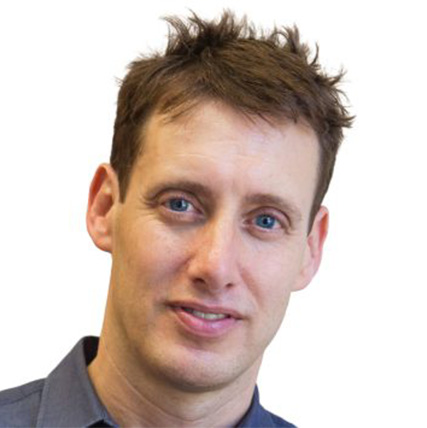
Dr. Ludovic Rapp is a Senior Research Fellow at the Research School of Physics , Australian National University (ANU) , and leads the High-Power Laser group at the Laser Physics Centre (LPC) . His expertise spans ultrafast laser interaction with matter , beam shaping , and laser-induced microexplosions for synthesizing super-dense material phases , including novel silicon allotropes. He is also the Laser Safety Officer for the Research School of Physics.
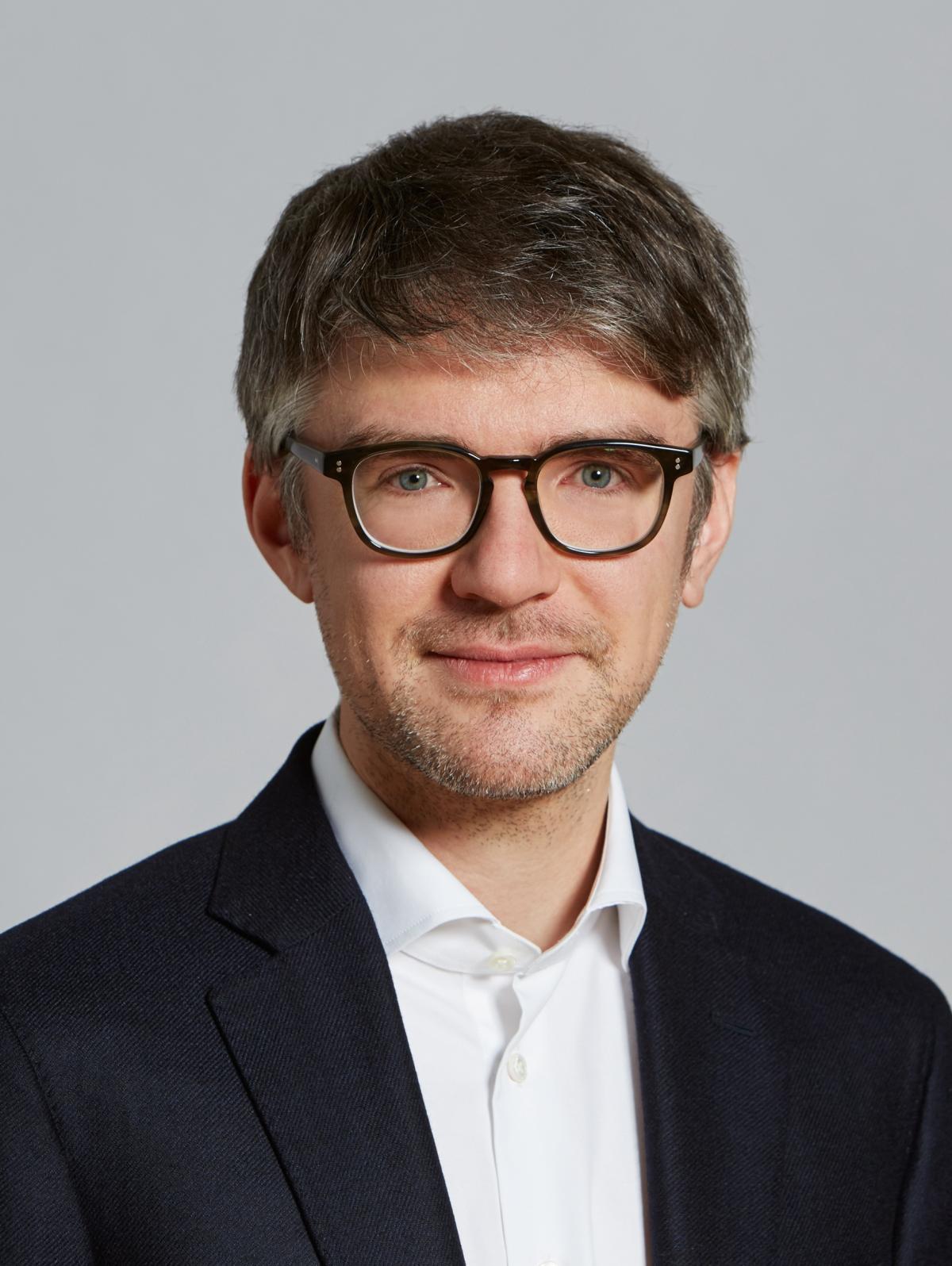
Kjell Jorner is an Assistant Professor of Digital Chemistry in the Institute for Chemical and Bioengineering at ETH Zurich's Department of Chemistry and Applied Biosciences. His research group focuses on integrating computational methods and machine learning to address challenges in chemical synthesis, materials design, and reaction prediction. Education: PhD from Uppsala University (Photochemistry of aromatic compounds) Postdoctoral studies at AstraZeneca UK (Reaction prediction using computational chemistry and ML) Postdoctoral studies at University of Toronto (Molecular design of catalysts and organic electronic materials) Research Interests: Professor Jorner's work bridges computational chemistry, machine learning, and experimental design. Key areas include: Development of quantum mechanics-machine learning hybrid approaches for reaction feasibility prediction Inverse molecular design of functional materials (e.g., singlet-fission systems) Computational catalyst optimization and high-throughput screening methods Digital tools for chemical education and cheminformatics Publication Trends (2023-2025): Recent articles demonstrate a strong focus on machine learning applications in chemistry, including reaction prediction algorithms, catalyst design frameworks, and automated molecular generation. A recurring theme is the development of computational tools to accelerate materials discovery and optimize chemical processes. Laboratory & Team: Leads the Digital Chemistry research group at ETH Zurich (HCI E 137) exploring computational approaches to chemical challenges.
Dr. Miaoqiang Lyu is a Research Fellow at the School of Chemical Engineering , The University of Queensland . His work focuses on lead-free perovskites , flexible energy storage , and optoelectronic devices . Research Interests : Designing low-toxicity and stable semiconducting lead-free perovskites for solar energy conversion Developing flexible energy storage devices for Internet-of-Things (IoT) sensors Advancing zinc batteries and aqueous electrolyte systems Photocatalytic hydrogen production and CO2 reduction Recent Article Trends : Focus on 2D/3D heterostructures, interstitial metal doping, and solvent-engineered interfaces Applications in indoor photovoltaics, artificial synaptic functions, and wearable electronics Lead-free perovskites for resistive memory and energy storage Scientific Awards : ARC DECRA Fellow Advance Queensland Industry Research Fellow CRC for Polymers grant Supervision & Funding : Principal advisor for two PhD projects on lead-free perovskites and flexible batteries Current grants: Enabling low-toxicity perovskites for indoor photovoltaics (2026-2030), Printable zinc ion batteries (2025-2026) Labs & Collaborations : Affiliated with the Nanomaterials Centre at UQ Collaborations with Professor Lianzhou Wang , Professor Ian Gentle , and Associate Professor Ruth Knibbe
Rhett C. Smith is a Professor of Chemistry at Clemson University, leading a research group dedicated to sustainable materials innovation since 2006. His work focuses on transforming industrial waste streams into high-performance composites through green chemistry approaches. His academic background includes: B.S. in Chemistry from the University of Toledo Ph.D. in Chemistry from Case Western Reserve University NIH Postdoctoral Fellowship at MIT Professor Smith's research pioneers waste valorization using elemental sulfur and biomass derivatives. Key areas include: Upcycling mixed plastic and food waste into structural materials Developing sulfur-based polymers for sustainable construction Creating circular economy solutions for agricultural byproducts His group's work bridges fundamental chemistry with commercial applications in South Carolina's industrial sector. Recent publications reveal a strong trend toward atom-economical processes using waste sulfur and biomass. The research emphasizes scalable technologies for plastic recycling and sustainable cement alternatives, with increasing focus on food waste upcycling and flame-retardant composites. Major recognitions include: National Merit Scholar and NIH Postdoctoral Fellowship Two-time InnoVision Award Finalist (2024 Sustainability category) Fats and Proteins Research Foundation Innovate Award Fred Bisplingoff Research Innovation Award Professor Smith has mentored over a dozen Ph.D. students to successful careers in national labs and industry. His group secured seven major grants in Spring 2024 from NSF, USDA, and industry partners to advance sustainable materials for structural applications. Current projects focus on upcycling post-consumer waste streams and developing carbon-negative building materials. The Smith Research Group operates as a collaborative hub within Clemson's chemistry department, recently expanding to include four faculty co-leaders (Tennyson, Ashlyn Smith, and Sauceda). The team maintains strong industry partnerships while promoting academic accessibility through open educational resources.
Professor David R. Clarke is the inaugural Extended Tarr Family Professor of Materials at Harvard School of Engineering and Applied Sciences. He is a Senior Fellow of the Hong Kong Institute for Advanced Study (HKIAS) and member of the US National Academy of Engineering. PhD in Physics (University of Cambridge) B.Sc. in Applied Sciences (Sussex University) ScD (University of Cambridge) His research spans fundamentals and applications of ceramics, metals, semiconductors, and polymers, focusing on mechanical properties, thermal barrier coatings, dielectric elastomers, oxidation fundamentals, and microelectronics reliability. Recent work explores electro-adhesive forces and nanopore evolution in yttria-stabilized zirconia. With over 500 publications in journals like Nature and Advanced Materials, Clarke's work has been cited >50,000 times (h-index 107). He holds 13 patents and has advised students across MIT, UC Berkeley, and Harvard. 2008 Japanese NIMS Award 1993 Humboldt Senior Scientist Award Distinguished Life Member, American Ceramic Society Teaching includes undergraduate courses on heat transfer and materials design, plus graduate courses on dislocations and composites. His lab recently worked on quantum dot displays and fatigue crack sensing technologies.
Robert M. Weikle, II is a Professor in the Charles L. Brown Department of Electrical and Computer Engineering at the University of Virginia, with a courtesy appointment in the Department of Physics. He earned his B.S. from Rice University (1986), M.S. (1987), and Ph.D. (1992) in Electrical Engineering from Caltech, followed by postdoctoral work at Chalmers University of Technology (1992). His research focuses on millimeter-wave and terahertz electronics , applied electromagnetics, integrated antennas, low-noise sensors, and heterogeneous integration of compound semiconductors. His work bridges electronics and photonics for spectrum access, with applications in astronomy, spectroscopy, and metrology. He has published extensively on micromachined silicon substrates, superconducting materials, and emerging technologies. Scientific Awards: IEEE Microwave Prize (1993) David A. Harrison III Award (1999) University of Virginia All-University Outstanding Teaching Award (2000) Edlich-Henderson Innovator of the Year (2016) Fulbright Scholar (2001) As Chief Technology Officer and co-founder of Dominion Microprobes, Inc., he commercializes micromachined wafer probes for high-frequency metrology. His lab, located in E220 Thornton Hall and the Jesse W. Beams Physics Building, has produced 15+ recent publications on submillimeter-wave devices, THz probes, and calibration techniques.
Yu Xia is a Post Doc at the Department of Chemistry, Stockholm University, Sweden. He is affiliated with the Tom Willhammar Research Group, focusing on advanced electron microscopy and diffraction techniques for structural characterization of materials. PhD (2019–2023) from a joint program between the University of Birmingham (UK) and the Southern University of Science and Technology (China). Research emphasizes fabrication of metallic nanoparticles with non-equilibrium structures and shapes using gas-phase condensation and thermal shock methods. Specializes in scanning transmission electron microscopy (STEM), in-situ heating experiments, and electron energy loss spectroscopy (EELS) for nanoparticle analysis. Current work prioritizes 4DSTEM imaging for electron beam-sensitive materials and Python-based post-processing of electron microscopy datasets. Yu Xia's research spans Materials Science , Nanotechnology , and Electrocatalysis , with applications in photocatalytic hydrogen evolution , graphene composites , and advanced electron microscopy techniques . His work often integrates computational image processing with structural characterization to optimize material properties. Publications highlight innovations in heterostructure engineering , metallic alloy catalysts , and electron beam-sensitive material imaging . No scientific awards are explicitly mentioned in the provided text. Yu Xia's technical expertise includes Python scripting for image analysis, in-situ electron microscopy , and multifunctional graphene-based materials .
Bruno Basso serves as the Hannah Distinguished Professor in the Department of Earth & Environmental Sciences at Michigan State University, based in 307A Natural Science Building. He teaches GLG 446: Water and Food and maintains active research in sustainable agricultural systems, with contact via 517-353-9009 or basso@msu.edu. His work bridges academic research with practical farm applications across the US Midwest. His core research interests include: Food Security and Plant Resilience mechanisms Soil Science with emphasis on organic carbon dynamics Precision Agriculture technologies (drones, remote sensing) Climate-Smart Agriculture practices Nitrogen and phosphorus use efficiency Yield stability analysis through spatial-temporal modeling Regenerative agriculture impacts on greenhouse gas emissions Ecosystem services valuation in crop-livestock systems Analysis of his 2023-2025 publications reveals a dominant focus on quantifying climate benefits from regenerative practices using multi-model ensembles. His work consistently addresses scalability for farmer adoption, with strong emphasis on N₂O emissions mapping, soil carbon durability, and yield stability zones. Key methodological innovations include hybrid SAR-remote sensing integration and AI-driven nutrient prescription systems, primarily applied across Midwest corn-soybean systems. No scientific awards were documented in the provided materials. While specific advising details are absent, his leadership in the LTAR cropland common experiment and Soil Inventory Project indicates active mentorship of graduate researchers. His research likely attracts significant USDA and NSF funding given the scale of field experiments and modeling initiatives focused on decarbonizing agriculture. Dr. Basso co-leads the Soil Inventory Project at Kellogg Biological Station, developing integrated sampling, data repository, and modeling frameworks for regenerative agriculture. His team combines ground observations, remote sensing, and biophysical modeling to quantify soil carbon and greenhouse gas fluxes, collaborating with farmers, industry partners, and international researchers to translate science into on-farm practices.
Qiaoning Carol Zhang serves as Assistant Professor of Human Systems Engineering within The Polytechnic School at Arizona State University's Ira A. Fulton Schools of Engineering. Her research investigates the critical intersection of human perception, social contexts, and emerging technologies including artificial intelligence, robotics, and automated vehicles, with emphasis on creating intuitive, user-friendly, and inclusive systems. Her academic foundation includes: Ph.D. in Information, University of Michigan (2023) M.S. in Industrial and Operations Engineering, University of Michigan (2018) B.S. in Industrial Engineering, Hunan University (2016) Dr. Zhang's research program centers on understanding how individual differences and social dynamics shape technology interactions. Key focus areas include Human-AI Collaboration , Human-Robot Interaction , Human Factors in Automated Vehicles , and User Experience Design . Her work employs interdisciplinary methodologies to ensure technology adapts to diverse user needs across complex socio-technical environments, particularly in transportation and healthcare robotics. Analysis of her 15 most recent publications (2021-2025) reveals dominant themes in trust dynamics within automated vehicles, with significant attention to explainable AI interfaces. Research consistently examines how voice characteristics (gender, similarity), explanation modalities, and individual differences (age, personality) impact cognitive and affective trust. Recent work extends to healthcare robotics for elderly populations using Kano model analysis to identify critical user requirements. No scientific awards are documented in the provided materials. Dr. Zhang actively recruits Ph.D. candidates and undergraduate/master's researchers with backgrounds in human-computer interaction, data science, and interdisciplinary fields (design, computer science, cognitive science). She emphasizes opportunities in transportation technology, healthcare robotics, AI, and UX research/design, requiring applicants to submit CVs, research statements, and representative work samples. While specific grants aren't detailed, her research scope indicates substantial funding in human factors and emerging technology domains. Her research team focuses on developing empathetic technology through projects examining trust calibration in automated vehicles and healthcare robot design for older adults. Current initiatives include voice interface optimization for diverse user groups and Kano model applications in home healthcare robotics, aiming to bridge technical capabilities with human-centered design principles.
Fatma Deghim is a Research Fellow at the Technical University of Munich , affiliated with the Chair of Energy Efficient and Sustainable Design and Building. Her work focuses on urban microclimate, building energy simulation, and data-driven methods for sustainability. Education : Master’s Degree in Civil Engineering (2019–2022) and Bachelor’s Degree in Civil Engineering (2015–2019), both from TUM. Research Interests include: Urban microclimate and indoor-outdoor interactions Building energy simulation and comfort analysis Integration of green infrastructure in climate-resilient design Data-driven methods for environmental monitoring Publications highlight her expertise in applying machine learning to occupancy modeling, thermal comfort prediction, and multi-objective optimization frameworks for sustainable building design. Her work emphasizes uncertainty analysis, resource efficiency, and computational methods. Teaching contributions include assisting in courses on sustainable architecture, building energy principles, and urban water systems at TUM.
Michael Pyrcz is a Professor in the Hildebrand Department of Petroleum and Geosystems Engineering and holds the rank of Associate Professor in the Jackson School of Geosciences at the University of Texas at Austin. He is the recipient of the B. J. Lancaster Professorship in Petroleum Engineering and the George H. Fancher Centennial Teaching Fellowship in Petroleum Engineering. His research focuses on subsurface data analytics, geostatistics, and machine learning applications in energy systems and CO2 sequestration. Pyrcz teaches widely, including through online lectures and GitHub workflows, and has authored over 50 peer-reviewed publications and a textbook on spatial data analytics. His work integrates machine learning with geoscience challenges, such as uncertainty quantification in reservoir modeling and CO2 storage site evaluation. He leads initiatives in energy data analytics through the Freshman Research Initiative and collaborates with industry on workflow development. Key research areas include generative AI for subsurface models, stochastic methods for fracture networks, and anomaly detection in geologic monitoring. Education: Background in petroleum engineering and geosciences (details not explicitly provided). Grants/Advising: Extensive industry collaboration and mentorship roles at Chevron prior to UT Austin. Labs/Teams: Maintains active GitHub repositories (GeostatsGuy), YouTube lecture series (GeostatsGuyLectures), and social media outreach (X/GeostatsGuy).
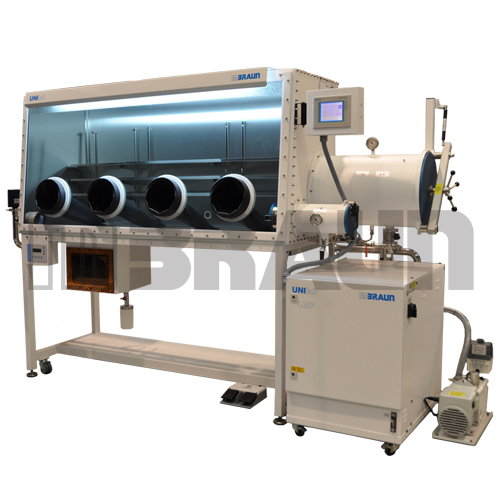
Dr. Likun Zhu is a Professor of Mechanical Engineering at Purdue University's School of Mechanical Engineering in Indianapolis. His research focuses on advanced battery technologies, including lithium-ion and solid-state batteries, with an emphasis on in situ and operando characterization, modeling, and micro/nano fabrication. Dr. Zhu's work addresses critical challenges in battery energy density, safety, and longevity through innovative materials and manufacturing processes. Education: Ph.D. Mechanical Engineering, University of Maryland (2006); M.S./B.S., Tsinghua University (2001/1998). His lab is affiliated with the Birck Nanotechnology Center and equipped with advanced facilities such as gloveboxes, electrochemical analyzers, and microscopy systems. Recent milestones include securing an NSF grant for solid-state battery research (2023) and advising over 30 graduate students. Research Interests: Solid-state batteries, micro/nano fabrication, operando characterization, and sustainable energy materials. His group develops novel electrode materials and designs for high-performance batteries, leveraging cutting-edge in situ techniques to study dynamic processes during cycling. Grants & Awards: NSF grant (2023) for solid-state battery research. Advising: Notable students include Hua Wang (Ph.D. 2024), Xintong Li, and Tianyi Li. Collaborations include work with Professors Hazim El-Mounayri and Andres Tovar on Bayesian optimization of battery materials. Labs & Facilities: The lab, located at ET 118, houses equipment like Arbin battery cyclers, FIB-SEM systems, and Comsol Multiphysics software. Dr. Zhu teaches courses including ME 330 (Dynamic Systems), ME 509 (Fluid Mechanics), and ME 597 (Renewable Energy).
Steven F. Son is the Alfred J. McAllister Professor of Mechanical Engineering at Purdue University, affiliated with the College of Engineering. He holds joint appointments in Aeronautics and Astronautics, Materials Engineering, and Mechanical Engineering. His research focuses on energetic materials, combustion science, and propulsion systems, with emphasis on detonation physics, additive manufacturing of explosives, and novel propellant designs. Key projects include developing throttleable solid propellants, studying material-filled void effects on detonation waves, and optimizing nanomaterials for enhanced reactivity. Dr. Son’s work integrates experimental and computational methods, such as laser absorption spectroscopy and machine learning, to advance understanding of high-energy materials. His contributions span from fundamental material characterization to applied systems like Martian perchlorate-based propellants. He leads research at the Maurice J. Zucrow Laboratories, Purdue’s premier facility for propulsion and energetic materials research. His recent studies explore flexoelectricity in fluoropolymer/aluminum composites, laser ignition systems for solid propellants, and thermal decomposition mechanisms of novel energetic formulations. While no awards are explicitly listed, his prolific publication record and interdisciplinary approach highlight his influence in the field.
Tongcang Li is a Professor of Electrical and Computer Engineering and Physics at Purdue University, affiliated with the Elmore Family School of Electrical and Computer Engineering and the Department of Physics and Astronomy. He holds joint appointments at the Birck Nanotechnology Center and the Purdue Quantum Science and Engineering Institute. His research focuses on quantum photonics, optomechanics, and quantum sensing, with breakthroughs in levitated nanoscale systems and Casimir effects. Education: PhD, The University of Texas at Austin, 2011 BS, University of Science and Technology of China, 2004 Research Interests: Spin qubits in 2D materials (e.g., hexagonal boron nitride) Levitated optomechanics for quantum control and sensing Casimir interactions and vacuum friction Quantum transducers and optically trapped nanoparticles Notable Achievements: 2018: One of 10 APS Physics Highlights of the Year for GHz rotation of levitated nanoparticles 2022: Featured in Optics & Photonics News' 'Optics in 2022' for on-chip optical levitation with metalenses Grants & Funding: Supported by NSF, DOE, Gordon and Betty Moore Foundation, Toyota, ONR, DARPA, Sandia National Laboratories, and Los Alamos National Laboratory. Labs/Teams: Leads the Quantum Sensing and Optomechanics Laboratory at Purdue, advancing quantum sensing and quantum information processing technologies.
Jonathan H. Grossman is a Professor in the Department of English at the University of California, Los Angeles (UCLA), where he has been since 2013. He earned his Ph.D. in English from the University of Pennsylvania (1996) and a B.A. in English and Religious Studies from Brown University (1989). Education: Ph.D., English, University of Pennsylvania (1996) M.A., English, University of Pennsylvania (1993) B.A., English & Religious Studies, Brown University (1989) Research Interests focus on the intersection of 19th-century British literature, standardization history, and narrative theory. His work examines how transportation networks, legal systems, and technological infrastructures reshaped Victorian perceptions of time, space, and community. Recent projects include analyzing metrology’s role in literary form and global transport’s narrative implications. Publications highlight his expertise in Dickens studies and Victorian systems. Notable works include Charles Dickens’s Networks: Public Transport and the Novel (Oxford, 2012) and The Art of Alibi (Johns Hopkins, 2002). His 2025 article on screw thread standardization in Technology and Culture extends his interdisciplinary analysis. Scientific Awards include the UCLA Senate Distinguished Teaching Award (2013–14) and recognition in The Best American Essays (2005) for his essay 'Alibis'. He has secured multiple UCLA Senate grants for digital humanities initiatives like Cruikshank’s Eye and Yellowback Cover Art . Professional Service spans editorial roles as Co-Editor of Nineteenth-Century Literature (2011–present) and leadership in the Dickens Project. He mentors graduate students, serves on departmental committees, and contributes to academic publishing workshops and conferences.