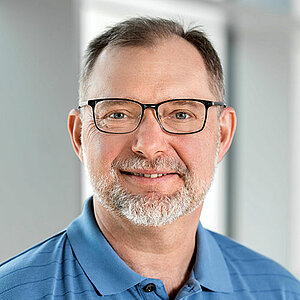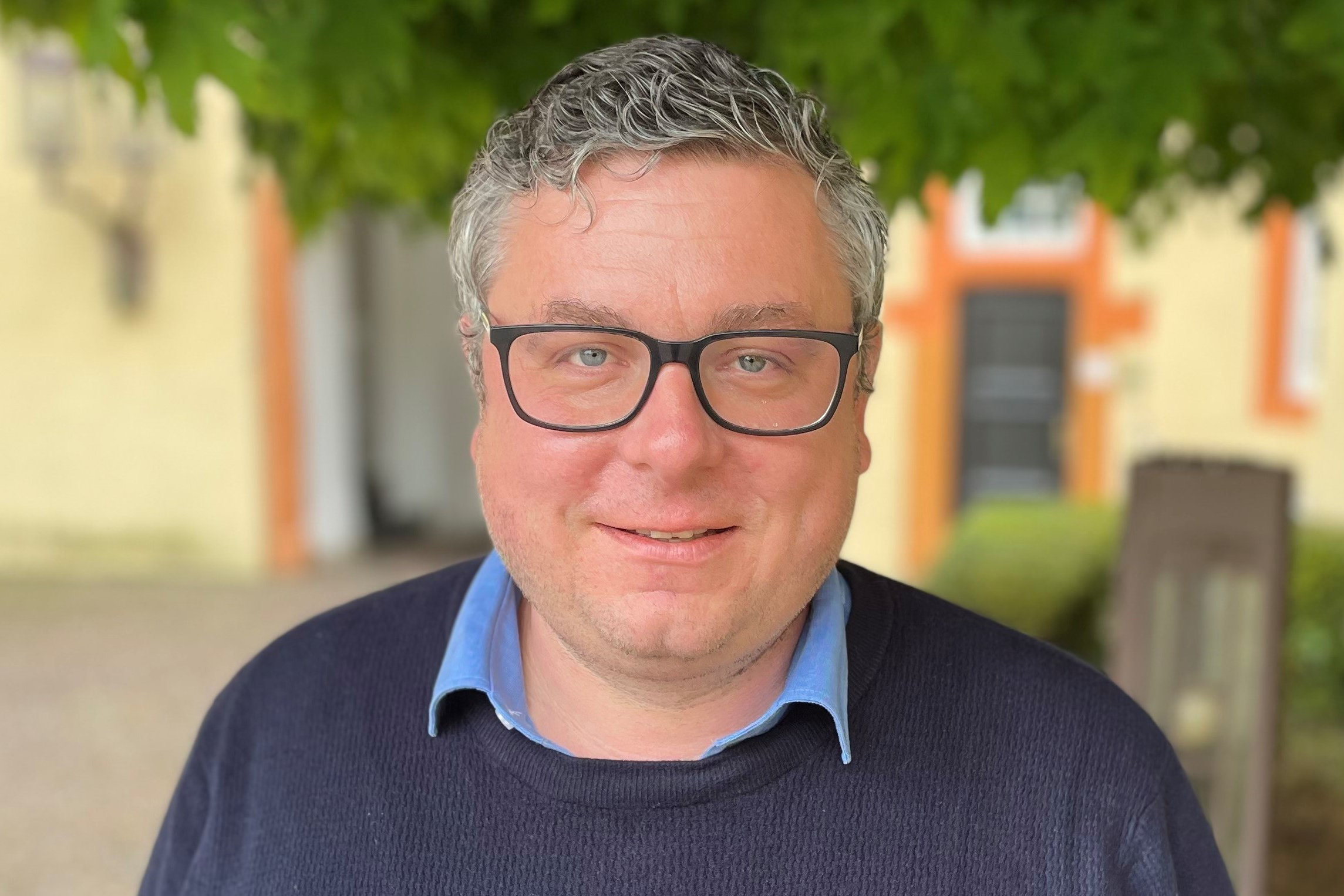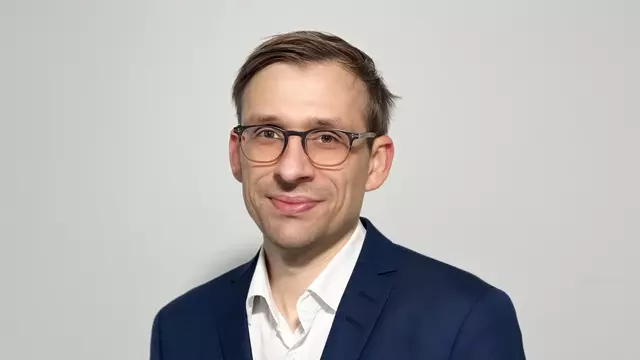
Carsten Schulz serves as Professor for Mechatronic Product Development at the Faculty of Mechanical Engineering, Regensburg University of Applied Sciences (OTH Regensburg). He also acts as study advisor for the Bachelor's program in Digital Engineering in Mechanical Engineering, maintaining office hours on Thursdays from 3:00 PM to 4:00 PM. His academic work integrates mechanical engineering principles with digital technologies for advanced product development and system analysis. Professor Schulz's research focuses on Multibody Simulation , Mechatronic Drive Systems , and Fatigue Strength Analysis , bridging theoretical modeling with practical industrial applications. His work demonstrates particular expertise in: Modeling and simulation of complex mechanical systems Development of methodologies for holistic system analysis Application of digital technologies to enhance product lifecycle management Integration of additive manufacturing processes with traditional mechanical design Predictive maintenance through digital twin technology Analysis of Professor Schulz's publication record reveals a consistent research trajectory focused on digital transformation in mechanical engineering. His recent work demonstrates increasing integration of digital twin technology across mechanical systems, showing how virtual models enhance physical system performance and longevity. A notable trend is the convergence of multibody dynamics with fatigue analysis and predictive maintenance strategies, particularly in conveyor systems and drive train applications. His research also shows growing emphasis on additive manufacturing applications and their impact on mechanical component design and performance. Professor Schulz actively supervises student research, offering thesis topics in holistic design of mechatronic drive systems, product development using CAx processes, model reduction techniques, and fatigue strength analysis. His laboratory, LaboRe (Laboratory multi-body simulation), provides students with hands-on experience in advanced simulation techniques. Through his teaching in courses like Modeling and Simulation of Multibody Systems and Finite Element Method, he bridges theoretical knowledge with practical engineering applications, preparing students for challenges in modern mechanical engineering.