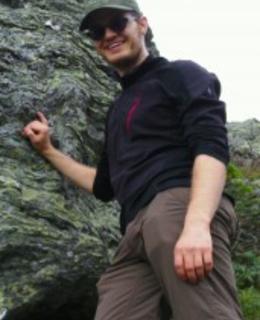
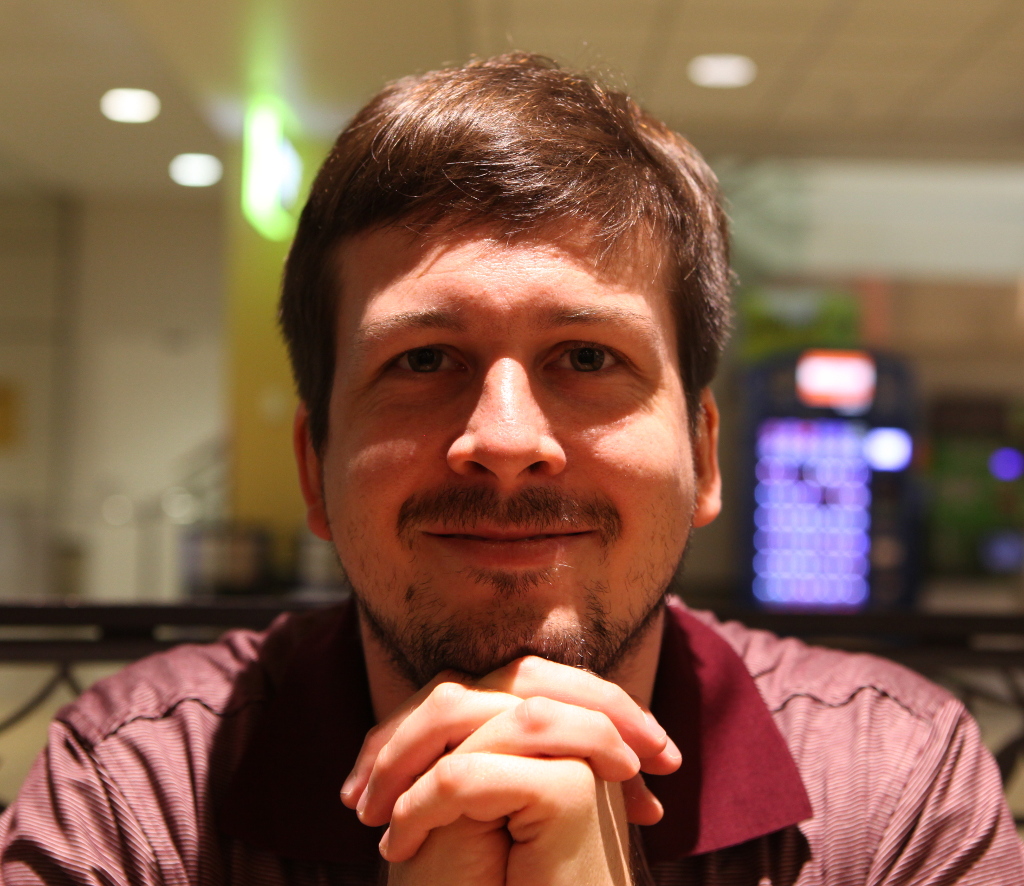
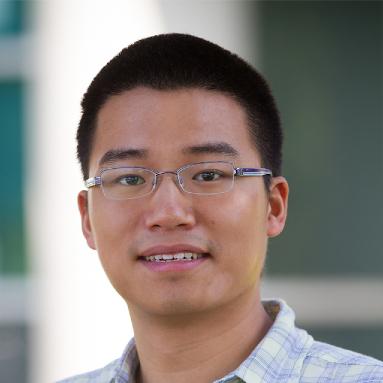
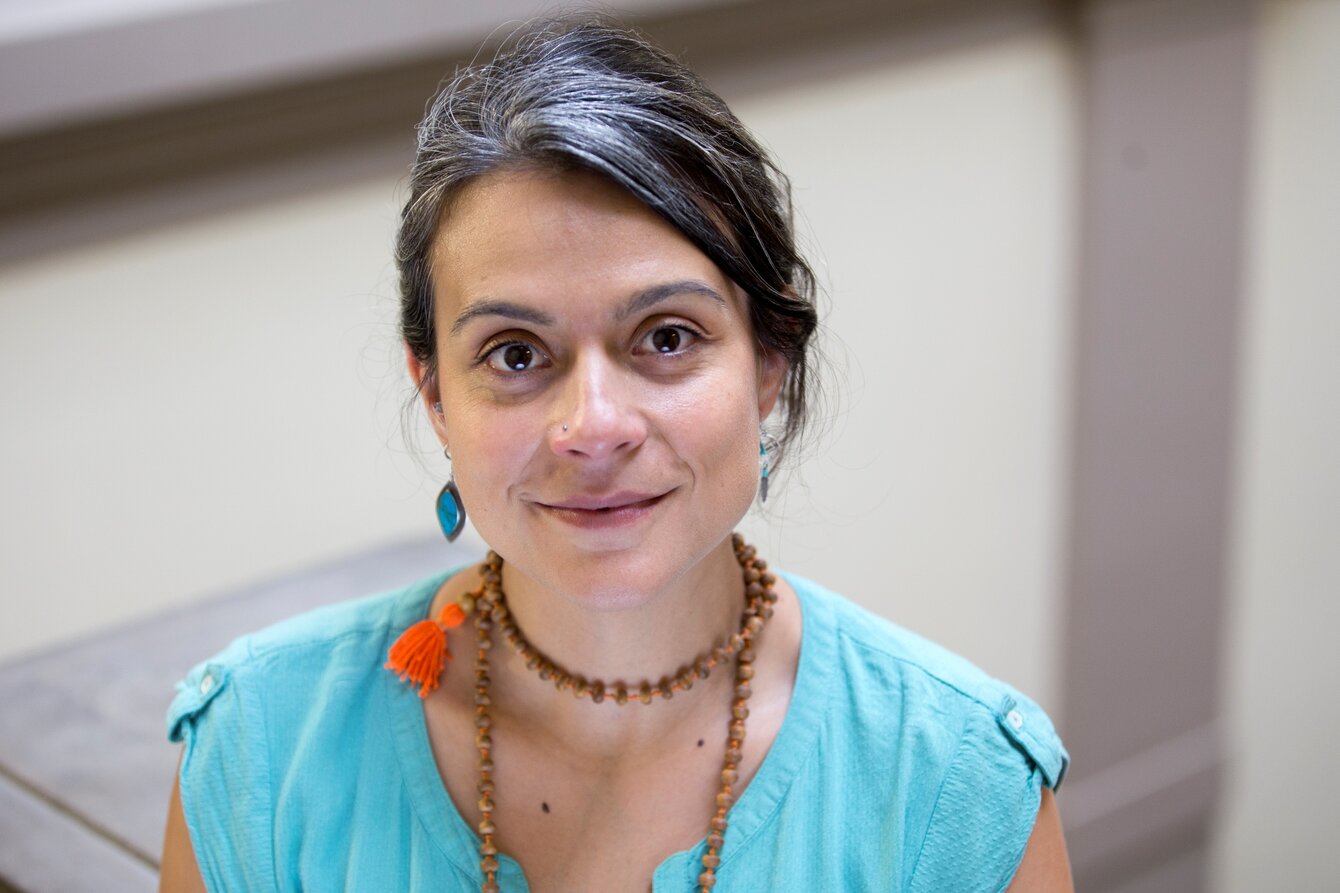
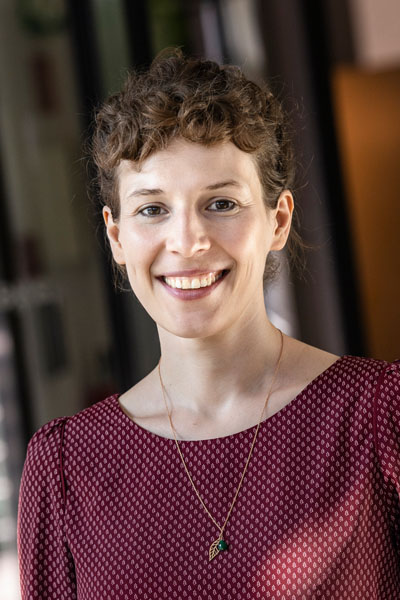
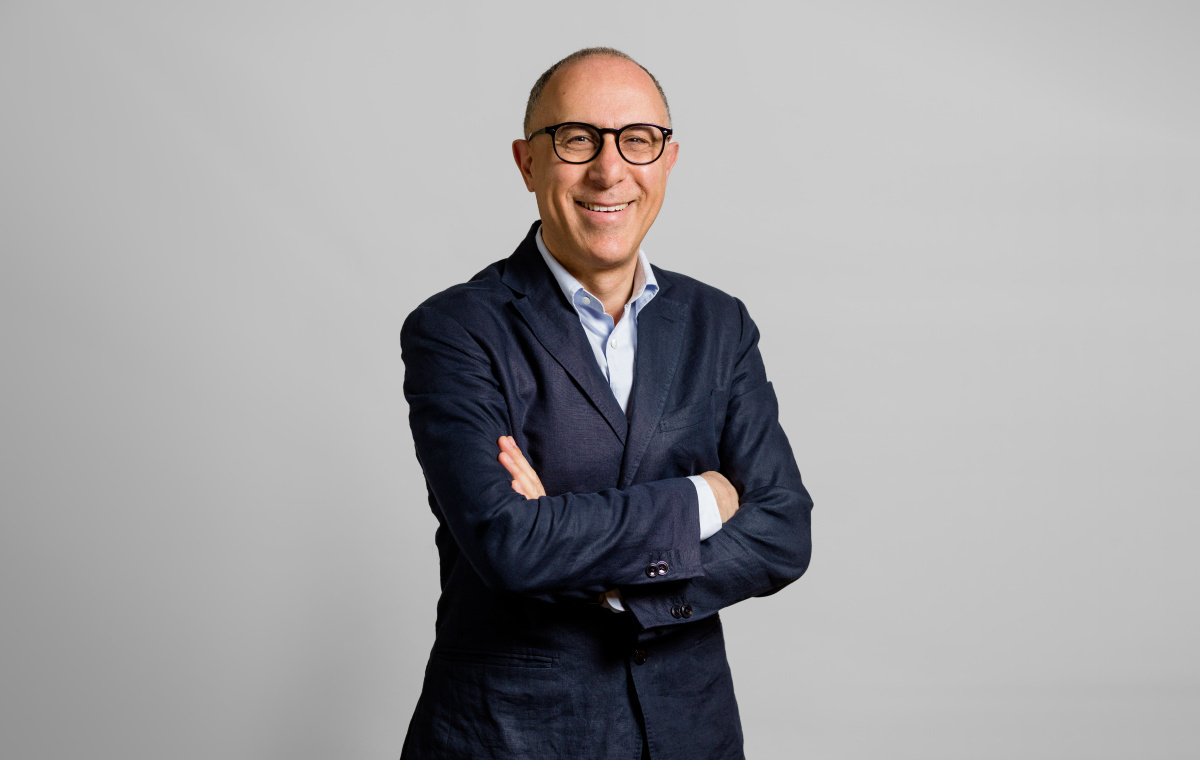
Brandon Karchewski is an Associate Head (Undergraduate) and Teaching Professor in the Department of Earth, Energy and Environment at the University of Calgary. He earned his PhD in Civil Engineering from McMaster University and teaches courses including Engineering Geology, Computational Methods, and Natural Disasters. His research program focuses on: Computational methods in geophysics and geomechanics Geoscience education innovation Climate change impacts on frozen soils Inverse modeling applications Karchewski has pioneered virtual field experiences and developed open-source tools for modeling climate impacts on permafrost. His educational research examines metaphor use in geoscience communication and field pedagogy. Recent computational work includes Python-based permafrost modeling and stochastic inversion methods for biogeochemical transport. He leads the geophysics field school program emphasizing team-based learning. Award recognition includes: Geoscience Teaching Award (2019) Best Poster Award for teaching innovation research (2018) Team Teaching Excellence award (2016) Multiple teaching assistant awards
Dr. John J. Fitzpatrick is a Senior Lecturer in Process & Chemical Engineering at University College Cork (UCC) since 2008. He holds a PhD in Agricultural Engineering (Bioprocess Engineering) from Texas A&M University and has extensive industry experience, including roles at the National Dairy Products Research Centre and University College Dublin. His research focuses on Particle and Powder Technology, Sustainability, and Bioprocess Engineering, with notable contributions to dairy powder breakage mechanisms, sustainable process design, and engineering education reform. Education: PhD, Agricultural Engineering (Texas A&M, 1992) MSc, Food Engineering (University of Massachusetts, 1988) MSc, Teaching & Learning in Higher Education (UCC, 2008) Additional qualifications in Environmental Management and Sustainability. Research Interests: His work spans particle technology (food/dairy powders), sustainable energy systems, bioreactor optimization, and integrating ecological economics into engineering curricula. Recent projects include modeling oxygen transfer in bioreactors and analyzing carbon footprints of energy systems. Dr. Fitzpatrick has secured over €300k in research grants, including EU-funded projects on powder technology and Teagasc-supported studies on infant milk formula. He received the President’s Award for Excellence in Teaching (2006/7) and pioneered sustainability-focused educational initiatives at UCC. His 150+ peer-reviewed publications highlight interdisciplinary approaches to engineering challenges, emphasizing real-world applications and environmental stewardship. Grants & Awards: Walsh Fellowship (2018–2022) EU Research Training Network BIOPOWDERS (2004–2008) Teagasc-funded project on dairy powder breakage (2018–2022) Labs/Teams: Leads the Particle and Powder Science group at UCC, collaborating with industry partners like Teagasc and international universities. Active in curriculum development for sustainable engineering education programs.
Goong Chen is a Professor at Texas A&M University (TAMU) within the College of Arts & Sciences. His research focuses on Control Theory, Applied Mathematics, and interdisciplinary applications in computational mechanics, fluid dynamics, and quantum systems. He holds a Ph.D. from the University of Wisconsin (1977) and a B.S. from National Tsing-Hua University (1972). His research interests span computational biomechanics, forensic modeling, nanofluidics, and mathematical physics. Recent work includes modal analysis of animal motion, crash mechanics of aircraft, and forensic reconstruction of disasters. He has contributed to theoretical advancements in PDEs, nonlinear dynamics, and quantum computing. Chen’s articles address cutting-edge topics like thermoelastic plates, Volterra equations, and DFIM systems. He has pioneered numerical methods for complex systems using OpenFOAM and finite element techniques. His computational models have been applied to real-world scenarios such as submarine implosions and chemical warfare forensics. No academic awards are explicitly listed, but his extensive publication record reflects significant contributions to applied mathematics and engineering. He leads research teams focused on interdisciplinary challenges in computational science and engineering.
Matthias S. Maier is an Associate Professor in the Department of Mathematics at Texas A&M University, affiliated with the College of Arts & Sciences. His research focuses on multiscale methods, computational fluid dynamics, and finite element software development, particularly with the deal.II library. He organizes an annual undergraduate summer school on PDE modeling and simulation. Research Interests: Multiscale effects in Maxwell’s equations, computational fluid dynamics, finite element methods, and numerical analysis. His work includes studies on surface plasmon-polaritons, homogenization theory, and high-performance computing for hyperbolic systems. Developed ryujin, a high-performance finite-element solver for compressible flows. Contributed to deal.II, a widely used open-source finite element library. Recipient of NSF awards (DMS 1912847, DMS 2045636) and AFOSR funding. Teaching includes courses on numerical methods (Math 417, 610), mathematical modeling (Math 442), and finite element methods (Math 676). He advises graduate students in applied mathematics and computational science. Labs/Teams: Core developer of deal.II and contributor to the ryujin framework. Collaborates with interdisciplinary teams in physics and engineering.
Ulisses Braga-Neto is a Professor in the Department of Electrical and Computer Engineering at Texas A&M University, part of the College of Engineering. He holds a Ph.D. from The Johns Hopkins University (2002), with earlier degrees including an M.S. from the Federal University of Pernambuco (1992). His research focuses on statistical signal processing, pattern recognition, and machine learning, with applications in bioinformatics, materials informatics, and environmental modeling. He leads the TAMIDS Scientific Machine Learning Lab and has authored over 100 publications. Key research areas include physics-informed neural networks for environmental and engineering problems, error estimation in classification systems, and gene regulatory network inference. His recent work emphasizes machine learning applications in agriculture (e.g., cotton detection in corn fields using UAS), CO2 sequestration modeling, and wildfire prediction. He has contributed to foundational texts like Error Estimation for Pattern Recognition (Wiley-IEEE, 2015). Prof. Braga-Neto's interdisciplinary approach bridges computer science, engineering, and biology. His lab develops algorithms for data-poor environments, with applications in genomics, proteomics, and metagenomics. He advises graduate students through Texas A&M's ECE program, emphasizing rigorous statistical methods alongside machine learning innovation.
Professor Richard Blackburn is a Professor of Sustainable Materials at the University of Leeds, School of Design. His research focuses on applying sustainability principles to materials science, textile coloration, and cosmetics. He leads the Sustainable Materials Research Group and co-founded Keracol Limited, a spin-out company developing natural cosmetic ingredients from plant extracts. His work includes innovations in dyeing technologies, reducing microfibre pollution, and sustainable textile processing. Education: BSc (Hons) and PhD in Colour Chemistry from the University of Leeds Professional Memberships: Fellow of the Royal Society of Arts, Royal Society of Chemistry, and Society of Dyers and Colourists. Key research interests span sustainable textile practices, natural dye extraction, polymer chemistry, and green chemistry applications. He has pioneered methods for extracting actives from food waste for cosmetics and developed fluorine-free repellent coatings for textiles. Awards: Silver Medal (Society of Dyers and Colourists, 2016) Fellowship (Society of Dyers and Colourists, 2017) Centenary Medal (2018 & 2019) Freedom of The City of London (2013) Advising & Grants: Leads multidisciplinary projects on textile sustainability, including FoodWasteNet and the Business of Fashion, Textiles and Technology partnership. His work bridges academia and industry through spin-offs like Keracol and RITE Group, focused on minimizing environmental impact. Labs & Teams: Head of the Sustainable Materials Research Group and collaborator with global industry partners to advance sustainable materials innovation.
Dr. Lum Kit Meng is an Associate Professor at the School of Civil and Environmental Engineering, NTU, Singapore. His expertise spans Transportation Engineering, Urban Planning, and Traffic Management. He holds First Class Honors in Civil Engineering (NUS), a Master’s in Industrial Engineering (NUS), and a PhD in Transportation Engineering. Dr. Lum teaches undergraduate/postgraduate courses in Civil Engineering, Maritime Studies, and Logistics, and develops training programs for professionals. His research focuses on urban mobility, active mobility infrastructure, and traffic safety, with over 60 publications. He has provided consultancy services to public/private sectors, emphasizing data-driven analysis. Key research areas include pedestrian behavior, cycling facility design, and shared space dynamics. Recent studies explore 'keep left' regulations, e-scooter speed attitudes, and red-light camera impacts using simulation and VR techniques. His work bridges theoretical models (e.g., cellular automata) with practical infrastructure solutions. No awards or grants are explicitly listed, but his extensive publications and consultancy highlight industry-academic collaboration. He advises on transportation systems with a focus on Singapore’s urban challenges.
Henrikke Baumann is a Professor at Chalmers University of Technology , affiliated with the Environmental Systems Analysis department within the Environmental Systems Analysis school. Her research focuses on interdisciplinary environmental sustainability, particularly in Life Cycle Assessment (LCA) , Life Cycle Management (LCM) , and sustainable business models . She pioneers work on societal material flows, plastic pollution, and organizational influences on environmental performance. Research Interests: Interdisciplinary research in industrial ecology Life Cycle Assessment (LCA) methodology and applications Business model innovation for sustainability Material flows and plastic pollution mitigation Organizational practices and environmental governance Recent Trends in Articles: Explores methodological rigor in LCA for carbon capture and utilization systems Analyses the environmental effectiveness of LCA in building product development Develops frameworks for assessing business models' environmental performance via BM-LCA Addresses social dimensions of sustainability in business models Grants and Projects: Principal investigator in projects like TwinWins: Measuring Business Model Environmental Performance Contributions to Mistra REES (Resource-effective and efficient solutions) Phase 2 Labs/Teams: Active in interdisciplinary teams at Chalmers focused on industrial ecology and sustainability science.
Zhenglun Alan Wei is an Assistant Professor in the Department of Biomedical Engineering at Worcester Polytechnic Institute (WPI), with an affiliation to the Mechanical & Materials Engineering department. His laboratory, AIMCardio Lab, focuses on cardiovascular fluid mechanics through computational and experimental models, addressing fetal circulation, congenital heart diseases, and medical device optimization. Key research areas include fluid-structure interaction, machine learning-enabled flow models, and clinical translation of personalized therapies. Develops medical image processing techniques for anatomical reconstruction and flow segmentation Collaborates globally with clinicians to optimize surgical strategies Advances pediatric and adult heart disease interventions through experimental setups like physiological flow mock loops Teaching emphasizes applying biofluids/biosolids fundamentals to real-world clinical and industrial challenges through capstone projects. Recently secured a $516,556 NIH R21 grant for fetal heart disease diagnosis research (2025).
Prof. Kathrin Greiff is a University Professor at the Chair of Anthropogenic Material Cycles and Institute of Processing, Coking, and Briquetting at RWTH Aachen University's Faculty of Georesources and Materials Engineering. Her work focuses on advancing circular economy principles through innovative recycling technologies, sensor-based material flow analysis, and sustainability assessments. She leads research initiatives like the DACE Academy and the Material Assessment Lab, which explore sensor integration, waste valorization, and decarbonization strategies in industrial processes. Her research interests include optimizing mechanical recycling processes for plastics and construction materials, developing machine learning-driven sorting systems, and evaluating environmental impacts across material lifecycles. Recent projects highlight applications in lightweight packaging waste, steel forging decarbonization, and polystyrene insulation recycling. She collaborates closely with industry to translate research into scalable solutions for sustainable material management. Prof. Greiff’s publications emphasize technical feasibility studies, life cycle assessments, and cross-disciplinary approaches to circular economy challenges. Her work contributes to policy frameworks for sustainable resource use and eco-design principles in manufacturing.
Luisa Arango is an Associate Professor at the Institute of Ethnology, Faculty of Social Sciences, University of Strasbourg, where she also serves as Director of Studies for the Bachelor's program in Anthropology and Ethnology in Distance Learning (EàD). She is based at the MISHA building and is affiliated with the SAGE Laboratory (UMR 7363). Her academic work spans research, teaching, and interdisciplinary collaboration, with a strong focus on urban anthropology and environmental issues. Her research centers on urban environments, water and land resource management, identity dynamics in cities, and the anthropology of techniques, with fieldwork conducted in the Nile Valley (Sudan) and the Colombian Caribbean. She explores themes such as urbanization processes, spatiality and power, local perceptions of climate change, and alternative ethnographic methods. Her work often engages with political ecology, interdisciplinary environmental research, and the social dimensions of nature and resources. Luisa Arango’s recent publications (2013–2024) reflect a consistent focus on hydrosocial systems, urban water governance, land appropriation, and knowledge production in Africa and Latin America. Her articles appear in journals such as Canadian Journal of African Studies , Espaces et Sociétés , Autrepart , and Sources . She has also contributed to interdisciplinary dialogues on climate change, artistic ethnography, and field drawing as research tools. Knowledge about nature in Africa Urban water management in Khartoum and Cartagena Land rights and ethnic identity in Colombia Interdisciplinary approaches to climate and urban planning Ethnographic and artistic methodologies Luisa Arango is actively involved in research networks such as WATERLAT-GOBACIT and GAIA (University of Antioquia, Colombia). She has supervised academic projects and contributed to methodological innovations in ethnographic research. She teaches courses on ethnographic methods, urban anthropology, and research forums for distance-learning students. Her work emphasizes the political dimensions of resource access, the transformative power of collective action, and the importance of integrating social and material realities in understanding urban and environmental change. She has no listed scientific awards in the provided text, but her sustained publication record and leadership roles indicate significant scholarly impact. She is also engaged in public-facing research, including graphic works and documentaries on anthropological practice.
Dr. Ali Sadaghiani is an Associate Professor in Surface Engineering and an Anniversary Fellow at the University of Birmingham, affiliated with the Department of Mechanical Engineering in the School of Engineering. He leads the Smart Research Group, focusing on advancing phase-change heat transfer and interfacial transport phenomena for sustainable energy and water solutions. PhD in Thermofluidics, Sabanci University, 2019 MSc in Mechatronics Engineering, Sabanci University, 2015 BSc in Mechanical Engineering, Iran University of Science and Technology, 2012 His research lies at the intersection of thermal-fluid engineering and material science, with a strong emphasis on boiling, condensation, evaporation, and freezing. He develops advanced engineered surfaces to enhance heat transfer efficiency in applications such as electronic cooling, battery thermal management, solar desalination, and anti-icing systems. His work integrates experimental methods (e.g., micro-PIV, Raman spectroscopy), multiscale modeling (CFD, MD), and surface modification techniques. His recent publications and projects reflect a consistent focus on sustainable technologies, including solar-driven interfacial evaporation, hydrogen-powered propulsion systems, and solid-state battery thermal regulation. He has led and contributed to multiple Horizon Europe and national research initiatives such as Triathlon, ARISE, MicroFlowTec, and BioAFC, demonstrating strong interdisciplinary collaboration and innovation. ERC Starting Grant laureate Anniversary Fellow Dr. Sadaghiani actively supervises PhD students and welcomes applicants interested in phase-change heat transfer, surface engineering, AI-driven material design, and sustainable thermal systems. He has secured significant research funding and continues to develop scalable solutions for next-generation energy and water technologies.
Prof. Dr. Sina Leipold is a leading academic in environmental politics at the Helmholtz Centre for Environmental Research − UFZ (Leipzig, Germany) and Friedrich Schiller University Jena . Her research focuses on governance narratives in sectors like forestry, bioeconomy, and packaging, integrating environmental policy with sustainability transformations. She collaborates with practitioners across private/public/civil society domains and employs methodologies such as narrative research and environmental footprint analysis .
Jaap M.J. den Toonder is a Professor in the Department of Microsystems at Eindhoven University of Technology (TU/e), where he chairs the Microsystems research section. His work bridges technology and biology through biologically inspired innovations. Current research focus: Microfluidics, Soft Microrobotics Notable funding: ERC Advanced Grant (2019) Affiliations: hDMT Institute, ICMS Core Member Academic Background: MSc in Applied Mathematics (cum laude), Delft University of Technology PhD in Mechanical Engineering (cum laude), Delft University of Technology Research Trends: Recent articles emphasize magnetic microactuation, particle manipulation, and organ-on-chip cancer models. Collaborative work spans biomedical devices, energy applications, and sustainable technology. Scientific Awards: ERC Advanced Grant recipient (2019) Netherlands Academy of Engineering Fellow (2023) Education & Outreach: Authored over 140 papers, 45 patents, and 60+ invited lectures. Founded and directs TU/e's Microfab/lab facility for advanced microsystem development.
Vahé Nerguizian is a full Professor in the Department of Electrical Engineering at École de technologie supérieure (ÉTS) in Montreal, Canada, where he has established himself as a leading researcher in microelectronics, MEMS, and biomedical applications. Affiliated with the LACIME (Communications and Microelectronic Integration Laboratory), his work bridges engineering disciplines with healthcare innovations, particularly in cancer research and point-of-care diagnostics. His educational background includes a B.Ing. from Polytechnique Montréal, an M.Eng. from McGill University, and a Ph.D. from Concordia University. This strong foundation in electrical engineering has enabled his interdisciplinary research across multiple domains. Nerguizian's research focuses on the intersection of microfluidics, MEMS, and biomedical applications, with particular emphasis on cancer cell detection, liposome production for drug delivery, and microelectronic integration for healthcare solutions. His laboratory develops microfluidic devices for synthesizing nanoparticles and liposomes, with applications in cancer therapeutics and diagnostics. The work combines microwave engineering, bio-MEMS, and microelectronics to create innovative diagnostic tools and therapeutic delivery systems. His recent publications (2021-2025) demonstrate a clear trajectory toward increasingly sophisticated biomedical applications of microfluidic and MEMS technologies, with growing emphasis on cancer research, extracellular vesicle analysis, and therapeutic delivery systems. The research has evolved from fundamental MEMS and microwave engineering toward highly translational biomedical applications. 2015: Excellence in Teaching Award from the Board of Directors Nerguizian has supervised over 25 graduate students across doctoral and master's programs, with current projects focusing on microfluidic systems for nanoparticle synthesis and sensor systems for biomolecule detection. His research has received significant funding through collaborations with medical researchers, particularly with Julia Burnier's team at McGill University. The LACIME laboratory, where he conducts his research, provides state-of-the-art facilities for micro- and nanofabrication, integrated circuit design, and photonic microsystems. As part of the LACIME research group, Nerguizian contributes to a dynamic environment focused on both fundamental and applied research with strong industry connections. The laboratory's work spans from materials science to communication protocols, with particular strength in developing innovative solutions for healthcare applications.