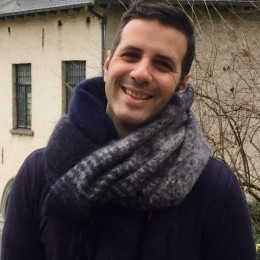
Gabriele Andrea Lugli is a Fixed-term researcher at the University of Parma's Department of Chemical, Life and Environmental Sustainability Sciences, teaching Genomics of Microbial Ecosystems, Microbiology Applied to Materials Science, and Applied Microbiology and Probiogenomics for Biotechnology and Materials Science undergraduate and graduate programs. His research centers on microbial genomics with emphasis on human gut microbiome dynamics and food microbiology. Key interests include bifidobacteria-host molecular interactions, bacteriophage ecology in dairy fermentation, probiotic mechanisms, and microbial contributions to environmental sustainability. He employs metagenomic, genomic, and machine learning approaches to investigate microbial biodiversity in cheese production and gut health contexts. Analysis of his recent publications reveals a cohesive focus on genomic characterization of microbial communities across food and human ecosystems. His work consistently explores bifidobacterial adaptation, vitamin biosynthesis pathways, and phage-host dynamics, demonstrating translational applications in probiotics, nutrition, and food safety. The integration of computational methods with experimental microbiology defines his methodological signature.
Dr. Sha'Mira Covington is an Assistant Professor in Fashion at the University of Georgia's College of Family and Consumer Sciences, within the Department of Textiles, Merchandising and Interiors. Her work centers on Black liberation studies within the fashion-industrial complex, with a focus on decolonization, sustainable fashion systems, and the intersection of race, culture, and fashion politics. Education: Ph.D. in Polymer, Fiber, and Textile Sciences- International Merchandising emphasis, African American Studies, The University of Georgia, 2023 M.S. in Communications- Public Relations, Syracuse University, 2018 B.S. in Fashion Merchandising, Art History, The University of Georgia, 2011 Dr. Covington's research explores the cultural, historical, social, and political significance of fashion and dress within colonial domination, anti-colonial resistance, and decolonization. She brings a decade of fashion retail industry experience to her scholarship, committed to challenging traditional paradigms by promoting ethical practices, equitable labor rights, and sustainable production. Her work integrates Black liberation studies, decolonial theory, and ecofeminism to address contemporary challenges in the fashion industry. Her recent publications reveal a strong focus on corporate social responsibility in fashion, social justice pedagogy, Black material culture, and the role of embodied practices in liberation. Themes of racial representation, sustainable systems through Black and Indigenous lenses, and the use of fashion as a tool for political expression are prevalent across her work. Scientific Awards: Mellon Building Southern Intersectional Futures Grant (2024) Campus Sustainability Grant (2021) SEC Emerging Scholar (2021) Graduate Research Award (2021) Graduate Education Advancement Board Fellowship (2020) Myron G. Burney Service Award (2019) New Approaches Grant for Diversity and Inclusion (2019) Dr. Covington actively mentors students, currently advising Nadia Abdallah, Mozhgan Soltanisehat, and undergraduate Cammie Hedley. She serves on multiple committees including the FACS Faculty Advisory Committee, FACS Inclusive Excellence Committee, and as Faculty Advisor for College Fair Fashion UGA and The Agency. Her service extends to national organizations such as the International Textile and Apparel Association and the National Black Council of Black Studies. As a scholar-curator and practitioner, Dr. Covington integrates her roles as a certified yoga instructor, pole and burlesque dancer, and birth doula into her research on embodied liberation and Black femme sensuality.
Dr. Snezana S. Trifunovic is a full-time Researcher at the Faculty of Chemistry , University of Belgrade, affiliated with the Department of Organic Chemistry. She holds ORCID 0000-0001-9528-6686 and ResearcherID Q-5612-2016. Education: University of Belgrade PhD in Chemical Sciences (2006), Master's (1997), and BSc (1991) Academic roles: Scientific Advisor since 2018, Senior Research Associate (2012–2018), Research Associate (2007–2013), Assistant (1998), Assistant Trainee (1992) Her research focuses on phytochemistry , natural product analysis , and bioorganic chemistry , with particular interest in secondary metabolite profiling, plant-derived anticancer agents, and chemical characterisation of medicinal species. Recent projects include metabolomics for schizophrenia biomarker discovery (2021–2024) and portable GC-MS/LC-MS methods development for OPCW field testing (2017–2021). Publications emphasize bioactive natural products , polymer chemistry , and plant metabolite bioactivity across two decades of research output. Active in international collaboration with the Organisation for the Prohibition of Chemical Weapons (OPCW), she has contributed to 5 major research projects since 1998, including transgenic plant studies for anticancer compounds and chemoprotective DNA assays. Current work involves metabolomic fingerprinting of neuropsychiatric disorders and development of portable analytical devices.
Jon W. Parmenter is an Associate Professor in the Department of History at Cornell University's College of Arts and Sciences. He is a historian of colonial North America, specializing in the history of indigenous peoples in the Northeast, particularly the Haudenosaunee (Iroquois). Dr. Parmenter's work combines archival research with indigenous oral traditions and modern GIS technology to analyze historical patterns of indigenous spatial mobility and settlement. Education: Trained at Western University in London, Ontario, Canada Completed doctorate at University of Michigan Research Focus: Dr. Parmenter's research examines the historical experience of indigenous nations during the Seven Years' War and American Revolution, the impact of the US/Canada border on Native American nations, and contemporary Haudenosaunee nation-building initiatives. His work shows how indigenous spatial mobility represented a geographical expression of social, political, and economic priorities. Recent Publications: His publications span the period from 1993 to 2015, covering topics related to Iroquois studies, colonial North America, historical geography, and race and ethnicity. The articles show a consistent focus on Haudenosaunee history, indigenous-settler relations, and the geographical dimensions of historical events. Scientific Awards: National Endowment for the Humanities Fellowship Stephen and Margery Russell Award for Distinguished Teaching (2011-12) Teaching: Dr. Parmenter teaches courses at Cornell including "America at War to 1898," "Everything You Know About Indians is Wrong: An Introduction to Native American History," and seminars on Iroquois History, the Seven Years' War, and Treaties and Aboriginal Rights in North American History. Community Engagement: He has served as legal and historical consultant to several Haudenosaunee communities, including the Mohawk Council of Akwesasne and the Oneida Indian Nation, and was qualified as a recognized Historical Expert in the History and Ethnography of the Iroquois in Ontario Superior Court (2014). Dr. Parmenter has also been involved in research on Cornell University's ties to Indigenous dispossession and historical mapping of Seneca and Cayuga villages.
Nick Sorensen is Professor of Improvisation at Bath Spa University, where he currently serves as Interim Head of the School of Writing, Publishing and the Humanities. He joined Bath Spa in 2008 after extensive experience working in secondary schools, including six years as a headteacher, and as an educational consultant. His academic journey includes a BA (Hons) in English and Drama from the University of Exeter, a PGCE from Goldsmiths College, London, an MA in Education from the University of Sussex, and a PhD from Bath Spa University. Sorensen's research centers around teacher education and professional development with a particular focus on improvisation as a fundamental element of teacher expertise. His book The Improvising Teacher: reconceptualising pedagogy, expertise and professionalism (2023) offers a radical reconceptualization of improvisation as core to teaching expertise. His research explores how expert teachers navigate complex classroom situations through improvisational thinking and action. His recent publications reveal a consistent focus on the intersection of improvisation, expertise, and professional practice in education. The articles demonstrate his theoretical development of the 'improvising teacher' concept and its application across various educational contexts, from music education to teacher training systems. His work increasingly bridges educational theory with practical applications for teacher development. Senior Fellow HEA AHRC Peer Review College (2016-2023) Sorensen has contributed to the development of the Paper Nations creative writing project and was a member of its Governance Group. He previously served as Assistant Dean of the Institute for Education at Bath Spa University. His educational consultancy company, The Improvising School, supports musicians, teachers, leaders and writers in developing their creativity. As a musician, Sorensen is a skilled saxophonist who has performed internationally with the transcultural music project Kusanganisa and has collaborated with notable jazz musicians including Pee Wee Ellis and Fred Wesley. His performance background deeply informs his educational research on improvisation.
Dr. Lecturer İpek ŞENEL ÖZAYTEN is a faculty member at Kafkas University, Faculty of Fine Arts, Department of Painting since 2022. She holds a PhD in Painting (2020) from Marmara University Institute of Fine Arts, an MA in Painting (2016) from Dokuz Eylül University Institute of Fine Arts, and dual BA degrees in Sculpture (2011) and Painting (2009) from Marmara University Faculty of Fine Arts. Current roles: Full-time Lecturer, Erasmus Coordinator (2023-), Commission Member (2021-) Research areas: Painting, Sculpture, Interdisciplinary Art Her research explores spatiality in contemporary art practices , focusing on intersections between art studios, exhibition environments, and cultural/natural contexts . She has led and participated in projects like "Kafkas University Campus Applied Designs" (2024-2026) and "Botanical Art Activities in Kafkas University Campus" (2023-2025), blending botanical studies with artistic expression. Scientific contributions include 3 TR Dizin-indexed articles, 2 book chapters in international interdisciplinary symposiums, and 1 national book chapter. Notable projects examine ecological art practices , botanical illustration , and spatial cognition in art production . Scientific Awards : Personal Exhibition Award (2018), Lions Club Active in international networks, she collaborates with organizations like Indonesian Society of Botanical Artists (2019-2020) and participates in events such as the "Flying Seeds" Artist Talk (2021) and "Mini Works" International Exhibition (2024). Her work spans painting, sculpture, and hybrid art-science practices.
Dr. Kimia Witte is a Lecturer in Biomedical Engineering at the University of Strathclyde, UK, actively accepting PhD students. Her research focuses on innovative biomedical engineering approaches including stem cell manipulation using physical stimuli, biomaterial development for tissue regeneration, and diagnostic tool design. She specializes in creating bioinstructive environments for controlling cell behavior and developing novel biomaterial platforms. Research Focus Witte's core research integrates: Stem cell engineering using acoustic/physical stimulation Development of smart biomaterials for tissue regeneration Microfluidic platforms for diagnostic applications Mechanobiology approaches for clinical diagnostics Her work bridges fundamental biomaterial science with clinical applications in regenerative medicine and diagnostic technologies. Research Trends Analysis of her 12 most recent publications reveals: Strong focus on stem cell-microenvironment interactions Increasing emphasis on translationally-oriented research Development of novel diagnostic platforms Interdisciplinary approaches combining engineering, biology and materials science Progressive refinement of biomaterial systems Awards and Recognition Witte has received recognition for her scientific contributions including 1 prize (specific award unnamed in available data). Her publications show significant impact with multiple articles receiving 20+ citations. Academic Activities Maintains active research program with 18 projects and 3 datasets. Contributes to academic community through peer-reviewed publications and conference presentations. Collaborates with researchers across materials science, cell biology and clinical medicine disciplines.
Dr. Kila van der Starre is an Assistant Professor at Utrecht University's Faculty of Humanities , Department of Languages, Literature and Communication. She specializes in Modern and Contemporary Dutch Poetry , focusing on its circulation and use beyond traditional books in everyday contexts. Supervises three PhD students: Semmy Claassen (Utrecht University), Jet Oosterheert (University of Groningen), and Steven Van de Putte (Ghent University) Chaired the 2024 P.C. Hooft Prize jury Freelance literary scholar with a focus on poetry education and criticism Her research explores poetry in public spaces (street poetry), social media (Instagram poetry), body art (tattoos), everyday objects , radio , and commemorative practices . She received NWO PhD funding and was awarded the OSL Award for Best PhD Thesis 2021 , Praemium Erasmianum Dissertation Prize 2022 , and shortlisted for the Boekman Dissertation Prize 2022 . She teaches in multiple undergraduate programs ( Nederlandse Taal en Cultuur , Literatuurwetenschap ) and graduate programs ( MA Neerlandistiek , MA Literature Today ), and co-organized interdisciplinary course hubs combining material studies with literary analysis. 2024 : Invited speaker at Oxford University's 'Love and desire in non-book poetry' conference 2023 : Radio 1 interview on poetry and social media 2024 : Co-authored Sprekende Stenen documentary featuring street poetry in Utrecht
Andrea De Vizcaya Ruiz is a Professor in the Department of Environmental and Occupational Health at the University of California, Irvine (UCI) School of Public Health . She is Graduate Program Director for Environmental Health Sciences and leads research at key centers including the Center for Occupational and Environmental Health (COEH) , Air Pollution Health Effects Lab (APHEL) , and AirUCI Atmospheric Integrated Research Unit . Her expertise spans environmental toxicology, nanotoxicology, and air pollution health impacts , with a focus on particulate matter (PM), microplastics, and nanomaterials. Educational Background: Bachelor's in Veterinary Medicine, National Autonomous University of Mexico (UNAM) Doctorate in Toxicology, University of Surrey, UK Research Interests center on toxic effects of environmental pollutants , including: Health impacts of particulate matter (PM2.5/PM10) Toxicokinetics of nanomaterials Oxidative stress and inflammation mechanisms Health equity in environmental exposure Neurotoxic and cardiorespiratory effects Biomarker development for toxicity assessment Recent Publications highlight her work on PM-induced nephrotoxicity, nanoparticle neurotoxicity, and synergies between urban pollutants and metabolic stressors . Her studies frequently employ in vitro and in vivo models to dissect toxicity pathways. Scientific Awards: 2011 Young Investigator Award, Society of Toxicology, USA 2015 1st place BioNanoTechnology Award, Cinvestav and Neolpharma Inc., Mexico City Student Mentorship includes advising PhD and MSc students like Aidee Solorio Rodriguez and Josefina Poblano Bata, with their work presented at international conferences including the International Nanotoxicology Congress and IUTOX Trainee Awards. Labs & Collaborations: She actively collaborates with research groups in Mexico, the Netherlands, Canada, and the US, integrating toxicology, aerosol science, and public health to address evolving biotechnology challenges. Her advisory roles for the Mexican Ministry of Health and Environment further demonstrate her policy impact.
Prof. Hannes Mutschler is a faculty member at the Faculty of Chemistry and Chemical Biology of Technische Universität Dortmund , leading research in Chemical Biology with a focus on synthetic biology and origin-of-life studies. University: Technische Universität Dortmund School: Faculty of Chemistry and Chemical Biology Department: Chemical Biology Academic Rank: Professor Research interests include: De novo engineering of self-replicating and evolving biomimetic systems Origin of Life studies Ribozyme activity under prebiotically plausible conditions Bottom-up approaches using reconstituted protein/nucleic acid components Design of complex protein machineries and ribozymes Publication trends : Recent work explores ribozyme engineering for DNA/RNA catalysis Investigates RNA replication in prebiotic environments Develops synthetic RNA segregation systems Examines temperature-driven RNA proliferation in vesicles Focus on active droplets and coacervates as protocell models Contact: hannes.mutschler@tu-dortmund.de
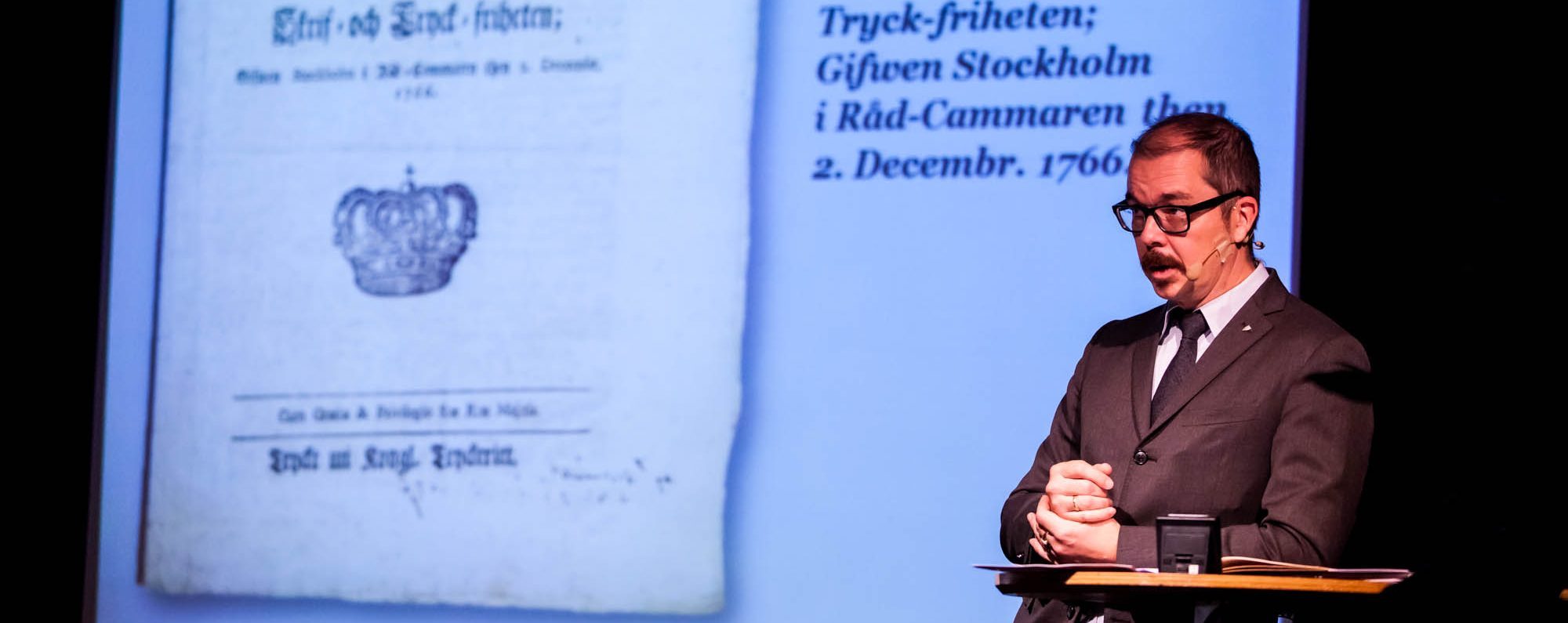
Jonas Nordin serves as Professor of Book and Library History and Assistant Head of Department with responsibility for research and doctoral education at Lund University's Department of Arts and Cultural Sciences, where he also manages the Division of Book History. His academic career spans multiple prestigious institutions, including Stockholm University where he holds an associate professorship in history, and the Royal Library/The National Library of Sweden where he worked from 2007-2018. Nordin earned his PhD in history from Stockholm University, establishing the foundation for his specialized expertise in early modern European history. His educational trajectory has uniquely positioned him to examine the complex interplay between political structures, cultural production, and knowledge dissemination during transformative historical periods. Nordin's research program centers on the critical intersection of book history, library history, and political history during the 17th and 18th centuries, with particular emphasis on Scandinavian contexts. His groundbreaking work on Sweden's Freedom of the Press Ordinance of 1766 has established him as a leading authority on early press freedom developments. Nordin frequently employs a methodological approach that combines political history with cultural history, revealing how visual representations, censorship mechanisms, and intellectual networks shaped national identity formation. His extensive scholarship on Erik Dahlbergh's Suecia antiqua et hodierna demonstrates his commitment to reevaluating historical works beyond simplistic characterizations of propaganda, instead revealing their complex historical significance. Analysis of Nordin's recent scholarly output reveals a consistent interdisciplinary focus spanning history, law, political science, and cultural studies. His publications demonstrate remarkable depth in examining the historical development of freedom of expression, particularly through multiple angles on Sweden's pioneering 1766 legislation. A distinctive feature of his work is the seamless integration of visual culture analysis with political history, as evidenced by his studies of Dahlbergh's topographical works and private library collections. Nordin's research also extends to scholarly networks of the Linnaean era and the complex relationship between Sweden and Finland before 1809, showcasing his ability to connect micro-historical studies with broader historical narratives. Principal investigator for Royal Library's Suecia antiqua et hodierna digitization project (2011-2016) Author of successful UNESCO World Heritage nomination for Swedish Freedom of the Press Ordinance (2023 designation) President of the Swedish Society for Eighteenth-Century Studies Co-editor of significant volumes including 'Media and Mediation in the Eighteenth Century' and 'The Baltic Battle of Books' As Manager of Research and Research Education, Nordin oversees doctoral programs and research activities within his department. His teaching portfolio includes ABMM50 (Library and Information Studies), BBHK02 (Book History), ETNK02 (Ethnology), ILHK03 (History of Ideas), and MUVK02 (Musicology). Beyond his institutional responsibilities, Nordin actively engages with public history through media appearances, including participation in SVT's 'History of Sweden' series and contributions to digital archives like the 'Visiteurs de Versailles' database. Nordin's scholarly approach bridges traditional historical methods with digital humanities techniques, exemplified by his creation of a seamless digital wallpaper of all Suecia antiqua et hodierna images. His current research directions suggest continued exploration of media and mediation in the eighteenth century, with potential expansion into innovative digital approaches to historical materials and deeper examination of connections between visual culture, political power, and intellectual networks.
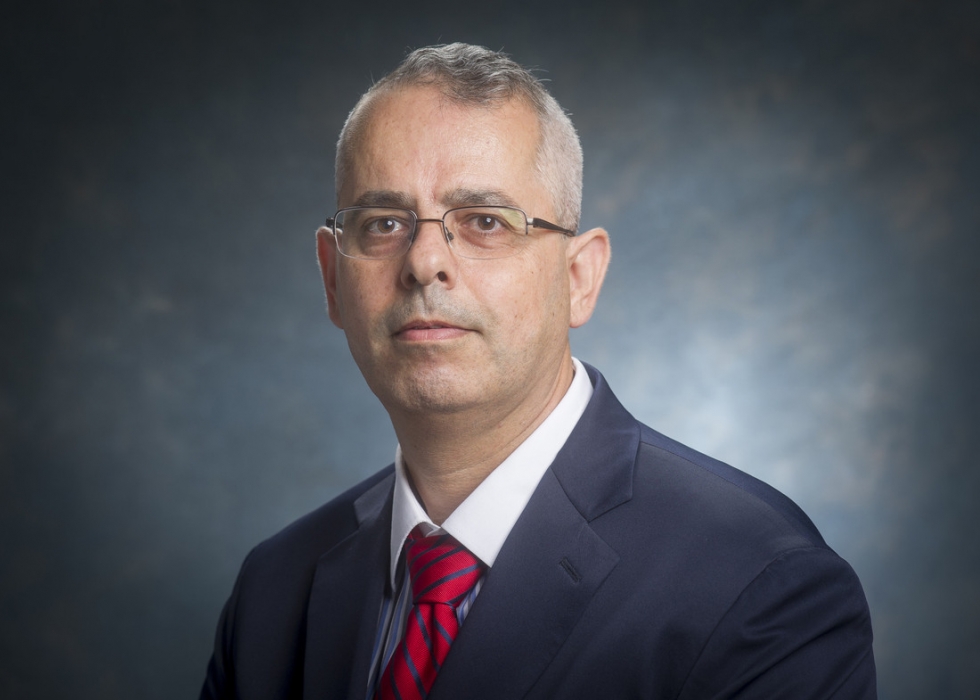
Dr. Rafet Al-Tobasei serves as an Associate Professor in the Department of Computer Science at Middle Tennessee State University (MTSU), where he applies computational methodologies to solve complex biological problems in aquaculture species. His research bridges computer science and genomics to address critical challenges in fisheries science and genetic improvement programs. His academic credentials include: Ph.D. in Computer Science, Middle Tennessee State University (2017) M.A. in Computer Science, Middle Tennessee State University (2011) M.S. in Computer Science, Middle Tennessee State University (2011) B.S. in Computer Science, Tennessee State University (2007) Dr. Al-Tobasei's research program focuses on developing and implementing bioinformatics tools for aquaculture genomics, with particular emphasis on rainbow trout and Nile tilapia. His expertise spans RNA sequencing analysis, Genome-Wide Association Studies (GWAS), Single Nucleotide Polymorphism (SNP) discovery, Long non-coding RNA (lncRNA) characterization, DNA methylation profiling, and Chromatin Immunoprecipitation Sequencing (ChIP-Seq) data interpretation. He investigates molecular mechanisms underlying economically important traits including muscle growth, fillet quality, disease resistance, and stress response. Analysis of his publication record reveals consistent thematic progression in aquaculture genomics: early work established foundational genomic resources for rainbow trout, followed by sophisticated GWAS applications for trait mapping, and recent integration of multi-omics approaches (transcriptomics, epigenomics, and lipidomics). His research increasingly emphasizes practical breeding applications, with significant contributions to genomic selection methodologies using reduced-density SNP panels and advanced statistical models. While specific awards and grants aren't documented in the source material, his extensive publication record in high-impact journals like BMC Genomics and Scientific Reports demonstrates substantial scholarly impact. His collaborative network spans multiple institutions and includes frequent co-authorship with leading aquaculture geneticists, indicating active participation in the research community and likely involvement in mentoring graduate students through research projects.
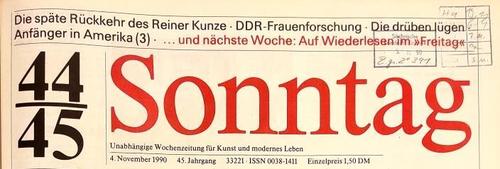
Bénédicte Terrisse is an Associate Professor in Germanic Literature at the University of Nantes, Faculty of Foreign Languages and Cultures, Department of Germanic Studies. She specializes in contemporary German-language literature with a particular focus on East German and post-East German literary production, working within the CRINI research center. Her educational background includes: Doctorate in Germanic Studies from Paris IV-Sorbonne University (2008-2012) under Bernard Banoun External Agrégation in German (2007) Master's degree in Germanic Studies from Paris IV-Sorbonne University (2005) Admission to École Normale Supérieure (2003) Preparatory literary classes at Lycée Chateaubriand in Rennes (2000-2003) Professor Terrisse's research focuses on contemporary German-language literature, particularly East German and post-East German literary production. Her work examines cultural transfers between France and Germany, editorial phenomena including collections and anthologies, literary history writing and canon theories, library studies, and the history of German studies as a discipline. She has developed significant expertise in the literary production of the German Democratic Republic, with special attention to poetic collections like the "Poesiealbum" series, the cultural weekly "Sonntag," and authors such as Wolfgang Hilbig, Thomas Brasch, and Sarah Kirsch. Her current Humboldt Fellowship research examines transnational models of literary history writing through the lens of the East German poetry series "Poesiealbum." Her recent publications demonstrate a consistent focus on East German literary production, particularly examining how literary canons were formed in the GDR through editorial practices. She has published extensively on Wolfgang Hilbig, exploring authorship models, literary transfers, and the relationship between literature and political systems. Her work increasingly incorporates digital humanities approaches to analyze literary collections and periodicals from the East German context, as evidenced by her involvement in the PERARTEM research program. Her notable awards and recognitions include: Humboldt Foundation Research Fellowship (2023-2025) Louis Forest/Thiessé de Rosemont Prize from the Chancellery of the Universities of Paris DAAD Research Mission grant CIERA mobility grant for research at the Academy of Arts in Berlin Doctoral grant from École Normale Supérieure, Paris Prime d'Encadrement Doctoral et de Recherche Professor Terrisse has supervised doctoral students and has been actively involved in research projects examining East German literary production. She currently leads research on the "Poesiealbum" collection and co-organizes an international conference on literary canons in the transnational context. She serves as deputy director of CRINI (2019-2023) and has held various administrative responsibilities including head of German aggregation and German literature courses at the University of Nantes. She is an active member of several scholarly societies including the Wolfgang-Hilbig-Gesellschaft, the Association of Germanists in Higher Education (where she served as general secretary 2018-2021), the International Association for German Studies, and the KOF - Koordinationsstelle Ostdeutschland - Frankreich. She serves on the editorial board of the journal Germanica and provides expertise for multiple academic publications.
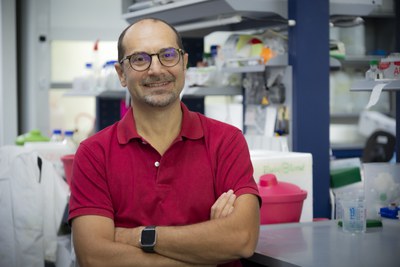
Diego di Bernardo is a Full Professor of Biomedical Engineering at the University of Naples Federico II and Principal Investigator at TIGEM, serving as Coordinator of the Genomic Medicine Program and Head of the Bioinformatics Core. His work bridges engineering and biological sciences to advance disease understanding and therapeutic development. His educational background includes a Laurea cum laude in Electronic Engineering from the University of Naples Federico II (1997) and a PhD in Medical Physics from the University of Newcastle School of Medicine (2001), funded by a European Commission Marie Curie Fellowship. Postdoctoral training followed at the Wellcome Trust Sanger Center and Boston University. Di Bernardo's research integrates Biomedical Engineering, Control Engineering, and Molecular Biology to pioneer Biomolecular Control. His lab develops microfluidics platforms for real-time cellular analysis and computational approaches for gene network reverse engineering and drug repositioning. Current work focuses on single-cell transcriptomics to combat drug resistance in cancer and engineer stress-response pathways for bioproduction optimization. His publication record demonstrates consistent innovation in computational biology, with recent work emphasizing pan-cancer transcriptomics, microfluidics-based cell control, and bioinformatics tool development for pathway analysis. The research trajectory shows increasing integration of engineering principles with genomic medicine. Scientific recognition includes: Marie Curie Fellowship He advises PhD students including Clarissa Poles and Virginia Fusco, leading a multidisciplinary team of postdocs and bioinformaticians. Major funding sources include Telethon, AIRC, Italian Ministries, HFSP, and EU programs such as Re-MEND (2023-2027) for mental health resilience and iPC (2019-2023) for pediatric cures. His TIGEM laboratory operates cutting-edge microfluidics and bioinformatics facilities to engineer living systems, with current projects targeting super-producer cell lines for biological drugs and viral vectors while reducing production costs through stress-response re-engineering.
João Nemi Neto is a Senior Lecturer and Director of the Portuguese Language Program at Columbia University's Department of Latin American and Iberian Cultures. Department: Latin American and Iberian Cultures Academic Role: Senior Lecturer University: Columbia University Educational Philosophy : Focuses on queer pedagogy and inclusive language instruction, emphasizing: Queer visibility in language classrooms Resistance to heteronormative textbooks Safe spaces for gender-diverse students Integrating cultural/political context into language learning Research Themes : Interdisciplinary work at the intersection of: Queer cinema studies Brazilian telenovela analysis Language's role in gender expression Antropofagia theory applications Inclusive pedagogical frameworks Historical queer narratives Publication Trends : Recent work examines: Queer representation in Brazilian cinema (1970-2015) LGBTQIA+ inclusion in foreign language education Evolution of masculinity portrayals in media Gender theory in educational contexts Historical AIDS activism narratives Queer pedagogy methodologies Collaborations : Co-authored works with Daniela Jakubaszko analyzing Brazilian television gender dynamics.