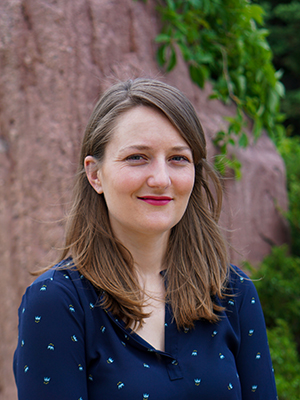
Frank Corsetti is a Professor of Earth Sciences at the University of Southern California (USC), leading the Corsetti Lab. His research focuses on the co-evolution of Earth and its biosphere, particularly during extreme events like the 'Snowball Earth' glaciation and mass extinctions. He holds a Ph.D. in Geological Sciences from UC Santa Barbara (1998) and a B.S. in Geology from UC Davis (1989). Research Interests: Corsetti studies geobiological processes such as stromatolite formation, microbial carbonate systems, and the environmental impacts of mass extinctions. His lab investigates biosignatures, diagenetic processes, and astrobiological applications. Current projects include the end-Triassic mass extinction and microbial interactions in extreme environments. Advising & Grants: He mentors a team of PhD students (including Reena Joubert, Alison Cribb, and others) and has secured funding from NASA for projects like stromatolite carbonate formation studies. His work bridges paleontology, geochemistry, and microbiology, contributing to understanding Earth’s long-term climate and life history. Labs/Teams: The Corsetti Lab at USC explores stromatolites, microbial mats, and ancient Earth systems. Collaborations involve institutions like JPL and international universities.
California Institute of Technology (Caltech)United States
Victoria J. Orphan is the James Irvine Professor of Environmental Science and Geobiology at Caltech, where she directs the Center for Environmental Microbial Interactions. Her research investigates microbial processes in anaerobic ecosystems including deep-sea methane seeps, hydrothermal vents, and coastal sediments using interdisciplinary approaches combining molecular biology, stable isotope techniques, and geochemistry. Her laboratory focuses on: Microbial partnerships in methane cycling Ecophysiology of uncultured archaea and bacteria Viral ecology in marine environments Biogeochemical impacts of microbial communities Blue carbon sequestration in seagrass ecosystems Professor Orphan has developed innovative methods including BONCAT-FISH and nanoSIMS for studying microbial activity in environmental samples. Her research group maintains active field programs in Monterey Canyon and hydrothermal vent systems, and develops high-pressure incubation systems for studying deep-sea microbes. She teaches courses on microbial ecology and evolution, and mentors graduate students through the Geobiology and Environmental Science programs.
John Stolz is Professor of Environmental Microbiology and Director of Environmental and Energy Engineering at Duquesne University's School of Science and Engineering. His NASA-trained research examines microbial metal reduction, modern stromatolite ecosystems, and shale gas extraction impacts. His lab investigates arsenic/selenium biotransformation pathways, microbial communities in Shark Bay stromatolites, and environmental impacts of unconventional energy development. Recognized with multiple excellence awards including the Nobel J. Dick Endowed Chair. Over 150 publications explore microbial respiration mechanisms, biogeochemical cycling, and environmental bioremediation. Current grants support water quality testing near shale gas operations.
Ferran Garcia-Pichel is a Regents Professor and Center Director at Arizona State University’s School of Life Sciences, affiliated with the Biodesign Center for Fundamental & Applied Microbiomics, Center for Biodiversity Outcomes, Water Institute, and Global Drylands Center. He holds a PhD in Microbiology from the University of Oregon (1999) and has been a faculty member at ASU since 1999. His research focuses on microbial adaptations in arid environments, including biogeochemical cycling, soil crust formation, and sustainable land restoration. Key interests include cyanobacterial sunscreen compounds (scytonemin), carbonate dissolution mechanisms, and hydrogen production. Teaching responsibilities include advanced microbiology, microbial ecology, and geomicrobiology courses such as MBB 495 Undergraduate Research and BIO 493 Honors Thesis. Awards span from the 2021 Regents Professor distinction to the 2023 Sperry Award for restoration science. His lab explores interdisciplinary approaches to study microbial communities in desert soils, marine intertidals, and atmospheric dust, with applications in climate resilience and biomedicine. Research highlights include biocrust restoration strategies, microbial nitrogen fixation networks, and the role of GABA/Glu signaling in spatial organization. Collaborations address global challenges like fugitive dust mitigation and carbon sequestration. The lab is based at the Biodesign Building B on ASU’s Tempe campus.
Sara Pruss is the Esther Cloudman Dunn Professor of Geosciences at Smith College, where she has established herself as a leading researcher in geobiology and paleontology. Her work focuses on critical transitions in Earth's history, particularly mass extinctions and the evolution of early life forms. She maintains an active research program that combines field work, laboratory analysis, and theoretical approaches to understand the complex interactions between life and Earth's environments through geological time. Education: Ph.D., University of Southern California M.S., University of Southern California B.S., University of Rochester Professor Pruss's research spans several interconnected areas within geobiology and paleontology. Her primary focus is on understanding mass extinction events, particularly the end-Permian extinction and Cambrian-Ordovician transitions. She investigates how these events affected marine ecosystems and the subsequent recovery patterns. Her work on Neoproterozoic carbonates and early animal evolution has provided important insights into the environmental conditions that facilitated the emergence of complex life. Professor Pruss also examines microbial sedimentary structures and their implications for interpreting ancient environments. Her research often combines detailed field observations with geochemical analyses to reconstruct paleoenvironments and understand the taphonomic processes that affect fossil preservation. Analysis of Professor Pruss's recent publications reveals a consistent focus on critical transitions in Earth's history. Her work spans the Ediacaran-Cambrian boundary, the Cambrian-Ordovician transition, and the Permian-Triassic extinction. A recurring theme is the relationship between environmental changes (particularly oxygenation and redox conditions) and biological evolution. Her research increasingly incorporates geochemical proxies like mercury chemostratigraphy to identify potential volcanic triggers for extinction events. The geographical scope of her work is global, with field sites in North America, Scotland, Namibia, and the Arctic. Scientific Awards: Outstanding Contributions to Geobiosciences by the Society for Geobiology and Geomicrobiology (2014) Sherrerd Prize for Distinguished Teaching by Smith College (2015) Professor Pruss has mentored numerous undergraduate students through her research lab at Smith College. Several of her former students, including Katie Castagno, Jana Burke, Kelsey Moore, Sophie Westacott, and Kiara Gomez, have gone on to earn PhDs from prestigious institutions like MIT, Yale, and Woods Hole. Her research has been consistently supported by major funding agencies including the National Science Foundation and the National Geographic Society. Beyond her research mentorship, Professor Pruss has been actively involved in programs aimed at supporting underrepresented women in STEM fields, demonstrating her commitment to inclusive excellence in science education. Professor Pruss leads an active research laboratory at Smith College that combines field, laboratory, and analytical approaches to geobiological research. Her lab has produced numerous publications with undergraduate co-authors, reflecting Smith's strong emphasis on undergraduate research. The lab's work often involves international collaborations with researchers from institutions around the world. Current research directions include investigating the relationship between oxygenation and early animal evolution, studying microbial influences on sedimentary structures, and examining the environmental triggers for major extinction events throughout Earth's history.
University of Illinois Urbana-ChampaignUnited States
Rachel J. Whitaker is the Harry E. Preble Professor in Liberal Arts and Sciences at the University of Illinois at Urbana-Champaign, affiliated with the Department of Microbiology in the College of Liberal Arts & Sciences . She leads the Whitaker Lab , studying microbial evolution, archaeal biology, and viral symbiosis. Her work focuses on CRISPR-Cas systems, microbial ecology, and infectious disease dynamics. Education: B.A. in Biology and Science in Society, Wesleyan University (1993) Ph.D. in Microbiology, University of California, Berkeley (2004) Postdoctoral Research in Geomicrobiology, UC Berkeley (2006) Research Interests: Whitaker’s team investigates archaeal genome evolution, viral-microbe interactions, and the role of CRISPR-Cas immunity in microbial ecosystems. Key areas include: Archaeal cell biology and physiology Phage-driven evolutionary dynamics in Pseudomonas aeruginosa One Health approaches to infectious disease Sulfolobus islandicus as a model organism Awards & Honors: Allen Distinguished Investigator Award (2017) University Scholar Award (2020) American Academy of Microbiology Fellow Co-Director, Microbial Diversity Course at Marine Biological Lab Advising & Grants: Whitaker oversees the Whitaker Lab and collaborates on initiatives like the Infection Genomics for One Health Theme at the Carl R. Woese Institute for Genomic Biology. Her work is funded by grants such as the Gordon and Betty Moore Foundation and NIH. Labs & Teams: Research is conducted in the Whitaker Lab , focusing on experimental evolution, genomics, and molecular biology. Partnerships include the Carl R. Woese Institute and the Marine Biological Lab.
Rowan C Martindale is an Associate Professor at the University of Texas at Austin's Department of Earth and Planetary Sciences within the Jackson School of Geosciences. His research focuses on marine paleoecology, mass extinctions, and carbon cycle perturbations in deep time, particularly the Triassic-Jurassic and Toarcian Ocean Anoxic Event. He leads the Martindale Lab, which investigates Jurassic reef crises, Lagerstätten preservation, and modern reef decline. His work integrates field studies, geochemical analyses, and educational tools like board games to enhance STEM engagement. Affiliations: UT Austin Non-vertebrate Paleontology Lab GSA Geobiology & Geomicrobiology Division (Executive Committee) Education: Doctoral research centered on Triassic/Jurassic boundary reef collapse linked to ocean acidification. Postdoctoral opportunities at Scripps and Humboldt Foundation were declined. Research Interests: Reconstruction of ancient reef ecosystems, exceptional fossil preservation mechanisms, and applying paleontological insights to modern conservation. Key projects include the Pliensbachian/Toarcian reef crisis and Jamaican coral reef monitoring. Publications: Over 50 peer-reviewed articles since 2015, emphasizing Jurassic paleoecology, fossil preservation, and education innovation. Top-tier journals include Paleontology , Geology , and Papers in Palaeontology . Awards: NSF CAREER Award (2019) UT Austin Teaching Excellence Award (2017) Advising & Grants: Supervised 15+ graduate students and postdocs. Secured NSF grants for reef research and educational initiatives like the GeoPATHS program in Jamaica. Labs/Teams: Collaborates with global institutions on field projects in Morocco, Jamaica, and the Caribbean. Lab focuses on combining fieldwork, microscopy, and geochemical analyses.
Marcus Gary is a Research Associate Professor at the Bureau of Economic Geology, Jackson School of Geosciences, The University of Texas at Austin, and Principal Geoscientist at the Edwards Aquifer Authority. His expertise lies in karst hydrogeology, focusing on karst processes and their implications for natural resource management. He holds a Ph.D. in Hydrogeology (UT Austin, 2009) and a B.S. from the same institution (2001). His doctoral work on Sistema Zacatón, a deep underwater cave system in Mexico, integrated geophysics, geochemistry, and NASA-funded DEPTHX AUV technology to map cave structures. Education: Ph.D. in Hydrogeology, UT Austin (2009) B.S., UT Austin (2001) A.S. in Marine Technology, College of Oceaneering (1994) Research Interests: Karst aquifer dynamics Groundwater-surface water interactions Volcanogenic speleogenesis Edwards and Trinity Aquifer management Geophysical and geospatial techniques in hydrogeology His work spans academic research, government service (USGS), and consulting. He teaches Applied Karst Hydrogeology at UT Austin and leads field operations for the Edwards Aquifer Authority. Notable projects include dye tracing studies in Central Texas, springhead delineation, and volcanic influences on karst systems. His research often emphasizes environmental policy and sustainable groundwater management. Labs/Teams: Edwards Aquifer Authority Field Operations, DEPTHX AUV Project Team, Jackson School of Geosciences Hydrogeology Group.
University of California, Los AngelesUnited States
Tina Treude is a Professor at the University of California, Los Angeles (UCLA), affiliated with the Department of Earth, Planetary, and Space Sciences and the Department of Atmospheric and Oceanic Sciences. She serves as Director of UCLA’s Marine Center at the Institute for the Environment and Sustainability (IoES), fostering interdisciplinary marine science collaboration. Her research spans geomicrobiology, biogeochemical cycles, and climate change impacts on marine ecosystems. Diploma in Biology (1999) from University of Kiel PhD in Biogeochemistry (2004) from Max Planck Institute for Marine Microbiology and University of Bremen Treude’s research focuses on microbial methane cycling in marine sediments, biogeochemical processes in oxygen minimum zones, and geomicrobiological responses to environmental changes. Her work combines field studies, laboratory experiments, and geochemical analyses to understand ecosystem dynamics. Notable trends in her publications include methane oxidation mechanisms, sulfur and nitrogen cycling in anoxic environments, and microbial adaptation to extreme marine conditions. Recent articles emphasize Santa Barbara Basin and Arctic Ocean studies. Scientific Awards: Pritzker Emerging Environmental Genius Award As a principal investigator, she collaborates on projects like the USC Sea Grant study of oxygen deficiency in Santa Monica Basin. Her lab trains students in radiotracer incubations, molecular methods, and sediment analysis. Treude has spent over two years at sea, conducting fieldwork via submersibles and research vessels globally.
Clara Chan is a Professor in the Department of Earth Sciences at the University of Delaware's College of Earth, Ocean & Environment (CEOE), with joint appointments in the School of Marine Science & Policy, Civil and Environmental Engineering, and Biological Sciences. Her research focuses on geomicrobiology, biomineralization, and environmental applications of microbial processes. Dr. Chan's educational background includes: Ph.D. in Earth and Planetary Science from the University of California, Berkeley (2006) M.S. in Civil and Environmental Engineering from Stanford University (1998) B.S. in Geological and Environmental Sciences from Stanford University (1997) Her research spans Geomicrobiology , Metagenomics , and Microbial Ecology and Physiology , investigating iron-oxidizing bacteria, biomineralization mechanisms, and bioremediation applications. She examines microbial-mineral interactions across environments from wetlands to hydrothermal vents, with emphasis on environmental mineralogy and geochemistry. Recent publications (2021-2025) reveal consistent focus on iron-oxidizing bacteria ( Sideroxydans , Gallionellaceae , Zetaproteobacteria), exploring molecular oxidation pathways, genomic adaptations, and biogeochemical roles in modern and ancient Earth systems. Key themes include microbial niche expansion, mineral-microbe coevolution, and environmental applications. No major scientific awards were listed in the current profile. Dr. Chan is affiliated with the Microbiology Graduate Program and likely advises graduate students, though specific advisees are not documented. Research grant details were not provided in available materials. Her work is conducted through the Delaware Biotechnology Institute and Delaware Environmental Institute (DENIN), leveraging cross-departmental collaborations in Earth Sciences, Marine Policy, and Biological Sciences to study microbial processes in environmental systems.
Dr. Yina Liu is an Assistant Professor in the Department of Oceanography at Texas A&M University, leading the Halo-Carbon Biogeochemistry Lab and serving as R&D Team Lead in the Geochemical and Environmental Research Group (GERG). Her research focuses on organic biogeochemistry, particularly halogenated compounds' roles in environmental processes. She employs advanced mass spectrometry and data science to study contaminant cycling, microbial transformations of oil components, and PFAS distributions. Education includes a Ph.D. in Chemical Oceanography (Texas A&M, 2013), B.S. in Environmental Sciences (UC Irvine, 2006), and postdoctoral work at Woods Hole Oceanographic Institution (2013-2015) and Pacific Northwest National Lab (2015-2017). Research interests span untargeted environmental analysis, halocarbon biogeochemistry, and eco-metabolomics, with emphasis on linking organic matter dynamics to ecological processes. Her lab investigates topics such as microbial degradation of crude oil components, PFAS environmental fate, and halogenated compound identification using novel computational algorithms. Current projects include developing cheminformatics pipelines for tarball fingerprinting and atmospheric particle characterization. She actively mentors students across undergraduate, graduate, and postdoctoral levels through Texas A&M's Oceanography program. Research highlights include groundbreaking work on oil spill bioremediation mechanisms and PFAS contamination in urban watersheds. Her methodologies combine field studies, laboratory experiments, and computational modeling to advance understanding of global carbon and contaminant cycles.
Dr. Sarah K. Carmichael is a Professor in the Department of Geological and Environmental Sciences at Appalachian State University , where she also serves in the Appalachian Studies Faculty . Her interdisciplinary research focuses on fluid-rock reactions , manganese geomicrobiology , and paleoenvironmental reconstruction of mass extinction events through Devonian period studies . B.A. from Smith College M.A. and Ph.D. from Johns Hopkins University Her research combines geochemistry of mass extinctions , microbe-mineral interactions in caves , and Appalachian manganese ore formation through fieldwork from Mongolian mountains to Vietnamese basins . She leads the DAGGER (Devonian Anoxia, Geochemistry, Geochronology, and Extinction Research) Team and collaborates with Dr. Suzanna Bräuer on cave geomicrobiology projects. Recent publications focus on Devonian-Mississippian stratigraphy in Mongolia , mercury isotope evidence for Late Devonian ocean anoxia , and human impact assessment in Appalachian caves . Her work has been recognized with National Geographic Explorer status, inclusion in the Explorers Club 50 , and the UNC Board of Governors Teaching Award . Scientific awards include National Geographic Explorer (2018, 2022) Explorers Club 50 (2022) Board of Governors Teaching Award (2020) Academy of Outstanding Teachers induction (2022) KWI Distinguished Service Award (2020) William C. Strickland Outstanding Junior Faculty Award (2014) She mentors numerous student researchers and has secured over $1.2 million in external funding from organizations like the National Science Foundation and National Geographic Society . Her laboratory work utilizes advanced techniques such as electron microscopy and isotope analysis to decode micron-scale mineral textures that reveal Earth's ancient environmental changes.
Dr. Jamie McFarlin is an Assistant Professor in the Department of Geology and Geophysics at the University of Wyoming, where she leads the MOSS Lab group. Her research focuses on understanding how climate-driven geochemical changes are amplified or moderated by biological feedbacks over time. Education: PhD, Northwestern University (2019) MS, Northwestern University (2016) BA, Lawrence University (2009) Research Focus: Dr. McFarlin's work centers on organic geochemistry and biogeochemistry , particularly examining how environmental systems respond to climate change over hundreds to thousands of years. Her research combines modern observations with stable isotope labeling and paleoclimate reconstructions, investigating periods from the Younger Dryas-Holocene transition to Early Cretaceous redox conditions in Wyoming's Mowry Shale. Her laboratory facilities include the Organics in Sedimentary Systems Lab (Moss Lab) for lipid biomarker extraction and purification, and the Facility for Mass Spectrometry for high-resolution biomarker characterization. Teaching: Dr. McFarlin teaches core courses including GEOL2000 Geochemical Cycles, and rotating topical courses such as Introduction to R, Biogeochemistry, and Climate of the Holocene. Contact: Office ESB 3010, Email: Jamie.McFarlin@uwyo.edu
Anne Dekas is an Assistant Professor in the Department of Earth System Science at Stanford University, affiliated with the Stanford Doerr School of Sustainability. She holds a courtesy appointment in Earth and Planetary Sciences. Her research focuses on geomicrobiology, exploring how microbial life influences Earth's chemistry and climate, particularly in deep-sea environments. She earned a PhD in Geobiology from Caltech (2013) and an AB in Earth and Planetary Sciences from Harvard (2004). Her lab, the Dekas Geomicrobiology Laboratory, investigates microbial diversity and activity in the deep ocean, including carbon, nitrogen, and sulfur cycling. Key research topics include greenhouse gas dynamics, subsurface microbiomes, and microbial adaptations to extreme environments. She has pioneered techniques combining molecular biology and isotope geochemistry to study microbial function in habitats like hydrothermal vents, hypersaline brines, and methane seeps. Her work bridges Earth science and astrobiology, examining analogs for extraterrestrial ocean worlds. Notable findings include insights into ANME archaea scarcity in seeps and the role of urea in dark ocean nitrogen assimilation. She also explores soil carbon storage via anoxic microsites and the metabolic flexibility of SAR324 lineages. Lab facilities are located in the Green Earth Sciences Building at Stanford. Her research has been supported by grants including the NSF CAREER award (2022) and NASA astrobiology initiatives. The lab actively collaborates on oceanographic expeditions and environmental management projects.
Ileana Pérez-Rodríguez is an **Assistant Professor** in the **Department of Earth and Environmental Science** at the **University of Pennsylvania**, affiliated with the School of Arts & Sciences. Her research focuses on **biogeochemistry**, **geomicrobiology**, and **microbial ecology**, particularly in extreme environments such as deep-sea hydrothermal vents and continental sedimentary systems. She integrates experimental and computational approaches to study microbial-mineral interactions, metabolic pathways, and their biogeochemical implications. Education: Ph.D. in Microbial Ecology, Rutgers University (2012) B.S. in Biology, University of Puerto Rico (2005) Research Interests: Ecophysiology and bioenergetics of chemolithoautotrophic organisms Iron and sulfur cycling in marine and terrestrial ecosystems Isotope-based tracing of biogeochemical processes Microbial adaptation to high-pressure and thermophilic environments Her work explores **habitat habitability** in astrobiological contexts and **elemental cycling** in Earth’s subsurface. She teaches courses such as *GEOL 125: Earth and Life Through Time* and collaborates on programs like the Community College Cultivation Cohort (C4) REU Program. Her research has advanced understanding of microbial roles in biogeochemical cycles and planetary habitability.