
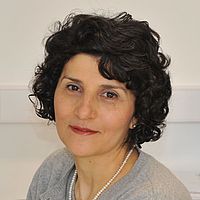
Prof. Dr. Deniz Tasdemir is a Full Professor (W3) of Marine Natural Products Chemistry at GEOMAR Helmholtz-Zentrum für Ozeanforschung Kiel and serves as Director of the GEOMAR-Biotech center and Head of the Marine Natural Product Chemistry Research Unit. Her career spans institutions including the National University of Ireland Galway and UCL School of Pharmacy. PhD in Pharmacy, ETH Zurich (1997) Post-doctoral work, University of Utah (2001) Dr. Helmut Legerlotz Fellowship, University of Zurich (2002-2025) Her research focuses on marine chemical ecology , metabolomics , and bioprospecting for bioactive compounds from sponges, algae, and marine microbiomes. Recent work explores seagrass pathogen reduction, microbiome interactions, and aquafeed applications. Scientific awards include: Waters Award for Natural Products Innovation (2016) Egon Stahl Silver Medal (2005) Pierre Fabre Prize (2004) ETH Zurich Medal (1997) She leads collaborative projects on ocean sustainability and marine drug discovery, with editorial roles in Marine Drugs , Planta Medica , and Phytochemistry Letters .
جستجوی استاد راهنمای دانشگاهی
برای مسیر پژوهشیتان، استاد راهنما، استاد دانشگاه و پژوهشگر مناسب را پیدا کنید و با آنها ارتباط بگیرید.
نمایش ۱-۱۵ از ۱٬۲۷۶ استاد راهنما
اطلاعات پروفایلها از صفحات عمومی دانشگاهها گرفته شده و ممکن است بهروز نباشد.
Prof. Dr. Oliver Krüger is a behavioral ecologist and evolutionary biologist at Bielefeld University 's Faculty of Biology , where he leads the Department of Animal Behaviour since 2013. His research spans avian and marine mammal systems, focusing on life history strategies, parasite-host interactions, and environmental adaptation. Education: Biology studies at Bielefeld University (1994-1996) MSc in Oxford (1996-1997) PhD at Bielefeld University with Fritz Trillmich and Jan Lindström (1998-2000) Research Themes: Behavioral ecology, evolutionary biology, and population dynamics across tropical and temperate ecosystems. Key projects include NC³ (Niche Choice/Construction) and studies on Galápagos sea lions, common buzzards, and pinniped species. Scientific Leadership: Spokesperson, SFB TRR 212 "NC³" (2018-2025) Advisory Board member: German Ornithologists Union, IUCN SSC pinniped group, German Primate Centre Peer review roles: Humboldt Foundation, DFG, HFSP, NSF Awards: Leopoldina Prize (2001) Niko Tinbergen Award (2008) DFG Heisenberg Professorship (2010-2015)
Dongwoo Kimمشاهده پروفایل
پژوهشگر
Dongwoo Kim is a researcher affiliated with Hanyang University, ERICA Campus (Department of Electronics and Communication Engineering) and has previously collaborated with institutions like POSTECH , Chungnam National University , and Microsoft . His work spans interdisciplinary domains in Computer Science and Engineering . Hanyang University, ERICA Campus - Department of Electronics and Communication Engineering POSTECH - Power Analog Electronics & Semiconductor Devices Lab Microsoft Chungnam National University Kim's research focuses on formal verification of automotive control software, deep learning applications in environmental monitoring, 3D modeling for indoor positioning, and machine learning for signal processing. His recent publications highlight advancements in graph neural networks (GNNs), including analyzing oversmoothing and gradient dynamics, as well as developing geometric vision-language models with domain-agnostic encoders. His 15 most recent articles (2023-2025) address topics like: Optimizing hybrid electric vehicle engine performance 3D modeling for indoor localization GNN training stability UAV-based environmental monitoring Algorithm difficulty prediction for programming problems Millimeter-wave antenna design Kim collaborates with researchers in software engineering , signal processing , and environmental science domains. His work intersects formal methods , applied machine learning , and embedded systems research.
Heike Wexمشاهده پروفایل
پژوهشگر
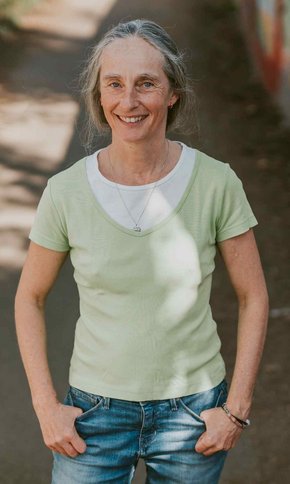
Dr. Heike Wex is a prominent atmospheric scientist at the Leibniz Institute for Tropospheric Research in Leipzig, Germany, where she serves as a Researcher in the Atmospheric Microphysics department. With over two decades of continuous research since completing her PhD in 2002, she has established herself as a leading expert in aerosol-cloud interactions and ice nucleation processes. Her work spans multiple international collaborations and major research initiatives including (AC)³, PICNIC, MarParCloud, and PI-ICE projects. Her research focuses on experimental investigations and theoretical descriptions of aerosol-cloud interactions, with specific expertise in hygroscopic growth at high relative humidities (>99% RH), particle activation to cloud droplets, heterogeneous ice nucleation processes, and the role of atmospheric aerosol particles as nuclei for cloud droplets and ice formation. Her work bridges atmospheric physics, climate science, and environmental chemistry, with significant contributions to understanding how microscopic processes affect cloud formation and climate. Analysis of her recent publications reveals a strong focus on polar and marine environments, with particular attention to biological contributions to ice nucleation, seasonal variations in Arctic aerosols, and the development of advanced measurement techniques. Her work consistently addresses fundamental questions about how aerosols influence cloud properties and climate systems, with increasing emphasis on climate-relevant processes in polar regions. Dr. Wex has held significant leadership positions, including serving as Vice President of the International Commission on Clouds and Precipitation (ICCP) from 2021-2024. She is also actively engaged with Scientists for Future in Leipzig, demonstrating her commitment to addressing climate change through scientific expertise and public engagement. Beyond her research, she has organized numerous scientific workshops and field campaigns, including leadership roles in the LExNo experiment, FROST projects, and the 16th International Conference on Clouds and Precipitation. Her work has established important methodological approaches for studying ice nucleation and has contributed significantly to our understanding of aerosol impacts on cloud formation across diverse environments from the Arctic to the tropics.
Peter Bartschمشاهده پروفایل
پژوهشگر
Dr. Peter Bartsch serves as curator of the fish collection and construction project officer at the Museum für Naturkunde (MfN), Leibniz Institute for Evolution and Biodiversity Science, which is affiliated with Humboldt University Berlin. With expertise in ichthyology, embryology, and comparative anatomy, Dr. Bartsch has been instrumental in the museum's collection management and building renovation projects since joining the institution as a research associate before becoming curator in 2000. Dr. Bartsch received his academic training in ichthyology, embryology, and comparative anatomy at the University of Cologne. His academic career includes positions as a research assistant at the University of Tübingen and a postdoctoral fellowship at the Natural History Museum in Stockholm before joining the Museum für Naturkunde. Dr. Bartsch's primary research focuses on the evolution and systematics of major groups of bony fishes (Osteichthyes), with particular emphasis on primitive ray-finned fish lineages. His work integrates morphological analysis of both fossil and extant species to understand evolutionary relationships. A significant portion of his research centers on the developmental biology of ancient fish groups, especially the Polypteridae (bichirs), examining embryonic development, skeletal formation, and sensory systems. More recently, his interests have expanded to include the logistics and optimal management of research collections, reflecting his administrative responsibilities at the museum. Analysis of Dr. Bartsch's recent publications reveals a consistent focus on fish morphology, evolution, and development, with particular attention to primitive actinopterygian lineages. His work spans both systematic taxonomy and functional morphology, with increasing attention to museum collection management challenges. The publications demonstrate expertise in comparative anatomy across diverse fish groups including chondrichthyans (sharks, rays, and chimaeras) and basal actinopterygians. Recent work shows integration of molecular phylogenetic approaches with traditional morphological analysis. Dr. Bartsch has held significant administrative roles at the Museum für Naturkunde, serving as head of the collections department from 2011 to 2013. He was responsible for the museum's construction program for the east wing reconstruction, completed in 2010, which created modern facilities for the storage and scientific processing of the museum's wet collections. Currently, he manages the second phase of the building's renovation that began in 2011 and participates in planning for the future development of the museum's facilities. The Museum für Naturkunde houses extensive ichthyological collections that form the basis for Dr. Bartsch's research. His work involves close collaboration with various research teams within the museum, particularly in the areas of molecular phylogenetics, collection preservation, and paleontological research. The museum's facilities include specialized laboratories for morphological analysis, molecular studies, and collection management that support his research activities.
Prof. Dr. Michael Schloter serves as Director of the Research Unit for Comparative Microbiome Analysis at Helmholtz Munich since 2011 and holds a Professorship in Microbiology at the Technical University of Munich since 2010. He concurrently acts as Principal Investigator at both the German Center for Lung Diseases (DZL) and the Central for Food and Nutrition (ZIEL) at TU Munich, driving interdisciplinary research at the intersection of environmental and human health through the "Planetary Health" framework. His educational foundation was built through diploma studies at Ludwig Maximilian University Munich and doctoral research at the University of Bayreuth, followed by formative work in Brazil and the United States where he pioneered bioinocula development for stress-resilient agriculture. At Helmholtz Munich (formerly GSF), he evolved from group leader in soil microbial ecology (2001) to Research Unit Director, expanding his focus from agricultural systems to human microbiome-health connections. Dr. Schloter's research program centers on microbiome-host crosstalk across ecological scales, investigating how environmental microbiota interact with human and plant microbiomes to influence health outcomes. His work integrates ecological theory with microbiome analysis to decode host-microbe co-evolution patterns, with applications spanning sustainable agriculture, allergy prevention, and infection control. Key thematic pillars include holobiont theory, probiotic development, and microbiome-mediated disease prevention through environmental quality improvement. Analysis of his 2025 publications reveals a strategic research portfolio bridging fundamental and applied microbiome science. Agricultural studies dominate (maize, potato, apple systems), examining microbial inoculants and soil management, while human health investigations explore preterm birth complications and Antarctic mammal microbiomes. Computational approaches for antimicrobial resistance assessment and ecosystem-scale projects like JenaTron demonstrate methodological breadth, all converging on translating microbiome functionality into real-world sustainability solutions. Major recognitions include: Election to the Bavarian Academy of Science (2021) Consistent placement among the top 1% of highly cited global researchers (2019-2021) Heinrich Baur Research Award (2011) for agricultural microbiology contributions As Research Unit Director, Schloter leads large-scale collaborative initiatives including the DZL and ZIEL consortia, securing major funding for microbiome standardization projects and international research networks. His leadership extends to developing analytical frameworks for cross-ecosystem microbiome comparisons and establishing protocols for translating microbial ecology principles into clinical and agricultural applications. The Comparative Microbiome Analysis unit operates as a nexus for multi-host microbiome research, employing comparative genomics, field-scale agricultural trials, and clinical cohort studies to investigate microbiome dynamics across environmental, plant, and human systems. Current infrastructure includes advanced sequencing facilities and experimental platforms for plant-microbe and host-microbe interaction studies under controlled and natural conditions.
Prof. Morten Hvitfeldt Iversen is a leading researcher in Polar Biological Oceanography at the Alfred Wegener Institute (AWI). He serves as Section Head of the Polar Biological Oceanography department and leads the bridging group 'SeaPump' collaborating with University of Bremen and MARUM. His work focuses on organic matter production, export, and transformation in oceans, linking small-scale microbial processes to large-scale biogeochemical cycles in high-latitude regions. Iversen pioneers optical techniques to study marine aggregates and their role in the biological carbon pump. Research interests include Arctic and Antarctic carbon dynamics, microbial ecology, and the impact of climate change on ocean systems. He leads projects like the 'SeaPump' initiative and contributes to the 6.3 sub-topic 'The future of the biological pump' under POF IV. His work integrates field observations, mooring data, and satellite measurements to understand carbon fluxes and their climate feedbacks. Recent articles highlight his focus on Arctic carbon sinks, microplastic impacts, and zooplankton roles in the biological pump. Iversen actively participates in expeditions aboard the Polarstern and uses advanced optical tools to study particle dynamics. His contributions bridge experimental and observational science to address global climate challenges.
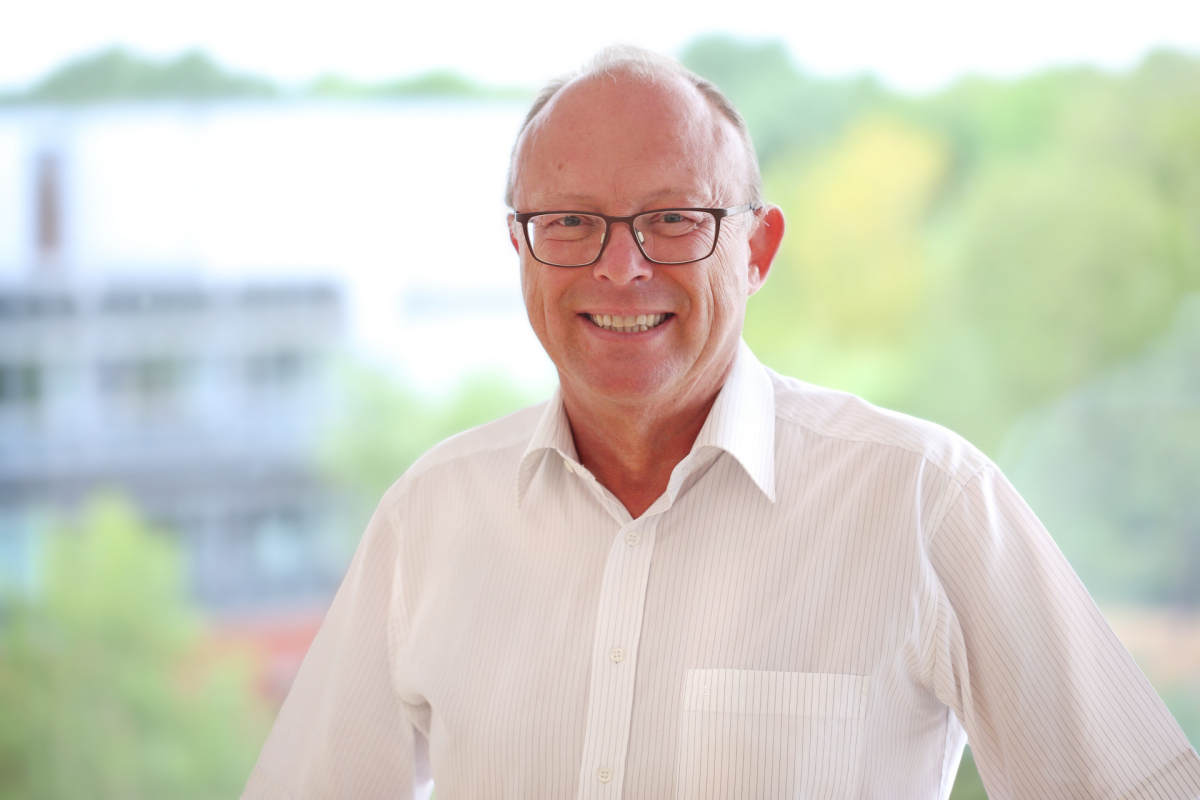
Prof. Dr. Rudolf Amann serves as Managing Director at the Max Planck Institute for Marine Microbiology in Bremen, Germany, and leads the Department of Molecular Ecology. His work pioneers molecular methods for studying marine microorganisms, with a focus on fluorescence in situ hybridization (FISH) to identify and quantify microbial cells. Managing Director, Max Planck Institute for Marine Microbiology (since 2018) Department Head, Molecular Ecology Research Center, Bremen, Germany Research Interests: Marine microbial diversity and ecology Carbon cycle dynamics in coastal and deep-sea environments Phytoplankton-bacterioplankton interactions Microbial taxonomy and phylogenetics Single-cell identification techniques (FISH, CARD-FISH) Integration of metagenomics and proteomics Publication Trends: Recent work focuses on microbial interactions in extreme environments (hydrothermal vents, Arctic waters), carbohydrate cycling in oceanic systems, and ecological differentiation of bacterial populations through advanced imaging and omics technologies. Contact: ramann@mpi-bremen.de

Prof. Dr. Frederik Tilmann is a leading seismologist at the GFZ German Research Centre for Geosciences (Section 2.4 Seismology) and a professor at the Freie Universität Berlin . His work focuses on seismic waveform analysis to understand geodynamic processes in subduction zones and continental collisions. Current affiliations: Head of Seismology Section, GFZ Potsdam University Professor, Freie Universität Berlin Research interests include: Earthquake source characterization Seismic tomography methods Mantle dynamics and lithospheric deformation Machine learning applications in seismic data analysis Volcano-seismic monitoring Ocean bottom seismology techniques Recent publications highlight advancements in: Full waveform inversion for mantle dynamics Machine learning for seismic phase picking Anisotropy studies in Alpine and Himalayan regions Subduction zone microseismicity analysis Volcano-induced landslide detection Scientific awards include: Feodor-Lynen Fellowship (Humboldt Foundation) Trinity Hall College Staff Fellowship Multiple citations in high-impact journals Collaborative work spans global seismic infrastructure projects like SMART cables, the Collaborative Seismic Earth Model, and the AlpArray network. His methodology innovations in shear wave splitting and depth phase picking have become standards in computational seismology.
- Seismology
- Geophysics
- Earthquake Analysis
- +۳ مورد دیگر
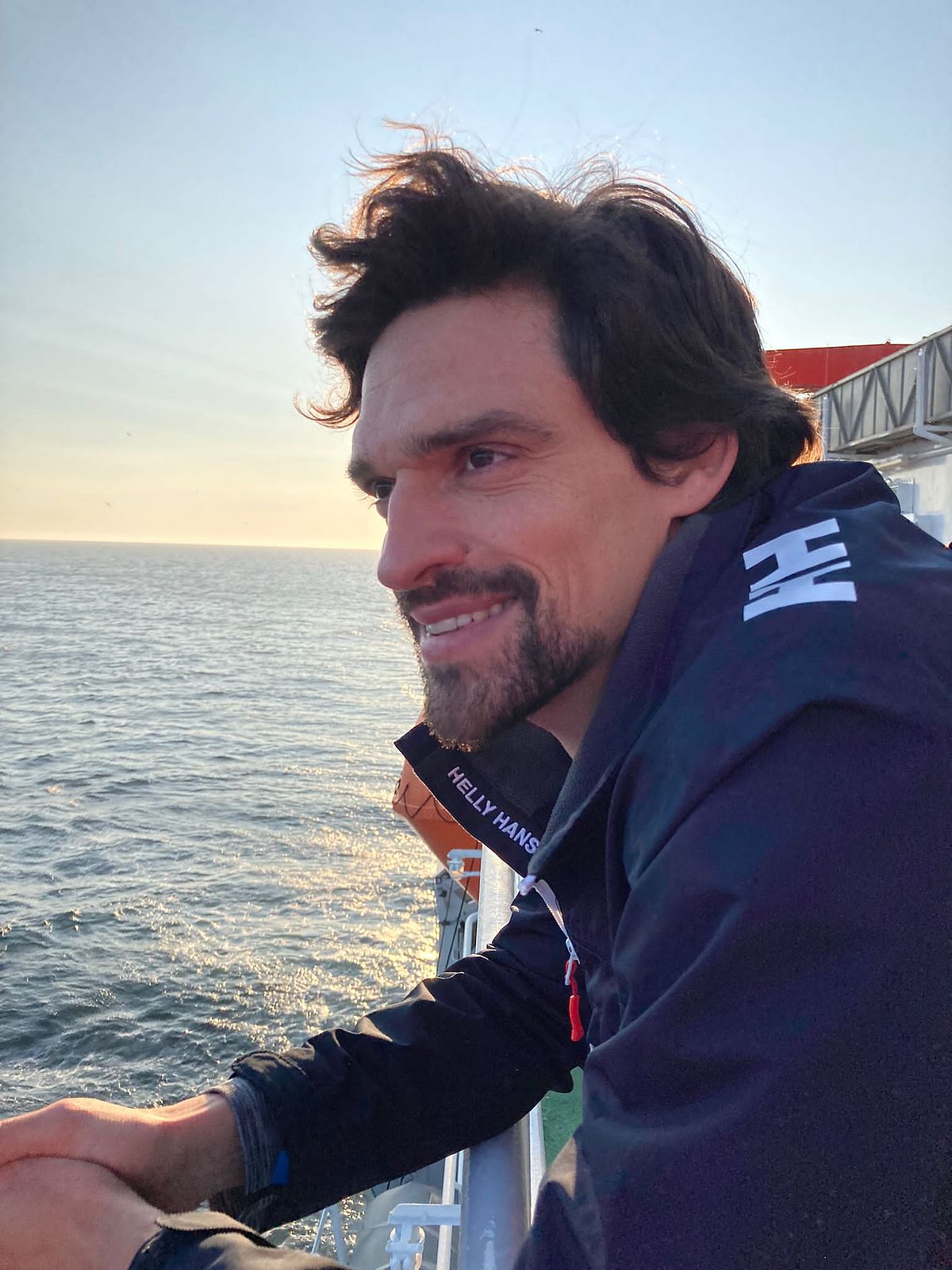
Dr. Benjamin Pontiller is a researcher at GEOMAR Helmholtz Centre for Ocean Research Kiel, Germany, within the Marine Biogeochemistry Research Division and Biological Oceanography Research Unit . His work focuses on microbial carbon cycling in marine environments, particularly the role of bacterioplankton in transforming dissolved organic carbon (DOC). Current projects: INDICOM, ICEBERG, HOMER, BIOCAT Recent expeditions: RV SONNE (Indian Ocean 2024), RV POLARSTERN (Arctic 2024), RV METEOR (Atlantic 2022) His research integrates omics technologies with chemical and rate measurements to understand microbial functional potential in: Coastal upwelling systems Deep Arctic Ocean (HAUSGARTEN) Baltic Sea phage dynamics Trace metal impacts on microbial communities Education: PhD in Ecology (Marine Microbial Ecology) - Linnaeus University 2021 MSc in Ecology (Marine Biology) - University of Vienna 2015 BSc in Biology - University of Vienna 2013
Prof. Dr. Thomas Koop is a Professor of Physical Chemistry at Bielefeld University, where he leads the Atmospheric and Physical Chemistry research group within the Faculty of Chemistry. He has served as Dean of the Faculty of Chemistry from 2022-2024 and currently serves as Vice Dean (2024-2025). His research focuses on phase transition phenomena, particularly ice nucleation and growth, supercooled liquids, and the formation of amorphous glassy materials. His work has significant implications for understanding atmospheric aerosols, cloud formation mechanisms, and cryobiological processes. The group employs experimental techniques such as differential scanning calorimetry and optical cryo-microscopy, developing specialized equipment for studying phase transitions at micro and nanoscales. Prof. Koop's publication record shows a consistent focus on atmospheric chemistry with increasing exploration of biological ice nucleators, planetary atmospheres (including Venus), and the physical properties of atmospheric aerosols. His most cited work includes 'Water activity as the determinant for homogeneous ice nucleation in aqueous solutions' (Nature, 2000), which established fundamental principles in the field. 2024-2025: Vice Dean of Faculty of Chemistry 2022-2024: Dean of Faculty of Chemistry 2001-2022: Co-founder and Executive Editor of Atmospheric Chemistry and Physics Since 2004: Coordinator of Graduate School of Chemistry and Biochemistry Prof. Koop has mentored numerous students and postdoctoral researchers, contributing significantly to the development of the next generation of atmospheric scientists. His research has been supported by various funding agencies and has led to collaborations with institutions worldwide, from MIT and UC Berkeley to research centers in Switzerland and Israel.
Sandrine Maljean-Dubois is a Researcher at Aix-Marseille Université and Deputy Scientific Director of the CNRS Section 36 (INSHS). Her expertise lies in public law, with a focus on environmental and climate governance. She has organized numerous international colloquia on topics such as ocean law, climate litigation, and biodiversity protection. Her research addresses the intersection of international law, ecological urgency, and institutional accountability. She supervises doctoral students exploring climate policy, marine governance, and environmental justice. Key activities include co-organizing events like 'Gouverner la société internationale par les chiffres' (2025) and 'Le rôle des juridictions internationales dans la protection du climat' (2024). Her work bridges legal frameworks with scientific challenges, emphasizing interdisciplinary approaches to global environmental crises.
Prof. Harald Sternberg is a distinguished academic at HafenCity University Hamburg, holding the position of University Professor for Hydrography and Geodesy. His affiliations include the Department of Geodesy and Geoinformatics, where he leads research in hydrographic education and advanced geomatics technologies. He previously served as Vice President for Teaching and Studies (2009-2022) and Acting President (2010) of HCU. Education: Ph.D. in Geodesy from University of the Bundeswehr Munich (1999), specializing in trajectory determination of land vehicles using hybrid systems. Early career included roles as scientist at Bundeswehr University (1991-2001) and academic leadership at HAW Hamburg (2005-2009). Research focuses on underwater mapping, navigation systems, and sensor integration. Key projects include: Level 5 Indoor Navigation (5G-based positioning), hydrothermal vent exploration using deep-towed multibeam systems, and low-cost mobile mapping solutions. He also investigates smartphone-based inertial navigation and autonomous underwater vehicles for infrastructure monitoring. Publications span underwater vision systems, satellite-derived bathymetry, and 3D point cloud analysis. Over 200 peer-reviewed articles and book chapters reflect expertise in geomatics applications. Current research emphasizes 5G-enabled indoor navigation and environmental sensor networks. Grants include BMWK-funded autonomous deep-sea monitoring and BGR exploration projects in the Indian Ocean. His lab develops innovative tools like the HOMESIDE sled for seafloor surveys. Supervises Ph.D. research on hydrothermal vent analysis and data-driven inertial localization.
- Hydrography
- Geodesy
- Navigation Systems
- +۷ مورد دیگر

Jens Krause is a Professor and Head of Department at the Leibniz Institute of Freshwater Ecology and Inland Fisheries (IGB) in Berlin, leading the Research Group on Mechanisms and Functions of Group-Living. He holds a full professorship in Fish Ecology at Humboldt-Universität zu Berlin, Faculty of Life Sciences, Thaer-Institute, and since 2018 has been an Adjunct Professor at Technical University Berlin within the Excellence Cluster 'Science of Intelligence'. His research is centered on collective intelligence, social networks, decision-making, and behavioural ecology in fish and other animals. Full Professor in Fish Ecology, Humboldt-Universität zu Berlin Adjunct Professor at Technical University Berlin (since 2018) Head of Department, IGB Berlin PhD, University of Cambridge Diploma, Free University Berlin His work integrates experimental biology, network analysis, and biomimetic robotics to understand how animals make collective decisions. His expertise spans animal behaviour, evolution, and ecological physiology, with a strong focus on group-living dynamics. Recent research explores group hunting, predator evasion, social foraging, and the impact of environmental stressors on collective behaviour. The analysis of his recent publications reveals a strong trend in understanding collective behaviour in fish, including escape waves, social foraging, group hunting in marlins and sailfish, and the use of robotic agents to study social integration. His interdisciplinary approach combines marine biology, physics, robotics, and data science to uncover the mechanisms behind collective intelligence in both animal and human systems. Editorial Board, Behavioral Ecology Editorial Board, Fish and Fisheries Executive Board, Excellence Cluster 'Science of Intelligence' Advisory Board, Bimini Biological Field Station Foundation He advises numerous PhD students and postdoctoral researchers, and leads major research projects, including 'Developing exploration behaviour' funded by the Excellence Cluster. His work has been supported by extensive collaborations across Europe and North America, and he frequently publishes in top-tier journals such as Nature , Science Advances , Proceedings of the Royal Society , and Current Biology . His lab employs cutting-edge methods including automated tracking, social network analysis, and interactive robotics to study animal groups. His research group, 'Mechanisms and Functions of Group-Living', is embedded within the Excellence Cluster 'Science of Intelligence', where they investigate collective cognition, social information use, and the role of individual differences in group performance. The team combines field studies with laboratory experiments and computational modelling to understand the evolution and function of collective behaviour across species.
Professor Michael W. Friedrich is affiliated with the Microbial Ecophysiology group at the University of Bremen, within the College of Chemistry and Biology and the MARUM research center. His research focuses on microbial ecophysiology and environmental microbiology. Institution: University of Bremen Contact: Email michael.friedrich@uni-bremen.de His work explores interactions between microbial physiology and ecological systems, particularly in marine environments.
نمایش نتایج تا ۷۵۰ مورد اول. برای یافتن نتایج دقیقتر، جستجوی خود را با فیلترها محدود کنید.