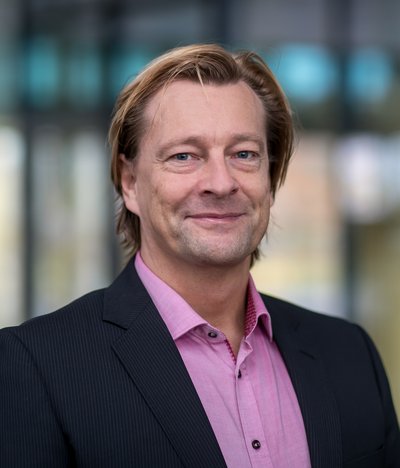
Dr. Frank Li serves as Professor and Director of the Rayen School of Engineering at Youngstown State University, holding a concurrent position as Chair of the Department of Electrical and Computer Engineering. His academic leadership spans multiple institutional roles including department chair since 2019. His educational background includes: Ph.D. in Electrical Engineering (2005, Case Western Reserve University) M.S. in Electrical Engineering (1999, Youngstown State University) B.S. in Electrical Engineering (1995, Ohio State University) Research focuses on RF engineering, autonomous power conversions, and applied magnetic fields with significant contributions to microelectronics security, wireless sensor networks, and structural health monitoring. His work bridges theoretical advancements with practical applications in battery technology, antenna design, and semiconductor verification. Recent publications demonstrate strong emphasis on terahertz antenna fabrication, trusted microelectronics, and novel sensor development. Key scientific recognitions include: Youngstown State University Distinguished Chairperson (2023) NASA Glenn Summer Faculty Fellowship (2016, 2017) As an educator, Dr. Li has mentored over ten graduate students and developed innovative low-cost laboratory systems for engineering education. His externally funded research includes collaborations with NASA and MIT's Francis Bitter Magnetic Laboratory where he served as visiting scientist (2014-2015). Current work involves advanced manufacturing techniques for RF components and security verification of integrated circuits.
Martha Murray, MD, is Professor of Orthopedic Surgery at Harvard Medical School and Orthopedic Surgeon-in-Chief in the Department of Orthopedics and Sports Medicine at Boston Children’s Hospital. An internationally recognized authority on ACL injuries, she pioneered the FDA-approved Bridge-Enhanced ACL Restoration (BEAR) technique that enables the torn ligament to heal without graft harvest. Her clinical practice focuses on knee injuries in athletes of all ages, while her NIH- and NFL-PA-funded research program integrates tissue engineering, quantitative MRI, and translational large-animal models to prevent post-traumatic osteoarthritis. Education & Training BS, Mechanical Engineering, University of Delaware, 1987 MS, Materials Science and Engineering, Stanford University, 1990 MD, University of Pennsylvania, 1994 Internship, Massachusetts General Hospital, 1995 Residency, Harvard Combined Orthopedic Residency Program, 1999 Fellowships, Pediatric Orthopedics & Sports Medicine, Boston Children’s Hospital, 2002 Research Focus Dr. Murray’s work centers on understanding why the ACL fails to heal and developing in-situ biologic solutions that restore native ligament anatomy while limiting secondary osteoarthritis. Her laboratory has created collagen-platelet scaffolds, optimized quantitative MRI biomarkers (T2*, volumetrics), and leveraged multi-omics profiling to monitor ligament remodeling. Recent efforts apply deep-learning models to predict reinjury risk and integrate telehealth to reduce disparities in pediatric sports-medicine care. Scientific Awards Kappa Delta Award – highest research honor in orthopedic surgery Cabaud Memorial Award – premier award in sports-medicine research Clinical Trials & Funding She is principal investigator on FDA-regulated first-in-human and multi-center randomized trials validating the BEAR technique, supported by the NIH and the NFL Players Association. These studies demonstrated non-inferiority to traditional ACL reconstruction at two years while preserving proprioception and native anatomy. Ongoing work examines six-year outcomes and long-term osteoarthritis prevention. Labs & Teams Dr. Murray directs the Sports Medicine Research Laboratory at Boston Children’s Hospital, uniting orthopedic surgeons, bioengineers, imaging scientists, and data scientists to advance ligament repair technologies from bench to bedside.
Xiao Shen is an Associate Professor in the Department of Physics and Materials Science at the University of Memphis, College of Arts and Sciences. As a computational physicist, his research focuses on condensed matter physics and modern electronic-structure methods to investigate solid-state phenomena. Research areas: 2D materials (particularly silicon telluride), memristive systems, thermoelectrics, defect engineering, ferroelectric metals, and magnetocaloric effects Teaching: Quantum Mechanics, Statistical Mechanics, and Computational Physics courses Funding: National Science Foundation, ORAU Ralph E. Powe Jr. Faculty Enhancement Award, University of Memphis Research Investment Fund, and College of Arts and Sciences Early Career Research Award His publications (2015-2025) demonstrate expertise in computational modeling of phase transitions in vanadium dioxide, defect engineering in garnet crystals, memristive switching mechanisms, and 2D nanomaterials with applications in electronics and energy systems. Scientific awards include: National Science Foundation grants Ralph E. Powe Jr. Faculty Enhancement Award (ORAU) Early Career Research Award (University of Memphis) Research Investment Fund support Dr. Shen actively supervises research projects and has published extensively on topics ranging from radiation effects in semiconductors to nanostructured supercapacitor materials , with recent work focusing on ultrafast phase transitions and dimensional material properties .
Tae Wan Kim is a Professor in the Department of Nanotechnology and Advanced Materials Engineering at Sejong University, where he has been serving since 2006. Prior to his academic appointment, he worked as a Principal Researcher at Samsung Advanced Institute of Technology from 1999 to 2006 and served as Director of the national Resistive RAM program under the Tera-level nano-devices initiative from 2001 to 2006. Education: Ph.D. (1997) from SUNY at Stony Brook M.S. (1992) from Stevens Institute of Technology M.S. (1988) and B.S. (1985) from Kwangwoon University Professor Kim's research focuses on advanced magnetic materials and devices, with particular emphasis on magnetic sensors utilizing Giant Magnetoresistance (GMR), Tunneling Magnetoresistance (TMR), and the Spontaneous Hall effect. His work encompasses both soft and hard magnetic thin films as well as Magnetic Random Access Memory (MRAM) technologies. His fingerprint analysis reveals deep expertise in Magnetic Tunnel Junction Engineering, Thin Films, Anisotropy, and Tunneling Magnetoresistance. His recent publications demonstrate a strong focus on cutting-edge magnetism research, particularly in 2D van der Waals materials, chiral spin structures in synthetic antiferromagnets, and novel spintronic computing architectures. His work bridges fundamental physics with practical applications in memory and logic devices, showing consistent citation impact with his Nature Materials paper on chiral exchange interactions accumulating 113 Scopus citations. Professor Kim maintains an active research profile with 109 total research outputs documented, including significant media attention with coverage in 16 news outlets and reference in patents. His h-index of 15 with 843 citations reflects substantial scholarly impact in the field of nanomagnetic materials and spintronics. His research has attracted considerable attention in the scientific community with 173 Mendeley readers for his Nature Materials paper, and he has established international collaborations as evidenced by his multi-national co-authorship patterns. His work on reconfigurable logic using magnetic tunnel junctions demonstrates practical applications of his fundamental research in computing technologies.
Joerg Appenzeller is the Barry M. and Patricia L. Epstein Professor of Electrical and Computer Engineering at Purdue University, and Scientific Director of the Nanoelectronics Group in the Birck Nanotechnology Center. His research focuses on nanoelectronics, 2D materials (e.g., MoS₂, WSe₂, black phosphorus), and their applications in advanced transistors, spintronics, and quantum sensing. He leads efforts in device fabrication, interface engineering, and low-power electronics, with contributions to probabilistic computing and resistive random-access memory (RRAM) technologies. Appenzeller's work integrates material science, quantum physics, and electrical engineering to address challenges in scaling semiconductor devices and enhancing their performance. His lab develops novel transistor architectures, explores defect-engineered 2D materials, and investigates spin-based stochastic systems for energy-efficient computing. He has pioneered studies on vertical 2D heterostructures, phase transition-based memories, and ultra-scaled FETs with record performance metrics. Key research directions include: Optimizing contacts and interfaces in 2D FETs to minimize resistance and hysteresis Developing spintronics platforms for tunable random number generation and neuromorphic circuits Advancing quantum sensing techniques using NV centers in diamond for nanoscale characterization Creating scalable fabrication methods for quasi-2D semimetals and layered chalcogenide devices His interdisciplinary approach bridges fundamental material science with applied engineering, aiming to enable next-generation electronics and computing paradigms. The Birck Nanotechnology Center provides state-of-the-art facilities for his cutting-edge research in nanoelectronics and nanomaterials.
Brad Mahon serves as an Associate Professor at Carnegie Mellon University's Neuroscience Institute with joint affiliation in Psychology. As a core faculty member, he directs interdisciplinary research bridging cognitive neuroscience and clinical neurology, focusing on neural mechanisms of semantic memory and object processing. Research Focus: Dr. Mahon's work centers on semantic memory organization , visual object representation , and speech-motor coordination . His lab employs fMRI , direct electrical stimulation , and lesion studies to investigate how parietal-occipital networks support object-directed actions and how brain injury disrupts semantic systems. Key contributions include characterizing blindsight mechanisms and identifying distinct motor speech networks . Analysis of his 2022-2025 publications reveals three converging trends: (1) Development of clinical neurorehabilitation frameworks (e.g., FLUORESCE stroke trial), (2) Elucidation of biomechanical principles in traumatic brain injury through strain modeling, and (3) Creation of multidisciplinary semantic glossaries to standardize cognitive neuroscience terminology. His work increasingly integrates neuroengineering approaches with fundamental cognitive questions.
Dr. Yaowu Hao is a Professor in the Department of Materials Science and Engineering at the University of Texas at Arlington. He holds joint appointments in both Materials Science and Engineering and Bioengineering departments. His academic journey began with a BS and MS in Metal Physics and Chemistry from the University of Science and Technology in Beijing, followed by an MS in Materials Science and Engineering from the University of Florida, and culminated with a PhD in Materials Science and Engineering from MIT in 2003. After completing a postdoctoral fellowship at Johns Hopkins University, he joined UT Arlington in 2005, progressing from Assistant Professor to Associate Professor and ultimately to his current position as Professor since 2018. Dr. Hao's research focuses primarily on nanomedicine, with specific interests in plasmonic metal and semiconductor nanoparticles for biomedical imaging and drug delivery applications, as well as radioactive copper-based inorganic nanoparticles for biomedical imaging and therapeutic applications. His work spans nanotechnology, nuclear medicine, plasmonics, and magnetic materials, with a strong emphasis on developing novel nanomaterials for cancer diagnosis and treatment. His laboratory has made significant contributions to the fields of hollow nanoparticles, surface-enhanced Raman scattering (SERS) substrates, and nanotheranostic agents. Analysis of Dr. Hao's recent publications reveals a consistent focus on nanomaterial synthesis and biomedical applications. His work demonstrates expertise in creating various nanostructures (gold, silver, tungsten disulfide) with specific morphologies for targeted applications, particularly in cancer therapy and diagnostics. There's a clear progression from fundamental nanomaterial synthesis to increasingly sophisticated theranostic applications, with recent work focusing on radiolabeling strategies, improved memory devices, and advanced SERS substrates for sensitive detection. US patent 9,040,157: Hollow nanoparticles and nanocomposites and methods of making hollow nanoparticles and nanocomposites (issued May 26, 2015) US patent 9,801,962 B2: Radioactive nanoparticles and methods and using of the same (issued October 31, 2017) Dr. Hao has mentored numerous graduate students through their PhD and MS research projects, with current advisees including Christopher Pickering, Aseem Athavale, Shahab Ranjbar Bahadori, and Ryan Hart. His research has been generously supported by multiple federal grants from NIH and NSF, as well as state funding from organizations like the Cancer Prevention & Research Institute of Texas. Current major projects include "Radiotherapeutic Nanoseeds for Internal Radiation Therapy of Unresectable Solid Tumors" (NIH-funded) and "Collaborative Research: Hollow Nanoparticle Synthesis" (NSF-funded). Dr. Hao leads the Hao Research Group, which focuses on developing novel nanomaterials for biomedical applications. The group maintains strong collaborations with researchers in bioengineering and oncology, particularly in developing nanotheranostic agents for cancer treatment. Current projects involve radioactive nanoseeds for glioblastoma treatment, renal clearable nanoparticles, and advanced SERS substrates for sensitive molecular detection.
Jeffrey Bokor is the Paul R. Gray Distinguished Professor of Engineering in the Department of Electrical Engineering and Computer Sciences (EECS) at UC Berkeley, with a joint appointment as Senior Scientist in the Materials Science Division at Lawrence Berkeley National Laboratory. He served as Associate Dean for Research in the UC Berkeley College of Engineering from 2012-2017 and held a joint appointment as Deputy Director for Science at the Molecular Foundry from 2004 until 2012. His research interests focus on nanoscale science and engineering, with particular emphasis on nanomagnetics/spintronics , graphene and carbon nanotube electronics , nanophotonics , and nano-electromechanical systems . His work bridges fundamental physics with practical applications in next-generation electronic devices. Bokor's research group has made significant contributions to understanding the behavior of materials and devices at the nanoscale, with applications in computing, sensing, and energy-efficient electronics. The publication record shows a strong focus on nanoscale electronic devices, particularly in the areas of spintronics, 2D materials, and nanomagnetics. His most recent work demonstrates expertise in MoS 2 transistors, graphene electronics, and nanomagnetic phenomena, reflecting the evolution of his research toward atomically thin materials and quantum phenomena in nanoscale systems. Selected Awards and Honors: American Association for the Advancement of Science (AAAS) Fellow (2008) IEEE EDS Paul Rappaport Award (2002) DARPATech Significant Technical Achievement Award (2000) IEEE Electron Devices Society Fellow (2000) IEEE Fellow (1999) American Physical Society Fellow (1998) Optica (OSA) Fellow (1991) Bokor has advised numerous graduate students and postdoctoral researchers who have gone on to successful careers in academia and industry. His research has been supported by various government agencies including DARPA, NSF, and DOE, as well as industry partnerships. His work at the Molecular Foundry and Lawrence Berkeley National Laboratory has provided unique opportunities for interdisciplinary collaboration in nanoscale science. His laboratory work spans from fundamental materials characterization to device fabrication and testing, with strong connections to the semiconductor industry and national research facilities. The research group maintains active collaborations with other departments at Berkeley and with national laboratories.
Ellie Barnes is Professor of Hepatology and Experimental Medicine at the University of Oxford, affiliated with the Nuffield Department of Medicine and Translational Gastroenterology Unit. As a Ludwig Adjunct Scholar, she leads research translating laboratory findings into human experimental medicine for liver diseases, including cancer. Her work spans vaccine development, early cancer detection, and immune-mediated liver disorders through major consortia like DeLIVER and STOP-HCV. Her research focuses on applied immunology in liver pathology, with key initiatives in: Developing T cell pan-genotypic vaccines for hepatitis C prevention and hepatitis B cure using simian adenoviral vectors Leading the CRUK-funded DeLIVER programme for hepatocellular carcinoma (HCC) early detection via multi-modal technologies Investigating IgG4-related disease pathogenesis through national registries and immune profiling Advancing stratified medicine approaches and non-invasive liver imaging for fibrosis assessment Analysis of her 2025 publications reveals emphasis on clinical challenges: metabolic dysfunction in chronic hepatitis B, hepatitis C elimination strategies, and viral persistence post-treatment. Earlier work (2014-2018) established foundational insights into HCV vaccine design, viral genomics, and immune evasion. Collectively, her research integrates virology, immunology, and clinical hepatology to address global liver disease burdens through translational pipelines. Scientific recognition includes: FRCP (Fellow of the Royal College of Physicians) FMedSci (Fellow of the Academy of Medical Sciences) Ludwig Adjunct Scholar She secures major grant funding including Cancer Research UK's DeLIVER programme and MRC's STOP-HCV consortium (22 partners). As NIHR Clinical Research Network lead for hepatology in Thames Valley, she oversees clinical studies at Oxford University NHS Trust while mentoring PhD students in immunology and hepatology. The Barnes group operates from the Phase-I vaccine laboratory at Peter Medawar building, collaborating with Oxford Centre for Clinical Magnetic Resonance Research for imaging development. Key initiatives include the DeLIVER consortium (1,000+ patients), STOP-HCV network, and IgG4-RD national registry, reflecting leadership in multi-institutional liver disease research across UK and Southeast Asia.
Riccardo Tomasello is an Associate Professor at the Department of Mechanical Engineering, Polytechnic University of Bari. His research focuses on Spintronics , particularly on Micromagnetic Modeling of Magnetic Skyrmions and Spin-Transfer-Torque Magnetic Random Access Memory (STT-MRAM) , with applications in low-power devices, neuromorphic computing, and microwave detection. He leads the project ThunderSKY , funded by the Hellenic Foundation for Research and Innovation (HFRI) and the European Investment Bank. Research Highlights : Skyrmion dynamics, antiferromagnetic materials, spin-orbit torque, magnetic tunnel junctions, 3D nanomagnetism. Key Collaborations : HFRI, GSRT, European Investment Bank. His recent work explores Probabilistic Ising Machines , Spintronic Diodes , and Quantum Annealing for unconventional computing. He has published extensively on magnetic solitons, domain walls, and their electrical control, contributing to advancements in Neuromorphic Hardware and Edge Computing . Notable grants include funding from the Hellenic Foundation for Research and Innovation and the European Investment Bank for the ThunderSKY project. His teaching involves Principles of Electrical Engineering within the Bachelor's Degree in Mechanical Engineering .
Sudhanshu Choudhary is a Teaching Assistant Professor at the University of North Dakota in the School of Electrical Engineering and Computer Science. He has over 12 years of post-PhD teaching and research experience, with a focus on Nanoelectronics , Spintronics , and VLSI Design . Prior to joining UND in 2023, he served as an Assistant Professor at the National Institute of Technology Kurukshetra (2013-2022) and NIT Silchar (2012-2013). PhD : Indian Institute of Technology Kanpur (2013), Electrical Engineering Masters : Indian Institute of Information Technology & Management Gwalior (2006), VLSI Design Bachelors : Birla Institute of Technology MESRA (2002), Electronics and Communication Engineering Research Interests : His work bridges Material Science and Electrical Engineering , focusing on Spin Transport in 2D materials, Nanomaterials for Solar Cells , and Quantum Device Simulations . He uses DFT + NEGF for molecular electronics simulations and has expertise in organic device fabrication (OTFT, OLED, organic solar cells). Recent projects include MoS2/HgCdTe heterostructures for solar cells and BN-doped graphene for spintronic MRAM applications. Publications Trends : His recent articles emphasize next-generation memory systems (NVSRAM, STT-SOT MTJ), strain-engineered optoelectronics (lithium niobate, SrTiO3), and 2D material interactions (MoS2, phosphorene, Ga2STe). Key themes include enhanced optical absorption for solar cells, spin transport manipulation in magnetic tunnel junctions, and quantum transport modeling via DFT/NEGF. Awards : Nominated for Outstanding Undergraduate Teaching Award-2025 at UND 2025 UND GRADitude Project Faculty Recognition 2023-2024 CEM Faculty/Staff of the Year (runner-up) at UND PhD Supervision : He has supervised 7 awarded PhD candidates and 1 submitted PhD, covering topics from non-volatile memory design to strain-engineered optoelectronics .
Jurgen T. Kohlhepp is an Assistant Professor in the Department of Applied Physics and Science Education at Eindhoven University of Technology (TU/e). He is currently affiliated with the Elementary Processes in Gas Discharges research group, having joined this group in September 2018 after previously working in the Physics of Nanostructures group. Dr. Kohlhepp obtained his MSc (Diplom Physiker) in Experimental Physics at Julius-Maximilians University Würzburg (Germany) in 1989 and earned his PhD in 1994 at Clausthal University of Technology (Germany) under the supervision of Prof. U. Gradmann. He served as a post-doctoral research associate at Philips Research Laboratories and at TU/e before becoming an Assistant Professor at TU/e in 1999. His research primarily focuses on (nano) magnetism, spintronics, surface science, and advanced preparation and characterization techniques for (nano) materials. He investigates structural, magnetic and electronic properties of thin metallic films and their epitaxial growth using molecular beam epitaxy and plasma sputter deposition under UHV conditions. His work includes studies of magnetic interlayer/interface exchange interactions and spin-polarized transport in metallic multilayer systems as well as organic material/metal, semiconductor/metal and oxide/metal hybrid systems. His research interests have recently expanded to plasma-science related topics. Analysis of Dr. Kohlhepp's recent publications reveals a strong focus on magnetic materials characterization, particularly using nuclear magnetic resonance techniques for Heusler compounds. His work spans fundamental physics of magnetization reversal mechanisms to practical applications in spintronics and magnetic memory devices. He has also contributed to physics education research, particularly in optics teaching methods. Dr. Kohlhepp has (co-)authored more than 100 peer-refereed research articles with over 4000 citations and an h-index of 35, demonstrating significant impact in his field. He teaches courses in Optics, Introduction to Quantum Physics, Condensed Matter, and Classical and Modern Physics. His research is conducted within the Elementary Processes in Gas Discharges group at TU/e, where he continues to investigate the fundamental properties of (nano-)materials and devices, with emphasis on well-defined model systems under controlled conditions.
Özhan Özatay is a Professor in the Department of Physics at Bogazici University. He holds a dual B.S. in Electrical and Electronic Engineering and Physics from Bogazici University (2000), followed by an M.S. and Ph.D. in Applied and Engineering Physics from Cornell University (2003, 2007). His career includes post-doctoral research at Hitachi Global Storage Technologies and a Visiting Scientist position at Argonne National Laboratory as a Fulbright Fellow (2017–2018). He has served as an Editorial Board Member for Nanoscience and Nanometrology since 2018. Özhan’s research focuses on experimental condensed matter physics, particularly nanomagnetism and spin electronics. Key areas include spin-dependent transport in nanomagnetic structures, spin-torque effects, magnetic domain wall dynamics, and phase change memory devices. His work integrates advanced microscopy (e.g., TEM, SEM, scanning probe), nanofabrication techniques, and computational modeling (finite-element methods). His recent projects, supported by TÜBİTAK, investigate skyrmion-based oscillators and spin pumping effects in antiferromagnetic nanostructures. Courses taught span undergraduate to graduate levels, including advanced topics in physics and nanotechnology.
Richard Francis Llewelyn Evans is a Senior Lecturer in the Department of Physics at the University of York, where he was appointed as Seagate Lecturer in Computational Magnetism in 2015. He has held multiple postdoctoral appointments at York following his PhD in Computational Physics from the same institution in 2008. His departmental roles include MPhys project coordinator since 2017. Dr. Evans specializes in atomistic modeling of magnetic materials and spintronic devices, with research interests spanning magnetic hyperthermia, MRAM, HAMR, exchange bias, and permanent magnets. He leads the development of VAMPIRE, a free and open source software package for atomistic spin dynamics simulations, which has become an important tool in computational magnetism. His recent publications reveal a strong focus on cutting-edge topics in magnetism including antiferromagnetic spintronics, topological magnetic textures, ultrafast magnetization dynamics, and novel approaches to magnetic data storage. His work frequently explores 2D van der Waals magnets, skyrmion physics, and reservoir computing applications of magnetic systems. Member Institute of Physics (MInstP) Dr. Evans has successfully led several major research projects including SUPERMAN (EPSRC, £125k), FEMTOTERABYTE (EU H2020, €450k), and ARCHER eCSE0709 (£38k), along with industry collaboration with Samsung on MRAM materials ($300k). He currently supervises seven PhD students and teaches advanced computational physics courses focusing on molecular simulation and high-performance computing applications. His research group operates within the Spintronics & Magnetism and Condensed matter and materials physics groups at York, contributing to both fundamental understanding of magnetic phenomena and practical applications in next-generation data storage and spintronic devices.
Bilge Yildiz is the Breene M. Kerr (1951) Professor at MIT, holding joint appointments in the Department of Materials Science and Engineering and the Department of Nuclear Science and Engineering within the School of Engineering. Her research focuses on electrochemical interfaces and materials for energy conversion and neuromorphic computing. She earned her BS from Hacettepe University (1999) and PhD from MIT (2003), followed by postdoctoral work at MIT and Argonne National Laboratory before joining MIT's faculty in 2007. Education: BS in Nuclear Engineering (Hacettepe University, 1999), PhD in Nuclear Science and Engineering (MIT, 2003) Research Interests: Electrochemical devices, solid-state batteries, neuromorphic materials, defect chemistry, and corrosion-resistant coatings Labs: Laboratory for Electrochemical Interfaces Her work bridges computation and experimentation to design novel materials for energy-efficient computing and sustainable energy systems. Key contributions include protonic programmable resistors for analog deep learning and voltage-controlled magnetic materials. Awards: Rahmi M. Koç Medal of Science (2022) Fellow, Royal Chemical Society (2022) Fellow, American Physical Society (2021) Ross Coffin Purdy Award (2018) Charles W. Tobias Young Investigator Award (2012)