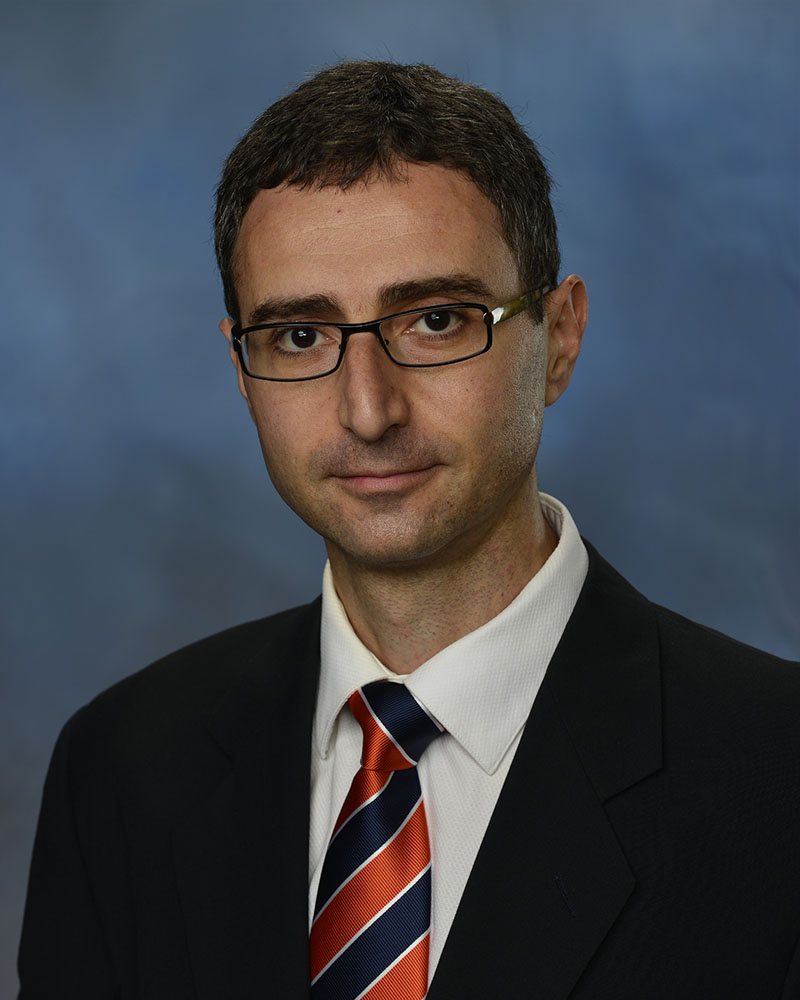
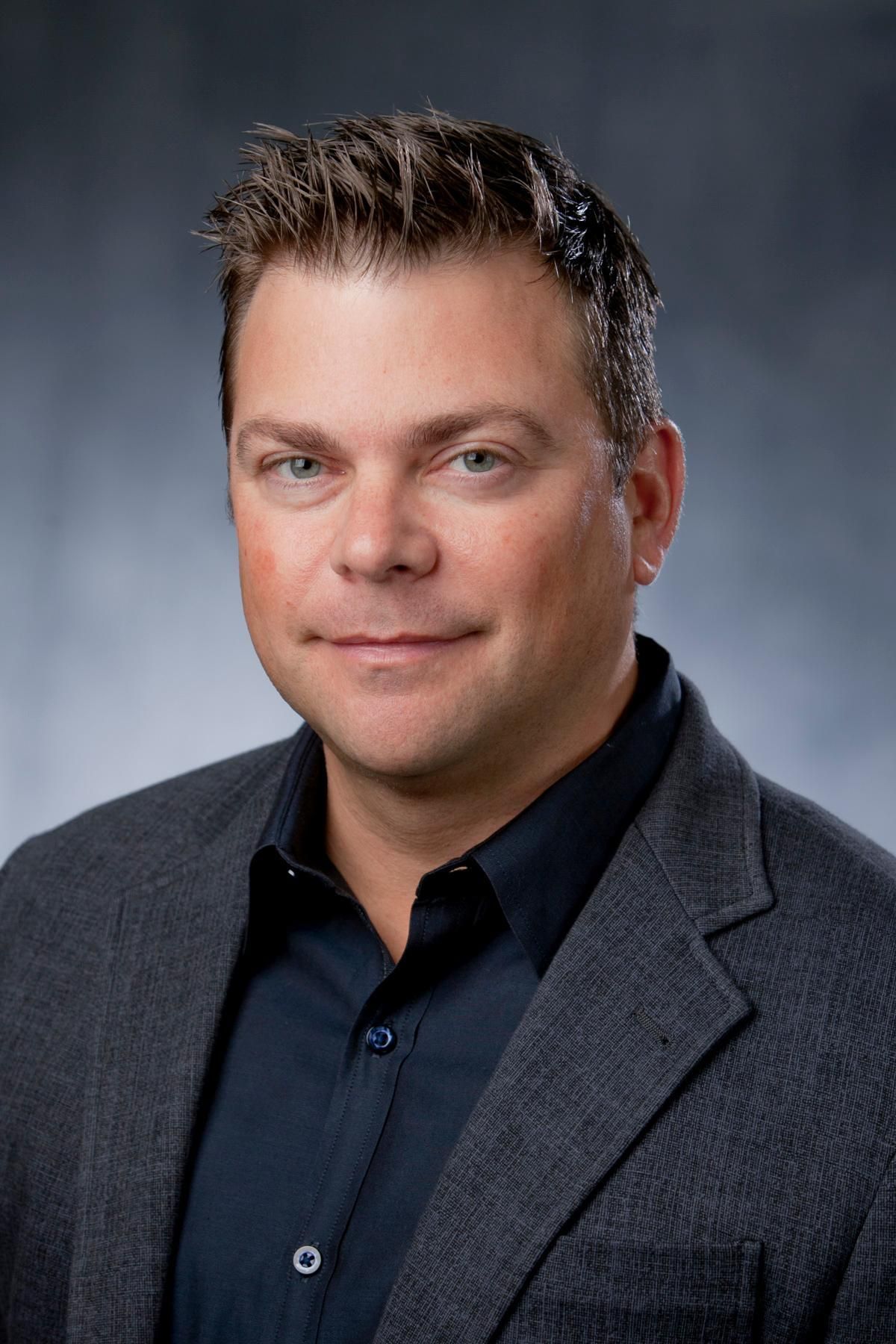
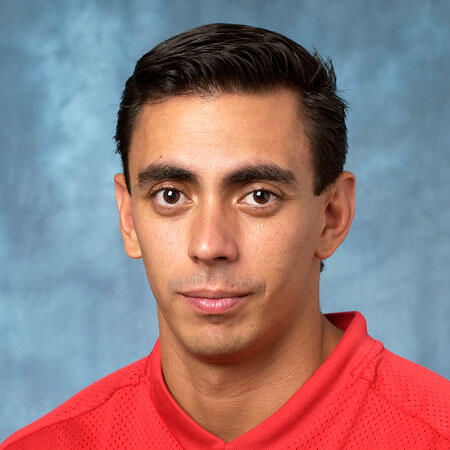
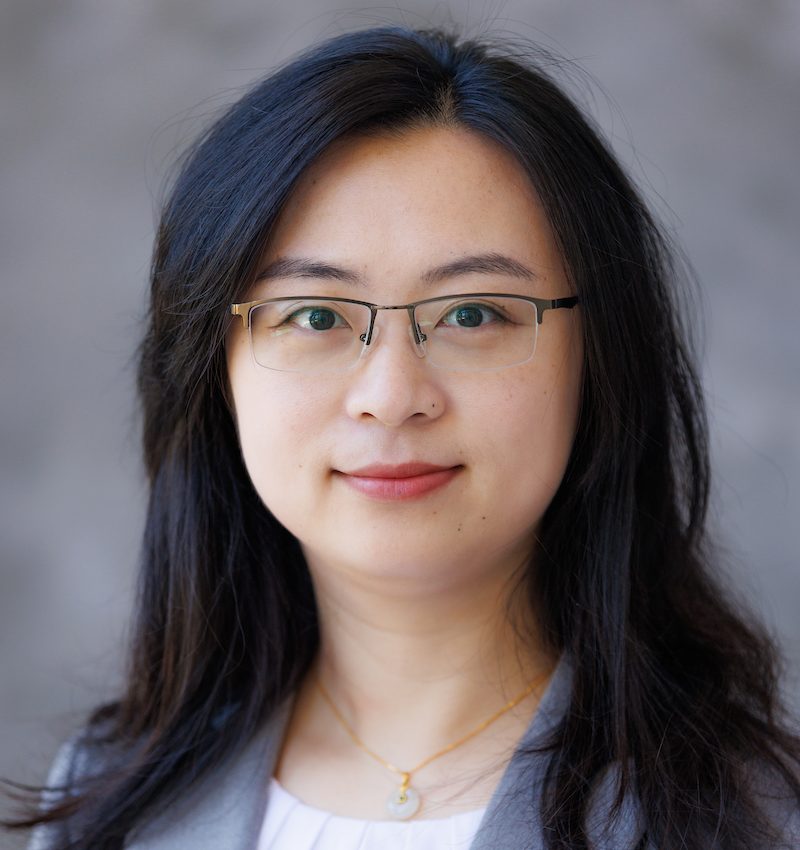
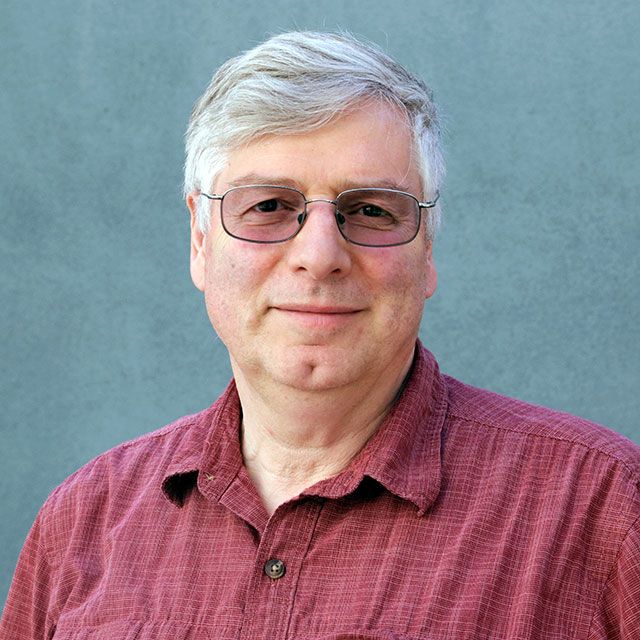
Professor Bradley J. Nelson is a leading academic at the Swiss Federal Institute of Technology Zurich (ETH Zurich) , affiliated with the Department of Mechanical and Process Engineering . His work bridges robotics, biomedical engineering, and nanotechnology, focusing on magnetic microrobotics and electromagnetic navigation systems for medical applications. Research Interests : Microrobotics, biomedical engineering, magnetic navigation, targeted drug delivery, and continuum robots. Collaborations : Extensive partnerships with institutions like Advanced Science , Nature Communications , and Science Robotics . Recent Work : Developments in variable stiffness catheters, nanomotors, and electromagnetic navigation systems for medical devices. Awards : No specific awards mentioned in the provided texts. Grants and Advising : No explicit details provided, but his role as a professor suggests leadership in research and mentoring. Labs and Teams : Works within ETH Zurich’s Department of Mechanical and Process Engineering , contributing to cutting-edge research in magnetic microrobotics and biomedical device navigation.
Dr. Enrico Da Como is a Reader (equivalent to Associate Professor) in the Department of Physics at the University of Bath, UK, where he has been since 2012. He serves as Head of the Condensed Matter and Quantum Materials Group and is affiliated with the Centre for Photonics and Photonic Materials. His research focuses on the interaction of light with condensed matter systems, particularly using advanced spectroscopic techniques to study fundamental excitations in quantum materials. His academic journey includes: University Assistant (W1) at the Department of Physics, LMU Munich (Germany), 2008-2012 Visiting Scientist at the Department of Physics, University of Utah (USA), 2008 Post-Doc at the Photonics and Optoelectronics Group, LMU Munich (Germany), 2006-2007 PhD from C.N.R. and University of Bologna (Italy), 2003-2006 MSc from University of Modena (Italy), 2002 Da Como's research primarily investigates the interaction of light with condensed matter, with a focus on fundamental excitations such as excitons, plasmons, polarons and phonons in molecular solids and nanostructures. His work employs a range of experimental techniques from single molecule spectroscopy to femtosecond nonlinear optical methods. This fundamental research is complemented by collaborations with industry partners exploring applications in solar energy conversion, sensing technologies, and information systems. His current research emphasizes charge density wave materials, quantum phase transitions, and the development of novel spectroscopic approaches to probe non-equilibrium states in quantum materials. Analysis of his most recent publications reveals a strong focus on charge density wave systems, particularly 1T-TaSe 2 and related materials. His work combines ultrafast spectroscopy with theoretical modeling to understand the interplay between electronic, lattice, and magnetic degrees of freedom in quantum materials. A significant portion of his research investigates non-equilibrium phenomena, using light to induce and probe metastable states in quantum materials, with potential applications in next-generation electronic and optoelectronic devices. Da Como has secured significant research funding from prestigious organizations: Principal Investigator for "New quantum platforms for nanomagnetic sensing in 2D" (UK Research & Innovation, 2025-2027) Principal Investigator for "Light induced metastable phases in quantum materials" (The Royal Society, 2022-2025) Principal Investigator for "Controlling Charge Density Waves with Light and 2D Self Assembly" (The Royal Society, 2017-2019) Co-Investigator for "Pyroelectric water splitting and water treatment using ferroelectric materials" (The Leverhulme Trust, 2019-2021) As an active supervisor, Da Como is accepting doctoral students and has supervised 10 research projects. His laboratory combines advanced optical techniques with low-temperature and high-pressure methodologies to probe quantum materials under extreme conditions. His group collaborates extensively with researchers across Europe and the United States, contributing to the international effort to understand and harness quantum phenomena for future technologies.
Cécile Hébert is an Associate Professor at École Polytechnique Fédérale de Lausanne (EPFL) , affiliated with multiple departments including the Laboratory of Electron Spectrometry and Microscopy (LSME) , SB-SPH-ENS , EDMX-ENS , and IMX-GE . She leads the Center for Electron Microscopy and contributes to projects like CHIRALTEM . Born in France (1970), she earned her PhD in Physics from École Centrale Paris . Postdoctoral work at Vienna University of Technology . Her research focuses on Electron Microscopy , particularly Electron Energy Loss Spectroscopy (EELS) , Magnetic Circular Dichroism (EMCD) , and 3D imaging . She develops computational tools like JEMS and advances Life Sciences applications in electron microscopy. Recent publications emphasize nanoscale magnetic characterization , low-loss EELS , and STEM-Chathodoluminescence . Her work spans materials science , physics , and computational methods . She mentors PhD students and teaches courses in Mechanics , Thermodynamics , and Electron-Matter Interactions . She is also a member of the Section Directors' Conference (CDS) and directs SB-SPH-GE .
Joonas Keski-Rahkonen is a researcher active in quantum physics, nanotechnology, and condensed matter physics. He holds a Master of Science in Physics from the University of Oulu and completed his doctoral thesis at Tampere University. His work focuses on quantum chaos, electronic transport in nanostructures, and magnetic field effects. His research has appeared in journals like Physical Review E , Physical Review B , and Computer Physics Communications . Collaborations span topics such as quantum dots, planckian resistivity, and lattice vibrations. Recent articles analyze anomalous diffusion, bouncing-ball scars, and quantum acoustics. He has no explicitly listed scientific awards or grants in the provided text. While details on current affiliations or part-time status are absent, his academic role is inferred from extensive peer-reviewed publications and software development in his field.
Dr. Luca Guazzotto is a Professor in the Department of Physics at Auburn University, affiliated with the College of Sciences and Mathematics. He holds a Ph.D. from the University of Rochester (2005) and a Laurea in Nuclear Engineering from Politecnico di Torino (2000). His research focuses on plasma physics and magnetohydrodynamics, particularly equilibrium and stability properties of plasmas in magnetic-confinement devices like tokamaks, with an emphasis on macroscopic flow effects. He has developed influential codes such as FLOW2 and contributed to analytic equilibrium solutions for fusion applications. His work includes studies on ignition conditions, burning plasmas, and multi-fluid modeling. Guazzotto has held roles at Auburn since 2014, including Associate Professor (2014–2023) and visiting positions at Princeton Plasma Physics Laboratory and MIT's Plasma Science and Fusion Center. His research integrates computational tools (e.g., FLOW2, SIM2D) and analytical methods to advance fusion energy science. Key contributions include two-fluid equilibrium modeling, analytic solutions for the Grad-Shafranov equation, and multi-dimensional plasma stability analysis. Guazzotto's publications span journals like Phys. Plasmas and Journal of Plasma Physics , addressing topics ranging from tokamak ignition to pedestal formation mechanisms. Guazzotto's research outputs emphasize plasma dynamics and fusion reactor design, with recent works exploring realistic analytic equilibria and burning plasma profiles. His freely available codes (FLOW2, analytic equilibrium tools) facilitate broader scientific collaboration. While no explicit awards are noted, his extensive publication record and code development highlight significant academic impact.
Vitaliy Lomakin is a Professor in the Department of Electrical and Computer Engineering at the University of California, San Diego (UCSD), affiliated with the Jacobs School of Engineering. He joined UCSD in September 2005 and is associated with the Center for Memory and Recording Research (CMRR). His research spans electromagnetic theory, computational methods, nanophotonics, and metamaterials. His research interests include: Electromagnetic theory and computational techniques in frequency and time domains Wave phenomena on metal-dielectric surfaces and subwavelength structures Antenna analysis and design, including high-efficiency cell-phone antennas Nanophotonics and plasmonics, particularly nanoscale lasers Micromagnetic simulation and magnetic recording technologies Metamaterials, including left-handed and polarization-converting materials His recent publications reveal a strong focus on high-performance computing for electromagnetic and micromagnetic simulations, GPU-accelerated solvers, nanoscale coherent light sources, and advanced magnetic recording systems. Key themes include FastMag development, plasmonic excitation, metamaterial design, and thresholdless nanolasers. Notable scientific contributions are evident through publications in Nature , IEEE Transactions , ACS Nano , and Applied Physics Letters , though specific awards are not listed in the provided text. He advises several graduate students, including Shaojing Li, Ruinan Chang, and Marko Lubarda, and collaborates with researchers in micromagnetics and photonics. His group utilizes advanced computational tools for modeling electromagnetic and magnetic systems. He has also contributed to educational development in electromagnetics and optics at the graduate level. Labs and teams associated with him include the CMRR research group, where he leads projects in electromagnetic modeling, magnetic recording, and nanophotonic devices. His work integrates theoretical, numerical, and applied approaches across disciplines.
Oksana Bilous is a researcher specializing in computational and soft matter physics at the Faculty of Physics. Her work focuses on magnetic field interactions in ferrogranulate systems, coarsening dynamics, and computational modeling of material behavior. Affiliation: Faculty of Physics, Computational and Soft Matter Physics Research Interests She investigates how magnetic fields influence self-assembly and diffusion in soft matter systems, particularly ferrogranulate layers and networks. Her research combines computational simulations with theoretical analysis to understand collective particle behavior under competing interactions. Publication Trends Her recent work (2022–2024) emphasizes magnetic field control of coarsening dynamics (2024: 2 articles), ferrogranular network behavior under vertical fields (2023), and diffusion anomalies in ferrogranulate layers (inferred 2022 poster activity). Academic Engagement Presented talks/posters at events like the 3rd Vienna Soft Matter Day (2025) and discussed non-monotonous diffusion in ferrogranulate layers (2025).
Soukaina Filali Boubrahimi serves as an Assistant Professor in the Computer Science Department within the College of Engineering at Utah State University. Her academic appointment is based in the SER 332 building located at 4205 Old Main Hill, Logan, UT 84322-0001. She maintains a research-active position with a focus on computational methods for complex temporal data analysis. Dr. Filali Boubrahimi's research program centers on time series analysis , machine learning , and space weather prediction , with particular emphasis on solar flare forecasting and counterfactual explanation systems. Her work bridges theoretical machine learning advancements with practical applications in heliophysics, hydrology, and social media analysis. The research portfolio demonstrates significant expertise in handling imbalanced temporal datasets, developing novel data augmentation techniques, and creating interpretable AI systems for critical prediction tasks. Analysis of her recent publication trajectory reveals consistent contributions to counterfactual explanation frameworks for time series data (Info-CELS, M-cels, ACTS), space weather prediction systems (solar flare and energetic particle event forecasting), and generative modeling approaches (AVATAR, ChronoGAN). Her work frequently addresses the challenges of severely imbalanced datasets through contrastive learning and sophisticated preprocessing techniques, demonstrating methodological innovation in handling rare but critical space weather events. While no specific awards are documented in the available information, her research program appears substantial based on the volume and quality of recent publications spanning multiple high-impact domains. The research demonstrates strong interdisciplinary connections between computer science, space physics, and environmental science. Her laboratory activities focus on developing machine learning frameworks for temporal data analysis, with particular attention to space weather prediction systems. The research group appears to specialize in creating robust models for rare event prediction, explainable AI systems for time series classification, and novel data augmentation techniques for imbalanced temporal datasets. Current projects likely include the development of multimodal fusion approaches for solar energetic particle prediction and spatio-temporal modeling for hydrological applications.
Univ.-Prof. Dr. Alexander Kendl is a Professor and Director of the Institute of Ion Physics and Applied Physics at the University of Innsbruck. His research focuses on computational plasma physics with critical applications to magnetic confinement fusion energy, particularly addressing challenges in plasma edge physics and turbulence modeling for next-generation fusion reactors. Dr. Kendl received his Doctorate from the Technical University of Munich in 2000, following his Abitur from Gymnasium Schrobenhausen in 1990. He was appointed Associate Professor at the University of Innsbruck in 2010 and promoted to University Professor in 2020. His academic journey reflects a deep commitment to advancing plasma physics through rigorous computational approaches. Dr. Kendl's research interests center on plasma turbulence in magnetically confined systems , with particular emphasis on gyrofluid modeling , edge-localized modes (ELMs) , zonal flow dynamics , and impurity transport in fusion plasmas. His work bridges fundamental plasma physics with practical applications for ITER and DEMO, addressing critical challenges in plasma confinement and stability. He has developed sophisticated computational tools including GREENY, GHW, and TIFF to simulate complex plasma phenomena with high fidelity. His recent publications reveal a strong focus on advancing full-f gyrofluid approaches that capture kinetic effects while maintaining computational efficiency. Dr. Kendl's research spans from fundamental investigations of plasma dynamics to direct applications for current fusion devices like ASDEX Upgrade, with particular attention to hysteresis phenomena, electron-positron plasmas as fundamental testbeds, and the development of novel numerical methods for plasma simulation. As Director of the Institute of Ion Physics and Applied Physics, Dr. Kendl leads a vibrant research group that contributes significantly to the international fusion community. His team develops cutting-edge simulation codes and collaborates extensively with major fusion facilities worldwide, advancing our understanding of plasma edge physics and turbulence.
Professor Martin Graves is Professor of Magnetic Resonance Physics at the University of Cambridge, holding appointments within the School of Clinical Medicine and Department of Radiology. Since 1996, he has led the MRI Physics group at Addenbrooke's Hospital in Cambridge and serves as Honorary Consultant Clinical Scientist for the NHS. His primary institutional affiliation is with the Cambridge Mathematics of Information in Healthcare (CMIH) Hub at the Centre for Mathematical Sciences. His research focuses on advanced magnetic resonance imaging techniques with particular emphasis on hyperpolarized carbon-13 MRI for metabolic imaging applications. Key research areas include cardiac imaging for myocardial infarction assessment, cancer metabolism studies in renal cell carcinoma and ovarian cancer, neuroimaging of brain metabolism, and development of quantitative MRI methodologies. His work bridges physics, clinical medicine, and computational analysis to address diagnostic challenges in cardiovascular disease, oncology, and neurology. Analysis of his recent publications (2021-2025) reveals strong trends in hyperpolarized pyruvate imaging for cancer treatment monitoring, radiomics for plaque vulnerability assessment, and technical innovations in zero echo-time MRI. His research consistently targets clinical translation of advanced MRI techniques, with substantial focus on quantitative biomarkers for early treatment response assessment. No scientific awards or honors are documented in the provided materials Graves maintains active clinical-academic integration through his NHS consultancy role while leading physics research within Cambridge's imaging infrastructure. His work demonstrates consistent collaboration across medical specialties including cardiology, oncology, and neurology, with emphasis on developing clinically viable quantitative imaging biomarkers. The CMIH Hub serves as his primary research platform for mathematical approaches to healthcare imaging challenges.
Kevin S. LaBar is Professor of Psychology and Neuroscience and Professor in Psychiatry and Behavioral Sciences at Duke University's Trinity College of Arts & Sciences. He serves as Associate Director of the Center for Cognitive Neuroscience and maintains affiliations with the Duke Initiative for Science & Society, the Center for Brain Imaging and Analysis, and the Center for Cognitive Neuroscience. His academic journey began with a B.A. from Lafayette College in 1990, followed by a Ph.D. from New York University in 1996. Dr. LaBar's research focuses on understanding how emotional events modulate cognitive processes in the human brain. His laboratory aims to identify brain regions that encode the emotional properties of sensory stimuli and demonstrate how these regions interact with neural systems supporting social cognition, executive control, and learning and memory. His integrative approach utilizes psychophysiological monitoring, functional magnetic resonance imaging (fMRI), machine learning, and behavioral studies in both healthy adults and psychiatric patients. His work spans multiple domains including fear conditioning, emotional memory, emotion regulation, and the neural basis of emotional experience. His recent publications reveal a strong emphasis on emotional memory mechanisms, emotion regulation strategies across the lifespan, neural correlates of anxiety and fear, and developing neuroscience-informed interventions for emotional dysregulation. His research increasingly incorporates advanced neuroimaging techniques, computational approaches, and translational applications for clinical populations. Fellow, Association for Psychological Science (2010) Young Investigator Award, Cognitive Neuroscience Society (2005) CAREER Award, National Science Foundation (2003) Ralph E. Powe Junior Faculty Enhancement Award, Oak Ridge Associated Universities (2001) Young Investigator Award, National Alliance for Research on Schizophrenia and Depression (2000) Scholar of the Year Award, Lafayette College Alumni Association (1990) Dr. LaBar has secured substantial research funding, including multiple NIH grants and VA awards, with projects spanning from basic emotion research to clinical applications for conditions like PTSD, depression, and misophonia. His laboratory has trained numerous graduate students and postdoctoral fellows who have gone on to successful careers in academia and research. His work bridges cognitive neuroscience with clinical applications, particularly in developing neurostimulation-enhanced behavioral interventions for emotion dysregulation.
MG Han is a Researcher in the Condensed Matter Physics and Materials Science Department at Brookhaven National Laboratory. With expertise in cryogenic (S)TEM, phase imaging, STEM spectroscopy, and topological magnetic systems, their work focuses on studying complex materials under extreme conditions (electric/magnetic fields, temperature extremes) using advanced electron microscopy techniques. Education : Ph.D. in Materials Science (2007) from Arizona State University Research Interests span ferroelectricity , ferromagnetism , and topological spin textures in nanoscale systems. Key areas include: Atomic-scale imaging of structural defects Magnetic domain dynamics under in situ fields Topological Hall effect in kagome lattices Spin-structure coupling in chiral magnets Controlled domain wall engineering in bismuth ferrite Helical/skyrmion textures in doped semiconductors Recent Publications highlight their work on magnetic superstructures, topological effects in van der Waals materials, and domain wall control in ferroelectric heterostructures. Their expertise combines experimental techniques like off-axis electron holography with computational analysis of spin textures. Lab Affiliation : Condensed Matter Physics and Materials Science Department, Brookhaven National Laboratory
Brach Poston, Ph.D., is an Associate Professor in the Department of Kinesiology and Nutrition Sciences at the University of Nevada, Las Vegas. He holds a Ph.D. in Integrative Physiology from the University of Colorado-Boulder, a Master’s in Exercise Physiology from UNLV, and a Bachelor’s in Physical Education from Missouri State University. Certified by the National Strength and Conditioning Association, his work bridges clinical research with practical applications. Ph.D., Integrative Physiology - University of Colorado-Boulder M.S., Exercise Physiology - University of Nevada, Las Vegas B.S., Physical Education - Missouri State University Poston’s research focuses on non-invasive brain stimulation techniques (tDCS, TMS) for motor skill enhancement across populations including Parkinson’s patients, aging adults, and young athletes. His work examines strength training adaptations, muscle fatigue mechanisms, and cognitive-motor interactions in neurodegenerative conditions. Current projects explore neurostimulation’s role in dexterous motor tasks and fatigue resistance. Recent publications highlight tDCS applications for videogame-based motor training, cortical excitability dynamics, and neurocognitive processes in online radicalization. His studies combine electrophysiological measures with behavioral outcomes across multiple populations. NIH and Michael J. Fox Foundation grants support his Parkinson’s research. Postdoctoral research fellowship at the National Institutes of Health Editorial board member: Journal of Functional Morphology and Kinesiology Grant review panelist: NASA Human Performance
Dr. Kaiwen Chen serves as an Assistant Professor in the Department of Civil, Construction and Environmental Engineering at The University of Alabama's College of Engineering, where she is affiliated with the Center for Sustainable Infrastructure. Her research integrates drone robotics, sensor technologies, and Artificial Intelligence to revolutionize building diagnostics and performance simulation. Her academic credentials include: Ph.D. in Environmental Design and Planning from Virginia Polytechnic Institute and State University (2020) M.Sc. in Management in Science and Technology from Southeast University (2016) B.S. in Construction Project Management from Southeast University (2013) Dr. Chen's research program focuses on innovations in the AECO field, with core expertise in drone-based imaging systems, 2D/3D data processing, infrared thermography, high-performance computing, and building energy modeling. Her work bridges advanced computational techniques with practical infrastructure challenges, particularly in building envelope diagnostics and pavement inspection. Analysis of her 15 most recent publications (2024-2025) reveals dual research thrusts: primary focus on AI-driven construction applications (digital twins, thermal anomaly detection, UAV-based surveys) and significant contributions to wireless power transfer systems. This interdisciplinary scope demonstrates exceptional versatility in applying cutting-edge computational methods to both civil infrastructure and electrical engineering challenges. Her scientific recognition includes: Runner-Up for 5th Annual ASCE VIMS Datathon Competition (2024) Virginia Tech Outstanding Dissertation Award (2020) ASCE i3CE Best Paper Award (2019) Dr. Chen leads externally funded research initiatives including a US Department of Energy project on aerial intelligence for building envelope diagnostics and a Georgia Department of Transportation project on drone-assisted pavement inspection. These grants demonstrate her ability to secure competitive funding for high-impact infrastructure research. As an active contributor to the Center for Sustainable Infrastructure, she advances research in sustainable infrastructure systems through the integration of drone technologies, AI analytics, and digital twin methodologies for comprehensive infrastructure assessment and management.
Christopher Palmstrøm is a Distinguished Professor in the Department of Electrical and Computer Engineering at the Robert Mehrabian College of Engineering, University of California, Santa Barbara. His research focuses on quantum and topological materials, spintronics, semiconductor metallization, and advanced thin film growth techniques. Quantum and Topological Materials Materials for Quantum Information Systems Spintronics Metallization of Semiconductors Thin Film Analysis Dissimilar Materials Epitaxial Growth His work emphasizes molecular beam epitaxy and chemical beam epitaxy for metallic compounds, Heusler compounds, functional materials, magnetic materials, and compound semiconductors.