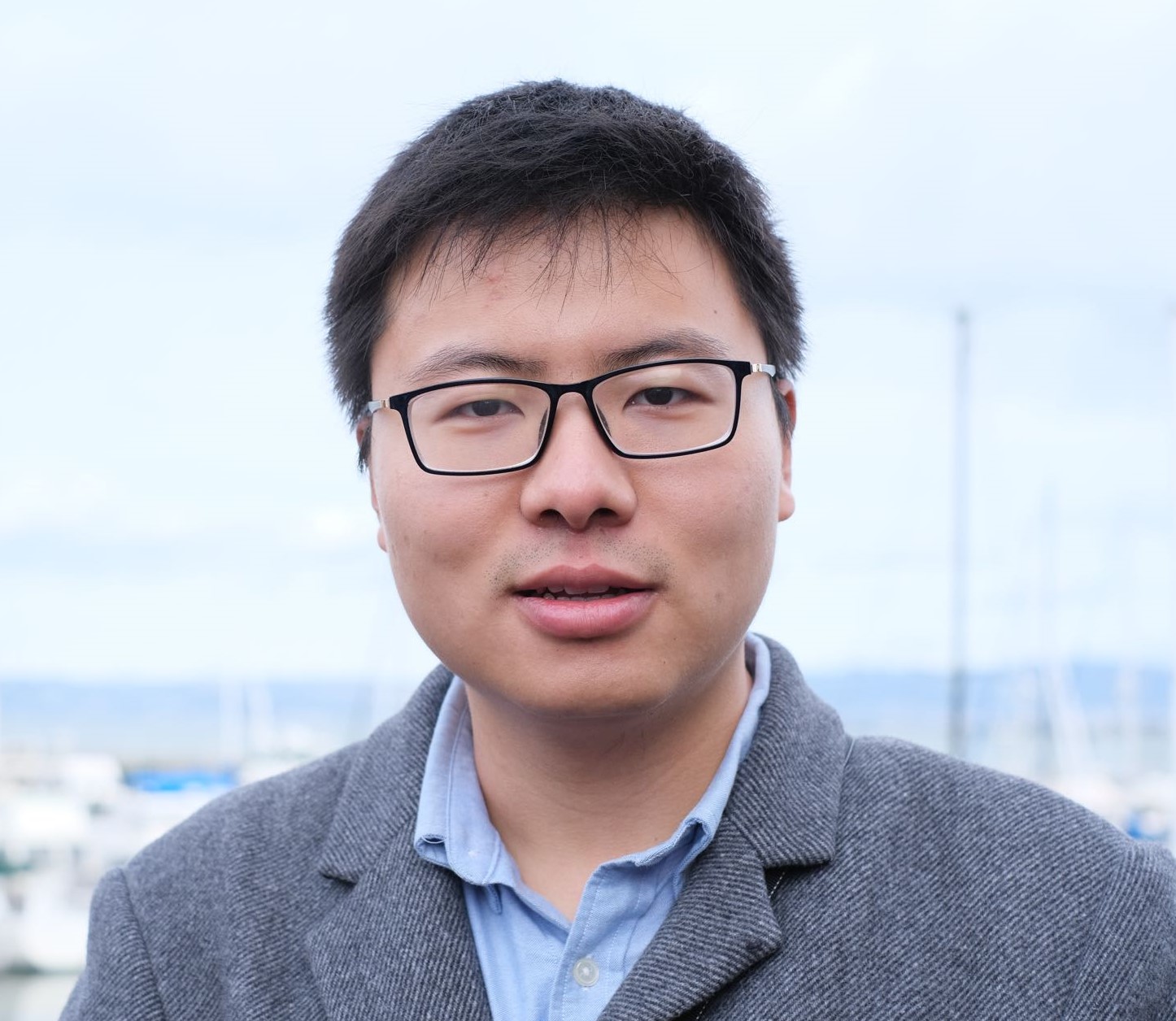
Dr. Ahmed Al-Jaishi is an Adjunct Professor in the Department of Epidemiology and Biostatistics and a Research Scientist at the Schulich School of Medicine & Dentistry at Western University. He also holds positions as an Adjunct Scientist with ICES and Senior Epidemiologist at the Public Health Agency of Canada. Education: Ph.D. in Health Research Methodology, McMaster University (2021) M.Sc. in Epidemiology and Biostatistics, Western University (2013) B.Sc. in Biological Sciences, University of Guelph (2010) His research focuses on methodologies for pragmatic randomized controlled trials, with specialization in cluster-randomized designs. Primary research domains include: Clinical trial design and registry-based methodologies Health services research in nephrology (particularly hemodialysis) Population-based epidemiological studies Statistical methods for cluster trials Recent publications demonstrate strong thematic focus on hemodialysis care innovations, COVID-19 impacts on vulnerable populations, autism spectrum disorder epidemiology, and advanced statistical methodologies. Articles frequently utilize registry data, cluster-randomized designs, and health administrative databases across Canadian and international contexts. Dr. Al-Jaishi is actively engaged in training future epidemiologists and biostatisticians through hands-on mentorship in advanced research methodologies.
Vahab Khoshdel is an Assistant Professor in the Department of Electrical and Computer Engineering at the Price Faculty of Engineering, University of Manitoba. His research bridges machine learning, deep learning, computer vision, robotics, and medical imaging, with applications in rehabilitation robotics, microwave/ultrasound imaging, stored grain monitoring, and precision agriculture. Education: 2021, Ph.D. Biomedical Engineering, University of Manitoba 2017, Ph.D. Mechanical Engineering, Ferdowsi University of Mashhad 2013, M.Sc. Mechatronic Engineering, University of Shahrood 2011, B.Sc. Robotics Engineering, University of Shahrood Research Interests: Khoshdel specializes in applying generative AI, neural networks, and optimization techniques to medical imaging and robotics. His work includes microwave/ultrasound breast imaging, impedance control for rehabilitation robots, and AI-driven agricultural monitoring systems. Publication Trends: His recent articles emphasize machine learning workflows for medical diagnostics, deep learning in multimodal imaging, and neural networks in rehabilitation robotics. Key subfields include 3D imaging, inverse scattering, tissue classification, and sEMG signal analysis. Contact: Vahab.Khoshdel@umanitoba.ca
Ningyuan Chen is a faculty member at the University of Toronto with affiliations at the Rotman School of Management and University of Toronto at Mississauga's Department of Management. His research spans operations management with a focus on algorithmic decision-making, revenue management, and data analytics. Chen's research interests center on the intersection of algorithms and human decision-making processes, with particular emphasis on how human knowledge can safeguard and improve algorithmic recommendations. His work addresses critical challenges in commercial AI solutions where human analysts have domain-specific insights that may conflict with algorithmic outputs. He investigates conditions under which human knowledge augmentation benefits algorithmic decision-making, particularly when facing algorithmic pitfalls like lack of domain knowledge, model misspecification, and data contamination. Chen's publication trends reveal a strong focus on practical business applications of operations research, with recent work examining assortment pricing with transaction data, vaccine allocation under limited supply, and simultaneous versus sequential product release strategies. His research combines theoretical modeling with practical business implications, often collaborating with Ming Hu and other researchers at the Rotman School. His work demonstrates how data-driven approaches can be enhanced through human expertise, particularly in contexts where pure algorithmic recommendations might fail due to real-world complexities that data alone cannot capture. This research has important implications for business intelligence systems across various industries where human judgment remains critical alongside algorithmic recommendations.
Wenlong Mou is an Assistant Professor at the University of Toronto's Department of Statistical Sciences, with additional affiliation at the Vector Institute for AI. His research develops optimal statistical methods and efficient algorithms for data-driven decision-making, focusing on reinforcement learning, stochastic approximation, and causal estimation. He teaches advanced courses in theoretical statistics (STA3000) and stochastic processes (STA447/2006). Education: Ph.D. in EECS, University of California, Berkeley (2023) B.Sc. in Computer Science and Economics, Peking University Research Focus: Mou's work bridges statistical theory with machine learning practice. Key areas include: Theoretical foundations of reinforcement learning (e.g., Bellman equations, continuous-time systems) Efficient algorithms for semi-parametric estimation and debiasing Non-asymptotic analysis of stochastic optimization and MCMC methods High-dimensional statistical inference and causal modeling Publication Trends: Recent articles (2023–2025) emphasize reinforcement learning theory (policy evaluation, adaptive interpolation), causal inference (debiased estimators, propensity scores), and statistical computing (diffusion processes, Langevin algorithms). Methodological rigor and non-asymptotic guarantees characterize his work. Awards: INFORMS APS Student Paper Competition Finalist (2022) Advising and Labs: Actively recruiting PhD students with backgrounds in mathematics or deep learning. Students access GPU clusters via the Vector Institute. Grants unspecified in sources.
James R. Green is a Professor in the Department of Systems and Computer Engineering at Carleton University , where he has been a faculty member since 2005. He holds a PhD from Queen's University and is a licensed Professional Engineer (P.Eng.) and Senior Member of IEEE. His work integrates machine learning, biomedical informatics, and high-performance computing. His educational background includes: B.A.Sc. in Systems Design Engineering, University of Waterloo (1998) M.Sc.(Eng.), Queen's University (2000) PhD, Queen's University (2005) Dr. Green's research focuses on machine learning challenges in biomedical informatics , particularly class imbalance and rare event prediction. Key areas include protein structure, function, and interaction prediction; microRNA detection in unique species; non-contact neonatal monitoring; and accelerating scientific computing via parallel architectures like the Cell BE processor. His lab has developed several widely used bioinformatics tools such as PIPE, ProtDCal, and PCI-SUMO. His recent publications reflect a strong trend in computational biology and machine learning , with applications in proteomics, genomics, and medical diagnostics. He has published over 100 peer-reviewed papers and secured funding from NSERC, CIHR, CFI, ORF, OCE, MITACS, and IBM. Scientific and teaching recognitions include: Three teaching awards NSERC Best Project Award (twice: 2006-2007 and 2007-2008) Multiple student projects resulting in conference papers (e.g., CMBEC) He has supervised numerous undergraduate capstone projects in areas such as assistive technologies, robotic systems, and bioinformatics. His teaching portfolio includes courses in Pattern Classification, Machine Learning, Computer Architecture, and Biomedical Engineering. He leads an active research group that bridges computer engineering and life sciences, fostering interdisciplinary collaboration. Lab and research team initiatives include: Development of open-access web servers for protein analysis Collaborations with biologists and clinicians Integration of hardware and software for medical applications
Dr. Oliver T. Iorhemen is an Assistant Professor in the Department of Environmental Engineering at the University of Northern British Columbia (UNBC), where he has been contributing since August 1, 2021. He is actively engaged in research, teaching, and graduate supervision in the field of environmental and wastewater engineering. His educational background includes a PhD in Civil Engineering (Environmental Engineering specialization) from the University of Calgary, an MSc in Environmental Engineering and Project Management from the University of Leeds, UK, and a B.Eng in Water Resources and Environmental Engineering from Ahmadu Bello University, Nigeria. Dr. Iorhemen's research focuses on biological wastewater treatment , resource recovery from wastewater and biosolids , nutrient removal , removal of emerging contaminants , and rural water supply and sanitation . His work emphasizes sustainable technologies such as aerobic granular sludge (AGS), biofiltration, and constructed wetlands, especially in cold climates. He leads a dynamic research team involving multiple MASc students and interns. The trends in his recent publications reflect a strong emphasis on AGS technology , resource recovery (e.g., xanthan, curdlan, amino acids), hybrid treatment systems , and data-driven modeling of bioreactors. His work bridges fundamental microbiology with practical engineering applications, aiming at scalable and resilient water treatment solutions. Dr. Iorhemen teaches courses including ENGR 210 (Material and Energy Balances), ENGR 358 (Water and Wastewater Systems), ENVE 310 (Environmental Engineering Processes), and ENGR 498/798 (Advanced Treatment Processes). He has also taught graduate-level biological processes at the University of Calgary. He actively supervises graduate students and has led collaborative projects with municipalities and industry. His research team includes current MASc students working on oily wastewater, resource recovery from AGS, biofilters for rural water, and constructed wetlands in cold climates. Past undergraduate and intern researchers have contributed to AGS bioreactor development and nutrient removal studies.
Olya Mandelshtam is an Assistant Professor in the Department of Combinatorics and Optimization at the University of Waterloo . Her research focuses on algebraic combinatorics, particularly symmetric and quasisymmetric functions, with connections to probability and interacting particle systems. Education: Ph.D. in Mathematics, University of California, Berkeley (2016), advised by Lauren Williams Presidential Postdoctoral Scholar at UCLA (2016–2017) Tamarkin Assistant Professor and NSF Postdoctoral Fellow, Brown University (2017–2021) Research Interests: Her work bridges algebraic structures (e.g., Macdonald polynomials, Koornwinder polynomials) and probabilistic models like the asymmetric simple exclusion process (ASEP) and zero-range processes (TAZRP). She explores combinatorial bijections, multiline queues, and integrable systems to study these connections. Recent Activities: She organizes the Combinatorics Seminar at Waterloo and participates in conferences such as ICERM workshops on Category Theory and Machine Learning, ICECA, and events on integrable systems in algebraic combinatorics. Advising: Current graduate students include Kartik Singh, Jerónimo Valencia Porras, Guilherme Zeus Dantas e Moura, and Harper Niergarth, with past advisee William Chan. Research collaborations include work on multiline queues, non-attacking fillings, and particle system dynamics.
Jia Xue is an Associate Professor at the Factor-Inwentash Faculty of Social Work, University of Toronto, with a joint appointment in the Faculty of Information. She joined U of T in 2018 as an Assistant Professor and was promoted in 2025. Her research focuses on computational approaches to social justice issues, including intimate partner violence, rape myth culture, and AI ethics. She holds a Ph.D. from the University of Pennsylvania, a law degree from Tsinghua University, and postdoctoral training at Harvard University. Her research lab, the Artificial Intelligence for Justice (AIJ) Lab, develops AI tools to study social ills like image-based sexual abuse and school bullying. Key projects include AI-powered chatbots for sexual violence victims and analyzing biases in algorithmic systems. Funded by grants from Connaught, SSHRC, and CIHR, her work bridges social work, computer science, and policy analysis. Jia has authored over 50 peer-reviewed articles in journals like Journal of Interpersonal Violence and Child Abuse & Neglect . Awards include the Ontario Early Researcher Award (2025) and Deborah K. Padgett Early Career Achievement Award (2025). She leads initiatives at the Schwartz Reisman Institute for Technology and Society, focusing on tech’s societal impacts. Teaching emphasizes ethical big data use in social justice contexts. Recent work includes pandemic-related social media analysis and developing interventions for marginalized populations. Her interdisciplinary approach combines machine learning, policy analysis, and qualitative research to address systemic inequities.
Dr. Wei Song is a Professor and the Coordinator of Software Engineering at the Faculty of Computer Science, University of New Brunswick (UNB) in Fredericton, New Brunswick, Canada. She has been with UNB since 2009, after completing her postdoctoral studies at UC Berkeley, and has established herself as a leading researcher in mobile networking and wireless communications. Her office is located in room ID419 and she can be reached at wsong@unb.ca. Education Ph.D. in Electrical and Computer Engineering, University of Waterloo (2003-2007) Postdoctoral Fellow, Department of Electrical Engineering and Computer Sciences, University of California, Berkeley (2008-2009) Research Focus Dr. Song's research spans multiple cutting-edge areas in mobile and wireless networking, with a strong emphasis on integrating artificial intelligence and machine learning techniques. Her work addresses fundamental problems in mobile social networks, Internet of Things, vehicular networks, and mobile cloud computing. She explores how cooperative intelligence and distributed AI can enhance network performance while addressing practical constraints such as energy efficiency and user incentives. Her recent work particularly focuses on intelligent edge computing, mobile crowdsensing with deep reinforcement learning, and social-aware data dissemination through device-to-device communications. She investigates how to turn decentralized mobile "crowds" into coherent working groups and how social connections can be leveraged to improve data dissemination efficiency. Publication Trends Dr. Song's recent publications (2016-2023) demonstrate a clear evolution from traditional wireless networking to AI-driven approaches. While her earlier work focused on fundamental problems in device-to-device communications and resource allocation, her recent publications increasingly incorporate deep reinforcement learning, graph neural networks, and other AI techniques to solve complex optimization problems in mobile crowdsensing and edge computing. This shift reflects broader trends in the field toward intelligent, adaptive networking solutions. Scientific Recognition Best Paper Award from IEEE ICC (2018) UNB Merit Award (2014) Best Student Paper Award from IEEE CCNC (2013) Top 10% Award from IEEE MMSP (2009) NSERC postdoctoral fellowship (2008) Best Paper Award from IEEE WCNC (2007) Professional Service and Mentoring Dr. Song serves as Senior Member of IEEE and has held significant leadership roles, including Chair of the Joint Computer and Communications Chapter of IEEE New Brunswick Section (2014-2020). She has chaired symposia at major conferences including IEEE VTC Fall 2023, 2017, and 2016. As a supervisor, she mentors graduate students in areas including intelligent edge computing and deep learning for networking, and is currently recruiting students for Winter 2024 and Fall 2025.
Kaylena Ehgoetz Martens serves as an Associate Professor in the Department of Kinesiology and Health Sciences at the University of Waterloo, where she directs the Neurocognition and Mobility Lab. Her research program integrates movement kinematics, functional neuroimaging, psychophysiology, and cognitive neuroscience to investigate the neural basis of gait control and its disruption in neurodegenerative conditions, with particular emphasis on Parkinson's disease, dementia with Lewy bodies, and isolated REM sleep behavior disorder. She focuses on the complex interplay between cognition, emotion, and motor function to develop translational approaches for early diagnosis and intervention in mobility disorders. Dr. Martens' academic training includes a BSc in Kinesiology & Physical Education from Wilfrid Laurier University, an MA in Psychology from the University of Waterloo, a PhD in Cognitive Neuroscience from the University of Waterloo, and postdoctoral training at the Medicine, Brain and Mind Centre, University of Sydney, Australia. Her educational background established the foundation for her multidisciplinary approach to movement neuroscience. Her research program centers on three interconnected aims: (1) investigating cognitive-emotional interactions in gait and balance control; (2) leveraging gait complexity to identify subclinical predictors of neurodegeneration; and (3) developing technology-enhanced diagnostic and intervention tools using virtual reality and mobile recording devices. This work addresses critical gaps in understanding how anxiety, threat processing, and autonomic dysfunction contribute to movement impairments in aging and neurodegenerative diseases. Analysis of her recent publications (2023-2025) reveals a strong trajectory in subtype-specific characterization of freezing of gait, identification of sex-specific neurodegeneration patterns, and development of AI-driven detection methods. Her work increasingly incorporates machine learning for gait analysis while maintaining clinical relevance through biomarker discovery and therapeutic innovation, particularly in the prodromal phases of synucleinopathies. Scientific Awards: No specific awards were documented in the provided source material. Dr. Martens actively supervises graduate students across all levels including undergraduate theses, MSc, PhD, and postdoctoral fellows within her Neurocognition and Mobility Lab. She provides research opportunities for volunteers, coursework interns, and research coordinators, with a focus on translating laboratory findings to clinical applications. While specific grant details weren't provided, her extensive use of advanced neuroimaging, wearable sensors, and virtual reality technologies indicates substantial research funding supporting her program. The Neurocognition and Mobility Lab operates as a collaborative hub bridging basic neuroscience with clinical practice, working closely with healthcare providers to develop practical tools for early mobility impairment detection. Current projects emphasize translating gait complexity metrics into clinical biomarkers and developing anxiety-targeted interventions to prevent falls in neurodegenerative populations, with particular attention to preserving functional independence throughout the lifespan.
Nediljko Budisa is a Professor and Tier 1 Canada Research Chair in Chemical Synthetic Biology and Xenobiology at the University of Manitoba's Faculty of Science, Department of Chemistry. His research program focuses on expanding the fundamental biochemical capabilities of living systems through genetic code engineering and synthetic biology approaches. Dr. Budisa's research spans multiple cutting-edge areas in synthetic biology, with particular emphasis on genetic code expansion , non-canonical amino acid incorporation , and protein engineering . His laboratory employs both classical biochemical techniques and advanced computational methods to develop orthogonal translation systems, engineer novel enzymes, and create synthetic cells with expanded biochemical repertoires. His work bridges chemistry, biology, and engineering to address fundamental questions about life processes while developing practical applications in biotechnology and medicine. Analysis of Dr. Budisa's publication record reveals a consistent trajectory of innovation in genetic code engineering, with recent work increasingly integrating machine learning approaches for protein design. His research spans from fundamental studies of protein structure-function relationships to applied research in metabolic engineering and antiviral strategies, demonstrating the versatility of synthetic biology approaches. Tier 1 Canada Research Chair in Chemical Synthetic Biology and Xenobiology Dr. Budisa leads an active research program supported by his Canada Research Chair position, with extensive collaborations across Canada and internationally. His work has resulted in numerous patents and commercial applications in biotechnology. He actively participates in the synthetic biology community through initiatives like Prairie iGEM BioExM and has delivered public lectures on methodological challenges in expanded genetic code research. His research is conducted through the Chemical Synthetic Biology and Xenobiology laboratory at the University of Manitoba, where his team explores the social, cultural, educational, ethical and philosophical aspects of synthetic biology alongside technical innovations, reflecting a comprehensive approach to advancing this transformative field.
Pierre-Yves Lajoie is an Assistant Professor in the Department of Computer Engineering and Software Engineering at Polytechnique Montréal, a leading engineering school affiliated with Université de Montréal. His research focuses on robotics and artificial intelligence, with specialization in robotic perception for single and multi-agent systems. He has held research positions at prestigious institutions including the Massachusetts Institute of Technology (2019), Samsung AI Center (2023), and University of Oxford (2024). Education: Ph.D. in Computer Engineering, Polytechnique Montréal Dr. Lajoie's research interests span across robotics, computer vision, and distributed systems. He specializes in developing algorithms for robotic perception in challenging environments, with applications in aerial, underground, indoor, and space robotics. His work focuses on enabling robots to understand their surroundings through visual and sensor data, particularly in collaborative multi-robot scenarios where communication may be limited or unreliable. His primary research center of excellence is the Industry of the Future and Digital Society, with secondary centers in Modeling and Artificial Intelligence and New Frontiers in Information and Communication Technologies. His publication record demonstrates a strong focus on collaborative SLAM (Simultaneous Localization and Mapping) systems, with recent work addressing challenges in planetary exploration, swarm robotics, and pedestrian positioning. His research combines computer vision, machine learning, and distributed systems to create robust solutions for real-world robotic applications, particularly in environments with communication constraints. Scientific Awards: Vanier Canada Scholarship Best Paper Award at IEEE ICC 2024 Dr. Lajoie is actively recruiting graduate students for PhD and Master's programs, with openings for Fall 2025 and Spring 2026. He encourages students to apply for various scholarship opportunities including NSERC, FRQ, and IVADO scholarships at multiple academic levels. His research is supported by collaborations with academic and industrial partners, focusing on applications in space robotics, automated manufacturing, and service robotics. He has supervised research projects in areas such as search and rescue with sparsely connected swarms and distributed risk-aware exploration systems.
Shuang Gao is an Assistant Professor in the Department of Electrical Engineering at Polytechnique Montréal . Prior to joining Polytechnique Montréal, he held postdoctoral and research fellow positions at McGill University and the Simons Institute for the Theory of Computing at UC Berkeley, respectively. His research focuses on control systems , mean field games , network science , and machine learning , with applications in large-scale networks such as social networks, renewable energy systems, transportation, and neural networks. He is affiliated with the Union of Neurosciences and Artificial Intelligence - Quebec (UNIQUE) and the Decision Analysis Study and Research Group (GERAD) . Dr. Gao’s recent publications highlight his work on Graphon mean field games for analyzing and controlling large-scale networked systems Linear quadratic regulation with quantile-dependent cost coefficients Spectral decomposition for optimal control of coupled subsystems Transmission neural networks for approximation and control His work bridges theoretical advancements in optimal control theories and mathematical modeling with practical applications in complex networks. He teaches graduate courses such as ELE6953KE: Network Models, Systems and Games and ELE6210 Control System Design , and serves as course coordinator for ENE8412: Management of Fluctuating Load and Production . His research is available in 23 publications, including 7 journal articles and 16 conference papers.
Jeff Lupker serves as an Assistant Professor at Western University's Don Wright Faculty of Music, specializing in the intersection of artificial intelligence and musical creativity. His work develops computational tools that augment human composition through deep learning algorithms and interactive systems, positioning him at the forefront of AI-driven music innovation. Lupker completed his entire academic training at Western University: PhD in Composition (2021) Master of Music in Composition (2016) Bachelor of Music in Theory and Composition (2014) His research program focuses on artificial intelligence applications for musical creation, including deep learning models for algorithmic composition, sentiment analysis of social media as compositional input, and mobile-based spatial audio systems. Lupker investigates how transformer architectures generate musical structures and how real-time web applications enable collaborative performance, emphasizing practical tools that combat writer's block while expanding composers' stylistic range through AI-assisted creativity in electroacoustic and popular music contexts. Analysis of his 2021 publications reveals a cohesive research trajectory leveraging cutting-edge AI methodologies to solve creative challenges in music. The works demonstrate how deep learning transforms composition through systems like Score-Transformer and explore mood-pattern recognition using machine learning, collectively establishing foundational work for human-AI creative collaboration that bridges music theory with big data analytics. As founder of Staccato, Lupker leads the development of an AI co-writing platform that functions as an intelligent creative partner. The system generates lyrical content from keywords and suggests musical continuations, helping composers overcome creative blocks while expanding artistic possibilities across diverse genres through accessible, user-friendly interfaces.
Dana Cobzas is an Associate Professor at the MacEwan University in the Department of Computer Science , with adjunct appointments at the University of Alberta. Her academic journey includes a PhD in Computer Science (University of Alberta, 2004) MSc in Mathematics (Babes-Bolyai University, 1998) BSc in Mathematics (Babes-Bolyai University, 1997) . Her research focuses on imaging and computer vision , particularly mathematical models for medical image processing . Key areas include Medical image segmentation and registration 3D modeling from uncalibrated images Sparse classification for population studies Dynamic vision (tracking and modeling) Medical applications in neuroimaging and oncology . She has developed advanced techniques like deep learning-integrated level set methods and FEM-based segmentation. Scientific recognition includes: NSERC Discovery Grant (2015, 2010) Best Vision Paper at IEEE ICRA 2005 Best Student Paper at Vision Interface 2003 . She is actively involved in teaching and mentoring , with experience supervising senior students’ independent studies and contributing to collaborative projects in robotics and biomedical engineering .