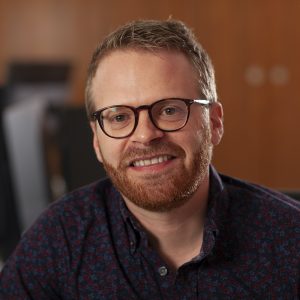
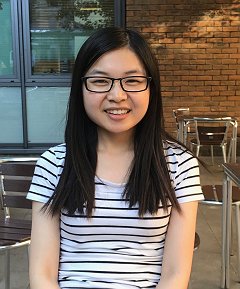
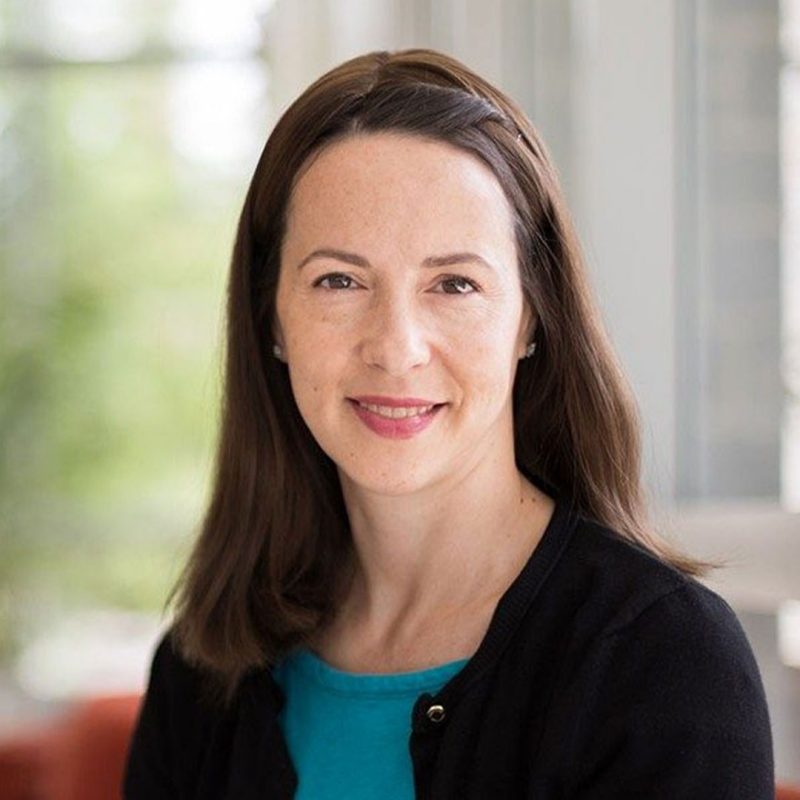
Sebastian Risi is a Professor at the IT University of Copenhagen , where he directs the Creative AI Lab and co-directs the Robotics, Evolution and Art Lab (REAL) . His work bridges computational evolution, deep learning, and collective intelligence for applications in robotics, art, and video game design. His research focuses on self-organizing AI systems that grow or assemble through local interactions, inspired by biological development. Key areas include neuroevolution , neural cellular automata , and generative modeling , with applications in adaptive robotics, game content creation, and damage-resilient AI. Recent publications highlight trends in self-assembling neural architectures (NDPs) and 3D functional machine generation (Minecraft experiments). Awards include ERC Consolidator Grant (2022), Best Paper at FDG’21 , and Google Faculty Award (2019). Scientific Awards : ERC Consolidator Grant (GROW-AI), Best Paper FDG’21, Runner-Up IEEE Games’20, GECCO 2017 Competition Winner, Sapere Aude Grant, Amazon/Google Faculty Awards He advises on projects like GROW-AI (EU-funded), AI-TESTER (game testing), and C2SIM (military systems). Media coverage includes Science , Wired , and Popular Science .
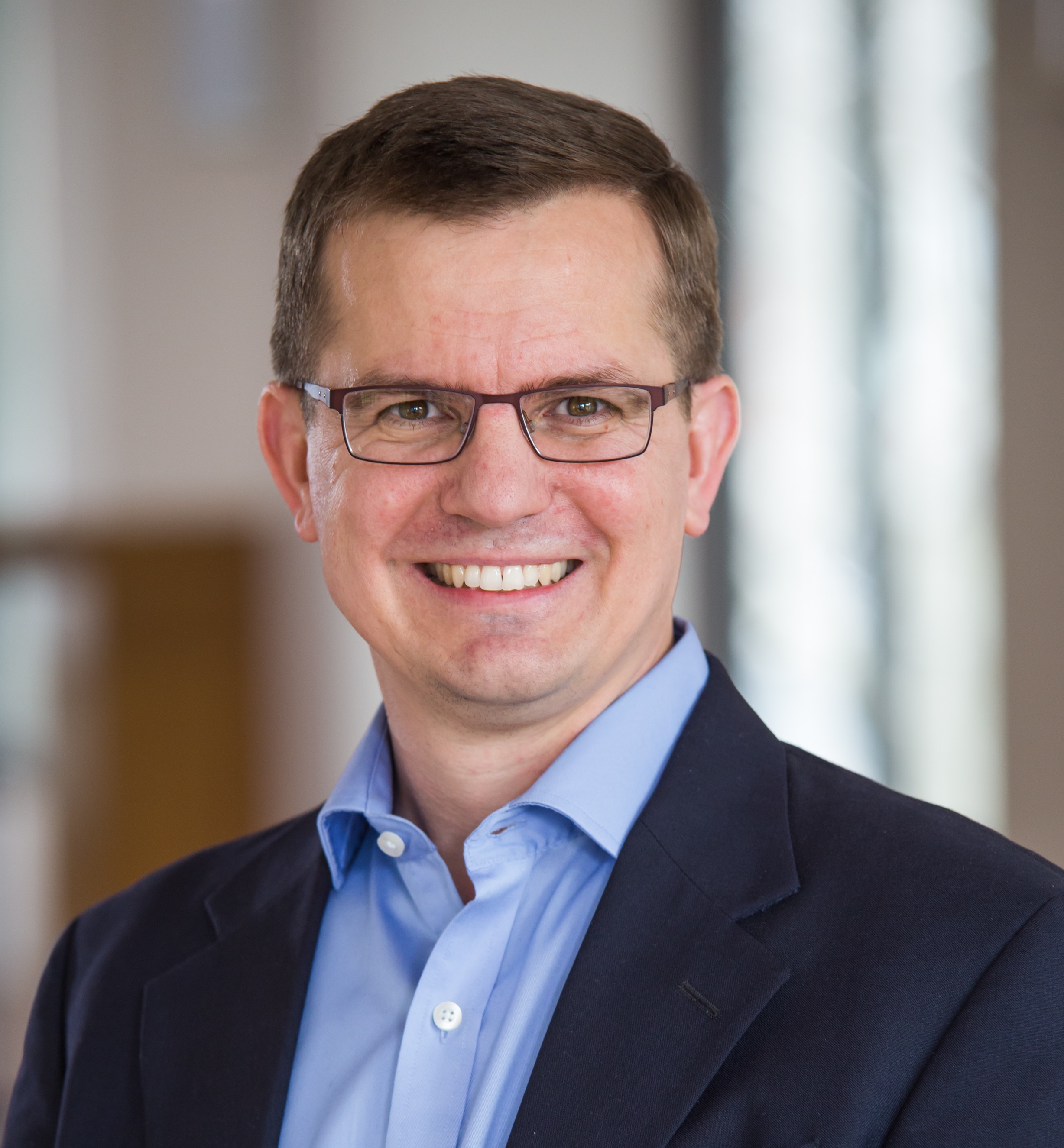
Matt Weinberg is an Associate Professor of Computer Science at Princeton University , specializing in Algorithmic Mechanism Design . His research focuses on domains where user incentives are critical, such as auctions , cryptocurrencies , and social good applications. Prior to joining Princeton's faculty in 2017, he spent two years as a postdoc in Princeton’s CS Theory group and was a Research Fellow at the Simons Institute in 2015 (Economics and Computation) and 2016 (Algorithms and Uncertainty). Weinberg earned his PhD in Computer Science from MIT in 2014 , advised by Costis Daskalakis , and received his BA in Mathematics from Cornell University in 2010 , where he collaborated with Bobby Kleinberg . His research spans Algorithmic Game Theory , Economics and Computation , and Theoretical Computer Science , with recent trends emphasizing blockchain economics and multi-item auction theory . His scientific awards include Simons Institute Research Fellowships. He advises both PhD and MSE students , with a structured philosophy emphasizing independent problem-solving and technical rigor. Weinberg also co-teaches courses like COS 445: Economics and Computing and COS 521: Advanced Algorithms , often collaborating with faculty such as Mark Braverman . His NSF grant CCF-1954927/1955205 supports a crowdsourced list of TCS-focused Master’s programs.
Prof. Dr.-Ing. Johannes Henrich Schleifenbaum is a Professor and Chair of Digital Additive Production at RWTH Aachen University, where he leads research in the Profile area Production Engineering (ProdE). His work advances additive manufacturing (AM) through interdisciplinary approaches combining materials science, process engineering, and digital technologies. His research encompasses: Laser powder bed fusion (LPBF) process optimization and defect mitigation Development of novel alloys/composites for AM applications Sustainable manufacturing practices including material recycling Integration of AI/ML for accelerated material and process design Digital tools for automated design and distributed manufacturing Recent publications (2023-2025) demonstrate a strong focus on: Multi-material processing and microstructure control Machine learning-driven alloy development Standardization and scalability of AM processes Advanced simulations for meltpool dynamics and thermal behavior Applications in aerospace, construction, and biochemical engineering He leads the Chair of Digital Additive Production, collaborating with industry partners to translate research into industrial solutions for next-generation manufacturing.
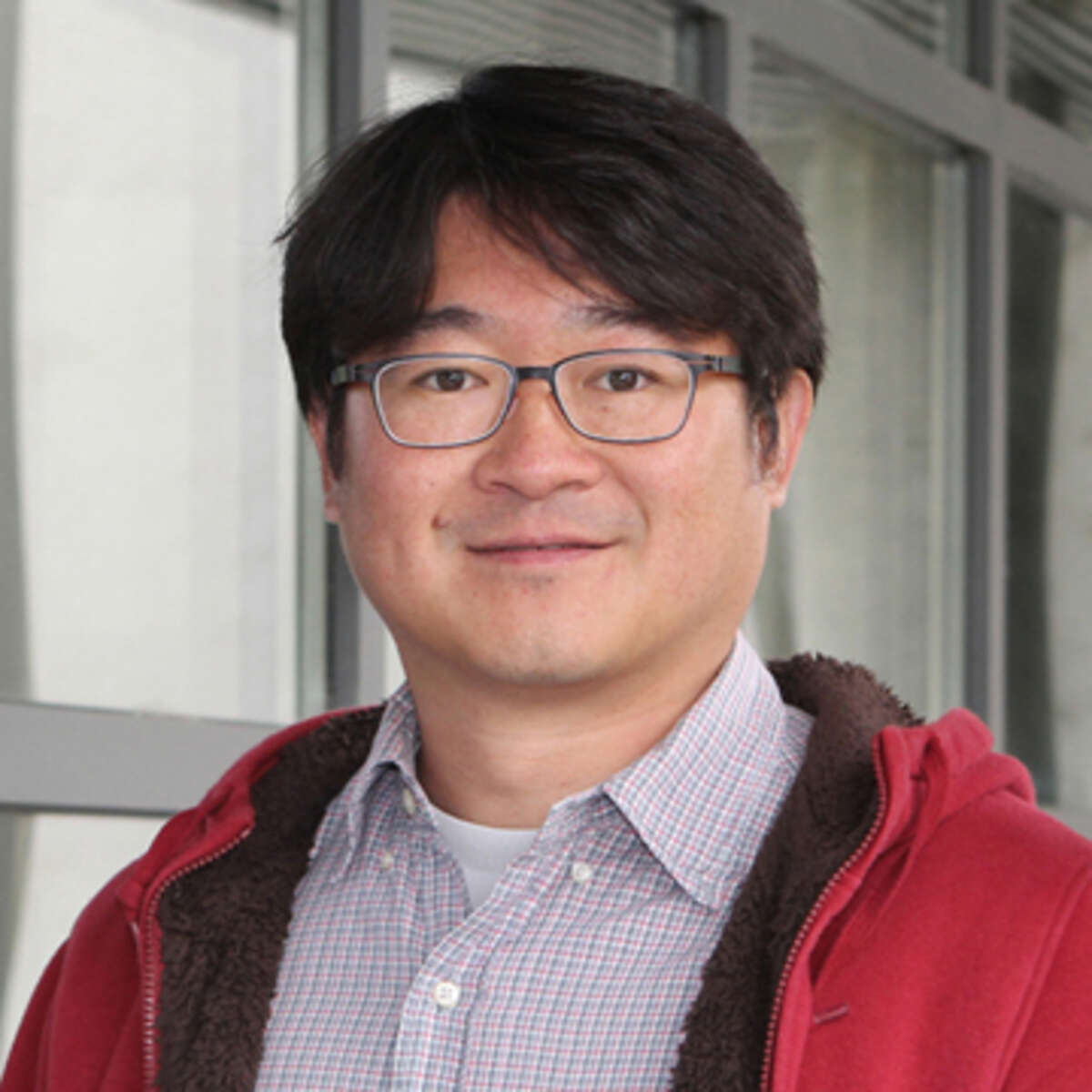
Yi-Jun Chang is an Assistant Professor in the Department of Computer Science at the National University of Singapore (NUS). He previously held a Junior Fellow position at the Institute for Theoretical Studies, ETH Zurich (2019–2021), and earned his Ph.D. in Computer Science and Engineering from the University of Michigan (2019). His research focuses on theoretical computer science, particularly distributed, parallel, and sublinear graph algorithms. Ph.D., University of Michigan (2019) M.S., National Taiwan University (2015) B.S., National Taiwan University (2013) Chang’s research explores the complexity and optimization of algorithms in distributed systems, including leader election, graph shattering, expander decomposition, and subgraph detection. His work addresses fundamental challenges in time-energy trade-offs, communication efficiency, and deterministic vs. randomized approaches in models like LOCAL and CONGEST. Recent publications highlight advancements in distributed triangle enumeration, optimal coloring, shortest path computation, and certification in bounded pathwidth graphs. Awards include the PODC 2019 Best Paper and Best Student Paper Awards, followed by the 2020 PODC Doctoral Dissertation Award. PODC 2019 Best Paper Award PODC 2019 Best Student Paper Award 2020 PODC Doctoral Dissertation Award Chang teaches courses such as CS3230 (Design and Analysis of Algorithms) and CS5275 (The Algorithm Designer's Toolkit). He advises Ph.D. students Hung Thuan Nguyen and Haoran Zhou, and has collaborated with postdoctoral researchers including Gopinath Mishra and Dean Leitersdorf.
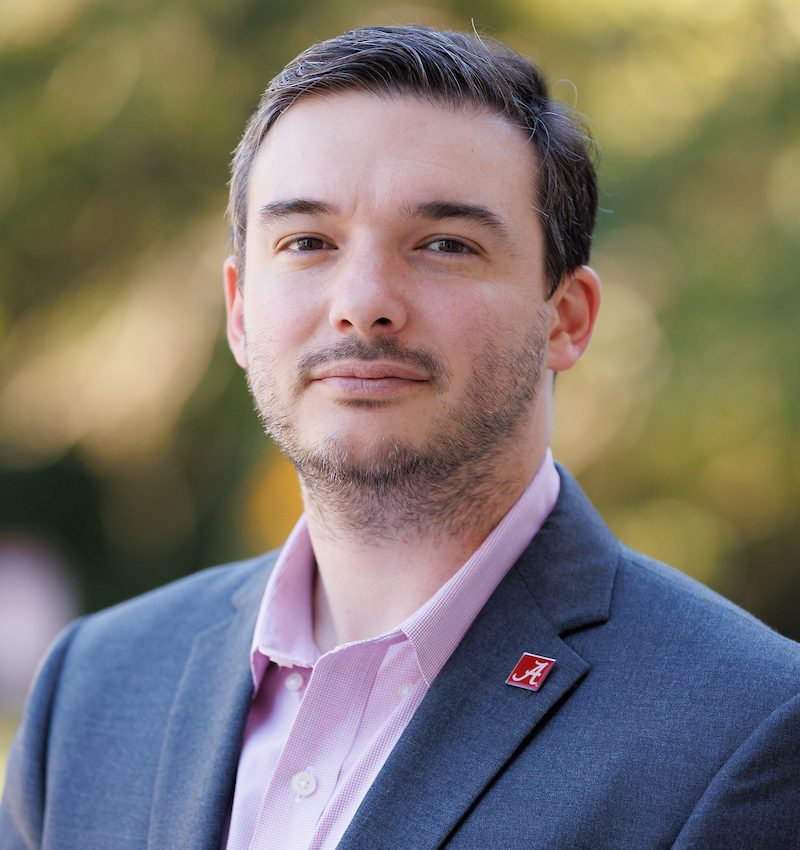
Dr. Patrick Shane Crawford serves as Assistant Professor in the Department of Civil, Construction and Environmental Engineering at the University of Alabama's College of Engineering. Affiliated with the Center for Sustainable Infrastructure and Alabama Water Institute, his research focuses on enhancing community resilience to tornadoes, floods, and hurricanes through interdisciplinary engineering approaches integrating social science and policy perspectives. His educational background includes: B.S. in Civil Engineering (2012, University of Alabama) M.S. in Civil Engineering (2014, University of Alabama) Ph.D. in Civil Engineering (2018, University of Alabama) Dr. Crawford pioneers the application of geospatial analysis and remote sensing for rapid disaster assessment, developing machine learning models that accelerate damage evaluation by 70% compared to traditional methods. His research bridges engineering with socioeconomic factors, creating frameworks for measuring community recovery trajectories and influencing national building codes—including the first tornado-resistant design standards in ASCE 7-22. Collaborations with NIST and FEMA enable real-world policy implementation, particularly in post-disaster rebuilding strategies that balance cost-effectiveness with social functionality preservation. Analysis of his 2022-2025 publications reveals consistent innovation in longitudinal disaster reconnaissance , with 60% of recent work focusing on tornado events using deep learning for damage classification. Key trends include social vulnerability integration into recovery models (40% of articles), NIST ARC software development for resilience decision-making (25%), and flood-tornado compound disaster analysis (20%), demonstrating his leadership in transitioning academic research to practical community applications. Active in federal partnerships, Dr. Crawford's 2025 feature Confident but Exposed: How Prepared Are U.S. Homeowners for Extreme Weather? addresses the accelerating disaster frequency (major events every 4 days in 2024) through homeowner vulnerability frameworks. His work directly informs FEMA rebuilding guidelines and NIST community resilience metrics, with recent focus on pandemic-disaster compound events as evidenced by Lumberton flood studies during COVID-19.
Alessandro Rigolon is an Associate Professor and MCMP Program Coordinator in the Department of City and Metropolitan Planning at the University of Utah, where he has been on the faculty since 2019. A dual-PhD scholar (Design & Planning, University of Colorado Denver; Architecture, University of Bologna), he is internationally recognized for research on environmental justice, green-space equity, and the public-health consequences of urban greening. Education: Ph.D. in Design and Planning, University of Colorado Denver (2015) Ph.D. in Architecture, University of Bologna, Italy (2012) B.Arch. & M.Arch. in Architecture and Urban Design, University of Bologna, Italy (2007) Research Interests: Rigolon’s work sits at the intersection of environmental justice, urban planning, and public health. He investigates four interconnected themes: (1) policy drivers of inequity in green-space provision; (2) the mechanisms and resistance to green gentrification; (3) green infrastructure’s role in equitable climate adaptation; and (4) health impacts of urban nature on marginalized communities. His studies span multiple scales—from census microdata in Miami-Dade County to machine-learning analyses across 263 Chinese cities—deploying mixed-methods, spatial analytics, and community-engaged research. Publications & Impact: Across 89 peer-reviewed outputs, recent work (2024-2025) reveals complex pathways by which gentrification both precedes and follows greening, quantifies disparities in park access among racial/ethnic groups, and evaluates policies aimed at achieving green-space equity. Collectively, these studies highlight the need for fine-scale spatial data, intersectional analyses, and robust procedural justice when designing equitable greening interventions. Scientific Awards & Recognition: Stanford/Elsevier Top 2 % Scientist (2024) Clarivate Highly Cited Researcher (2024) APA-Utah High Achievement Award (2022) Urban Studies Editor’s Featured Articles (2021) University of Utah Celebrate U Researcher Honoree (2020) Arnold O. Beckman Award (2019) Grants & Advising: Rigolon currently leads or co-leads six funded projects totaling over one million dollars from the Center for Equitable Transit-Oriented Communities, Center for Climate Smart Transportation, Prevention Institute, and University of Illinois. These grants support interdisciplinary teams examining transit-oriented green gentrification, climate adaptation for active transportation, and equitable park policy implementation. Graduate students and post-docs are active collaborators on all projects. Teaching & Community Engagement: He teaches graduate courses including Design Ecologies , Plan Making , Professional Project Studio , and Research Design . Through studio courses, students partner with local governments (South Salt Lake City, Liberty Wells Community Council) to produce actionable plans advancing environmental justice.
Prof. Dr. Roderick Lim is an Associate Professor at the Biozentrum, University of Basel , where he leads a research group since 2014. His work bridges biophysics, nanotechnology, and molecular biology , focusing on the nuclear pore complex (NPC) and mechanobiology of cells . He develops biomimetic systems for selective molecular transport and ARTIDIS , a nanomechanical tissue diagnostic platform commercialized for breast cancer prognosis . Education : BSc (UNC Chapel Hill), PhD (NUS/IMRE Singapore), Postdoc (Swiss Nanoscience Institute) Positions : Argovia Professor (2014–present), Tenure Track Asst. Prof. (2009–2013), Postdoc (2004–2008) His research on NPC transport selectivity reveals how karyopherins modulate the FG Nup barrier via multivalent interactions, with implications for viral entry and Alzheimer’s disease . His ARTIDIS platform uses atomic force microscopy to detect cancer via tissue softness, linking hypoxia to metastasis . Recent 2025 publications explore bacterial nanoharpoon defense mechanisms and DNA origami-based NPC mimics . Scientific Awards : Pierre-Gilles de Gennes Prize (2008), A*STAR Fellowship (2004) Collaborations : NCCR Molecular Systems Engineering, NanoTera, KTI He mentors PhD students in institutions across Switzerland, Singapore, Sweden, and the UK , with alumni working on polymersome delivery, mechanotransduction, and pathogen transport . His lab pioneered high-speed atomic force microscopy for real-time NPC dynamics and plasmonic nanopores for synthetic biology applications.
Professor Masashi Okubo at Waseda University's School of Advanced Science and Engineering specializes in electrochemistry and energy materials development. With cross-appointments at Kyoto University and the Advanced Collaborative Research Organization for SmartSociety, his work focuses on sustainable battery systems including aqueous proton batteries, MXene-based electrodes, and oxygen-redox chemistry. His research bridges fundamental materials science with practical energy storage applications through combined experimental-theoretical approaches. Education : Ph.D. in Basic Science (2005) and M.Sc./B.Sc. in Basic Science from The University of Tokyo Research Strengths : Solid-state ionics and intercalation chemistry MXene electrode engineering Oxygen-redox reaction mechanisms High-rate energy storage systems Hydrate-melt electrolyte optimization Scientific Contributions include: Discovering near-zero-volume-phase battery materials Developing distortion-relieving voids in host structures Elucidating multiorbital bond formation in oxygen-redox reactions Advancing aqueous redox-flow battery catholyte design Prominent Awards : Waseda Research Award (2021) ACS Reviewer Excellence Award (2018) Ministry of Education Young Scientist Award (2017) Multiple Young Investigator Awards (2016)
Professor Quanmin Zhu is a Professor in Control Systems at the School of Engineering, University of the West of England (UWE), Bristol, UK, holding this position since 2004. His academic career spans over four decades, including roles as Lecturer at Qiqihar University (China, 1983-1986), Post-doctoral Researcher at University of Sheffield (UK, 1989-1994), Lecturer at University of Brighton (UK, 1994-1997), and Lecturer/Reader at Aston University (UK, 1997-2004). His educational background includes: MSc in Engineering from Harbin Institute of Technology, China (1980-1983) PhD from University of Warwick, UK (1986-1989) Professor Zhu's research centers on dynamic system modeling, identification, control, and simulation, with pioneering contributions to nonlinear control systems, robust control methodologies, and U-model based control frameworks. His work bridges theoretical advances with practical applications in robotics, renewable energy systems, and industrial automation, emphasizing model-free and adaptive control solutions for complex nonlinear dynamics. Analysis of his 2021-2025 publications reveals a dominant focus on robust control for uncertain nonlinear systems, with significant contributions to sliding mode control, multi-agent coordination, and cyber-physical security. His research increasingly integrates machine learning techniques (e.g., actor-critic reinforcement learning) while maintaining core expertise in optimization-based control algorithms applied to UAVs, robotic manipulators, and wind energy systems. His professional honors include: Chartered Engineer (CEng) Fellow of the Institution of Engineering and Technology (FIET) Fellow of the Higher Education Academy (FHEA) As an academic leader, Professor Zhu serves as President/Founder of the International Conference on Modelling, Identification and Control (ICMIC), Editor/Founder of Elsevier's Book Series on Emerging Methodologies in Modelling and Control, and University Ambassador for UK-China educational collaboration. His research group secures substantial grants in control theory applications, with ongoing projects in U-model control platforms and international partnerships. He leads the Control Systems research group at UWE, driving innovation in the U-control platform and its industrial applications. His team maintains strong international collaborations, particularly with Chinese institutions, and actively develops the Elsevier Book Series as a key publication channel for emerging control methodologies.
Ben Raphael is a Professor in the Department of Computer Science at Princeton University, with affiliations at the Lewis-Sigler Institute for Integrative Genomics, Omenn-Darling Bioengineering Institute, and Center for Statistics and Machine Learning. He is also an Affiliate Faculty member at the Rutgers Cancer Institute of New Jersey, Irving Institute for Cancer Dynamics at Columbia University, and New York Genome Center. His research focuses on computational methods for analyzing large-scale biological data, emphasizing cancer evolution, network/pathway analysis, and structural variation in genomes. Research Trends: His recent work spans cancer lineage trees, spatial transcriptomics, optimal transport for developmental models, and network analysis of mutations. Articles highlight applications in prostate cancer, pancreatic cancer, and single-cell genomics. Scientific Awards: 2024 ACM Fellow 2023 RECOMB Test of Time Award 2022 RECOMB Test of Time Runner-Up 2021 ISCB Innovator Award 2021 RECOMB Best Paper Runner-Up 2020 ISCB Fellow 2020 AACR Team Science Award 2011 NSF CAREER Award 2013 RECOMB Best Paper 2010-2012 Sloan Research Fellowship Advising: He has mentored numerous Ph.D. students and postdoctoral fellows, many of whom have transitioned to academic and industry roles. Current advisees include Uthsav Chitra, Gillian Chu, and Alexander Strzalkowski. Labs & Teams: Raphael leads the Raphael Lab at Princeton, developing tools like HotNet2, CHISEL, and HATCHet for cancer genomics and network analysis.
Professor Daniel Catchpoole serves as Deputy Head of School (Research) at the School of Computer Science, University of Technology Sydney (UTS), holding dual appointments at UTS and The Children's Hospital at Westmead. With over 20 years of research experience, he bridges computational sciences and pediatric cancer research through the Biomedical Data Science Lab in the Australian Artificial Intelligence Institute. His work integrates data analytics, artificial intelligence, and software development with molecular cancer biology to transform pediatric cancer treatment pathways. PhD in Cancer Cell Biology, University of New South Wales (1991-1995) Founding Fellow, Royal College of Pathologists Australasia (2010-present) Head, Children's Hospital at Westmead Tumour Bank (2001-present) Professor Catchpoole's research focuses on translational applications of genomics in childhood cancers, particularly acute lymphoblastic leukemia and neuroblastoma. His work combines high-throughput genomic technologies with advanced computational analysis to develop systems biology approaches for cancer patient assessment. Recent projects explore virtual reality applications for complex genomic data visualization and copper chelation therapies to enhance neuroblastoma immunotherapy. His research has received significant funding from Cancer Institute NSW, Sony Foundation, ARC, and NHMRC. His publication record spans biomedical data science, cancer genomics, and virtual reality applications in oncology. Recent work demonstrates leadership in 3D latent diffusion models for tumor segmentation, biobank economics, and innovative immunotherapies. His research consistently addresses the critical need for actionable knowledge from complex multidimensional biomedical data. Editorial Board Member, Cancers (2023) Associate Editor, Innovations in Digital Health, Diagnostics and Biomarkers (2019) Founding member and first President, Australasian Biospecimens Network Association Professor Catchpoole has supervised 17 Honours students (including 6 First Class Honours), 3 MSc students, and 12 PhD candidates across multiple institutions, with 6 current PhD students. His collaborative research bridges UTS's Faculty of Engineering and IT with The Children's Cancer Research Unit at The Children's Hospital at Westmead. Significant research funding includes Cancer Institute NSW grants, Sony Foundation VR projects, and ARC Discovery Projects focused on genomic data analysis and clinical decision support systems. His leadership extends to building frameworks for translational research, managing biobanks and clinical data linkages, and navigating governance requirements for cancer research. The Tumour Bank at Kids Research, CCRU, represents his long-standing commitment to pediatric cancer infrastructure development.
Peter A. Tass is a Professor of Neurosurgery at Stanford University's School of Medicine, where he leads the Tass Lab within the Department of Neurosurgery. His research focuses on developing groundbreaking neuromodulation techniques designed to impact the course of neurological diseases including Parkinson's disease, stroke, epilepsy, and tinnitus. The Tass Lab is part of several prestigious Stanford initiatives including Bio-X, the Wu Tsai Human Performance Alliance, the Maternal & Child Health Research Institute (MCHRI), and the Wu Tsai Neurosciences Institute. MD from Universities of Ulm and Heidelberg, Germany (1989) PhD in Physics from University of Stuttgart, Germany (1993) Diploma (master's degree) in Mathematics from University of Stuttgart, Germany (1993) Habilitation thesis in Physiology from RWTH Aachen University, Aachen, Germany (2001) Dr. Tass's primary research interests center around computational neuroscience approaches to understanding and treating neurological disorders. His lab pioneers neuromodulation techniques based on thorough computational modeling that employs dynamic self-organization, plasticity, and other neuromodulation principles to produce sustained therapeutic effects after stimulation. He specifically focuses on developing stimulation methods that cause sustained neural desynchronization by unlearning abnormal synaptic interactions. His work spans both invasive techniques like deep brain stimulation and non-invasive approaches such as vibrotactile and acoustic stimulation. Current projects involve developing novel therapies for Parkinson's disease, epilepsy, tinnitus, and other neurological conditions using comprehensive computational neuroscience methods derived from non-linear dynamics, statistical physics, and numerics. Analysis of Dr. Tass's recent publications reveals a strong focus on coordinated reset stimulation techniques, neural network modeling with plasticity mechanisms, and computational approaches to brain stimulation. His work consistently bridges theoretical computational neuroscience with clinical applications, particularly for Parkinson's disease treatment. A significant portion of his recent research examines how stimulation parameters, sequences, and timing affect long-lasting desynchronization effects in neural networks. His publications demonstrate an interdisciplinary approach combining physics, mathematics, neuroscience, and clinical medicine to develop novel therapeutic interventions. Member of the European Academy of Sciences and Arts (2012) Nicolaus August Otto Innovation Prize (2011) German Innovation Award in Medicine (2011) Rapid Response Innovation Awards from The Michael J. Fox Foundation (2009, 2010) Runner-up for the German future prize (2006) Erwin Schrödinger prize (2005) Fritz Winter prize (2000) Dr. Tass actively mentors a diverse team of researchers including staff scientists, postdoctoral fellows, clinician-scientists, and students. His lab currently includes researchers with backgrounds in physics, computational neuroscience, biomedical engineering, and clinical neurology. The lab is involved in multiple clinical trials, including studies on coordinated reset spinal cord stimulation and vibrotactile coordinated reset stimulation for Parkinson's disease. His research is supported by various funding sources including foundations focused on neurological disorders and innovation in medical technology. Dr. Tass collaborates extensively with both internal Stanford researchers and external collaborators worldwide. The Tass Lab at Stanford is a multidisciplinary research group comprising physicists, neuroscientists, engineers, and clinicians working together to develop novel neuromodulation therapies. The lab team includes staff scientists like Justus Kromer (theoretical physicist), postdocs like Daniel Ehrens and Kanishk Chauhan, clinician-scientists like Tina Munjal, and clinical research coordinators. The lab maintains active collaborations with Stanford colleagues across departments including Kwabena Boahen, Vivek P. Buch, and Jaimie Henderson, as well as external collaborators like Alexander Neiman and Kęstutis Pyragas. Current research directions include developing non-invasive vibrotactile treatments for Parkinson's disease, acoustic coordinated reset therapy for tinnitus, and responsive deep brain stimulation for conditions like loss-of-control eating.
Erin Bell is a Professor in the Department of Civil and Environmental Engineering at the University of New Hampshire . She holds a Ph.D. in Structural Engineering from Tufts University and has extensive experience in structural health monitoring, finite element modeling, and infrastructure sustainability. B.C.E., Georgia Institute of Technology M.S., Civil Engineering, Tufts University Ph.D., Structural Engineering, Tufts University Her research focuses on structural health monitoring, bridge condition assessment, and integrating AI techniques like artificial neural networks and deep reinforcement learning for infrastructure asset management. Recent work includes equitable maintenance strategies for aging bridges in flood-prone zones and tidal energy conversion for sustainable bridge monitoring systems. Key trends in her publications include the application of machine learning to structural analysis, finite element model calibration, and climate change adaptation in transportation infrastructure. She has led projects on deep reinforcement learning for bridge scour maintenance, modal-based uncertainty quantification, and multi-scale modeling of steel bridges. Grants and Collaborations : Erin Bell has secured funding from the National Science Foundation (NSF) , US Department of Energy (DOE) , and New Hampshire Department of Transportation . Notable projects include the Living Bridge initiative for tidal energy-powered smart infrastructure and statewide data exchange systems for bridge condition assessment.
Cuiyun Gao is a Full Professor and PhD Supervisor at the School of Computer Science and Technology, Harbin Institute of Technology, Shenzhen. She has established herself as a prominent researcher in the intersection of artificial intelligence and software engineering. Her educational background includes a PhD from the Chinese University of Hong Kong (completed in 2018), followed by postdoctoral work at CUHK and a Research Fellowship at Nanyang Technological University. She also had a visiting period at University College London supervised by Prof. Mark Harman and Prof. Federica Sarro. Dr. Gao's research primarily focuses on Software Repository Mining, Natural Language Processing, Code Analysis, Large Language Models, Source Code Understanding, User Review Analysis, Vulnerability Detection, and Mobile Advertising Analysis . Her work bridges the gap between traditional software engineering practices and modern AI techniques, particularly in the context of code intelligence and software maintenance. Her recent publications (2024-2025) demonstrate a strong emphasis on Large Language Models for code-related tasks, including code generation, optimization, vulnerability detection, and software engineering applications. Her research shows a clear trend toward addressing practical challenges in integrating LLMs into the software development lifecycle while maintaining code quality and security. Scientific Awards: Distinguished Paper Award at ASE 2023 Best Paper Award of the Track at ICSE 2024 Distinguished Paper Award at ICSE 2024 Dr. Gao actively supervises multiple PhD and Master's students, contributing to the next generation of software engineering researchers. She has served on numerous conference committees including FSE, ISSTA, ICSE, ASE, and SANER. Her research has received significant attention in the software engineering community, with multiple papers published in top-tier venues like FSE, ICSE, ASE, and TSE. Her lab appears to be actively engaged in both theoretical research and practical applications, particularly in the context of WeChat and other industry collaborations, demonstrating strong industry-academia connections.
Anne Staples is an Associate Professor in the Department of Mechanical Engineering at Virginia Tech, leading the Laboratory for Fluid Dynamics in Nature (FINLAB). Her research focuses on fluid mechanics in biological systems, medical fluid dynamics, and bioinspired engineering, leveraging computational modeling and microfluidic technologies to innovate in healthcare and engineering. Education: B.S. in Mechanical and Aerospace Engineering, Cornell University (2000) M.Eng. in Mechanical and Aerospace Engineering, Princeton University (2001) Ph.D. in Mechanical and Aerospace Engineering, Princeton University (2006) Postdoctoral Researcher at the Naval Research Laboratory (2006–2008) Research Interests: Her work spans bioinspired microfluidics, medical device design, and fluid dynamics in biological systems. Notable projects include developing pulse-driven micropumps for drug delivery and studying insect respiratory systems to inform engineering solutions. Publications: Over 50 peer-reviewed articles, focusing on topics like microfluidic systems, insect-inspired flow control, and hemodialyzer modeling. Recent work emphasizes wearable drug delivery and biomechanical innovations. Awards & Service: NIH Trailblazer Award (2024) Virginia Tech Dean’s Fellow (2023–present) Editorial Board Member, PLOS ONE and Scientific Reports (2021–present) Fulbright Scholar (2016) Grants & Collaborations: Leads a NIH-funded project to develop lightweight drug delivery devices. Collaborates with statisticians and biomedical engineers to simulate and optimize prototypes. Active in interdisciplinary teams at Virginia Tech and Georgia Tech. Labs & Teams: Directs the FINLAB, which integrates computational modeling, experimental microfluidics, and biological principles to address challenges in healthcare and environmental engineering.